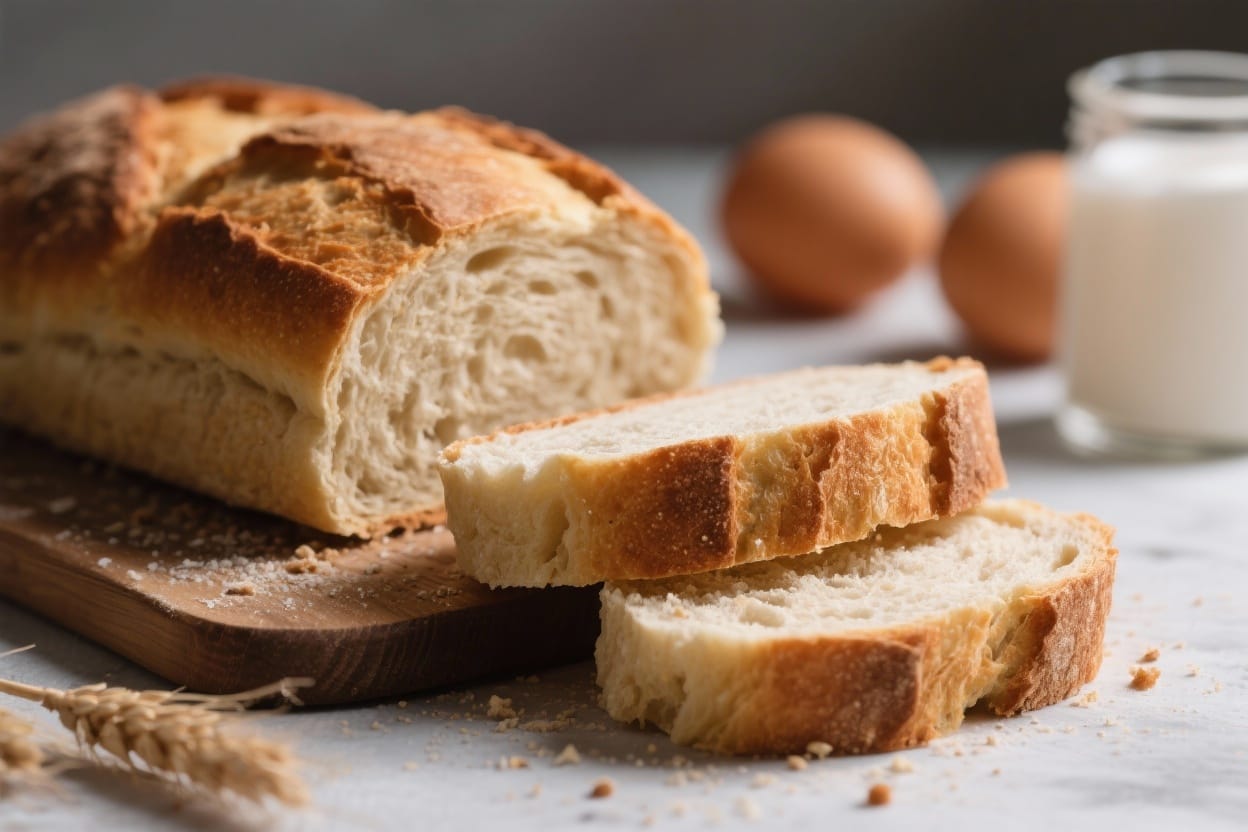
Whole Wheat Bread That Is Soft – Easy, Everyday Loaf
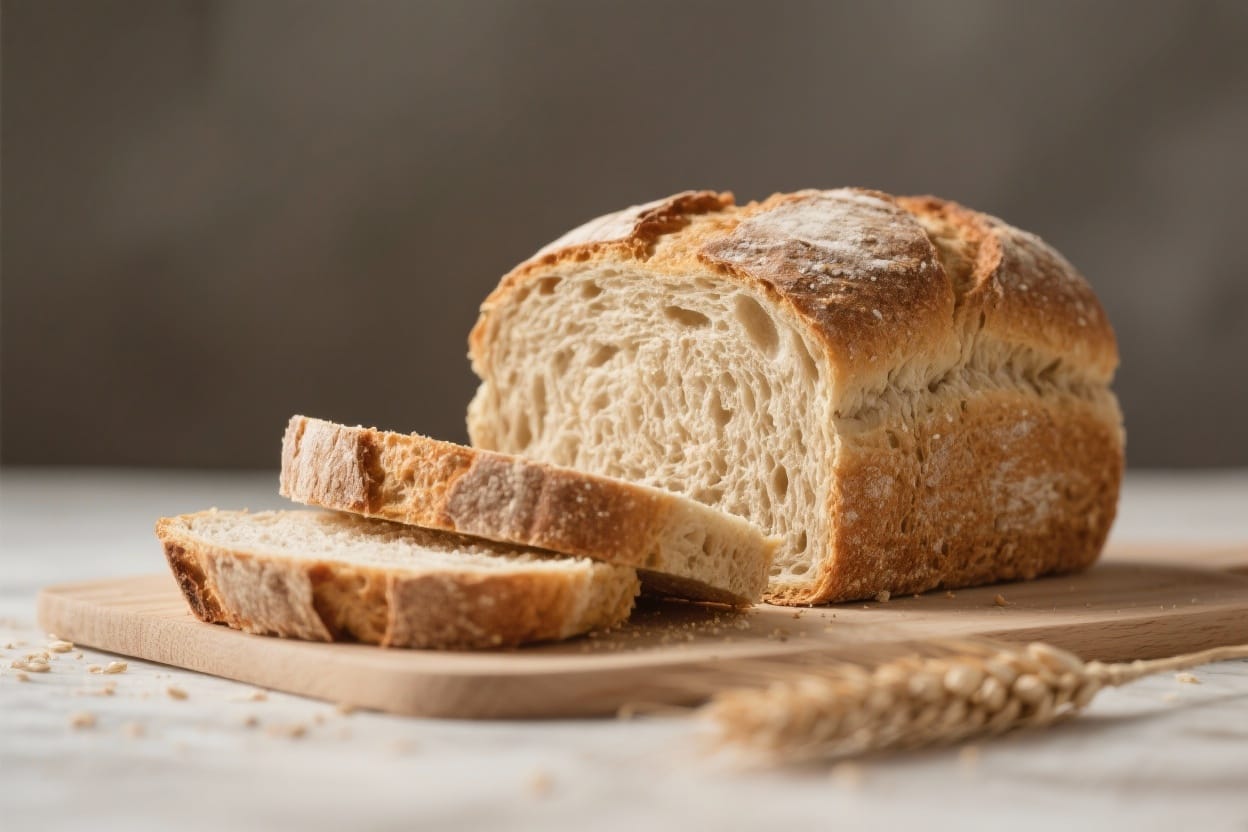
Whole wheat bread often gets a bad reputation for being dense or dry, but it doesn’t have to be that way. With a few smart techniques and the right balance of ingredients, you can bake a soft, tender loaf that stays fresh for days. This recipe gives you a wholesome, flavorful bread with a pillowy crumb—perfect for sandwiches, toast, or snacking with butter. It’s straightforward, beginner-friendly, and relies on simple pantry staples. If you’ve been searching for a soft whole wheat loaf that actually tastes great, you’re in the right place.
Why This Recipe Works
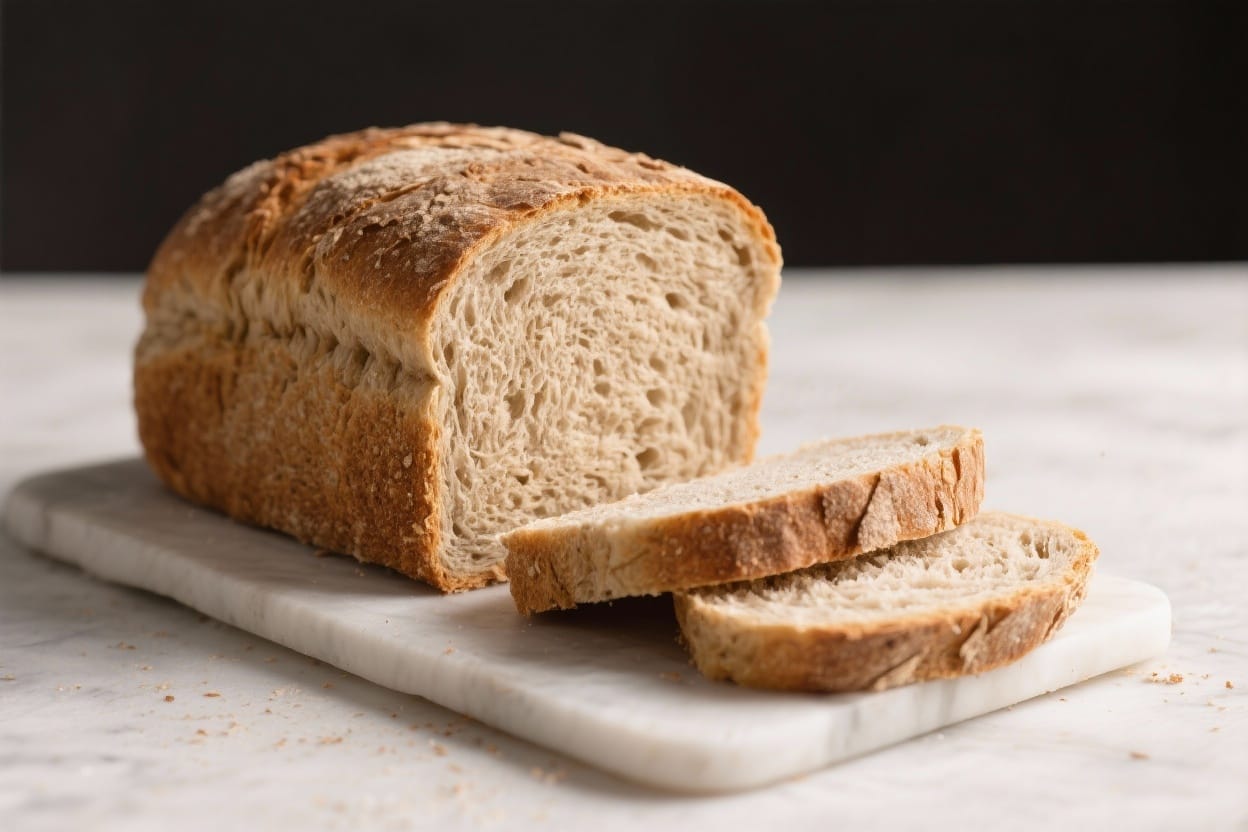
Whole wheat bread that is soft – Whole Wheat Bread That Is Soft – Easy, Everyday Loaf Whole wheat bread often gets a bad reputation f
This recipe uses a combination of whole wheat flour and a small amount of bread flour to keep the structure strong while maintaining softness. A touch of honey adds moisture and gentle sweetness, which helps the bread stay tender. Milk and butter enrich the dough, softening the crumb and adding subtle flavor. An optional “autolyse” rest lets the flour hydrate fully, making the dough easier to handle and improving rise. Finally, proper kneading and a warm proof ensure a lofty, soft loaf instead of a dense one.
Ingredients
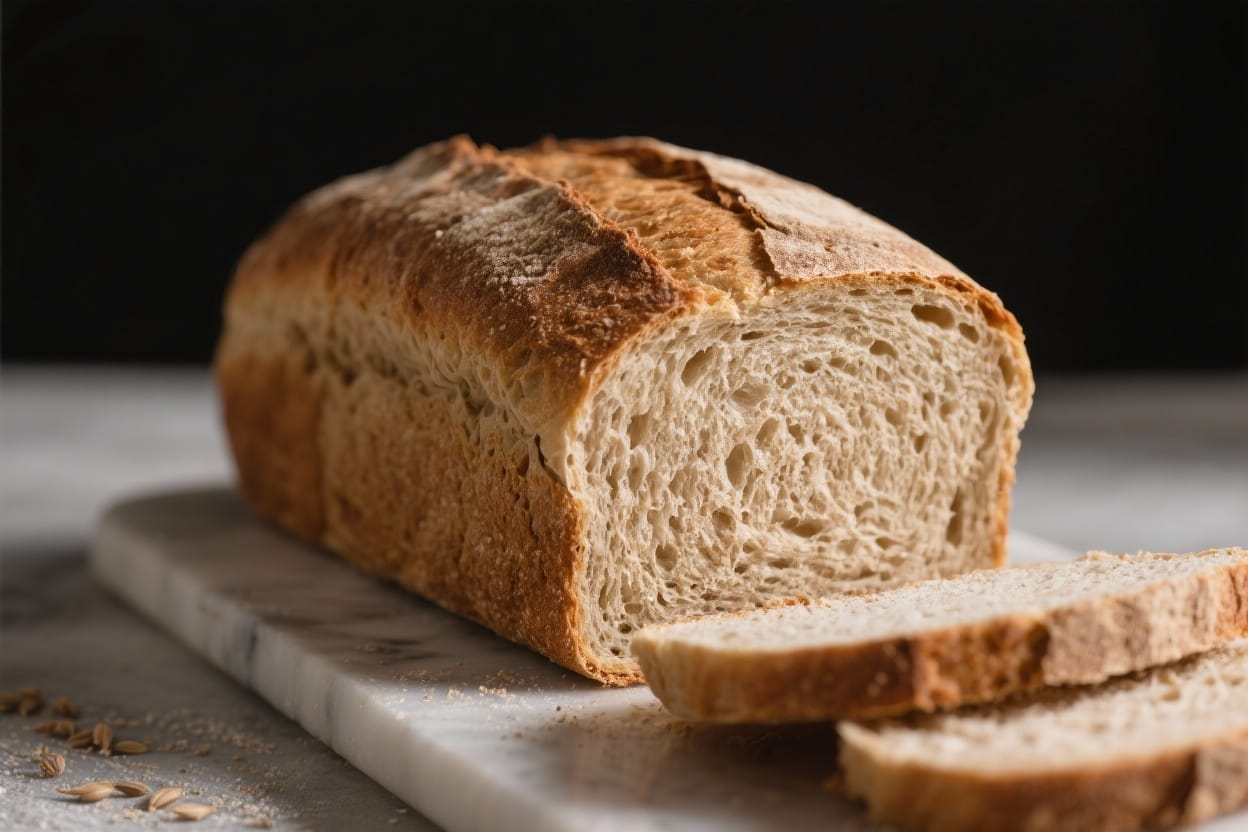
Whole wheat bread that is soft – With a few smart techniques and the right balance of ingredients, you can bake a soft, tender loaf t
- 2 cups (260 g) whole wheat flour
- 1 1/2 cups (200 g) bread flour (or all-purpose flour in a pinch)
- 1 1/4 cups (295 ml) warm milk (around 100–105°F/38–41°C)
- 2 tablespoons (30 g) unsalted butter, softened
- 3 tablespoons (45 g) honey (or sugar)
- 2 1/4 teaspoons (7 g) instant yeast (or active dry yeast; see note below)
- 1 1/4 teaspoons fine sea salt
- Optional: 1 tablespoon olive oil for greasing the bowl
- Optional: 1 tablespoon milk for brushing the top before baking
Note: If using active dry yeast, proof it in the warm milk with the honey for 5–10 minutes until foamy before mixing with the flours.
Instructions
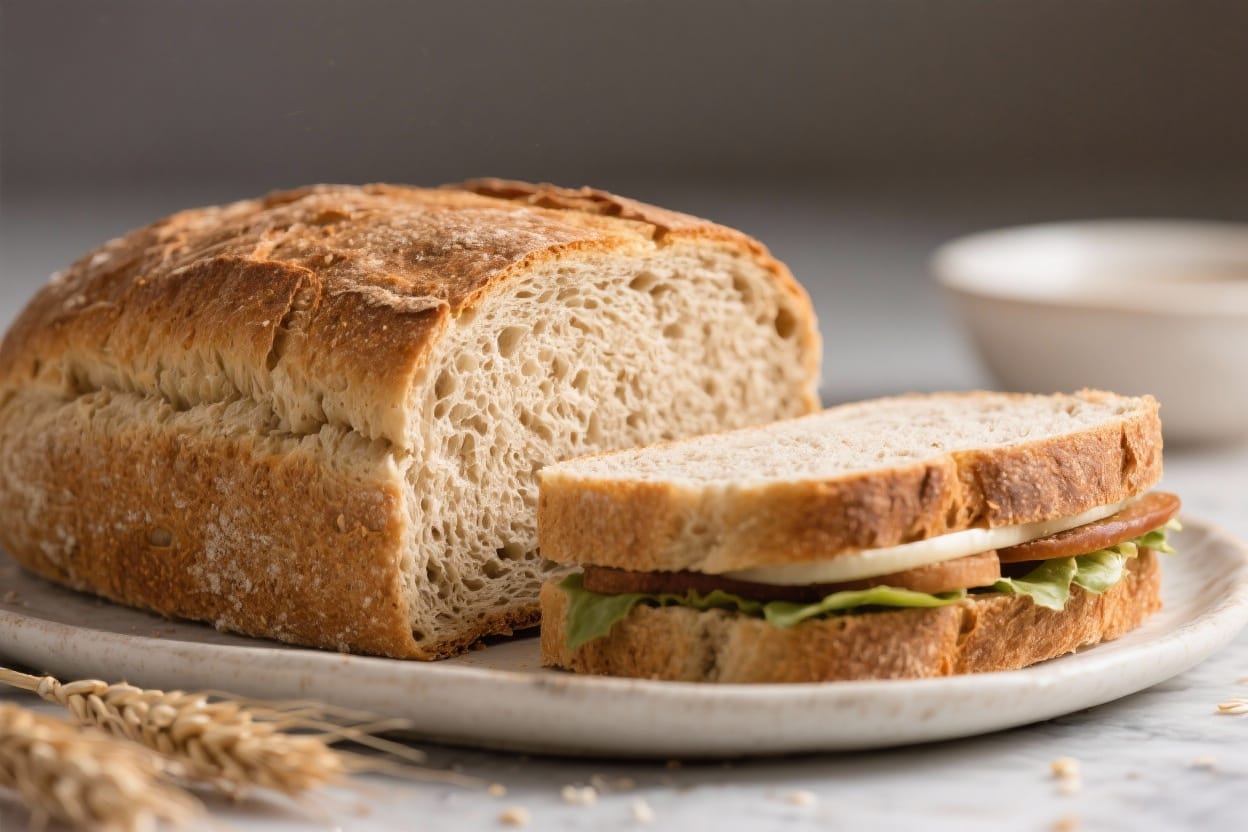
Whole wheat bread that is soft – This recipe gives you a wholesome, flavorful bread with a pillowy crumb—perfect for sandwiches, toas
- Mix the wet ingredients: In a large bowl, combine warm milk, honey, and yeast. If using instant yeast, you can add it directly. Stir to dissolve. Add the softened butter and mix until it breaks up into the liquid.
- Combine the dry ingredients: In a separate bowl, whisk together whole wheat flour, bread flour, and salt.
- Form the dough: Add the dry mixture to the wet ingredients. Stir with a spatula until a shaggy dough forms and no dry flour remains. If it seems very dry, add 1–2 teaspoons of milk at a time. If it’s too sticky, sprinkle in a little flour.
- Optional autolyse (10–20 minutes): Let the dough rest in the bowl. This rest allows the flour to hydrate and makes kneading easier while improving softness.
- Knead until smooth: Turn the dough onto a lightly floured surface. Knead for 8–10 minutes by hand, or 6–7 minutes on medium speed in a mixer with a dough hook. The dough should become smooth, springy, and slightly tacky but not sticky. Proper kneading builds the structure that traps air and keeps the loaf soft.
- First rise: Place the dough in a lightly oiled bowl, turning once to coat. Cover with a clean towel or plastic wrap. Let rise in a warm, draft-free spot until doubled, about 60–90 minutes.
- Shape the loaf: Punch down the dough gently to release gas. Turn it out onto the counter, flatten into a rectangle, and roll it up tightly from the short end. Pinch the seam, tuck the ends under, and place seam-side down in a greased 9×5-inch (23×13 cm) loaf pan.
- Second rise: Cover and let rise until the dough crowns about 1 inch above the rim, 35–55 minutes depending on room temperature. A well-proofed loaf bakes up soft and tall.
- Preheat and bake: Preheat the oven to 350°F (175°C). For a tender crust, brush the top with a little milk. Bake for 30–35 minutes until the top is golden brown and the internal temperature hits 190–195°F (88–90°C). If the top browns too quickly, tent loosely with foil for the last 10 minutes.
- Cool correctly: Remove the bread from the pan and cool on a wire rack for at least 1 hour before slicing. Letting it cool sets the crumb and keeps slices soft and even.
How to Store
- Room temperature: Wrap the cooled loaf in a clean towel and place in a bread box or a loose plastic bag. It stays soft for 3–4 days.
- Freezing: Slice the loaf, wrap in plastic or parchment, then place in a freezer bag. Freeze for up to 3 months. Toast or thaw at room temperature.
- Avoid refrigeration: The fridge can dry out bread and make it stale faster.
Health Benefits
Whole wheat flour brings natural fiber that supports digestion and helps you feel full longer. It also offers essential nutrients like B vitamins, iron, and magnesium. Compared to many store-bought loaves with additives, this homemade version is simple and clean. You control the sweetness and fat, which makes it easier to fit into your everyday routine without losing out on flavor.
Common Mistakes to Avoid
- Too much flour: Whole wheat flour absorbs more liquid over time. Keep the dough slightly tacky. Adding lots of extra flour makes the loaf dense.
- Under-kneading: Without enough kneading, your loaf won’t rise well and may crumble. Aim for a smooth, elastic dough.
- Over-proofing: Letting the dough rise too long can cause collapse and a coarse texture. Stop the proof when it’s just over the pan’s rim.
- Cutting too soon: Slicing hot bread squashes the crumb and makes it gummy. Cool fully for clean, soft slices.
- Skipping salt: Salt strengthens gluten and boosts flavor. Don’t leave it out.
Recipe Variations
- 100% whole wheat: Use all whole wheat flour and add 1–2 tablespoons of milk or water if needed. Expect a heartier texture but still soft if kneaded and proofed well.
- Olive oil loaf: Replace butter with 2 tablespoons olive oil for a dairy-free, slightly fruity flavor.
- Oat and seed: Add 1/3 cup rolled oats and 2–3 tablespoons mixed seeds (sunflower, flax, sesame). Increase milk by 1–2 tablespoons to compensate.
- Molasses note: Swap honey with 2 tablespoons molasses for a deeper, toasty sweetness and darker crumb.
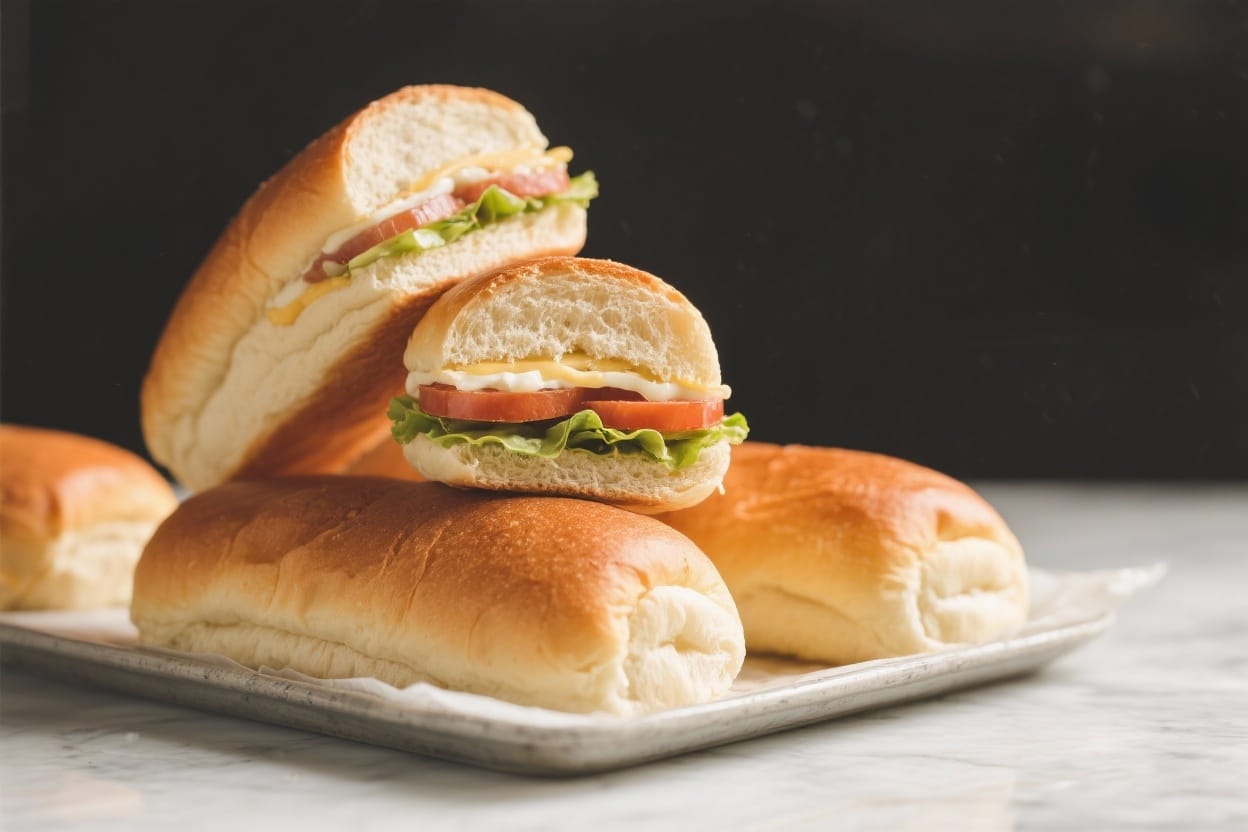
- Soft pull-apart rolls: Shape into 12 balls, place in a greased 9×13 pan, and bake 18–22 minutes at 350°F (175°C).
FAQ
Can I make this bread without a mixer?
Yes. Hand-kneading works perfectly. It will take about 8–10 minutes of steady kneading until the dough is elastic and slightly tacky. Resting the dough for 10 minutes halfway through makes it easier.
What if I only have all-purpose flour?
You can use all-purpose flour in place of bread flour. The loaf may be slightly less tall, but it will still be soft. Knead well and avoid adding extra flour.
How do I know when the dough has been kneaded enough?
The dough should feel smooth and spring back when poked. If you gently stretch a small piece, it should form a thin, slightly translucent window without tearing quickly. That’s a good sign of gluten development.
Why is my bread dense?
Common causes include too much flour, not enough kneading, cold liquid, or under-proofing. Keep the dough slightly tacky, knead to elasticity, use warm milk, and let it rise until doubled. Also check that your yeast is fresh.
Can I use water instead of milk?
Yes, but the loaf will be a bit less rich. Replace milk with warm water and add 1 extra tablespoon of butter or oil to help keep the crumb soft.
How can I make the crust softer?
Brush the loaf with milk before baking and again lightly right after it comes out of the oven. Storing the cooled loaf wrapped in a towel also helps maintain a tender crust.
Is this bread sweet?
It’s lightly sweet from the honey, just enough to round out the wheat flavor. If you prefer less sweetness, reduce the honey to 2 tablespoons; for more, increase to 4 tablespoons.
Can I bake this in a Dutch oven?
Yes, but use a loaf shape that fits or form a boule. Bake at 375°F (190°C) covered for 20 minutes and uncovered for 15–20 minutes. The crust will be a bit thicker but still soft inside.
Final Thoughts
Soft whole wheat bread is absolutely possible with a few simple steps and the right balance of ingredients. This loaf is wholesome, flavorful, and perfect for everyday meals. Once you try it, you may skip the store-bought versions for good. Keep the dough slightly tacky, knead well, and proof just right—those small choices make a big difference. Enjoy your fresh, warm slices with butter, jam, or your favorite sandwich fillings.
Printable Recipe Card
Want just the essential recipe details without scrolling through the article? Get our printable recipe card with just the ingredients and instructions.