
Vegetable Stuffed Pita Pockets – Easy, Fresh, and Satisfying
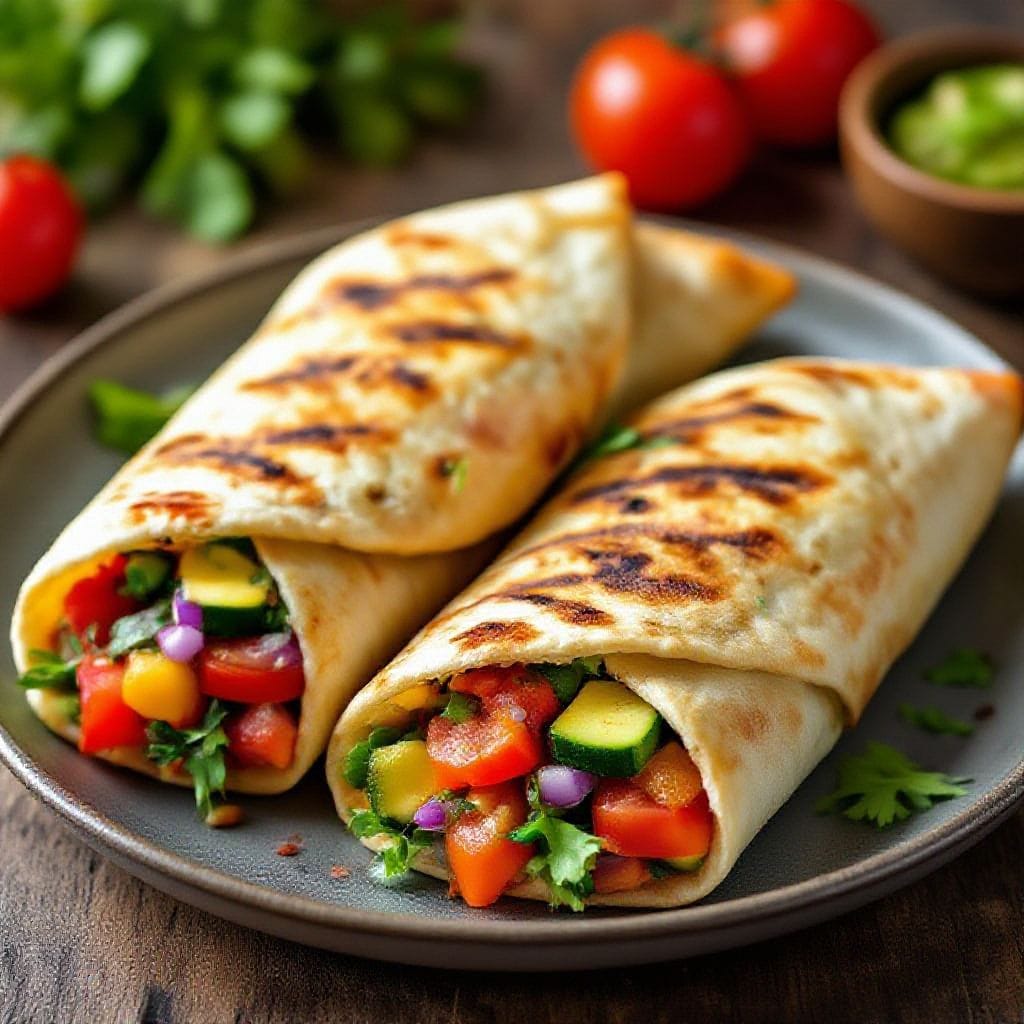
These vegetable stuffed pita pockets are the kind of meal you’ll want on repeat. They’re quick to assemble, full of bright flavors, and endlessly flexible. Whether you’re packing lunch, prepping for a picnic, or getting dinner on the table in 20 minutes, these pitas come through. The mix of crisp veggies, creamy sauce, and soft, warm bread hits every note. They’re light, colorful, and surprisingly filling.
What Makes This Recipe So Good
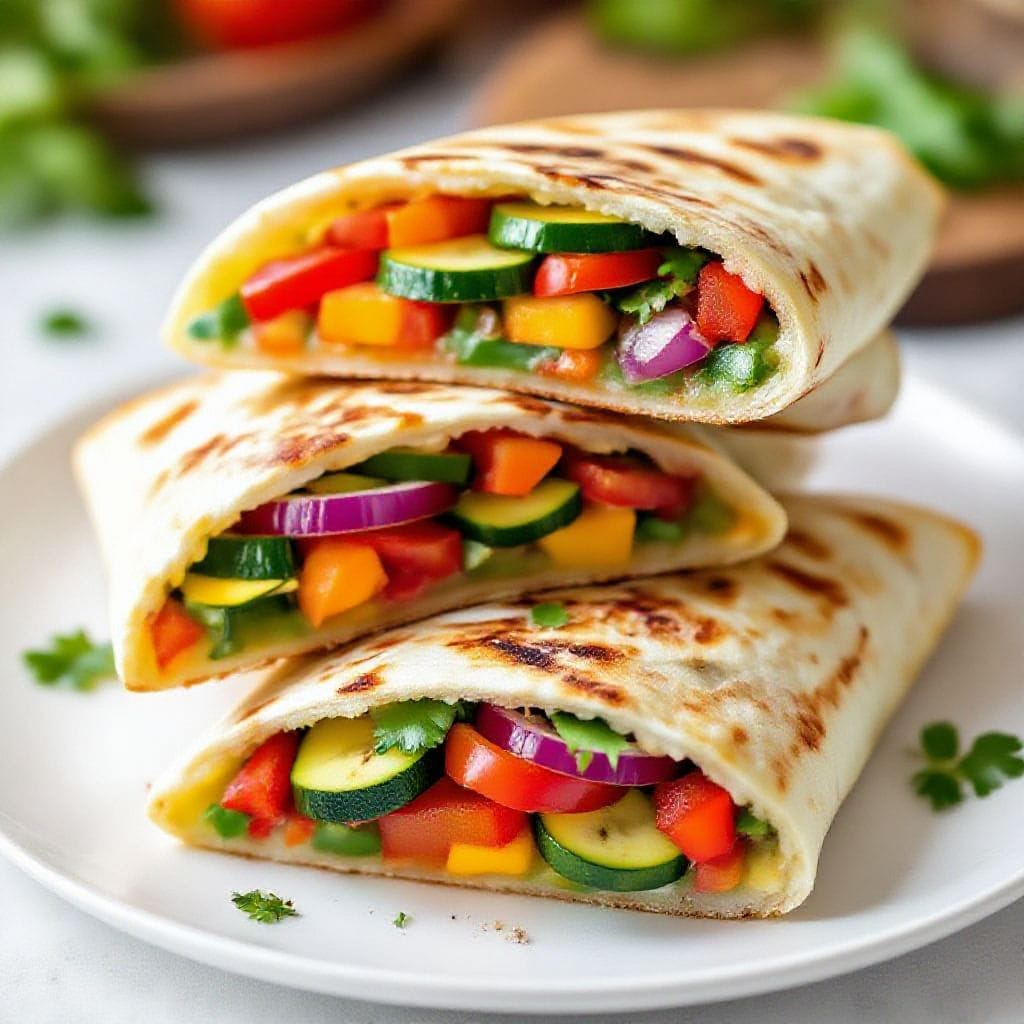
Vegetable stuffed pita pockets – Vegetable Stuffed Pita Pockets – Easy, Fresh, and Satisfying These vegetable stuffed pita pockets ar
- Fast and fuss-free: Most of the work is simple chopping. Assembly takes minutes, and there’s no complicated cooking involved.
- Customizable: Use what you have—swap in different veggies, sauces, or proteins. It’s a great way to clean out the fridge.
- Fresh flavor, satisfying texture: Crunchy cucumbers and peppers meet creamy hummus or yogurt sauce, all tucked in warm pita.
- Meal-prep friendly: Chop the veggies ahead, store separately, and stuff the pitas when you’re ready to eat.
- Nutritious and balanced: Lots of fiber, vitamins, healthy fats, and optional plant-based protein make this a feel-good choice.
Ingredients
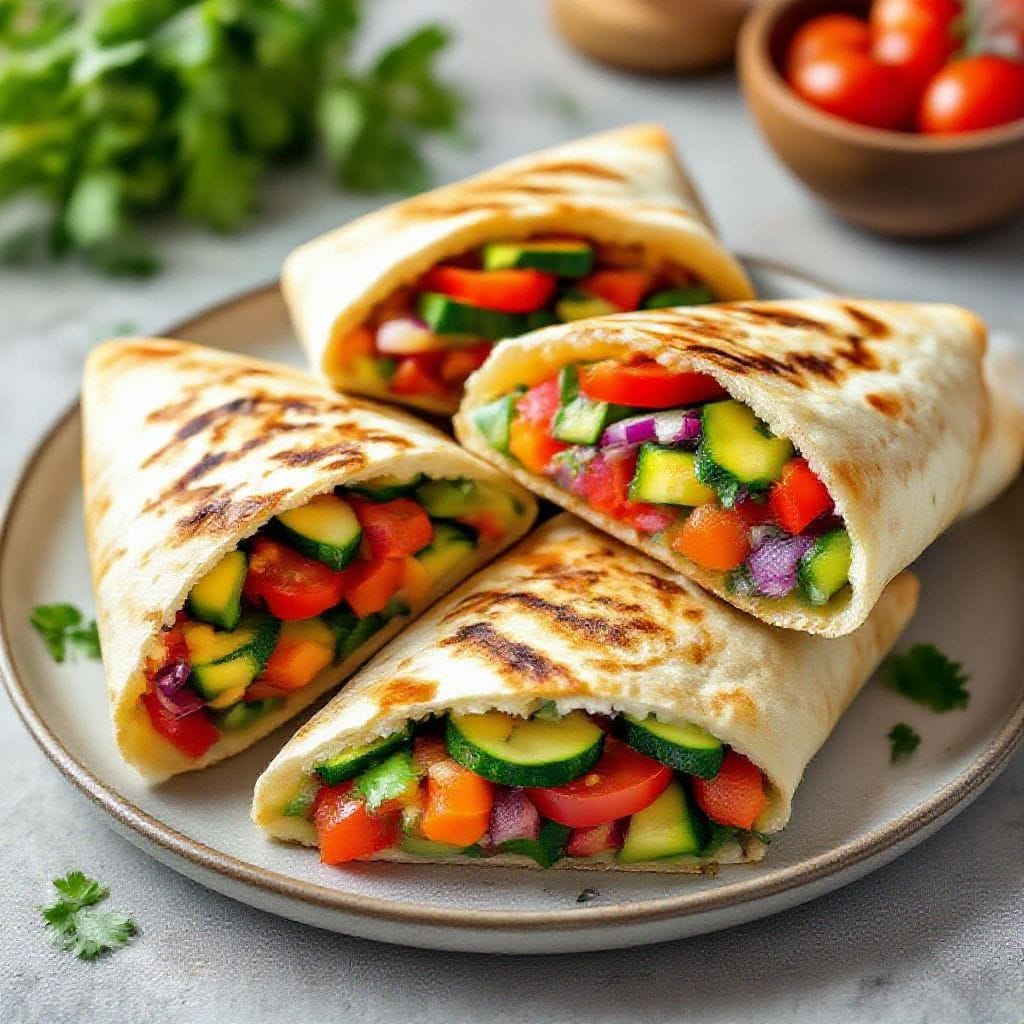
Vegetable stuffed pita pockets – They’re quick to assemble, full of bright flavors, and endlessly flexible
- Pita bread: 4 whole-wheat pitas, halved to make 8 pockets (choose soft, pocket-style pitas)
- Hummus or yogurt sauce: About 1 cup total. Choose classic hummus or Greek yogurt mixed with lemon and herbs.
- Chickpeas: 1 can (15 oz), drained and rinsed (optional but recommended for protein)
- Cucumber: 1 large, diced (English or Persian cucumbers hold up well)
- Tomatoes: 2 medium, diced (or a handful of cherry tomatoes, halved)
- Bell pepper: 1 medium, diced (any color)
- Red onion: 1/4 small, thinly sliced
- Lettuce or greens: 2 cups, shredded (romaine, baby spinach, or arugula)
- Olives: 1/3 cup, sliced (Kalamata or green, pitted)
- Feta cheese: 1/2 cup, crumbled (optional; skip for vegan)
- Fresh herbs: 1/4 cup chopped parsley and/or mint
- Avocado: 1 ripe, sliced (optional for extra creaminess)
- Lemon: 1, for juice and zest
- Olive oil: 2 tablespoons
- Spices: 1 teaspoon ground cumin, 1/2 teaspoon smoked paprika, pinch of red pepper flakes
- Salt and black pepper: To taste
Instructions
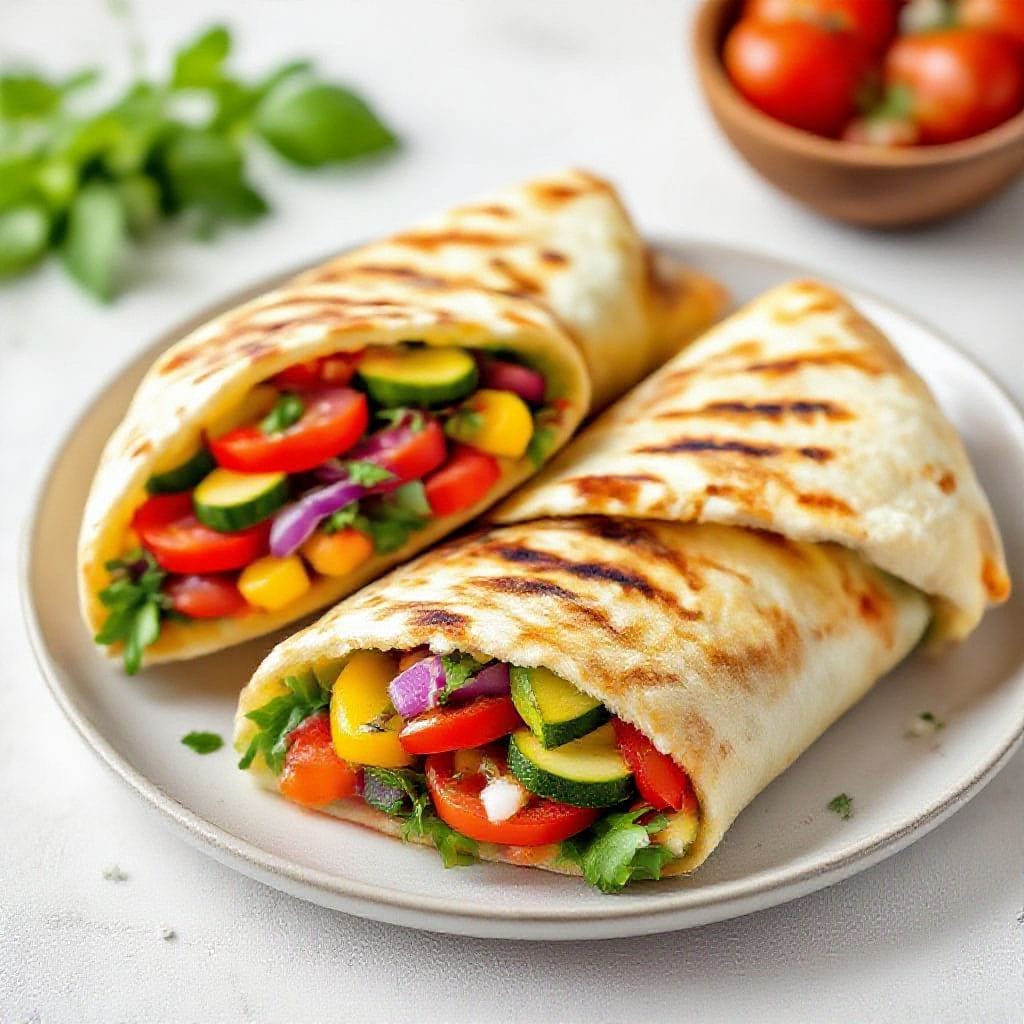
Vegetable stuffed pita pockets – Whether you’re packing lunch, prepping for a picnic, or getting dinner on the table in 20 minutes, t
- Prep the veg: Dice the cucumber, tomatoes, and bell pepper. Slice the red onion thin. Chop the herbs. Crumble the feta if using. Keep everything in separate bowls to make assembly easy.
- Season the chickpeas: In a mixing bowl, toss chickpeas with olive oil, cumin, smoked paprika, a pinch of red pepper flakes, salt, and pepper. For extra flavor, lightly mash half of them with a fork to create a chunky texture.
- Make a quick lemon drizzle: In a small bowl, whisk 1 tablespoon olive oil with the juice of half a lemon, a pinch of salt, and a few grinds of pepper. Add lemon zest if you like it bright and zippy.
- Warm the pitas: Heat a dry skillet over medium and warm each pita for 30–45 seconds per side, or wrap in foil and warm in a 300°F (150°C) oven for 5–7 minutes. This softens the pockets and prevents tearing.
- Spread the base: Cut each pita in half to form pockets. Spread a generous layer of hummus or yogurt sauce inside each pocket. This creates a barrier that keeps the bread from getting soggy.
- Layer the greens: Add a handful of shredded lettuce or baby spinach to each pocket. Greens provide structure and help hold everything in place.
- Fill with veggies and chickpeas: Add cucumber, tomatoes, bell pepper, and onions. Tuck in a spoonful or two of the seasoned chickpeas. Don’t overfill; leave a little space at the top.
- Finish with extras: Add olives, herbs, and feta if using. Drizzle a bit of the lemon mixture inside each pocket. Add avocado slices for creaminess.
- Taste and adjust: Sprinkle a pinch more salt, pepper, or cumin if needed. A final squeeze of lemon perks everything up.
- Serve right away: Enjoy warm, or wrap snugly in parchment for lunch on the go.
Keeping It Fresh
- Store components separately: Keep chopped veggies, chickpeas, and sauces in separate containers. Assemble just before eating to avoid sogginess.
- Moisture control: If your tomatoes are very juicy, scoop out some seeds or pat them dry. Add a layer of greens first to protect the pita.
- Refrigeration: Prepped ingredients keep well for 3–4 days. Hummus and yogurt sauce can last up to a week in the fridge.
- Pack for lunch: Bring the pita, veggies, and sauce separately, then stuff the pocket when you’re ready. Or assemble and wrap in parchment and foil, but eat within a few hours.
Health Benefits
- High in fiber: Whole-wheat pita, chickpeas, and veggies support digestion and keep you full longer.
- Rich in micronutrients: Bell peppers, tomatoes, and greens bring vitamins A, C, K, and potassium.
- Healthy fats: Olive oil, olives, and avocado add heart-healthy monounsaturated fats.
- Plant-based protein: Chickpeas provide protein and iron. Feta or a yogurt sauce adds extra protein if you include dairy.
- Balanced meal: Carbs from pita, protein from legumes or dairy, and fats from oil and avocado make a satisfying, steady-energy meal.
What Not to Do
- Don’t overfill the pockets: It makes them tear and spill. Keep fillings snug and compact.
- Don’t skip warming the pita: Cold, stiff pita cracks easily. A quick warm-up keeps it soft and flexible.
- Don’t add watery veggies first: Put greens or hummus down before tomatoes or cucumbers to avoid sogginess.
- Don’t forget seasoning: A pinch of salt, pepper, and lemon lifts the whole thing. Undersalted fillings can taste flat.
- Don’t use stale pita: If it’s dry, sprinkle lightly with water and warm it. If it’s brittle, save it for chips.
Recipe Variations
- Mediterranean-style: Keep the hummus, add roasted red peppers, artichoke hearts, and extra herbs. Finish with a drizzle of tahini.
- Spicy harissa: Mix a teaspoon of harissa into the hummus, add pickled onions, and top with a little crumbled feta.
- Grilled veggie: Char zucchini, eggplant, and mushrooms. Slice and stuff with pesto or basil yogurt.
- Southwest twist: Swap cumin for chili powder, add corn, black beans, and a squeeze of lime. Finish with avocado and cilantro.
- Crunch factor: Add shredded carrots, radishes, or a handful of shredded cabbage for extra bite.
- Protein boost: Add baked falafel, marinated tofu, or leftover grilled chicken if you’re not keeping it vegetarian.
- Dairy-free and vegan: Use hummus or tahini sauce, skip feta, and add avocado for creaminess.
FAQ
How do I keep the pita from tearing?
Warming the pita is key. Heat it briefly in a skillet or oven so it becomes soft and pliable. Spread a base layer of hummus or yogurt inside, then add greens before juicy veggies to reduce stress on the pocket.
Can I make these gluten-free?
Yes. Use gluten-free pita or wrap everything in sturdy lettuce leaves or a gluten-free tortilla. The fillings are naturally gluten-free.
What sauce works best besides hummus?
Try a lemony Greek yogurt sauce, tahini dressing, or a light vinaigrette. You can also mix yogurt with garlic, lemon, and dill for a creamy, tangy option.
Can I prepare these the night before?
You can prep all components ahead and keep them separate. Assemble right before eating for the best texture. If you must pre-assemble, keep the wettest ingredients toward the center and eat within 6–8 hours.
What’s the best way to pack them for lunch?
Wrap each stuffed pita in parchment, then foil to hold its shape. Pack an extra napkin and a small container of sauce to add right before eating. Keep cold with an ice pack.
How can I add more protein without changing the flavor too much?
Seasoned chickpeas are great. You can also add a scoop of lentils, crumbled baked falafel, or a little feta for a subtle boost without overpowering the veggies.
Do I need to peel the cucumber?
Not necessarily. English and Persian cucumbers have thin, tender skins. If using a waxed cucumber, peel it or rinse well and lightly score the skin.
Can I use naan or flatbread instead of pita?
You can. Naan won’t have a pocket, so treat it like a wrap. Spread the sauce, pile on the veggies, and fold it up snugly.
Final Thoughts
Vegetable stuffed pita pockets are the kind of recipe that fits your day rather than complicating it. They’re fresh, affordable, and adaptable to whatever you’ve got on hand. With a few smart layers and a bright squeeze of lemon, you’ll have a balanced meal that tastes like you put in more effort than you did. Keep the components ready in the fridge, and a satisfying lunch or light dinner is always just a few minutes away.
Printable Recipe Card
Want just the essential recipe details without scrolling through the article? Get our printable recipe card with just the ingredients and instructions.