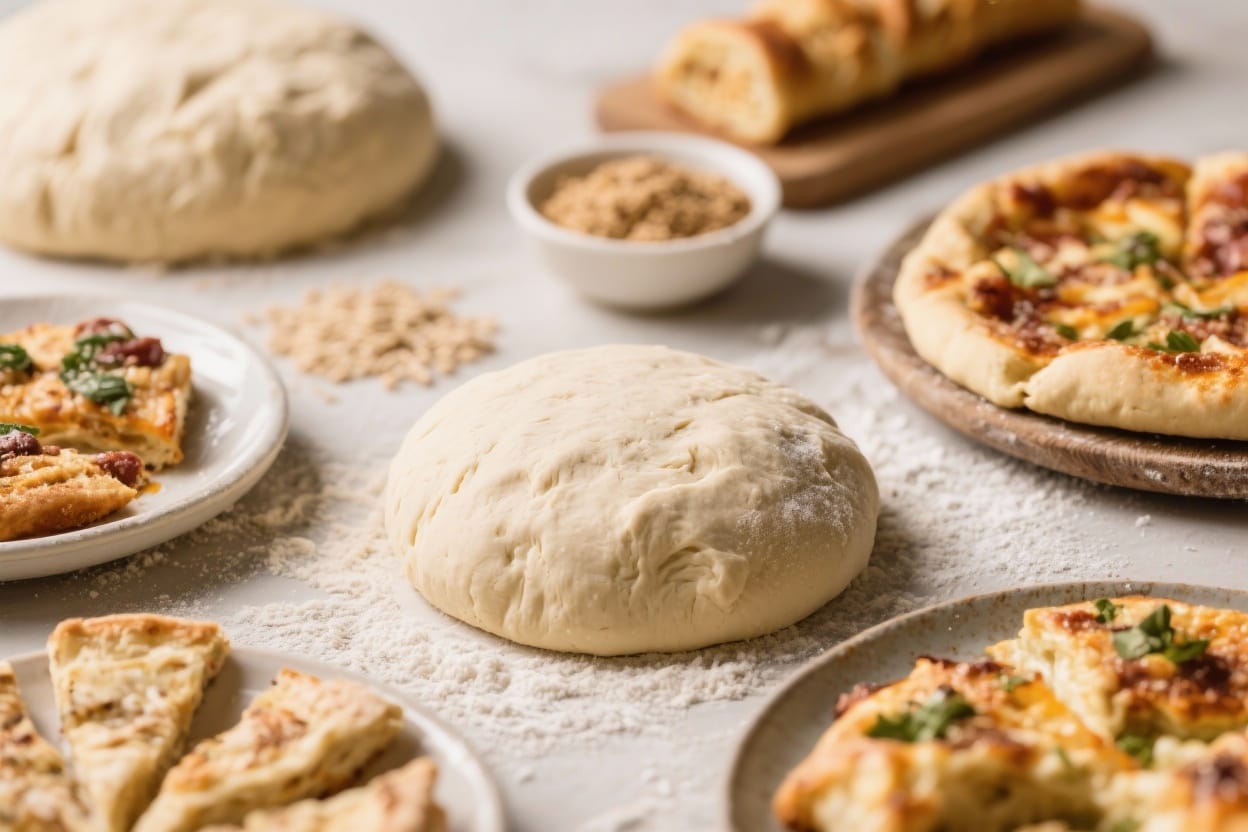
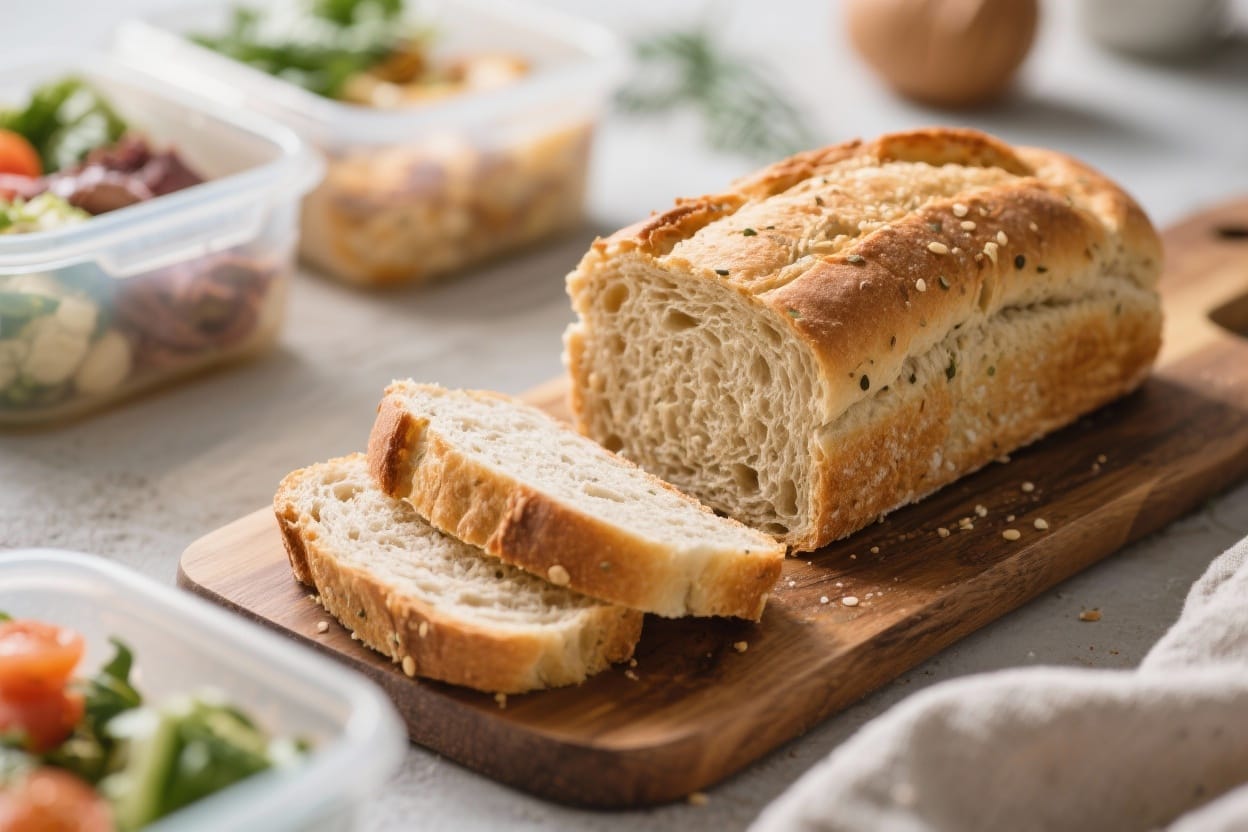
Vegan Bread Loaf Recipe – Simple, Soft, and Reliable
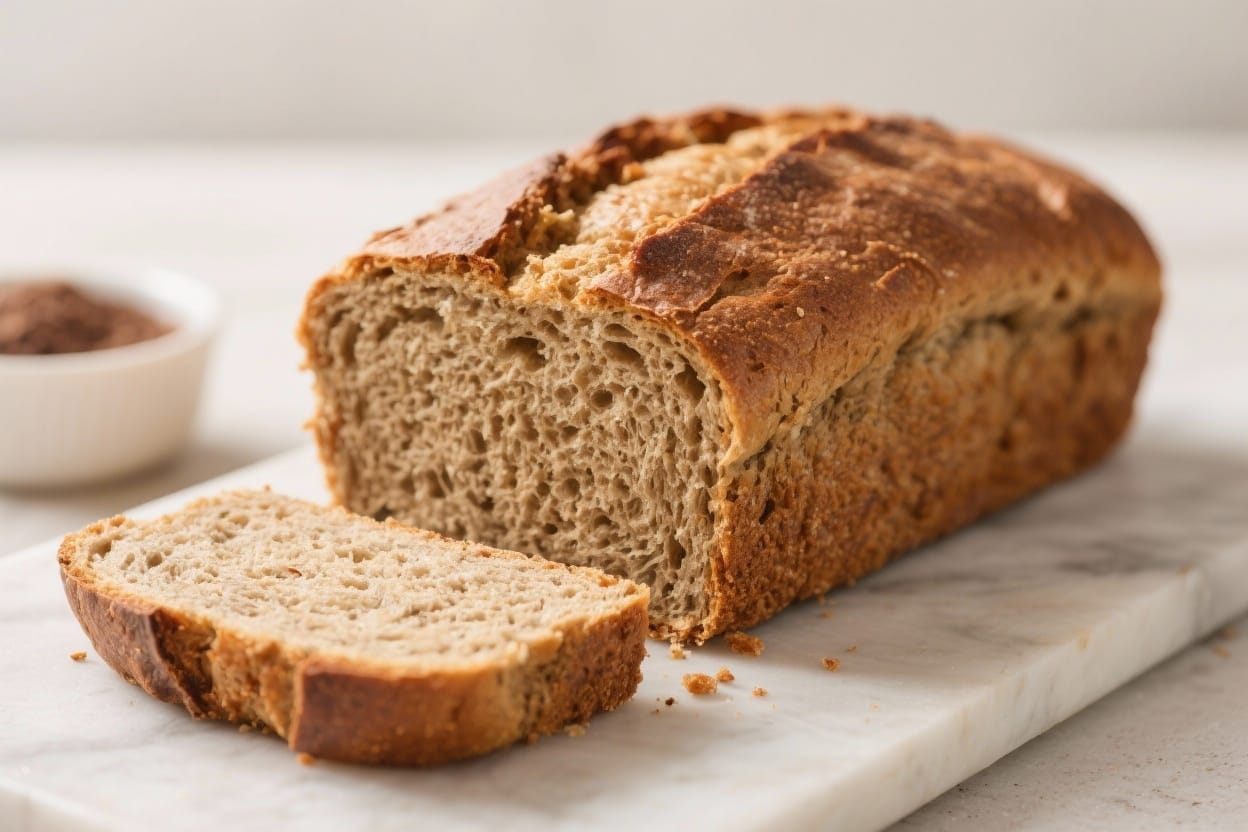
If you’ve been wanting a dependable vegan bread loaf recipe that’s soft inside with a golden crust, you’re in the right place. This loaf is easy to make, uses basic pantry staples, and bakes up beautifully every time. It’s perfect for toast, sandwiches, or just pulling apart while it’s still warm. You don’t need special equipment, and you won’t miss the eggs or dairy. Just a calm, straightforward method that gives you a loaf you’ll be proud to slice.
Why This Recipe Works
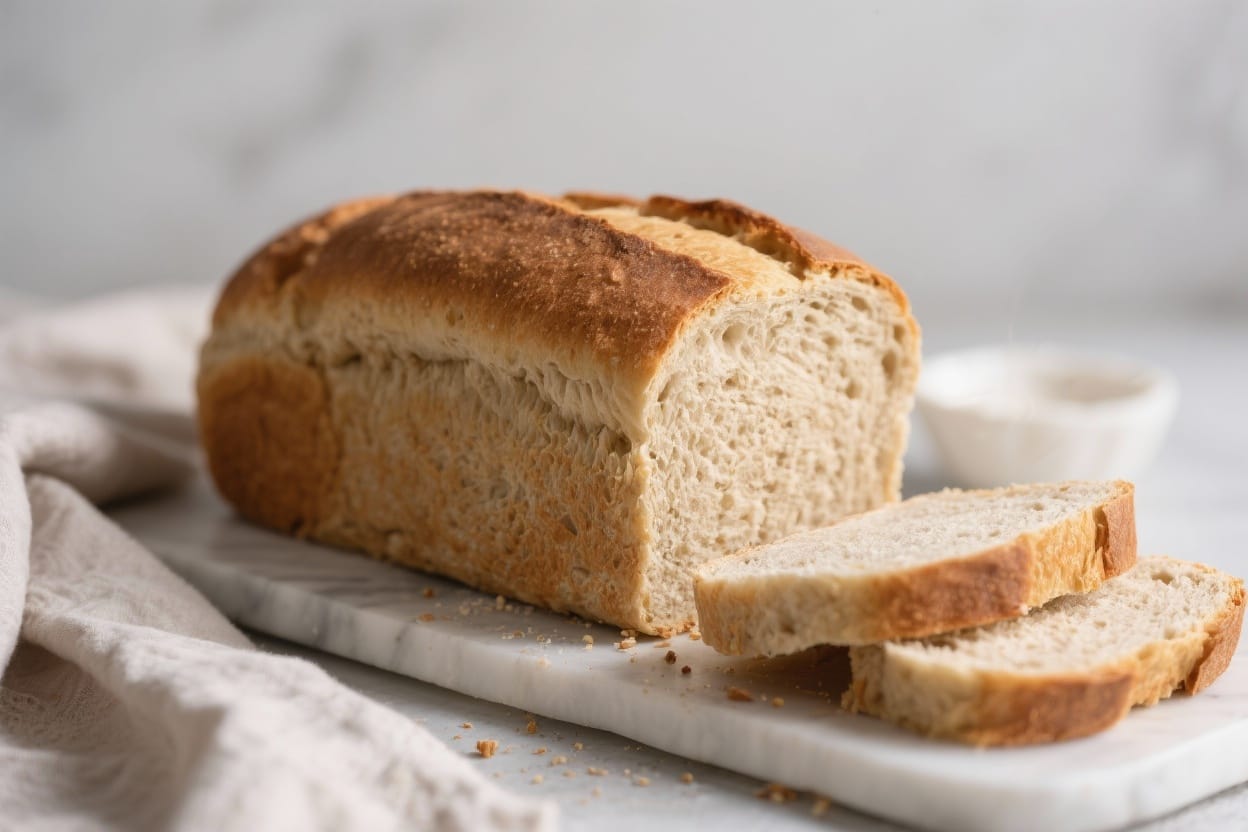
Vegan bread loaf recipe – Vegan Bread Loaf Recipe – Simple, Soft, and Reliable If you’ve been wanting a dependable vegan bread
This recipe leans on tried-and-true baking science. Olive oil replaces butter for moisture and a tender crumb, while plant milk adds richness without dairy. A mix of bread flour and a touch of sugar helps the yeast rise and creates a soft, airy texture. The dough is simple to work with and forgiving, so it’s a great choice for beginners. With a gentle knead and a warm rise, you get a loaf that’s springy, flavorful, and easy to slice.
Ingredients
- 3 cups (360 g) bread flour, plus extra for dusting
- 1 cup (240 ml) warm plant milk (soy, oat, or almond), about 105–110°F (40–43°C)
- 1/2 cup (120 ml) warm water, as needed for dough consistency
- 2 1/4 teaspoons (1 packet, 7 g) instant yeast
- 2 tablespoons (25 g) sugar or maple syrup
- 1 1/2 teaspoons fine sea salt
- 2 tablespoons olive oil (or neutral oil)
- Optional: 1 tablespoon vegan butter, melted, for brushing the top
Instructions
- Activate the yeast (if using active dry): If your yeast is active dry (not instant), stir it into the warm plant milk with the sugar and let it sit for 5–10 minutes until foamy. If using instant yeast, you can mix it directly with the flour and proceed.
- Mix the dry ingredients: In a large bowl, combine the bread flour and salt. If using instant yeast, add it now and stir to distribute evenly.
- Bring the dough together: Add the warm plant milk (with yeast if proofed), olive oil, and half of the warm water. Stir with a wooden spoon until the dough starts to form. Add more water a little at a time until you have a soft, slightly tacky dough that pulls away from the sides of the bowl.
- Knead: Turn the dough onto a lightly floured surface. Knead for 8–10 minutes until smooth and elastic. The dough should feel soft and stretchy, not sticky. If it sticks, dust with a tiny bit of flour as you go.
- First rise: Place the dough in a lightly oiled bowl, turning it once to coat. Cover with a clean towel or plastic wrap. Let it rise in a warm spot for 60–90 minutes, or until doubled in size. Warm but not hot is key for a steady rise.
- Shape: Gently punch down the dough to release air. Turn it out, flatten into a rectangle, and roll it into a tight log. Pinch the seam closed and tuck the ends under. Place seam-side down in a lightly greased 8.5 x 4.5-inch or 9 x 5-inch loaf pan.
- Second rise: Cover and let the dough rise again for 35–55 minutes, until it crowns about 1 inch above the rim. Near the end, preheat your oven to 375°F (190°C).
- Bake: Brush the top with plant milk or melted vegan butter for color, if you like. Bake for 30–35 minutes, until the top is deep golden and the loaf sounds hollow when tapped. Internal temperature should read around 195–200°F (90–93°C) if you’re using a thermometer.
- Cool: Let the loaf rest in the pan for 10 minutes, then turn it out onto a wire rack. Cool completely before slicing to avoid a gummy texture. If you can’t wait, use a sharp serrated knife and take gentle slices.
Keeping It Fresh
Once fully cooled, store the loaf in a bread box or wrap it in a clean kitchen towel, then place it in a paper bag or reusable bread bag. It will stay soft at room temperature for 2–3 days. For longer storage, slice and freeze in a freezer bag with parchment between slices. Toast straight from frozen for quick breakfasts. Avoid the fridge—it tends to dry bread out faster.
Benefits of This Recipe
- Simple ingredients: No eggs, no dairy, and no fuss. Just reliable pantry staples.
- Soft and sliceable: Ideal for sandwiches, toast, or French toast made with plant milk.
- Budget-friendly: Costs less than store-bought artisan loaves and tastes fresher.
- Flexible: Works with different plant milks and oils. You can add seeds or whole grains without much fuss.
- Beginner-friendly: Clear steps, forgiving dough, and consistent results.
Common Mistakes to Avoid
- Water too hot: Overheating your plant milk or water can kill the yeast. Keep it warm, not hot.
- Too much flour: Adding excess flour during kneading can make the loaf dense. Aim for slightly tacky dough.
- Underproofing or overproofing: If the dough hasn’t doubled or if it collapses, the timing is off. Watch the dough, not the clock.
- Cutting too soon: Slicing hot bread compresses the crumb and makes it gummy. Let it cool to set the structure.
- Skipping salt: Salt controls yeast activity and boosts flavor. Don’t leave it out.
Recipe Variations
- Whole Wheat: Swap 1 cup of bread flour for whole wheat flour. Add 1–2 tablespoons extra water if needed.
- Seeded Loaf: Fold in 1/3 cup mixed seeds (sunflower, pumpkin, sesame) after the first rise. Sprinkle more on top before baking.
- Garlic and Herb: Add 2 teaspoons dried Italian herbs and 2 minced garlic cloves to the dough during mixing.
- Oat Bread: Replace 1/2 cup flour with rolled oats and increase water by 1–2 tablespoons.
- Sweet Breakfast Loaf: Add 2 tablespoons extra sugar, 1 teaspoon cinnamon, and a handful of raisins.
- Olive Oil and Rosemary: Use extra-virgin olive oil and 1 tablespoon finely chopped fresh rosemary for a fragrant loaf.
FAQ
Can I use all-purpose flour instead of bread flour?
Yes. The loaf will be slightly less chewy, but still soft and delicious. If using all-purpose flour, knead well to develop gluten, and avoid adding too much extra flour.
What if I don’t have instant yeast?
Active dry yeast works fine. Proof it in the warm plant milk with the sugar until foamy, then proceed. You may need a few extra minutes of rise time.
How can I tell if I’ve kneaded enough?
The dough should be smooth, elastic, and slightly tacky. Try the windowpane test: stretch a small piece gently—if it forms a thin, almost see-through sheet without tearing quickly, you’re there.
My dough isn’t rising. What went wrong?
Likely causes include old yeast, liquid that was too hot or too cold, or a room that’s too cool. Check your yeast’s expiration date and aim for a warm, draft-free spot. You can also place the bowl in an unheated oven with the light on for gentle warmth.
How do I get a softer crust?
Brush the loaf with melted vegan butter or plant milk before baking, and again right after it comes out. You can also tent with foil for the last 10 minutes of baking to prevent over-browning.
Can I make this without oil?
Yes. The bread will be slightly less tender but still good. Replace the oil with additional warm plant milk or water, adding just enough to reach the right dough consistency.
Can I use a stand mixer?
Absolutely. Mix with the dough hook on low speed until combined, then knead on medium-low for about 6–8 minutes, until smooth and elastic. Avoid overmixing.
How do I freeze the baked loaf?
Cool completely, slice, and stack with small pieces of parchment between slices. Wrap tightly and freeze up to 3 months. Toast or warm slices in the oven straight from frozen.
Final Thoughts
This vegan bread loaf recipe keeps things simple and satisfying. With basic ingredients and a calm, steady process, it delivers a soft crumb, a golden crust, and a flavor that works with everything. Once you’ve made it once or twice, it’ll become your go-to bread for the week. Keep the tips in mind, try a variation or two, and enjoy the comfort of fresh, homemade bread whenever you want it.
Printable Recipe Card
Want just the essential recipe details without scrolling through the article? Get our printable recipe card with just the ingredients and instructions.