
Tuna Stuffed Bread Pockets Recipe – Easy, Satisfying, and Perfect for Any Meal
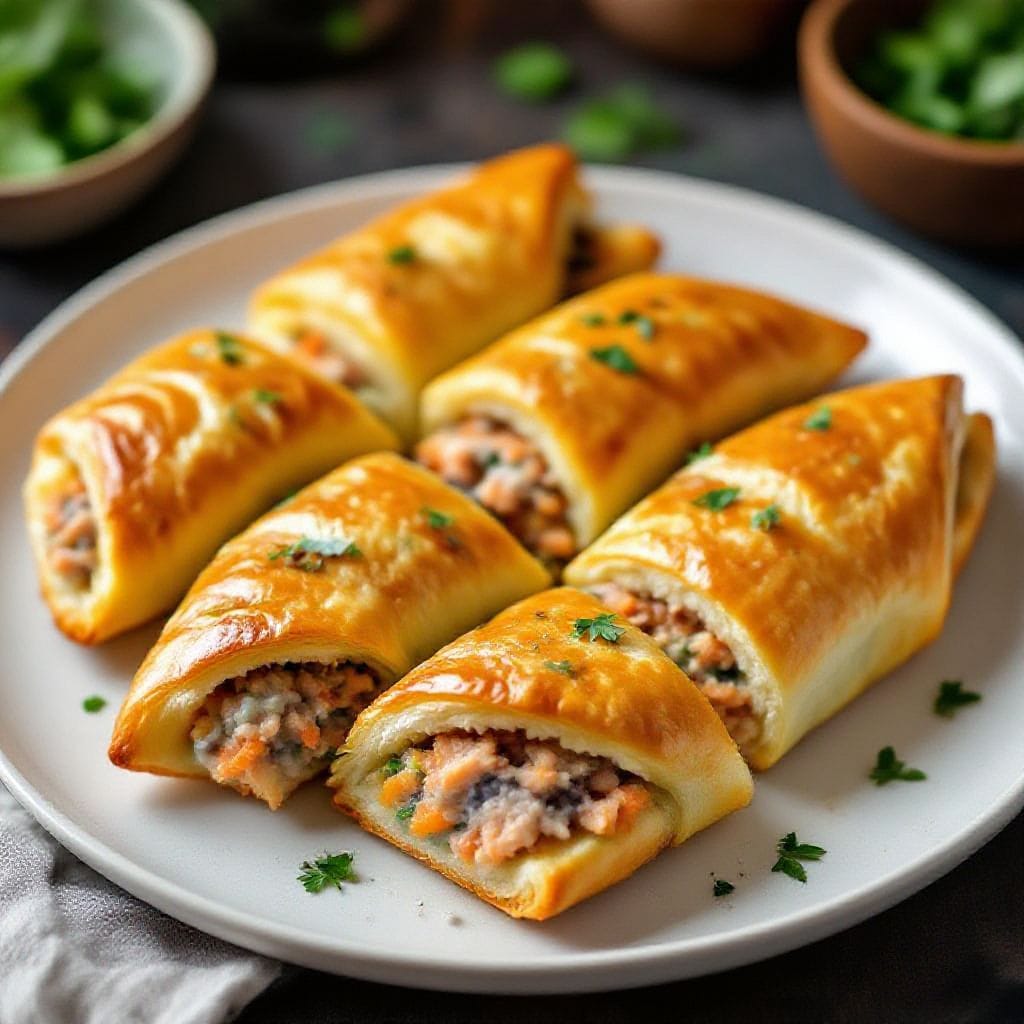
These tuna stuffed bread pockets are the kind of recipe you keep coming back to. They’re quick to make, they taste great warm or cold, and they pack well for work or school. Think of them as a cross between a tuna salad sandwich and a handheld pie—soft, golden bread on the outside with a creamy, savory filling inside. You can bake them for a lighter option or pan-sear them for extra crisp edges. Either way, they’re a crowd-pleaser and a weeknight win.
What Makes This Special
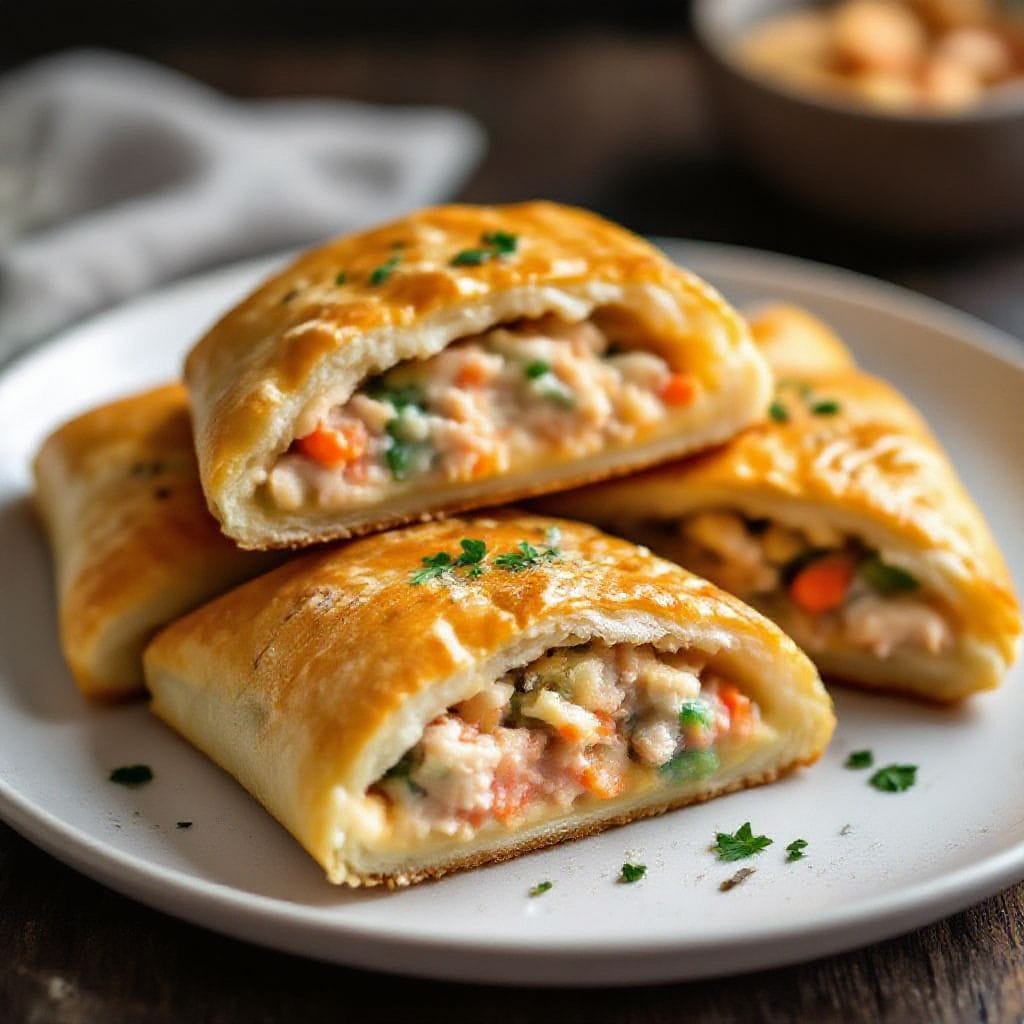
Tuna stuffed bread pockets recipe – Tuna Stuffed Bread Pockets Recipe – Easy, Satisfying, and Perfect for Any Meal These tuna stuffed br
These pockets combine simple pantry staples into something that feels fresh and satisfying. The dough is forgiving and easy to work with, so there’s no stress if you’re not a regular baker. The tuna filling is bright and zesty with lemon and herbs, and you can adapt it to your taste. Best of all, they freeze well and reheat beautifully, making them a practical choice for meal prep.
Ingredients

Tuna stuffed bread pockets recipe – They’re quick to make, they taste great warm or cold, and they pack well for work or school
- For the dough:
- 2 1/2 cups all-purpose flour (plus extra for dusting)
- 2 1/4 teaspoons instant yeast (one packet)
- 1 tablespoon sugar
- 1 teaspoon fine salt
- 3 tablespoons olive oil (plus more for brushing)
- 3/4 cup warm water (about 110°F/43°C), plus up to 2 tablespoons more if needed
- 1/4 cup plain yogurt or milk (adds softness; optional but recommended)
- For the tuna filling:
- 2 cans tuna (5–6 oz each), drained well
- 1/3 cup mayonnaise (or Greek yogurt for a lighter option)
- 1 tablespoon Dijon or yellow mustard
- 1 small red onion or 2 scallions, finely chopped
- 1 celery stalk, finely diced (optional for crunch)
- 1 tablespoon capers, chopped (optional)
- 2 tablespoons chopped fresh parsley or dill
- Zest of 1/2 lemon and 1–2 teaspoons fresh lemon juice
- 1/2 teaspoon garlic powder
- 1/2 teaspoon black pepper
- Salt to taste
- 1/2 cup shredded cheese (cheddar, mozzarella, or provolone), optional
- For finishing:
- 1 egg, beaten with 1 teaspoon water (egg wash) or milk for brushing
- Sesame seeds or nigella seeds for topping (optional)
Instructions
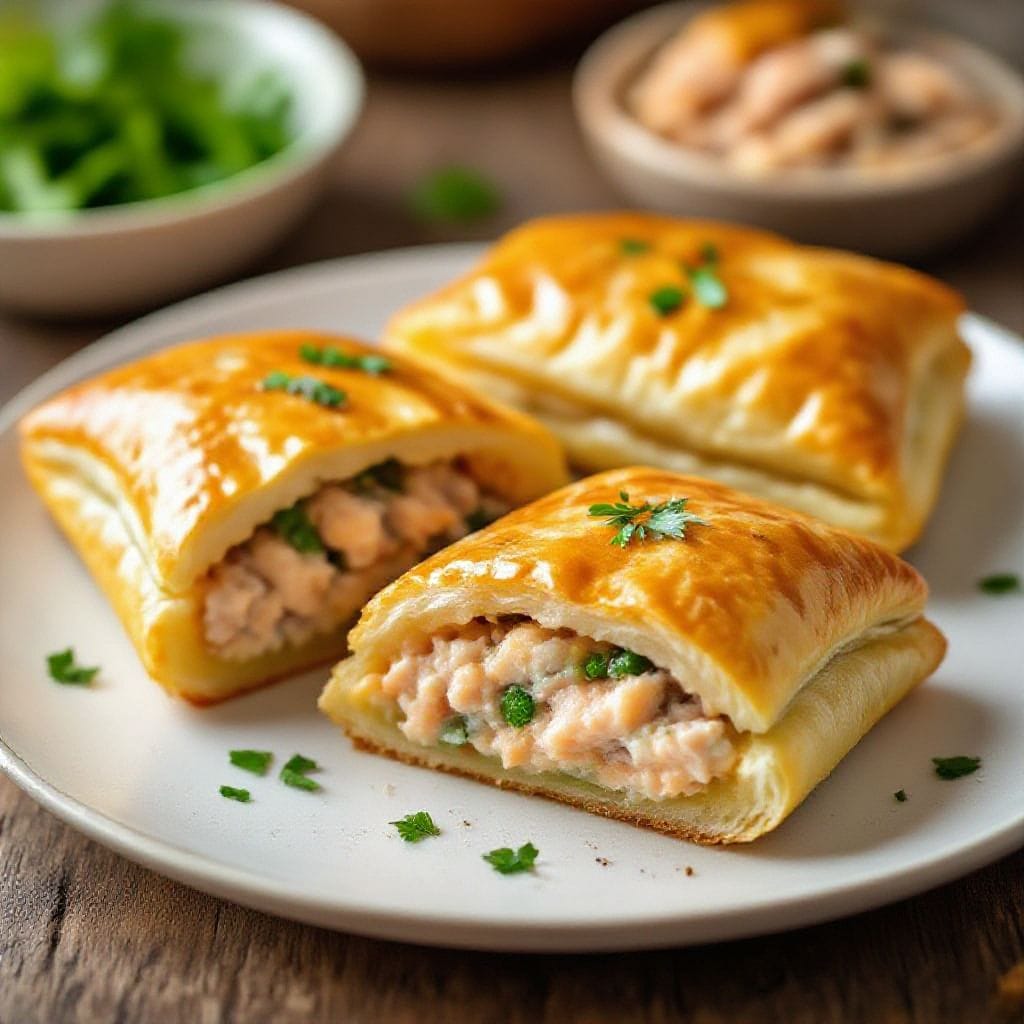
Tuna stuffed bread pockets recipe – Think of them as a cross between a tuna salad sandwich and a handheld pie—soft, golden bread on the
- Mix the dough. In a large bowl, whisk flour, instant yeast, sugar, and salt. Add olive oil, warm water, and yogurt (if using). Stir until a shaggy dough forms. If it’s dry, add water 1 tablespoon at a time.
- Knead until smooth. Turn the dough onto a lightly floured surface. Knead 6–8 minutes until smooth and elastic. It should feel soft but not sticky.
- Let it rise. Place the dough in a lightly oiled bowl, turn to coat, and cover. Let rise in a warm spot for 45–60 minutes, or until doubled.
- Make the filling. While the dough rises, combine the tuna, mayonnaise, mustard, onion, celery, capers, herbs, lemon zest, lemon juice, garlic powder, and pepper. Mix gently with a fork until creamy but not runny. Taste and add salt as needed. Stir in cheese if using.
- Preheat the oven. Heat the oven to 400°F (200°C). Line a baking sheet with parchment paper.
- Divide and shape. Punch down the dough and divide into 8 equal pieces. Roll each piece into a ball. Working one at a time, roll each ball into a 5–6 inch circle or oval on a lightly floured surface.
- Fill and seal. Spoon 2–3 tablespoons of tuna filling onto one half of each dough round, leaving a 1/2-inch border. Fold the dough over to form a half-moon. Press edges together, then crimp with a fork or twist to seal. Pinch any thin spots so the filling doesn’t leak.
- Brush and top. Place pockets on the prepared sheet. Brush with egg wash or milk. Sprinkle sesame or nigella seeds if you like.
- Bake. Bake 15–18 minutes until puffed and golden. Rotate the tray halfway for even color. Let rest 5 minutes before serving.
- Optional pan-sear. For extra crisp edges, heat 1–2 teaspoons olive oil in a skillet over medium heat. Sear baked pockets 1–2 minutes per side until lightly crunchy.
Storage Instructions
- Room temperature: Keep cooled pockets in an airtight container for up to 4 hours if serving the same day.
- Refrigerator: Store in a sealed container for 3–4 days. Reheat in a 350°F (175°C) oven for 8–10 minutes, or air fryer for 4–6 minutes.
- Freezer: Wrap each cooled pocket tightly, then place in a freezer bag. Freeze up to 2 months. Reheat from frozen at 350°F (175°C) for 15–20 minutes, or thaw overnight and warm for 8–10 minutes.
- Pack-to-go tip: Add a small ice pack if you’re bringing them for lunch to keep the filling fresh.
Why This is Good for You
Tuna is a solid source of lean protein and omega-3 fats, which support heart and brain health. Using olive oil and yogurt in the dough adds a softer texture with less saturated fat than butter-heavy breads. If you choose Greek yogurt for the filling, you’ll get extra protein with less mayo. The fresh herbs, lemon, and vegetables bring brightness and nutrients without extra heaviness.
Common Mistakes to Avoid
- Wet filling. If the tuna is not drained well, the filling can leak and make the dough soggy. Press the tuna lightly with the lid to remove excess liquid before mixing.
- Overfilling. It’s tempting, but too much filling will burst through the dough. Stick to 2–3 tablespoons per pocket.
- Skipping the seal. Seal the edges firmly and crimp. A weak seal leads to leaks during baking.
- Dough too thick or too thin. Roll to an even 1/8–1/4 inch. Too thin tears easily; too thick stays doughy.
- Cold oven. Make sure the oven is fully preheated. A hot oven helps the pockets puff and brown properly.
Variations You Can Try
- Spicy tuna pockets: Add 1–2 teaspoons hot sauce, a pinch of chili flakes, or chopped jalapeños to the filling.
- Mediterranean twist: Fold in chopped olives, sun-dried tomatoes, and feta. Swap parsley for oregano.
- Veggie boost: Add grated carrot or finely chopped bell pepper for color and crunch.
- Cheesy melt: Layer a slice of provolone or mozzarella under the filling before sealing for extra gooey pockets.
- Whole-wheat upgrade: Replace 1 cup of all-purpose flour with whole-wheat flour. Add 1–2 extra tablespoons water if needed.
- Shortcut version: Use store-bought pizza dough, biscuit dough, or puff pastry. Adjust baking time: puff pastry usually needs 18–22 minutes until well browned.
- Herbed dough: Add 1 teaspoon dried Italian herbs or 2 teaspoons chopped fresh herbs to the dough for extra flavor.
FAQ
Can I use canned salmon or chicken instead of tuna?
Yes. Canned salmon works the same way and adds a richer flavor. Canned chicken is milder but still great. Just drain well and season to taste since each protein has a slightly different salt level.
What if I don’t have instant yeast?
You can use active dry yeast. Dissolve it in the warm water with the sugar and rest 5–10 minutes until foamy, then add to the flour and proceed as directed.
Can I make these without eggs?
Absolutely. Skip the egg wash and brush with milk or olive oil instead. They’ll still brown nicely.
How do I keep the bottoms from getting soggy?
Use well-drained tuna and avoid overfilling. Bake on a preheated baking sheet or a parchment-lined sheet with small holes pricked on the bottom of each pocket to vent steam. Let them cool on a wire rack so moisture doesn’t collect underneath.
Can I air-fry these?
Yes. Air-fry at 350°F (175°C) for 10–14 minutes, flipping halfway if your fryer runs hot on one side. Lightly spray the pockets with oil for better color.
Is there a gluten-free option?
Use a gluten-free pizza dough or a trusted gluten-free yeast dough recipe. Handle gently and consider adding a teaspoon of psyllium husk for better structure, if your mix doesn’t include it.
What sauces go well with these?
Try lemon-garlic yogurt sauce, spicy mayo, honey mustard, or a simple squeeze of lemon over the warm pockets. A crisp side salad rounds out the meal.
Can I make them ahead?
Yes. Assemble the pockets and refrigerate up to 24 hours before baking. For the best rise, let them sit at room temperature 20–30 minutes before they go in the oven.
In Conclusion
Tuna stuffed bread pockets are simple, flexible, and seriously satisfying. With a soft, homemade dough and a zesty filling, they’re perfect for lunches, snacks, or casual dinners. Keep a batch in the freezer, switch up the flavors, and make them your own. Once you try them, they’ll become a regular in your kitchen lineup.
Printable Recipe Card
Want just the essential recipe details without scrolling through the article? Get our printable recipe card with just the ingredients and instructions.