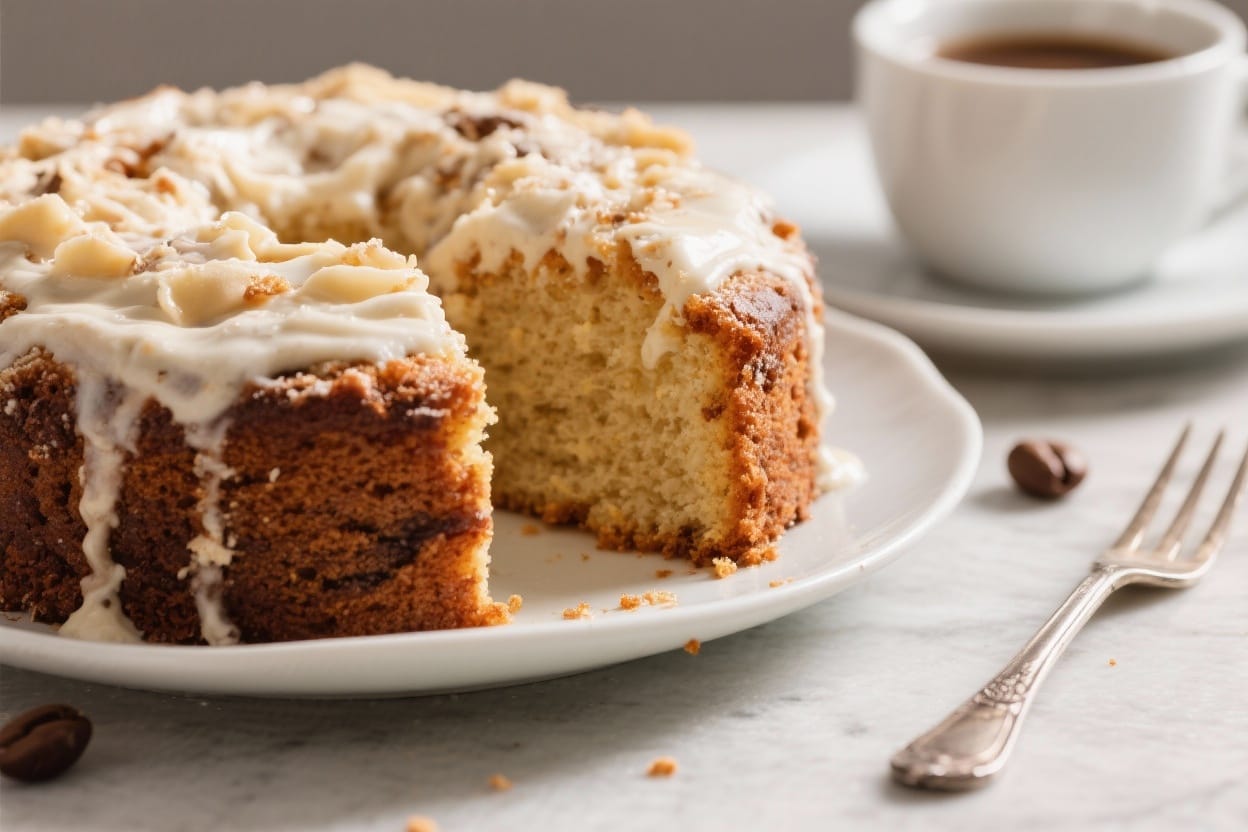
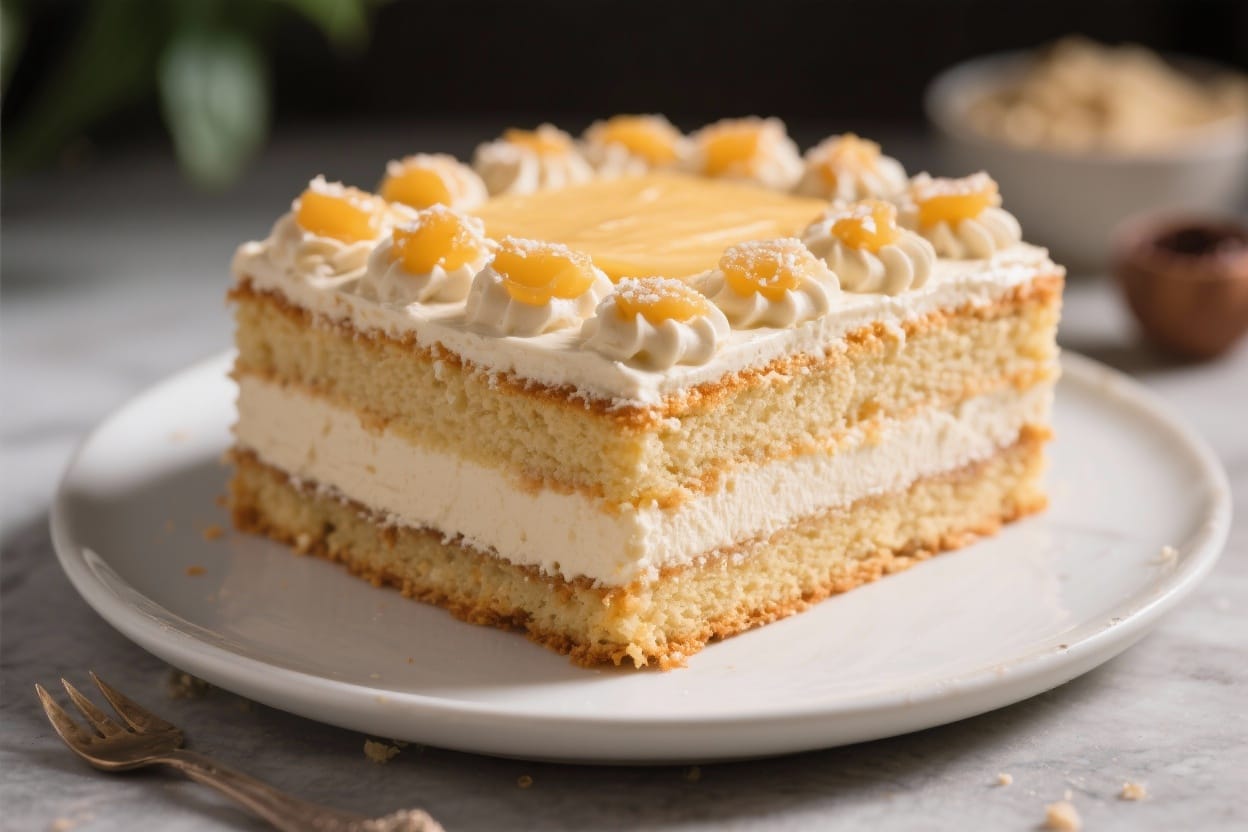
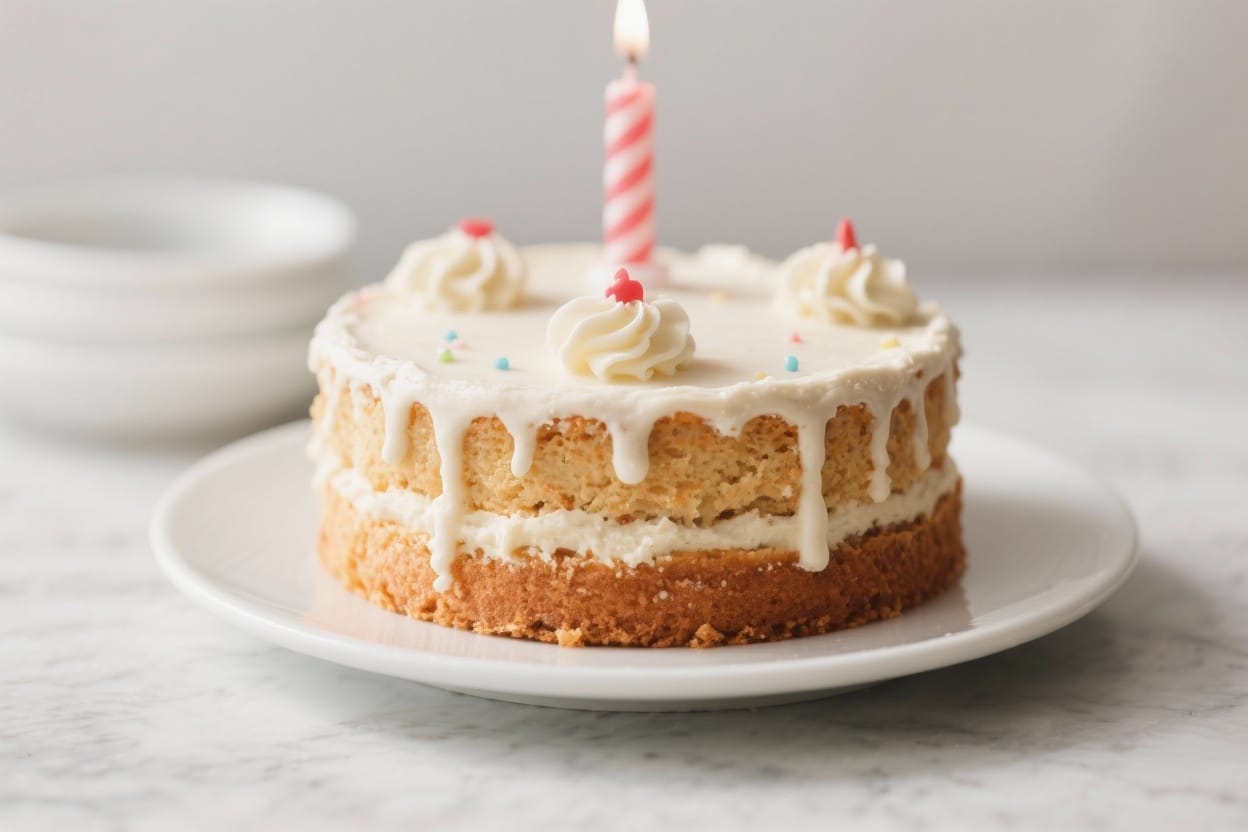
Tea Time Cake Recipe – A Simple, Soft Loaf for Everyday Moments

There’s something comforting about a slice of cake alongside a warm cup of tea. This tea time cake is light, buttery, and not too sweet—perfect for an afternoon break or a quiet moment after dinner. It’s straightforward to make, needs simple ingredients, and bakes into a soft loaf with a golden top. You can keep it plain, or add lemon zest, vanilla, or a handful of nuts. It’s the kind of cake you’ll want to bake on repeat.
What Makes This Special
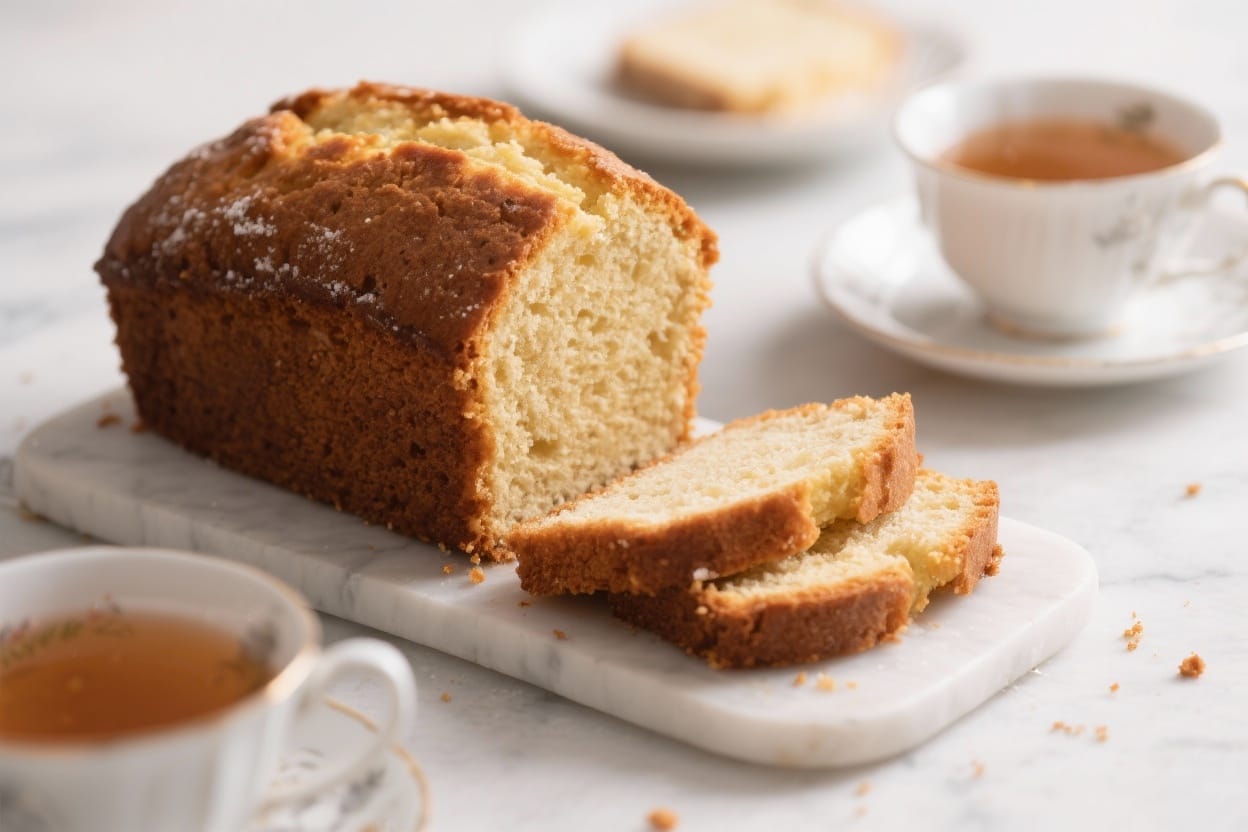
Tea time cake recipe – Tea Time Cake Recipe – A Simple, Soft Loaf for Everyday Moments There’s something comforting about a
This tea time cake is all about balance: light crumb, gentle sweetness, and a tender bite that pairs beautifully with tea or coffee. It comes together in one bowl with easy steps, so it’s great for beginners. The base recipe is versatile—you can flavor it with citrus, spices, or dried fruit without changing the texture. It also keeps well, staying soft for days, which makes it ideal for snacking or sharing.
Ingredients

Tea time cake recipe – This tea time cake is light, buttery, and not too sweet—perfect for an afternoon break or a quiet mo
- 1 1/2 cups (190g) all-purpose flour
- 1 tsp baking powder
- 1/4 tsp baking soda
- 1/4 tsp fine salt
- 1/2 cup (115g) unsalted butter, softened
- 3/4 cup (150g) granulated sugar
- 2 large eggs, room temperature
- 1/2 cup (120ml) milk, room temperature
- 1 tsp vanilla extract
- Optional add-ins: 1 tbsp lemon or orange zest, 1/2 tsp ground cardamom or cinnamon, or 1/3 cup raisins or chopped nuts
- Optional glaze: 3/4 cup (90g) powdered sugar + 1–2 tbsp lemon juice or milk
Instructions

Tea time cake recipe – It’s straightforward to make, needs simple ingredients, and bakes into a soft loaf with a golden top
- Prep the pan and oven. Preheat your oven to 350°F (175°C). Grease a 9×5-inch (23×13 cm) loaf pan and line it with a parchment sling for easy removal.
- Combine dry ingredients. In a medium bowl, whisk together flour, baking powder, baking soda, and salt. Set aside.
- Cream butter and sugar. In a large bowl, beat the softened butter and sugar with a hand mixer or stand mixer on medium speed for 2–3 minutes until light and fluffy.
- Add eggs. Beat in the eggs one at a time, mixing well after each addition. Scrape the bowl so everything is well combined.
- Flavor it. Mix in the vanilla. If using citrus zest or spices, add them now so they infuse the batter evenly.
- Alternate dry and wet. Add one-third of the dry ingredients to the butter mixture, then half the milk. Repeat, ending with the remaining dry ingredients. Mix on low just until combined. Do not overmix.
- Fold in extras. If adding raisins or nuts, toss them in a teaspoon of flour, then fold gently into the batter.
- Fill the pan. Spoon the batter into the loaf pan and smooth the top. For a traditional split top, run a buttered knife shallowly down the center.
- Bake. Bake for 45–55 minutes, until the top is golden and a toothpick inserted into the center comes out clean or with a few moist crumbs.
- Cool. Let the cake cool in the pan for 10 minutes. Lift it out using the parchment, then cool completely on a wire rack.
- Glaze (optional). Whisk the powdered sugar with lemon juice or milk to a pourable consistency. Drizzle over the cooled cake and let set for 15 minutes.
- Slice and serve. Cut into even slices. Serve as is, or with a pat of butter or a spoon of jam.
How to Store
- Room temperature: Store the cooled cake in an airtight container for up to 3 days. Keep it wrapped to prevent drying.
- Refrigerator: If your kitchen is warm or the cake is glazed, refrigerate it for up to 5 days. Bring slices to room temperature before serving for the best texture.
- Freezer: Wrap the whole loaf or individual slices tightly in plastic, then foil. Freeze for up to 2 months. Thaw overnight in the fridge or at room temperature for 1–2 hours.
Health Benefits
This is a treat, but you can make a few smart swaps. Using moderate sugar keeps it lightly sweet without being heavy. Butter gives structure and flavor, so you don’t need frosting. If you like, substitute half the flour with whole wheat pastry flour for extra fiber while maintaining tenderness. Adding citrus zest offers bright flavor without extra calories, and a handful of nuts adds healthy fats and a bit of protein.
Common Mistakes to Avoid
- Overmixing the batter: This can make the cake dense. Mix just until the flour disappears.
- Cold ingredients: Butter, eggs, and milk at room temperature blend better and create a lighter crumb.
- Wrong pan size: A smaller pan can overflow; a larger one can produce a flat loaf. Stick to a 9×5-inch pan or adjust baking time accordingly.
- Opening the oven too early: This can cause sinking. Check only near the end of baking time.
- Not measuring accurately: Spoon and level the flour; don’t pack it. Too much flour leads to dryness.
- Skipping the cool-down: Slicing while hot can make the cake crumble. Let it set first.
Alternatives
- Lemon Loaf: Add 1–2 tbsp lemon zest and replace half the milk with lemon juice. Finish with a lemon glaze.
- Spiced Tea Cake: Add 1/2 tsp each of cinnamon and cardamom; fold in 1/3 cup chopped walnuts.
- Earl Grey Infusion: Warm the milk with 2 Earl Grey tea bags, steep 10 minutes, cool, and use in the batter.
- Orange Almond: Add 1 tbsp orange zest and 1/4 tsp almond extract; sprinkle sliced almonds on top before baking.
- Dairy-Free: Use a neutral oil (1/2 cup) instead of butter and non-dairy milk. Expect a slightly different crumb, but still tender.
- Gluten-Free: Use a 1:1 gluten-free baking flour with xanthan gum. Check early, as bake times can vary.
FAQ
Can I use self-rising flour?
Yes. Replace the all-purpose flour, baking powder, and salt with 1 1/2 cups self-rising flour. Keep the baking soda as listed if you’re adding acidic ingredients like lemon juice.
Why did my cake sink in the middle?
Common reasons include underbaking, opening the oven door too early, or too much leavening. Make sure your baking powder is fresh and bake until a toothpick comes out clean.
Can I make this as muffins?
Absolutely. Divide the batter into a 12-cup muffin pan and bake at the same temperature for 18–22 minutes. Start checking at 18 minutes.
How do I keep the cake moist?
Don’t overbake, measure flour accurately, and store it airtight. A light glaze or brushing the warm cake with simple syrup can also help lock in moisture.
What can I use instead of butter?
Use 1/2 cup neutral oil, such as canola or light olive oil. The cake will be slightly more tender and stay moist a bit longer.
Can I reduce the sugar?
Yes, you can reduce the sugar to 2/3 cup without affecting structure too much. Below that, the texture may become less tender.
Is it okay to add fresh fruit?
Stick to small berries like blueberries and toss them with a little flour before folding in. Avoid very juicy fruits, as they can make the cake soggy.
How do I know it’s done without a toothpick?
Gently press the center; it should spring back. The top will be golden, and the cake will start pulling away from the sides of the pan.
Final Thoughts
This tea time cake is simple, flexible, and consistently good. It’s the kind of bake that fits any day—no special occasion needed. Keep the base recipe handy, then switch up the flavors to match your mood or what you have on hand. Brew your favorite tea, slice the loaf, and enjoy a quiet, delicious moment.
Printable Recipe Card
Want just the essential recipe details without scrolling through the article? Get our printable recipe card with just the ingredients and instructions.