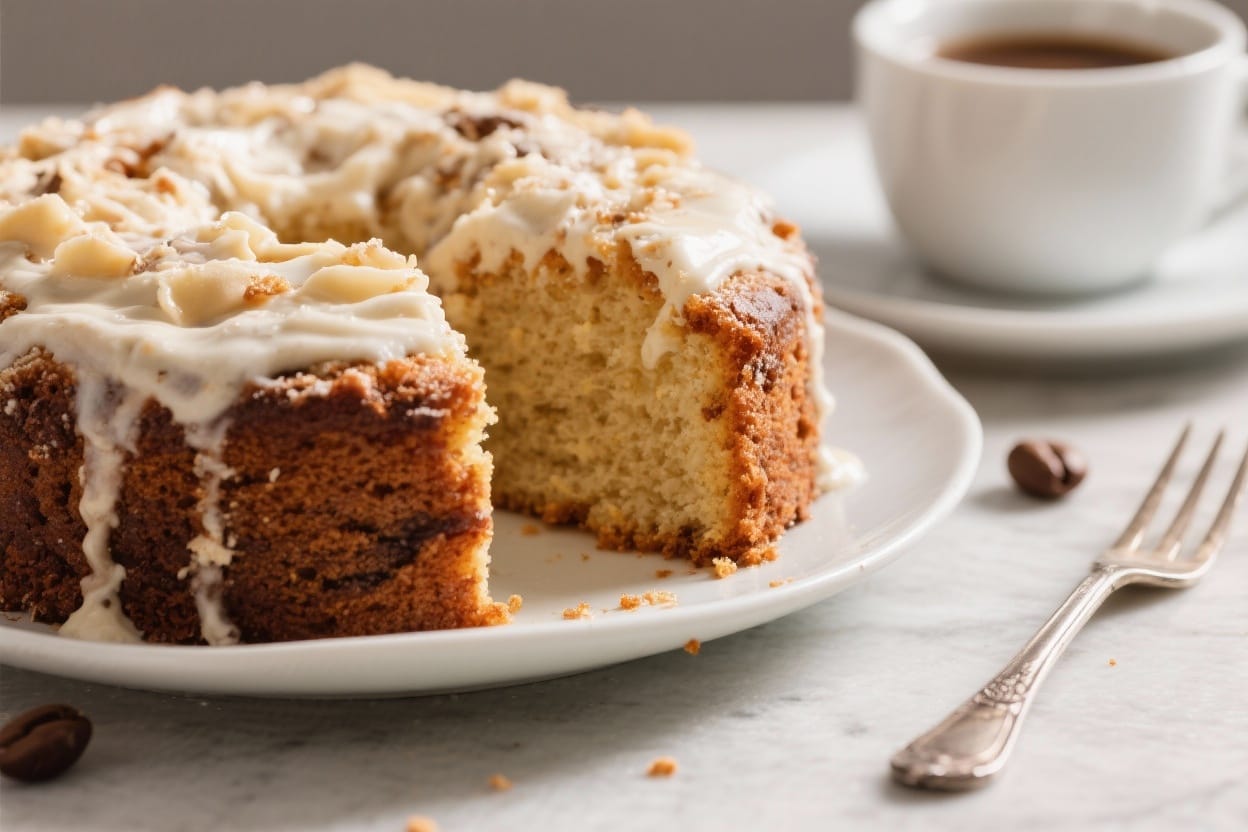
Sweet Bread Loaf With Glaze – Soft, Simple, and Comforting
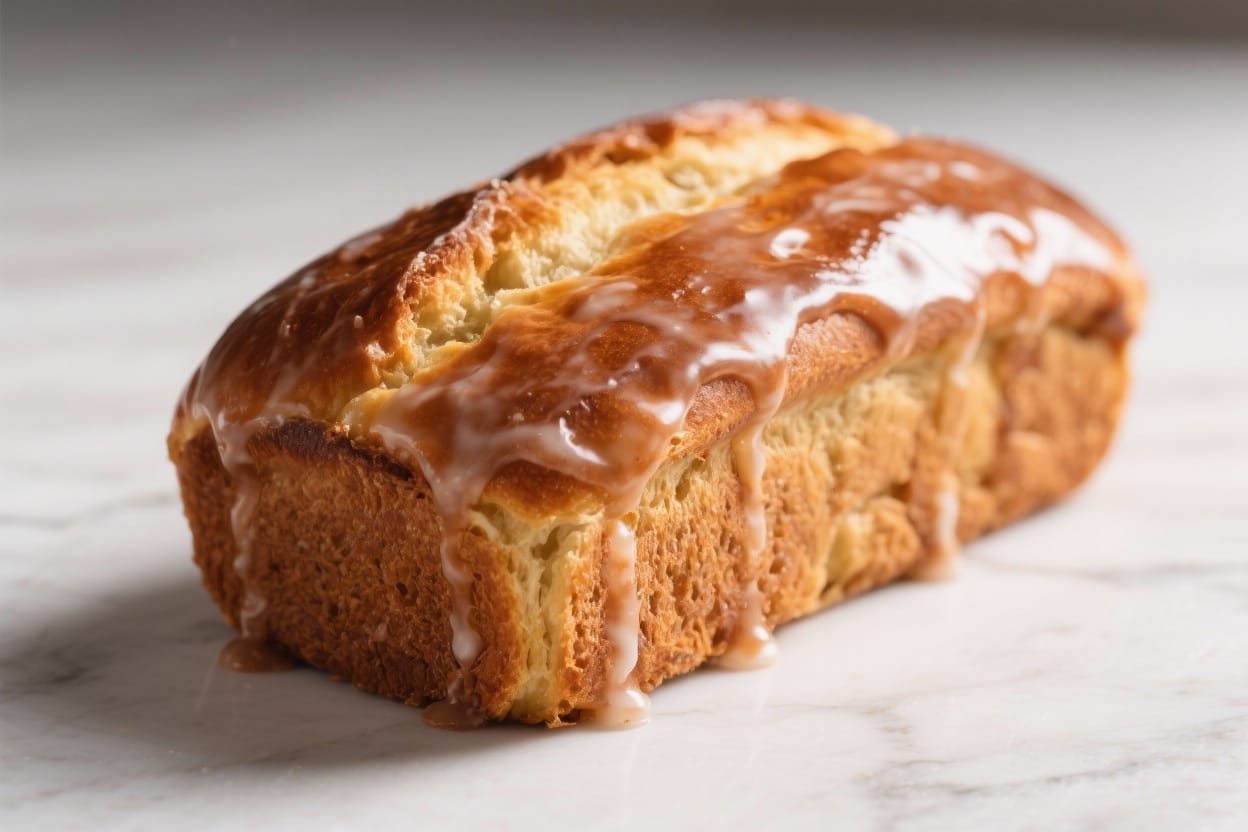
This sweet bread loaf with glaze is the kind of recipe that makes your kitchen feel warm and inviting. It’s tender, slightly buttery, and lightly sweet—perfect for breakfast, brunch, or an afternoon snack. The glaze adds a lovely finish without being too heavy, and it comes together quickly with pantry staples. If you’re new to baking, this loaf is forgiving and straightforward. If you’re experienced, you’ll appreciate how reliable and adaptable it is.
Why This Recipe Works
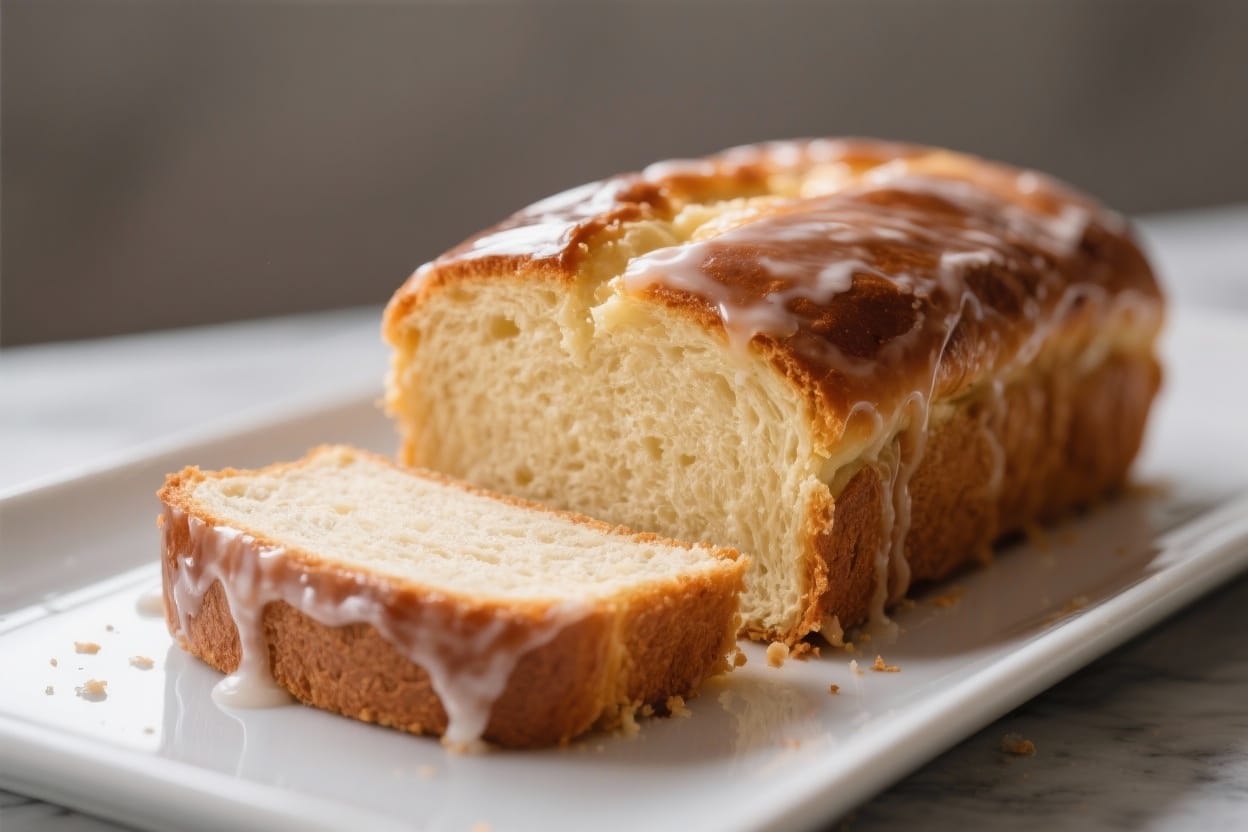
Sweet bread loaf with glaze – Sweet Bread Loaf With Glaze – Soft, Simple, and Comforting This sweet bread loaf with glaze is the k
This loaf balances moisture and structure with a mix of milk, eggs, and butter, so it bakes up soft without falling apart. A touch of sugar sweetens the dough while yeast gives it lift and a classic bakery-style texture. The glaze locks in moisture and gives the loaf a glossy, delicate sweetness. The method is simple: mix, rise, shape, bake, and glaze. It’s a great base recipe you can customize with spices, citrus, or add-ins like nuts and dried fruit.
Ingredients
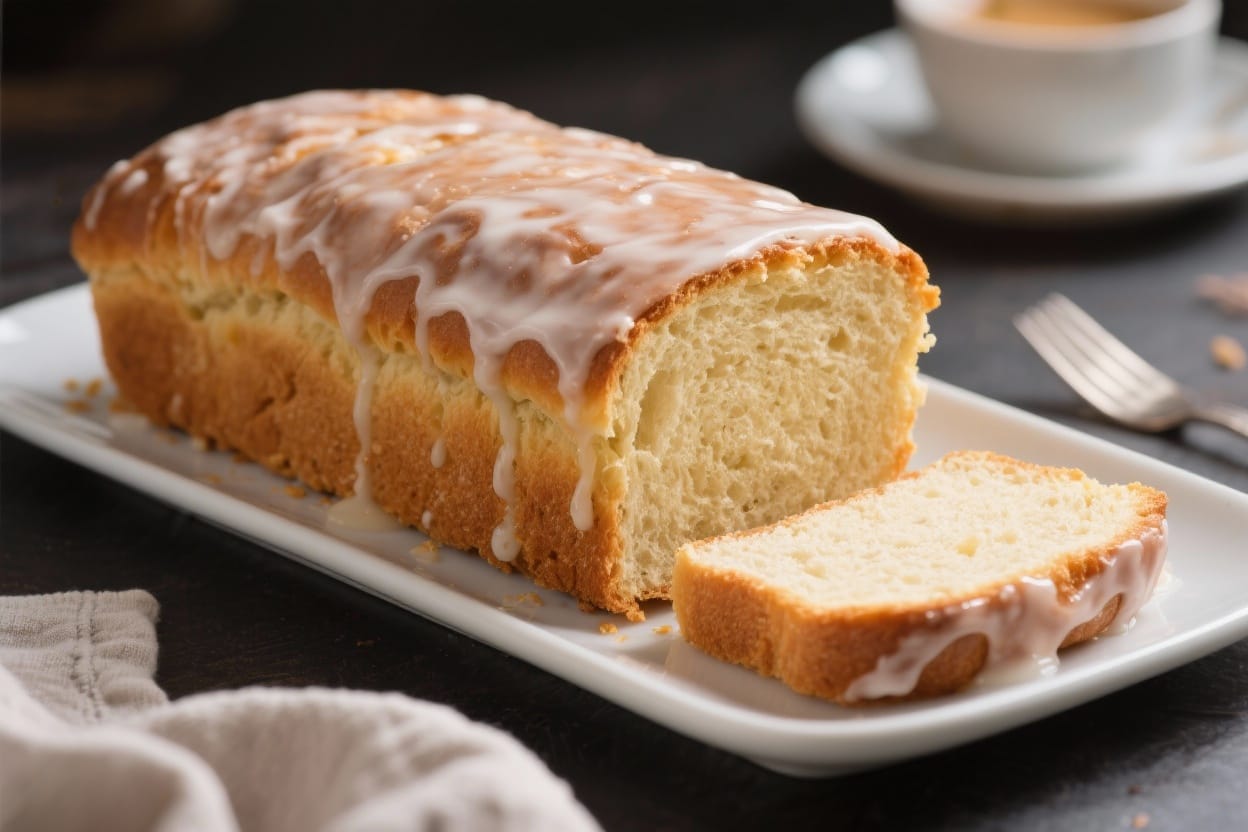
Sweet bread loaf with glaze – It’s tender, slightly buttery, and lightly sweet—perfect for breakfast, brunch, or an afternoon snac
- 3 cups (360 g) all-purpose flour, plus more for dusting
- 1/3 cup (65 g) granulated sugar
- 2 1/4 tsp (1 packet) instant yeast
- 1/2 tsp fine salt
- 3/4 cup (180 ml) warm milk (about 105–110°F/40–43°C)
- 2 large eggs, room temperature
- 5 tbsp (70 g) unsalted butter, melted and slightly cooled
- 1 tsp vanilla extract
- Optional add-ins: 1 tsp ground cinnamon, 1 tsp grated lemon zest, 1/2 cup raisins or chopped nuts
For the Glaze
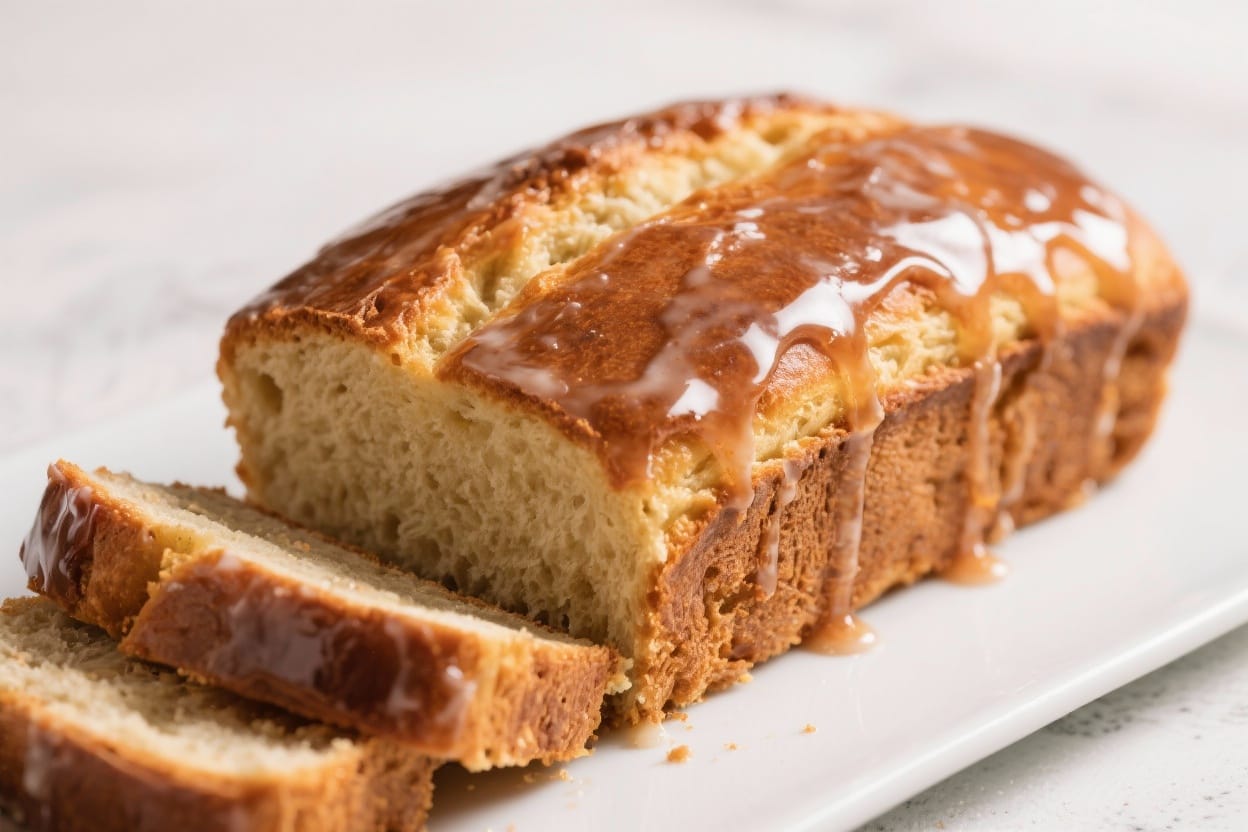
Sweet bread loaf with glaze – The glaze adds a lovely finish without being too heavy, and it comes together quickly with pantry st
- 1 cup (120 g) powdered sugar
- 2–3 tbsp milk or cream
- 1/2 tsp vanilla extract (or almond extract for a twist)
- Pinch of salt (to balance the sweetness)
Instructions
- Prep your pan. Grease a 9×5-inch loaf pan and line it with a parchment sling for easy removal. This prevents sticking and keeps the shape clean.
- Mix dry ingredients. In a large bowl, whisk together flour, sugar, yeast, and salt. If using cinnamon or zest, add it here.
- Combine wet ingredients. In a separate bowl, whisk warm milk, eggs, melted butter, and vanilla until smooth. Make sure the milk is warm, not hot, so it doesn’t harm the yeast.
- Make the dough. Pour the wet mixture into the dry ingredients. Stir with a wooden spoon or dough hook until a shaggy dough forms. If it looks dry, add 1–2 teaspoons of milk. If it’s very sticky, sprinkle in a tablespoon of flour.
- Knead. Knead by hand on a lightly floured surface for 6–8 minutes, or use a stand mixer on medium-low for 5–6 minutes. The dough should be smooth, elastic, and slightly tacky but not messy.
- First rise. Place the dough in a lightly oiled bowl, cover with a clean towel or plastic wrap, and let it rise in a warm spot until doubled, about 60–90 minutes.
- Shape. Gently punch down the dough to release air. Roll it into a rectangle about 8×12 inches. If using add-ins, sprinkle them evenly. Roll up tightly from the short side, pinch the seam, and tuck the ends underneath.
- Second rise. Place the shaped dough into the prepared loaf pan. Cover and let it rise until it crowns about 1 inch over the rim, 35–55 minutes depending on room temperature.
- Preheat and bake. Preheat the oven to 350°F (175°C). Bake for 28–35 minutes until the top is golden and the internal temperature hits about 190°F (88°C). If it browns too fast, tent loosely with foil.
- Cool. Let the loaf cool in the pan for 10 minutes, then lift it out and transfer to a wire rack. Cool until just warm before glazing, about 30 minutes. This prevents the glaze from melting off.
- Make the glaze. Whisk powdered sugar, milk or cream, vanilla, and a pinch of salt until smooth and pourable. Adjust with more milk for a thinner glaze or more sugar for a thicker one.
- Glaze and set. Drizzle the glaze over the warm loaf. Let it set for 10–15 minutes before slicing for neat pieces.
Storage Instructions
- Room temperature: Wrap the cooled loaf tightly or store in an airtight container for up to 3 days. Keep it away from direct sunlight and heat.
- Refrigerator: Not ideal, as it can dry the bread. If your kitchen is very warm, wrap well and refrigerate for up to 4 days, then warm slices gently before serving.
- Freezer: Slice, wrap each piece, and freeze for up to 2 months. Thaw at room temperature or toast lightly. Add fresh glaze after thawing if you prefer a shiny finish.
- Reheating: Warm slices in a toaster or a 300°F (150°C) oven for 5–7 minutes to refresh the crumb.
Health Benefits
This sweet bread is a treat, but you can still make thoughtful choices. Eggs provide protein and vitamins like B12 and choline, while milk adds calcium for bone health. Moderate sugar keeps it from being overly sweet compared to many pastries. If you add nuts, you’ll get extra healthy fats and fiber. For more balance, pair a slice with Greek yogurt or fresh fruit.
Common Mistakes to Avoid
- Using milk that’s too hot. Overheated milk can kill the yeast. Aim for warm, not hot—about 105–110°F (40–43°C).
- Adding too much flour. A stiff dough makes a dry loaf. The dough should be slightly tacky; dust lightly when kneading rather than dumping in lots of flour.
- Skipping the second rise. This step develops structure and texture. Rushing it results in a dense loaf.
- Glazing too early. If the loaf is hot, the glaze melts and runs off. Wait until it’s warm so it clings nicely.
- Overbaking. Dry bread often comes from a few extra minutes in the oven. Check early, and use a thermometer if you have one.
Alternatives
- Flour swaps: Use bread flour for extra chew and structure. For a softer crumb, stick with all-purpose. A 1:1 gluten-free flour blend designed for yeast baking can work, but texture may be slightly denser.
- Dairy-free: Replace milk with oat or almond milk and butter with a neutral oil or vegan butter. Choose a dairy-free glaze by using plant-based milk.
- Flavor twists: Add orange or lemon zest to the dough and glaze. Stir in cinnamon, cardamom, or nutmeg for warmth. Try almond extract in place of vanilla.
- Mix-ins: Fold in raisins, dried cranberries, chocolate chips, or chopped pecans. Keep total add-ins to about 1/2 cup so the loaf rises well.
- Glaze variations: Make a citrus glaze with lemon juice instead of milk. For a richer finish, use cream and a touch of melted butter. A simple sugar syrup brushed on the hot loaf adds shine without thickness.
FAQ
Can I make this loaf without a stand mixer?
Yes. Mix with a wooden spoon and knead by hand for about 6–8 minutes. Aim for a smooth, elastic dough that’s slightly tacky. It’s a gentle dough, so it’s easy to handle.
How do I know the dough has risen enough?
Look for a doubled volume and a puffy, pillowy feel. When you press the dough gently with a fingertip, the indentation should slowly spring back but not disappear completely.
Can I reduce the sugar?
You can cut the sugar to 1/4 cup in the dough. The loaf will be less sweet but still soft. Adjust the glaze to taste, or skip it and brush the warm loaf with a little melted butter for shine.
What if I only have active dry yeast?
Use the same amount, but dissolve it in the warm milk with a pinch of sugar and let it sit for 5–10 minutes until foamy. Then proceed with the recipe as written.
How can I tell if it’s fully baked without a thermometer?
Tap the top—fully baked bread sounds hollow. Also, the top should be a deep golden color, and the sides should pull slightly from the pan. If unsure, bake for 2–3 more minutes and check again.
Can I make this overnight?
Yes. After shaping, cover and refrigerate the loaf overnight. Let it sit at room temperature for 45–60 minutes the next day to finish rising, then bake as directed.
Why did my loaf sink after baking?
Overproofing is a common cause. If the dough rises too long, it can deflate in the oven. Also check that you measured liquids correctly and didn’t underbake the center.
How thick should the glaze be?
A spoonable, pourable consistency works best—think heavy cream. It should flow in ribbons and slowly settle on the loaf without running straight off.
Wrapping Up
This sweet bread loaf with glaze is a dependable, feel-good bake that fits almost any occasion. It’s soft, lightly sweet, and endlessly customizable with spices, citrus, or add-ins. With a few simple techniques and a good rise, you’ll get a beautiful, bakery-style loaf at home. Slice it warm, share it generously, and save a piece for tomorrow—you’ll be glad you did.
Printable Recipe Card
Want just the essential recipe details without scrolling through the article? Get our printable recipe card with just the ingredients and instructions.