Small Batch Bread for Two – Simple, Fresh, and Just Enough
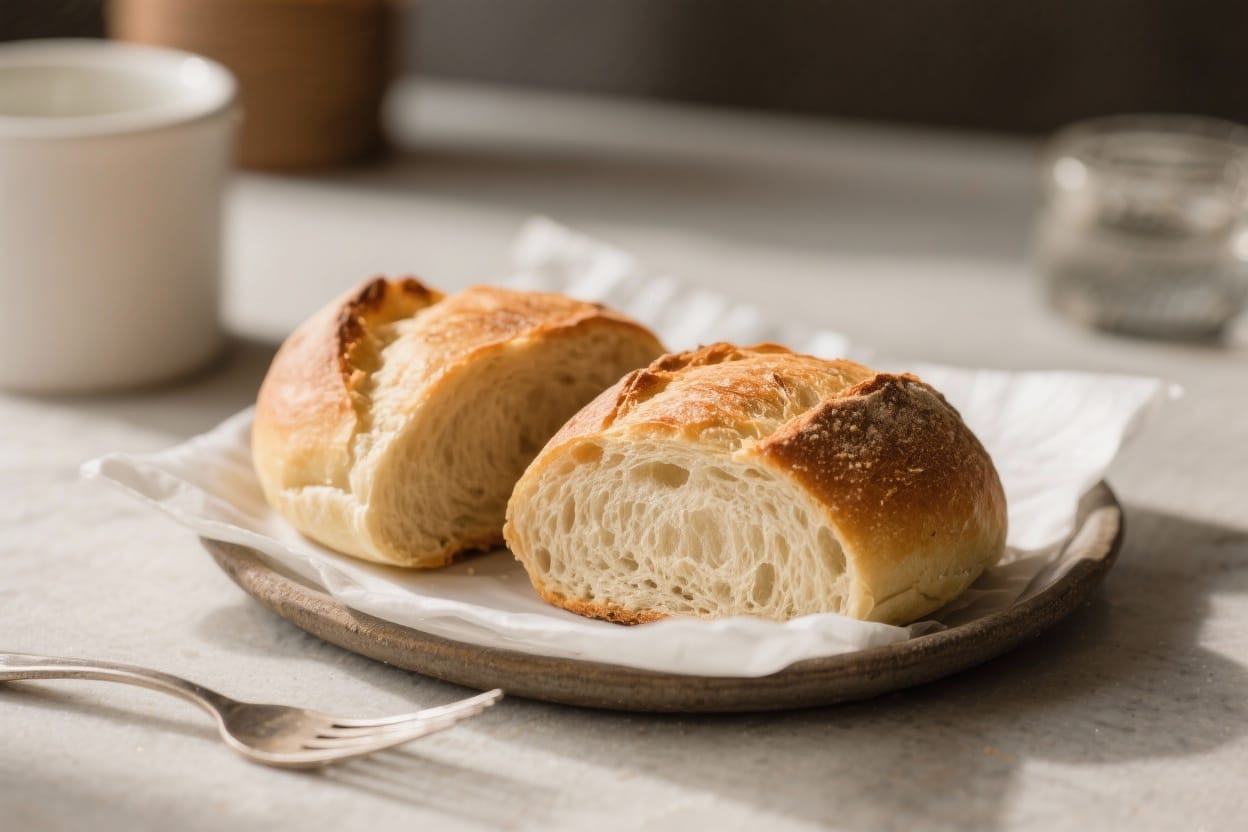
There’s something comforting about warm, freshly baked bread on the table, even on a regular weeknight. But most recipes make more than you need, and leftovers can go stale fast. This small batch bread is sized perfectly for two people, with just enough for a meal and a little extra for snacking. It’s easy to make, beginner-friendly, and doesn’t require special equipment. If you’ve been curious about baking bread without committing to a big loaf, this is your sweet spot.
What Makes This Special
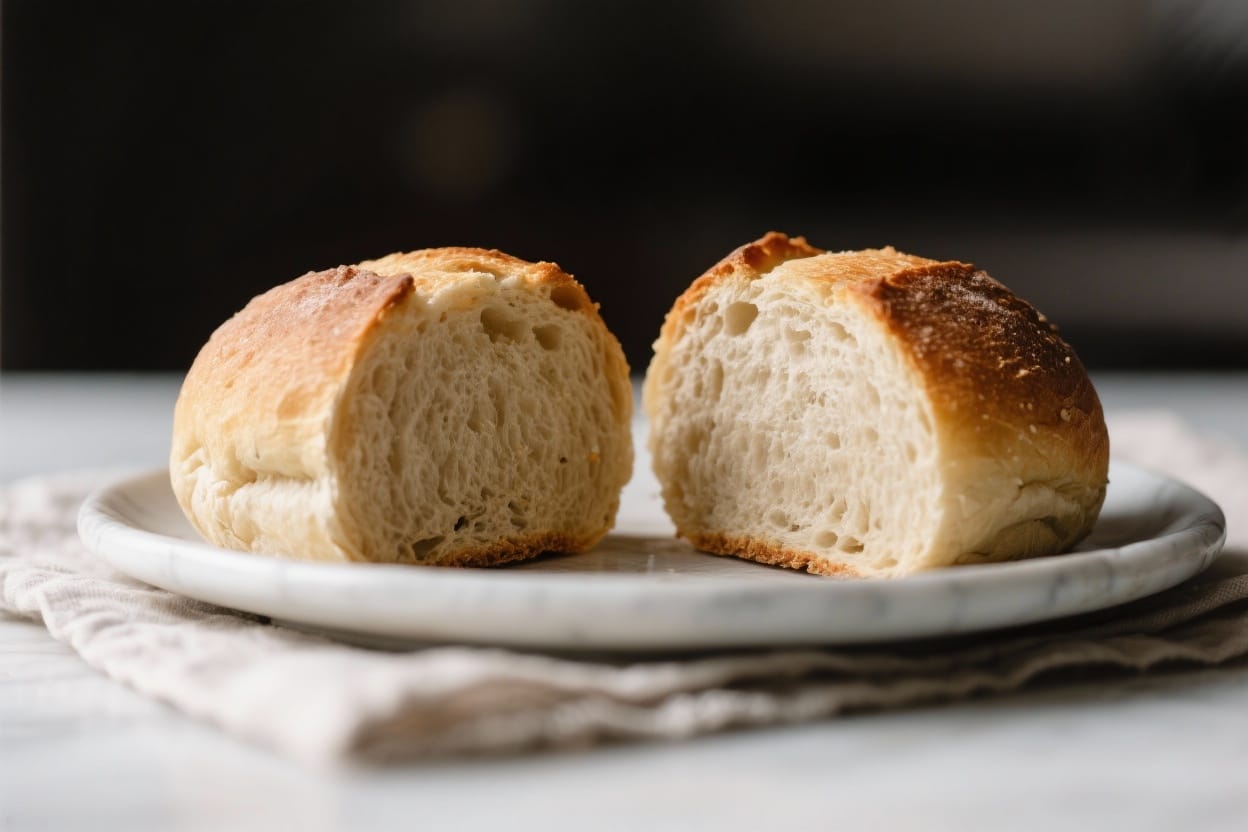
Small batch bread for two – Small Batch Bread for Two – Simple, Fresh, and Just Enough There’s something comforting about warm,
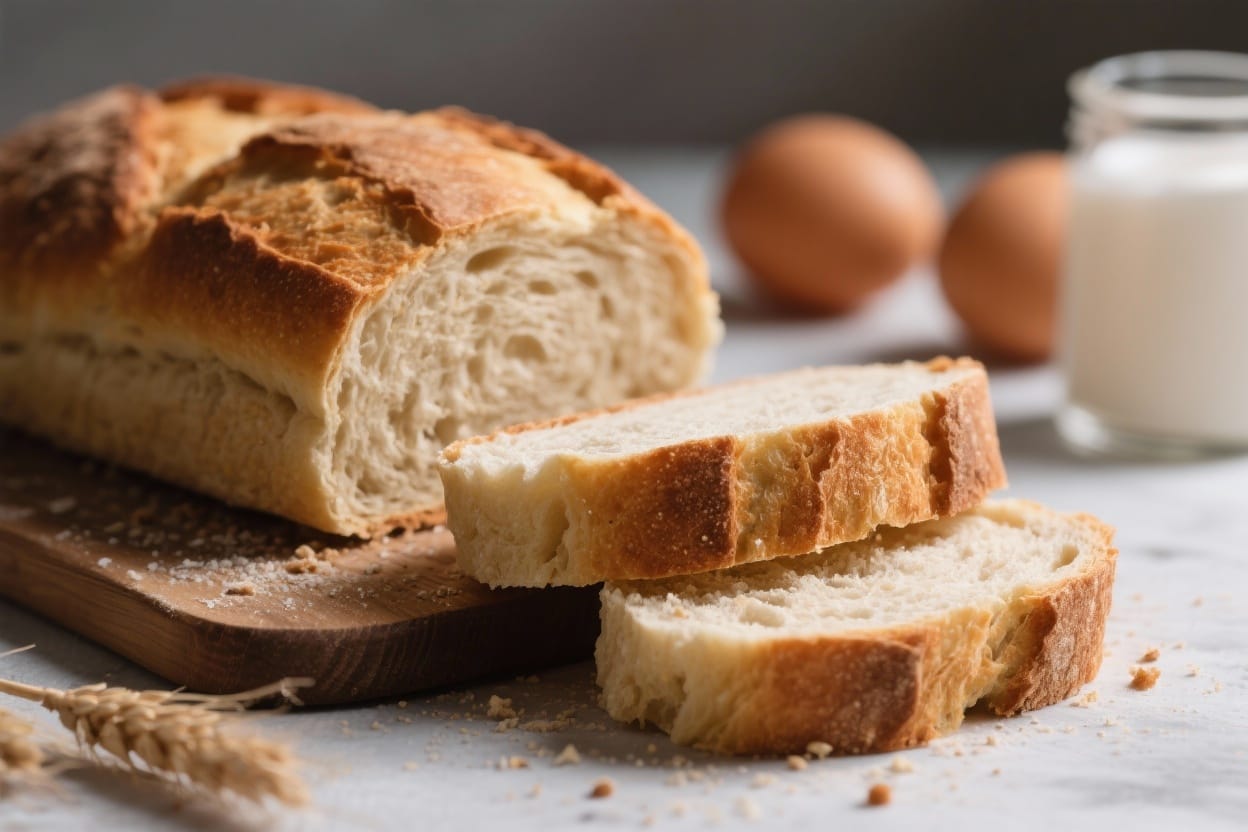
This recipe is designed for smaller households, so you won’t end up with too much bread. It makes one petite round loaf, ideal for two people to enjoy with soup, salad, or a simple pasta dinner. The dough is forgiving and doesn’t require a mixer or fancy tools. You’ll get a crisp crust, a soft and slightly chewy interior, and a fresh-from-the-oven aroma that beats anything from the store.
It also uses a short rest and rise schedule, so you can start in the afternoon and be eating bread by evening. If you want more flavor, you can let it chill in the fridge for a few hours, but it’s totally optional. Think of it as a flexible, low-pressure bread you’ll make again and again.
Ingredients
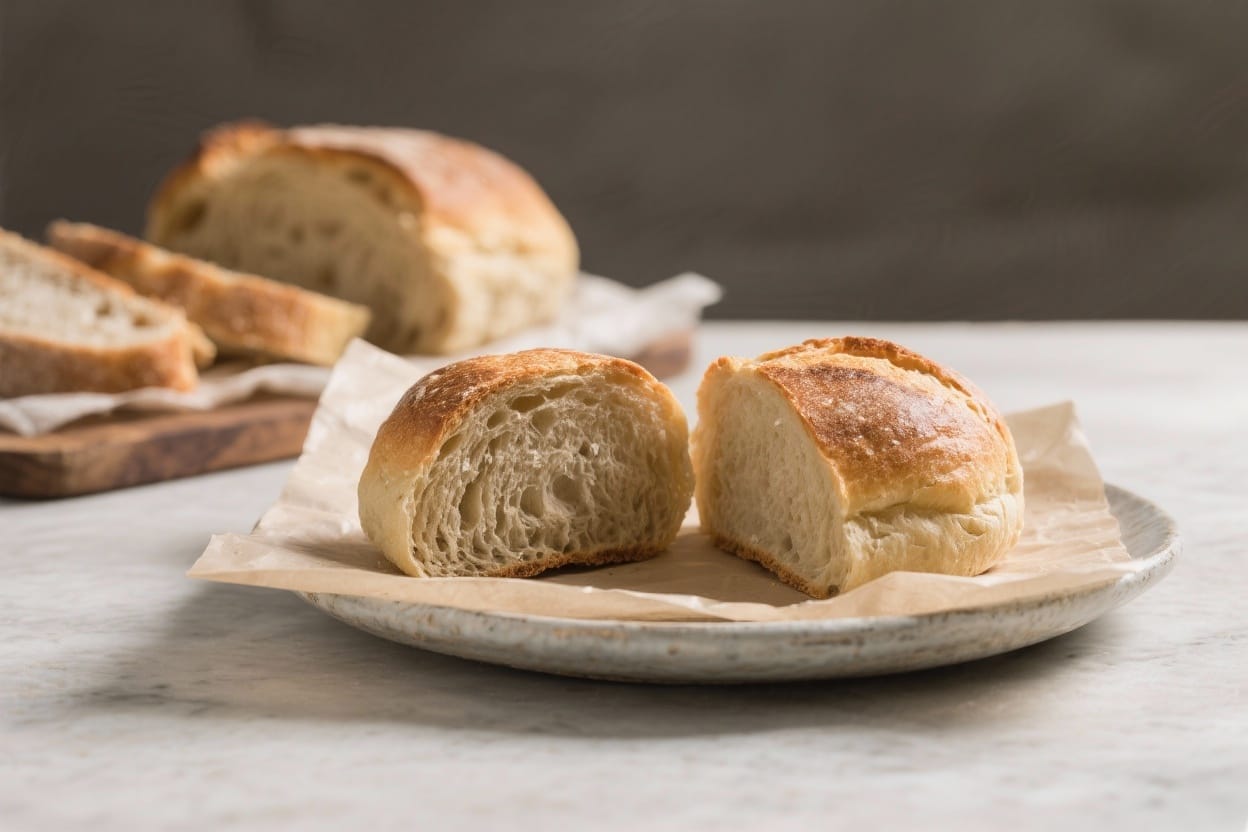
Small batch bread for two – But most recipes make more than you need, and leftovers can go stale fast
- 1 1/2 cups (190 g) all-purpose flour (or use bread flour for a chewier texture)
- 1/2 cup (60 g) whole wheat flour (optional, for flavor and color; replace with all-purpose if preferred)
- 3/4 cup (180 ml) warm water (about 105–110°F; warm to the touch, not hot)
- 1 teaspoon instant or active dry yeast
- 3/4 teaspoon fine sea salt
- 1 teaspoon sugar or honey (helps activate yeast and adds mild sweetness)
- 1 tablespoon olive oil (optional, for a softer crumb and subtle flavor)
- Optional add-ins: 1 teaspoon chopped fresh rosemary, 1/2 teaspoon garlic powder, or a sprinkle of sesame seeds
Instructions
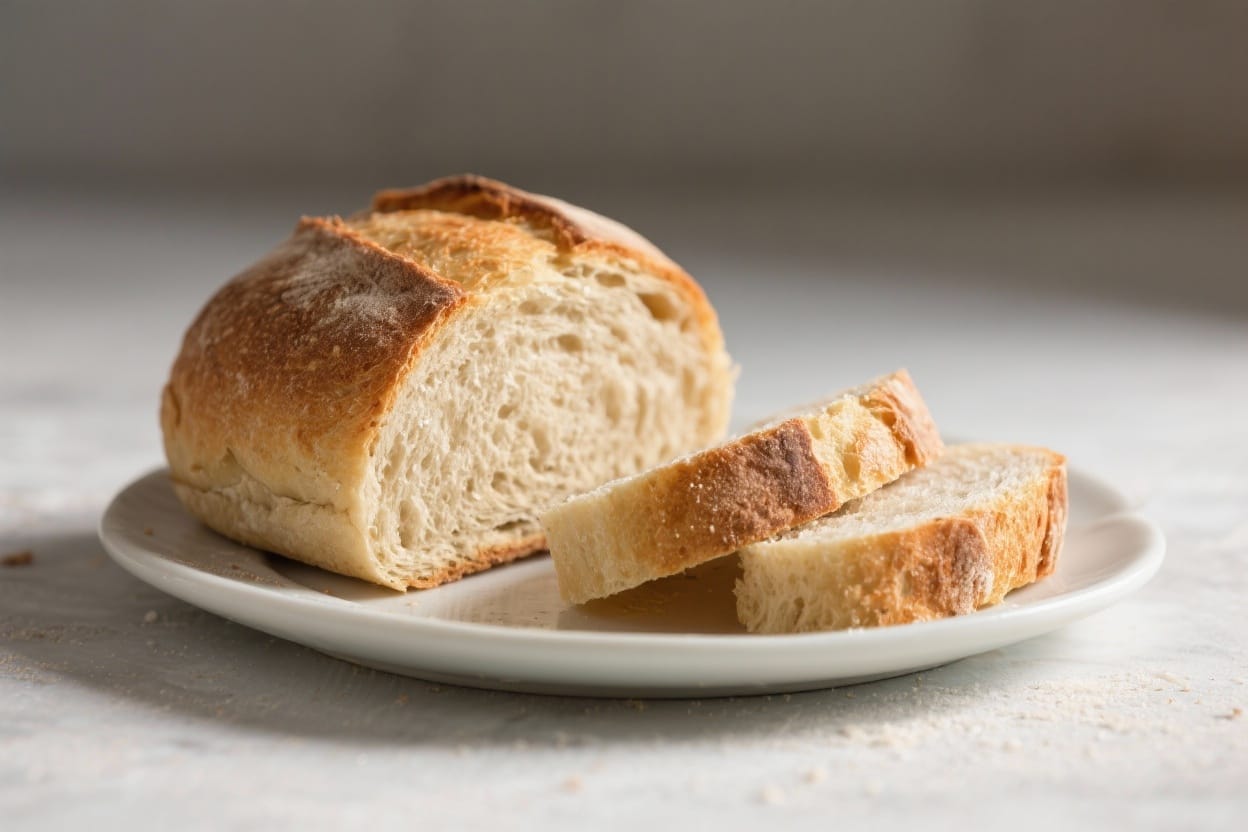
Small batch bread for two – This small batch bread is sized perfectly for two people, with just enough for a meal and a little e
- Mix the dough: In a medium bowl, whisk warm water, yeast, and sugar or honey. Let sit 5 minutes if using active dry yeast, until foamy. Add flour(s), salt, and olive oil. Stir with a spoon until a rough, shaggy dough forms.
- Knead briefly: Lightly flour your hands and the counter. Knead the dough for 3–5 minutes, just until smooth and slightly elastic. It should feel soft and only a little sticky. Add small sprinkles of flour if it’s very tacky.
- First rise: Place the dough in a lightly oiled bowl, turning once to coat. Cover with a clean towel or plastic wrap. Let rise in a warm spot for 45–60 minutes, or until nearly doubled.
- Shape the loaf: Turn the dough onto the counter. Gently press it into a small rectangle, then tuck the edges under to form a tight round. Pinch the seam underneath. Place seam-side down on a piece of parchment.
- Second rise: Loosely cover and let rise 25–35 minutes, until puffy. During this time, preheat the oven to 425°F (220°C). If you have a small Dutch oven or heavy oven-safe pot, place it inside to preheat. If not, a baking sheet works fine.
- Score the top: Use a sharp knife to make a shallow X or a few slashes on top. This helps control how the bread expands in the oven.
- Bake with steam: For a crisp crust, add steam. If using a Dutch oven, carefully place the dough (on its parchment) into the hot pot, cover, and bake 18 minutes. Remove the lid and bake 8–12 more minutes until golden and deep brown in spots. If using a baking sheet, place a small oven-safe pan of hot water on the lower rack and spray the loaf with water just before it goes in. Bake 22–28 minutes, until golden brown.
- Check for doneness: The loaf should sound hollow when tapped on the bottom. If you have a thermometer, the internal temp should be around 200–205°F (93–96°C).
- Cool before slicing: Transfer to a rack and cool at least 20–30 minutes. This sets the crumb and prevents gumminess.
Storage Instructions
- Room temperature: Wrap the cooled loaf in a clean kitchen towel or place cut-side down on a board. It stays fresh for about 1 day.
- Short-term: For day two, store in a paper bag inside a loose plastic bag to balance moisture and crust. Re-crisp in a 350°F (175°C) oven for 5–8 minutes.
- Freezer: Slice, then freeze in a zip-top bag for up to 2 months. Toast straight from frozen or reheat in the oven.
- Avoid the fridge: It dries out bread quickly. Use room temp or freezer storage instead.
Why This is Good for You
Homemade bread has simple ingredients you can pronounce. You control the salt, the flour type, and any add-ins. This version uses a touch of whole wheat for extra fiber and flavor without making it heavy. It’s also budget-friendly, especially compared to bakery loaves.
Beyond nutrition, there’s real value in making something with your hands. You get fresh, warm bread without additives or preservatives. And because the batch is small, you avoid waste—just enough for a meal and a snack, not a counter full of leftovers.
Common Mistakes to Avoid
- Water too hot: Yeast can die if the water is above about 120°F. Aim for warm bath temperature—comfortable to the touch.
- Over-flouring: A slightly sticky dough is normal. Adding too much flour creates a dense loaf. Dust lightly and knead briefly.
- Skipping the rest: Letting the dough rise fully gives you better texture. Rushing leads to tight, tough bread.
- Cutting too soon: Slicing hot bread can make it gummy. Give it at least 20 minutes to set.
- No steam: Without steam, the crust can be dull and hard. A covered pot or a pan of water helps a lot.
Alternatives
- Flour swaps: Use all all-purpose for a softer loaf, or all bread flour for more chew. Try up to 25% rye or spelt for earthiness.
- Dairy add-in: Replace half the water with warm milk for a tender crumb and a slightly richer taste.
- Flavor twists: Stir in 1–2 teaspoons of herbs, a pinch of black pepper, or 2 tablespoons grated Parmesan. For a seeded crust, brush the shaped loaf with water and roll in sesame or poppy seeds.
- Overnight rise: For deeper flavor, refrigerate the dough after the first rise for 4–12 hours. Shape, proof, and bake as directed.
- Gluten-free approach: Use a gluten-free all-purpose blend with 1 teaspoon xanthan gum if not already included. The dough will be more like a thick batter; shape with a spatula and bake in a small loaf pan.
FAQ
Can I make this without a Dutch oven?
Yes. Bake on a preheated baking sheet and add steam by placing a small pan of hot water on the lower rack. Spritz the loaf with water just before it goes in to help develop a nice crust.
What if I only have active dry yeast?
Active dry yeast works perfectly. Bloom it in the warm water with the sugar for about 5 minutes until foamy, then proceed. If it doesn’t foam, your yeast may be expired or the water was too hot or too cool.
How do I know the dough has risen enough?
It should look puffy and roughly doubled on the first rise. On the second rise, press the dough gently with a fingertip. If the indentation slowly springs back but doesn’t disappear completely, it’s ready to bake.
Can I double the recipe?
Absolutely. Double all ingredients and bake as two small loaves or one medium loaf. If baking one larger loaf, add a few extra minutes to the bake time and check the internal temperature.
How can I make the crust softer?
Brush the hot loaf with a little butter or olive oil right after baking, and skip the steam. You can also replace some water with milk in the dough for a tender crust.
Why did my bread turn out dense?
Common causes include not enough rise time, water that was too cool for proper yeast activity, or too much flour added during kneading. Make sure the dough feels soft and slightly tacky, and give it enough time to proof.
Can I add mix-ins like cheese or olives?
Yes. Add up to 1/3 cup of small mix-ins after the initial mix. Pat the dough into a rectangle, sprinkle them evenly, and fold the dough over before kneading lightly to distribute.
Final Thoughts
This small batch bread for two is the kind of recipe you’ll keep in your back pocket. It’s simple, flexible, and consistently tasty. Whether you serve it warm with butter, alongside a cozy stew, or as the base for a quick sandwich, it fits right into everyday cooking. Bake it once, and it might just become your new weeknight ritual.
Printable Recipe Card
Want just the essential recipe details without scrolling through the article? Get our printable recipe card with just the ingredients and instructions.