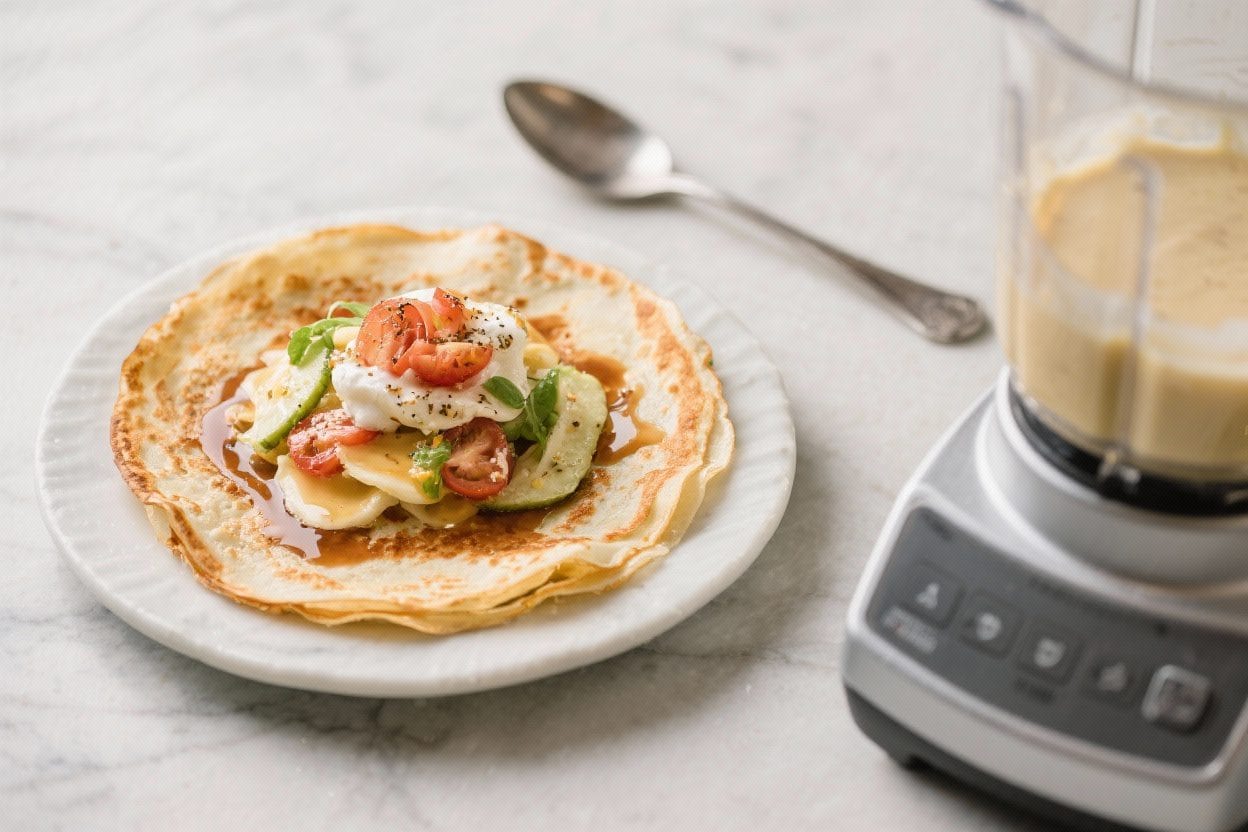
Light, lacy crepes feel fancy, but they’re surprisingly easy to make at home—especially with a blender. With a few pantry staples and five minutes of prep, you’ll have a smooth batter ready to swirl into delicate, golden crepes. They cook fast, taste buttery and soft, and work with both sweet and savory fillings.
Whether it’s brunch, dessert, or a simple weeknight treat, this method makes crepes approachable and stress-free. If you can flip a pancake, you can make these.
What Makes This Special
This recipe leans on the blender to eliminate lumps and streamline everything. The batter turns silky-smooth, and you don’t need to whisk like crazy or worry about overmixing.
It also uses ingredients you likely already have—flour, milk, eggs, butter, sugar, and salt.
Crepes cook quickly, so you can feed a crowd without waiting around. The batter keeps well, too, which means you can make it ahead and cook fresh crepes when you want them. Sweet or savory, thin or slightly thicker—this base recipe bends to whatever you’re craving.
Ingredients
- All-purpose flour – 1 cup (120 g)
- Milk – 1 1/2 cups (360 ml), whole or 2%
- Eggs – 3 large
- Unsalted butter – 2 tablespoons, melted (plus extra for the pan)
- Granulated sugar – 1 tablespoon (optional for sweet crepes)
- Vanilla extract – 1 teaspoon (optional for sweet crepes)
- Salt – 1/4 teaspoon
- Optional add-ins – Lemon zest, cinnamon, or a splash of rum for aroma
- For serving – Fresh fruit, jam, Nutella, whipped cream, powdered sugar, ham and cheese, sautéed mushrooms, or smoked salmon
Instructions
- Blend the batter: Add milk, eggs, melted butter, sugar (if using), vanilla (if using), salt, and flour to your blender.Start on low, then increase to medium until smooth, about 20–30 seconds. Scrape down the sides if needed.
- Rest the batter: Let the batter sit for 15–30 minutes at room temperature, or refrigerate up to 24 hours. Resting relaxes the gluten and lets bubbles rise, leading to tender crepes.
- Preheat the pan: Heat a nonstick or well-seasoned crepe pan over medium heat.Lightly brush with butter. The pan is ready when a drop of water skitters across the surface.
- Swirl the batter: Pour about 1/4 cup of batter into the center. Immediately lift and tilt the pan to spread the batter into a thin, even circle.
- Cook the first side: Cook for 45–60 seconds until the edges look dry and lift slightly, and the bottom has light golden spots.
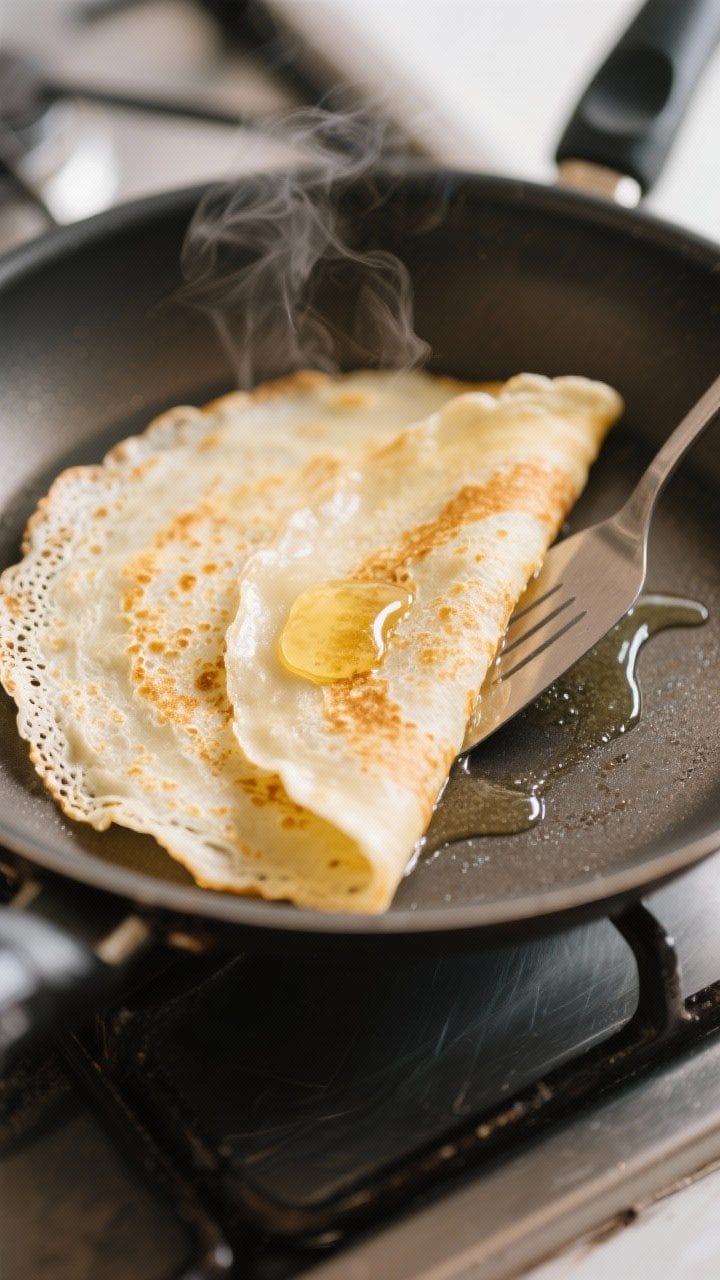
- Flip gently: Use a thin spatula to loosen, then flip.Cook the second side for 20–30 seconds. It should be lightly speckled, not dark brown.
- Adjust as needed: If crepes are too thick, add a splash of milk to the batter. If they tear, cook slightly shorter or reduce heat a touch.
- Repeat and stack: Transfer cooked crepes to a plate and cover loosely with a clean towel.Brush the pan with butter every few crepes to prevent sticking.
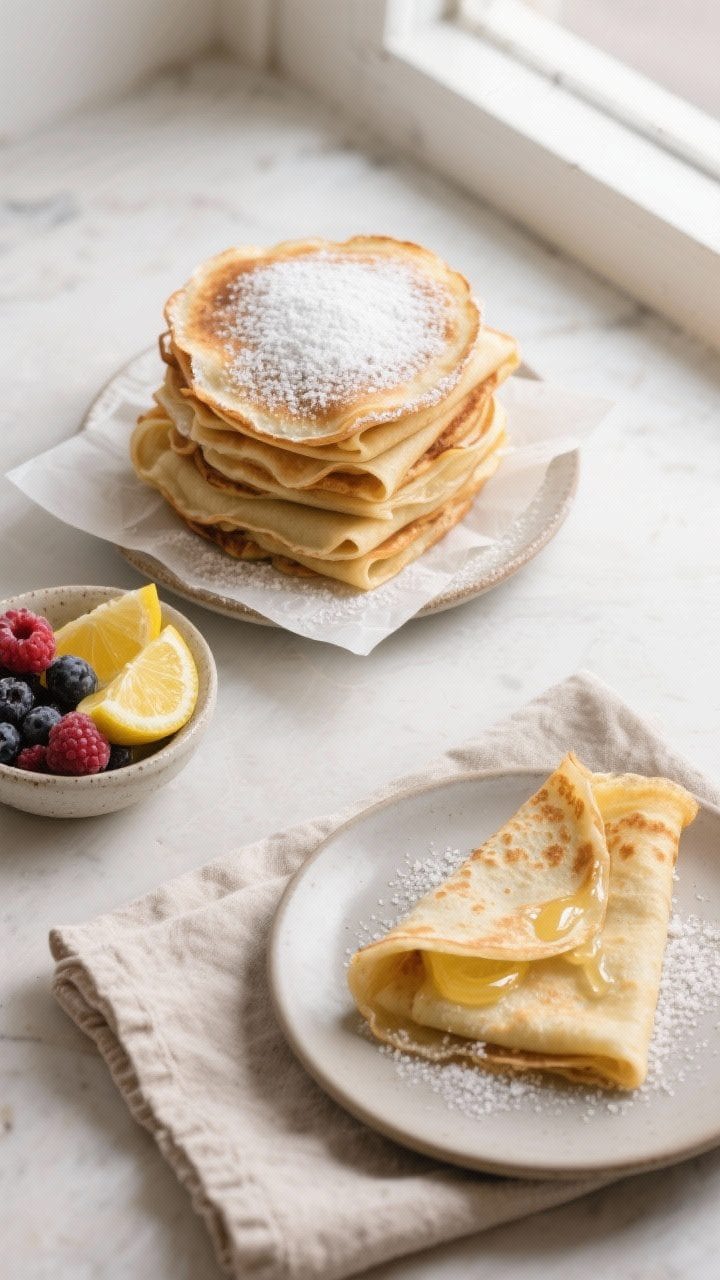
- Fill and serve: Add your favorite fillings. For sweet crepes, try lemon and sugar or berries with whipped cream. For savory, roll with ham and Swiss or sautéed spinach and feta.
How to Store
Crepes keep well, which makes them great for meal prep.
Layer them with parchment or wax paper between each crepe, then wrap tightly.
- Refrigerator: Up to 3 days. Reheat in a warm, dry skillet for 10–15 seconds per side.
- Freezer: Up to 2 months. Thaw in the fridge overnight, then warm in a skillet or microwave for a few seconds.
- Batter storage: Keep in the fridge up to 24 hours.Stir before using, as it may separate.
Health Benefits
Crepes are versatile and can fit into many eating styles. They’re lighter than many pancakes, especially if you use modest fillings. With protein from eggs and milk, they’re satisfying without feeling heavy.
You can boost nutrition by using part whole-wheat flour, adding ground flaxseed, or filling with fresh fruit, yogurt, or sautéed vegetables.
Savory versions with lean proteins and greens make a balanced meal. Portion size matters most—load up on wholesome fillings and keep sugary toppings in check.
Pitfalls to Watch Out For
- Too thick batter: Crepe batter should be thinner than pancake batter. If it doesn’t spread easily, whisk in 1–2 tablespoons of milk at a time.
- Cold pan: A pan that isn’t hot enough leads to pale, gummy crepes.Wait for that skittering water test.
- Overcooking: Dark brown means dry and brittle. Aim for light golden spots.
- Skipping the rest: Resting batter reduces bubbles and improves texture. Even 15 minutes helps.
- Too much butter in the pan: Excess fat prevents the batter from gripping and spreading.Use a thin film, not a puddle.
- Rushing the flip: If it sticks, give it 10 more seconds. The edges should lift easily.
Recipe Variations
- Classic French: Omit sugar and vanilla. Serve with lemon juice and a sprinkle of sugar, or a smear of good jam.
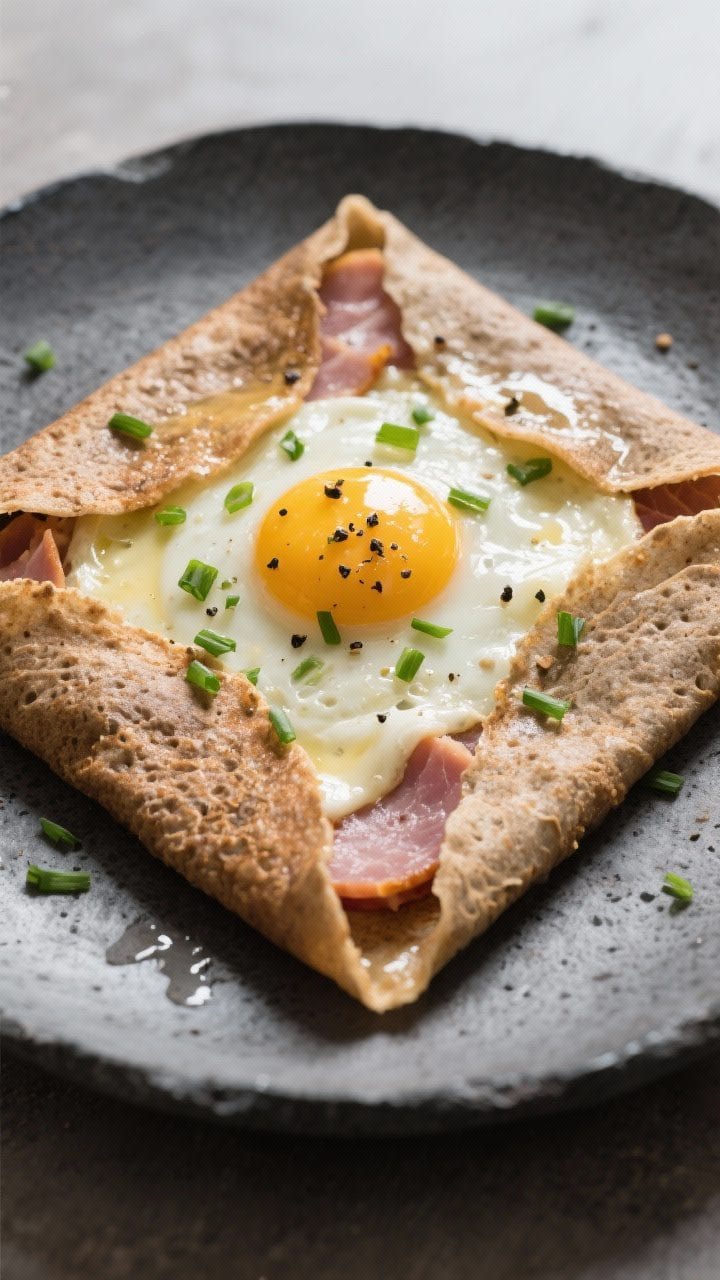
- Buckwheat Savory (Galette-Style): Swap half the flour for buckwheat.Fill with ham, Gruyère, and a sunny-side-up egg.
- Gluten-Free: Use a 1:1 gluten-free flour blend. Add an extra tablespoon of milk if needed for a smooth pour.
- Dairy-Free: Use almond, oat, or soy milk and melted coconut oil instead of butter. Choose a non-dairy spread for the pan.
- High-Protein: Add 1–2 tablespoons of Greek yogurt to the blender and loosen with a bit more milk.Fill with cottage cheese and berries.
- Chocolate Crepes: Add 2 tablespoons unsweetened cocoa powder and 1 extra tablespoon of sugar. Great with strawberries.
- Herb And Cheese: Skip sugar and vanilla, then blend in chopped chives or parsley. Fill with goat cheese and roasted veggies.
FAQ
Do I really need to rest the batter?
Yes, resting helps the flour hydrate and the bubbles settle, giving you tender crepes that don’t tear easily.
If you’re in a rush, even 10 minutes helps. For the best texture, go for 30 minutes or make the batter the night before.
What’s the best pan for crepes?
A nonstick skillet or dedicated crepe pan with low sides works best. Cast iron can also work if well seasoned.
The key is a smooth surface, even heat, and a light coating of butter.
Why are my crepes rubbery?
Rubbery crepes usually come from overcooking or high heat. Cook just until set with light browning. Also, make sure your batter isn’t too thick—thin batter cooks faster and stays tender.
Can I make them without a blender?
Absolutely.
Whisk the eggs, milk, and melted butter, then sift in the flour, sugar, and salt. Whisk until smooth. If you see lumps, strain the batter through a fine-mesh sieve.
How do I keep crepes warm while I cook the rest?
Stack them on a plate and cover loosely with a clean kitchen towel.
You can also keep them in a low oven (around 200°F/95°C) for up to 20 minutes, layered with parchment.
What fillings work best for a crowd?
Set up a simple bar: Nutella, sliced bananas, strawberries, lemon wedges, powdered sugar, whipped cream, shredded cheese, ham, sautéed mushrooms, and spinach. Everyone can build their own, sweet or savory.
How thin should the batter be?
It should look like heavy cream—thin enough to flow quickly when you tilt the pan but not watery. If it coats a spoon lightly and runs off in a steady stream, you’re in the right zone.
Can I freeze the batter?
It’s better to freeze cooked crepes than raw batter.
The batter can separate and lose consistency after thawing. Cook the crepes first, then freeze with parchment between each one.
Final Thoughts
Crepes feel special, but they’re weeknight-easy with a blender and a little butter. Once you get the hang of swirling the pan, the rest is straightforward.
Keep the batter thin, the pan hot, and the cook time short. From lemon-sugar classics to savory ham and cheese, this simple base opens the door to endless, delicious combinations. Make a batch today and enjoy that crisp-tender, café-style magic at home.
Printable Recipe Card
Want just the essential recipe details without scrolling through the article? Get our printable recipe card with just the ingredients and instructions.