Pizza Dough Multiple Meals – A Flexible, Make-Ahead Recipe for Busy Weeks
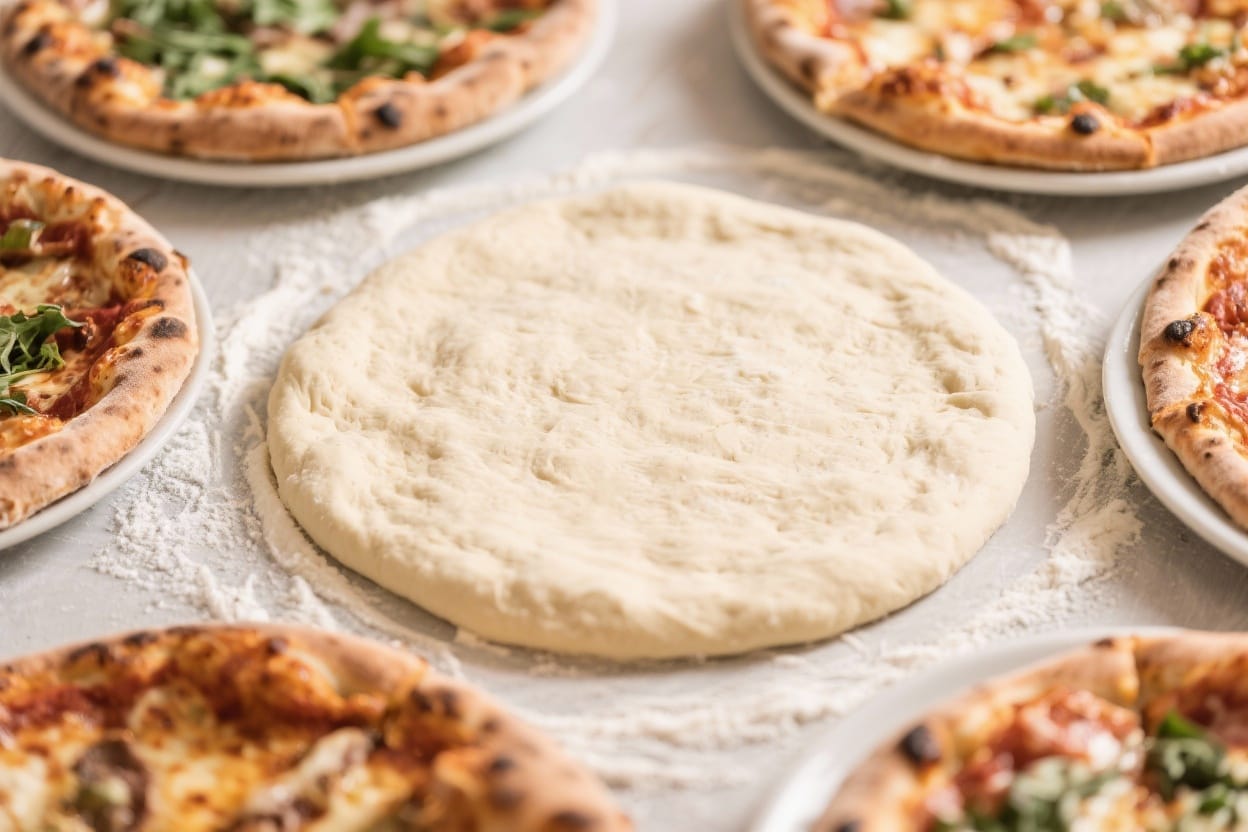
Pizza night is great, but pizza dough that stretches into several meals is even better. This simple recipe gives you a soft, chewy dough that’s easy to work with and perfect for more than just pizza. Use it for flatbreads, calzones, garlic knots, or quick focaccia. The dough takes minimal effort, keeps well, and turns a hectic week into a set of easy, tasty dinners. If you’ve ever wanted a kitchen shortcut that still feels homemade, this is it.
Why This Recipe Works
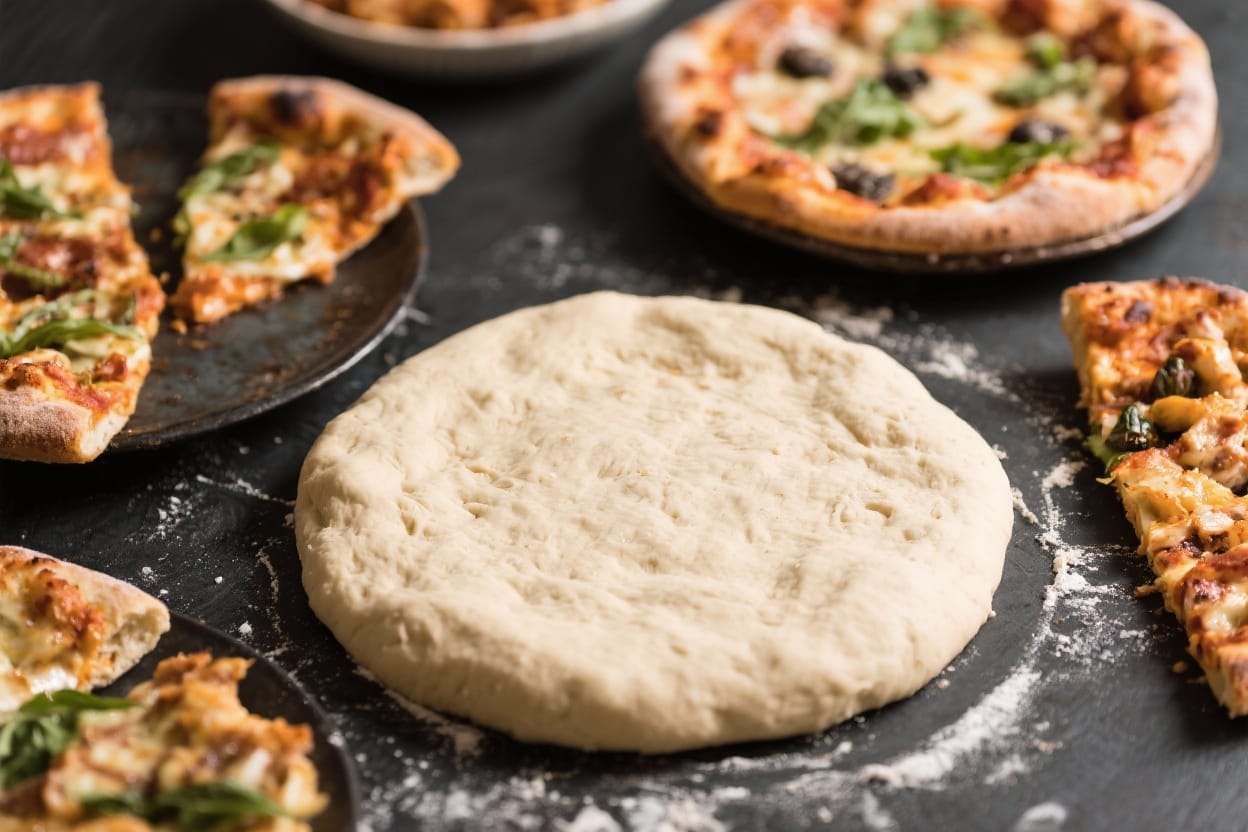
Pizza dough multiple meals – Pizza Dough Multiple Meals – A Flexible, Make-Ahead Recipe for Busy Weeks Pizza night is great, but
- Cold fermentation builds flavor: Letting the dough rest in the fridge for up to 3 days develops a deeper, slightly tangy taste and improves texture.
- High hydration equals better chew: A slightly wetter dough yields an airy crumb and crisp edges when baked hot.
- Simple ingredients, big range: Flour, water, yeast, salt, and oil become pizzas, flatbreads, and more without new shopping lists.
- Meal prep friendly: Portion the dough into balls to pull out as needed throughout the week or freeze for later.
Ingredients
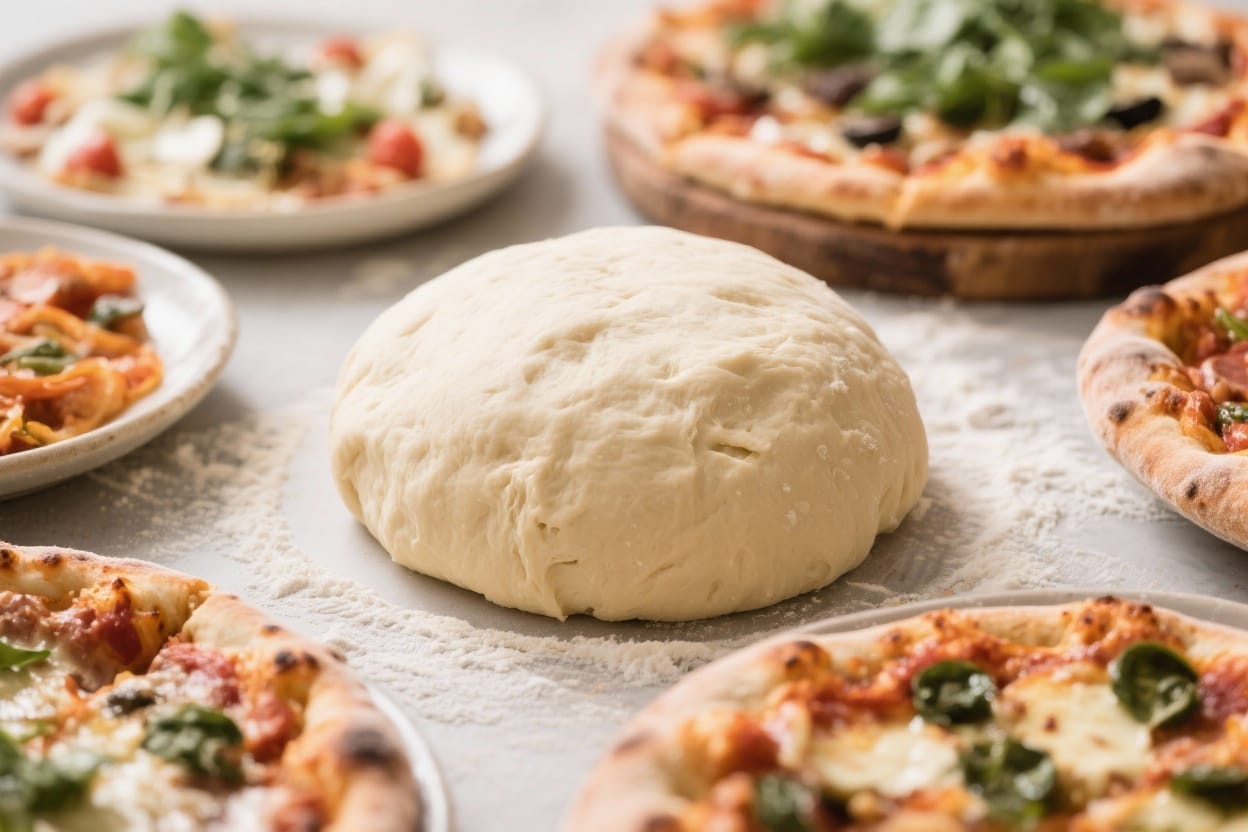
Pizza dough multiple meals – This simple recipe gives you a soft, chewy dough that’s easy to work with and perfect for more than
- 4 cups (500 g) bread flour or strong all-purpose flour, plus extra for dusting
- 1 3/4 cups (415 ml) lukewarm water
- 2 teaspoons fine sea salt
- 1 teaspoon instant yeast (or 1 1/4 teaspoons active dry yeast)
- 1 tablespoon olive oil, plus more for greasing
- Optional: 1 teaspoon sugar or honey (helps browning and speeds fermentation)
- Optional: Semolina or cornmeal for dusting peels and pans
Instructions
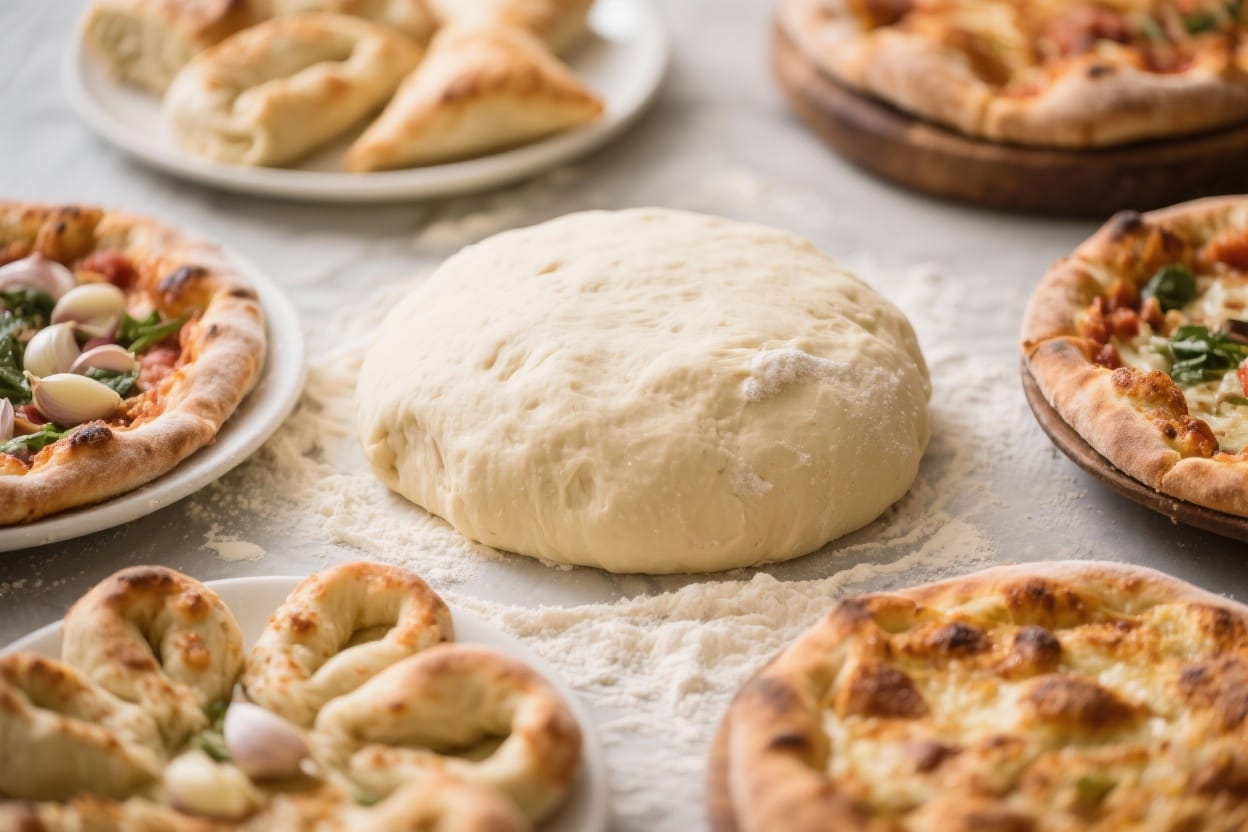
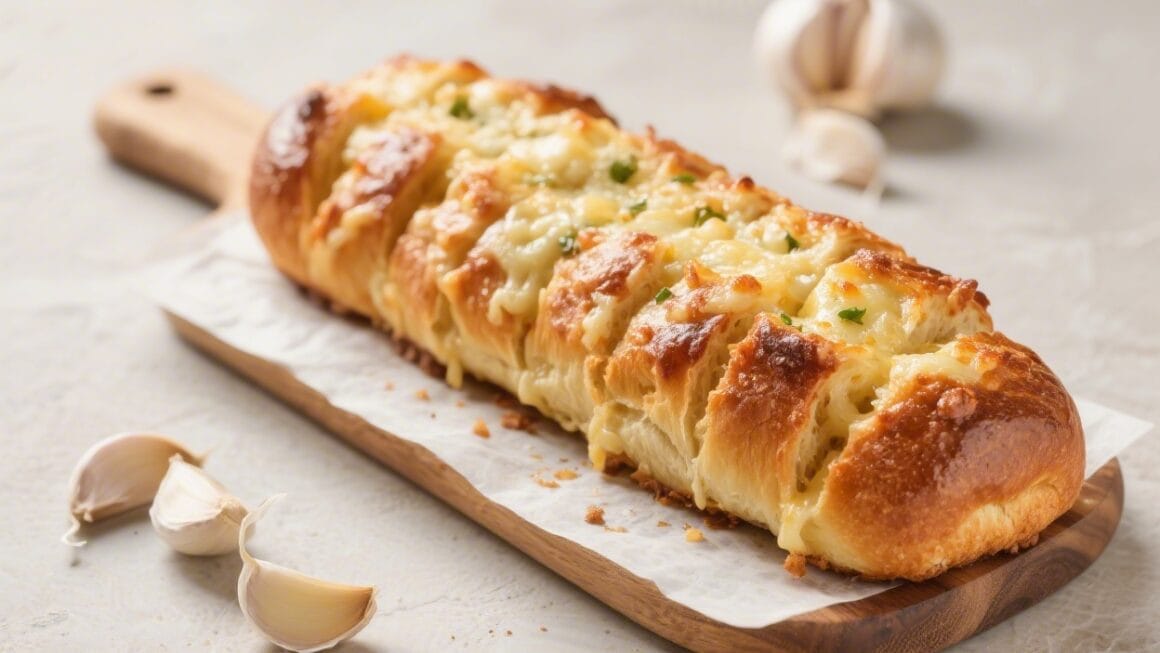
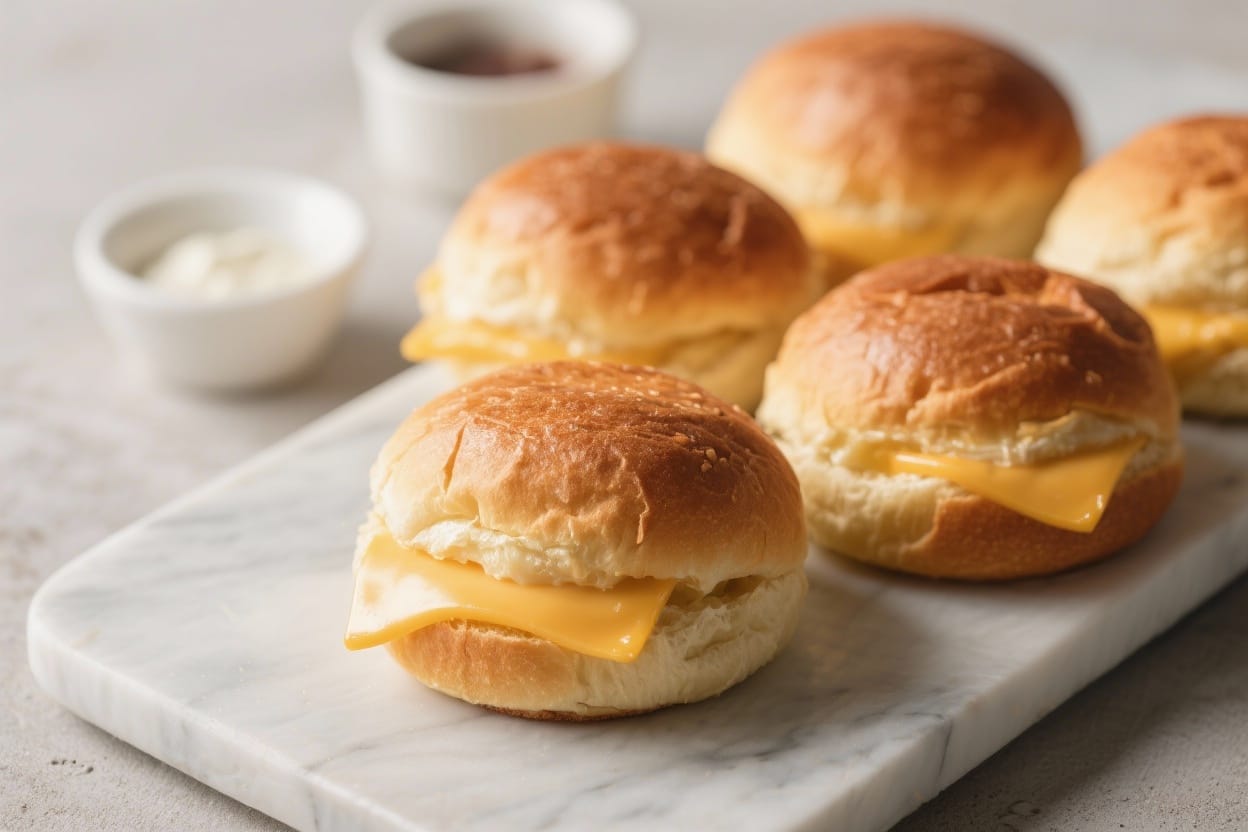
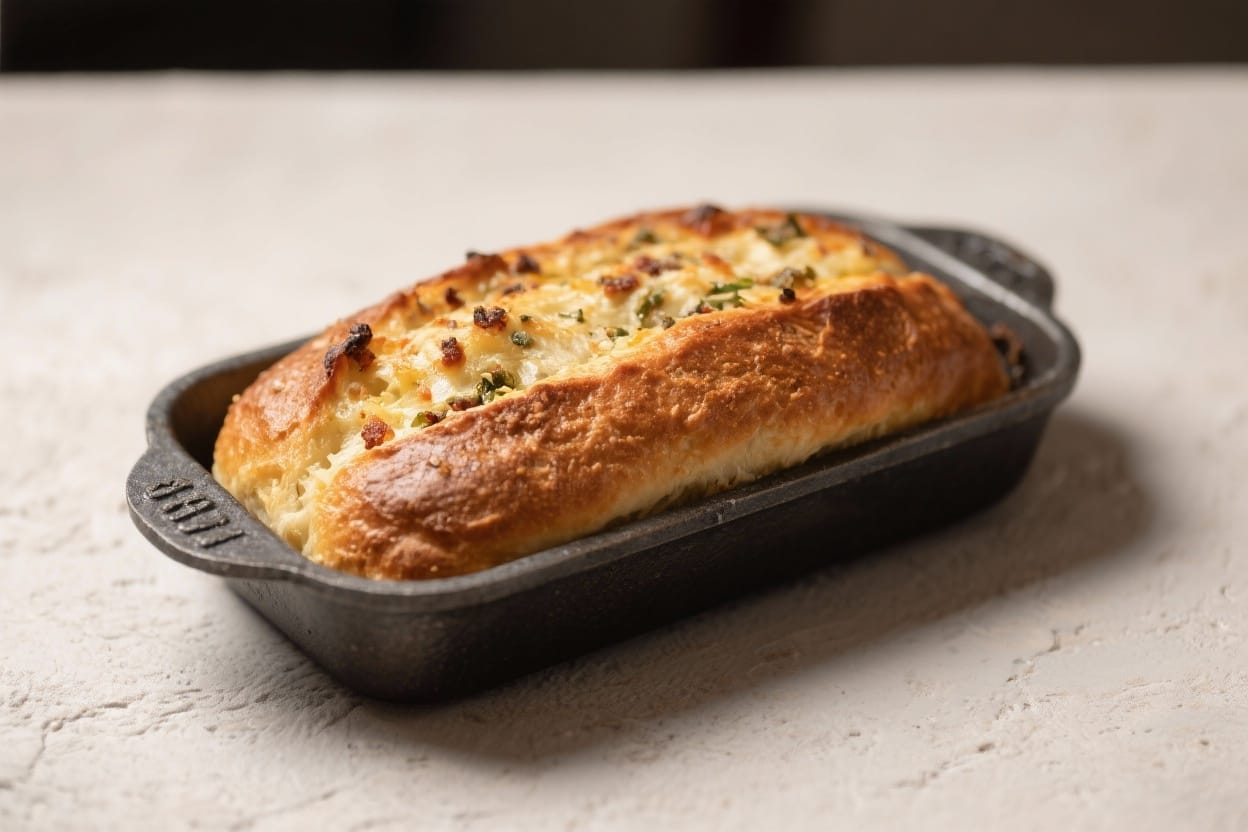
Pizza dough multiple meals – Use it for flatbreads, calzones, garlic knots, or quick focaccia
- Mix the dough: In a large bowl, whisk flour, salt, and yeast. Add water, olive oil, and optional sugar/honey. Stir with a spoon until a shaggy dough forms and no dry pockets remain.
- Knead briefly: Turn dough onto a lightly floured surface. Knead 3–5 minutes until smooth-ish and slightly tacky. You can also use a stand mixer with a dough hook on low for 4–5 minutes. The dough should be soft and elastic.
- First rise: Lightly oil a clean bowl. Place dough inside, turning to coat. Cover and let rest at room temperature for 60–90 minutes, or until puffed and roughly doubled.
- Divide and portion: Turn dough out and cut into 3–4 equal pieces, depending on your preferred pizza size. Shape each piece into a tight ball by tucking edges under and rotating against the counter.
- Cold ferment: Place each ball into a lightly oiled, lidded container or zip-top bag with room to expand. Refrigerate for at least 12 hours and up to 3 days. This slow rise improves flavor and handling.
- Prep to bake: Remove dough from the fridge 1–2 hours before cooking to take off the chill. Keep covered so it doesn’t dry out.
- Preheat hot: Set your oven to 500–550°F (260–290°C) with a pizza stone or steel inside. Preheat for at least 45 minutes. For a baking sheet, preheat the oven and lightly oil the sheet when ready.
- Shape the dough: Dust your surface with flour or semolina. Gently press the dough ball into a round, leaving a thicker rim. Stretch with your hands; avoid using a rolling pin to keep the bubbles intact.
- Top smartly: Add a thin layer of sauce, cheese, and toppings. Less is more to avoid sogginess. Work quickly to prevent sticking.
- Bake: Slide onto the hot stone/steel or place the pan in the oven. Bake 7–10 minutes, until the crust is deeply golden and the cheese is bubbling. Rotate once if needed for even browning.
- Rest and slice: Let pizza sit for 2–3 minutes before slicing. This helps the cheese set and keeps the crust crisp.
Storage Instructions
- Refrigerator: Keep portioned dough balls in lightly oiled containers for up to 3 days. Burp zip-top bags if they inflate.
- Freezer: Freeze dough balls right after portioning or after 24 hours of cold fermentation for more flavor. Lightly oil, wrap tightly, and place in a freezer bag. Freeze up to 3 months.
- Thawing: Thaw overnight in the fridge, then let sit at room temp 60–90 minutes before shaping.
- Leftover baked pizza: Store slices in an airtight container in the fridge up to 3 days. Reheat on a skillet or in a 425°F oven for 5–8 minutes for best texture.
Health Benefits
- Portion control built in: Dividing the dough helps you plan appropriate serving sizes and avoid overeating.
- Better ingredients, better nutrition: Homemade dough means you control sodium and avoid preservatives. You can swap in part whole wheat flour for fiber.
- Balanced meal potential: Pair your crust with vegetables, lean proteins, and a light hand with cheese for a satisfying, balanced plate.
- Slow fermentation: Long, cold rises can make dough easier to digest for some people by giving yeast time to work on starches.
Pitfalls to Watch Out For
- Too much flour: Over-flouring during kneading leads to a dense crust. Aim for slightly tacky, not sticky.
- Cold dough shaping: Dough straight from the fridge fights back. Let it warm up so it stretches without tearing.
- Overloading toppings: Heavy toppings cause soggy centers. Keep layers thin and drain watery additions.
- Underbaking: A pale crust means an underheated oven or not enough preheat time. Give your stone or steel the full 45 minutes.
- Old yeast: Expired yeast won’t rise properly. If unsure, proof active dry yeast in warm water with a pinch of sugar first.
Recipe Variations
- Whole Wheat Boost: Replace 25–40% of the flour with whole wheat. Add 1–2 tablespoons extra water if the dough feels stiff.
- Herb and Garlic Dough: Mix 1–2 teaspoons dried Italian herbs and 1 teaspoon garlic powder into the dry ingredients for fragrant crusts.
- Focaccia Night: Press a dough ball into an oiled 9×13 pan, dimple with fingers, drizzle with olive oil, and top with rosemary and flaky salt. Bake at 450°F until golden.
- Calzones or Stromboli: Fill with ricotta, mozzarella, and vegetables or meats. Seal edges, vent, and bake until browned.
- Skillet Flatbreads: Cook golf-ball sized portions in a hot, lightly oiled skillet 1–2 minutes per side for quick wraps.
- Thin and Crisp: Use slightly less dough per pizza, stretch very thin, and bake on a preheated steel for extra crunch.
- Gluten-Free Route: Use a 1:1 gluten-free flour blend formulated for yeast doughs and add 1 teaspoon xanthan gum if your blend lacks it. Expect a softer, batter-like dough; shape on parchment.
What Size Pizzas Does This Make?
Four dough balls make four 10–12 inch pizzas with a medium thickness. If you prefer larger pies, divide into three pieces for three 12–14 inch pizzas. For personal pizzas or kid-friendly portions, divide into five or six smaller balls.
Can I Use Active Dry Yeast Instead of Instant?
Yes. If using active dry yeast, proof it in a portion of the warm water with the sugar or honey for 5–10 minutes until foamy, then mix into the flour. Instant yeast can be added directly to the dry ingredients.
Do I Need a Pizza Stone or Steel?
No, but they help. A preheated stone or steel delivers better oven spring and browning. If using a baking sheet, preheat the oven well and oil the sheet lightly. You can also preheat an inverted baking sheet to mimic a stone.
How Do I Prevent Sticking?
Use a light dusting of flour or semolina on your peel or parchment. Build the pizza quickly so moisture doesn’t soak through the dough. If you’re new to launching, assemble the pizza on parchment and slide parchment directly onto the stone.
What Sauce Works Best?
A simple crushed tomato sauce with salt, olive oil, and a pinch of oregano keeps flavors bright. Avoid watery sauces; thicker sauces prevent soggy centers. White pizzas with olive oil, garlic, and ricotta also shine with this dough.
How Long Can Dough Stay in the Fridge?
Up to 3 days. It will continue to ferment and deepen in flavor. If you see it rising too much, gently degas once and keep it chilled. For longer storage, freeze it.
Wrapping Up
This pizza dough is a reliable base you can turn into multiple meals without extra effort. Mix once, portion, and enjoy pizzas, flatbreads, and more throughout the week. Keep the dough cold, the oven hot, and the toppings light, and you’ll get great results every time. With a little planning, weeknight dinners feel fresh, fast, and homemade.
Printable Recipe Card
Want just the essential recipe details without scrolling through the article? Get our printable recipe card with just the ingredients and instructions.