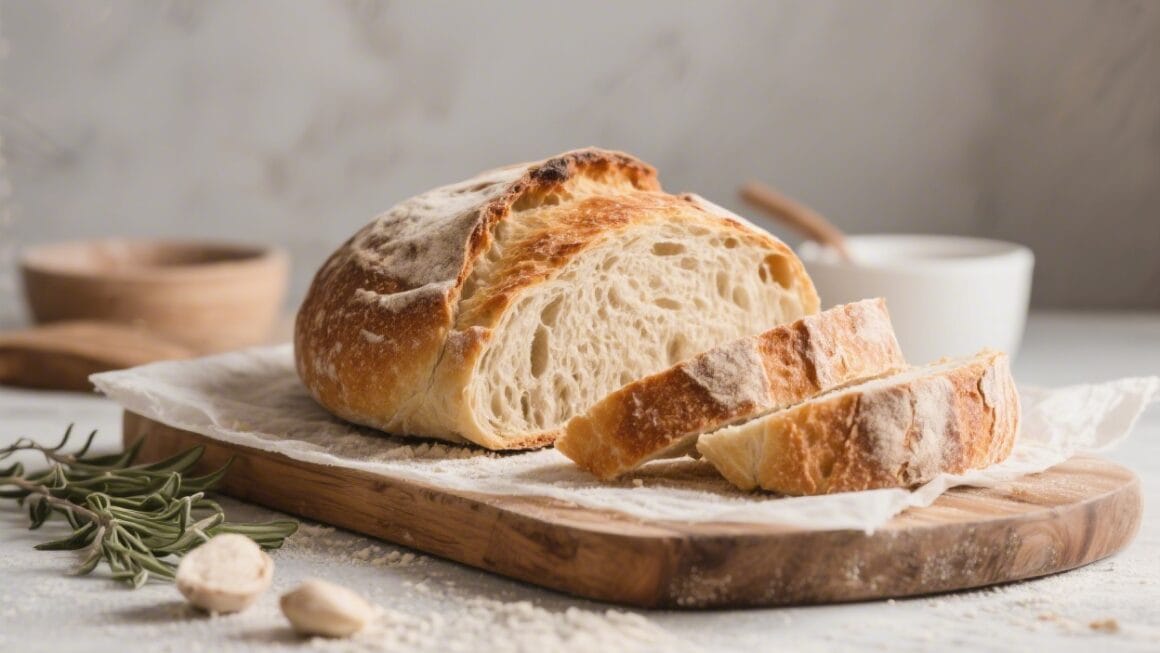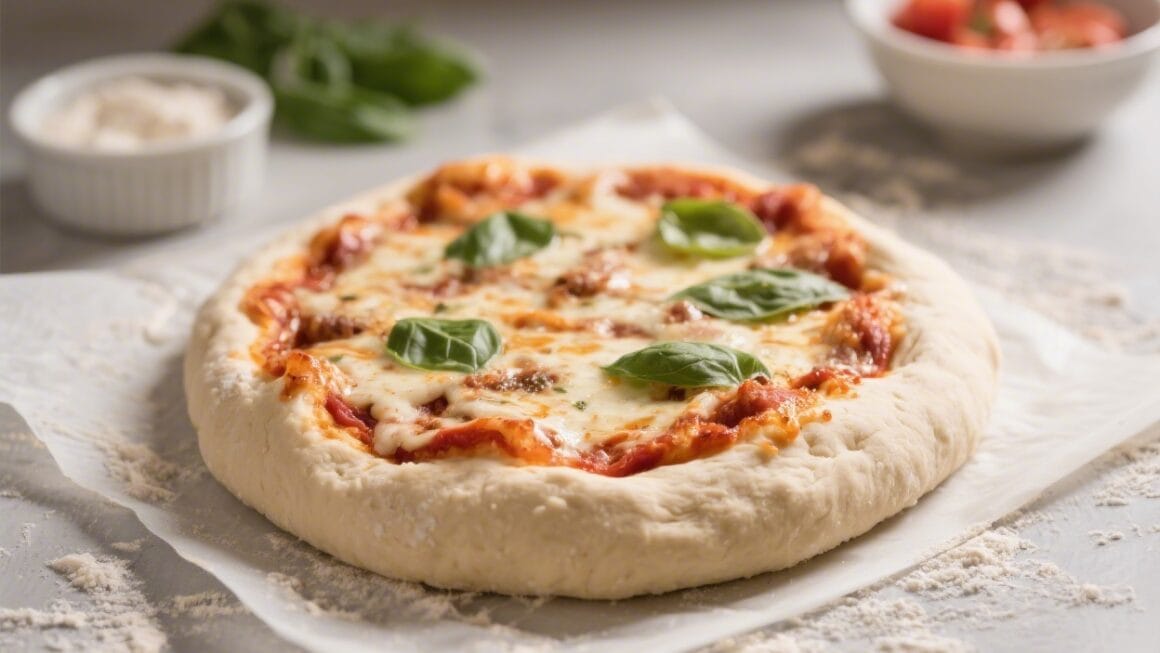
Overnight Refrigerator Pizza Dough Recipe – Easy, Flavorful, and Foolproof
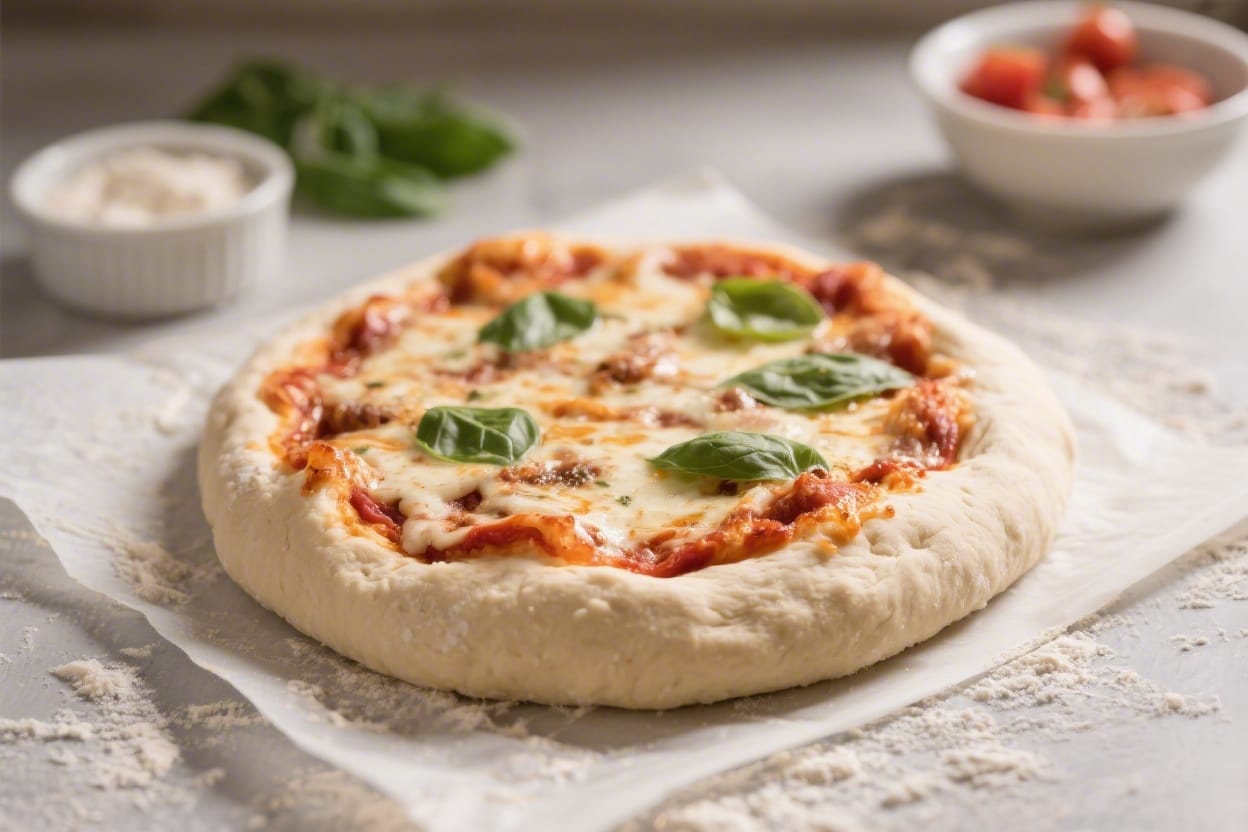
If you want pizza with a crisp edge, tender center, and deep flavor, this dough is the way to go. It rests in the fridge overnight, so your mixer (and you) don’t have to work hard. The slow rise builds taste and texture you can’t get in a rush. It’s great for weeknights because the heavy lifting happens while you sleep. Mix it in minutes today, bake incredible pizza tomorrow.
What Makes This Recipe So Good
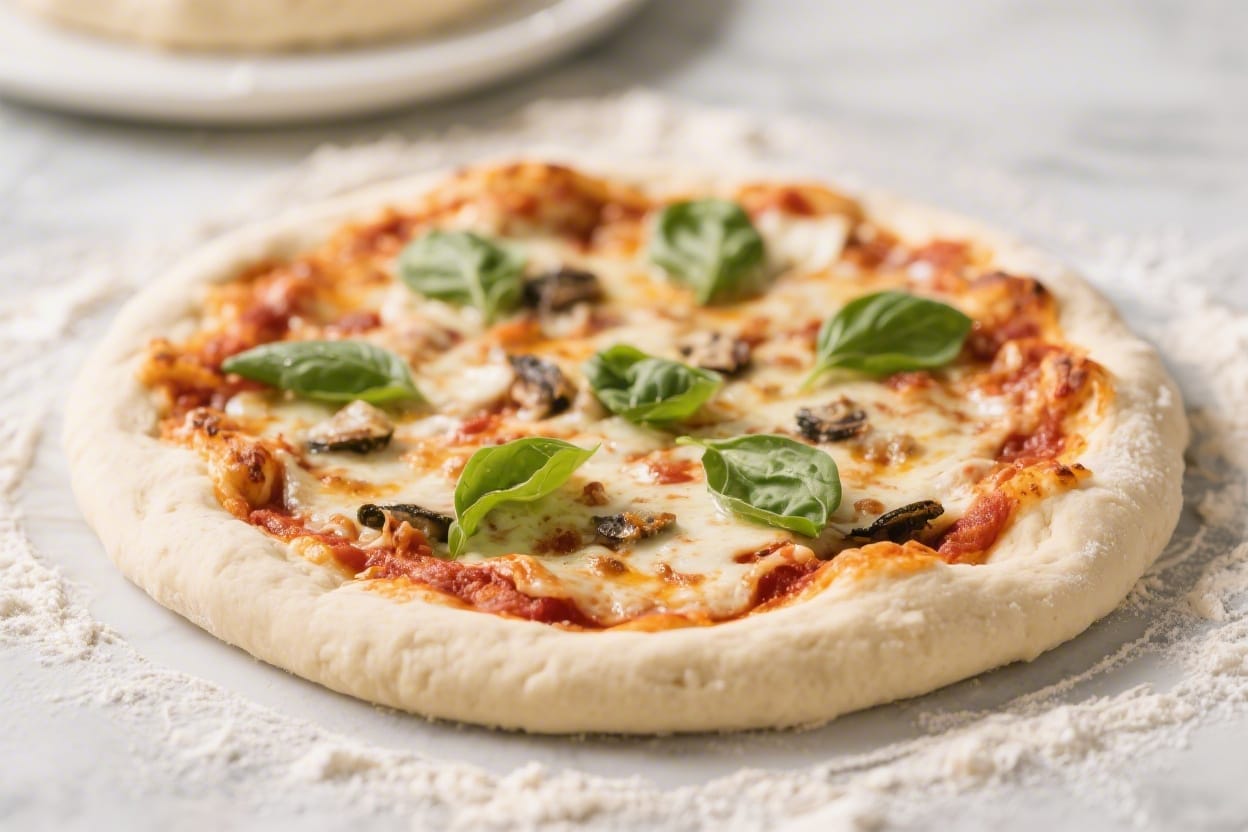
Overnight refrigerator pizza dough recipe – Overnight Refrigerator Pizza Dough Recipe – Easy, Flavorful, and Foolproof If you want pizza with a
- Hands-off flavor: Cold fermentation creates a complex, slightly tangy dough with great chew.
- Flexible timing: The dough is ready anywhere from 18 to 72 hours later, so you can bake when it suits you.
- Beginner-friendly: No special equipment, no fancy techniques—just simple steps that work.
- Versatile: Makes classic round pizzas, grandma-style sheet pan pies, or cast-iron pan pizza.
- Great texture: The dough bakes up with airy bubbles and a crisp, golden crust.
Ingredients
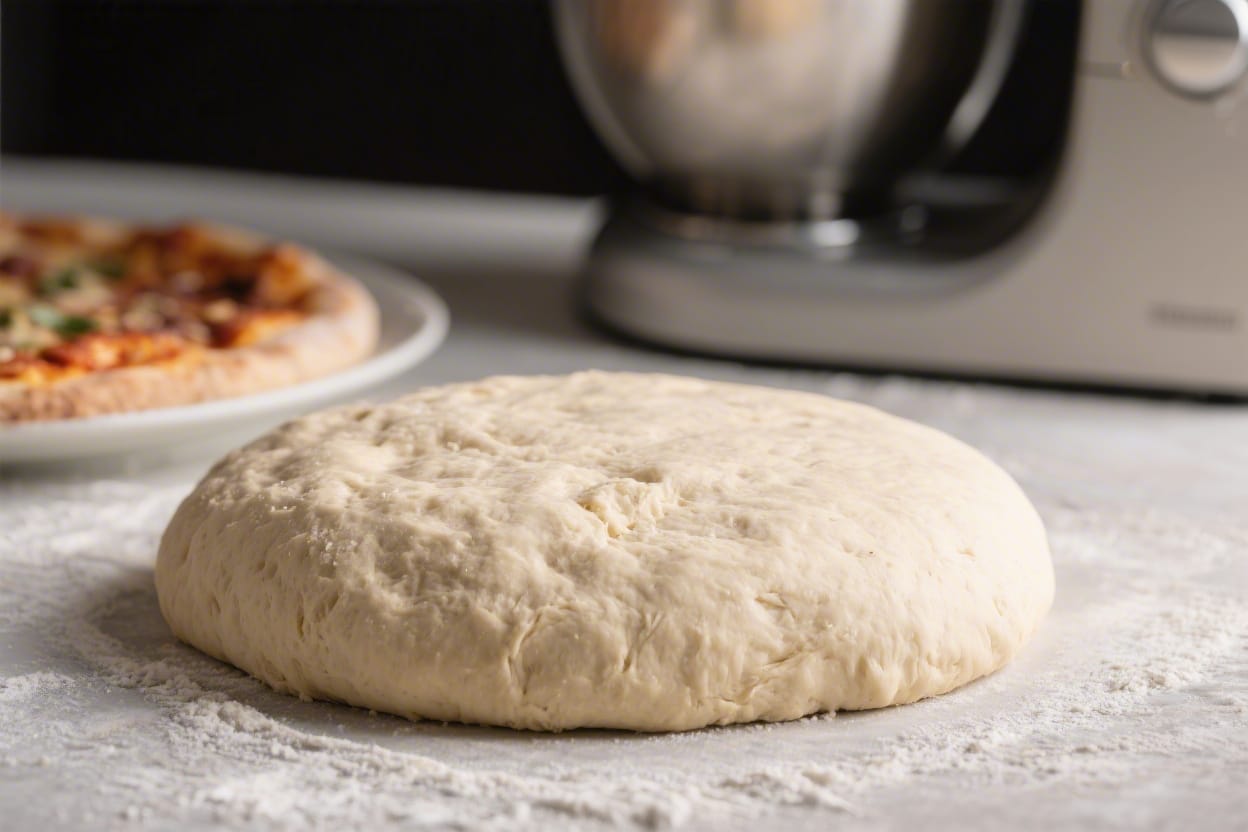
Overnight refrigerator pizza dough recipe – It rests in the fridge overnight, so your mixer (and you) don’t have to work hard
- 3 1/2 cups (440 g) bread flour, plus extra for dusting
- 1 1/4 cups (300 g) cool water, about 65–70°F
- 2 teaspoons (8 g) fine sea salt
- 1 teaspoon (3 g) instant yeast (or 1 1/4 teaspoons active dry yeast)
- 1 tablespoon (12 g) olive oil, plus more for the bowl and containers
- Optional: 1 teaspoon (4 g) sugar or honey for a touch of browning
- Semolina or cornmeal for dusting the peel (optional)
Instructions
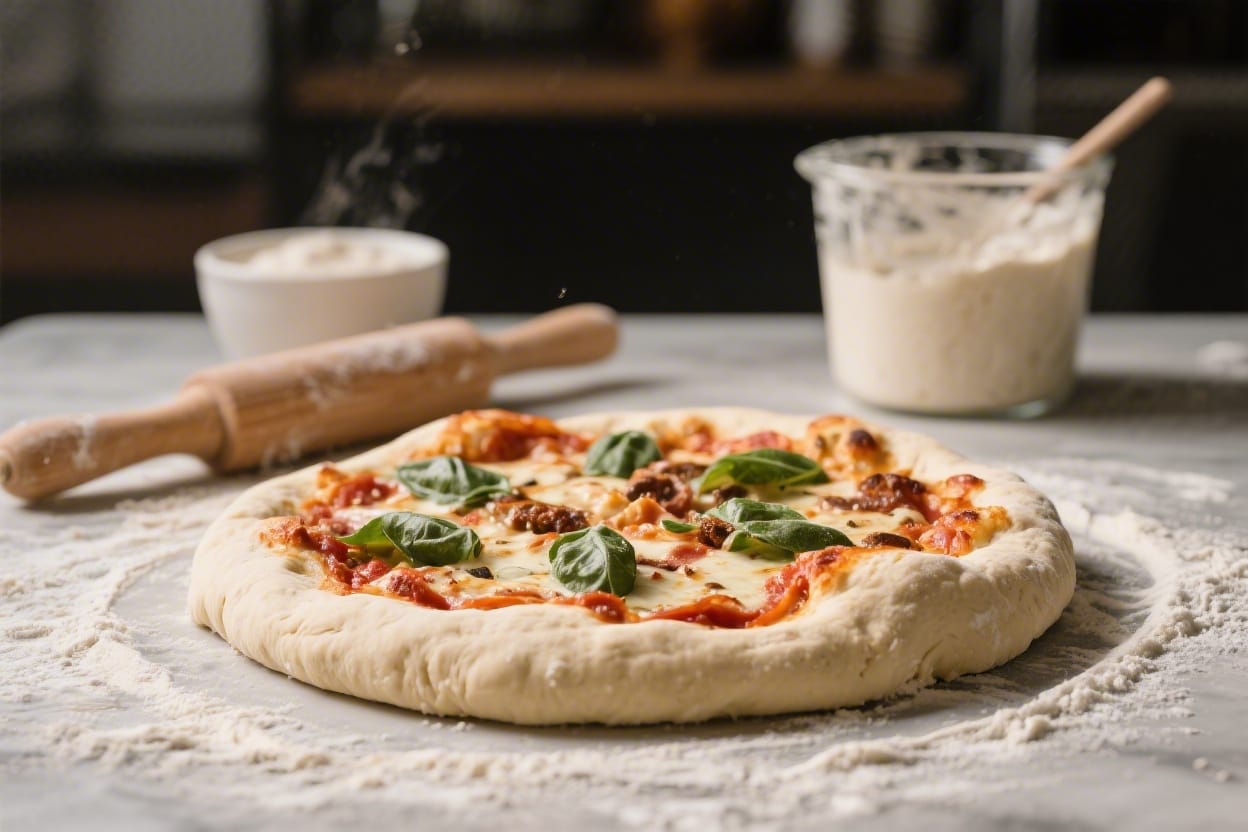
Overnight refrigerator pizza dough recipe – The slow rise builds taste and texture you can’t get in a rush
- Mix the dry ingredients. In a large bowl, whisk together the flour, salt, and instant yeast. If using active dry yeast, dissolve it in the water for 5 minutes first, then add to the flour.
- Add water and oil. Pour in the cool water and olive oil. Stir with a wooden spoon or spatula until a shaggy dough forms. It will look rough and slightly sticky.
- Knead briefly. Turn the dough onto a lightly floured surface and knead for 2–3 minutes, just until smooth. You’re not going for a perfect windowpane—just a cohesive ball.
- First rest (optional but helpful). Let the dough sit uncovered in the bowl for 15 minutes. This relaxes the gluten and makes it easier to handle.
- Do a few folds. With wet fingertips, stretch one side of the dough up and fold it over itself. Rotate the bowl and repeat 3–4 times. This strengthens the dough without heavy kneading.
- Divide and oil. Lightly oil two medium containers or bowls with lids. Divide the dough into 2 equal pieces (for 10–12 inch pizzas) or keep as one piece for a sheet pan. Form each piece into a tight ball by tucking the edges underneath.
- Cold ferment. Place the dough balls in the oiled containers, seam-side down. Cover and refrigerate for at least 18 hours and up to 72 hours. The dough will slowly rise and develop flavor.
- Warm it up. On baking day, take the dough out of the fridge 60–90 minutes before shaping. Let it come to room temperature, still covered, until puffy and relaxed.
- Preheat and prep. Place a pizza stone or steel in the oven and preheat to 500–550°F (as high as your oven safely goes) for at least 45 minutes. If using a sheet pan, oil it well. Prep toppings and sauce.
- Shape gently. Dust the counter with flour. Press the dough from the center outward with your fingertips, leaving a thicker rim. Lift and let gravity stretch it, rotating as you go. Avoid using a rolling pin to keep the air bubbles.
- Top wisely. Transfer to a floured peel or prepared pan. Add a thin layer of sauce, cheese, and toppings. Don’t overload; heavy toppings can make the crust soggy.
- Bake hot and fast. Slide onto the stone/steel and bake 7–10 minutes, until the crust is deeply golden and the cheese is bubbling. For a sheet pan pizza at 500°F, bake 12–16 minutes.
- Finish and rest. Brush the crust with a little olive oil if you like. Let the pizza rest 2 minutes before slicing to keep the cheese from sliding.
Keeping It Fresh
- Fridge: Keep the dough in the refrigerator up to 3 days. It will get more flavorful over time. If it rises too much, gently degas and re-ball it.
- Freezer: After the first 24 hours in the fridge, you can freeze the dough balls. Lightly oil, wrap tightly, and freeze for up to 3 months. Thaw in the fridge overnight, then bring to room temperature before shaping.
- Leftover pizza: Store slices in an airtight container in the fridge for 3–4 days. Reheat on a hot skillet or in a 400°F oven for 5–7 minutes to revive the crust.
Why This is Good for You
- Better digestion: Slow fermentation gives yeast time to break down some starches, which can make the crust easier on your stomach.
- More control: Making dough at home lets you choose higher-quality flour, olive oil, and lighter toppings.
- Built-in portioning: Two dough balls mean you can bake one and save one, keeping portions reasonable.
- Balanced meal potential: Add veggies, lean proteins, and a side salad for a satisfying, balanced dinner.
What Not to Do
- Don’t rush the rise. Skipping the cold rest reduces flavor and texture.
- Don’t use hot water. Warm or hot water can over-activate yeast and blow out the dough overnight.
- Don’t over-flour the dough. Too much bench flour toughens the crust. Light dusting is enough.
- Don’t overload toppings. Heavy toppings trap steam and sog out the center.
- Don’t roll with a pin. You’ll press out the gas pockets that make a great, airy cornicione (rim).
Recipe Variations
- Neapolitan-ish: Swap in 00 flour for half the bread flour for a tender bite and soft chew.
- Whole Wheat Boost: Replace 25–30% of the flour with whole wheat. Add 1–2 tablespoons extra water if the dough feels stiff.
- Herb and Garlic: Mix 1 teaspoon dried oregano and 1/2 teaspoon garlic powder into the flour for a fragrant crust.
- Pan Pizza: After the cold ferment, press the dough into an oiled cast-iron skillet. Let it proof 45–60 minutes, top, and bake at 500°F until the edges are frico-crisp.
- Gluten-Sensitive Approach: Use a high-quality gluten-free pizza flour blend and skip traditional kneading. Cold ferment still improves flavor.
FAQ
Can I make this dough the same day?
Yes, but the flavor won’t be as deep. Let it rise at room temperature for 2–3 hours until doubled, then shape and bake. Still good, just not as complex.
What if my dough is too sticky?
Lightly oil your hands and the counter, and add the smallest dusting of flour as you fold. Sticky is better than dry; it bakes up lighter and airier.
Do I need a pizza stone or steel?
They help a lot with browning and crispness, but you can use an inverted preheated sheet pan. For pan pizza, an oiled cast-iron skillet works beautifully.
How do I know when it’s fermented enough?
Look for small bubbles, a slightly domed top, and dough that feels airy and relaxed. If it smells sharply yeasty or collapses, it’s a bit over-proofed—still usable, just handle gently.
What sauce and cheese work best?
Crushed canned tomatoes with a pinch of salt and olive oil make a bright sauce. Low-moisture mozzarella gives good melt; add fresh mozzarella in small pieces to avoid excess moisture.
Can I par-bake the crust?
You can, especially for heavy toppings. Bake the shaped dough for 3–4 minutes, remove, top lightly, and finish baking until golden.
Why did my crust turn pale?
The oven might not be hot enough, or the bake time was short. A pinch of sugar or honey can help browning, and a preheated stone or steel makes a big difference.
Wrapping Up
This overnight refrigerator pizza dough recipe is simple to make and easy to fit into your schedule. The cold rise builds flavor while you do nothing, and the result is a crust that tastes like you worked way harder than you did. Keep a dough ball in the fridge, and you’re always one preheat away from great pizza. Once you try it, rushing dough won’t feel worth it. Enjoy the process, keep it hot, and don’t skimp on that golden, bubbly edge.
Printable Recipe Card
Want just the essential recipe details without scrolling through the article? Get our printable recipe card with just the ingredients and instructions.