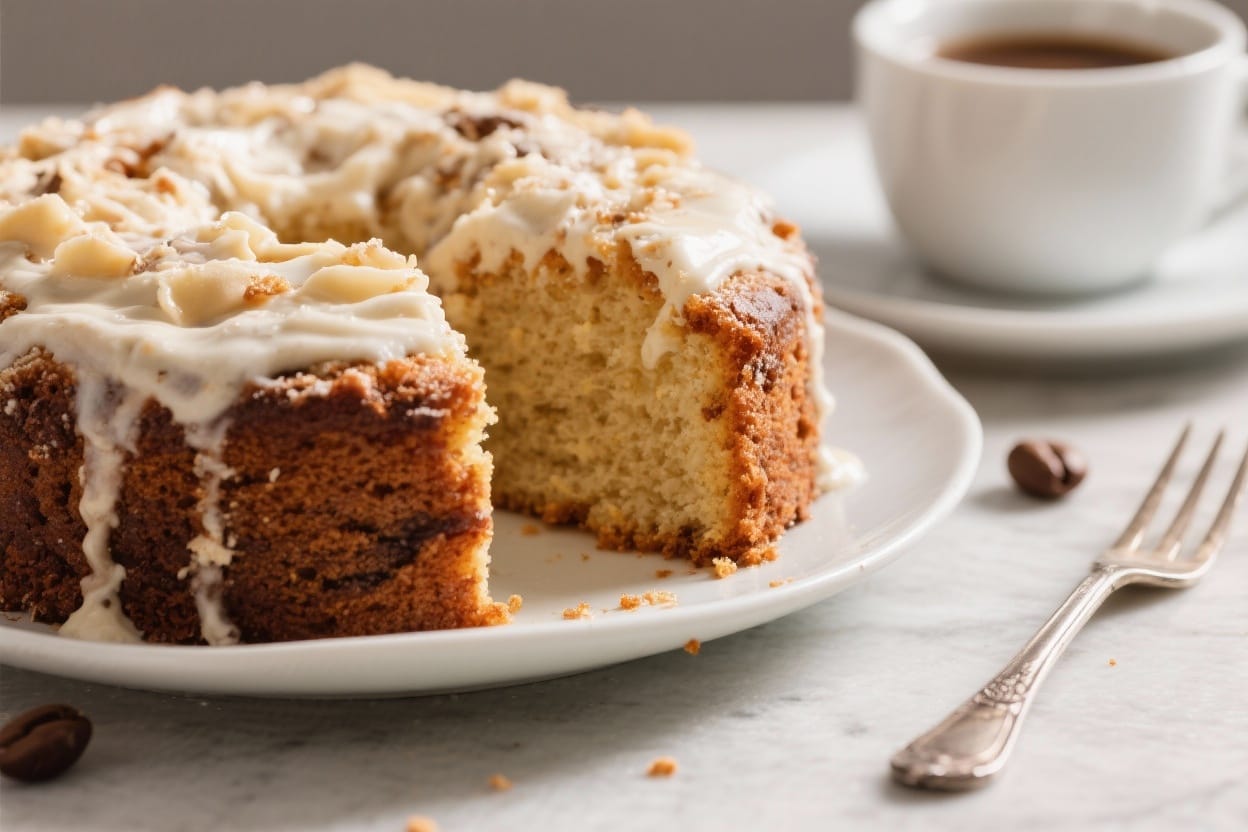
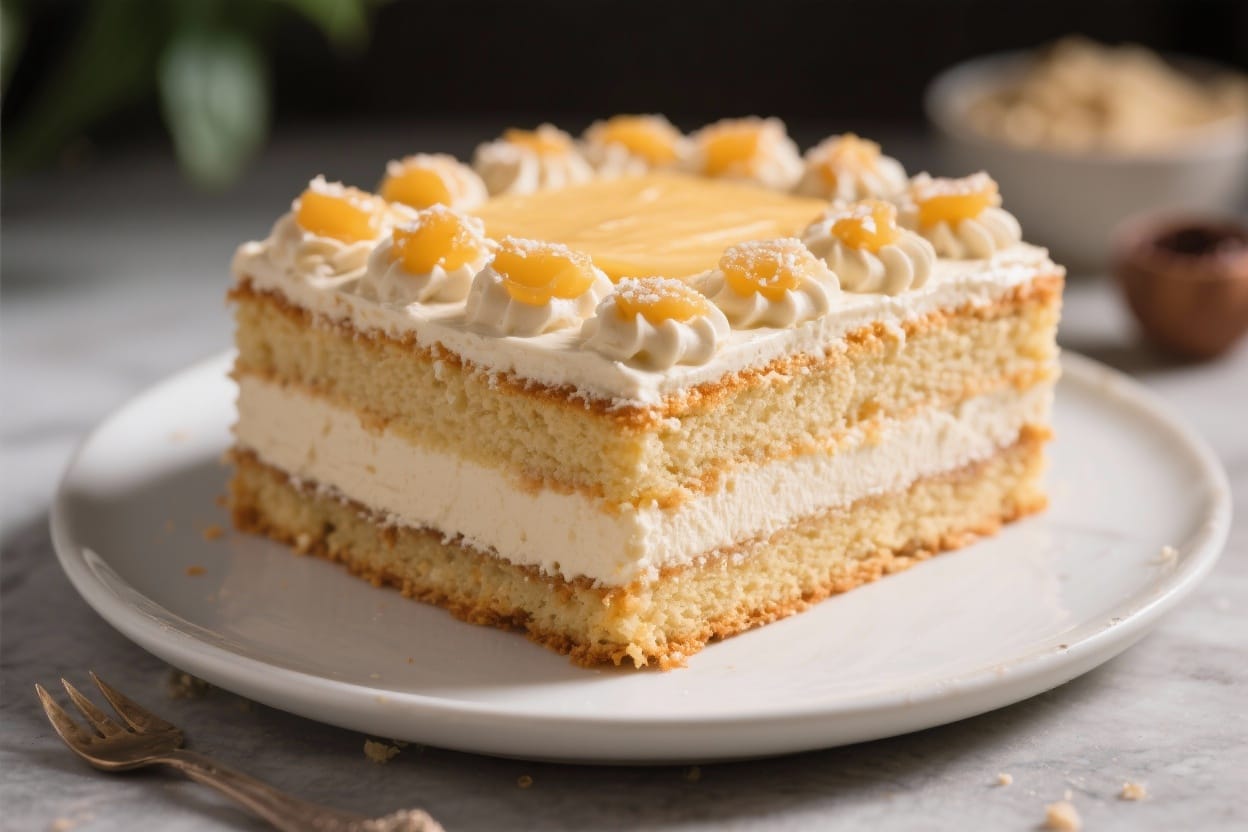
One Sweet Dough Multiple Desserts – A Versatile Base for Your Favorite Treats
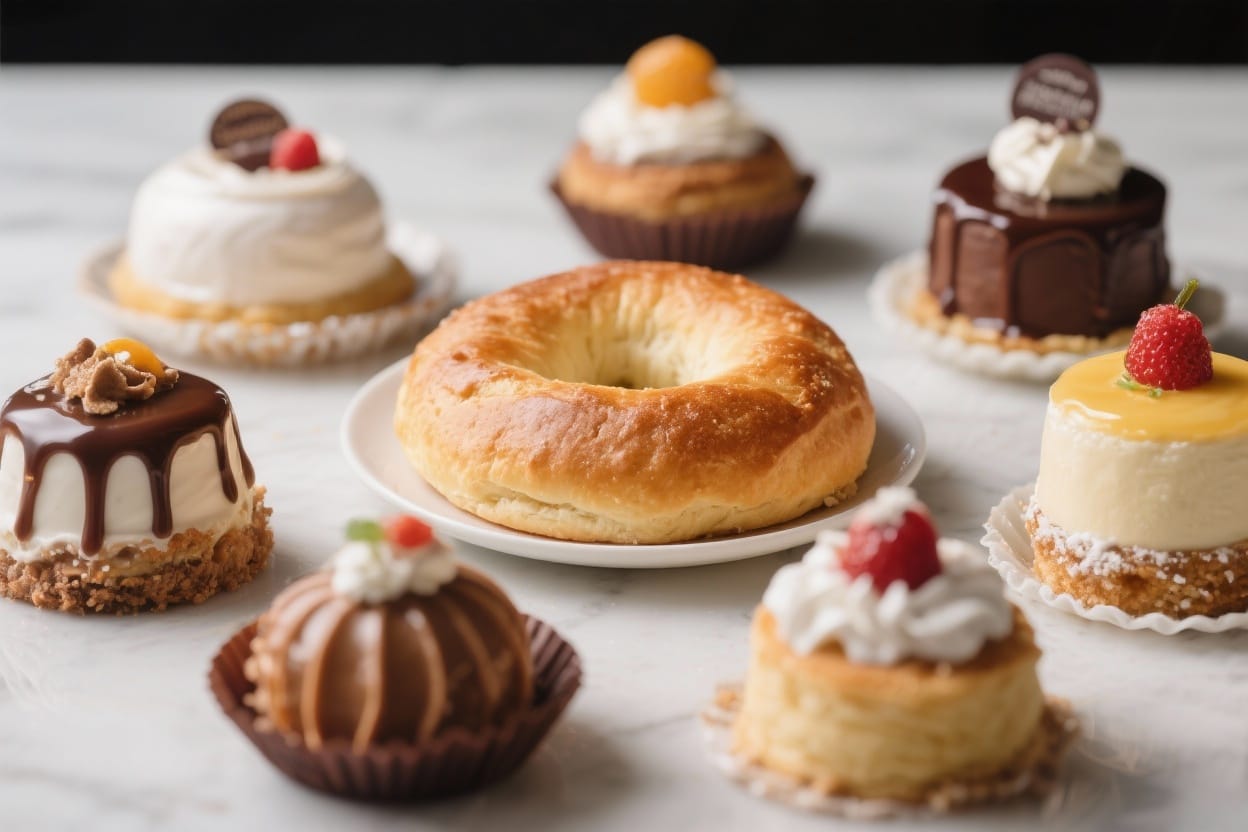
If you love baking but don’t want to commit to a dozen different dough recipes, this is your new go-to. One sweet dough can turn into cinnamon rolls, sticky buns, braided loaves, jam-filled buns, or even a simple pull-apart loaf. The texture is soft and pillowy, just lightly sweet, and sturdy enough to hold fillings. Make it on a weekend, bake what you want now, and freeze the rest for later. It’s simple, flexible, and perfect for busy home bakers.
What Makes This Recipe So Good
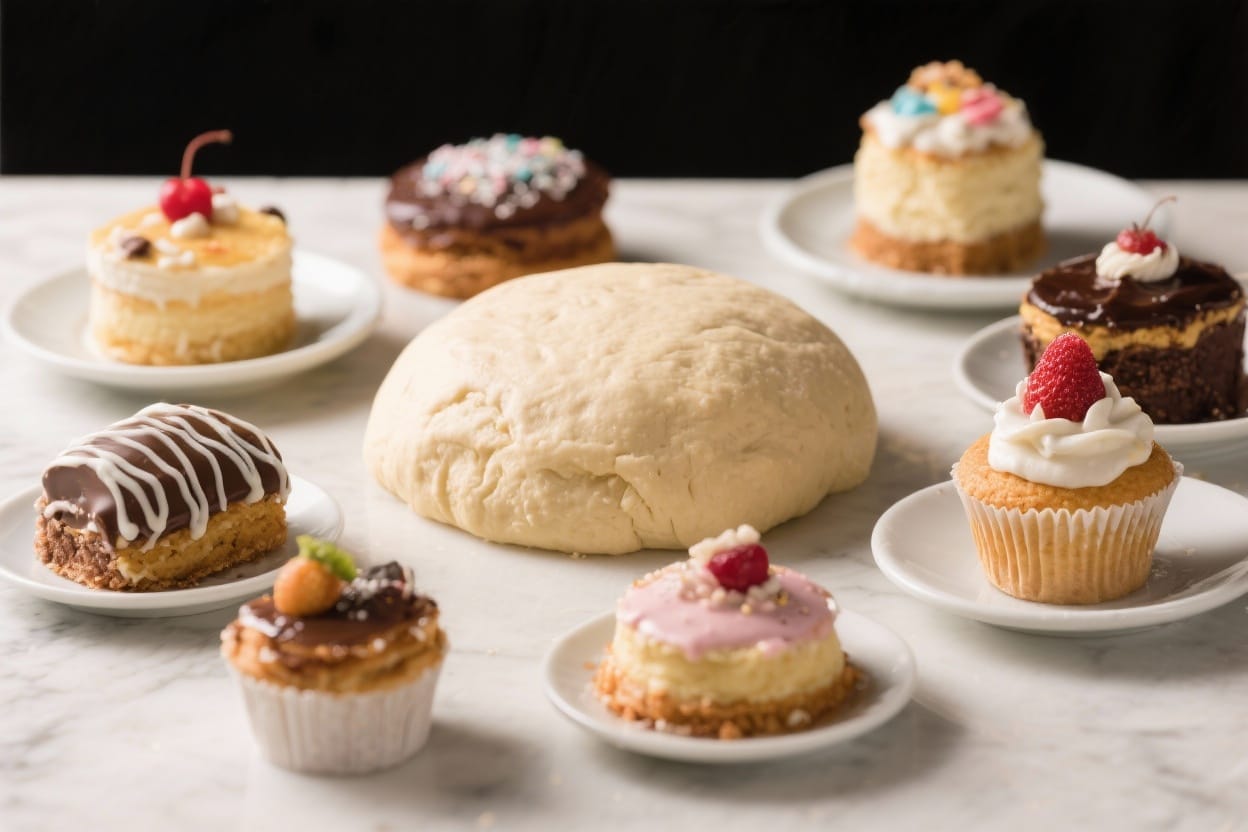
One sweet dough multiple desserts – One Sweet Dough Multiple Desserts – A Versatile Base for Your Favorite Treats If you love baking but
- One dough, many desserts: Cinnamon rolls, sticky buns, chocolate swirls, fruit-filled buns, or a sweet braided bread—all from the same base.
- Beginner-friendly: No special equipment beyond a bowl, a whisk, and a baking pan. A stand mixer helps, but it’s not required.
- Soft and tender: Enriched with milk, butter, and eggs, this dough bakes up fluffy and rich without being heavy.
- Make-ahead friendly: The dough can rest overnight in the fridge, and baked rolls freeze beautifully.
- Balanced sweetness: Sweet enough for dessert, mild enough for breakfast.
Ingredients
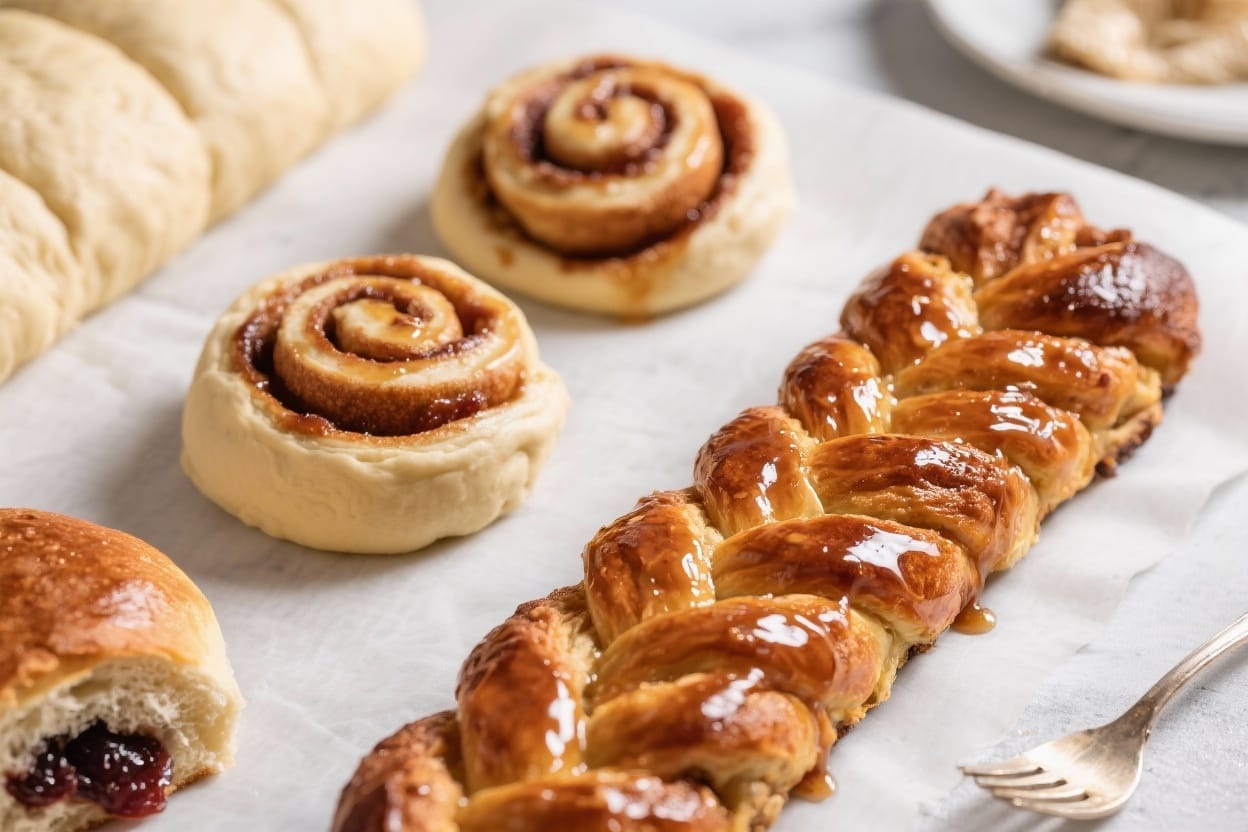
One sweet dough multiple desserts – One sweet dough can turn into cinnamon rolls, sticky buns, braided loaves, jam-filled buns, or even
- For the dough:
- 3 1/2 to 4 cups (420–480 g) all-purpose flour, plus more for dusting
- 1 cup (240 ml) warm milk, about 105–110°F
- 1/3 cup (65 g) granulated sugar
- 2 1/4 teaspoons (1 packet) instant or rapid-rise yeast
- 1 teaspoon fine salt
- 2 large eggs, at room temperature
- 6 tablespoons (85 g) unsalted butter, softened
- 1 teaspoon vanilla extract (optional but recommended)
- For classic cinnamon roll filling (optional):
- 1/2 cup (100 g) brown sugar
- 2 teaspoons ground cinnamon
- 3 tablespoons (40 g) softened butter
- For simple glaze (optional):
- 1 cup (120 g) powdered sugar
- 2–3 tablespoons milk or cream
- 1/2 teaspoon vanilla extract
- Pinch of salt
Instructions
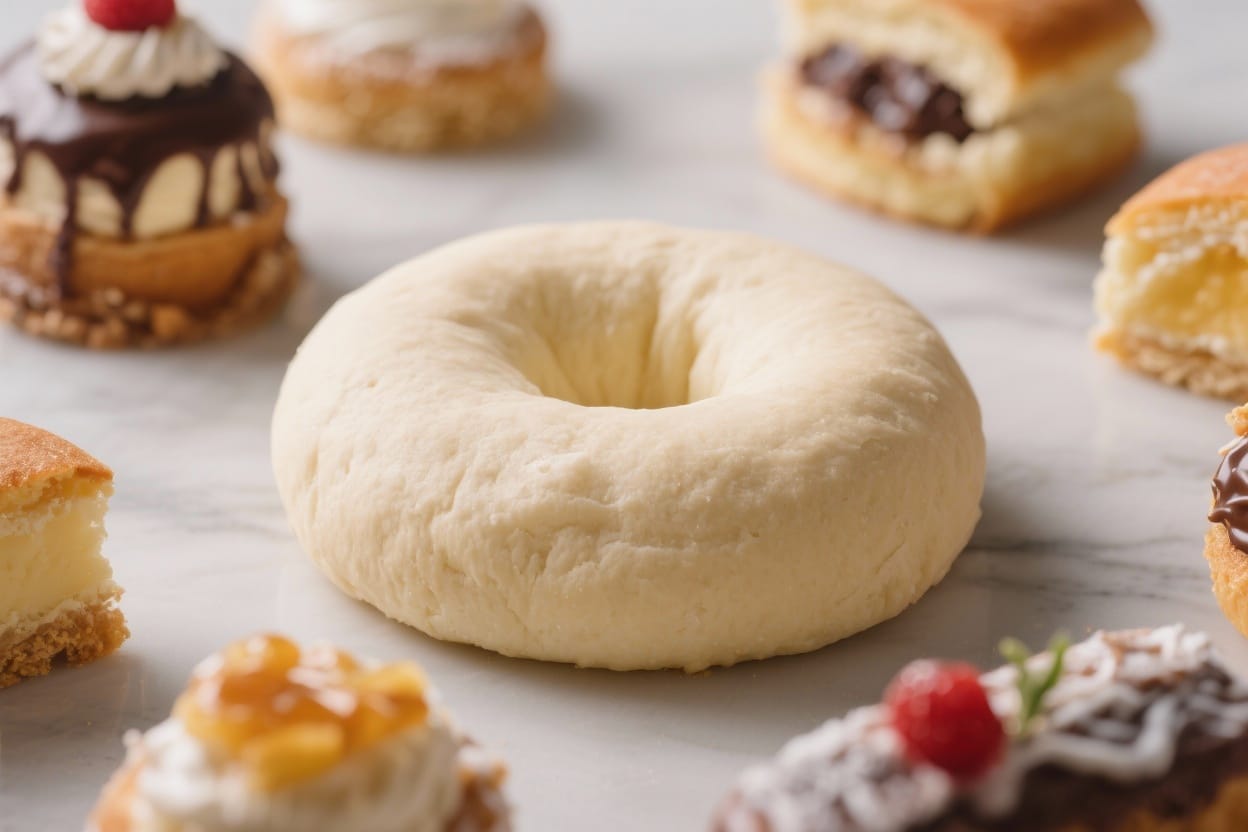
One sweet dough multiple desserts – The texture is soft and pillowy, just lightly sweet, and sturdy enough to hold fillings
- Bloom the yeast (if using active dry): If using instant yeast, skip this step. For active dry yeast, stir it into the warm milk with a pinch of sugar. Let it sit for 5–10 minutes until foamy.
- Mix the dough: In a large bowl, whisk the sugar, salt, and 3 1/2 cups flour. Add the warm milk, eggs, vanilla, and yeast (if bloomed). Stir until a shaggy dough forms.
- Knead and add butter: Knead by hand on a lightly floured surface or in a mixer with the dough hook for 3–4 minutes. Add the softened butter, one tablespoon at a time, kneading until it’s fully incorporated. Continue kneading 5–7 more minutes. The dough should be smooth, slightly tacky, and stretchy. If it’s very sticky, add up to 1/2 cup more flour, 1 tablespoon at a time.
- First rise: Shape the dough into a ball and place it in a lightly greased bowl. Cover and let it rise in a warm spot until doubled, about 1–1 1/2 hours. For a slow rise, refrigerate up to 24 hours and proceed when doubled.
- Choose your dessert: This dough can become many things. See variations below. For classic cinnamon rolls, continue with the next steps.
- Roll out for cinnamon rolls: Deflate the dough gently. Roll into a 12×16-inch rectangle. Spread 3 tablespoons softened butter over the surface. Mix brown sugar and cinnamon, then sprinkle evenly.
- Shape and cut: Roll up tightly from the long side into a log. Trim the ends, then cut into 12 equal rolls using a sharp knife or dental floss for clean cuts.
- Second rise: Arrange the rolls in a greased 9×13-inch pan, leaving slight space between. Cover and let rise until puffy, 30–45 minutes (longer if the dough was cold).
- Bake: Preheat oven to 350°F (175°C). Bake 20–25 minutes, until lightly golden and set in the center. Do not overbake or they’ll dry out.
- Glaze: Whisk powdered sugar, milk, vanilla, and a pinch of salt until smooth. Spread over warm rolls.
How to Store
- Room temperature: Baked rolls keep 2 days in an airtight container. Rewarm in the microwave for 10–15 seconds.
- Refrigerator: Store frosted rolls up to 4 days. Unfrosted stay softer if kept at room temp for the first day, then move to the fridge.
- Freezer (dough): After the first rise, shape, then freeze on a tray until solid. Transfer to a bag for up to 2 months. Thaw in the fridge overnight, proof, and bake.
- Freezer (baked): Freeze unfrosted baked rolls up to 2 months. Thaw and warm at 300°F (150°C) for 10 minutes, then glaze.
Benefits of This Recipe
- Saves time and effort: One master dough replaces multiple separate recipes.
- Budget-friendly: Pantry staples create bakery-style results at home.
- Flexible schedule: The dough tolerates both quick rises and overnight rests.
- Customizable sweetness: Adjust sugar, fillings, and glazes to taste.
- Family-pleasing: Everyone can pick a different shape or filling from the same batch.
Pitfalls to Watch Out For
- Milk too hot: Anything above 115°F can weaken or kill yeast. Aim for warm, not hot.
- Under-kneading: The dough should be smooth and elastic. If it tears easily, keep kneading.
- Adding too much flour: Slight tackiness is normal. Extra flour can make the dough dense and dry.
- Overproofing: If the dough doubles and then collapses, it’s over-proofed. Watch the dough, not the clock.
- Overbaking: Pull the rolls when they’re just set and lightly golden. Dry edges mean they’re done; dark brown means you went too far.
Recipe Variations
- Sticky buns: Spread a mixture of 1/2 cup brown sugar, 1/4 cup butter, and 2 tablespoons honey in the bottom of the pan. Add chopped pecans. Place cut cinnamon rolls on top and bake. Invert after 5 minutes of cooling.
- Chocolate swirl loaf: Roll dough into a rectangle. Spread with 1/3 cup chocolate hazelnut spread or a mixture of cocoa, sugar, and butter. Roll, slice lengthwise, twist into a braid, and bake in a loaf pan.
- Jam buns: Divide dough into 12 balls. Press a deep well in each, fill with 2 teaspoons jam, and bake. Dust with powdered sugar.
- Coconut cardamom rolls: Fill with 1/2 cup brown sugar, 1/2 cup shredded coconut, 1 teaspoon cardamom, and 3 tablespoons butter.
- Lemon poppy seed knots: Mix 1/4 cup sugar, zest of 1 lemon, and 1 tablespoon poppy seeds. Roll dough into ropes, tie into knots, brush with butter, sprinkle with lemon sugar, and bake. Glaze with lemon icing.
- Apple cinnamon pull-apart: Layer thin apple slices and cinnamon sugar between squares of dough stacked in a loaf pan. Bake until deeply golden.
- Savory twist: Reduce sugar to 2 tablespoons and skip vanilla. Fill with pesto and cheese for a dinner bread.
FAQ
Can I use bread flour instead of all-purpose?
Yes. Bread flour will give a slightly chewier texture and more structure, which works well for braided loaves. You may need a tablespoon or two more liquid as you knead.
Do I need a stand mixer?
No. Hand kneading works fine. It may take a few minutes longer to develop the gluten, but you’ll get the same result: a smooth, elastic dough that springs back when pressed.
How do I know the dough is kneaded enough?
It should feel soft and slightly tacky, not sticky. When you stretch a small piece, it should form a thin, translucent “window” without tearing easily. If it tears right away, keep kneading.
Can I make the dough the night before?
Absolutely. Let it rise about 30–45 minutes at room temperature to get started, then refrigerate, covered, overnight. Shape straight from the fridge, proof until puffy, and bake.
What if my dough doesn’t rise?
Check your yeast freshness and milk temperature. Give it more time if your kitchen is cool. A warm spot near the oven or a turned-off microwave with a cup of hot water inside can help.
How do I prevent gaps in my cinnamon roll spirals?
Roll the dough snugly, not too tight. After cutting, give the shaped rolls a full second rise until puffy; this helps the layers fuse as they bake.
Can I reduce the sugar?
Yes. Drop it to 1/4 cup in the dough for a lightly sweet base. The texture will remain soft, and you can lean on fillings or glazes for sweetness.
What size pan should I use?
For 12 cinnamon rolls, a 9×13-inch pan works best. For a braided loaf or pull-apart, use a standard 9×5-inch loaf pan. For buns, a lined sheet pan is perfect.
In Conclusion
This one sweet dough is a true kitchen workhorse. It turns into classic rolls, sticky buns, braided loaves, jam-filled treats, and more without changing the base recipe. Keep the ingredients simple, watch your rises, and avoid overbaking. With a batch of this dough on hand, dessert—and breakfast—practically makes itself.
Printable Recipe Card
Want just the essential recipe details without scrolling through the article? Get our printable recipe card with just the ingredients and instructions.