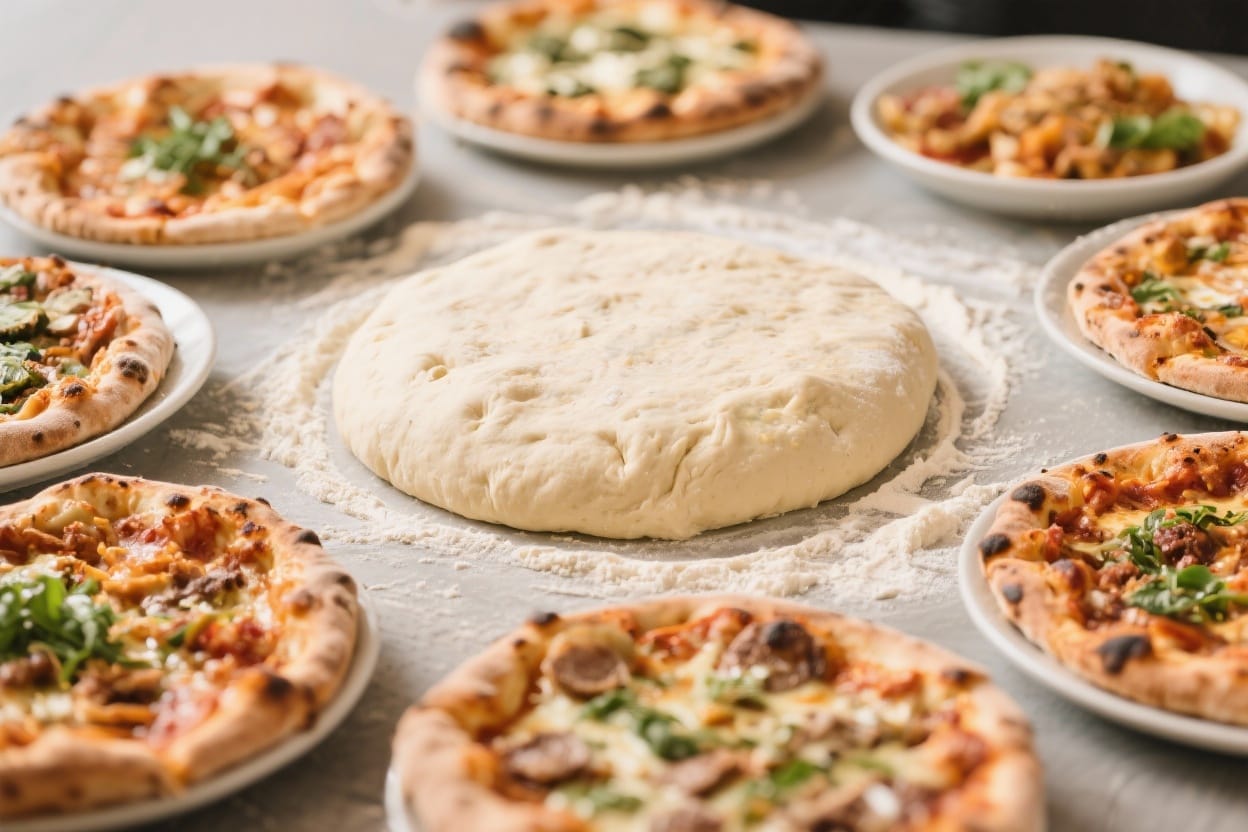
A good pizza dough is like a blank canvas. With just a few pantry staples and a bit of patience, you can turn one batch into several different meals throughout the week. Think classic pizza one night, garlic knots the next, and breakfast rolls on the weekend.
This approach saves money, reduces food waste, and streamlines your cooking. Plus, it’s fun—one dough, endless options, and everyone gets something they like.
What Makes This Special

This dough isn’t only for pizza. It’s a versatile base you can stretch, twist, stuff, or roll to fit whatever you’re craving.
You’ll get a light, chewy texture with a crisp edge, which works for flatbreads, calzones, and even cinnamon rolls. Make a big batch once, then refrigerate or freeze portions for fast, no-stress meals. It’s the kind of recipe that becomes a weeknight habit—reliable, flexible, and always good.
Ingredients
- All-purpose flour: 4 cups (500 g), plus extra for dusting
- Warm water: 1 1/2 cups (355 ml), around 105–115°F
- Instant or active dry yeast: 2 1/4 tsp (one packet)
- Olive oil: 2 tbsp, plus more for the bowl
- Fine salt: 2 tsp
- Sugar or honey: 1 tsp (optional, helps yeast wake up)
- Cornmeal or extra flour for dusting pans (optional)
- Extras for variations (choose as needed):
- Pizza sauce, shredded mozzarella, pepperoni, vegetables
- Garlic butter (melted butter + minced garlic + parsley + salt)
- Ricotta, spinach, cooked sausage for calzones
- Cinnamon sugar and butter for sweet rolls
- Olive oil, rosemary, flaky salt for flatbreads
Instructions
- Bloom the yeast (if using active dry): In a bowl, mix warm water with sugar or honey and sprinkle yeast over the top.Let sit 5–10 minutes until foamy. If using instant yeast, you can skip blooming and add it to the flour.
- Make the dough: In a large bowl, combine flour and salt. Add yeast mixture (or water if using instant yeast) and olive oil.Stir until a shaggy dough forms.
- Knead: Turn the dough onto a lightly floured surface and knead for 6–8 minutes until smooth and elastic. It should be soft but not sticky. Add flour a teaspoon at a time if needed.
- First rise: Lightly oil a bowl, place the dough inside, and cover with a damp towel or plastic wrap.Let rise in a warm spot for 60–90 minutes, until doubled.
- Divide: Punch down the dough and divide into 2–4 equal portions depending on what you plan to make. Two portions make large pizzas; four makes personal pizzas or multiple side dishes.
- Choose your path:
- Classic pizza: Preheat oven to its highest setting (475–525°F) with a pizza stone or inverted sheet pan inside. Stretch a dough ball into a circle, top lightly with sauce and cheese, and bake 8–12 minutes until blistered and golden.
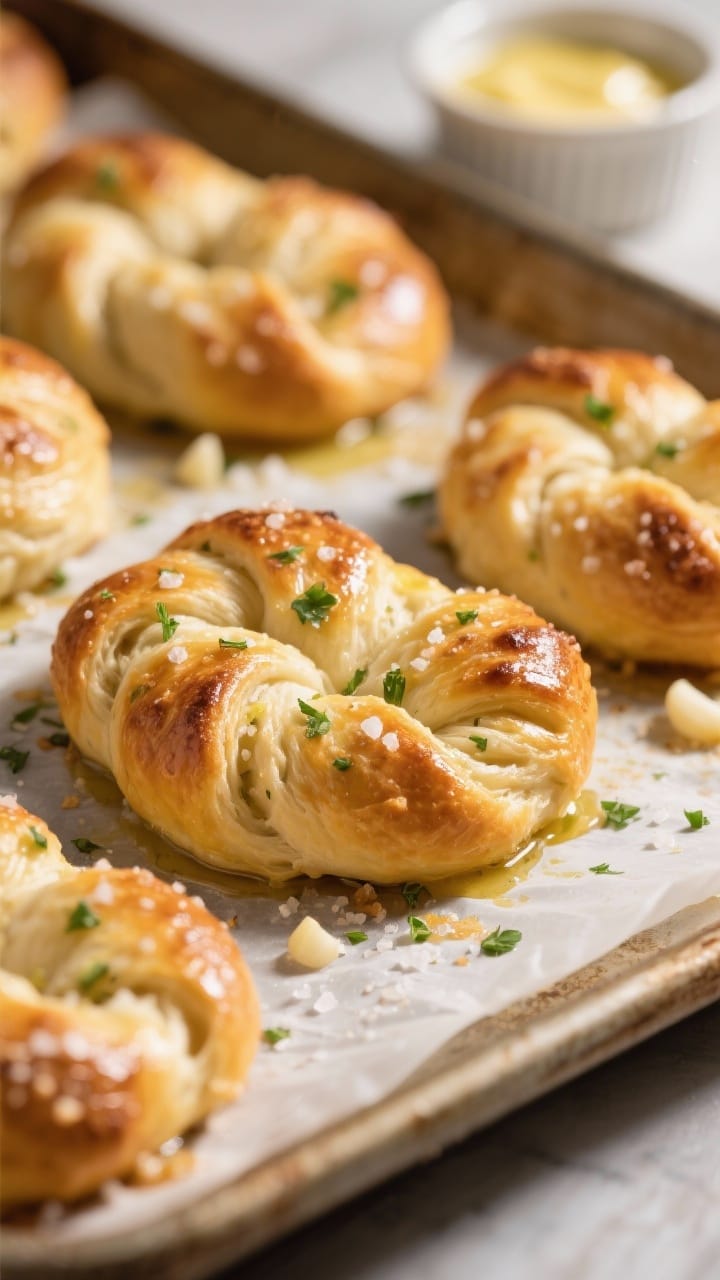
- Garlic knots: Roll dough into a rope, cut into pieces, tie into knots, and brush with garlic butter.Bake at 425°F for 10–12 minutes. Toss with more garlic butter and parsley.
- Calzones: Roll dough into circles, fill one side with ricotta, mozzarella, and your favorite fillings. Fold over, seal edges, vent with a small slit, and bake at 425°F for 12–15 minutes.
- Sheet-pan focaccia-style flatbread: Press dough into an oiled pan, dimple with fingers, drizzle with olive oil, and sprinkle with rosemary and salt.Bake at 425°F for 15–20 minutes.
- Breakfast rolls: Roll dough into a rectangle, spread with softened butter and cinnamon sugar, roll up, slice, and bake at 375°F for 18–22 minutes. Glaze if you like.
- Stromboli: Roll into a rectangle, layer cheese and meats, roll like a log, seal, brush with egg wash, and bake at 400°F for 20–25 minutes.
- Finish and serve: Let baked items rest for a few minutes before slicing. Add fresh herbs, a drizzle of olive oil, or grated Parmesan for extra flavor.
Storage Instructions
- Refrigerate the dough: Lightly oil the dough, place it in an airtight container or zip bag, and refrigerate for up to 3 days.It will continue to rise slowly—just punch down as needed.
- Freeze the dough: Portion the dough after the first rise, oil lightly, wrap tightly, and freeze up to 3 months. Thaw overnight in the fridge, then bring to room temperature for 45–60 minutes before shaping.
- Leftover baked items: Store in an airtight container in the fridge for 3–4 days. Reheat at 350°F for 8–10 minutes to revive crispness.Avoid microwaving if you want a crisp crust.
- Par-baking for speed: Bake plain crusts for 5–6 minutes, cool, wrap, and refrigerate or freeze. Top and finish baking when you’re ready.

Why This is Good for You
Cooking from one base recipe saves time and mental energy. You batch the effort once, then enjoy fast meals without starting from scratch.
You also control the ingredients—less sugar, sensible salt, and quality olive oil. Load pizzas with vegetables, use lean proteins, and try whole-wheat flour for extra fiber. Most of all, home cooking helps you slow down, sit together, and enjoy a meal you made with your hands.
Common Mistakes to Avoid
- Water too hot: Yeast dies above about 120°F.Aim for water that’s warm but not hot to the touch.
- Over-flouring: Adding too much flour makes dense, dry dough. Keep it slightly tacky during kneading.
- Skipping the rest: If dough resists stretching, let it rest 10 minutes. Gluten needs time to relax.
- Overloading toppings: Too much sauce and cheese leads to soggy centers.Keep it balanced.
- Cold dough in a hot oven: Let refrigerated dough warm for 45 minutes before shaping for better rise and texture.
- Underheating the oven: High heat makes better crust. Preheat fully, and use a stone or preheated pan if possible.
Alternatives
- Flour swaps: Use bread flour for chewier crust; try 50% whole-wheat for nutty flavor and more fiber. Add a tablespoon of olive oil if using whole-wheat to keep it tender.
- Yeast-free option: Make a quick flatbread with self-rising flour and yogurt (1:1 by volume).It won’t be pizza dough, but it’s fast and tasty in a pinch.
- Gluten-free: Use a 1:1 gluten-free flour blend designed for yeast doughs and add 1 tsp xanthan gum if your blend doesn’t include it. Expect a softer, stickier dough—press it into shape rather than stretching.
- Dairy-free: The dough is naturally dairy-free. Top with plant-based cheeses or simple vegetable and olive oil combinations.
- Flavor boosters: Mix in 1–2 tsp dried herbs, 1 tsp garlic powder, or a tablespoon of grated Parmesan for a seasoned crust.
FAQ
Can I make the dough in a stand mixer?
Yes.
Use the dough hook on low speed to bring it together, then knead on medium-low for 5–6 minutes until smooth. Scrape the bowl if needed and avoid overmixing.
How do I get big airy bubbles?
Use high heat, avoid overworking the dough when shaping, and keep toppings light. A longer, colder rise in the fridge (12–48 hours) also boosts flavor and bubbles.
What if my dough is too sticky?
Lightly flour your hands and the counter, and knead in small amounts of flour a teaspoon at a time.
Stop when it’s tacky but manageable—too much flour makes it tough.
Do I need a pizza stone?
No. A preheated inverted sheet pan works well. If you have a cast-iron skillet or steel, even better.
The key is a hot surface and a fully preheated oven.
Can I make thin crust and thick crust from the same dough?
Absolutely. Stretch thinner for a crisp, quick bake. For thicker crust, leave the dough slightly thicker and let it rest 10–15 minutes on the pan before baking to puff up.
How do I prevent soggy bottoms?
Preheat the baking surface, use less sauce, and avoid watery toppings.
Pat vegetables dry and bake on a rack set in the lower third of the oven.
What’s the best way to reheat pizza?
Use a skillet over medium heat with a lid for 3–5 minutes, or a 375°F oven for 8–10 minutes. This keeps the crust crisp and the cheese melty.
Final Thoughts
One batch of pizza dough can carry you through several meals without feeling repetitive. Keep a few portions in the fridge or freezer, and you’re halfway to dinner any night of the week.
Mix and match savory and sweet ideas, keep toppings simple, and trust the process. With a little practice, you’ll have a reliable dough that works for pizza night—and everything else after.
Printable Recipe Card
Want just the essential recipe details without scrolling through the article? Get our printable recipe card with just the ingredients and instructions.