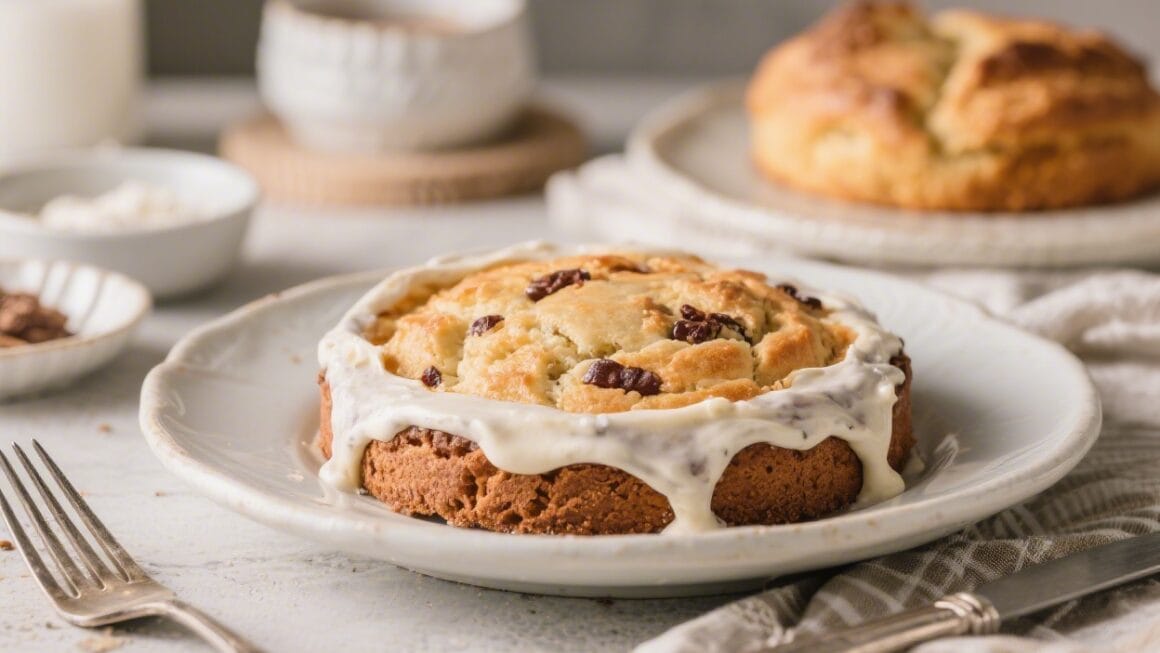
You don’t need a bakery full of equipment to make great bread at home. With one reliable dough, you can bake three different styles: a rustic loaf, soft dinner rolls, and cinnamon-sugar swirls. The dough is straightforward, forgiving, and perfect for beginners.
If you like options without juggling multiple recipes, this will be your new favorite base. The aroma alone will make your kitchen feel like a cozy café.
What Makes This Special
This recipe is built on a balanced dough that’s sturdy enough for a crusty loaf yet soft enough for rolls. That means you make one batch and shape it three ways without changing ingredients.
It’s also easy to scale, and it works with all-purpose or bread flour. The flavor is mild, slightly sweet, and perfect for both savory and sweet add-ins. Best of all, the dough is tolerant—if your kitchen is warm or cool, it still performs well with a bit of patience.
Ingredients
- 4 cups (500 g) all-purpose flour or bread flour, plus extra for dusting
- 1 1/2 cups (360 ml) warm water (about 105–110°F/40–43°C)
- 2 1/4 tsp (7 g) instant yeast (one packet)
- 2 tbsp (25 g) granulated sugar
- 2 tbsp (28 g) unsalted butter, melted (or 2 tbsp olive oil)
- 1 1/2 tsp fine sea salt
- Optional for cinnamon swirls: 2 tbsp softened butter, 1/4 cup brown sugar, 1 tsp ground cinnamon
- Optional for topping: egg wash (1 egg beaten with 1 tbsp water), sesame or poppy seeds
- Equipment: mixing bowl, wooden spoon or stand mixer, kitchen scale (helpful), baking sheet or loaf pan, parchment paper
Instructions
- Mix the dough: In a large bowl, whisk warm water, sugar, and yeast.Let sit 2–3 minutes until lightly foamy. Add flour, salt, and melted butter. Stir with a spoon until a shaggy dough forms.
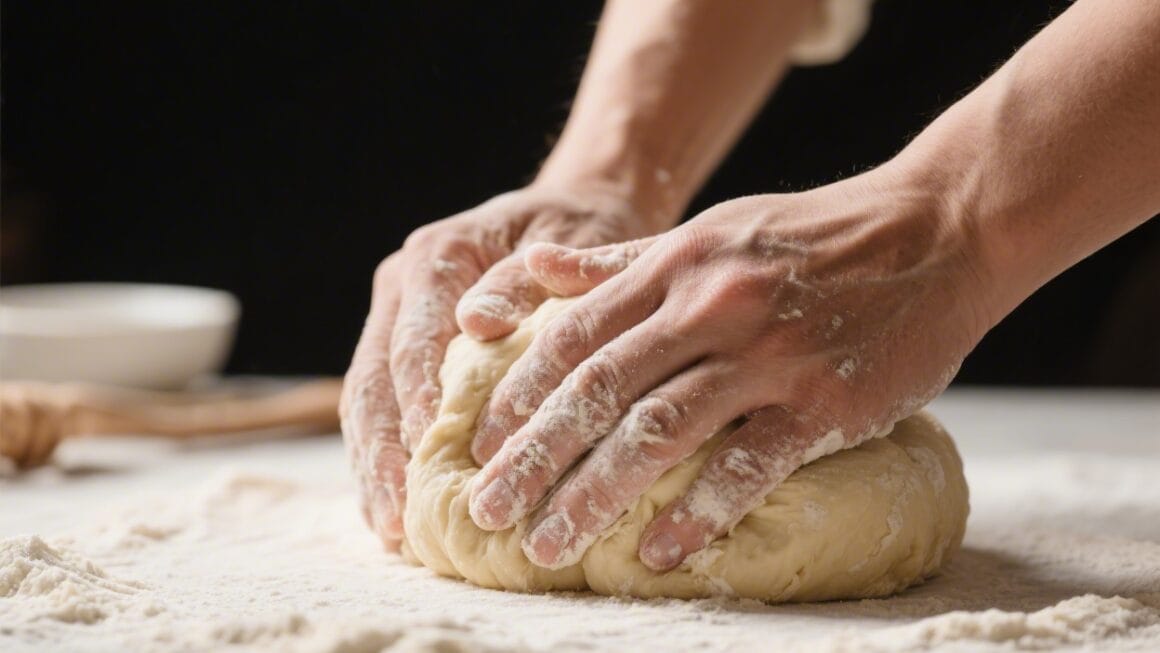
- Knead: Turn the dough onto a lightly floured surface and knead 8–10 minutes until smooth and elastic.If using a mixer, knead on medium-low for 6–8 minutes. The dough should be soft and slightly tacky, not sticky.
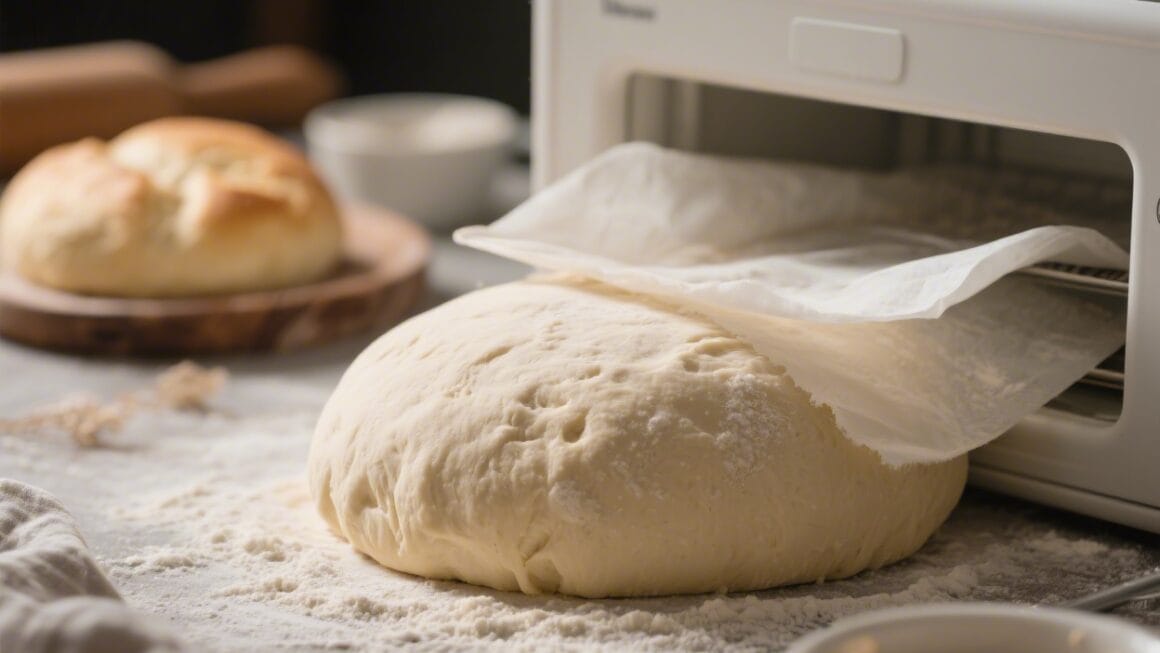
- First rise: Place the dough in a lightly oiled bowl, cover, and let rise in a warm spot until doubled, 60–90 minutes. A slow, slightly longer rise builds better flavor.
- Divide for three breads: Gently deflate the dough and divide into three equal pieces.Each piece becomes one type of bread: rustic loaf, dinner rolls, and cinnamon swirls.
- Shape the rustic loaf: Take one piece, stretch the edges toward the center to create surface tension, and form a tight round (boule) or oval. Place seam-side down on a parchment-lined sheet. Dust lightly with flour and slash the top with a sharp knife.
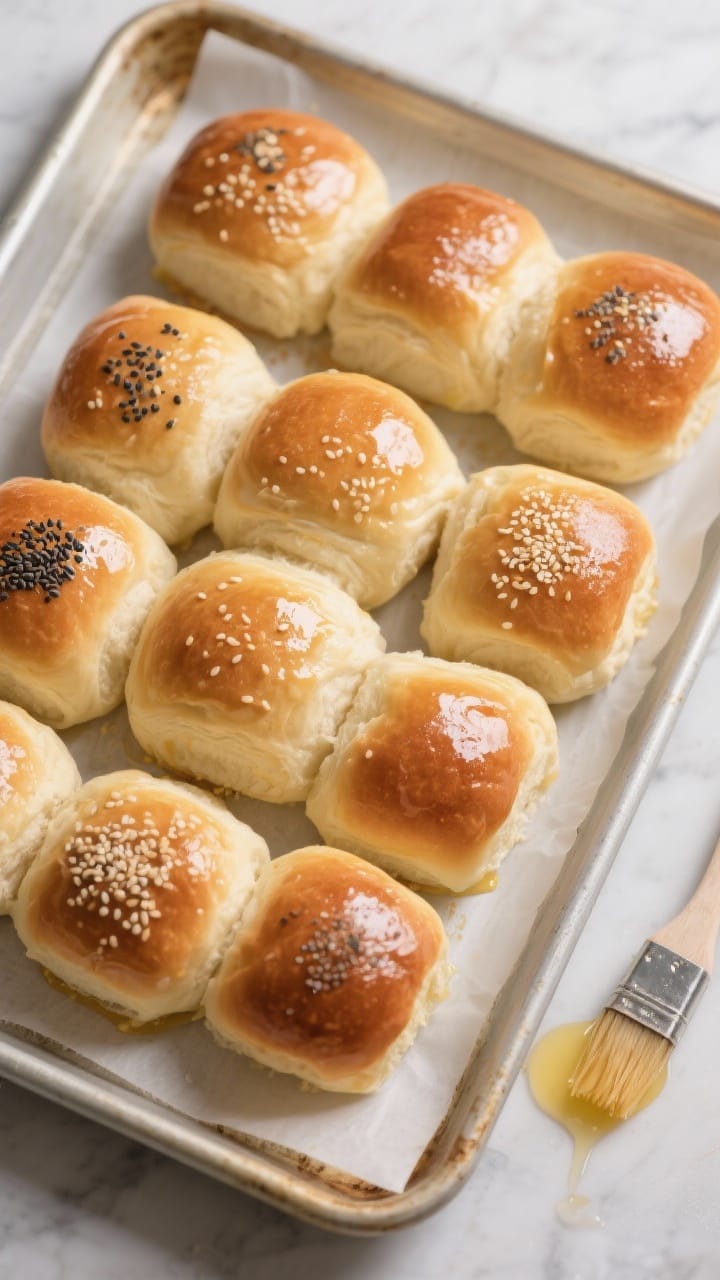
- Shape the dinner rolls: Take the second piece, divide into 8–10 small portions.Cup your hand over each piece and roll on the counter to make smooth balls. Arrange on a parchment-lined pan with a little space between.
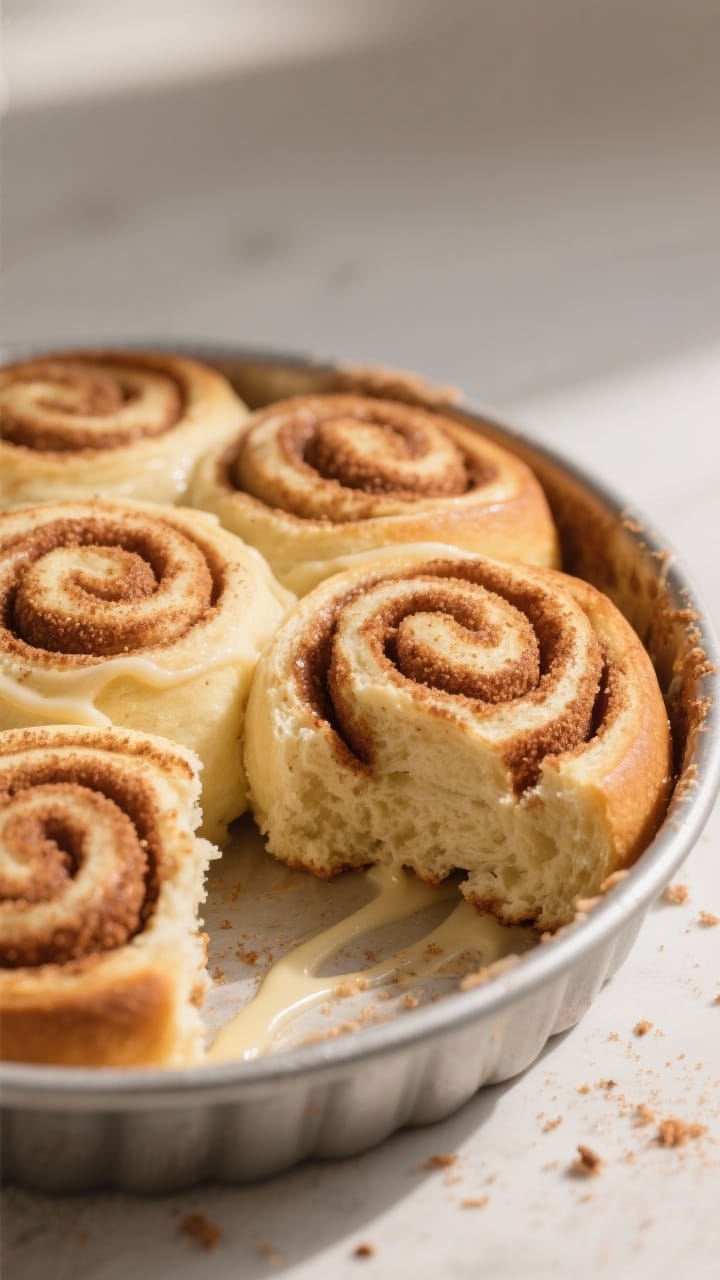
- Shape the cinnamon swirls: For the last piece, roll into a rectangle about 9×12 inches. Spread with softened butter, then sprinkle brown sugar and cinnamon evenly.Roll up from the long side into a log. Pinch the seam, then slice into 8 spirals. Arrange cut-side up in a greased 8- or 9-inch pan, or spaced on a sheet.
- Second rise: Cover all shapes lightly and let rise until puffy, 30–45 minutes.The loaf should spring back slowly when poked; rolls should look rounded and airy.
- Preheat the oven: Heat to 400°F (200°C). If you have a baking stone, preheat it. Place an empty metal pan on the lowest rack if you want steam for a crisper loaf.
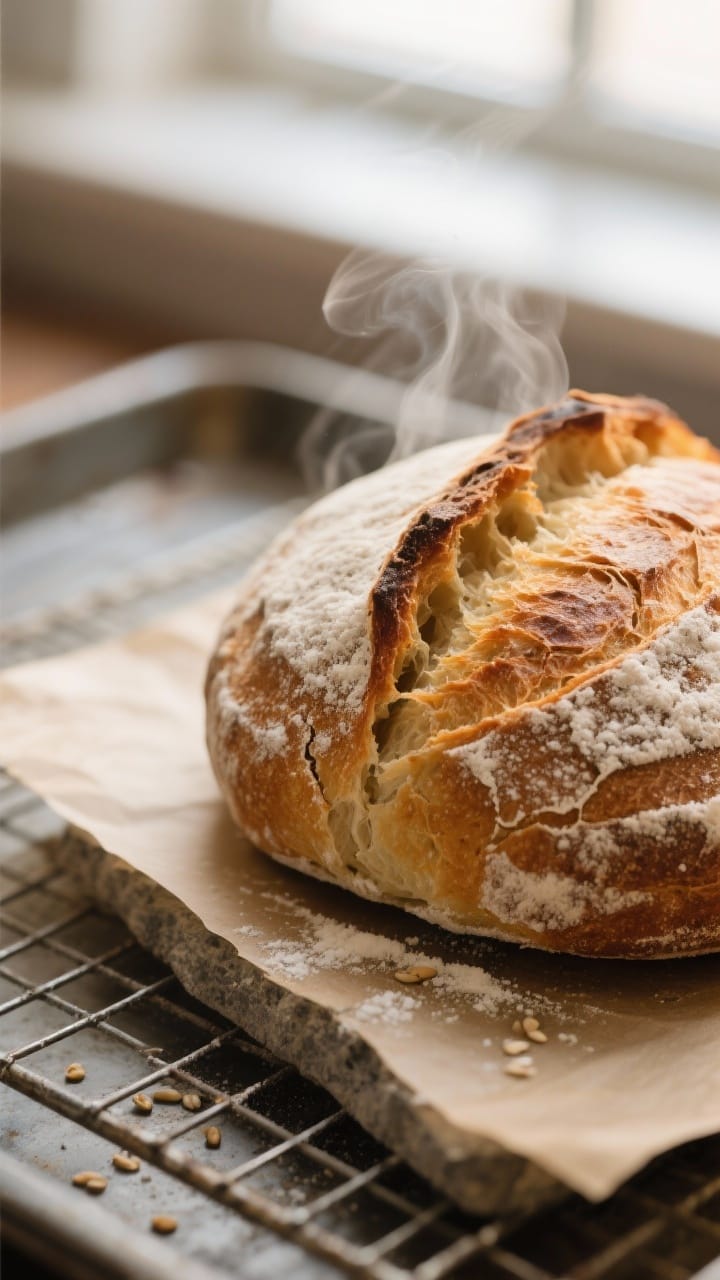
- Bake the rustic loaf: For extra steam, pour 1/2 cup hot water into the preheated empty pan as you put the loaf in.Bake 25–30 minutes until deep golden and the bottom sounds hollow. Internal temperature should reach about 200–205°F (93–96°C).
- Bake the dinner rolls: Brush with egg wash for shine, if you like. Bake 12–15 minutes until golden on top and 190–195°F (88–90°C) inside.
- Bake the cinnamon swirls: Bake 15–18 minutes until lightly browned and set in the center.If desired, glaze with a simple icing (powdered sugar + milk) after cooling slightly.
- Cool: Let the loaf cool at least 45 minutes before slicing to keep the crumb from compressing. Rolls and swirls can be enjoyed warm after 10–15 minutes.
Storage Instructions
- Room temperature: The loaf and rolls keep well in a breathable bag or wrapped in a towel for 2–3 days. Avoid sealing while warm, which traps moisture.
- Freezing: Freeze sliced loaf and rolls in freezer bags for up to 2 months.Reheat in a 325°F (165°C) oven for 8–10 minutes.
- Cinnamon swirls: Store covered at room temperature for 2 days. For longer storage, freeze and reheat briefly in the oven to refresh.
- Reviving stale bread: Sprinkle with a little water, wrap in foil, and warm at 325°F (165°C) for 10–12 minutes.
Health Benefits
- Whole-grain option: You can swap up to half the flour for whole wheat to boost fiber and micronutrients like magnesium and B vitamins.
- Lower sugar control: The base dough uses modest sugar, keeping overall sweetness in check compared to store-bought breads.
- Clean ingredients: Homemade bread avoids many preservatives and allows you to choose quality fats (olive oil or butter) and minimal additives.
- Portion awareness: Shaping rolls helps with natural portion control, and the cinnamon swirls satisfy a sweet tooth without excessive frosting.
Common Mistakes to Avoid
- Water too hot: Yeast dies above roughly 120°F (49°C). Aim for warm, not hot, water.
- Not enough kneading: Under-kneaded dough tears easily and rises poorly.Look for a smooth, elastic feel.
- Adding too much flour: Slight tackiness is fine. Over-flouring leads to dense bread. Dust lightly as needed.
- Skipping the second rise: The final proof is key for a light crumb and good oven spring.
- Slicing too soon: Cutting the loaf while hot compresses the crumb and makes it gummy.
Alternatives
- Flour swaps: Use half bread flour for extra chew, or half whole wheat for a nutty flavor.If using 100% whole wheat, add 1–2 tbsp extra water.
- Dairy-free: Replace butter with olive oil or a neutral oil. The dough stays soft and flavorful.
- Flavor boosts: For the loaf, mix in herbs, roasted garlic, or olives. For rolls, brush with garlic butter.For swirls, try cardamom or orange zest.
- Shaping variations: Turn the loaf into a baguette-style batard, make pull-apart rolls in a skillet, or twist the cinnamon dough into a braided loaf.
- Sweet glaze options: For swirls, whisk 1/2 cup powdered sugar with 1–2 tsp milk and a drop of vanilla. Drizzle while warm.
FAQ
Can I use active dry yeast instead of instant yeast?
Yes. Use the same amount, but bloom it in the warm water with sugar for 5–10 minutes until foamy before adding flour and salt.
Rise times may be a bit longer.
How do I know the dough is kneaded enough?
The dough should feel smooth and stretchy. If you gently pull a small piece, it should stretch thin without tearing quickly (the “windowpane” test). If it tears right away, keep kneading.
What if my kitchen is cold and the dough isn’t rising?
Place the covered bowl in a turned-off oven with the light on, or near a warm appliance.
You can also proof over a bowl of warm water. It might take longer, but it will rise.
Can I make the dough ahead of time?
Yes. After kneading, cover and refrigerate up to 24 hours.
The cold rise develops flavor. Bring to room temperature, then shape and continue with the second rise.
Why is my loaf pale instead of golden?
Your oven may run cool. Use an oven thermometer to verify temperature.
You can also extend the bake by a few minutes or brush with egg wash for deeper color.
How can I keep the rolls extra soft?
Brush hot rolls with melted butter right after baking. Storing them covered once cooled also helps maintain softness.
Can I reduce the sugar or make it sweeter?
For a less sweet dough, cut sugar to 1 tablespoon. For sweeter rolls, add 1 more tablespoon to the dough and increase the cinnamon filling slightly.
Do I need a stand mixer?
No.
A wooden spoon and your hands work well. The dough is manageable and designed for home kitchens without special tools.
How do I get a crispier crust on the loaf?
Bake on a preheated stone or heavy sheet, add steam in the first 10 minutes, and avoid brushing with butter after baking. Let it cool on a wire rack fully for the best crust.
Can I add raisins or nuts to the cinnamon swirls?
Absolutely.
Sprinkle a handful of raisins, chopped walnuts, or pecans over the cinnamon-sugar before rolling. Press gently so they stick to the dough.
Wrapping Up
With one simple dough, you can set out a rustic loaf, a basket of soft rolls, and a pan of cinnamon swirls—all from the same batch. It’s efficient, flexible, and tailor-made for busy home bakers.
Once you’ve tried it, play with flavors and shapes to suit your table. Keep this base recipe handy; it’s the kind of kitchen workhorse you’ll rely on again and again.
Printable Recipe Card
Want just the essential recipe details without scrolling through the article? Get our printable recipe card with just the ingredients and instructions.