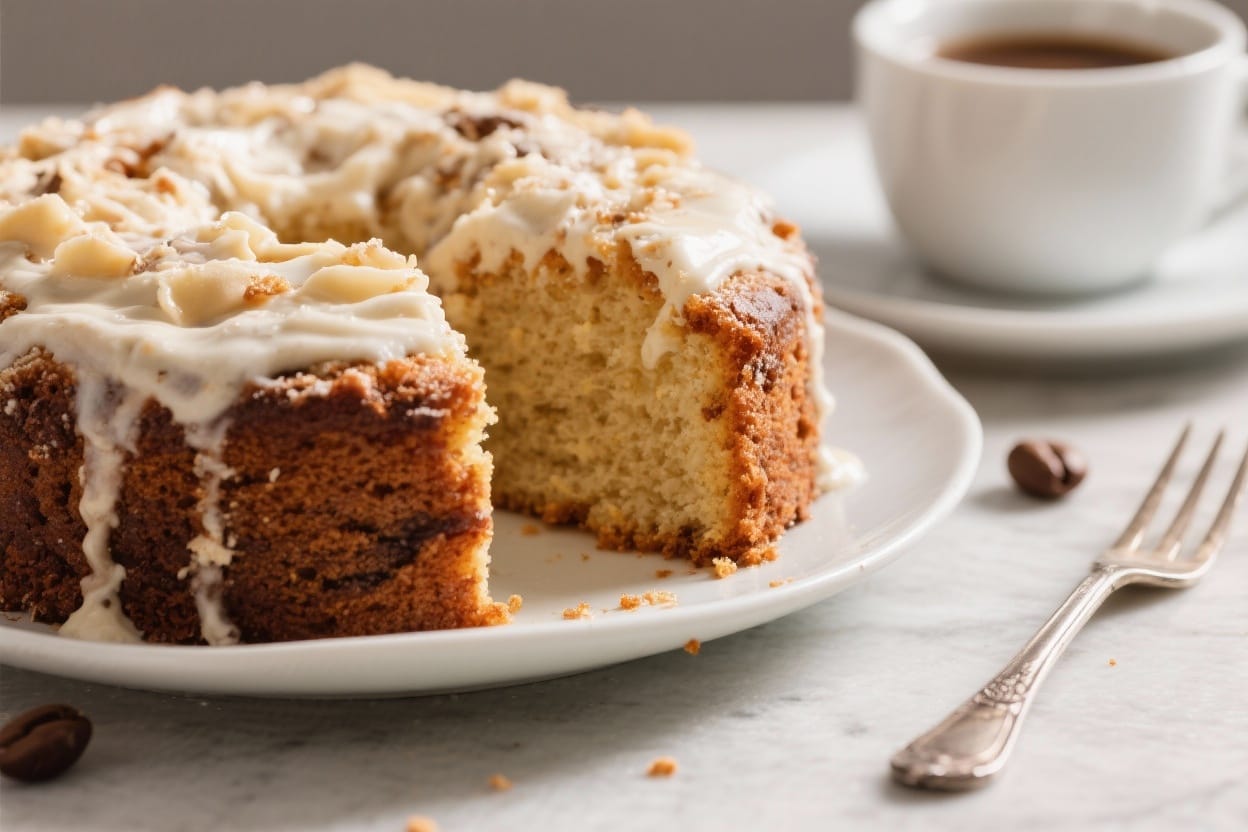
Moist Sponge Cake Recipe – Light, Fluffy, and Easy to Love
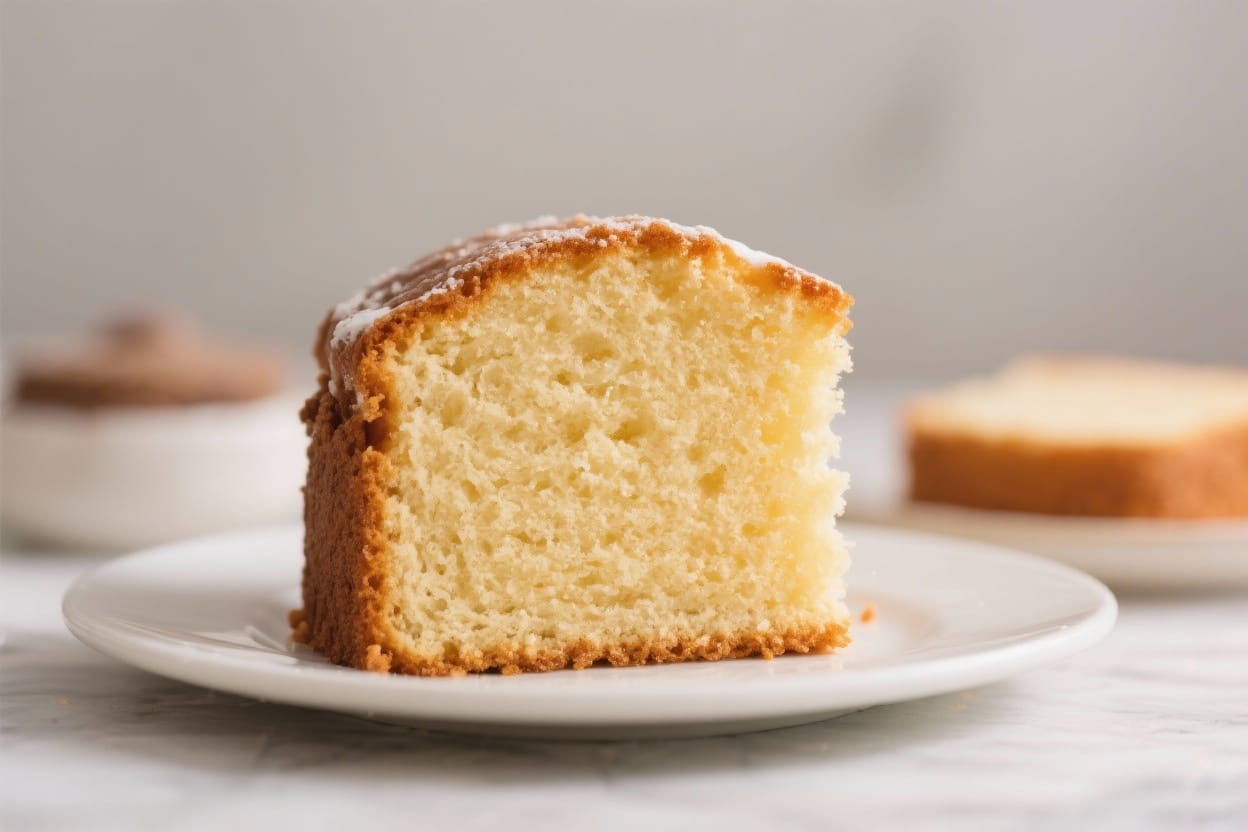
Sponge cake is the kind of dessert that feels special without being fussy. It’s tender, airy, and perfect for birthdays, afternoon tea, or a simple treat after dinner. This moist sponge cake recipe gives you that soft, fluffy crumb with a pleasant richness and a light sweetness. You don’t need fancy equipment or rare ingredients—just a good method and a little care. If you’ve had dry sponge cake before, this version will change your mind.
What Makes This Recipe So Good
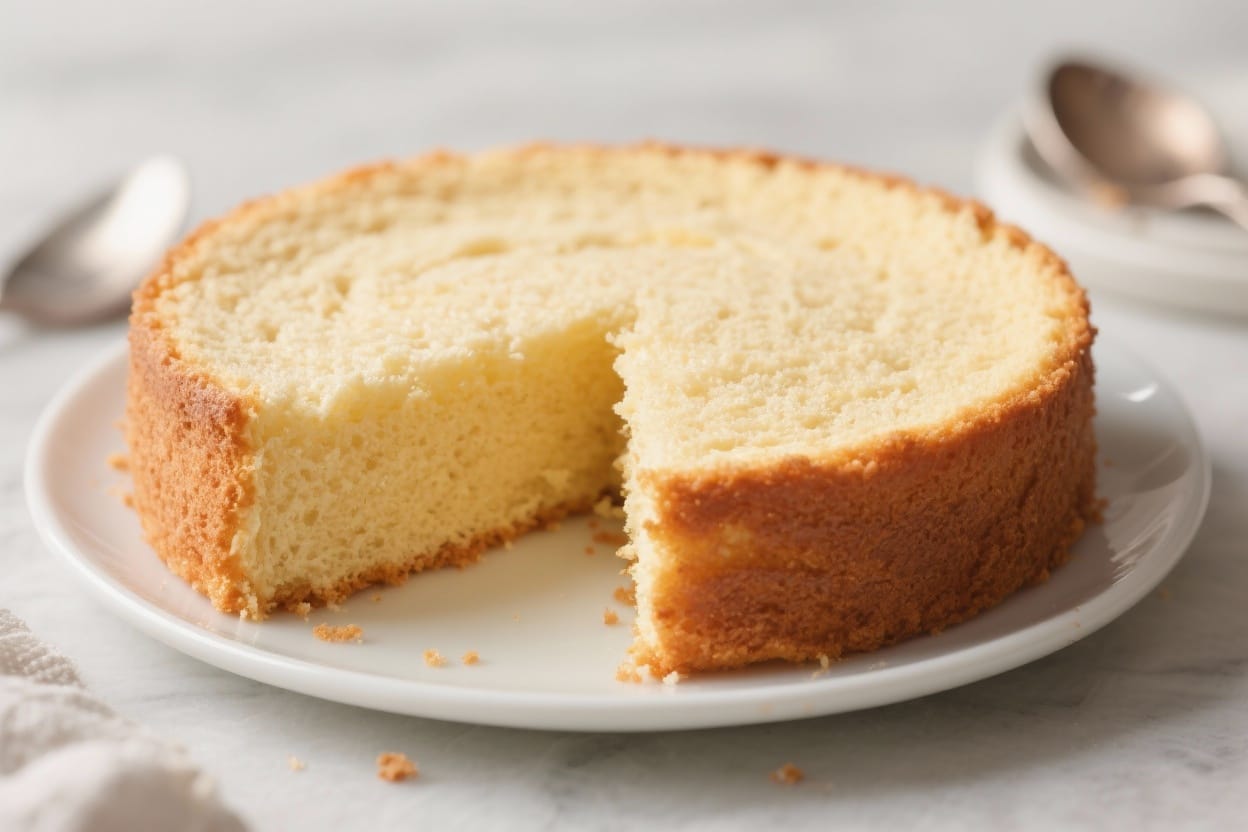
Moist sponge cake recipe – Moist Sponge Cake Recipe – Light, Fluffy, and Easy to Love Sponge cake is the kind of dessert that f
- Incredibly moist texture: A mix of oil and butter keeps the crumb soft, tender, and never dry.
- Fluffy and light: Properly whipped eggs bring volume and that classic sponge structure.
- Reliable and simple: Clear steps and straightforward ingredients work for beginners and seasoned bakers.
- Versatile base: Dress it up with fruit, cream, or jam—or serve it plain with tea.
- Stays fresh: This cake keeps well for a couple of days without losing its softness.
Ingredients
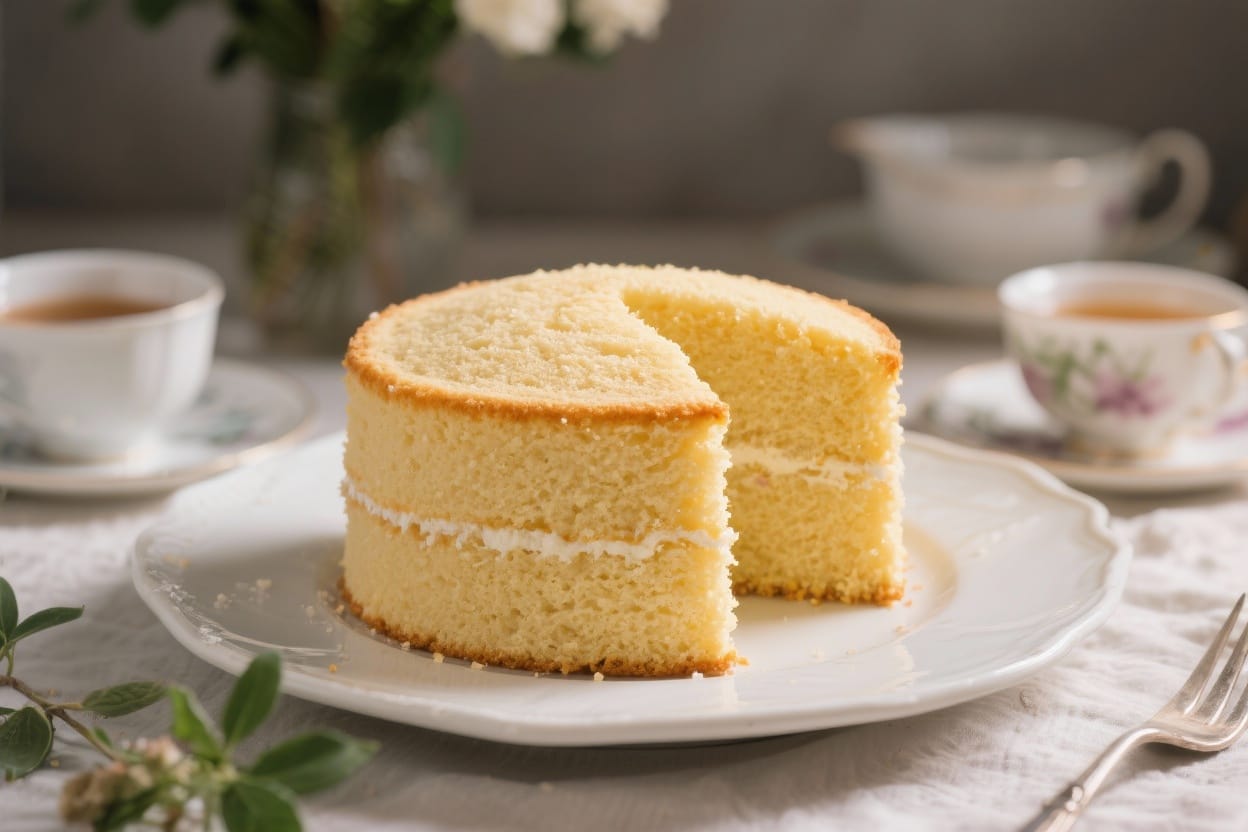
Moist sponge cake recipe – It’s tender, airy, and perfect for birthdays, afternoon tea, or a simple treat after dinner
- 4 large eggs, at room temperature
- 3/4 cup (150 g) granulated sugar
- 1 teaspoon pure vanilla extract
- 1 cup (120 g) cake flour, sifted (or all-purpose flour minus 2 tablespoons, plus 2 tablespoons cornstarch)
- 1 teaspoon baking powder
- 1/4 teaspoon fine salt
- 3 tablespoons whole milk, warmed
- 2 tablespoons unsalted butter, melted and slightly cooled
- 2 tablespoons neutral oil (such as canola or sunflower)
- Optional: finely grated zest of 1 lemon or 1 orange
- Optional syrup for extra moisture: 1/3 cup water + 2 tablespoons sugar + 1/2 teaspoon vanilla or citrus zest
Instructions
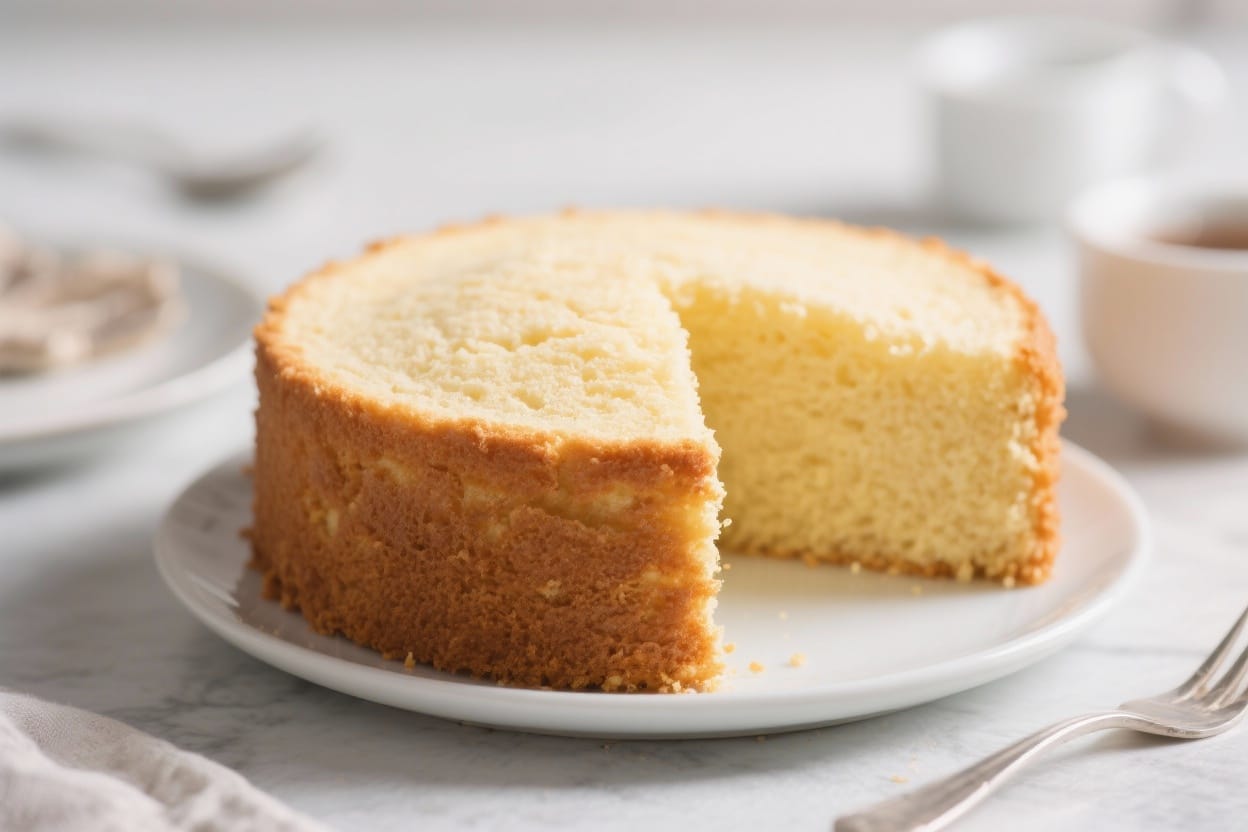
Moist sponge cake recipe – This moist sponge cake recipe gives you that soft, fluffy crumb with a pleasant richness and a light
- Prep the pan and oven: Preheat your oven to 350°F (175°C). Line the bottom of an 8-inch round cake pan with parchment paper. Lightly grease the sides with butter or oil.
- Warm the liquids: In a small bowl, combine the warm milk, melted butter, and oil. This mix helps the cake stay moist. Set aside.
- Whisk dry ingredients: Sift together the cake flour, baking powder, and salt. If using citrus zest, whisk it into the dry mix for even distribution.
- Beat the eggs and sugar: In a large bowl, beat the eggs, sugar, and vanilla on medium-high speed for 5–7 minutes. You want a pale, thick, ribbony mixture that nearly triples in volume. This step is crucial for a light sponge.
- Fold in the dry mix: Sift half the dry ingredients over the egg mixture. Using a spatula, gently fold in with slow, sweeping motions. Repeat with the remaining dry ingredients. Do not overmix.
- Lighten the milk mixture: Stir 2–3 tablespoons of the batter into the warm milk-butter-oil mix to loosen it. This helps it blend without deflating the batter.
- Combine gently: Pour the loosened milk mixture around the edges of the batter and fold it in carefully until just combined. Look for streak-free, airy batter.
- Pan and bake: Pour the batter into the prepared pan and smooth the top. Tap the pan lightly once to pop large bubbles. Bake for 22–28 minutes, or until the top is golden and a toothpick comes out clean.
- Cool with care: Let the cake cool in the pan for 10 minutes, then run a knife around the edge and turn it out onto a wire rack. Peel off the parchment and flip it upright to cool completely.
- Optional syrup soak: For extra moisture, simmer the water and sugar until dissolved. Remove from heat and add vanilla or zest. Brush the warm syrup over the slightly warm cake.
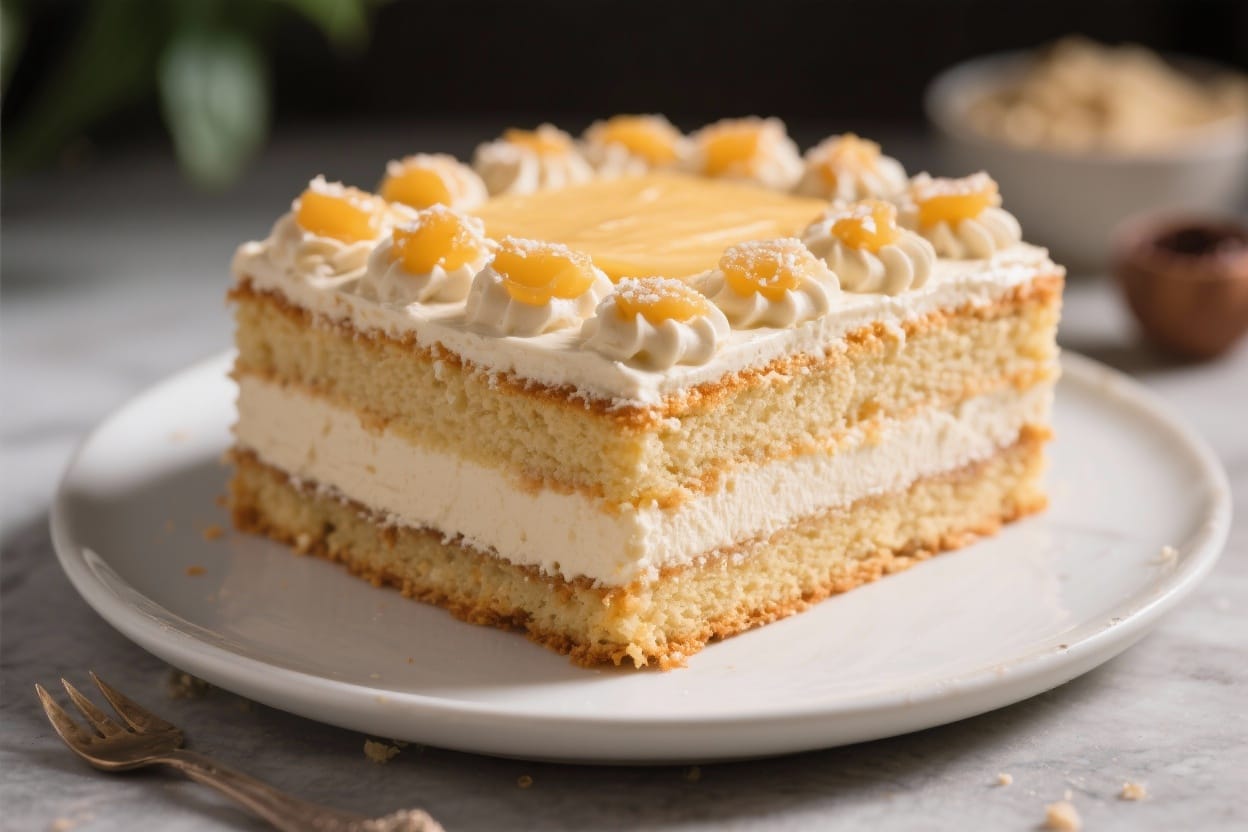
- Serve or fill: Enjoy as is, dust with powdered sugar, or split and fill with whipped cream and berries, jam, or lemon curd.
How to Store
- Room temperature: Wrap the cooled cake tightly or store in an airtight container for up to 2 days.
- Refrigerator: If filled with cream or fruit, refrigerate for up to 3 days. Bring to room temperature before serving for best texture.
- Freezer: Wrap the unfilled cake in plastic, then foil. Freeze up to 2 months. Thaw overnight in the fridge, then unwrap and bring to room temp.
Why This is Good for You
- Simple ingredients: You know exactly what’s in it—no artificial flavors or preservatives.
- Portion control: A small slice is satisfying thanks to its soft, rich crumb.
- Flexible sweetness: The sugar level is moderate, and you can pair it with fresh fruit for a lighter dessert.
- Mindful baking: Baking at home encourages slower, intentional eating and can be a relaxing, rewarding activity.
Common Mistakes to Avoid
- Skipping room-temperature eggs: Cold eggs don’t whip as well, leading to a heavier cake.
- Overmixing the batter: This knocks out air and develops gluten, making the cake dense. Fold gently and stop when just combined.
- Opening the oven too early: Sudden temperature drops can cause the cake to collapse. Wait until the last 5 minutes to check.
- Pouring hot butter into the batter: Hot fat can deflate the foam. Keep it warm, not hot, and loosen it with a bit of batter first.
- Using the wrong pan size: Too small and it overflows; too large and it bakes thin and dry. Aim for an 8-inch round.
Alternatives
- Gluten-free: Use a 1:1 gluten-free baking flour blend. Add 1 tablespoon cornstarch if the blend is heavy to keep it light.
- Dairy-free: Swap the milk for almond, oat, or soy milk. Replace butter with more neutral oil or dairy-free butter.
- Flavor twists: Add almond extract, swap vanilla for lemon extract, or fold in finely grated citrus zest.
- Layer cake: Double the recipe and bake in two 8-inch pans. Fill with whipped cream, mascarpone, or chocolate ganache.
- Syrup variations: Brush with espresso syrup, citrus syrup, or a light honey syrup for extra moisture and flavor.
FAQ
Can I use all-purpose flour instead of cake flour?
Yes. For each cup of cake flour, measure 1 cup of all-purpose flour, remove 2 tablespoons, and replace them with 2 tablespoons of cornstarch. Sift well to keep the texture light.
Why did my sponge cake come out dense?
Usually, it’s from underwhipped eggs or overmixing. Make sure the eggs and sugar are beaten until very thick and pale, and fold the dry ingredients gently. Also check that your baking powder is fresh.
How do I know when the cake is done?
The top should be golden and spring back when lightly pressed. A toothpick should come out clean or with a few moist crumbs. Avoid overbaking, as it dries the cake.
Can I make this ahead?
Absolutely. Bake the cake the day before, wrap tightly once cooled, and store at room temperature. If you’re adding cream or fruit, assemble the day you plan to serve.
Do I need a stand mixer?
No, but it helps. A hand mixer works well. If mixing by hand, whisk vigorously for longer until the eggs reach a thick ribbon stage.
Can I add cocoa for a chocolate sponge?
Yes. Replace 2–3 tablespoons of the flour with unsweetened cocoa powder. Sift it with the dry ingredients and consider adding an extra tablespoon of milk to balance dryness.
My cake sank in the middle—what happened?
That’s often due to opening the oven too soon, underbaking, or folding too aggressively and losing air. Weigh ingredients accurately and resist peeking early.
Final Thoughts
A great sponge cake comes down to a few simple habits: whip the eggs well, fold gently, and don’t overbake. This moist sponge cake recipe gives you a soft, delicate crumb that stays tender for days. Keep it classic with a dusting of powdered sugar, or turn it into a showstopper with berries and cream. However you serve it, it’s the kind of cake that always feels just right. Enjoy your slice—and the compliments that come with it.
Printable Recipe Card
Want just the essential recipe details without scrolling through the article? Get our printable recipe card with just the ingredients and instructions.