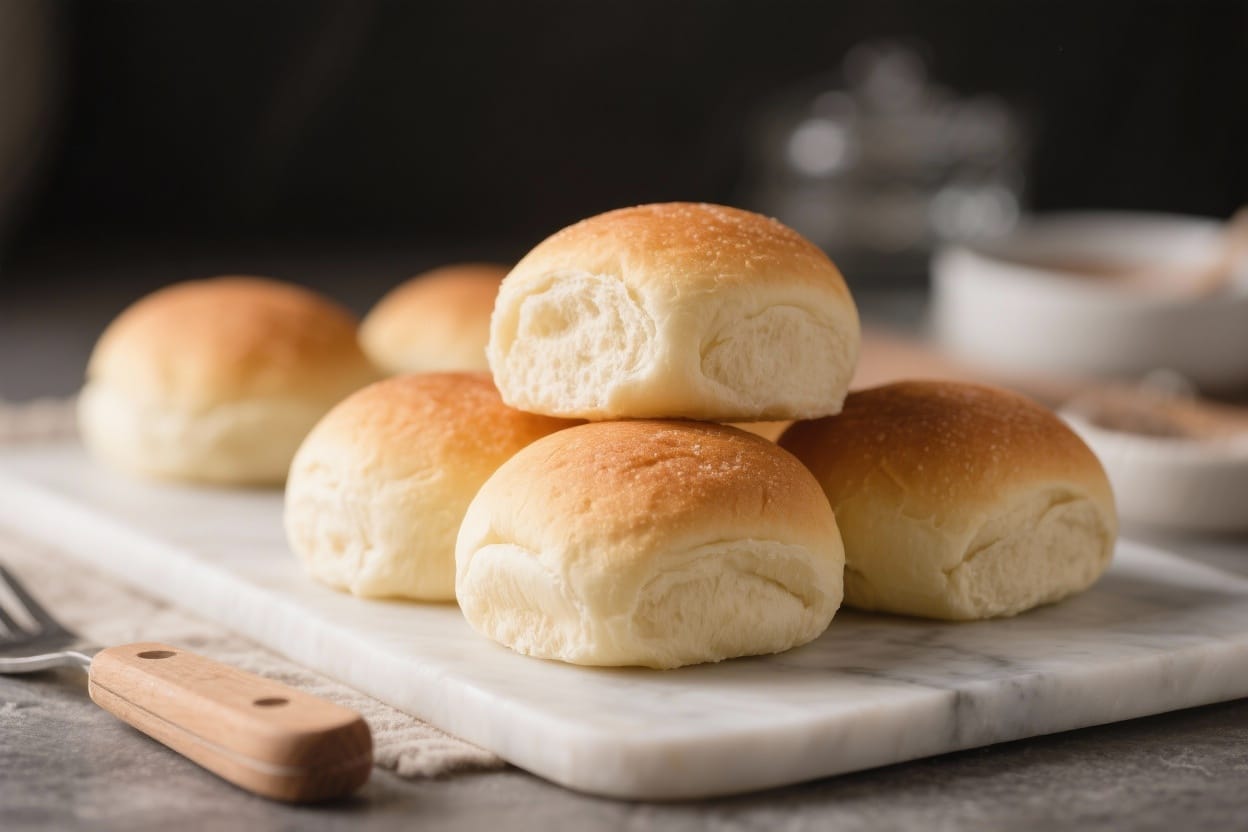
Lazy Bread Recipe – Simple, No-Knead Loaf You’ll Actually Make
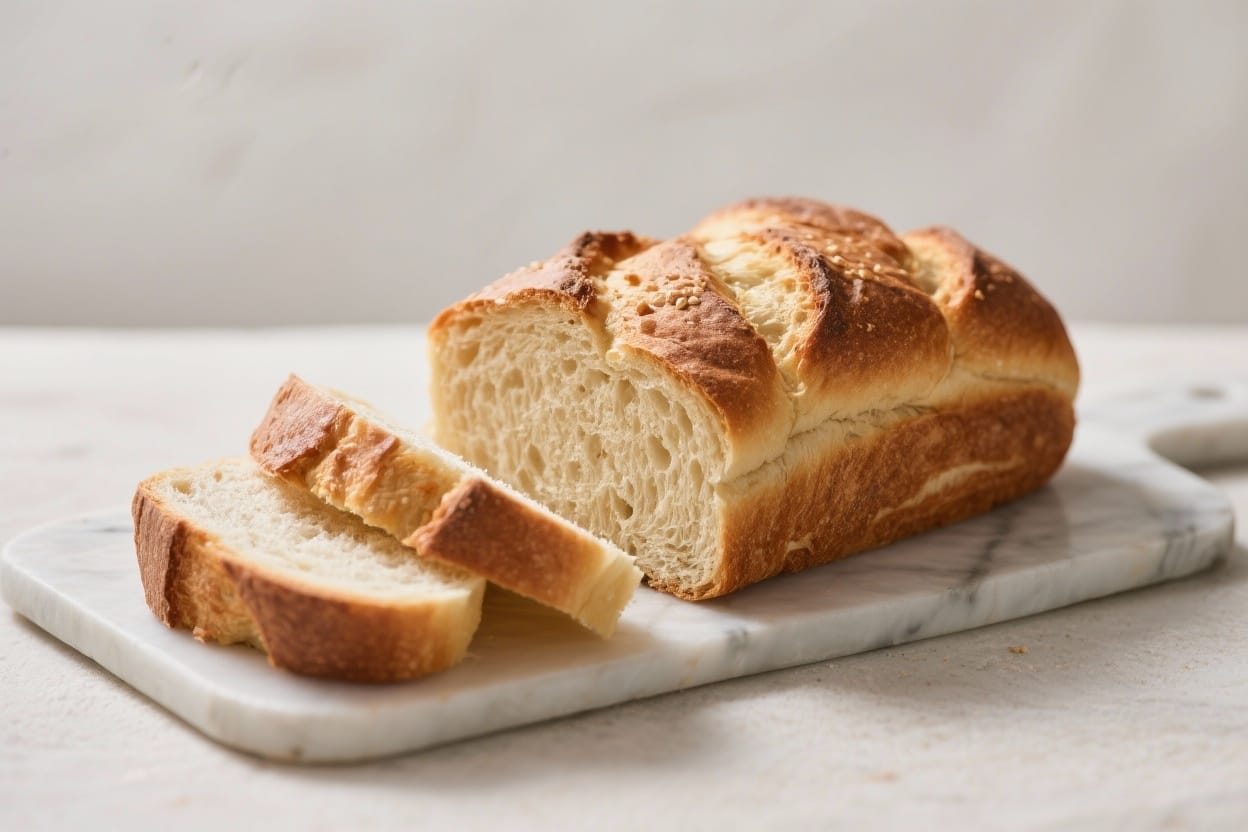
If you love fresh bread but hate the fuss, this lazy bread recipe is your new go-to. It’s the kind of loaf you throw together in a few minutes, let it rest, and bake into something that smells like a bakery moved into your kitchen. No kneading, no fancy equipment, and no stress. You’ll get a crisp crust, a soft, airy middle, and a flavor that tastes like you spent hours making it. Best of all, it’s flexible—use what you have and make it work for your schedule.
What Makes This Recipe So Good
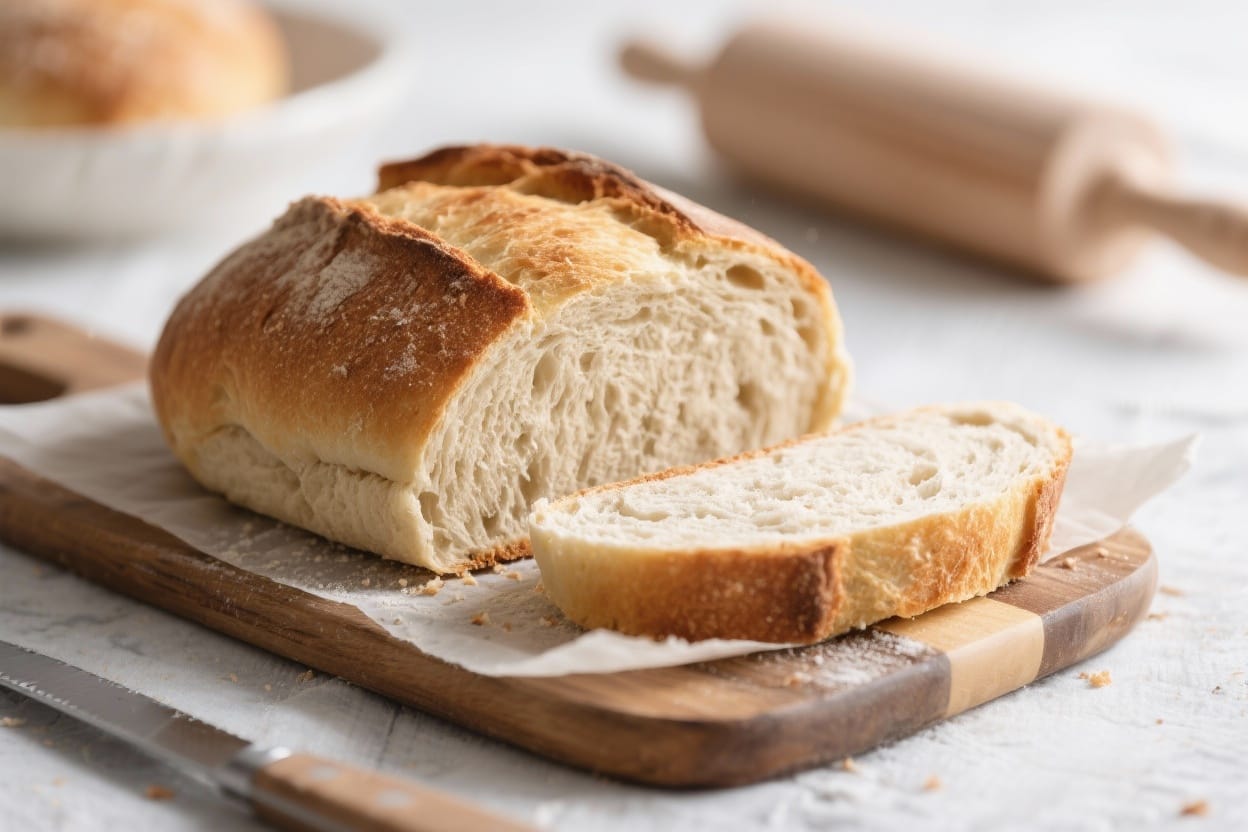
Lazy bread recipe – Lazy Bread Recipe – Simple, No-Knead Loaf You’ll Actually Make If you love fresh bread but hate the
- No kneading required: Just mix, let it rest, and bake. The long rest does the work for you.
- Minimal ingredients: Flour, water, yeast, and salt. That’s it.
- Big bakery-style flavor: The slow rise builds a deep, slightly tangy taste and a beautiful crust.
- Forgiving and flexible: Room temperature rise or overnight in the fridge—both work.
- Works without special tools: Dutch oven is ideal, but a heavy pot or a sheet pan also does the job.
Ingredients
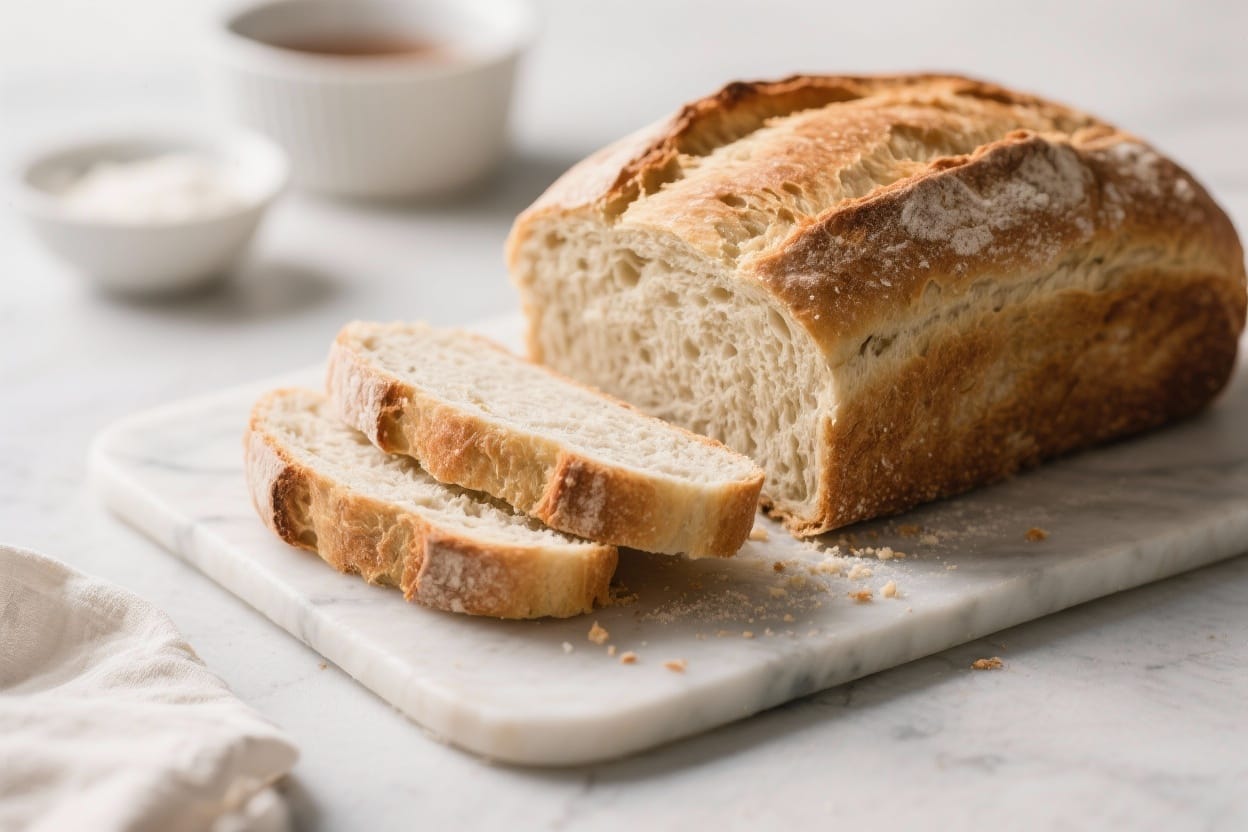
Lazy bread recipe – It’s the kind of loaf you throw together in a few minutes, let it rest, and bake into something that
- 3 cups (360 g) all-purpose flour or bread flour
- 1 1/2 cups (360 ml) warm water (about 100–110°F / 38–43°C)
- 1 teaspoon instant yeast (or active dry yeast)
- 1 1/4 teaspoons fine sea salt
- Optional: 1 tablespoon olive oil (for a slightly softer crust)
- Optional mix-ins: 1/2 cup seeds (sunflower, sesame), 1/2 cup shredded cheese, or 1 tablespoon herbs
Instructions
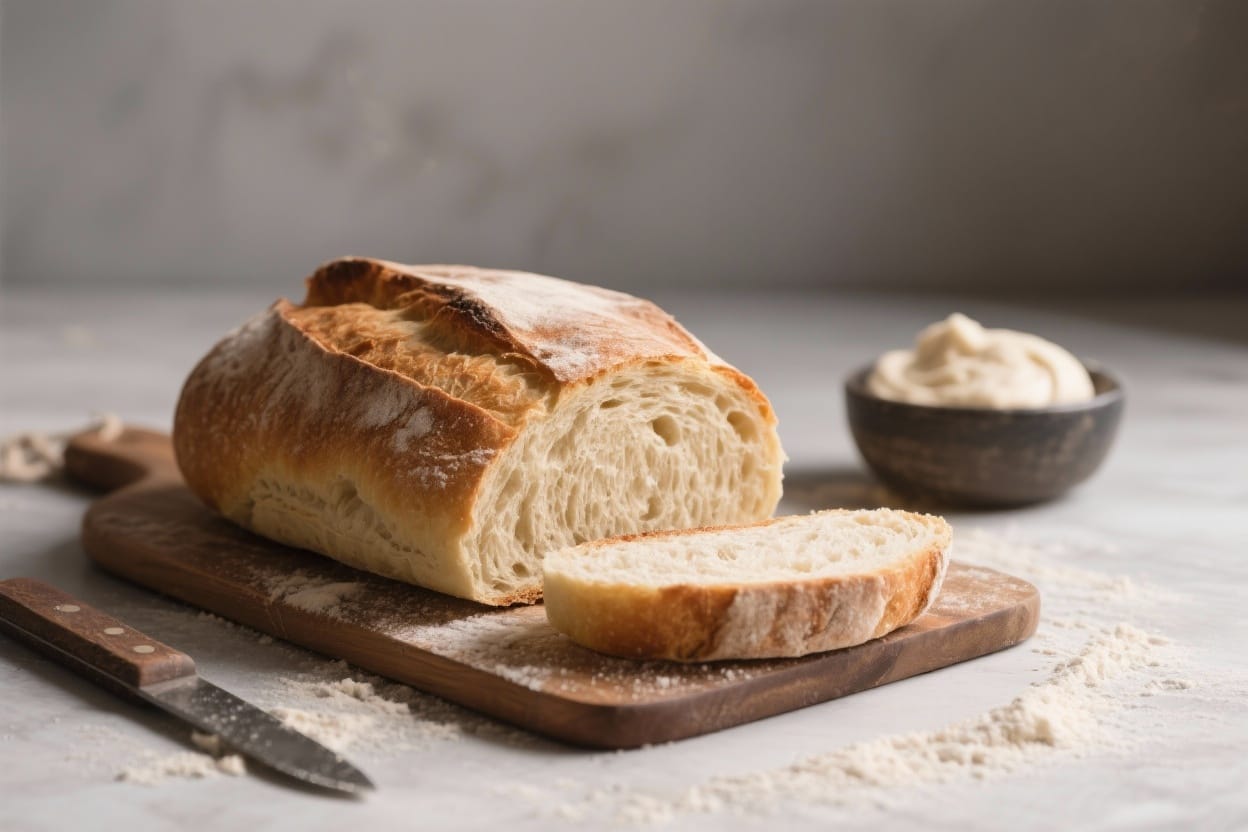
Lazy bread recipe – No kneading, no fancy equipment, and no stress
- Mix the dough: In a large bowl, whisk the flour, yeast, and salt. Add the warm water (and olive oil, if using). Stir with a spoon until no dry pockets remain. The dough will be sticky and shaggy—that’s perfect.
- First rise: Cover the bowl with plastic wrap or a clean towel. Let it rest at room temperature for 2–3 hours, or until doubled and bubbly. For more flavor and an easier schedule, refrigerate the covered dough overnight (8–18 hours).
- Preheat the oven: Place a Dutch oven with its lid inside your oven and preheat to 450°F (232°C) for at least 30 minutes. If you don’t have a Dutch oven, preheat a baking sheet and place a metal pan on the bottom rack for steam.
- Shape the dough: Lightly flour your hands and a piece of parchment. Scrape the dough onto the parchment. Fold the edges into the center a few times to tighten the surface, then flip it seam-side down. Don’t overwork it.
- Second rest: Let the dough sit on the counter for 20–30 minutes while the oven finishes preheating. It should puff slightly.
- Score (optional): Use a sharp knife or razor to make a shallow slash across the top. This helps control the rise and gives a classic look.
- Bake in a Dutch oven: Carefully remove the hot pot. Lift the dough on the parchment and set it inside. Cover with the lid and bake for 30 minutes. Remove the lid and bake another 10–15 minutes, until the crust is deep golden and the loaf sounds hollow when tapped.
- Alternative baking method: Place the dough (on parchment) onto the hot baking sheet. Pour 1 cup of hot water into the preheated pan on the bottom rack to create steam. Bake 35–45 minutes, rotating once, until golden brown.
- Cool completely: Transfer to a rack and cool for at least 45 minutes before slicing. This sets the crumb and keeps it from turning gummy.
Storage Instructions
- Room temperature: Keep the loaf cut-side down on a cutting board and tent loosely with a towel for up to 2 days. Avoid sealing it tightly; crust will soften.
- Longer storage: Wrap in foil or place in a paper bag, then a loose plastic bag, for 3–4 days. Re-crisp in a 350°F (177°C) oven for 8–10 minutes.
- Freezing: Slice the loaf, wrap well, and freeze up to 2 months. Toast straight from frozen or reheat in the oven.
Health Benefits
- Simple ingredients: No preservatives or additives, just four pantry staples.
- Fermentation perks: The long rise improves digestibility and may make the bread easier on your stomach.
- Customizable nutrition: Swap in part whole wheat flour, add seeds for healthy fats and fiber, or sprinkle oats on top.
- Portion control: Slicing your own bread helps you control serving sizes and reduce added spreads or toppings.
What Not to Do
- Don’t add extra flour to “fix” stickiness: The dough should be wet. Extra flour leads to dense bread.
- Don’t skip the preheat: A blazing-hot pot or pan is key for oven spring and a crisp crust.
- Don’t cut too soon: Slicing hot bread traps steam and turns the interior gummy.
- Don’t use cold water: It slows yeast activity and makes timing unpredictable.
- Don’t overproof: If the dough collapses or feels overly slack with large bubbles, it’s gone too far. Shorten the rise next time.
Alternatives
- Whole wheat version: Use 1–1 1/2 cups whole wheat flour plus 1 1/2–2 cups bread flour. Add 1–2 tablespoons extra water if needed.
- Gluten-free option: Use a quality 1:1 gluten-free baking flour and add 1 teaspoon psyllium husk powder for structure. Expect a denser crumb but great flavor.
- No Dutch oven: Bake on a preheated stone or sheet with steam from a hot water pan. A metal mixing bowl inverted over the dough for the first 20 minutes also traps steam.
- Flavor twists: Add roasted garlic, chopped olives, shredded cheddar and jalapeño, or everything bagel seasoning on top.
- Faster same-day loaf: Use 2 teaspoons yeast and warm the water slightly. Rise 60–90 minutes, shape, rest 20 minutes, then bake. Flavor will be milder.
FAQ
Can I use active dry yeast instead of instant yeast?
Yes. Use the same amount, but dissolve it in the warm water for 5–10 minutes until foamy before mixing with the dry ingredients.
Why is my crust too hard?
You may be overbaking, or your oven runs hot. Bake until golden brown, then let the loaf cool completely. If you prefer a softer crust, brush the top with a little water or melted butter after baking and cover with a towel as it cools.
My dough didn’t rise. What went wrong?
Your yeast might be old, the water too cold, or the room too chilly. Use fresh yeast, warm water around 100–110°F, and give it more time in a warmer spot. A turned-off oven with the light on works well.
How do I get bigger holes in the crumb?
Keep the dough wetter, avoid overworking it, and bake in a preheated Dutch oven. A long, cool rise in the fridge also helps with open structure and better flavor.
Can I make this recipe with sourdough starter?
Yes. Replace the yeast with 1/2 cup active starter, reduce water by about 1/4 cup, and extend the rise until doubled. Timing will depend on your starter’s strength and room temperature.
What if I don’t have parchment paper?
Dust the pot well with flour or cornmeal and carefully place the dough directly in. It may stick slightly but will still bake fine. Oil is less effective at high heat.
Final Thoughts
This lazy bread recipe proves great bread doesn’t need to be complicated. With a bowl, a spoon, and a hot oven, you’ll get a crusty, flavorful loaf that fits into real life. Keep the dough wet, give it time, and let the heat do the rest. Once you make it a couple of times, it becomes second nature—and your kitchen will smell like fresh bread any day you want.
Printable Recipe Card
Want just the essential recipe details without scrolling through the article? Get our printable recipe card with just the ingredients and instructions.