Honey Oat Bread Loaf – Soft, Hearty, and Comforting
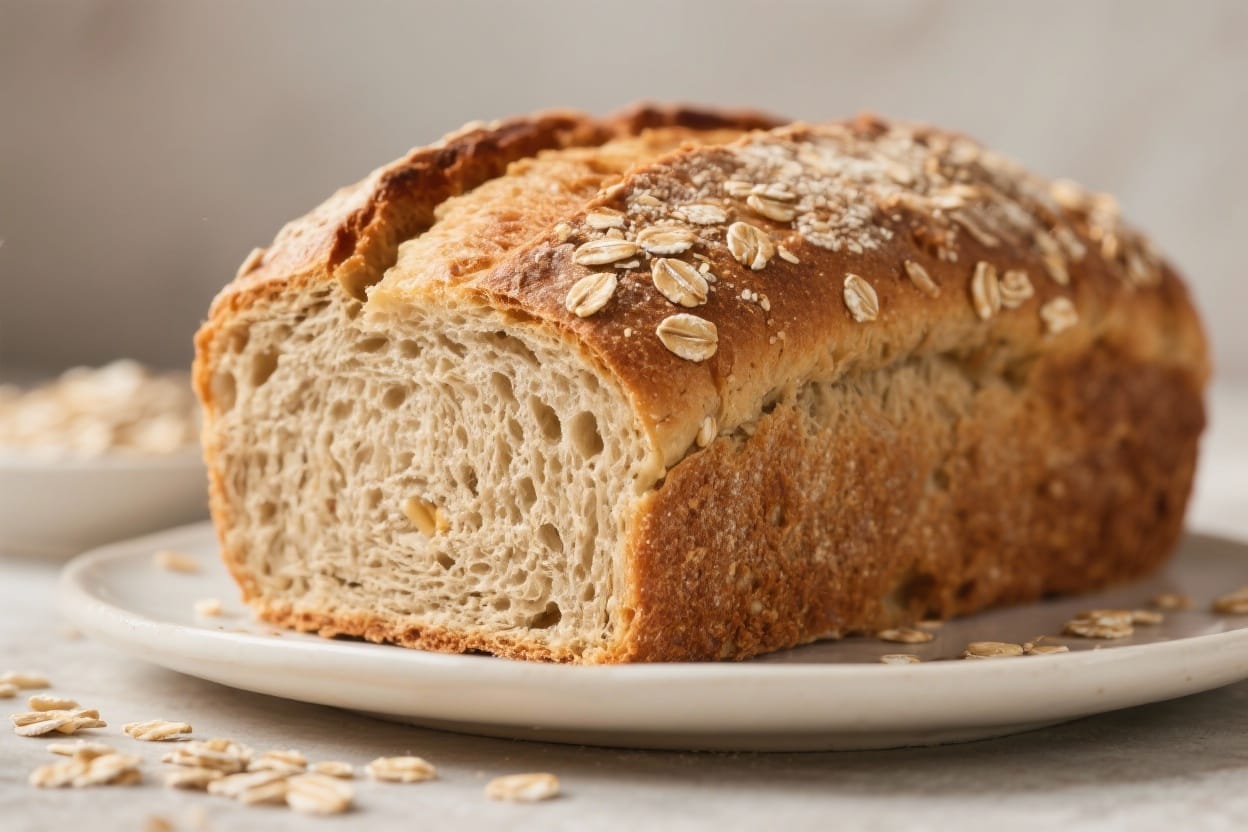
Warm, slightly sweet, and endlessly comforting, honey oat bread is the kind of loaf that makes a kitchen feel like home. It’s soft inside with a tender crumb, and the oats give it a hearty bite that’s perfect for toast or sandwiches. You don’t need fancy equipment—just a bowl, a spoon, and a little patience. If you’re new to bread-making, this recipe is approachable and forgiving. And if you’re experienced, you’ll love how reliably it turns out and how great it makes the house smell.
What Makes This Recipe So Good
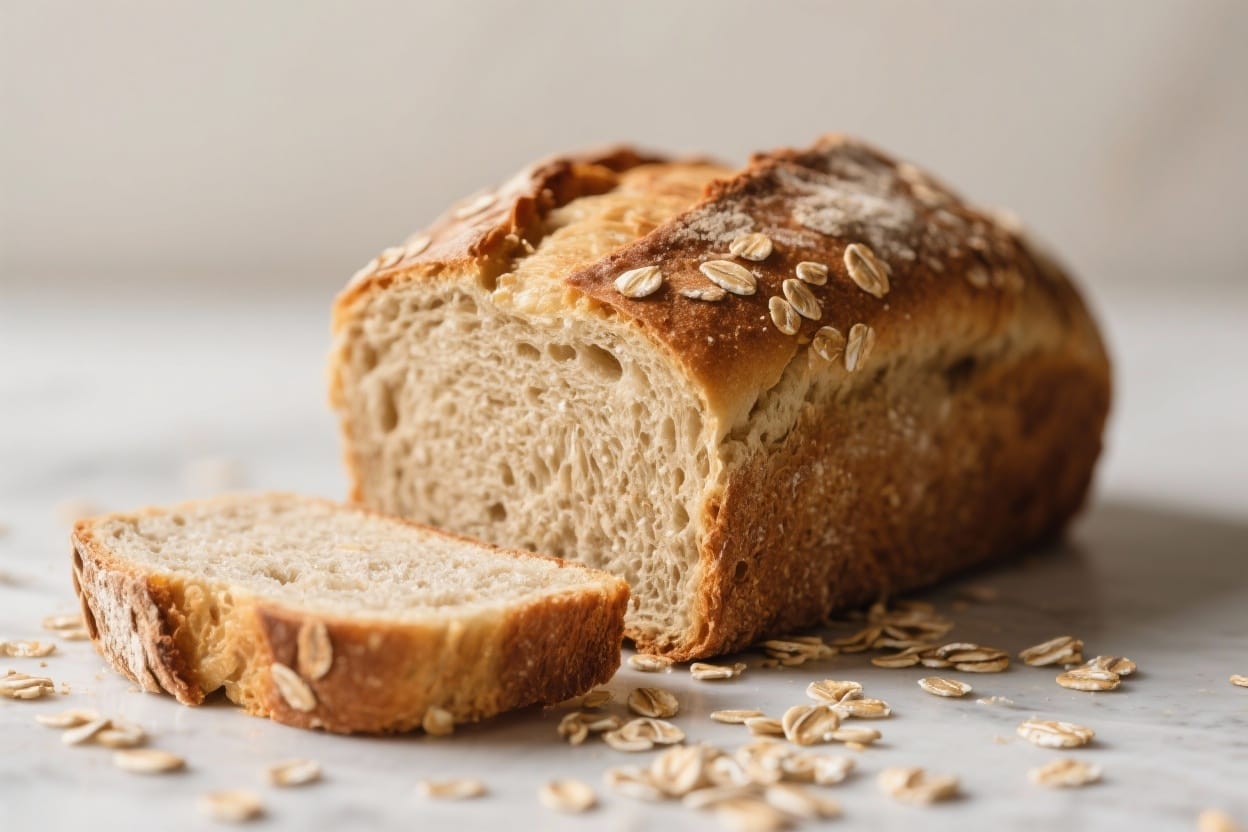
Honey oat bread loaf – Honey Oat Bread Loaf – Soft, Hearty, and Comforting Warm, slightly sweet, and endlessly comforting,
- Balanced flavor: Honey brings gentle sweetness without making it taste like dessert, and oats add a cozy, nutty note.
- Great texture: The loaf is soft and springy, with just enough chew to hold up to butter, jam, or savory fillings.
- Easy to handle: The dough is smooth and flexible, which makes kneading and shaping less intimidating.
- Everyday ingredients: Flour, oats, honey, yeast, and milk—simple staples you probably already have.
- Freezer-friendly: It freezes beautifully, so you can bake once and enjoy fresh slices later.
Ingredients
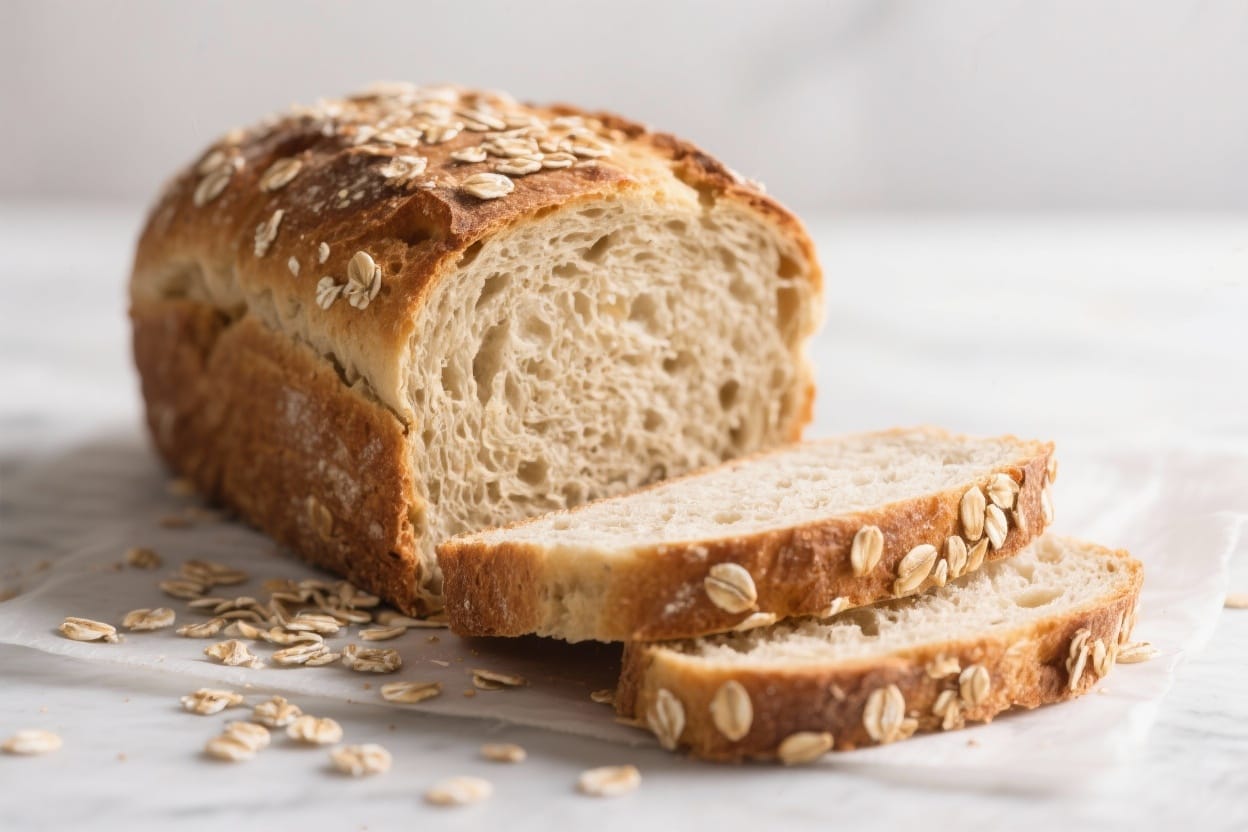
Honey oat bread loaf – It’s soft inside with a tender crumb, and the oats give it a hearty bite that’s perfect for toast or
- 2 1/4 teaspoons active dry yeast (one 0.25-ounce packet)
- 1 cup warm milk (about 105–110°F / 40–43°C)
- 2 tablespoons unsalted butter, melted (plus more for brushing)
- 1/4 cup honey (plus 1 teaspoon for glaze)
- 2 3/4 to 3 cups bread flour (or all-purpose, as needed)
- 1 cup old-fashioned rolled oats (plus 2 tablespoons for topping)
- 1 teaspoon fine sea salt
- 1 large egg (for egg wash, optional)
- 1 tablespoon warm water (for egg wash, optional)
Instructions
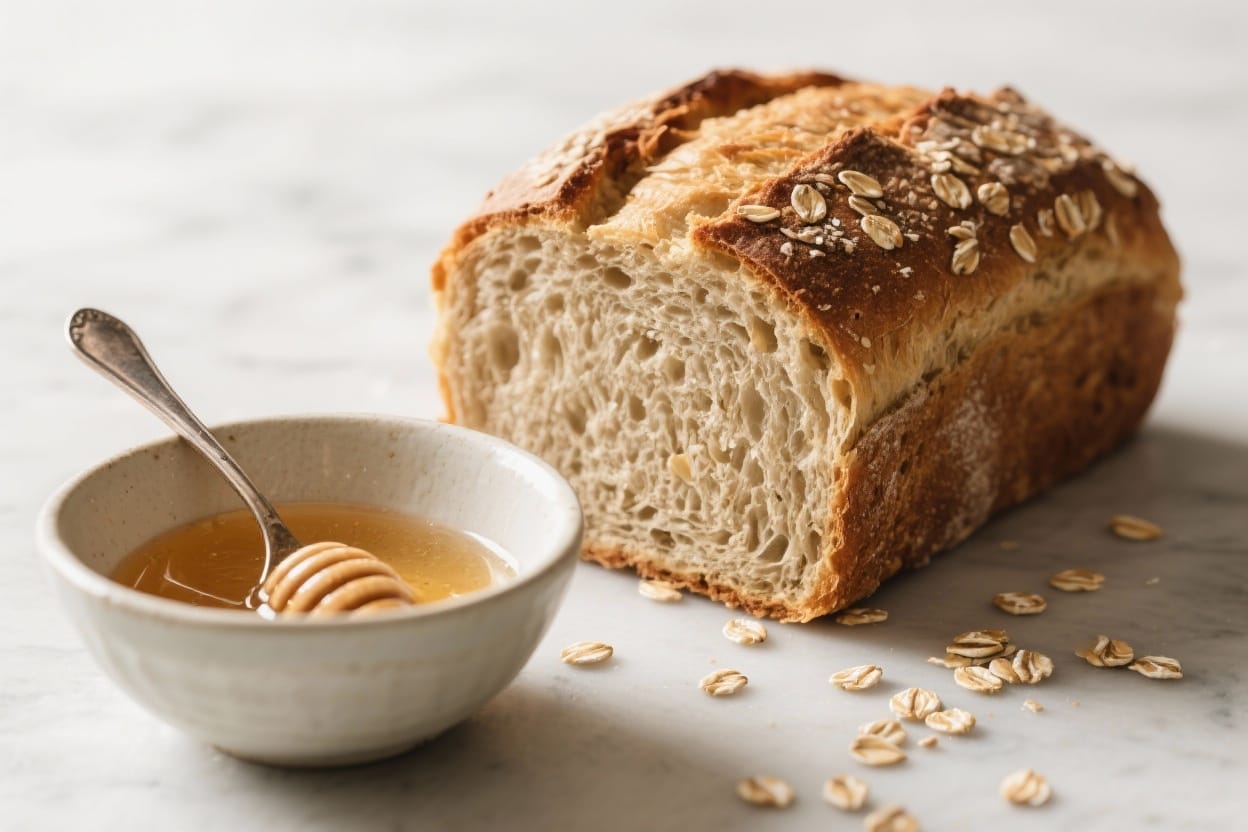
Honey oat bread loaf – You don’t need fancy equipment—just a bowl, a spoon, and a little patience
- Proof the yeast: In a large bowl, combine warm milk and honey. Sprinkle the yeast over the top. Let sit for 5–10 minutes until foamy. If it doesn’t foam, the yeast may be inactive or the milk too hot or cold.
- Mix the dough: Stir in the melted butter, salt, and 1/2 cup of the oats. Add 2 3/4 cups flour and mix with a wooden spoon until a shaggy dough forms. If the dough is very sticky, add more flour a tablespoon at a time.
- Knead: Turn the dough onto a lightly floured surface. Knead for 8–10 minutes until smooth and elastic. The dough should be slightly tacky but not sticky. Add small amounts of flour only if it clings to your hands.
- First rise: Place the dough in a lightly oiled bowl, turning once to coat. Cover with a clean towel or plastic wrap. Let rise in a warm, draft-free spot for 60–90 minutes, until doubled in size.
- Shape the loaf: Gently punch down the dough to release air. Pat into a rectangle about 8×12 inches. Roll it up tightly from the short end into a log, tucking the sides under for a neat shape.
- Prepare the pan: Grease a 9×5-inch loaf pan. Place the dough seam-side down into the pan.
- Second rise: Cover the pan and let the dough rise again for 30–45 minutes, until it crowns about 1 inch above the rim. Preheat the oven to 350°F (175°C) while it rises.
- Top the loaf: For a shiny finish, whisk the egg with 1 tablespoon water to make an egg wash. Brush the top lightly. Mix 1 teaspoon honey with 1 teaspoon hot water and brush a thin layer over the egg wash. Sprinkle the remaining 2 tablespoons oats on top so they stick. (Skip the egg wash for a matte finish; the honey-water still helps oats adhere.)
- Bake: Bake for 30–35 minutes until golden brown. The loaf should sound hollow when tapped on the bottom, and an instant-read thermometer should read about 190°F (88°C) in the center.
- Cool: Let the loaf cool in the pan for 10 minutes. Turn it out onto a wire rack and cool completely before slicing. This helps set the crumb and prevents squashing.
How to Store
- Room temperature: Store in a bread bag or wrapped in a clean towel at room temperature for up to 3 days. Avoid the fridge; it dries bread out faster.
- Freezer: Slice the loaf, wrap tightly in plastic, then place in a freezer bag. Freeze for up to 2 months. Toast slices straight from frozen.
- Refresh: If the crust softens in storage, warm the loaf in a 300°F (150°C) oven for 8–10 minutes to revive it.
Why This is Good for You
- Oats add fiber: Rolled oats bring soluble fiber, which supports digestion and can help with steady energy.
- Lower sugar sweetness: Honey sweetens without a heavy sugar load, and it adds moisture and flavor.
- Homemade advantage: You control the ingredients. No preservatives, no mystery additives, just simple pantry staples.
- Balanced carbs: Paired with protein or healthy fats (like nut butter), this bread makes a satisfying breakfast or snack.
Pitfalls to Watch Out For
- Milk too hot or cold: If it’s too hot, it kills the yeast. Too cool, and the dough rises slowly. Aim for warm bath temperature.
- Over-flouring: A sticky dough can be tempting to smother in flour. Add just enough to keep it workable or the loaf will turn dense.
- Under-kneading: Proper gluten development makes the loaf tall and airy. Knead until the dough feels smooth and elastic.
- Cutting too soon: Slicing hot bread compresses the crumb. Let it cool to room temperature for clean slices and best texture.
- Skipping the second rise: It’s key for a good loaf shape and tender crumb. Don’t rush it.
Recipe Variations
- Whole wheat touch: Swap 1 cup bread flour for whole wheat flour. Add 1–2 teaspoons extra milk if the dough feels dry.
- Seeded oat loaf: Mix in 2 tablespoons each of sunflower seeds and flaxseeds for extra texture and nutrition.
- Cinnamon swirl: Before rolling the dough, sprinkle with 2 tablespoons brown sugar and 1 teaspoon cinnamon. Roll up and bake as directed.
- Milk-free: Use warm water or unsweetened oat milk, and replace butter with neutral oil. The texture stays soft with a slightly different flavor.
- Overnight rise: After kneading, refrigerate the dough overnight. Bring to room temp, shape, and continue with the second rise the next day.
FAQ
Can I use quick oats instead of rolled oats?
Yes. Quick oats work fine and blend more smoothly into the dough. The texture will be slightly softer, but the flavor remains great.
What if I only have instant yeast?
Use the same amount and skip the proofing step. Mix instant yeast directly with the flour and oats, then add warm milk, honey, and butter. Keep the rises the same.
How do I know when the dough is kneaded enough?
It should feel smooth, stretchy, and slightly tacky. When you gently pull a small piece, it should stretch thin without tearing right away. That’s a good sign of gluten development.
Can I make this without an egg wash?
Absolutely. Brush the top with the honey-water mixture or a little milk to help the oats stick. The crust will be a bit less shiny but still lovely.
Why did my loaf sink or collapse?
It likely over-proofed. If the dough rises too high and then goes into the oven, it can deflate. Next time, bake when it’s about 1 inch above the pan and still springy to the touch.
How sweet is this bread?
It’s gently sweet, not dessert-level. If you like more sweetness, add an extra tablespoon of honey. For less, drop to 2 tablespoons.
Can I knead with a stand mixer?
Yes. Use the dough hook on low to medium-low for about 6–8 minutes. Stop when the dough is smooth and elastic and clears the sides of the bowl.
Wrapping Up
This honey oat bread loaf is simple, reliable, and deeply satisfying. It hits that sweet spot between soft and hearty, with a warm flavor that works for breakfast, lunch, and everything in between. Once you bake it a couple of times, it’ll feel second nature. Slice it thick, add butter or jam, and enjoy the kind of comfort only fresh bread can deliver.
Printable Recipe Card
Want just the essential recipe details without scrolling through the article? Get our printable recipe card with just the ingredients and instructions.