Homemade Pizza From Scratch – Simple, Fresh, and Flavorful
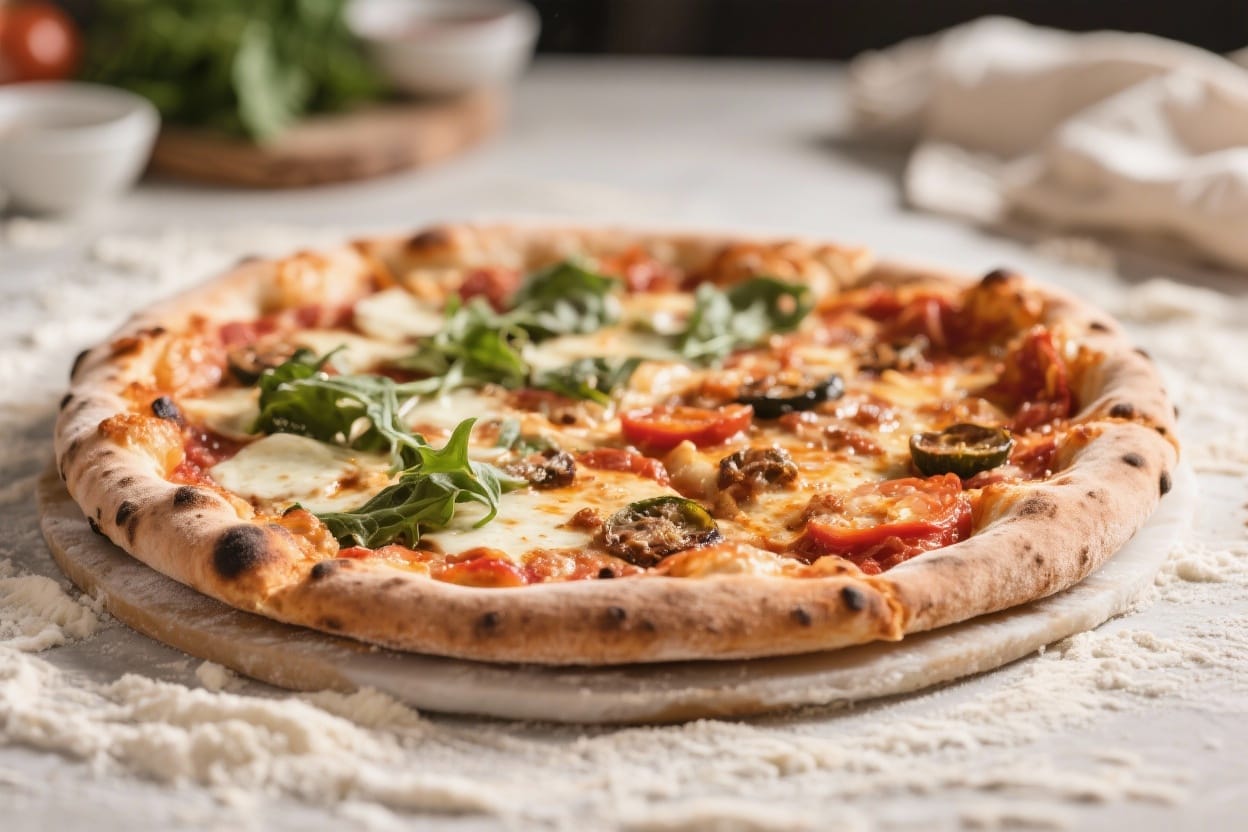
Nothing beats a hot, bubbly pizza you made with your own hands. The crust is crisp on the outside, soft inside, and full of flavor. The sauce tastes bright and fresh, and the toppings are exactly what you want. If you’ve never made pizza at home, this guide will walk you through it step by step. You’ll find it’s easier than you think—and a lot more satisfying than delivery.
What Makes This Special
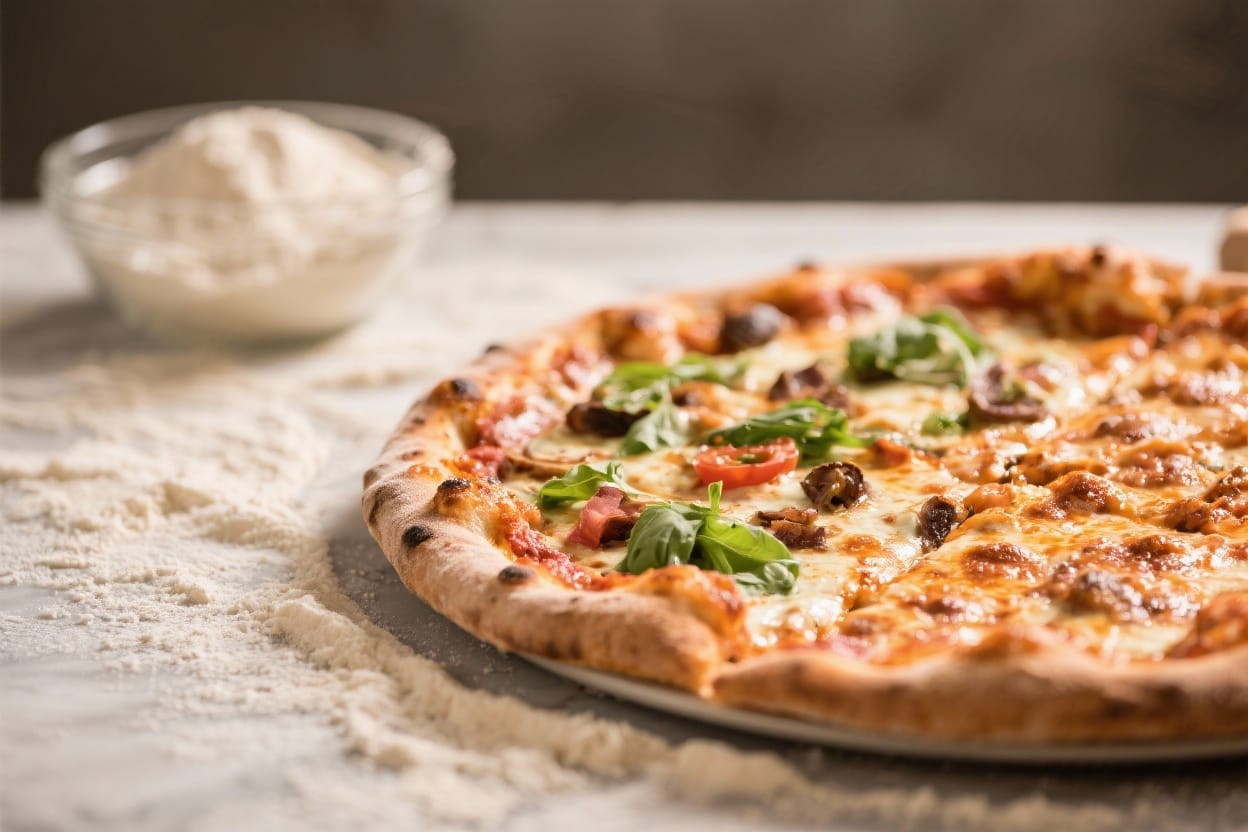
Homemade pizza from scratch – Homemade Pizza From Scratch – Simple, Fresh, and Flavorful Nothing beats a hot, bubbly pizza you mad
This recipe focuses on a simple, reliable dough that’s easy to handle and bakes up beautifully. You’ll also make a quick, fresh tomato sauce that brings bright flavor without overpowering the cheese or crust. The method scales well, so you can make one large pie or several smaller ones for a family pizza night. With a few smart tips, you get pizzeria-style results in a standard home oven. The goal is great taste with minimal fuss.
Ingredients
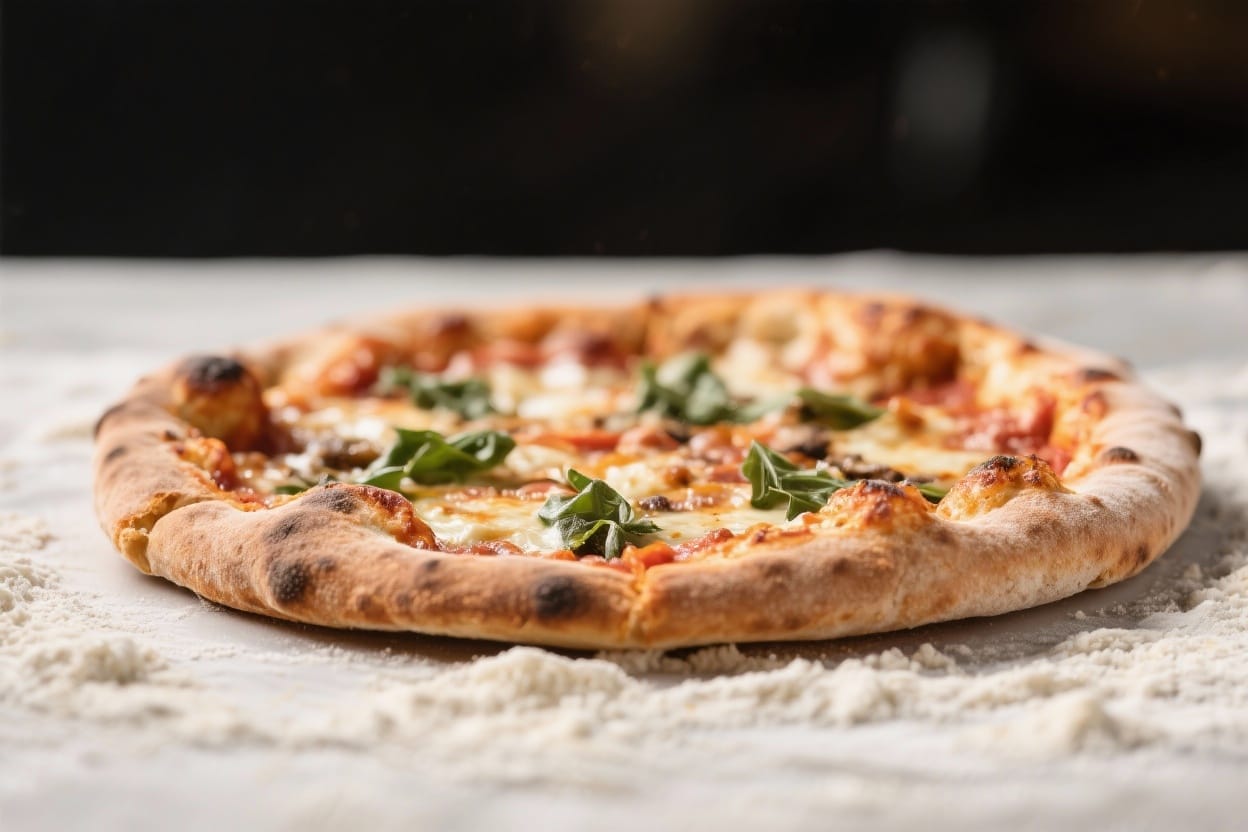
Homemade pizza from scratch – The crust is crisp on the outside, soft inside, and full of flavor
- For the dough (makes 2 medium pizzas):
- 3 cups (360 g) bread flour or all-purpose flour, plus more for dusting
- 1 cup (240 ml) warm water (about 105–110°F / 40–43°C)
- 2¼ tsp (7 g) instant or active dry yeast
- 1 tsp sugar or honey
- 2 tbsp olive oil, plus more for the bowl
- 1½ tsp fine sea salt
- For the quick tomato sauce:
- 1 can (14–15 oz / 400 g) crushed tomatoes or tomato passata
- 1 small garlic clove, finely grated or minced
- 1 tbsp olive oil
- ½ tsp dried oregano
- ½ tsp sugar (optional, to balance acidity)
- Salt and black pepper to taste
- For topping:
- 8–10 oz (225–285 g) low-moisture mozzarella, shredded, or fresh mozzarella, sliced and patted dry
- Fresh basil leaves (optional)
- Grated Parmesan (optional)
- Your favorite extras: pepperoni, sautéed mushrooms, thinly sliced onions, bell peppers, olives, or cooked sausage
Instructions
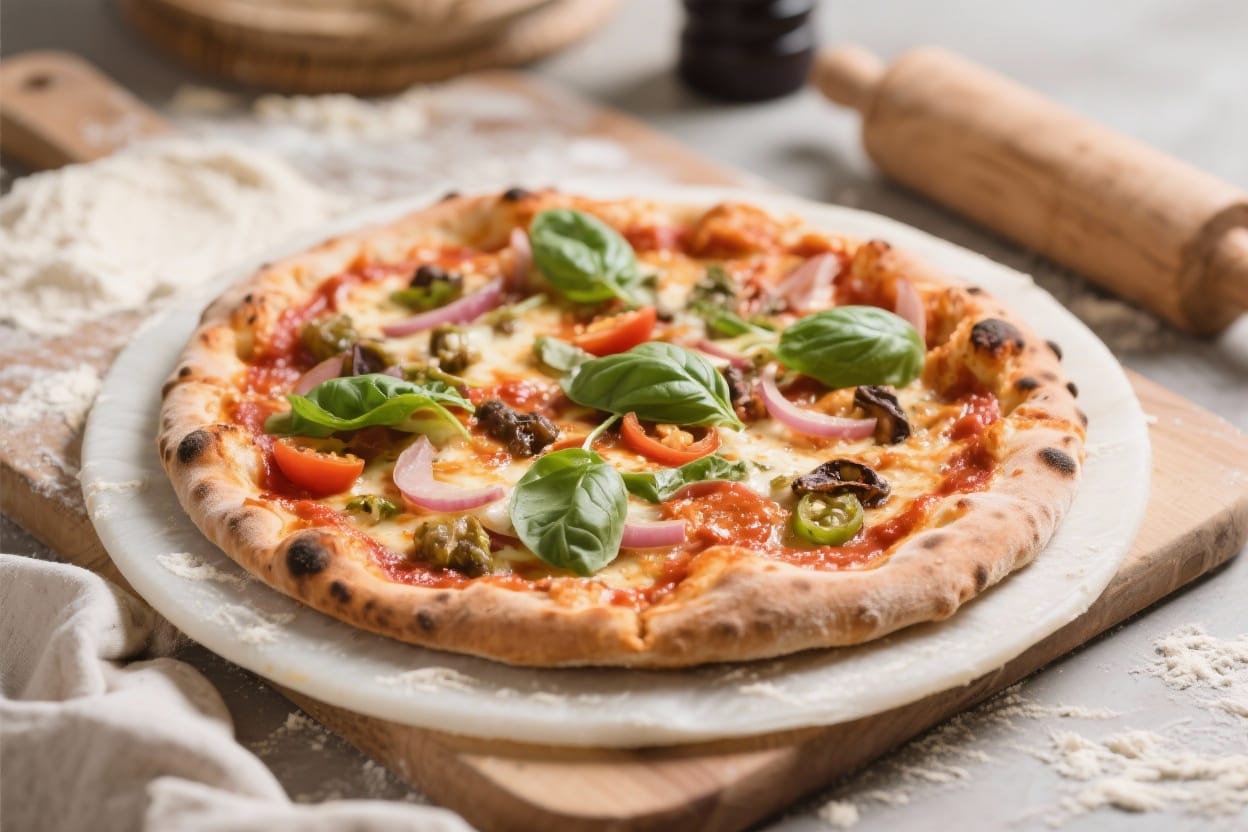
Homemade pizza from scratch – The sauce tastes bright and fresh, and the toppings are exactly what you want
- Activate the yeast (if using active dry): In a bowl, combine warm water and sugar, then sprinkle in the yeast. Let it sit for 5–8 minutes until foamy. If using instant yeast, skip this step and mix it directly with the flour.
- Make the dough: In a large bowl, combine flour and salt. Add the yeast mixture (or water if using instant yeast), plus olive oil. Mix with a spoon until a shaggy dough forms.
- Knead: Turn the dough onto a lightly floured surface and knead for 7–10 minutes until smooth and slightly springy. If the dough sticks a lot, dust lightly with flour, but keep it soft.
- First rise: Place the dough in a lightly oiled bowl, turning to coat. Cover with a damp towel or plastic wrap. Let it rise in a warm spot until doubled, about 60–90 minutes.
- Make the sauce: Stir together crushed tomatoes, garlic, olive oil, oregano, and a pinch of sugar. Season with salt and pepper. No need to cook it; the oven will do the work.
- Preheat the oven: Place a pizza stone or inverted baking sheet on the center rack. Preheat to 500–550°F (260–290°C) for at least 30 minutes so the surface is blazing hot.
- Divide and shape: Punch down the risen dough and divide into 2 balls. Let them rest for 10 minutes to relax the gluten. Working one at a time, press into a round and stretch gently from the center outward. Aim for a thin center and slightly thicker rim.
- Prevent sticking: If using a peel, dust it with semolina or cornmeal. If using a baking sheet, line it with parchment. Transfer the stretched dough onto your surface.
- Top lightly: Spread a thin layer of sauce—less than you think you need. Add mozzarella in an even layer. Finish with any additional toppings. Avoid piling too much or the crust won’t crisp.
- Bake: Slide the pizza onto the hot stone or baking sheet. Bake for 8–12 minutes until the crust is golden and the cheese is bubbling with some browned spots.
- Finish and serve: Let the pizza rest 2 minutes. Add fresh basil and a sprinkle of Parmesan if you like. Slice and enjoy while hot.
Keeping It Fresh
Store leftover slices in an airtight container in the fridge for up to 3 days. For best results, reheat on a hot skillet or in a 425°F (220°C) oven until the crust crisps again. Avoid the microwave—it makes the crust chewy. You can also freeze par-baked crusts: bake shaped dough for 4–5 minutes, cool, wrap, and freeze for quick weeknight pizzas.
Health Benefits
- Control over ingredients: You decide the oil, salt, and cheese amounts, which can reduce sodium and saturated fat compared to takeout.
- Whole-grain options: Swap up to half the flour for whole wheat for more fiber and micronutrients without losing texture.
- Veggie power: Add peppers, mushrooms, onions, spinach, or tomatoes for vitamins, minerals, and antioxidants.
- Protein balance: Pair with lean proteins like grilled chicken or a modest amount of turkey sausage to keep it satisfying.
- Smarter fats: Olive oil provides heart-friendly monounsaturated fats when used in moderation.
Common Mistakes to Avoid
- Overloading toppings: Too much sauce or cheese leads to soggy centers. Less is more for a crisp crust.
- Cold dough: Stretching chilled dough is tough and it springs back. Let it rest at room temp for 30 minutes before shaping.
- Underheating the oven: A hot surface is key. Preheat the stone or baking sheet for at least 30 minutes.
- Wet mozzarella: Fresh mozzarella can be watery. Pat it dry or use low-moisture mozzarella for better browning.
- Skipping rest time: After dividing the dough, a short rest helps it stretch easily and prevents tears.
Alternatives
- Neapolitan-style twist: Use 00 flour, reduce yeast, extend the rise to 18–24 hours in the fridge, and bake on the highest heat your oven allows.
- Sheet-pan pizza: Oil a rimmed baking sheet, press the dough to fit, top, and bake at 475°F (245°C) for 15–20 minutes for a thicker, focaccia-like crust.
- Gluten-free: Use a gluten-free pizza flour blend and follow the package hydration guidelines. Par-bake the crust before adding toppings.
- White pizza: Skip the red sauce. Brush the dough with olive oil, add garlic, ricotta dollops, mozzarella, and finish with spinach or arugula.
- Grilled pizza: Grill one side of the stretched dough over medium-high heat for 2–3 minutes, flip, add toppings to the grilled side, cover, and cook until cheese melts.
FAQ
Can I make the dough ahead of time?
Yes. After kneading, let it rise for 30 minutes, then refrigerate in a sealed container for up to 48 hours. It develops deeper flavor and is easier to stretch when slightly chilled. Let it sit at room temperature for 30–45 minutes before shaping.
What if I don’t have a pizza stone?
Use an inverted baking sheet preheated in the oven. It mimics the effect of a stone by offering a hot, flat surface. A cast-iron skillet preheated in the oven also works well for personal-sized pizzas.
How do I keep the crust from getting soggy?
Use less sauce, dry high-moisture toppings, and bake on a thoroughly preheated stone or sheet. Also, avoid letting topped, raw dough sit too long before baking, which allows moisture to soak in.
Which cheese melts best?
Low-moisture mozzarella gives the most consistent melt and browning. For extra flavor, mix in a little provolone or fontina. If using fresh mozzarella, slice it thin and blot with paper towels.
Can I use sourdough starter?
Absolutely. Replace some of the water and flour with active starter and reduce the yeast. Expect a longer rise and a tangier, chewier crust with great character.
How do I get those leopard spots on the crust?
Use high heat, a well-preheated stone or steel, and a slightly wetter dough. A short, intense bake encourages blistering. If your oven has a broiler, finish under it for 30–60 seconds for extra char.
What’s the best way to stretch the dough?
Press from the center outward using your fingertips, leaving a thicker rim. Lift the edge and let gravity help as you rotate. Avoid rolling pins, which push out gas and can make the crust dense.
Can I make it vegan?
Yes. The dough and sauce are naturally vegan. Use dairy-free mozzarella-style shreds or cashew-based cheese, and load up on veggies like peppers, mushrooms, and spinach.
Final Thoughts
Homemade pizza from scratch is all about balance: a simple dough, a light hand with sauce and toppings, and plenty of heat. Once you’ve made it a couple of times, it becomes a relaxed routine you can adapt to any taste. Keep it simple, stay patient with the dough, and let the oven do its job. You’ll end up with a crisp, flavorful pie that tastes like home—and beats delivery any night of the week.
Printable Recipe Card
Want just the essential recipe details without scrolling through the article? Get our printable recipe card with just the ingredients and instructions.