Homemade Margherita Pizza Recipe – Simple, Fresh, and Classic
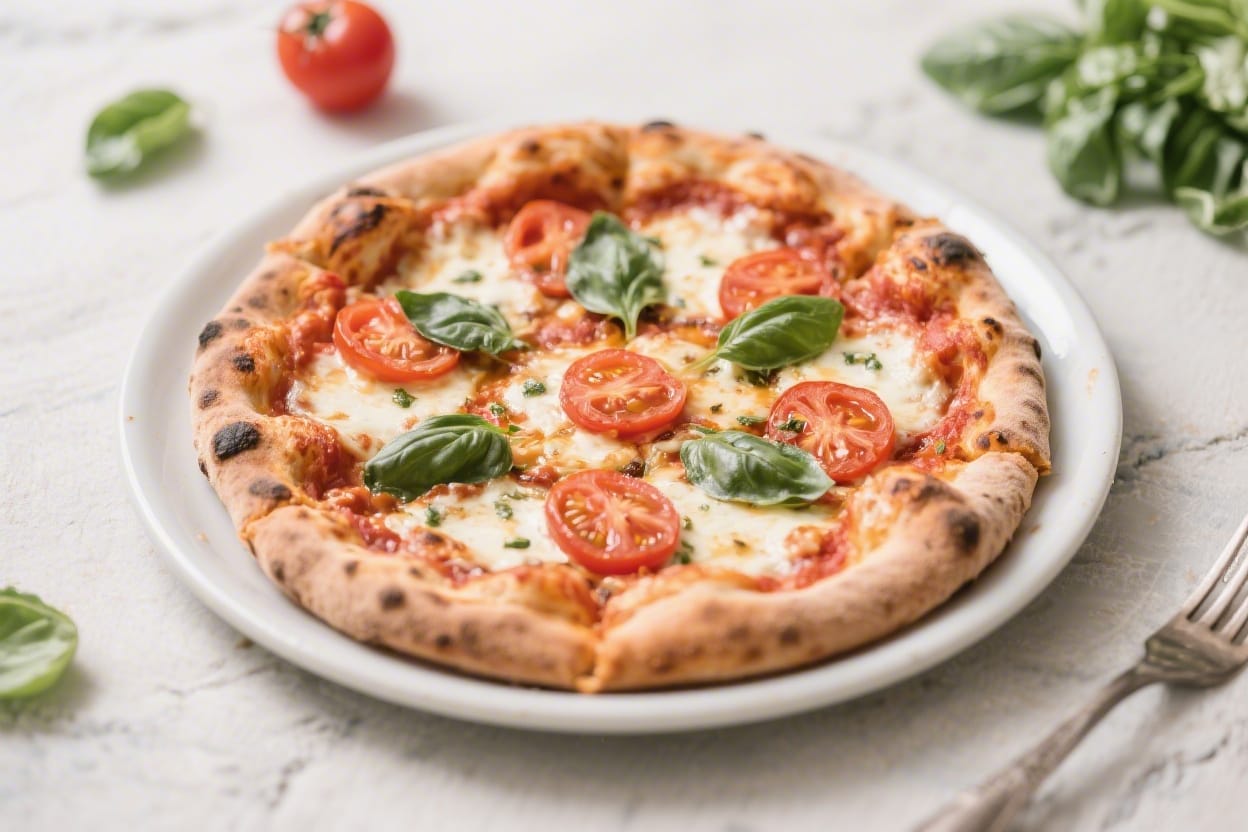
There’s nothing like a homemade margherita pizza: crisp crust, bright tomato sauce, creamy mozzarella, and fragrant basil. It’s simple, but when you get the basics right, the flavors shine. You don’t need a special oven or fancy equipment—just good ingredients and a few smart techniques. This recipe is weeknight-friendly but special enough for a cozy weekend meal. If you love clean, fresh flavors and a little kitchen therapy, this one’s for you.
Why This Recipe Works
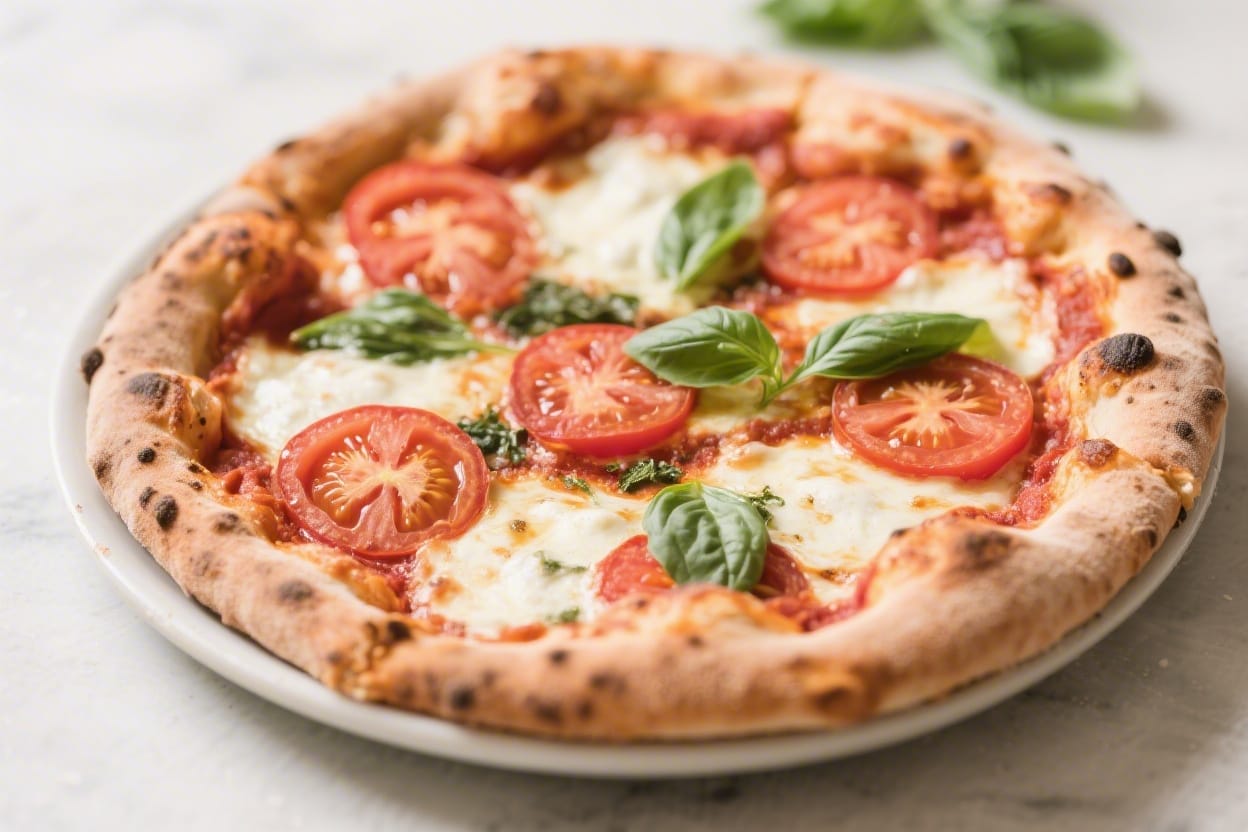
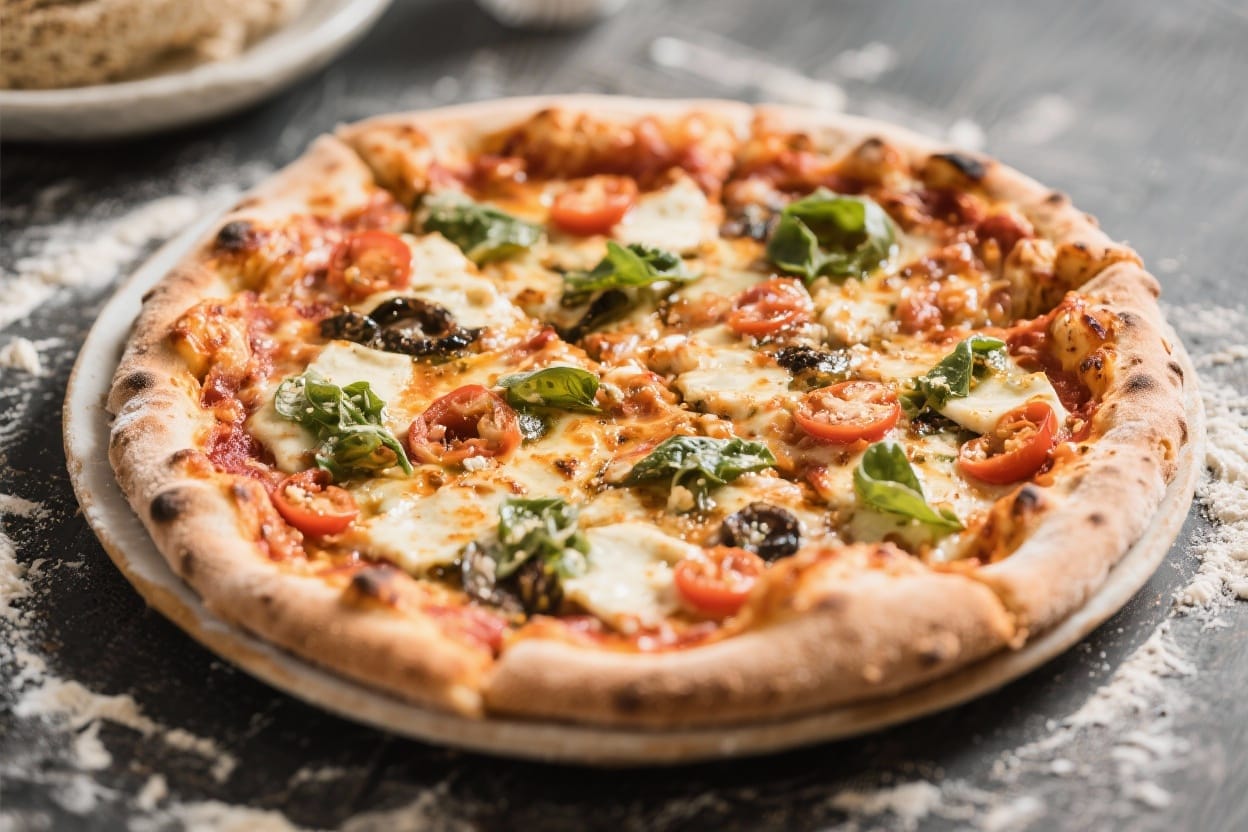
Homemade margherita pizza recipe – Homemade Margherita Pizza Recipe – Simple, Fresh, and Classic There’s nothing like a homemade marghe
This recipe focuses on balance: a light, chewy crust that crisps at the edges, a fresh but rich tomato sauce, and just enough cheese to melt beautifully without weighing things down. Using high heat gives you a bakery-style finish at home. Patting the mozzarella dry helps prevent a soggy center. And a short list of well-chosen ingredients keeps the flavors clean and classic.
Ingredients
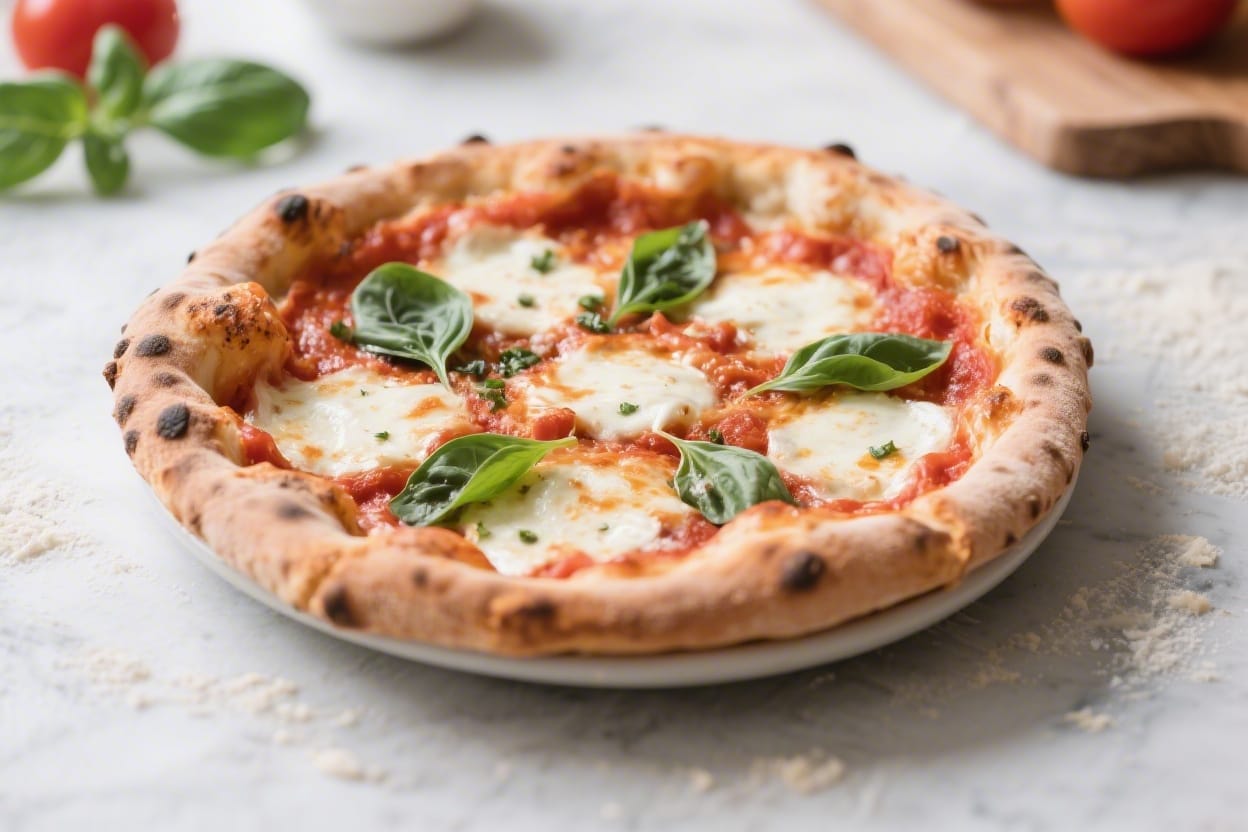
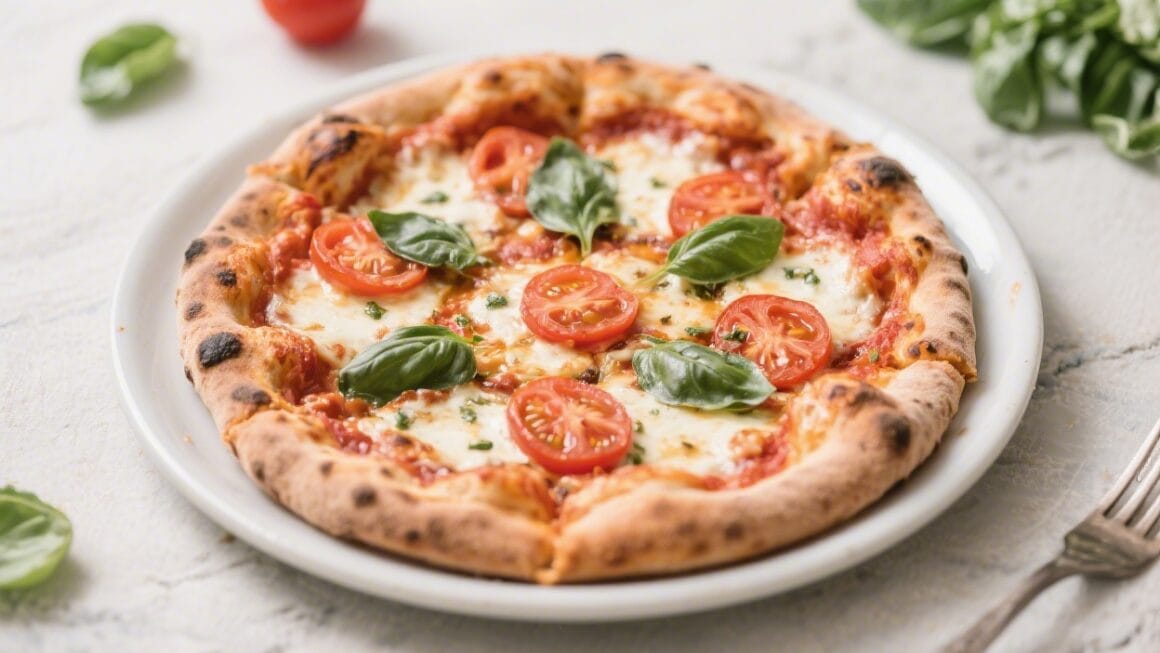
Homemade margherita pizza recipe – It’s simple, but when you get the basics right, the flavors shine
- For the dough (makes 2 medium pizzas):
- 2 1/4 teaspoons active dry yeast (1 packet)
- 1 1/2 cups warm water (about 105–110°F / 40–43°C)
- 1 teaspoon sugar or honey
- 3 1/2 to 4 cups bread flour (or all-purpose in a pinch), plus extra for dusting
- 2 teaspoons fine sea salt
- 2 tablespoons extra-virgin olive oil, plus more for the bowl
- For the sauce:
- 1 can (14–15 ounces) whole peeled tomatoes or crushed tomatoes (San Marzano preferred)
- 1 small garlic clove, minced or grated
- 1 tablespoon extra-virgin olive oil
- 1/2 teaspoon sea salt, more to taste
- Pinch of sugar (optional, to balance acidity)
- For topping:
- 8–10 ounces fresh mozzarella, sliced and patted dry
- Fresh basil leaves (a small handful)
- Extra-virgin olive oil, for drizzling
- Freshly ground black pepper (optional)
- Grated Parmesan or Pecorino Romano (optional, for finishing)
Instructions
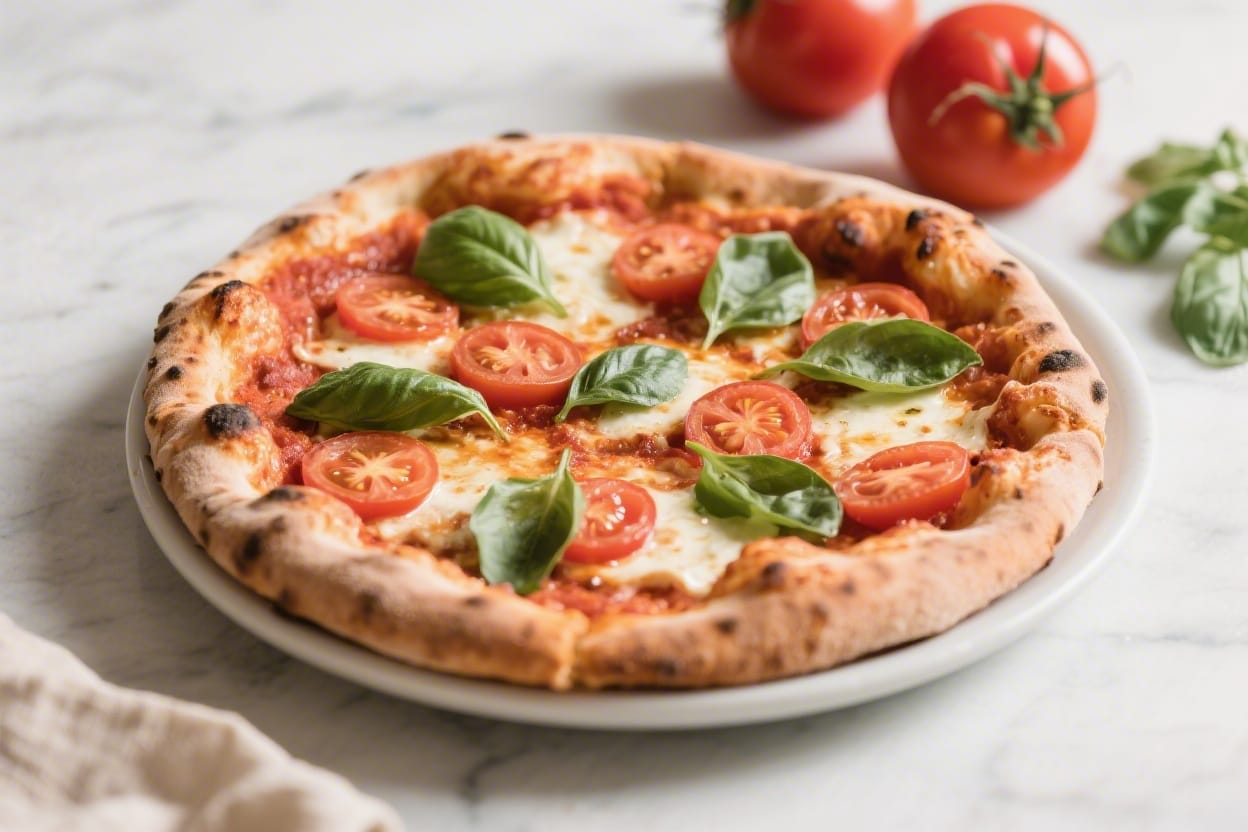
Homemade margherita pizza recipe – You don’t need a special oven or fancy equipment—just good ingredients and a few smart techniques
- Make the dough. In a large bowl, combine warm water, yeast, and sugar. Let it sit until foamy, about 5–10 minutes. Add 3 1/2 cups flour, salt, and olive oil. Mix until a shaggy dough forms.
- Knead until smooth. Turn the dough onto a lightly floured surface and knead 7–9 minutes, adding small amounts of flour as needed, until smooth and slightly tacky. Alternatively, use a stand mixer with a dough hook for 5–6 minutes.
- First rise. Place the dough in a lightly oiled bowl, turning to coat. Cover and let it rise in a warm spot until doubled, about 60–90 minutes.
- Make the sauce. While the dough rises, crush the tomatoes by hand (if using whole) or pulse briefly in a blender. Stir in garlic, olive oil, salt, and a pinch of sugar if the tomatoes are very tangy. You want a slightly chunky, fresh sauce—no cooking needed.
- Preheat properly. Place a pizza stone or an upside-down baking sheet on the middle rack. Preheat the oven to 500°F (260°C) or as hot as it will go for at least 30 minutes. High heat is key for a crisp base.
- Divide and shape. Punch down the dough and divide into two equal balls. Cover and rest for 10–15 minutes so the gluten relaxes. On a floured surface, gently press and stretch one ball into a 10–12 inch round, leaving a slightly thicker rim.
- Assemble. Transfer the dough to a sheet of parchment or a floured pizza peel. Spread a thin layer of sauce—about 1/4 cup to 1/3 cup—leaving a 1-inch border. Top with mozzarella slices, spacing them so some sauce peeks through. Less is more.
- Bake. Slide the pizza (with parchment if using) onto the hot stone or pan. Bake 8–12 minutes, until the crust is deeply golden and blistered in spots and the cheese is melted with light browning.
- Finish. Remove from the oven. Scatter fresh basil leaves, drizzle with a little olive oil, and add a light sprinkle of salt and pepper. If you like, finish with a small shower of grated Parmesan.
- Repeat. Shape and bake the second pizza the same way. Serve hot, cut into wedges, and enjoy immediately.
Storage Instructions
- Leftover pizza: Cool completely, then store slices in an airtight container in the fridge for up to 3 days.
- Reheating: Warm slices in a 400°F (205°C) oven or toaster oven for 6–8 minutes, or on a skillet over medium heat with a lid for 3–5 minutes to crisp the bottom and melt the cheese.
- Dough: After the first rise, wrap each dough ball tightly and refrigerate for up to 48 hours. Let rest at room temperature 45–60 minutes before shaping. Freeze for up to 2 months; thaw overnight in the fridge.
- Sauce: Store extra sauce in the fridge for 4–5 days or freeze for 2–3 months.
Benefits of This Recipe
- Simple ingredients, big flavor: With just tomatoes, mozzarella, basil, and olive oil, each element stands out.
- Better-than-takeout texture: A chewy, crisp crust from high heat and proper dough handling.
- Budget-friendly: Costs less than delivery and makes two pizzas.
- Customizable: Adjust sauce, cheese, and herbs to your taste while keeping the margherita spirit.
- Great for learning: Helps you master dough, shaping, and baking—core pizza skills you can use for any style.
Common Mistakes to Avoid
- Too much sauce or cheese: Overloading leads to soggy centers. Keep toppings light and even.
- Skipping the preheat: A blazing-hot surface is essential for a crisp bottom. Give your stone or pan time.
- Wet mozzarella: Fresh mozzarella holds water. Slice and pat dry with paper towels before topping.
- Overworking the dough: If it shrinks while shaping, let it rest 5–10 minutes and try again.
- Using cold dough: Dough needs to warm up to relax and stretch easily. Plan a short rest out of the fridge.
Alternatives
- No-yeast shortcut: Use a quick flatbread-style dough (self-rising flour + yogurt), but expect a different texture.
- Neapolitan-leaning: Swap bread flour for “00” flour and hydrate slightly more for tender chew; bake as hot as your oven allows.
- Gluten-free: Use a gluten-free pizza flour blend and follow the package hydration notes. Par-bake the crust 5 minutes before topping.
- Cast-iron method: Preheat a cast-iron skillet in the oven. Build the pizza in the hot pan, then bake for a deeply crisp edge.
- Grilled pizza: Grill stretched dough over medium-high heat 2–3 minutes per side, then add toppings and cover to melt.
- Dairy-free: Use a high-quality plant-based mozzarella that melts well, and add a sprinkle of nutritional yeast for savoriness.
- Tomato variations: Try crushed cherry tomatoes or a passata for a smoother sauce; season lightly to keep it fresh.
FAQ
Can I use pre-shredded mozzarella?
You can, but it won’t melt as evenly due to anti-caking agents. Fresh mozzarella or a block of low-moisture mozzarella you shred yourself will give better texture and flavor.
What if I don’t have a pizza stone?
Use an upside-down baking sheet preheated in the oven. It won’t hold heat quite as well as a stone, but it still gives a crisp base when fully preheated.
How do I prevent the dough from sticking?
Shape on a lightly floured surface and transfer to parchment or a floured peel. A thin layer of semolina also helps the dough slide easily onto the hot surface.
Why is my crust pale?
Make sure your oven and stone/pan are fully preheated. A small brush of olive oil on the crust rim can encourage browning. Baking a minute or two longer also helps.
Can I make the dough ahead?
Yes. Cold-ferment the dough in the fridge for up to 48 hours after the first rise. This improves flavor and makes the dough easier to handle.
Do I need to cook the sauce first?
No. A no-cook sauce keeps the flavor bright and fresh, which is traditional for margherita. The oven’s heat will warm and concentrate it just enough.
How thin should I stretch the dough?
Aim for about 1/8 to 1/4 inch in the center, with a slightly thicker rim. If it tears, pinch it back together and handle more gently.
When should I add basil?
Add most of the basil after baking so it stays vibrant and fragrant. You can tuck a couple of leaves under the cheese before baking for a deeper aroma.
Can I use sliced tomatoes instead of sauce?
Yes, but blot them well first to remove excess moisture. Arrange thin slices in a single layer so the crust stays crisp.
What’s the best flour for this recipe?
Bread flour gives a nice chew and good structure. All-purpose works fine, while “00” flour yields a more tender, Neapolitan-like texture if your oven gets very hot.
In Conclusion
A great margherita pizza is all about restraint and good technique. With a hot oven, a light hand on toppings, and fresh basil to finish, you’ll get a crisp, flavorful pie that tastes like it came from a pizzeria. Keep this recipe in your back pocket, and you’ll have a reliable, crowd-pleasing dinner any night of the week. Enjoy the process—and the first bite while it’s still too hot to resist.
Printable Recipe Card
Want just the essential recipe details without scrolling through the article? Get our printable recipe card with just the ingredients and instructions.