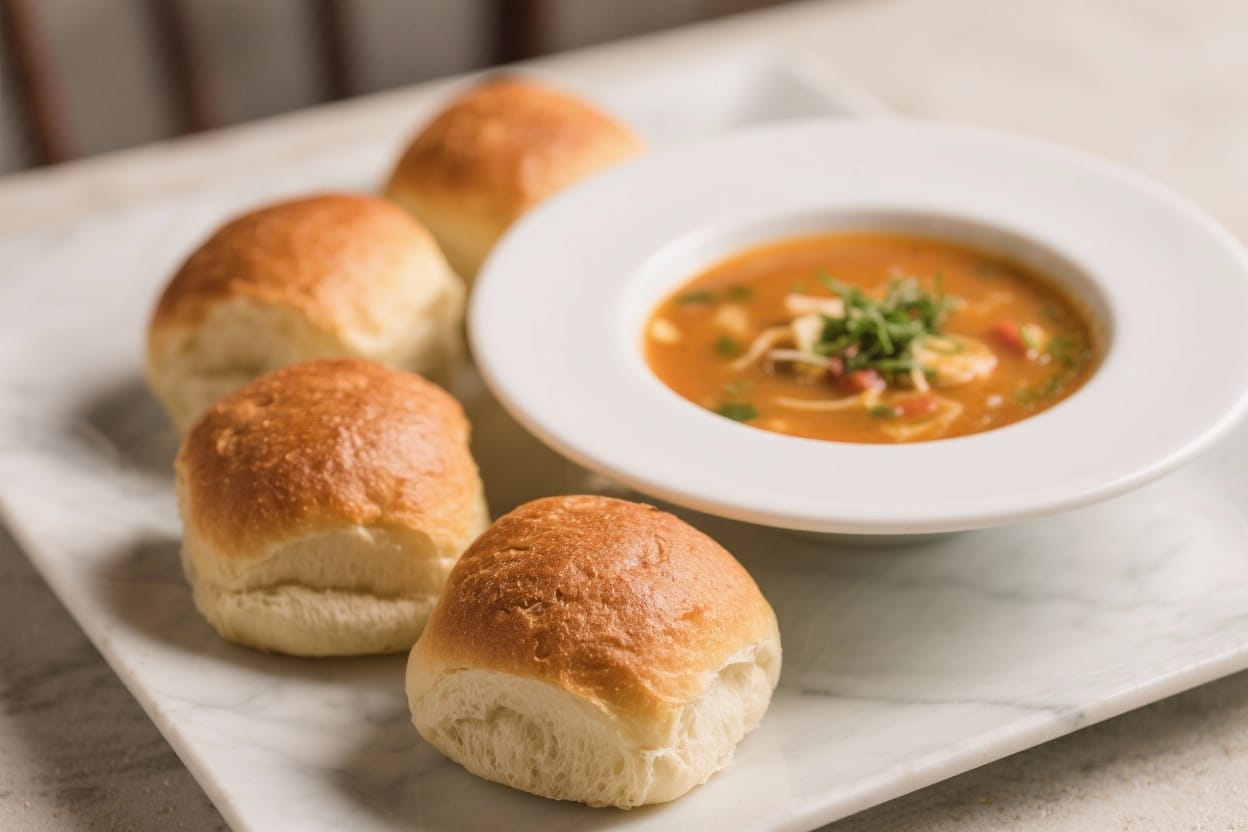
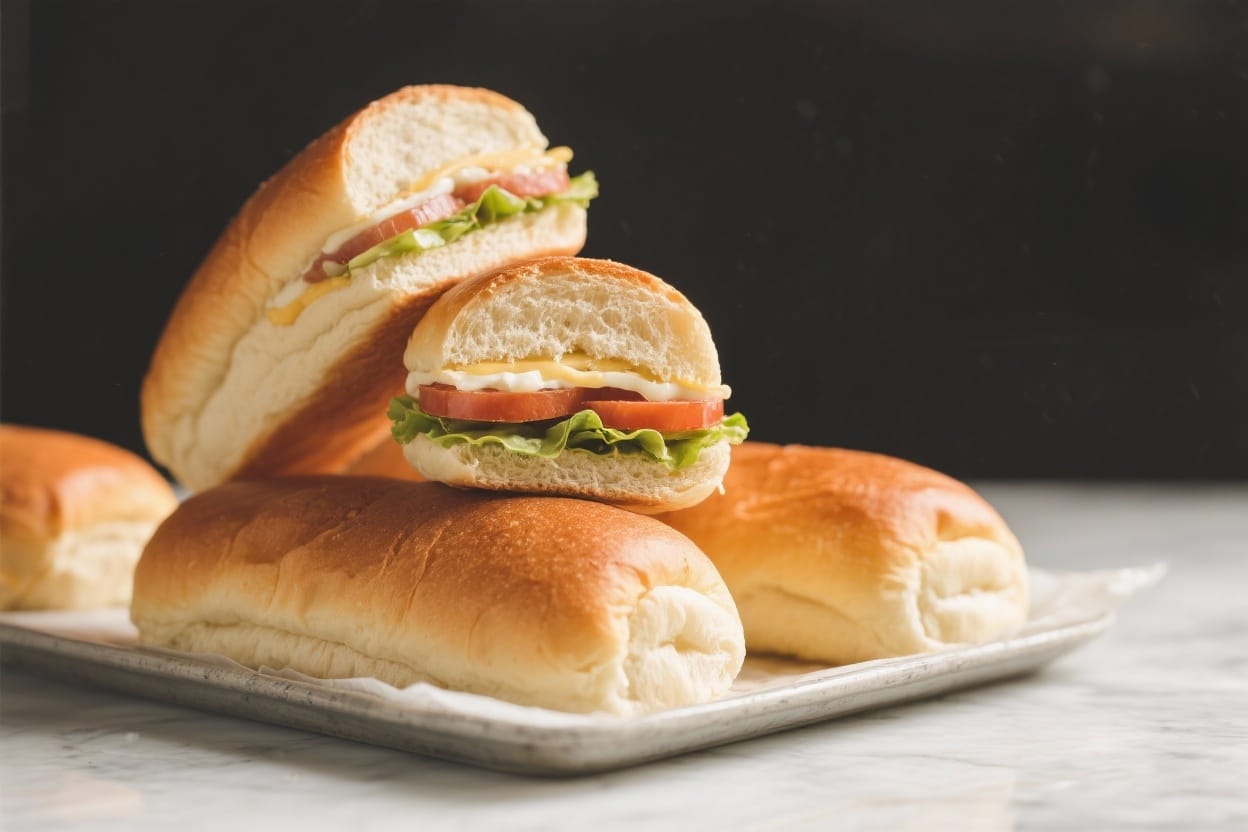
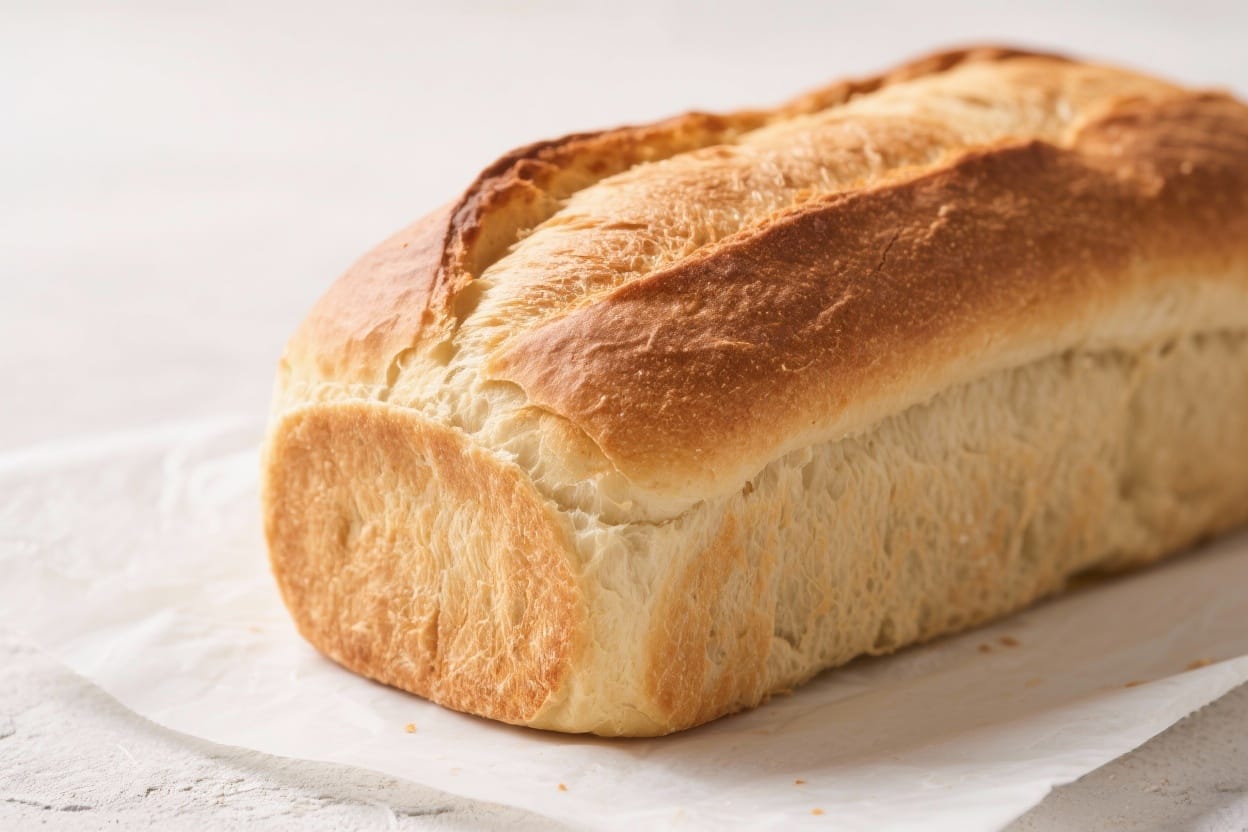
Homemade Bread Without Eggs – Simple, Soft, and Reliable
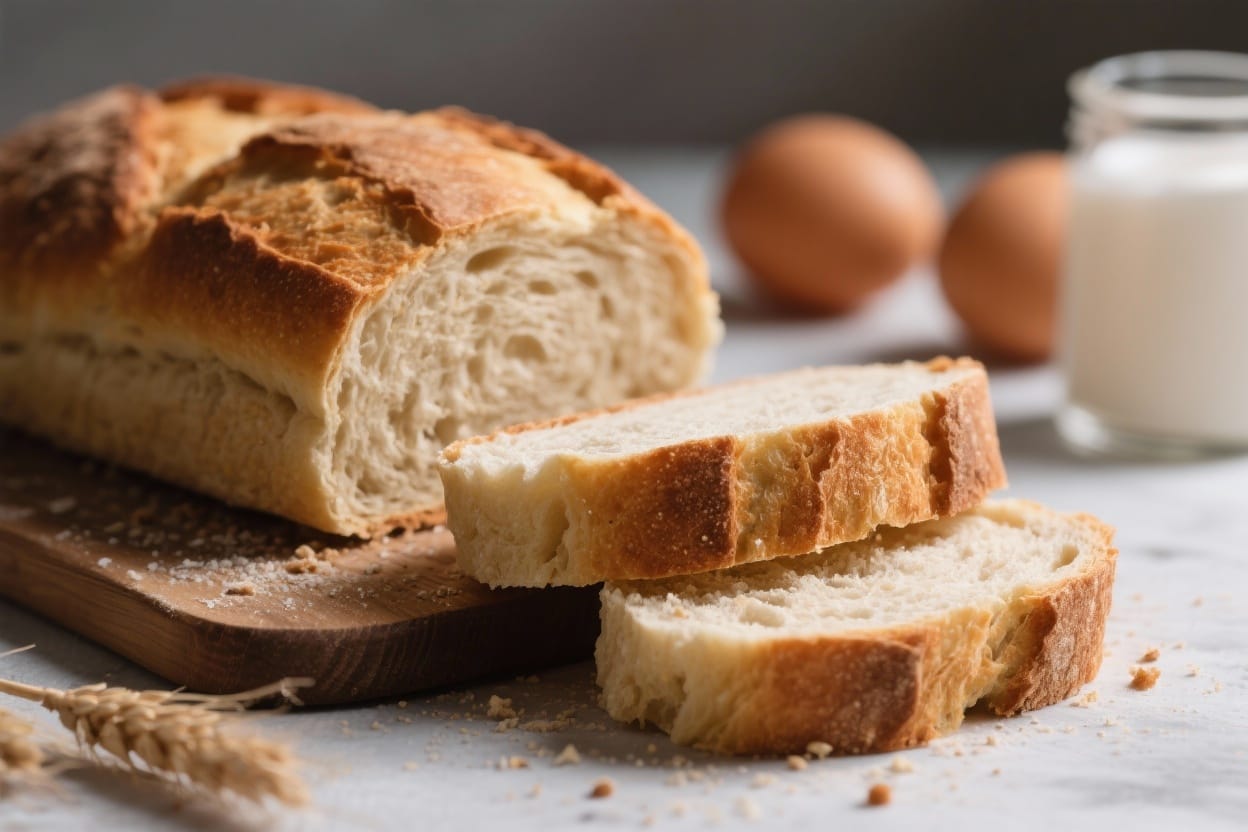
There’s something comforting about a warm loaf of bread cooling on your counter. If you’ve ever thought bread needs eggs to turn out well, this recipe will prove otherwise. Egg-free bread can be soft, flavorful, and beautifully golden with just a few pantry staples. Whether you’re avoiding eggs or simply out of them, this loaf delivers. It’s easy to make, beginner-friendly, and perfect for sandwiches, toast, or dipping into soup.
What Makes This Special
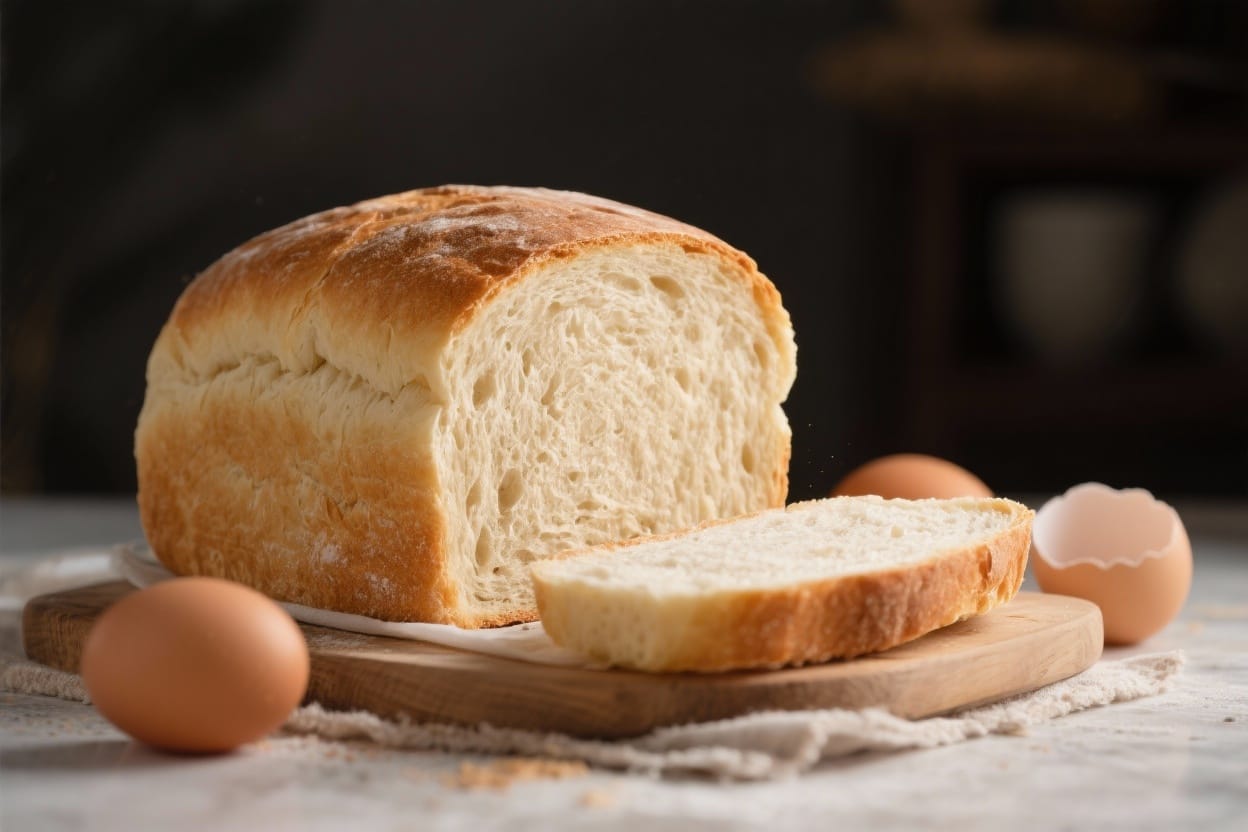
Homemade bread without eggs – Homemade Bread Without Eggs – Simple, Soft, and Reliable There’s something comforting about a warm l
Egg-free bread is classic, and that’s a good thing. Most traditional loaves rely on flour, water, yeast, and a little fat—no eggs required. This version yields a tender crumb, a light chew, and a crust that crisps as it cools.
– Great texture without eggs: The dough is enriched with oil for softness and a bit of sugar for browning.
– Flexible and forgiving: Works with all-purpose flour or bread flour.
– Beginner-friendly: Simple steps, minimal equipment, and easy to shape.
– Budget-conscious: Uses affordable staples you likely already have.
Ingredients
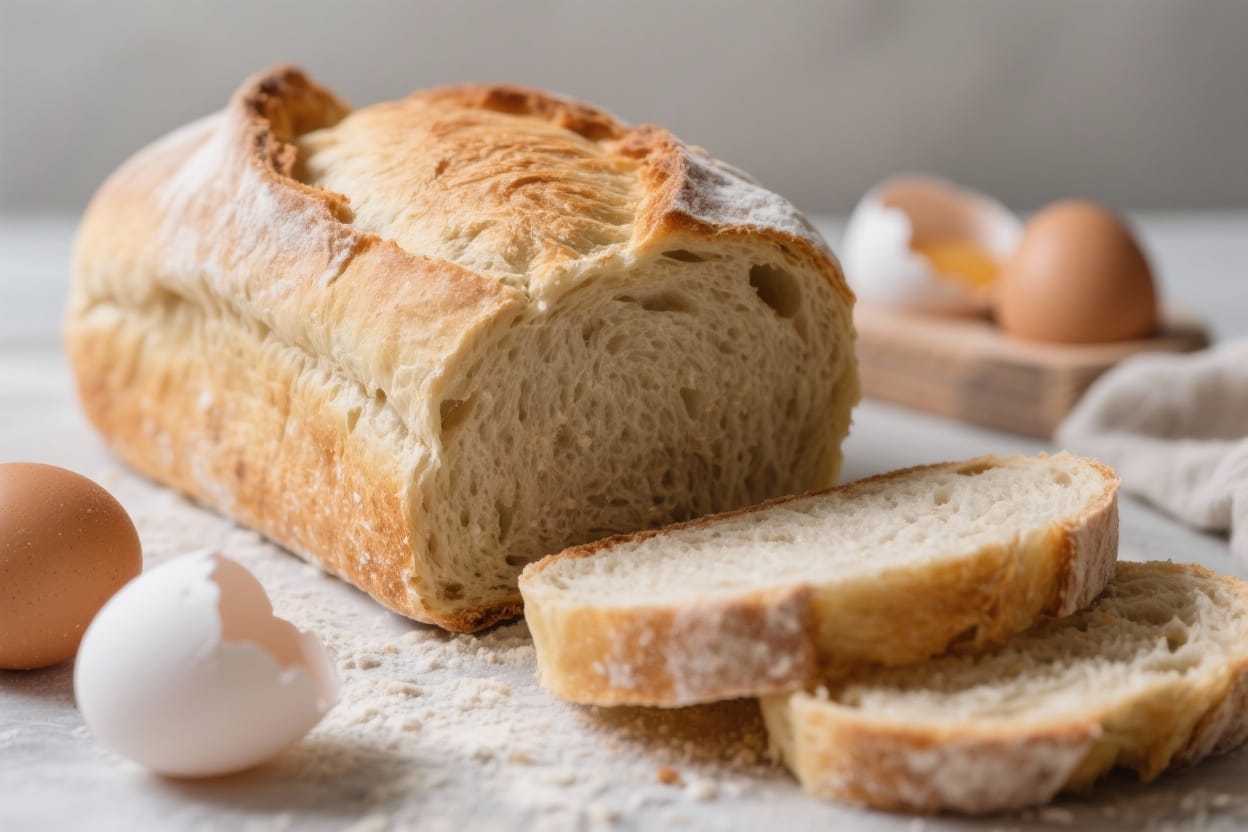
Homemade bread without eggs – If you’ve ever thought bread needs eggs to turn out well, this recipe will prove otherwise
- 3 1/2 cups (420 g) all-purpose flour or bread flour, plus more for dusting
- 1 1/4 cups (300 ml) warm water (about 105–110°F / 40–43°C)
- 2 1/4 teaspoons (7 g) active dry yeast or instant yeast
- 2 tablespoons sugar or honey
- 2 tablespoons neutral oil (olive oil or vegetable oil)
- 1 1/2 teaspoons fine sea salt
- Optional: 1–2 tablespoons milk or dairy-free milk for brushing, or water for steam
Instructions
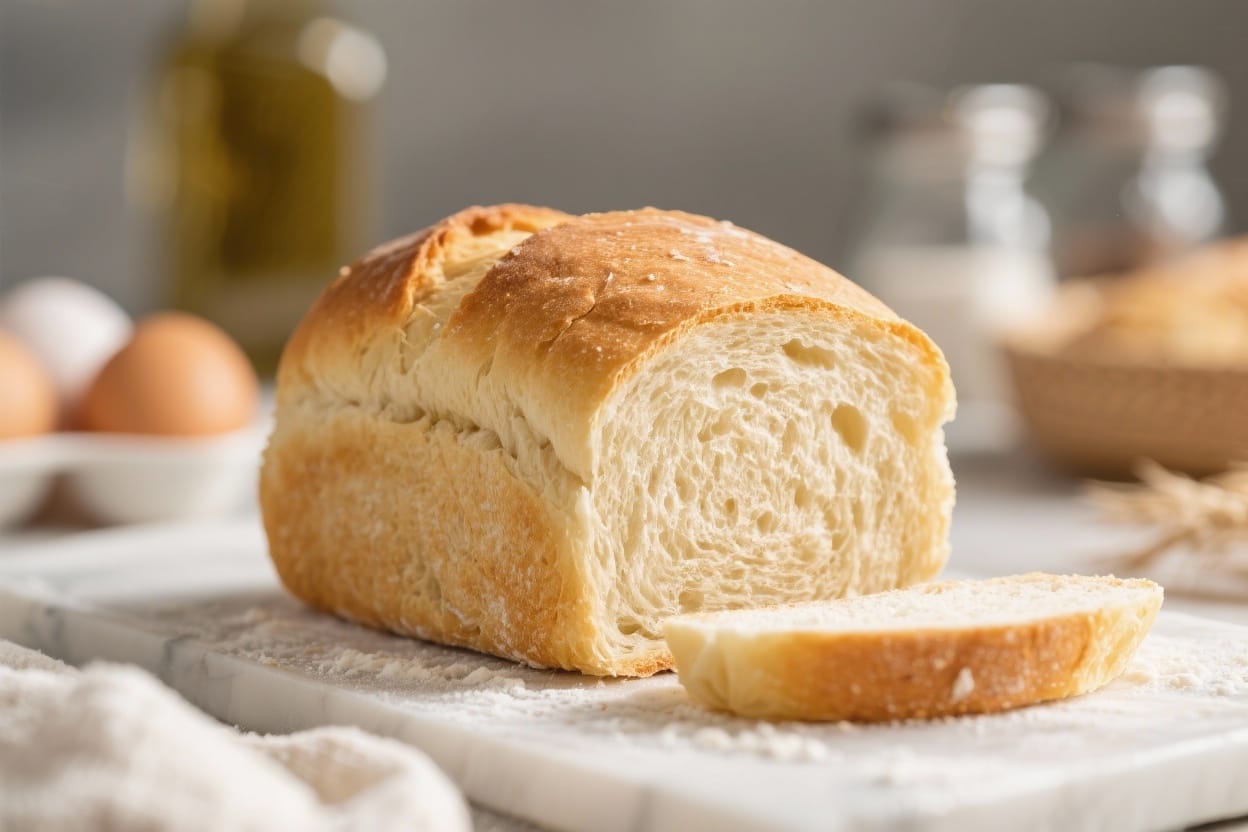
Homemade bread without eggs – Egg-free bread can be soft, flavorful, and beautifully golden with just a few pantry staples
- Activate the yeast (if using active dry): In a bowl, combine warm water and sugar. Sprinkle the yeast on top and let it sit for 5–10 minutes until foamy. If using instant yeast, mix it directly with the flour and proceed.
- Make the dough: In a large bowl, whisk flour and salt. Add the foamy yeast mixture (or water if using instant yeast) and oil. Stir with a spoon until a shaggy dough forms.
- Knead: Turn the dough onto a lightly floured surface. Knead for 8–10 minutes until smooth and elastic. It should feel soft but not sticky. Add a sprinkle of flour only if it’s very tacky.
- First rise: Place the dough in a lightly oiled bowl, turning it once to coat. Cover with a damp towel or plastic wrap. Let rise in a warm spot until doubled in size, about 60–90 minutes.
- Shape the loaf: Gently press the dough into a rectangle. Roll it up tightly from the short side, pinch the seam, and tuck the ends under. Place seam-side down in a greased 9×5-inch loaf pan, or shape into a round and set on a lined baking sheet.
- Second rise: Cover and let rise until the dough crowns about 1 inch above the pan or looks puffy, 30–60 minutes. The dough should slowly spring back when poked.
- Preheat the oven: Heat to 375°F (190°C). For extra crust, place a small metal pan on the lower rack to create steam later.
- Optional glaze: Brush the top with a little milk or dairy-free milk for shine, or leave plain for a rustic look.
- Bake: If using steam, pour a half cup of hot water into the preheated metal pan as you put the loaf in. Bake for 28–35 minutes, until the top is golden and the internal temperature reads about 200–205°F (93–96°C).
- Cool properly: Remove from the pan and cool on a rack for at least 1 hour before slicing. This sets the crumb and prevents gumminess.
Keeping It Fresh
Homemade bread has no preservatives, so it’s best within a couple of days. Keep it at room temperature in a paper bag or wrapped in a clean towel to maintain a good crust. If you prefer a softer crust, store in a plastic bag or bread box.
– Short-term: 2–3 days at room temperature.
– Freezing: Slice, wrap tightly, and freeze for up to 3 months. Toast slices straight from the freezer.
– Reviving: For day-old bread, warm in a 300°F (150°C) oven for 8–10 minutes to refresh the crust.
Why This is Good for You
This loaf sticks to simple, recognizable ingredients. There are no eggs, which makes it suitable for those with allergies or dietary preferences. With the right flour, you get a balance of carbohydrates for energy and a modest amount of protein.
– Fewer additives: You control the salt, sugar, and oil.
– Customizable nutrition: Swap in part whole wheat flour for extra fiber and minerals.
– Allergy-friendly option: No eggs, and easy to make dairy-free.
Common Mistakes to Avoid
– Water too hot: Scalding water kills yeast. Keep it warm, not hot—about body temperature with a touch of warmth.
– Adding too much flour: A slightly tacky dough bakes up softer. Resist the urge to over-flour during kneading.
– Under-kneading: Without enough kneading, the loaf can be dense. Look for a smooth, stretchy dough that passes the “windowpane” test.
– Skipping the second rise: This final proof builds volume and improves texture.
– Cutting too soon: Slicing hot bread compresses the crumb and makes it gummy. Let it cool fully before cutting.
Alternatives
– Whole wheat version: Use 2 cups bread flour + 1 1/2 cups whole wheat flour. Add 1–2 tablespoons extra water if needed. Expect a heartier crumb and nutty flavor.
– Olive oil herb loaf: Add 2 tablespoons extra-virgin olive oil and 2 teaspoons dried herbs (like rosemary or Italian seasoning). Great for dipping.
– Seeded crust: Brush the top with water or milk alternative and sprinkle sesame, poppy, or sunflower seeds before baking.
– No-pan boule: Shape into a round, proof on parchment, and bake on a preheated sheet or stone for a rustic crust.
– Sweet breakfast twist: Increase sugar to 3 tablespoons and add 1 teaspoon vanilla. Shape into rolls and bake 18–22 minutes.
FAQ
Can I use instant yeast instead of active dry?
Yes. Use the same amount. Mix instant yeast directly with the flour and skip the activation step. Keep the water and sugar the same.
What if my dough isn’t rising?
Check the yeast freshness and water temperature. A cool kitchen slows rising, so give it more time or place the bowl somewhere warmer, like near the oven or in a turned-off microwave with a cup of hot water.
How do I get a softer crust?
Brush the loaf with milk or oil before baking and again right after it comes out. Store the cooled bread in a plastic bag to keep the crust tender.
How can I make the crust extra crisp?
Bake on a preheated stone or add steam in the oven for the first 10 minutes. Let the loaf cool completely on a rack, uncovered.
Can I use all whole wheat flour?
You can, but the loaf will be denser and may need more water and time to rise. For best results, start with 50–60% whole wheat and adjust from there.
Do I need a stand mixer?
No. Hand-kneading works fine. If you use a mixer, knead on low to medium speed for about 6–8 minutes, watching the dough for smooth elasticity.
Why is my bread gummy inside?
It likely needed more baking time or cooling. Check internal temperature and allow at least 1 hour of cooling before slicing.
Can I add oats or nuts?
Yes. Fold in up to 1/2 cup rolled oats or chopped nuts during the last minute of kneading. If adding lots of mix-ins, increase water by a tablespoon to keep the dough supple.
What’s the best way to slice it?
Use a sharp serrated knife and gentle sawing motions. Slice once the loaf is fully cool for clean, even pieces.
How do I make it dairy-free?
This recipe already is if you skip the milk glaze. Use water or a dairy-free milk for brushing, and stick with oil instead of butter.
Final Thoughts
This homemade bread without eggs is simple, reliable, and satisfying. With a handful of pantry staples, you get a loaf that’s soft inside, golden outside, and versatile for everyday meals. Master the basics, then tweak it with herbs, seeds, or whole grains to make it your own. A warm slice with a bit of butter or olive oil is hard to beat—and you won’t miss the eggs at all.
Printable Recipe Card
Want just the essential recipe details without scrolling through the article? Get our printable recipe card with just the ingredients and instructions.