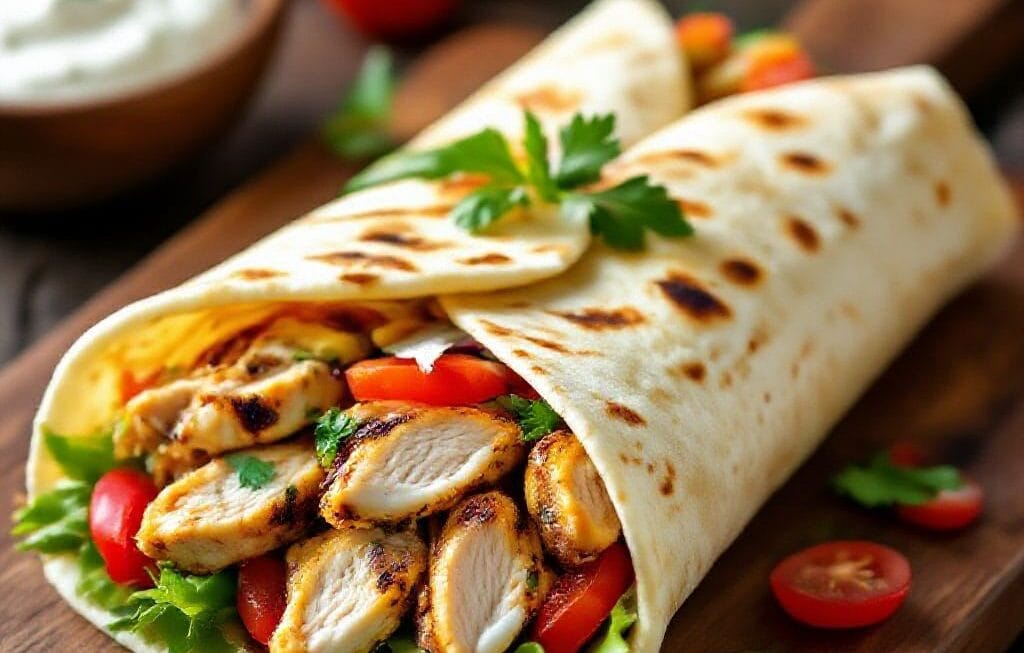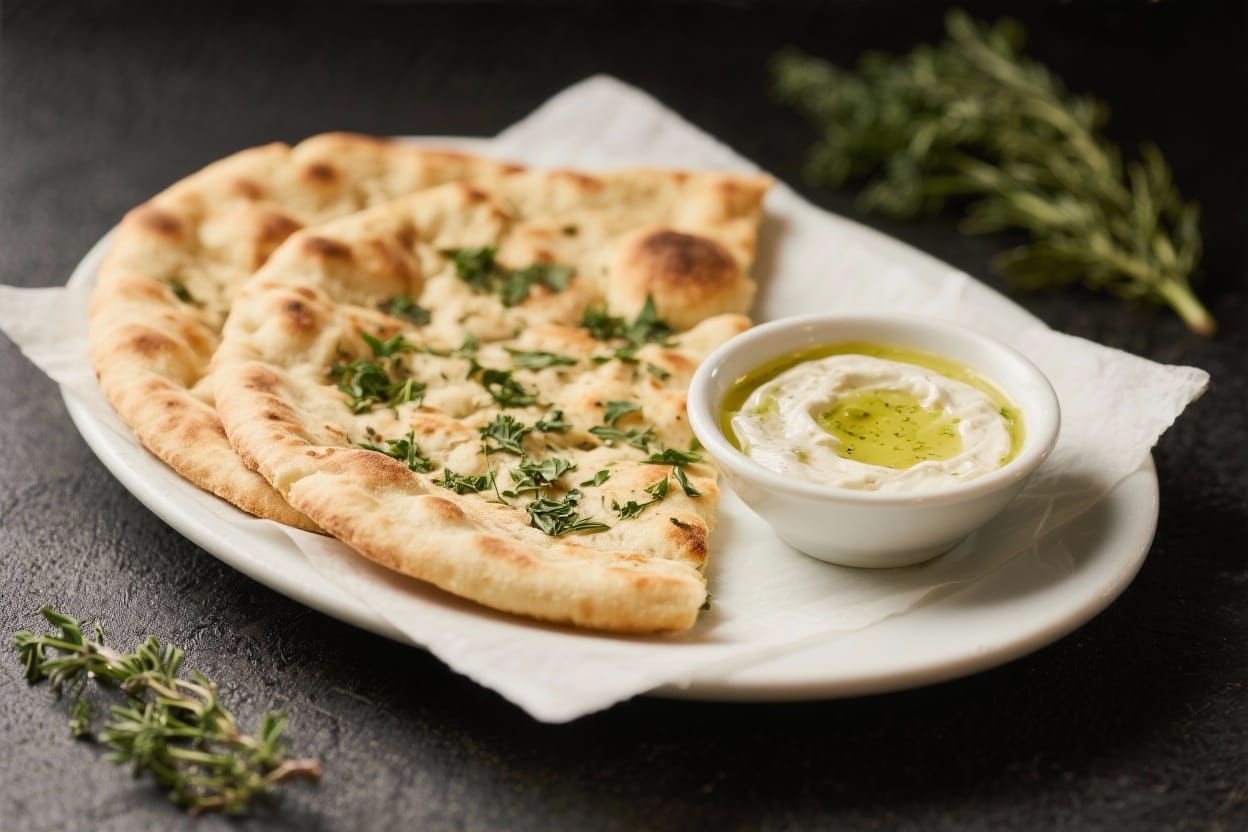
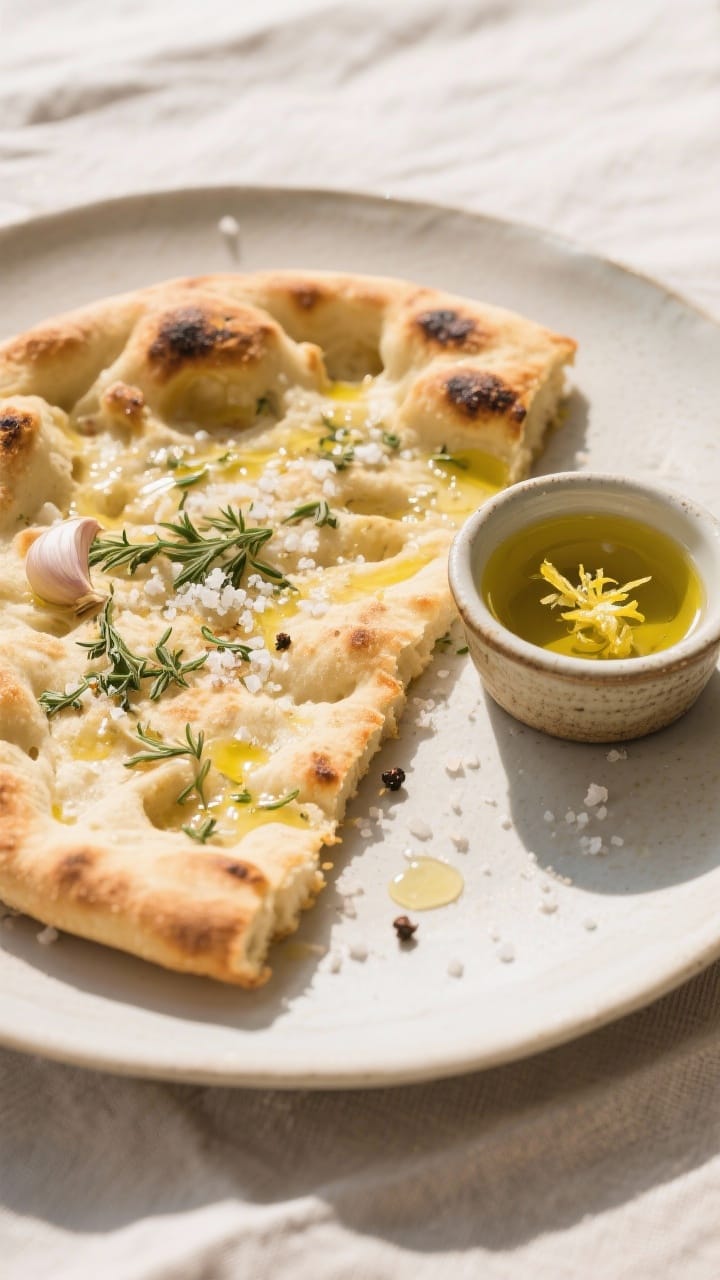
Warm, fragrant flatbread is the kind of thing that makes any dip taste better. This version is thin, crisp at the edges, and full of fresh herb flavor. It’s easy to make on a weeknight, and it looks impressive on a party board.
Tear it, scoop it, and watch it disappear. Serve it with hummus, whipped feta, tzatziki, olive tapenade, or even a simple bowl of olive oil and sea salt.
Why This Recipe Works
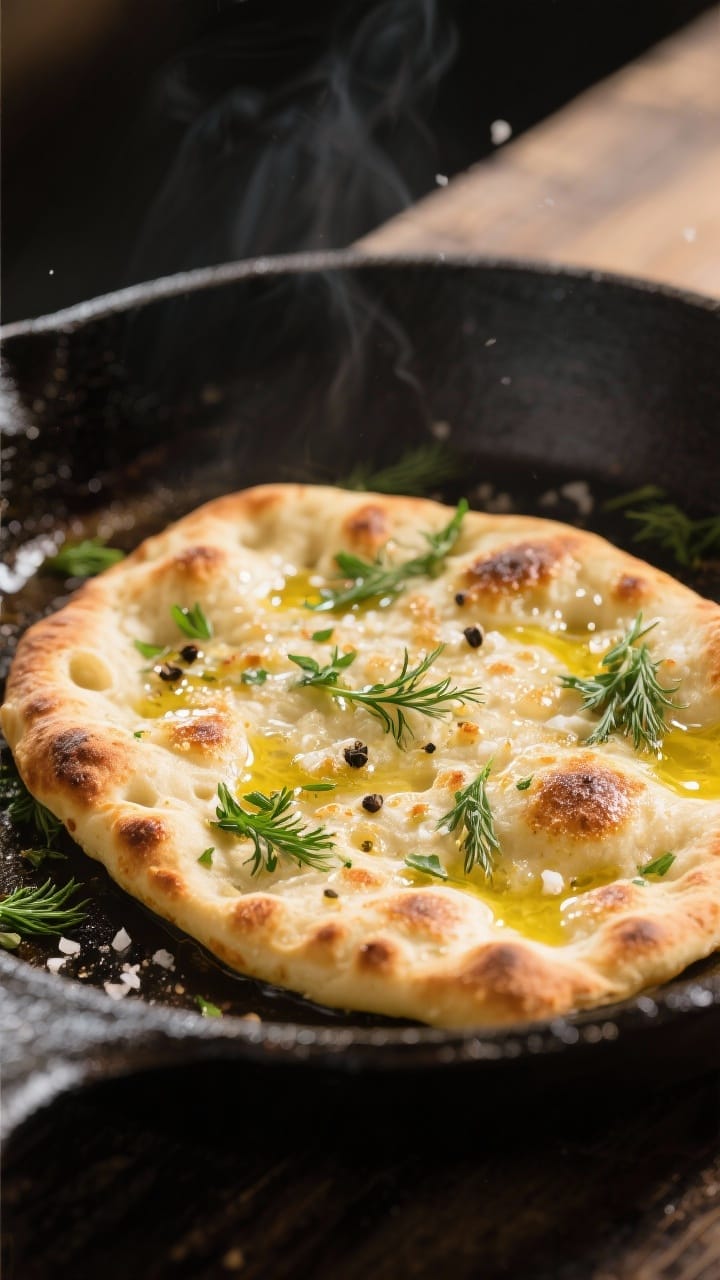
This herb flatbread is built on a straightforward dough that doesn’t require long proofing times, so you can get it on the table fast. A touch of olive oil in the dough keeps it tender while helping it crisp in the pan or oven.
Fresh and dried herbs work together to create layers of flavor without overpowering your dips. The dough is easy to roll thin, cooks quickly, and has enough structure to scoop without breaking. You can also customize the herb blend to match whatever you’re serving.
Ingredients
- All-purpose flour (2 cups) – Gives the flatbread a light, workable texture.
- Baking powder (1 teaspoon) – Adds lift for a tender bite.
- Kosher salt (1 teaspoon) – Seasons the dough.
- Warm water (3/4 cup to 1 cup) – Hydrates the dough; start with less and add as needed.
- Olive oil (3 tablespoons, divided) – Some for the dough, some for brushing.
- Fresh herbs (2 tablespoons, finely chopped) – Parsley, dill, chives, or basil.
- Dried herbs (1 teaspoon) – Oregano, thyme, or Italian seasoning for depth.
- Garlic powder (1/2 teaspoon) – Adds savory aroma without burning.
- Freshly ground black pepper (to taste) – For a gentle kick.
- Flaky sea salt (for finishing) – Optional but highly recommended.
Instructions
- Mix the dry ingredients. In a large bowl, whisk together the flour, baking powder, kosher salt, dried herbs, and garlic powder until evenly combined.
- Add wet ingredients. Drizzle in 2 tablespoons of olive oil and 3/4 cup warm water.Stir with a spoon until a shaggy dough forms. If it’s dry, add water a tablespoon at a time until it comes together.
- Knead briefly. Turn the dough onto a lightly floured surface. Knead for 2 to 3 minutes until smooth and elastic.The dough should be soft but not sticky.
- Rest the dough. Form into a ball, cover with a clean towel, and let rest for 10 to 15 minutes. This relaxes the gluten and makes rolling easier.
- Add fresh herbs. Gently knead in the chopped fresh herbs until they’re evenly distributed. Don’t overwork; you want the flecks to stay visible.
- Divide and roll. Cut the dough into 6 to 8 pieces.Roll each piece into a very thin round or oval, about 1/8 inch thick. The thinner you roll, the crisper it will be.
- Choose your cooking method. You can cook on the stovetop or in the oven, depending on your preference:
- Stovetop: Heat a large skillet or griddle over medium-high. Brush one side of the dough with a bit of olive oil.Cook oil-side down for 1 to 2 minutes until bubbles form and light brown spots appear. Brush the top, flip, and cook another 1 to 2 minutes. Repeat with remaining pieces.
- Oven: Preheat to 450°F (230°C).Arrange rolled dough on parchment-lined baking sheets, brush with olive oil, and bake for 6 to 9 minutes, flipping halfway, until golden at the edges.
- Finish and season. While still warm, sprinkle with flaky sea salt and black pepper. For extra flavor, brush with a little more olive oil or rub a cut clove of garlic across the surface.
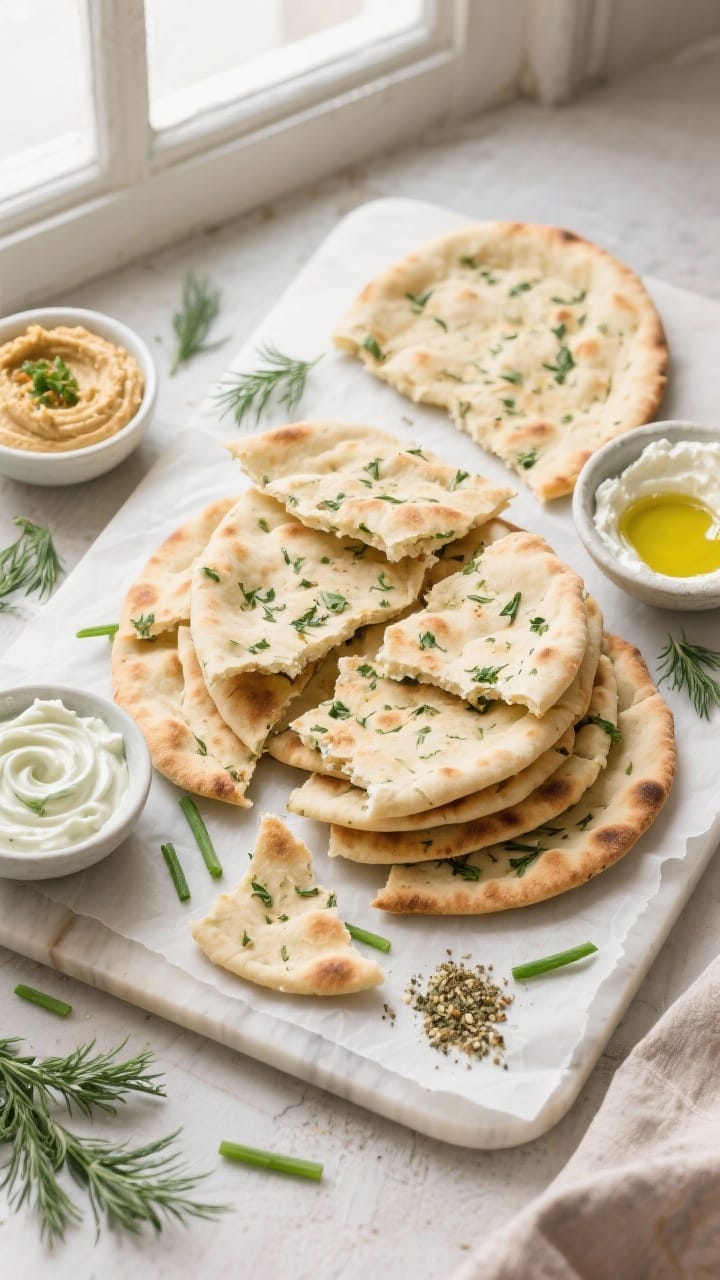
- Serve warm. Stack on a plate or board and bring them to the table with your favorite dips.
How to Store
- Room temperature: Keep cooled flatbread in an airtight container or zip-top bag for up to 2 days. Add a paper towel to absorb moisture and keep the edges crisp.
- Refrigerator: Store for up to 4 days.Rewarm in a 375°F (190°C) oven for 5 to 7 minutes or on a dry skillet over medium heat.
- Freezer: Freeze cooked flatbread between sheets of parchment in a freezer bag for up to 2 months. Reheat straight from frozen in a hot oven for best texture.
- Dough storage: The dough can rest in the fridge for up to 24 hours, wrapped tightly. Let it come to room temperature before rolling.
Health Benefits
- Olive oil provides healthy fats. It’s rich in monounsaturated fats and antioxidants that support heart health.
- Herbs add flavor without extra salt. Fresh parsley, dill, and chives bring vitamins, minerals, and phytonutrients along with bright flavor.
- Lower in sugar than many breads. This flatbread has no added sugar and minimal ingredients.
- Customizable for dietary needs. You can swap in whole wheat flour for more fiber or use a gluten-free blend to accommodate sensitivities.
Common Mistakes to Avoid
- Using cold water. Lukewarm water helps the dough come together smoothly and improves texture.
- Not resting the dough. Skipping the rest makes rolling harder and can lead to tough flatbread.
- Rolling too thick. Thick dough won’t crisp well and can feel heavy with dips.
- Overloading with fresh herbs. Too many wet herbs can make the dough tear.Keep the amount modest and finely chop them.
- Under-seasoning. Taste a small piece and adjust salt and pepper. A little flaky salt on top makes a big difference.
- Overcooking. The line between crisp and dry is thin. Pull when edges are golden and centers are set.
Alternatives
- Whole wheat version: Use half whole wheat and half all-purpose flour.Add 1 to 2 extra tablespoons of water if the dough feels dry.
- Gluten-free option: Use a cup-for-cup gluten-free flour blend with xanthan gum. Expect slightly less elasticity; roll gently.
- Dairy-boosted: Stir 2 tablespoons of plain yogurt into the dough for extra tenderness and tang.
- Spiced flatbread: Add 1/2 teaspoon smoked paprika, cumin, or za’atar to the dry mix for a different flavor profile.
- Cheesy finish: Sprinkle grated Parmesan or pecorino over the top right after cooking so it melts into the surface.
- Garlic-herb oil: Warm olive oil with a smashed garlic clove and a pinch of chili flakes, then brush over the hot flatbread.
FAQ
Can I make the dough ahead?
Yes. Mix the dough, wrap it tightly, and refrigerate for up to 24 hours.
Let it warm up on the counter for 20 to 30 minutes before rolling so it doesn’t spring back.
Which herbs work best?
Parsley, dill, chives, and basil are great fresh options. For dried, oregano, thyme, and Italian seasoning are reliable. Avoid woody fresh herbs like rosemary unless minced extremely fine.
Can I bake this on a pizza stone?
Absolutely.
Preheat the stone with the oven at 475°F (245°C). Slide the rolled dough onto the hot stone and bake 3 to 5 minutes per side. You’ll get excellent blistering and crisp edges.
Is a stand mixer necessary?
No.
This is an easy hand-mix dough. A stand mixer with a dough hook can help if you’re doubling the batch, but it isn’t required.
What dips pair well?
Hummus, baba ghanoush, whipped feta, tzatziki, spinach-artichoke dip, olive tapenade, and even simple olive oil with lemon and flaky salt all shine with this flatbread.
How do I keep it warm for a party?
Wrap cooked flatbread in a clean kitchen towel and keep it in a low oven (around 200°F/95°C). Unwrap just before serving to preserve the crisp edges.
Why is my flatbread tough?
Likely over-kneading or overcooking.
Keep kneading brief, rest the dough, and watch the cook time closely. Aim for soft centers with crisp spots.
In Conclusion
This herb flatbread is the kind of recipe you’ll make once and keep in your back pocket. It’s quick, flexible, and endlessly customizable.
Most of all, it gives you a warm, fragrant partner for any dip on the table. Make a batch, tear it up, and pass it around—the bowl will be scraped clean in no time.
Printable Recipe Card
Want just the essential recipe details without scrolling through the article? Get our printable recipe card with just the ingredients and instructions.