Healthy Bread Alternative Flours – A Simple Guide to Better Baking
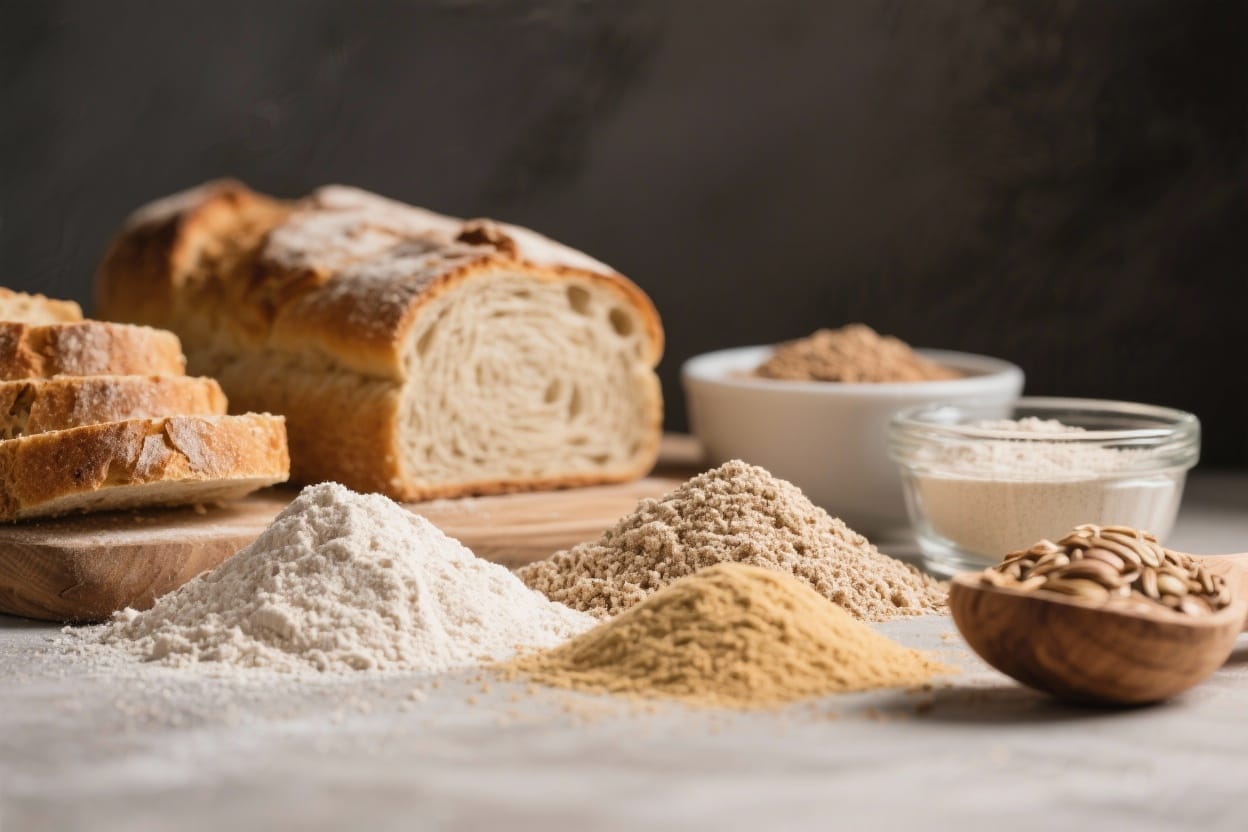
If you love bread but want something lighter, more nourishing, or gluten-free, switching up your flour can make all the difference. Alternative flours bring extra flavor, texture, and nutrients that regular all-purpose flour can’t match. From almond flour to buckwheat, each one behaves a little differently, but they’re all worth exploring. This guide breaks down what to use, how to use it, and how to get great results without stress. Think of it as your shortcut to healthier, tastier homemade bread.
What Makes This Recipe So Good
Healthy bread alternative flours – Healthy Bread Alternative Flours – A Simple Guide to Better Baking If you love bread but want someth
- More nutrition in every slice: Alternative flours often pack in fiber, protein, and healthy fats.
- Gluten-free options: Many of these flours are naturally gluten-free, great for those avoiding wheat.
- Big flavor, simple methods: You get rich, earthy flavors without complicated steps.
- Customizable texture: Mix and match flours to create the crumb you like—soft, hearty, or somewhere in between.
- Better satiety: Higher fiber and protein help keep you full longer, reducing snacky cravings.
Ingredients
Below is a flexible base for a single loaf (about 9×5-inch pan). You can swap in different flours using the guidance provided.
- 2 cups alternative flour blend (see suggestions below)
- 1 cup warm liquid (water or milk of choice, around 105–110°F)
- 2 to 2 1/2 teaspoons baking powder (for quick breads) or 2 teaspoons instant yeast (for yeasted, gluten-containing blends)
- 2 large eggs (or flax eggs for vegan/gluten-free structure)
- 2 to 3 tablespoons oil (olive, avocado, or melted coconut)
- 1 to 2 tablespoons honey or maple syrup (optional, for flavor and browning)
- 1 teaspoon salt
- Optional add-ins: 1/4 cup seeds (chia, sunflower, pumpkin), spices (cinnamon, garlic, rosemary), or nuts
Suggested flour blends:
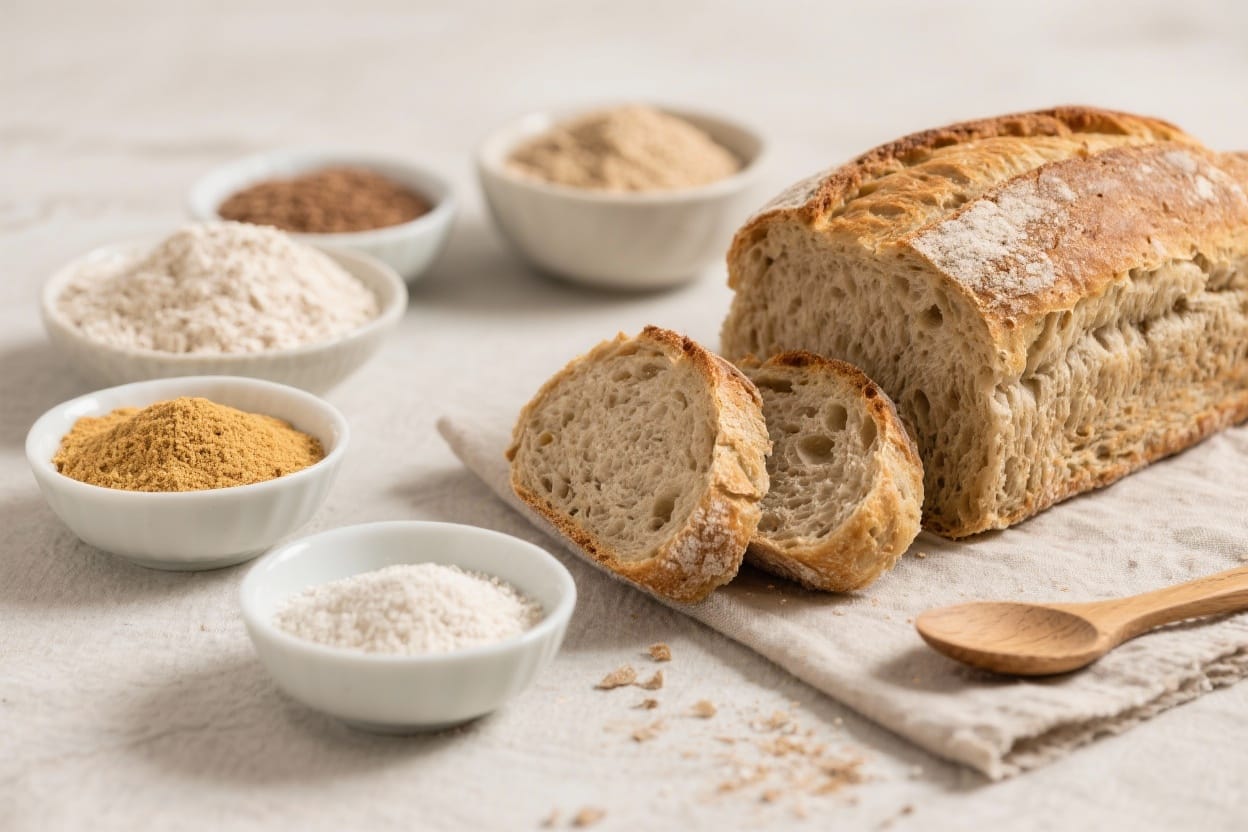
- Almond + Tapioca: 1 1/2 cups almond flour + 1/2 cup tapioca flour for moisture and chew (gluten-free).
- Oat + Buckwheat: 1 cup oat flour + 1 cup buckwheat for a hearty, nutty loaf (gluten-free if oats are certified).
- Sorghum + Brown Rice + Psyllium: 3/4 cup sorghum + 3/4 cup brown rice flour + 2 tablespoons psyllium husk for structure (gluten-free).
- Whole Wheat + Spelt: 1 cup whole wheat + 1 cup spelt for a lighter, nutty whole-grain bread (contains gluten, great with yeast).
Instructions
- Choose your path: Decide if you’re making a quick bread (use baking powder, no rise time) or a yeasted loaf (best with some gluten or added binders like psyllium).
- Prep the pan: Grease a 9×5-inch loaf pan and line with parchment for easy removal.
- Mix dry ingredients: In a bowl, combine your flour blend, salt, and baking powder if using. For gluten-free yeasted loaves, whisk in 1–2 tablespoons psyllium husk or 1 teaspoon xanthan gum for structure.
- Activate yeast (if using): Mix warm water/milk with yeast and a teaspoon of honey. Let sit 5–10 minutes until foamy.
- Combine wet ingredients: In another bowl, whisk eggs, oil, and sweetener. Add the activated yeast mixture if using yeast.
- Bring it together: Stir wet into dry until a thick batter forms. Gluten-free doughs are more like batter than traditional dough—this is normal. Fold in seeds or herbs if using.
- Rest or rise: For quick bread, rest batter 10 minutes to hydrate. For yeasted loaves, cover and let rise in a warm spot 45–60 minutes, until puffy (it may not double, and that’s okay).
- Bake: Bake at 350°F (175°C) for 40–55 minutes, depending on the flour blend and pan. The top should be golden, and an inserted toothpick should come out mostly clean. Internal temp should be about 200–205°F for yeasted loaves.
- Cool completely: Let the bread cool in the pan 10 minutes, then move to a rack to cool fully. Slicing too early can make it gummy.
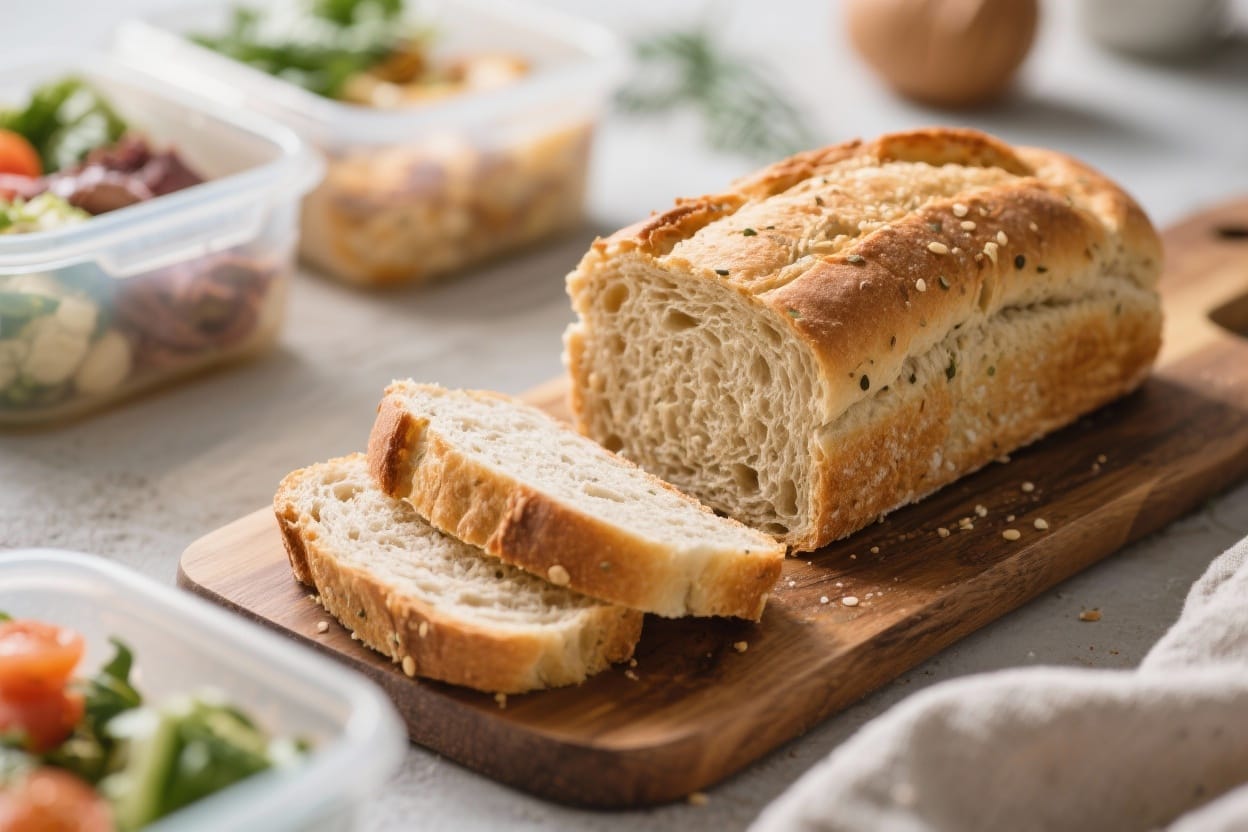
- Slice and enjoy: Use a serrated knife. Toasting brings out great flavor and improves texture, especially with gluten-free blends.
Keeping It Fresh
- Room temp: Store in an airtight container for 1–2 days. Many alternative flours hold moisture, so avoid trapping steam—let the loaf cool fully first.
- Fridge: Keeps 4–5 days. Wrap in parchment, then place in a reusable bag to reduce drying.
- Freeze: Slice first, then freeze with parchment between slices. Reheat in a toaster or oven for best texture.
- Revive stale bread: Lightly mist with water and warm at 300°F for 8–10 minutes.
Health Benefits
- Almond flour: Rich in healthy fats, vitamin E, and protein. Helps with satiety and adds a tender crumb.
- Oat flour: Provides beta-glucan fiber, which supports heart health and steady energy.
- Buckwheat flour: Naturally gluten-free, with rutin and minerals that support circulation and overall health.
- Sorghum flour: High in antioxidants and gentle on digestion, with a mild, slightly sweet flavor.
- Spelt or whole wheat: Contains gluten but offers more fiber and micronutrients than refined flour, promoting gut health and fullness.
- Psyllium husk: Adds soluble fiber for structure in gluten-free breads and supports digestive health.
Common Mistakes to Avoid
- Skipping binders in gluten-free breads: Without psyllium, xanthan, or eggs, your loaf can crumble.
- Overhydrating: Alternative flours absorb liquid differently. Start with the lower end of the liquid and add as needed to reach a thick batter.
- Expecting a wheat-like dough: Gluten-free mixes won’t knead or stretch. Treat them like batter and spread into the pan.
- Slicing while warm: This leads to gummy texture. Cool completely for clean slices.
- Using too much dense flour: Almond or buckwheat alone can be heavy. Balance with lighter flours or starches like oat or tapioca.
Variations You Can Try
- Seeded power loaf: Add 2 tablespoons each sunflower, pumpkin, and sesame seeds; sprinkle extra on top.
- Herb and garlic: Mix in 1 teaspoon garlic powder, 1 teaspoon dried rosemary, and a pinch of black pepper.
- Cinnamon raisin: Stir in 1 teaspoon cinnamon, 1/2 cup raisins, and 1 tablespoon maple syrup.
- Banana breakfast bread: Replace half the liquid with mashed ripe banana, reduce sweetener slightly, and add walnuts.
- Protein boost: Add 2 tablespoons hemp hearts or use Greek yogurt for part of the liquid in quick breads.
FAQ
What’s the best gluten-free flour for bread?
There isn’t one perfect flour, but a blend works best. Try a mix of almond or oat flour for body, sorghum or brown rice for structure, and a bit of tapioca for chew, plus psyllium for binding.
Can I use almond flour alone?
You can, but it’s dense and crumbly on its own. Pair it with tapioca or arrowroot and add eggs or psyllium to hold it together.
Do I need yeast for gluten-free bread?
No. Quick breads rise with baking powder and eggs. If you want a yeasty flavor and more open crumb, you can use yeast, but include binders to support the rise.
Why is my bread gummy?
It’s often from too much moisture or slicing too soon. Measure liquids carefully, add binders, bake until the center reaches around 200°F, and let it cool fully before cutting.
Can I mill my own flour?
Yes. Oats grind easily in a blender. Buckwheat groats and brown rice can be milled with a strong grinder. Freshly milled flours are aromatic but may absorb more liquid—adjust as needed.
How can I make it vegan?
Use flax eggs (1 tablespoon ground flax + 3 tablespoons water per egg) and choose plant milk. Add psyllium husk for extra structure.
What pan works best?
A standard 9×5-inch loaf pan is dependable. For smaller, taller loaves, use an 8×4-inch pan and extend bake time slightly.
Wrapping Up
Healthy bread made with alternative flours is absolutely doable—and delicious. Start with a simple blend, use a binder, and give the loaf time to bake and cool. From nutty almond to hearty buckwheat, there’s a flour combo for every taste and need. With a few easy tweaks, you’ll get a loaf that’s wholesome, flavorful, and perfect for everyday slices and toast.
Printable Recipe Card
Want just the essential recipe details without scrolling through the article? Get our printable recipe card with just the ingredients and instructions.