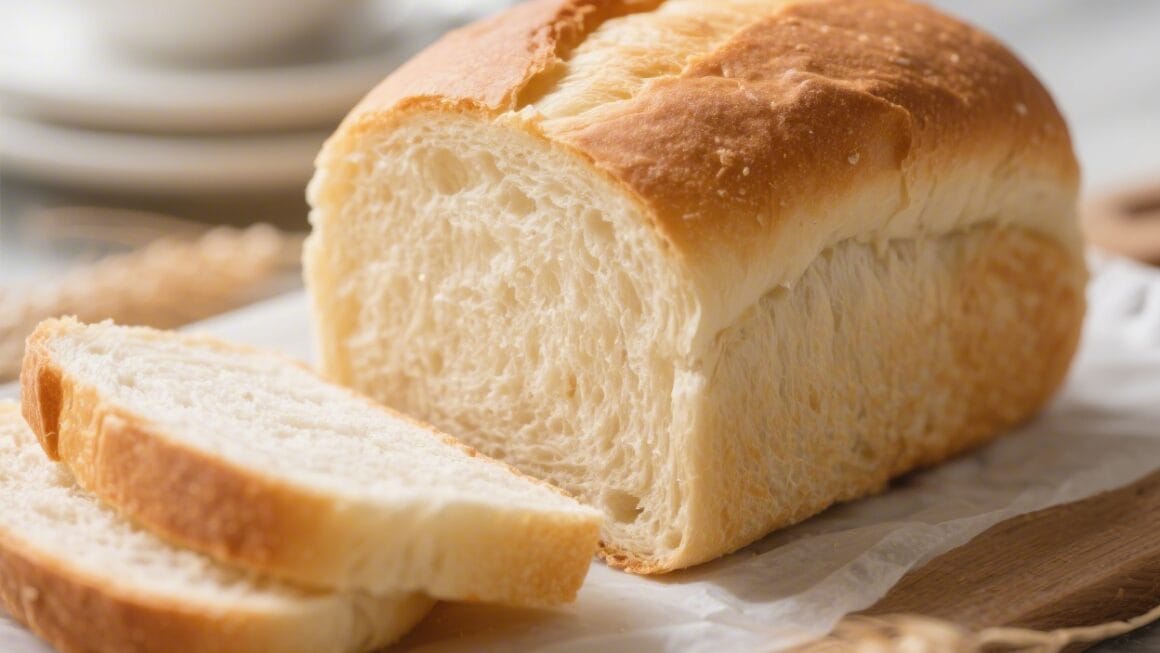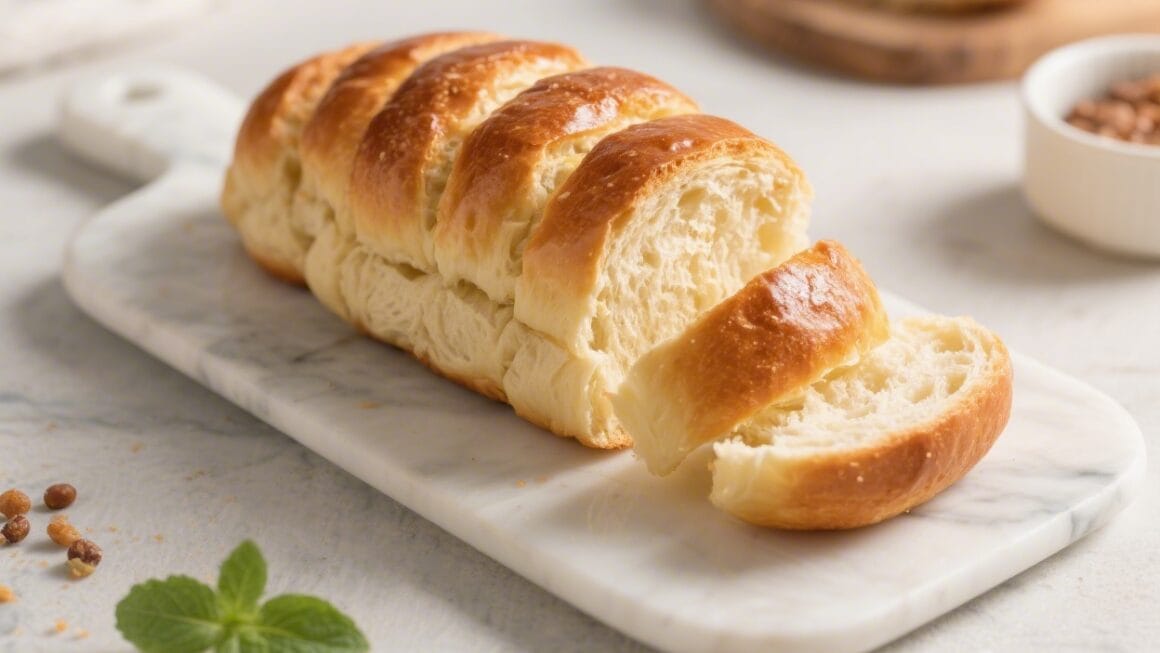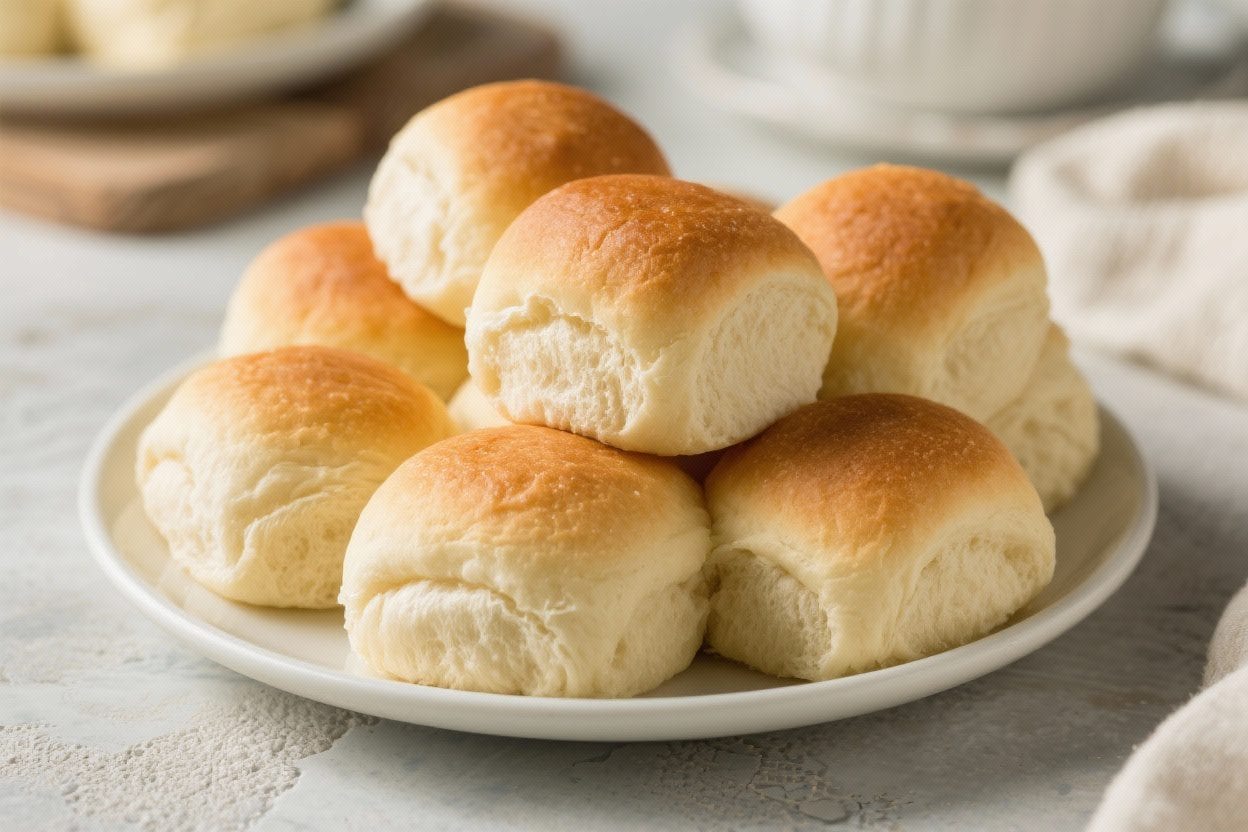
These rolls are the kind that make people pause mid-meal and say, “Wow.” They’re soft, pillowy, and lightly sweet, with a golden top and tender crumb. The best part? You only need one basic dough, and it’s incredibly flexible.
Shape it into classic dinner rolls, knots, buns, or even a quick sandwich loaf. If you’re new to yeast baking, this is a forgiving place to start.
What Makes This Special
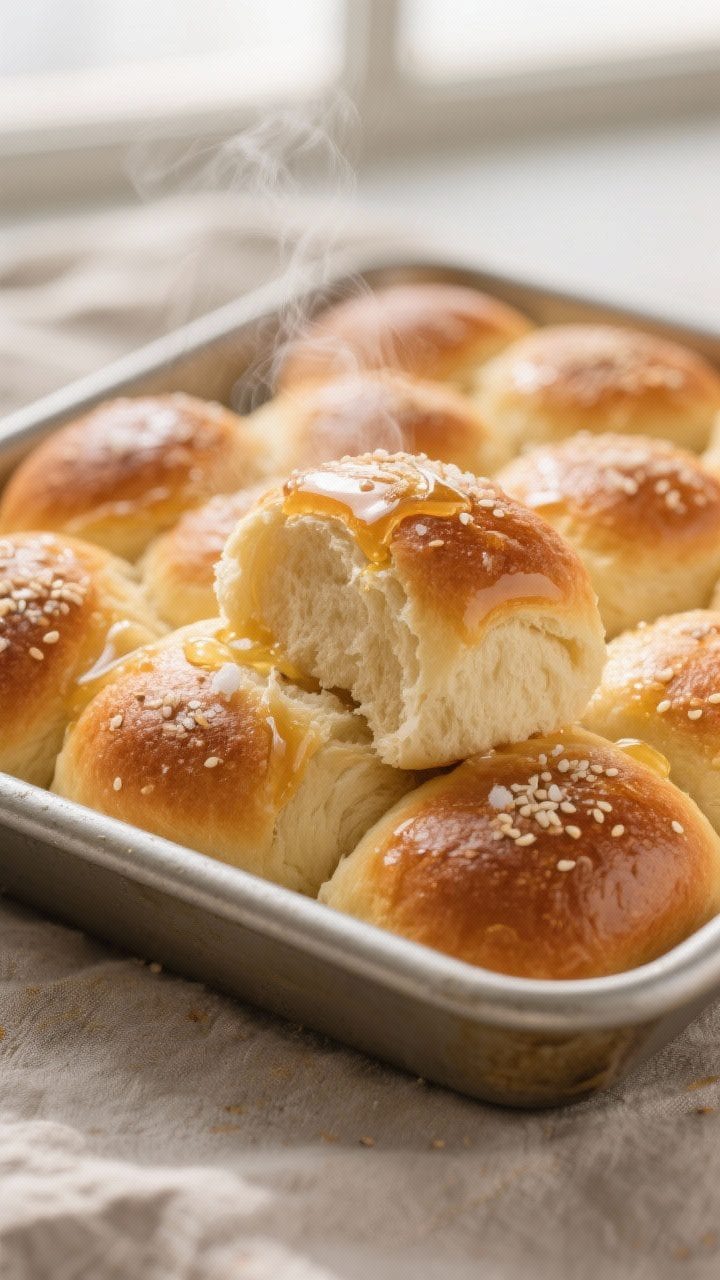
This dough gives you bakery-style results without complicated steps. It uses simple pantry ingredients and a straightforward method that works in most kitchens.
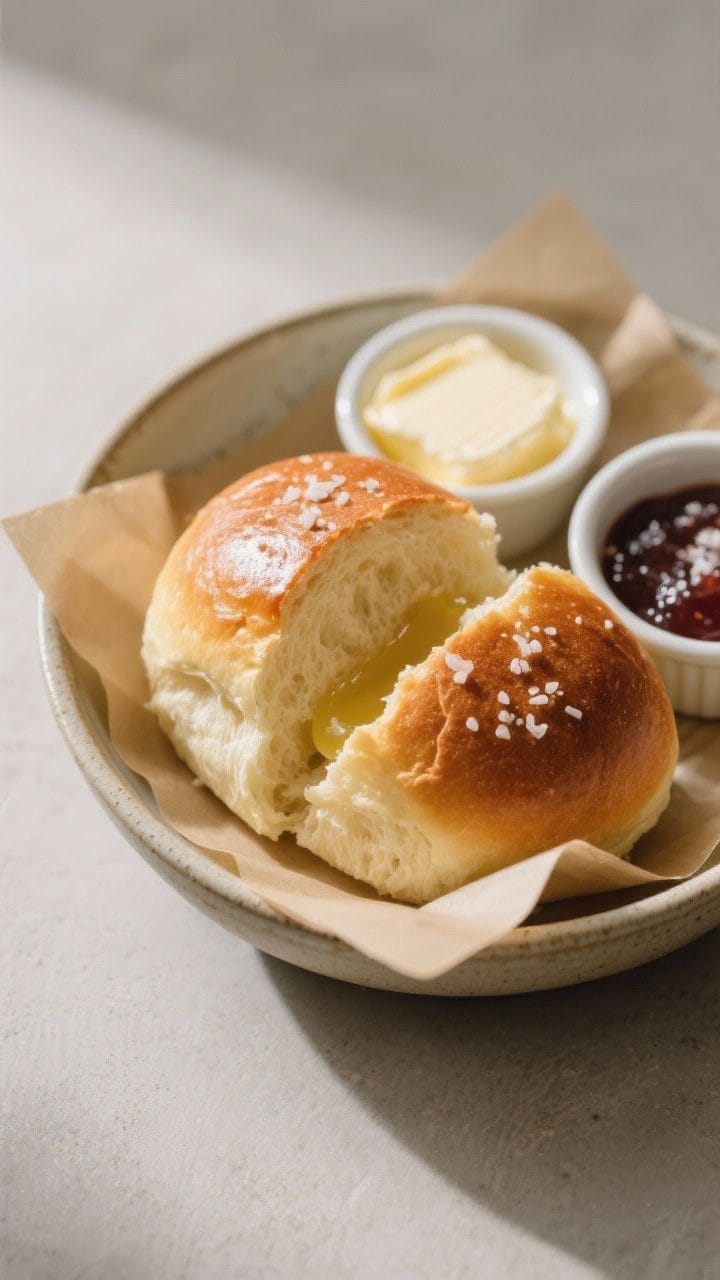
The rolls bake up light but sturdy enough to hold butter, jam, or gravy. The dough is also versatile—turn it into cinnamon rolls for brunch or burger buns for a cookout. With a gentle knead and a calm rise, you’ll get consistent, fluffy bread every time.
Ingredients
- 3 1/2 cups (420 g) all-purpose flour (plus 2–4 tablespoons for dusting)
- 2 1/4 teaspoons (1 packet) instant yeast or active dry yeast
- 1 cup (240 ml) warm milk (about 105–115°F / 40–46°C)
- 1/3 cup (70 g) granulated sugar
- 1 large egg, room temperature
- 5 tablespoons (70 g) unsalted butter, melted and cooled slightly, plus more for brushing
- 1 teaspoon fine salt
- Optional: 1 tablespoon honey for added sweetness and shine
- Optional finish: flaky sea salt or sesame seeds
Instructions
- Warm the liquid. Heat the milk until warm to the touch, not hot.If using active dry yeast, whisk it into the warm milk with 1 teaspoon of sugar and let it sit 5–10 minutes until foamy. For instant yeast, you can add it directly to the flour later.
- Combine the base. In a large bowl, whisk the flour, yeast (if instant), sugar, and salt. In a separate bowl, whisk the egg, melted butter, and warm milk (or milk-yeast mixture if proofed).Pour the wet into the dry.
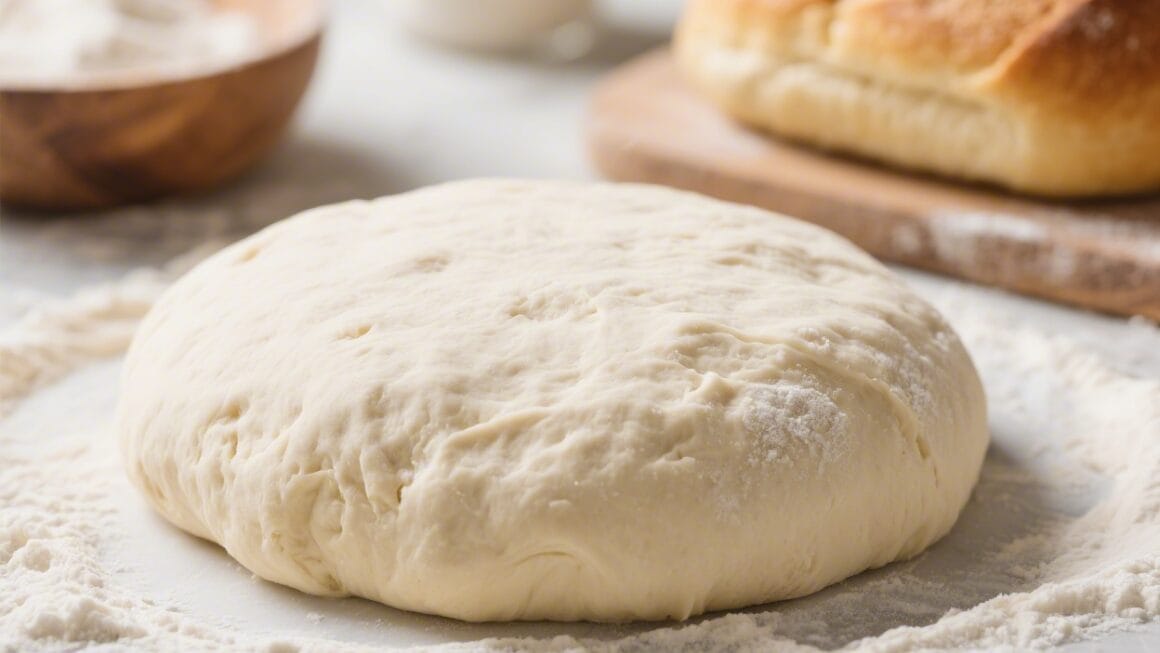
- Mix the dough. Stir with a wooden spoon until a shaggy dough forms. Switch to your hands or a stand mixer with a dough hook. If the dough is very sticky, add 1 tablespoon of flour at a time.Aim for slightly tacky, soft, and elastic.
- Knead. Knead by hand on a lightly floured surface for 8–10 minutes (or 6–7 minutes in a mixer) until smooth. The dough should pass the “windowpane” test: stretch a small piece until thin; it should be translucent without tearing.
- First rise. Place the dough in a lightly oiled bowl, turning once to coat. Cover with a damp towel or plastic wrap.Let rise in a warm, draft-free spot until doubled, about 60–90 minutes.
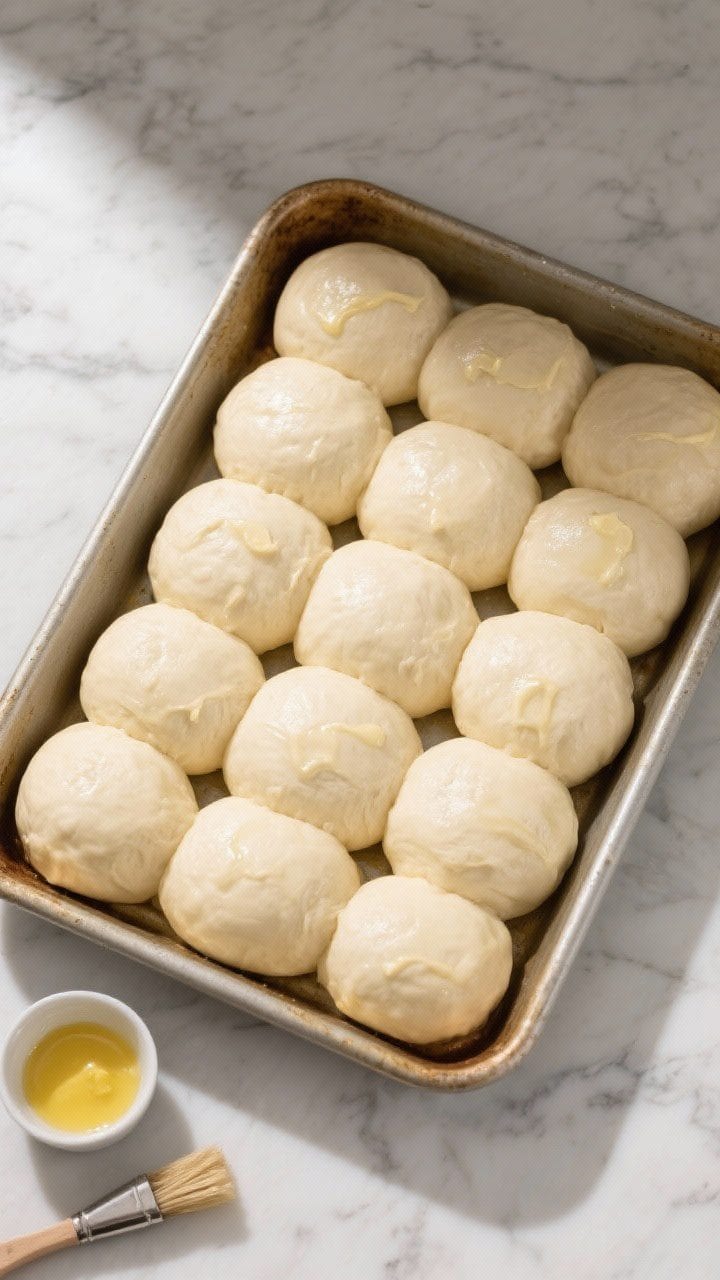
- Shape the rolls. Punch down the dough to release air. Turn it out and divide into 12 equal pieces for standard rolls, or 15 for smaller ones. Shape each into a tight ball by tucking edges underneath and rolling against the counter with your palm.
- Pan and proof. Arrange balls in a greased 9×13-inch pan, leaving slight space between them.Cover loosely and let rise until puffy and touching, 30–45 minutes.
- Preheat and prep. Set your oven to 375°F (190°C). Brush the tops with melted butter mixed with a little honey if you like. Sprinkle with flaky salt or seeds if using.
- Bake. Bake 16–20 minutes until golden on top and an internal temperature reads about 195°F (90°C).If browning too quickly, tent with foil for the last few minutes.
- Finish and serve. Brush with more melted butter while hot for a soft, shiny crust. Cool 10–15 minutes before serving to set the crumb.
Keeping It Fresh
Store rolls in an airtight container at room temperature for up to 2 days. For longer storage, freeze in a zip-top bag for up to 2 months.
Reheat in a 300°F (150°C) oven for 8–10 minutes, or wrap in a damp paper towel and microwave in short bursts. Tip: Brush with butter after reheating to revive that just-baked aroma and softness.
Why This is Good for You
Homemade bread means fewer additives and full control over ingredients. You can use high-quality butter, reduce sugar, or swap part of the flour for whole wheat. Freshly baked rolls also encourage mindful eating—one warm roll with dinner feels satisfying and special. Bonus: Kneading dough is a calming, hands-on routine that many people find relaxing.
Common Mistakes to Avoid
- Water that’s too hot. Milk hotter than 120°F (49°C) can kill yeast.Aim for pleasantly warm, not steaming.
- Too much flour. A stiff dough leads to dense rolls. Keep it slightly tacky, adding flour sparingly.
- Under-kneading. Inadequate gluten development prevents a fluffy crumb. Knead until smooth and stretchy.
- Rushing the rise. Yeast needs time.If your kitchen is cool, give it longer rather than cranking the heat.
- Over-baking. Dry rolls happen fast. Check at 16 minutes and pull when golden with a soft spring.
- Skipping the butter brush. That final swipe of butter keeps the crust tender and adds flavor.
Recipe Variations
- Garlic Herb Rolls: Mix 1 tablespoon minced parsley, 1 teaspoon minced rosemary, and 1–2 cloves grated garlic into the dough. Brush with garlic butter after baking.
- Honey Wheat: Replace 1 cup of all-purpose flour with whole wheat flour and add 1 extra tablespoon honey.Increase milk by 1–2 tablespoons if dough feels stiff.
- Parmesan Black Pepper: Add 1/2 cup finely grated Parmesan and 1 teaspoon freshly ground black pepper to the dough. Finish with more Parmesan on top.
- Sesame Burger Buns: Shape into 8 larger rounds, flatten slightly, proof, brush with egg wash, and sprinkle sesame seeds. Bake 18–22 minutes.
- Overnight Rolls: After kneading, refrigerate the dough tightly covered for up to 24 hours.Shape cold, let proof until puffy, and bake.
- Quick Cinnamon Rolls: Roll the dough into a rectangle, spread with butter, brown sugar, and cinnamon. Roll up, slice, proof, and bake. Drizzle with icing.
FAQ
Can I use water instead of milk?
Yes.
Milk adds richness and softness, but water works in a pinch. If using water, consider adding 1 extra tablespoon of butter for tenderness.
Do I need a stand mixer?
No. This dough is very hand-friendly.
A wooden spoon and a bit of elbow grease are all you need. Just knead until smooth and stretchy.
What if my dough isn’t rising?
Check your yeast freshness and the milk temperature. Give it more time, especially in a cool kitchen.
A turned-off oven with the light on makes a cozy rising spot.
How do I make the rolls extra fluffy?
Keep the dough slightly tacky, knead well, and don’t over-bake. Brushing with butter after baking keeps the crust soft, which enhances the fluffy feel.
Can I halve or double the recipe?
Absolutely. Halve for small batches or double for a crowd.
If doubling, use two pans for even baking and watch the bake time closely.
Is active dry yeast the same as instant?
They work similarly, but instant yeast can be mixed directly with flour, while active dry yeast benefits from proofing in warm liquid first. Both produce great results.
How do I get evenly sized rolls?
Weigh the dough on a kitchen scale and divide by the number of rolls you want. Portion each piece to the same weight for uniform baking.
Why are my rolls dense?
Common causes include too much flour, not enough kneading, or cutting the rise short.
Make sure the dough doubles and feels light and puffy before baking.
Final Thoughts
These fluffy dinner rolls prove that simple ingredients can deliver standout results. With one dough, you can cover weeknight dinners, weekend brunch, and even special occasions. Keep the method gentle, the dough soft, and the timing patient.
Once you’ve made them a time or two, they’ll become your go-to—reliable, versatile, and always crowd-pleasing.
Printable Recipe Card
Want just the essential recipe details without scrolling through the article? Get our printable recipe card with just the ingredients and instructions.