Egg Free Sweet Bread – Soft, Tender, and Easy to Make
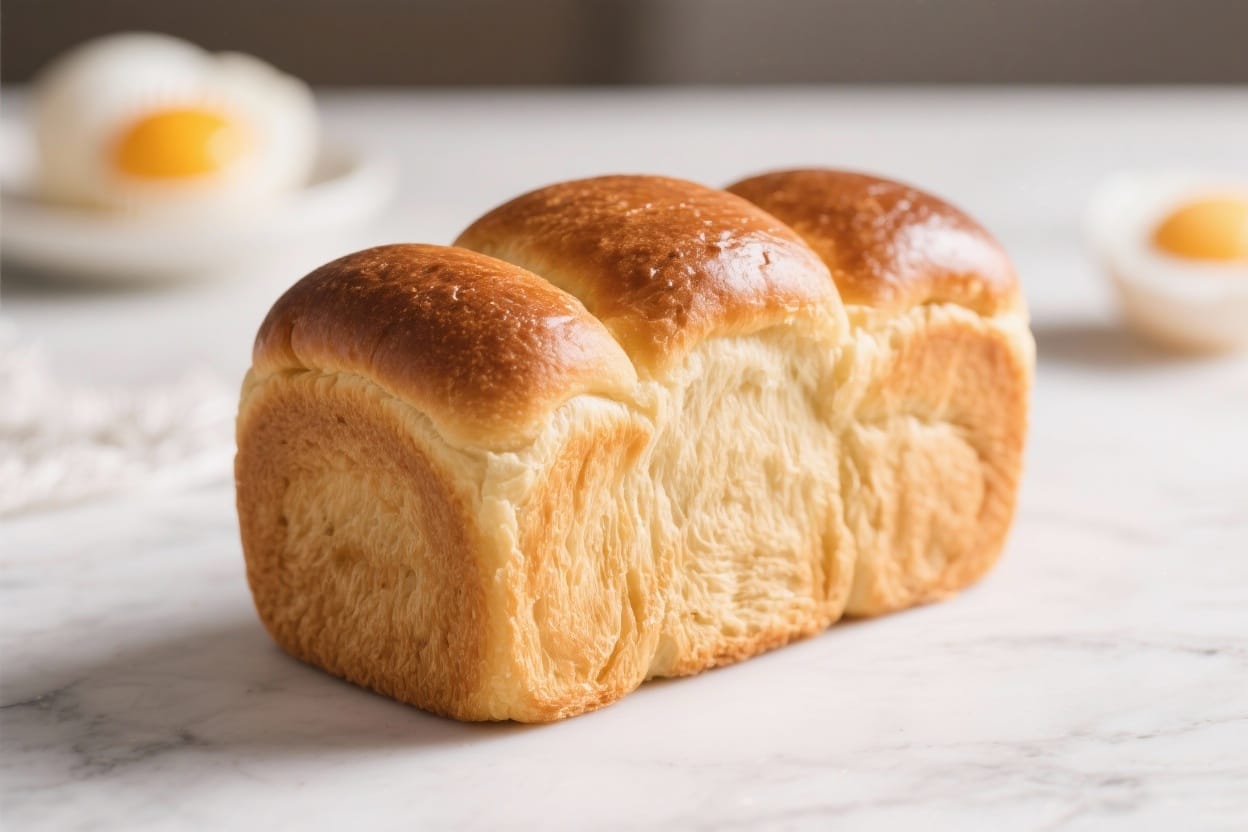
This egg free sweet bread is soft, slightly chewy, and wonderfully fragrant. It’s perfect for breakfast, a mid-afternoon snack, or as a base for French toast and bread pudding. If you avoid eggs for dietary or allergy reasons, you won’t miss them here. The dough is simple and forgiving, and the results are consistently fluffy. Spread with butter, jam, or honey, or enjoy it plain right out of the oven.
Why This Recipe Works
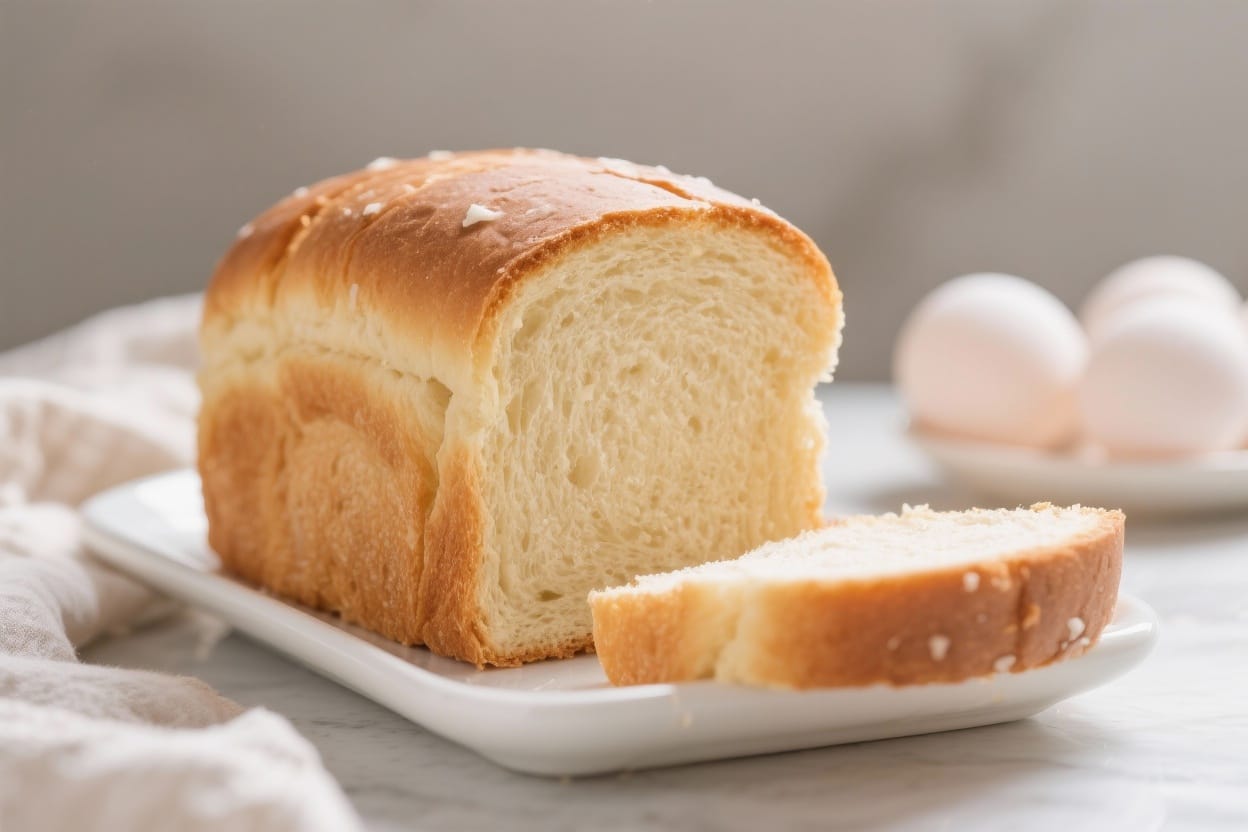
Egg free sweet bread – Egg Free Sweet Bread – Soft, Tender, and Easy to Make This egg free sweet bread is soft, slightly ch
This recipe uses a blend of milk, oil, and a touch of sugar to create a soft crumb without eggs. Potato starch and a bit of cornstarch help mimic the tenderness eggs usually provide. The dough hydrates well and develops gluten properly, which gives the bread a nice rise and a pillowy texture. A warm, slow rise allows the yeast to build flavor while keeping the crumb moist. A little vanilla adds a light, sweet bakery aroma that makes this loaf feel special.
Ingredients
- 3 cups (375 g) all-purpose flour, plus extra for kneading
- 1/4 cup (35 g) potato starch (or sub cornstarch if needed)
- 1/4 cup (50 g) granulated sugar
- 2 1/4 tsp (7 g) instant yeast (or active dry yeast)
- 1 tsp fine sea salt
- 1 cup (240 ml) warm milk (dairy or unsweetened plant milk), about 105–110°F
- 1/4 cup (60 ml) neutral oil (such as canola, sunflower, or light olive oil)
- 2 tsp vanilla extract
- 2–3 tbsp milk for brushing the top (optional)
- 1–2 tbsp coarse sugar for sprinkling (optional)
Instructions
- Mix the dry ingredients. In a large bowl, whisk together the flour, potato starch, sugar, yeast, and salt. If using active dry yeast, make sure it’s not in direct contact with salt; whisk well to distribute.
- Combine the wet ingredients. In a measuring cup, mix warm milk, oil, and vanilla. The milk should be warm to the touch, not hot.
- Form the dough. Pour the wet ingredients into the dry. Stir with a spatula until it forms a shaggy dough. If it’s very dry, add 1–2 tablespoons of extra warm milk; if it’s too sticky, sprinkle in a bit more flour.
- Knead until smooth. Turn the dough onto a lightly floured surface and knead for 7–9 minutes, until smooth and elastic. The dough should feel soft and slightly tacky but not stick to your hands.
- First rise. Place the dough in a lightly oiled bowl, turning once to coat. Cover with a towel or plastic wrap and let rise in a warm, draft-free spot until doubled, about 60–90 minutes.
- Shape the loaf. Punch down the dough to release air. Roll it into a rectangle, then roll it up tightly into a log, pinching the seam. Tuck the ends under. Place into a greased 8.5 x 4.5-inch loaf pan.
- Second rise. Cover and let rise until the dough crests about 1 inch over the rim, 35–50 minutes depending on room temperature.
- Preheat and glaze. Preheat the oven to 350°F (175°C). Brush the top with milk and sprinkle with coarse sugar if you like.
- Bake. Bake for 28–34 minutes, until golden brown and the internal temperature reads about 190–195°F (88–90°C). If the top browns too fast, tent loosely with foil for the last 10 minutes.
- Cool before slicing. Let the loaf cool in the pan for 10 minutes, then move to a wire rack to cool completely. Slice with a serrated knife.
Storage Instructions
- Room temperature: Keep the loaf in an airtight bag or container for up to 3 days. Avoid refrigeration, which dries bread out.
- Freezing: Slice, wrap tightly, and freeze for up to 2 months. Toast slices straight from the freezer or let them thaw at room temperature.
- Refresh: If the bread softens on the outside but feels stale inside, warm slices in a 300°F (150°C) oven for 5–7 minutes to revive the crumb.
Health Benefits
This bread keeps ingredients simple and avoids eggs, which helps those with allergies or dietary restrictions. Using oil instead of butter reduces saturated fat, and you can choose a heart-friendly oil like canola or avocado. If you opt for a fortified plant milk, you’ll add calcium and vitamin D. The sweetness is moderate, so it pairs well with protein-rich spreads like peanut butter, reducing blood sugar spikes. For more fiber, swap part of the flour for white whole wheat flour.
Common Mistakes to Avoid
- Milk too hot: Overheated milk can kill the yeast. Aim for warm, not hot.
- Too much flour: A dry dough leads to a dense loaf. The dough should be soft and slightly tacky.
- Skipping the second rise: This step builds volume and tenderness. Don’t rush it.
- Cutting while hot: Slicing too soon compresses the crumb. Let it cool for clean slices.
- Under-kneading: Without eggs, gluten development matters. Knead until the dough is smooth and elastic.
Alternatives
- Dairy-free: Use unsweetened almond, soy, or oat milk. Choose a neutral oil and confirm your sugar is vegan if needed.
- Whole grain: Replace 1 cup of all-purpose flour with white whole wheat flour. Add 1–2 tablespoons extra milk if the dough feels stiff.
- Cinnamon swirl: After the first rise, roll the dough into a rectangle. Spread 2 tablespoons softened vegan butter, sprinkle 1/3 cup brown sugar and 2 teaspoons cinnamon, roll up, and proceed.
- Orange vanilla: Add 1 tablespoon orange zest and swap half the vanilla for orange extract. Top with a light orange glaze after baking if you like.
- Raisin or chocolate chip: Knead in 1/2 to 3/4 cup raisins or mini chocolate chips after the first rise. Pat the dough out, sprinkle, then fold and shape.
- Lower sugar: Reduce sugar to 2 tablespoons. The texture remains soft, and the loaf is more neutral for sandwiches.
FAQ
Can I make this bread without yeast?
Yeast creates the classic rise and texture of sweet bread. For a no-yeast option, consider a quick bread using baking powder, but the crumb and flavor will be different—more like cake than bread.
What if I only have active dry yeast?
Use the same amount, but proof it first. Mix the yeast with warm milk and a pinch of sugar, let it sit for 5–10 minutes until foamy, then proceed with the recipe.
Why add potato starch?
Potato starch helps keep the crumb tender and slightly springy, similar to the role eggs often play. Cornstarch works too, but potato starch gives a softer bite.
How do I know when the bread is done?
The top should be golden, and a thermometer inserted into the center should read around 190–195°F (88–90°C). If you don’t have a thermometer, tap the bottom—it should sound hollow.
Can I knead with a stand mixer?
Yes. Use the dough hook on low to medium-low for 6–8 minutes, adding flour 1 tablespoon at a time if the dough clings excessively to the bowl.
What pan size works best?
An 8.5 x 4.5-inch loaf pan gives a taller loaf. A 9 x 5-inch pan works, but the loaf will be slightly wider and shorter. Adjust baking time by a few minutes if needed.
How can I make it richer without eggs?
Swap half the oil for melted butter, or use full-fat milk. You can also add 2 tablespoons of milk powder to the dry ingredients for a creamier flavor.
Is this bread good for French toast?
Absolutely. Its soft crumb soaks up custard beautifully. For an egg-free custard, use plant milk, a little cornstarch, vanilla, cinnamon, and a touch of sugar, then pan-fry in butter or oil.
In Conclusion
This egg free sweet bread is simple to make, soft, and versatile. It fits into many diets without sacrificing flavor or texture. Bake a loaf on the weekend, slice it up, and enjoy it all week—from toast in the morning to a sweet snack with tea. With a few pantry staples and an easy method, you’ll have a reliable, go-to loaf that feels like a treat every time.
Printable Recipe Card
Want just the essential recipe details without scrolling through the article? Get our printable recipe card with just the ingredients and instructions.