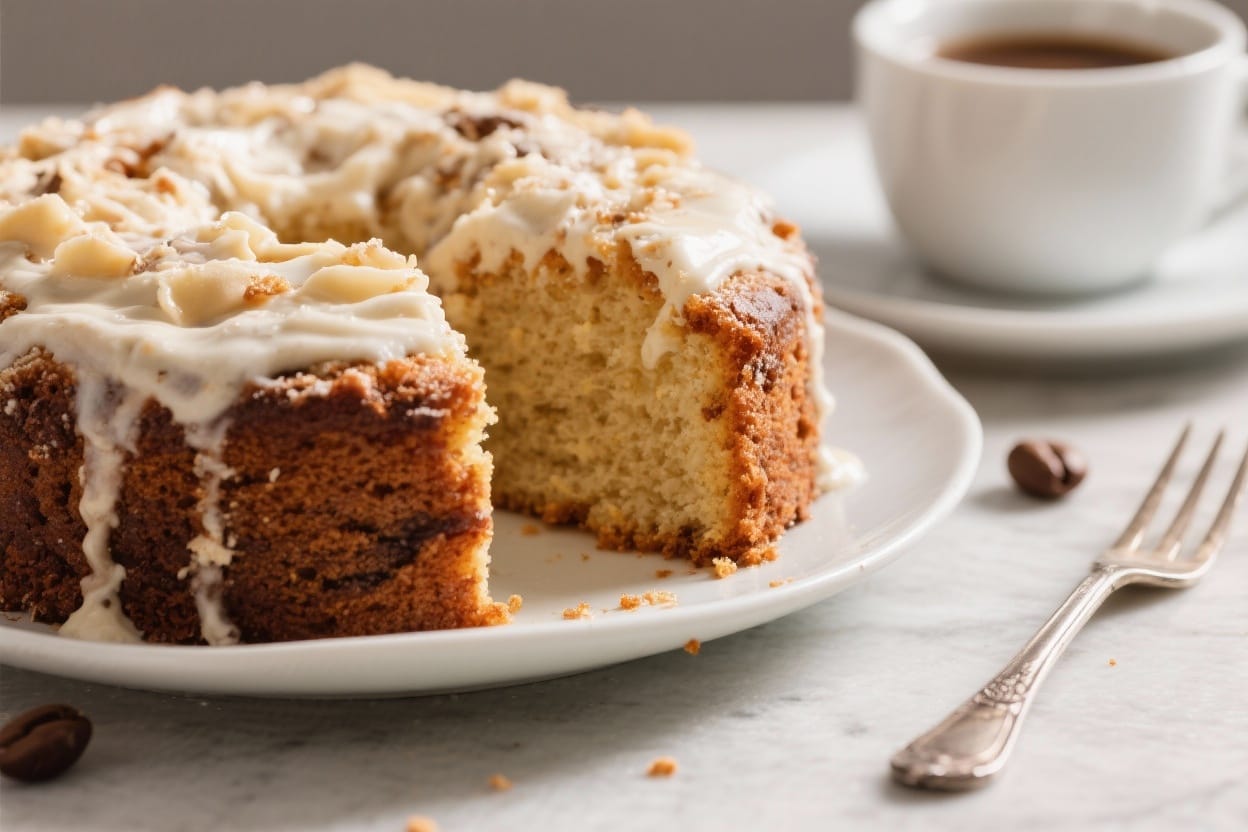
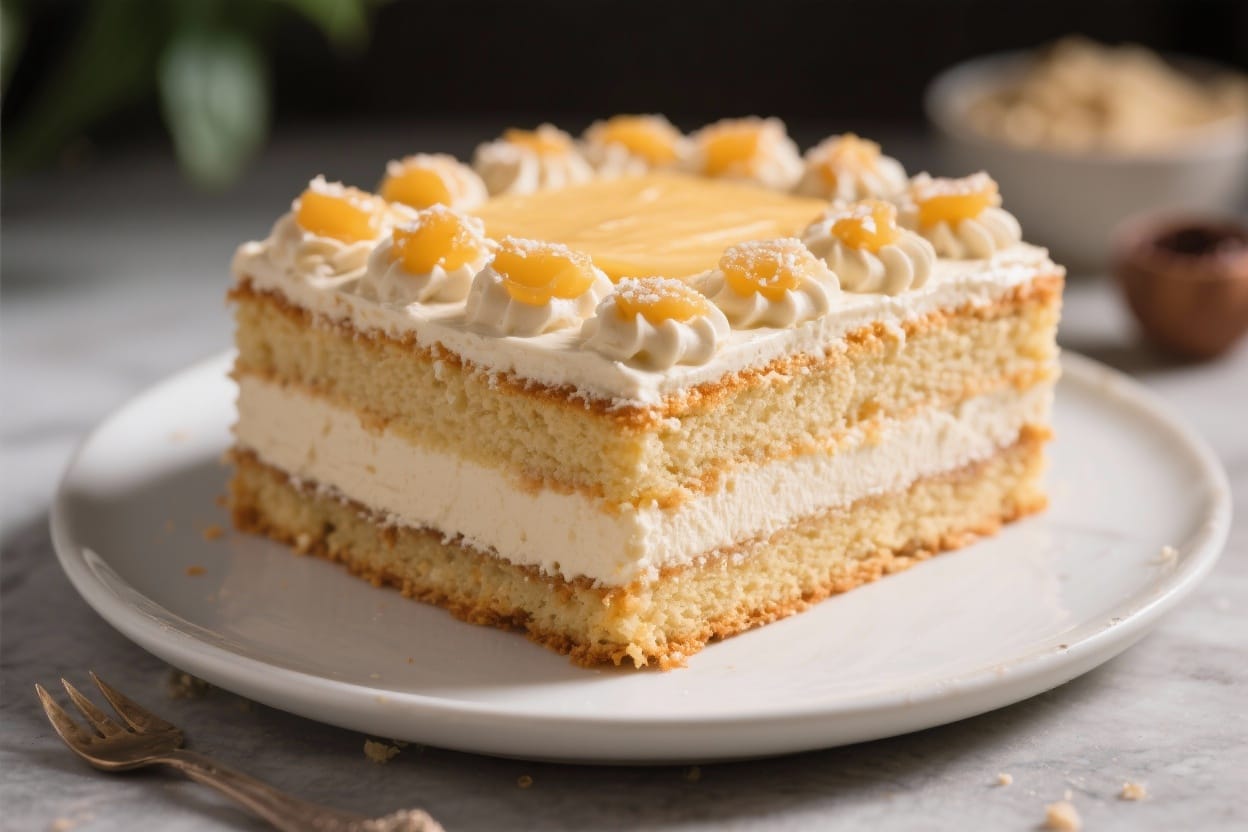
Easy Homemade Cake for Beginners – Simple, Reliable, and Delicious
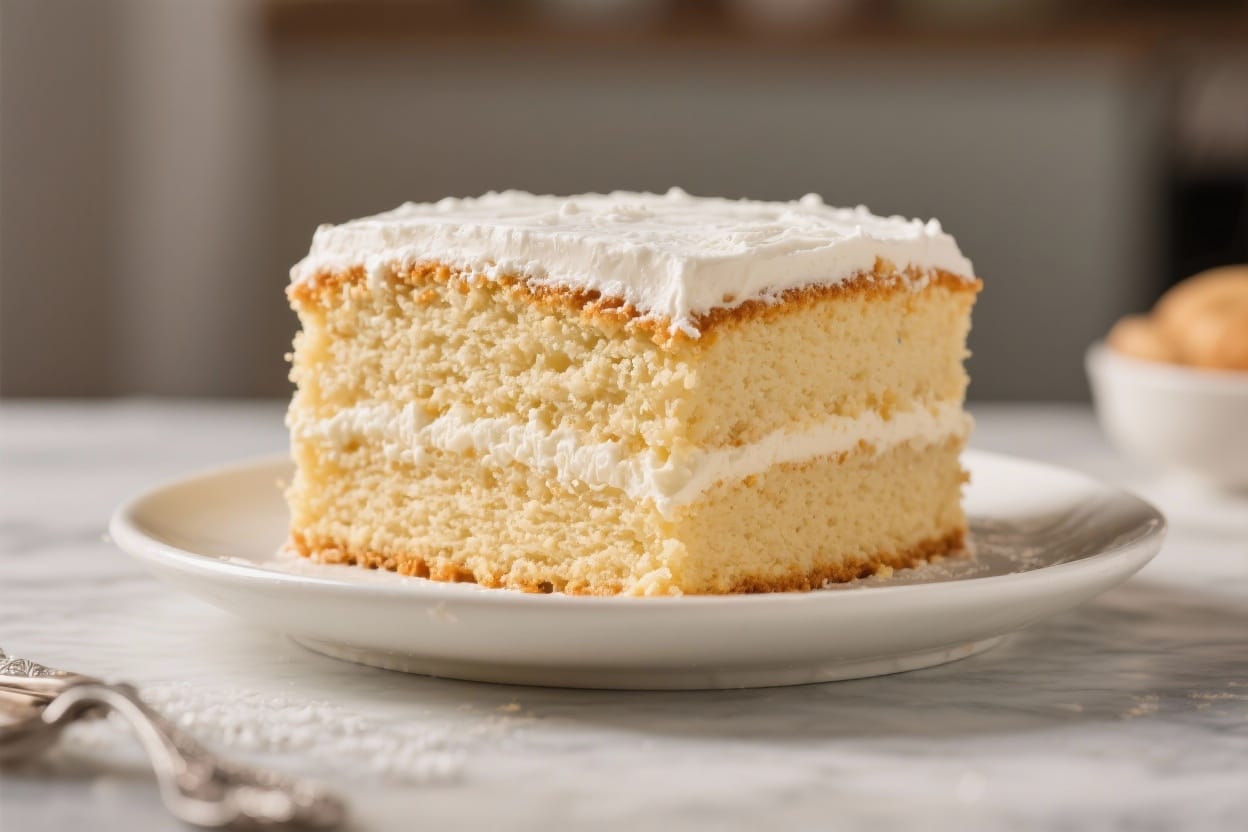
If you’ve ever wanted to bake a cake from scratch but felt intimidated, this recipe is your friendly starting point. You don’t need special tools or fancy skills—just a bowl, a whisk, and a few pantry staples. The result is a soft, buttery vanilla cake that tastes like something your grandma would make. It’s perfect for birthdays, weekends, or whenever you want a sweet treat without fuss. Once you try it, you’ll see how doable homemade baking can be.
What Makes This Special

Easy homemade cake for beginners – Easy Homemade Cake for Beginners – Simple, Reliable, and Delicious If you’ve ever wanted to bake a c
This cake is designed for new bakers, so every step is straightforward and forgiving. The batter comes together in minutes, and the ingredients are easy to find and budget-friendly. It bakes into a tender crumb that pairs well with anything—powdered sugar, chocolate ganache, or fresh berries. You can make it in a single pan, and it tastes great even without frosting.
Ingredients

Easy homemade cake for beginners – You don’t need special tools or fancy skills—just a bowl, a whisk, and a few pantry staples
- 1 1/2 cups (190 g) all-purpose flour
- 1 cup (200 g) granulated sugar
- 1 1/2 teaspoons baking powder
- 1/2 teaspoon baking soda
- 1/2 teaspoon fine salt
- 1/2 cup (115 g) unsalted butter, melted and slightly cooled
- 2 large eggs, room temperature
- 3/4 cup (180 ml) milk, room temperature
- 1/4 cup (60 ml) plain yogurt or sour cream (for extra moisture)
- 2 teaspoons vanilla extract
- Optional topping: powdered sugar for dusting or a quick glaze
Instructions

Easy homemade cake for beginners – The result is a soft, buttery vanilla cake that tastes like something your grandma would make
- Prep your pan and oven. Heat the oven to 350°F (175°C). Grease an 8-inch square or round cake pan and line the bottom with parchment for easy release.
- Mix the dry ingredients. In a large bowl, whisk together the flour, sugar, baking powder, baking soda, and salt until well combined.
- Combine the wet ingredients. In a separate bowl or large measuring cup, whisk the melted butter, eggs, milk, yogurt (or sour cream), and vanilla until smooth.
- Bring the batter together. Pour the wet ingredients into the dry ingredients. Whisk or stir with a spatula just until no dry streaks remain. The batter should be smooth but don’t overmix.
- Fill the pan. Scrape the batter into the prepared pan and smooth the top. Tap the pan lightly on the counter to pop any large bubbles.
- Bake. Place on the middle rack and bake for 28–34 minutes, or until the top is golden and a toothpick inserted in the center comes out with a few moist crumbs, not wet batter.
- Cool. Let the cake cool in the pan for 10 minutes, then turn it out onto a rack, peel off the parchment, and cool completely.
- Finish and serve. Dust with powdered sugar, drizzle with a simple glaze (powdered sugar + milk), or enjoy plain. Slice and serve at room temperature.
Keeping It Fresh
To keep the cake moist, store it in an airtight container at room temperature for up to 2 days. If your kitchen is warm, refrigerate it and bring slices to room temperature before serving. For longer storage, wrap the cooled cake tightly in plastic, then foil, and freeze for up to 2 months. Always cool fully before wrapping to prevent soggy texture from trapped steam.
Health Benefits
This cake is a treat, but you can make it a bit lighter with simple swaps. Yogurt or sour cream adds protein and moisture, allowing you to use a touch less butter without losing tenderness. You can also opt for reduced sugar by cutting 2–3 tablespoons without affecting structure.
Serve with fresh fruit like berries or sliced peaches for a dose of fiber and vitamins. If you’re looking for a whole-grain option, swap up to 1/2 cup of the flour for whole wheat pastry flour—the cake will be slightly denser but still tasty.
Pitfalls to Watch Out For
- Overmixing the batter: This can make the cake tough. Stir just until combined.
- Cold ingredients: Cold eggs or milk can cause the batter to seize or bake unevenly. Room temperature gives the best rise.
- Overbaking: Dry cake is usually baked a few minutes too long. Start checking at 28 minutes.
- Skipping the parchment: The cake can stick, especially in older pans. A parchment circle makes release stress-free.
- Inaccurate measurements: Too much flour leads to a dense cake. Spoon flour into the measuring cup and level it, or weigh it.
Variations You Can Try
- Lemon Burst: Add 1 tablespoon lemon zest and swap 2 tablespoons of milk for fresh lemon juice. Finish with a lemon glaze.
- Chocolate Chip: Fold in 3/4 cup mini chocolate chips. Dust the chips in a teaspoon of flour so they don’t sink.
- Cinnamon Swirl: Mix 1/4 cup brown sugar with 1 teaspoon cinnamon. Layer half the batter, sprinkle the mixture, then top with remaining batter and swirl gently.
- Coconut Dream: Stir in 1/2 cup shredded coconut and use coconut extract instead of vanilla. Great with a quick coconut glaze.
- Berry Patch: Gently fold in 1 cup fresh blueberries or raspberries. Pat berries dry first to avoid streaking.
- Chocolate Version: Replace 1/4 cup flour with 1/4 cup unsweetened cocoa powder and add 2 extra tablespoons milk.
- Dairy-Free: Use plant-based butter or oil and a non-dairy milk like oat or almond. Choose a neutral-flavored option.
FAQ
Can I use oil instead of butter?
Yes. Use the same amount of neutral oil, like canola or light olive oil. The cake will be extra moist with a slightly different flavor and a softer crumb.
What if I don’t have yogurt or sour cream?
Use the same amount of milk plus 1 teaspoon of lemon juice or vinegar to mimic the acidity, or use buttermilk in place of both the milk and yogurt.
How do I know the cake is done?
The edges should pull slightly from the pan, the top should spring back when lightly pressed, and a toothpick in the center should come out with a few moist crumbs.
Can I make cupcakes instead?
Absolutely. Line a 12-cup muffin tin and fill each about two-thirds full. Bake at the same temperature for 16–20 minutes, checking at 16.
What size pan works best?
An 8-inch square or round pan is perfect. A 9-inch pan works too; the cake will be a bit thinner and may bake a few minutes faster. For a loaf pan, bake 45–55 minutes and tent with foil if browning too quickly.
Do I need a mixer?
No. A whisk and spatula are enough. If using a mixer, keep it on low and stop as soon as the batter is smooth.
How can I make a quick frosting?
Beat 4 ounces softened cream cheese with 2 tablespoons soft butter, 1 cup powdered sugar, and 1 teaspoon vanilla. Add a splash of milk if needed to loosen.
Can I reduce the sugar?
Yes, you can reduce by up to 2–3 tablespoons without a major change in texture. More than that may affect moisture and rise.
Why did my cake sink in the middle?
Common causes include underbaking, expired leaveners, opening the oven too early, or using too much liquid. Check your baking powder and soda dates and avoid opening the oven during the first 20 minutes.
How do I prevent a domed top?
Make sure your oven is at the right temperature and avoid overmixing. You can also lower the rack one level or use cake strips for more even baking.
Wrapping Up
This easy homemade cake for beginners is a dependable, tasty recipe you’ll reach for again and again. It’s simple to mix, quick to bake, and flexible enough for whatever flavors you love. Once you master this base, you can turn it into cupcakes, layer cakes, or a Sunday snack with berries. Keep it simple or dress it up—either way, it’s a sweet win.
Printable Recipe Card
Want just the essential recipe details without scrolling through the article? Get our printable recipe card with just the ingredients and instructions.