Easy First Time Yeast Bread Recipe – A Simple Loaf You’ll Actually Make
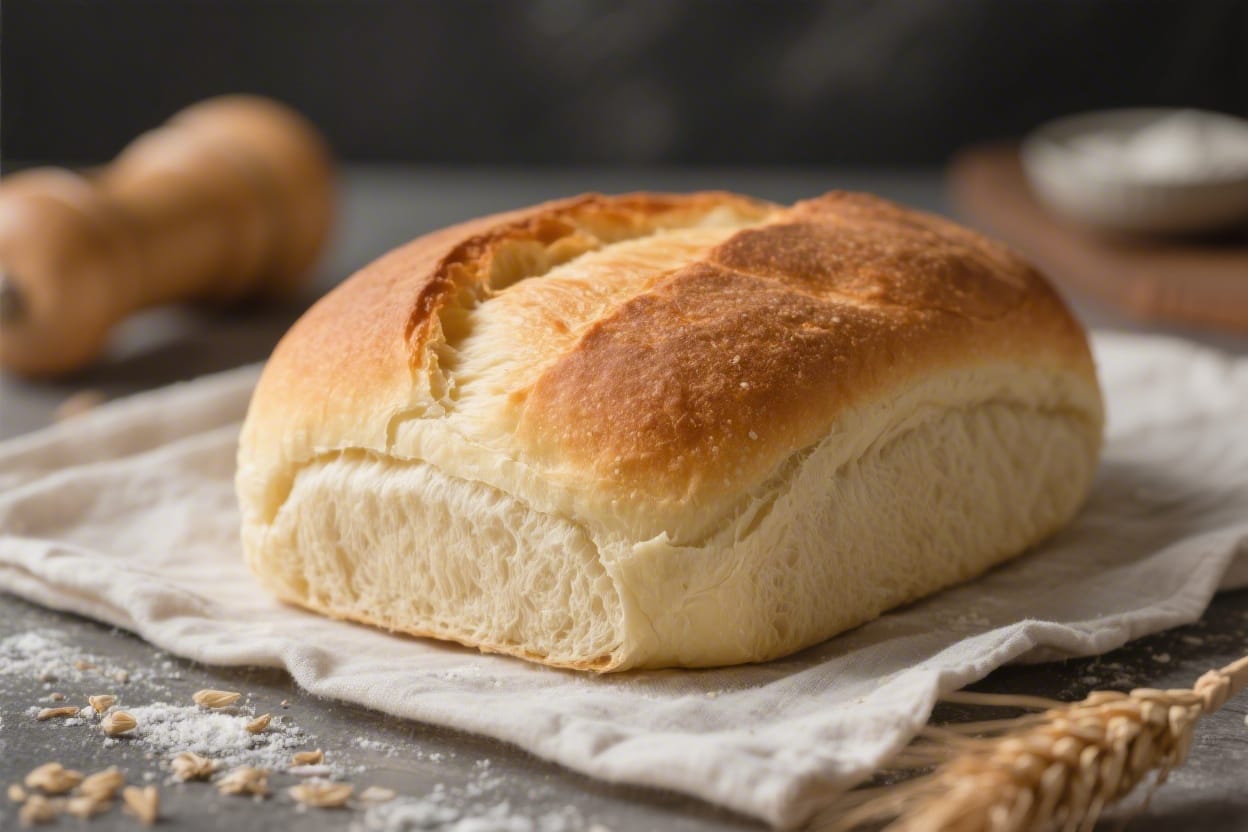
If you’ve always wanted to bake bread but felt nervous about yeast, this is the place to start. This loaf is soft inside, golden outside, and forgiving if you’re new to kneading. You don’t need fancy tools or special flour—just a bowl, your hands, and a bit of patience. Along the way, you’ll learn what the dough should feel like and how to tell when it’s ready. By the time it cools, your kitchen will smell like a bakery and you’ll be planning your next loaf.
What Makes This Special

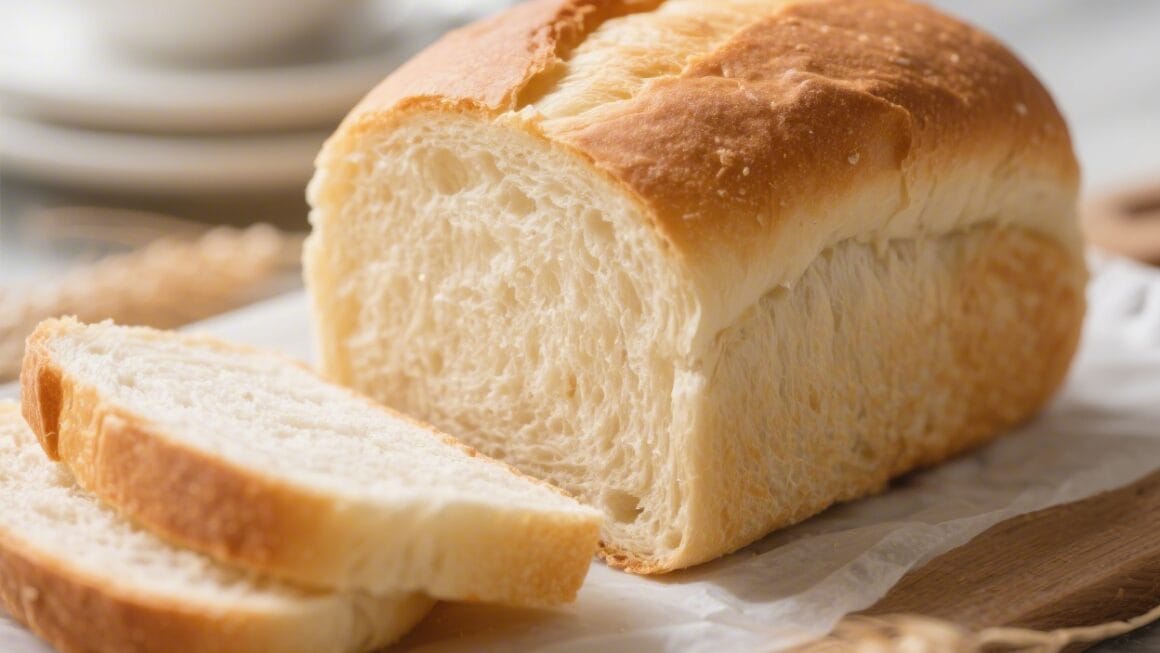
Easy first time yeast bread recipe – Easy First Time Yeast Bread Recipe – A Simple Loaf You’ll Actually Make If you’ve always wanted to b
This recipe focuses on feel and simplicity, not perfection. You’ll learn cues like “tacky, not sticky” and “doubled in size,” which matter more than exact minutes. It uses common pantry ingredients and one rise and one proof, so you can go from flour to loaf in a morning. The crust is lightly crisp, the crumb is soft and sliceable, and it’s perfect for toast, sandwiches, or tearing and dipping into soup. Most of all, it builds confidence for future bakes.
Ingredients

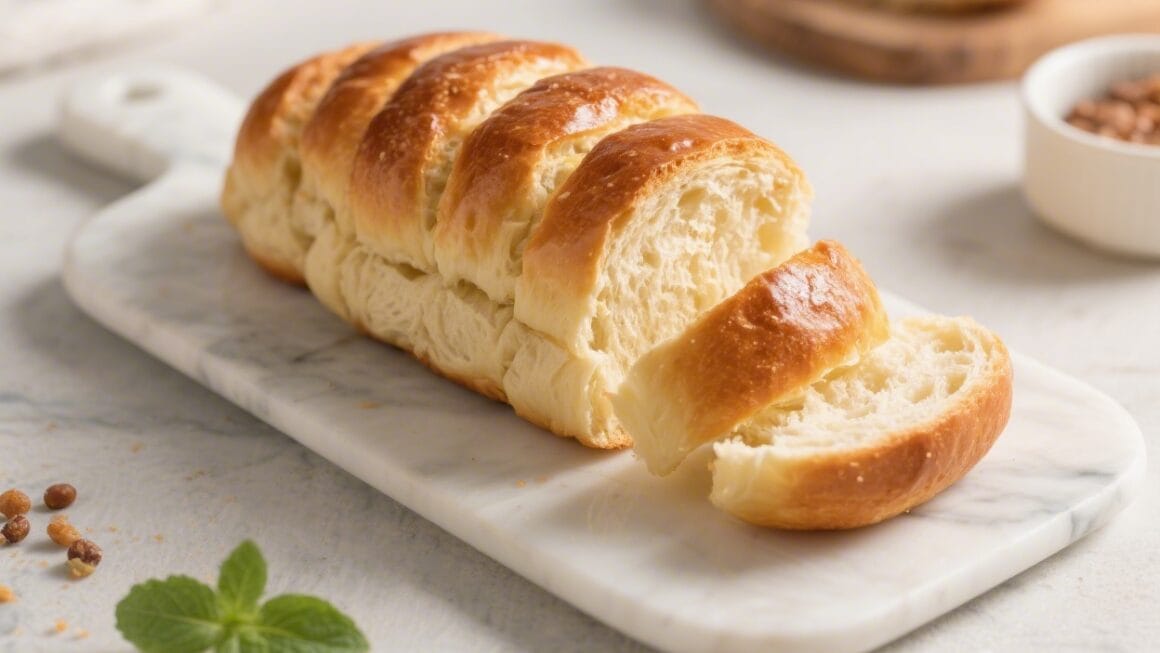
Easy first time yeast bread recipe – This loaf is soft inside, golden outside, and forgiving if you’re new to kneading
- 3 cups (360 g) all-purpose flour (or bread flour for a chewier loaf)
- 1 cup (240 ml) warm water (about 105–110°F / 40–43°C; warm, not hot)
- 2 1/4 teaspoons (1 packet) active dry yeast (instant yeast works too; see FAQ)
- 1 tablespoon sugar (or honey)
- 1 1/2 teaspoons fine salt
- 1 1/2 tablespoons olive oil (or melted butter), plus a little for greasing
- Optional: 1 egg beaten with 1 teaspoon water for an egg wash
Instructions

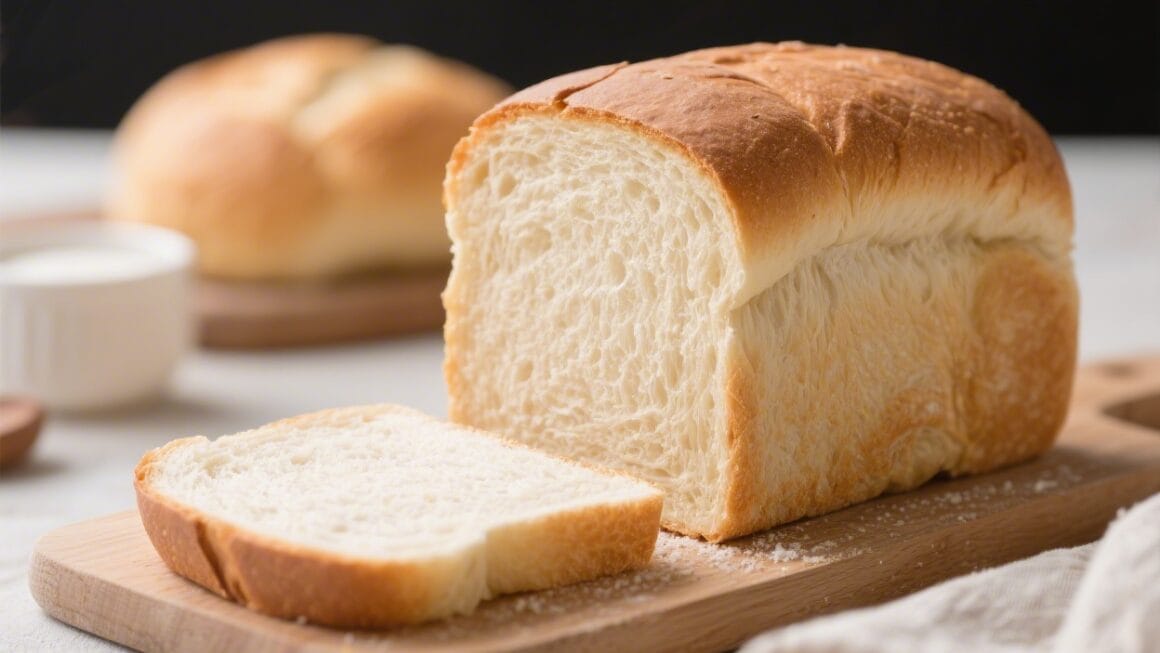
Easy first time yeast bread recipe – You don’t need fancy tools or special flour—just a bowl, your hands, and a bit of patience
- Proof the yeast. In a large bowl, stir the warm water and sugar. Sprinkle the yeast over the top. Let it sit 5–10 minutes until foamy. If it doesn’t foam, start over—the water may be too hot or the yeast old.
- Make the dough. Add the oil and salt to the foamy mixture. Stir in 2 1/2 cups of the flour using a spoon until a shaggy dough forms. Add the remaining flour a little at a time until the dough comes together and pulls away from the bowl. It should feel tacky but not sticky.
- Knead. Lightly flour your counter. Turn the dough out and knead for 6–8 minutes. Push with the heel of your hand, fold, turn, and repeat. The dough will become smooth and elastic. If it’s sticking badly, dust with tiny pinches of flour. Avoid adding too much, which can make the loaf dense.
- First rise. Grease a clean bowl. Place the dough inside, turning once to coat. Cover with a clean towel or plastic wrap. Let it rise in a warm, draft-free spot until doubled in size, about 60–90 minutes. A gentle finger press should leave a slight indent that springs back slowly.
- Shape the loaf. Punch down the dough to release air. Turn it onto the counter and pat into a rectangle about 8×12 inches. Roll it up from the short side into a tight log, pinch the seam, and tuck the ends under. Place seam-side down in a greased 8.5×4.5-inch loaf pan, or on a parchment-lined baking sheet for a freestanding loaf.
- Second rise (proof). Cover and let the dough rise again until it crowns about 1 inch over the pan rim, 30–45 minutes. If freeform, it should puff noticeably and hold its shape when gently jiggled.
- Preheat the oven. While the dough proofs, preheat to 375°F (190°C). If using an egg wash, brush it on just before baking for a glossy crust.
- Bake. Bake 28–35 minutes until the loaf is deep golden and sounds hollow when tapped on the bottom. An instant-read thermometer inserted into the center should read 190–200°F (88–93°C).
- Cool. Transfer the loaf to a rack. Let it cool at least 45 minutes before slicing. This sets the crumb so slices are clean and soft.
Storage Instructions
- Room temperature: Wrap the cooled loaf in a clean kitchen towel or place in a paper bag inside a bread box. It stays fresh 2–3 days. Avoid the fridge, which dries bread out.
- Freezer: Slice the loaf, wrap tightly in plastic or foil, and place in a freezer bag. Freeze up to 3 months. Toast slices straight from frozen.
- Reviving: If the crust softens, re-crisp by warming the unsliced loaf at 325°F (165°C) for 8–10 minutes.
Health Benefits
- Simple ingredients: Flour, water, yeast, salt, and a touch of oil—no additives if you don’t want them.
- Portion and control: You control salt, sugar, and fat. Use whole wheat for more fiber, or olive oil for heart-healthy fats.
- Energy source: Carbs fuel active days, and homemade bread pairs well with protein- and veggie-rich toppings.
- No unnecessary preservatives: Fresher flavor and fewer processed ingredients than many store-bought loaves.
Pitfalls to Watch Out For
- Water too hot: Anything above about 120°F (49°C) can kill yeast. Think warm bath, not hot shower.
- Too much flour: It’s tempting to keep dusting, but excess flour leads to a heavy loaf. Aim for tacky dough and trust the knead.
- Under-kneading: The dough won’t trap gas well and may bake up flat. Look for smooth, stretchy dough that passes a gentle “windowpane” test.
- Over-proofing: If the dough rises too long, it can collapse in the oven. Stop when it’s puffy and just past doubled, not ballooned.
- Slicing too soon: Cutting hot bread compresses the crumb and makes it gummy. Cooling matters.
Alternatives
- Whole wheat version: Swap 1 to 1 1/2 cups of the all-purpose flour with whole wheat. Add 1–2 tablespoons extra water if needed, and expect a slightly denser, nutty loaf.
- Herb and garlic: Mix in 1–2 teaspoons dried Italian herbs and 1/2 teaspoon garlic powder with the flour for a savory loaf.
- Honey oat: Replace sugar with honey and fold in 1/3 cup rolled oats during mixing. Sprinkle more oats on top after an egg wash.
- Dairy-rich: Use warm milk instead of water and butter instead of oil for a softer crumb and tender crust.
- No loaf pan: Shape a round boule and bake on a sheet at 400°F (205°C) for about 25–32 minutes.
FAQ
Can I use instant yeast instead of active dry?
Yes. Use the same amount. Skip proofing and mix instant yeast directly with the dry ingredients. Add warm water and proceed. The rises may be slightly faster, so keep an eye on the dough.
How do I know the dough has enough flour?
It should feel tacky like a Post-it note, not gluey. When you press a finger into it, it should stick slightly but pull away cleanly. If it smears onto your finger, add a tablespoon of flour at a time.
What if my kitchen is cold?
Let the dough rise in the oven with the light on, or near a warm appliance. You can also place the covered bowl over a slightly warm (not hot) heating pad. Cooler rooms just mean longer rise times—watch the dough, not the clock.
Why is my crust too hard?
You may be baking a little too long or too hot. Try pulling the loaf when it hits 190°F in the center. Brushing the top with a little butter right after baking softens the crust nicely.
How should I slice the bread?
Use a sharp serrated knife and gentle sawing motions after the loaf is fully cooled. For very even slices, turn the loaf on its side before slicing.
Can I add seeds or toppings?
Absolutely. After shaping, brush with egg wash and sprinkle sesame, poppy, or sunflower seeds. Press gently so they stick, then bake as directed.
How do I make it vegan?
Use sugar instead of honey, olive oil instead of butter, and skip the egg wash. Everything else stays the same.
Can I double the recipe?
Yes. Mix and knead as usual, then divide the dough into two pans. Rise times may vary slightly; bake until each loaf reaches 190–200°F.
Wrapping Up
This easy first-time yeast bread keeps the steps simple and the results generous. With a few basic cues and a bit of patience, you’ll pull a warm, golden loaf from your oven that tastes like real home baking. Make it once, and you’ll have a reliable base for endless variations. Tomorrow’s toast, tonight’s soup companion, next week’s sandwich—this loaf can handle it all.
Printable Recipe Card
Want just the essential recipe details without scrolling through the article? Get our printable recipe card with just the ingredients and instructions.