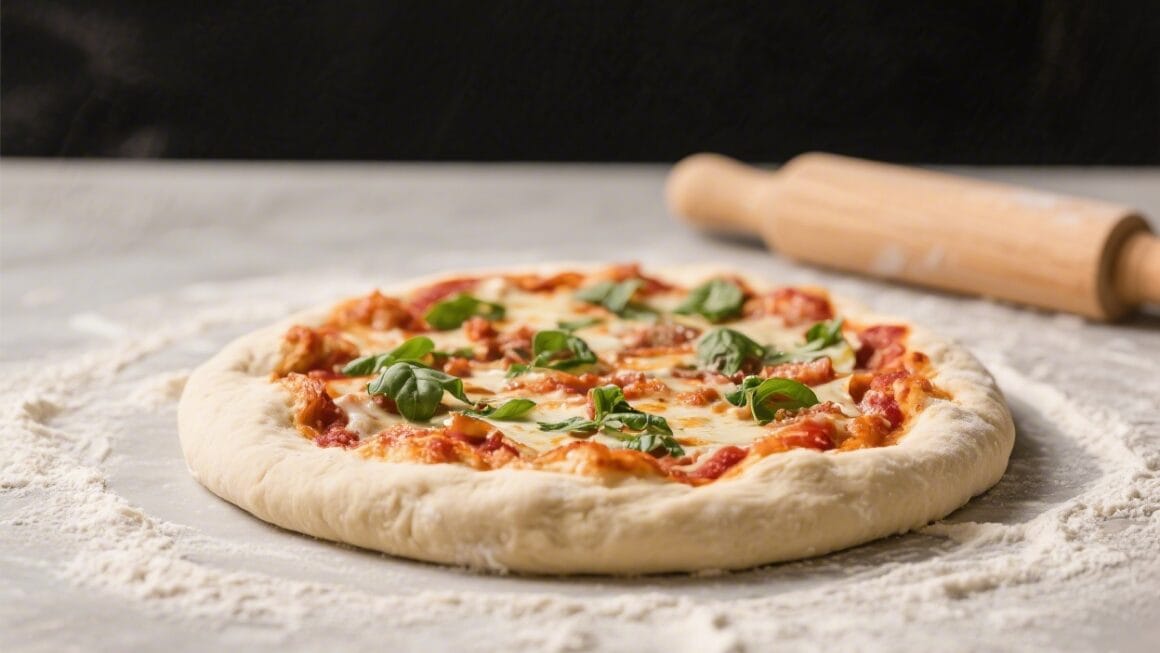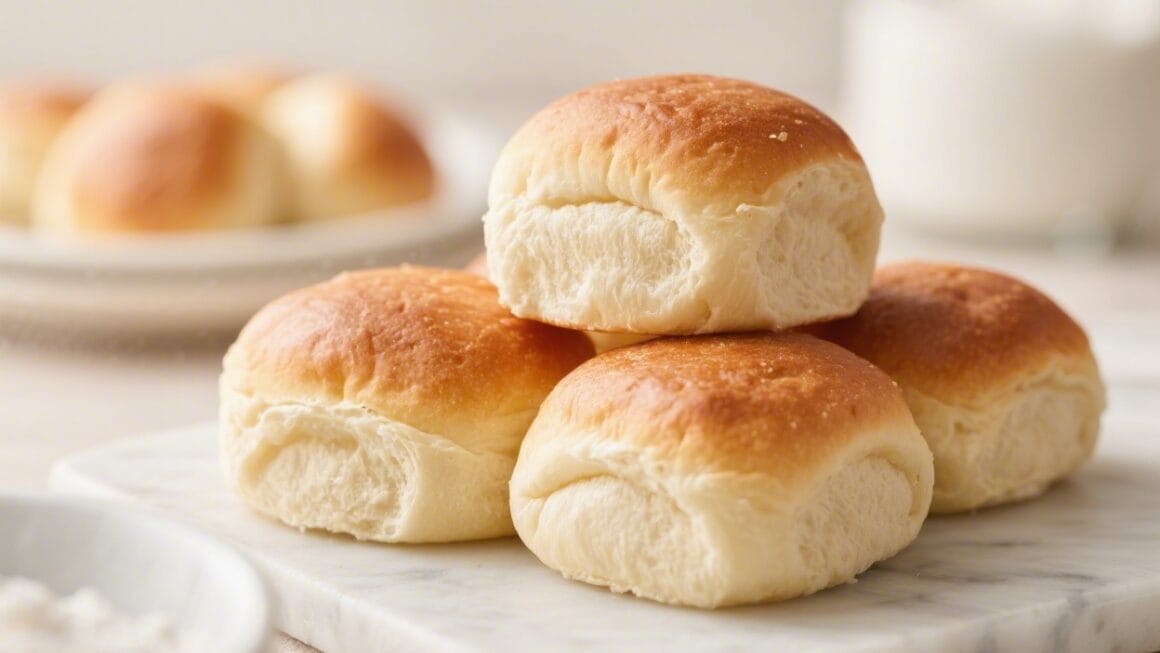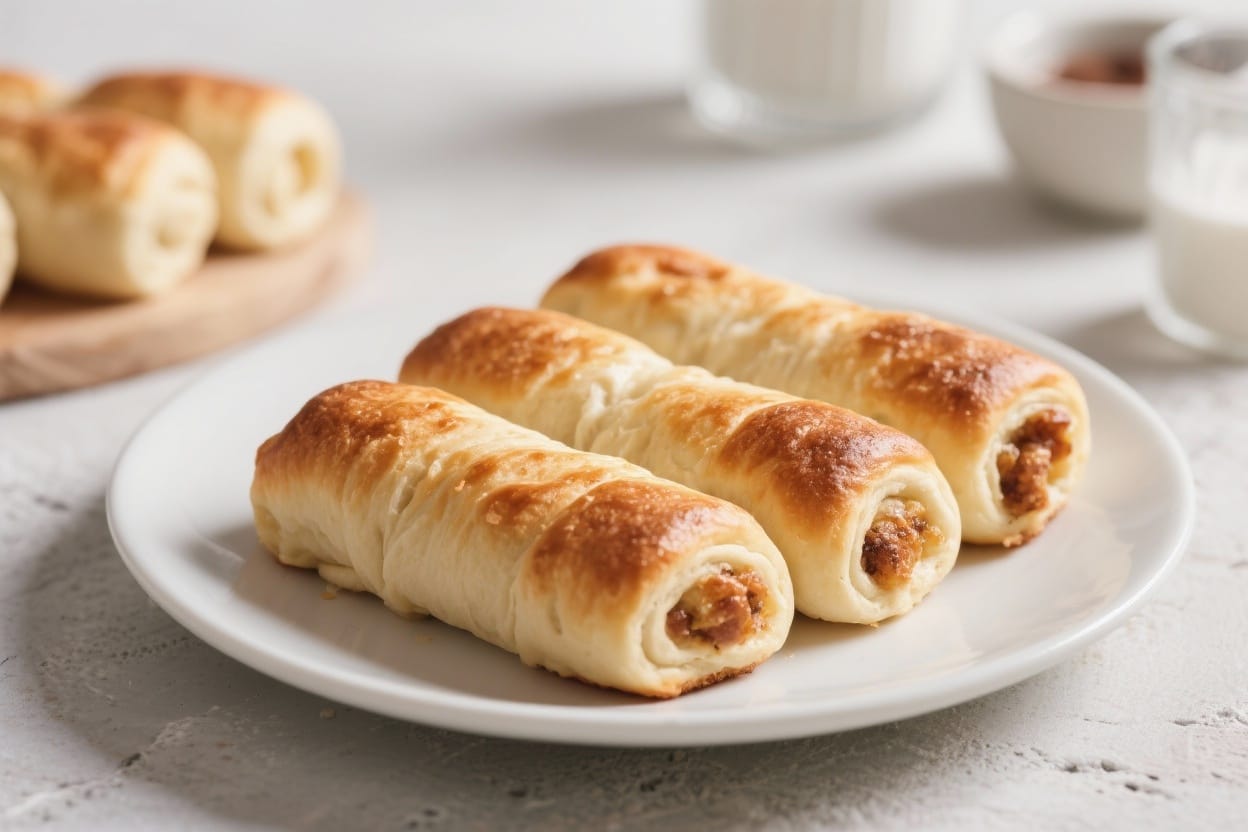
If you’re short on time but still want warm, homemade rolls on the table, this recipe is for you. These quick dough rolls are soft, lightly buttery, and surprisingly easy to pull off on a busy weeknight. No special equipment, no long proofing, and no fussy techniques.
Just simple ingredients and a straightforward method that gets you fresh bread fast. Once you make them, you’ll wonder why you ever waited hours for dough to rise.
What Makes This Special
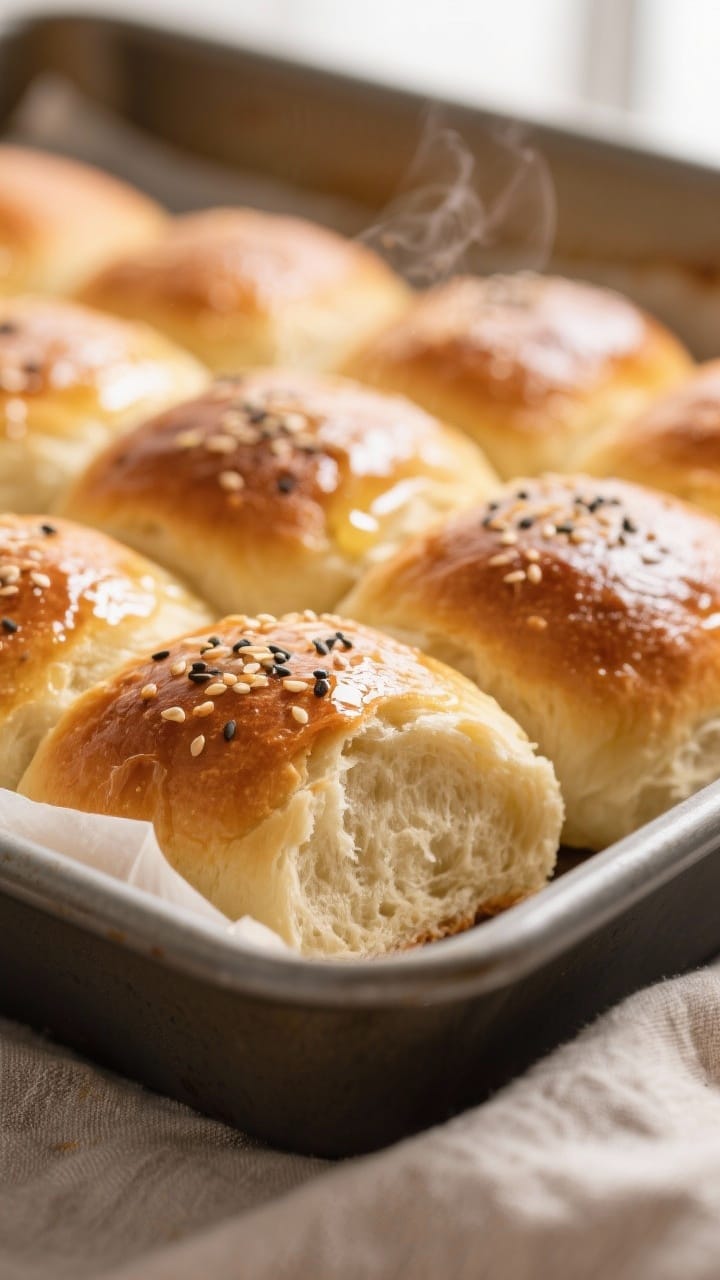
Most quick rolls rely on shortcuts that compromise flavor. These don’t.
You get the fast rise you need without sacrificing that tender crumb and golden top. A touch of sugar helps the yeast wake up quickly, and a warm oven environment gives you a speedy rise. The result is a batch of soft, dinner-ready rolls with a hint of buttery richness and a light, springy bite.
They’re versatile enough for burgers, sliders, or a simple dinner side.
And they come together with pantry staples you probably already have. From mixing bowl to table in under thirty minutes, these rolls are the definition of practical comfort.
Ingredients
- All-purpose flour (about 2 1/2 to 3 cups)
- Warm water (1 cup, about 110°F/43°C)
- Instant or rapid-rise yeast (1 packet, 2 1/4 teaspoons)
- Granulated sugar (2 tablespoons)
- Salt (1 teaspoon)
- Unsalted butter, melted (3 tablespoons), plus more for brushing
- Neutral oil or cooking spray (for greasing)
- Optional: Milk or an egg for brushing, sesame or poppy seeds, garlic powder, or herbs
Instructions
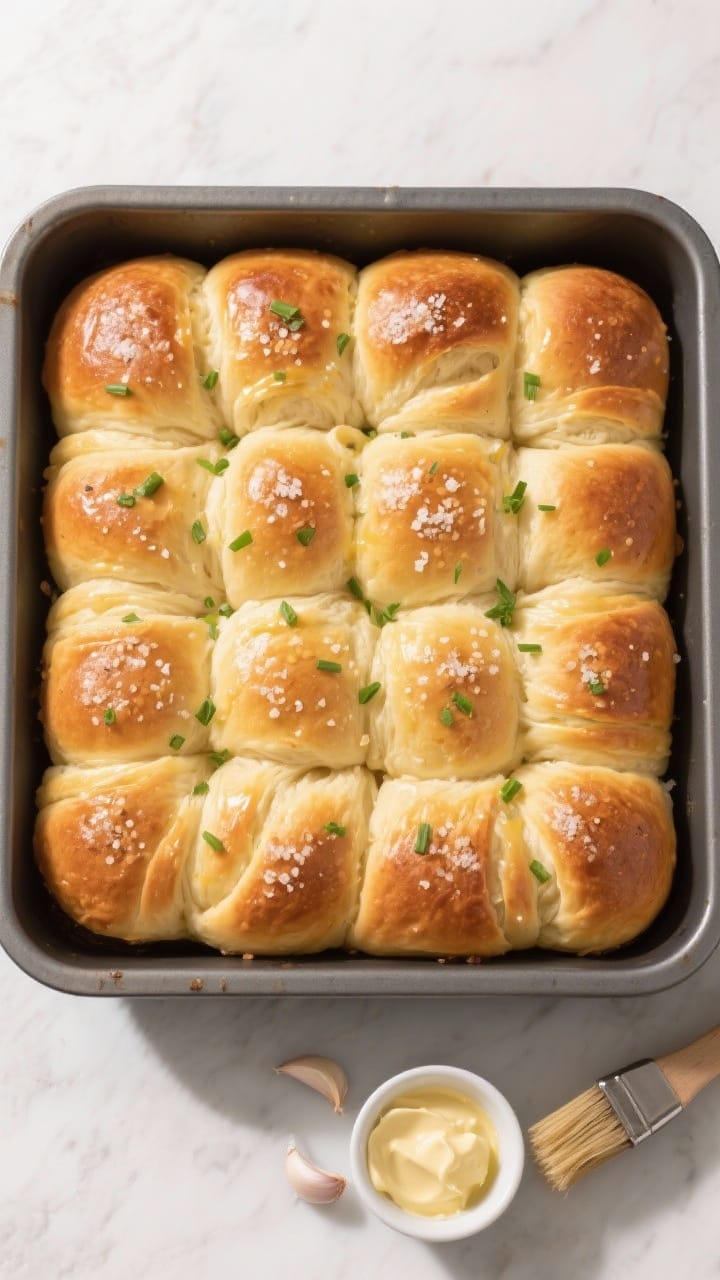
- Heat the oven and prep the pan. Set your oven to 400°F (200°C). Lightly grease a 9×13-inch baking pan or line it with parchment. Turn the oven on for a minute or two, then off, to create a slightly warm environment for a fast rise.
- Activate the yeast. In a large bowl, whisk warm water, sugar, and yeast.Let it sit for 2–3 minutes until foamy. If using instant yeast, this step is quick, but foam is still a good sign it’s active.
- Add the basics. Stir in melted butter and salt. Add 2 1/2 cups of flour to start.Mix with a spoon until a shaggy dough forms and pulls from the bowl. If sticky, add more flour 1 tablespoon at a time.
- Knead briefly. Turn the dough onto a lightly floured surface. Knead for 2–3 minutes until smooth and slightly springy.The dough should be soft but not clingy.
- Divide and shape. Cut dough into 12 equal pieces for dinner rolls, or 8 for larger buns. Tuck edges under to make tight balls. Place in the prepared pan, spaced evenly.
- Quick rise. Lightly brush the tops with melted butter.Place the pan in the warm, turned-off oven for 5–8 minutes to give them a head start rising. They should puff slightly.
- Bake. Without removing the pan, turn the oven back on to 400°F (200°C). Bake for 10–12 minutes, until tops are golden and centers read about 190°F (88°C) if you use a thermometer.
- Finish and serve. Brush hot rolls with more melted butter for a soft, glossy top.Cool for a few minutes, then serve warm.
How to Store
Let rolls cool completely before storing. Keep them in an airtight bag or container at room temperature for up to 2 days. For longer storage, freeze in a zip-top bag for up to 2 months.
To reheat, wrap in foil and warm in a 300°F (150°C) oven for 8–10 minutes.
For a softer finish, brush with butter after reheating. A quick microwave burst (10–15 seconds) works for single rolls, but use a damp paper towel to prevent drying out.
Health Benefits
While these are comfort food, there are a few positives. Yeast-leavened bread tends to be easier to digest than dense baked goods. The rolls are portion-friendly and made with recognizable ingredients.
You can make them a bit healthier by swapping some all-purpose flour with whole wheat flour (start with 25–30%). Using olive oil instead of butter reduces saturated fat.
Serving them with lean protein and a big salad rounds out a balanced meal.
Common Mistakes to Avoid
- Water too hot or too cold. Too hot kills yeast; too cold slows everything down. Aim for warm bath temperature.
- Over-flouring. Adding too much flour leads to dense rolls. Keep the dough soft and slightly tacky for a tender crumb.
- Skipping the quick rise. Even a short puff in a warm spot improves texture.A few minutes makes a difference.
- Underbaking. Pale rolls can be gummy. Look for golden tops and a light, springy feel when tapped.
- Overbaking. On the flip side, extra minutes dry them out fast. Start checking at 10 minutes.
Recipe Variations
- Herb and garlic rolls: Add 1 teaspoon garlic powder and 1 tablespoon finely chopped parsley or chives to the dough.Brush tops with garlic butter.
- Cheesy dinner rolls: Fold in 1/2 cup shredded cheddar or mozzarella. Sprinkle extra cheese on top for the last 3 minutes of baking.
- Honey butter rolls: Replace sugar with 1 1/2 tablespoons honey. Finish with a honey-butter glaze for a subtle sweetness.
- Whole wheat swap: Use 1 cup whole wheat flour and 1 1/2 to 2 cups all-purpose flour.Add an extra teaspoon of water if the dough feels stiff.
- Everything topping: Brush with egg wash and sprinkle everything bagel seasoning before baking.
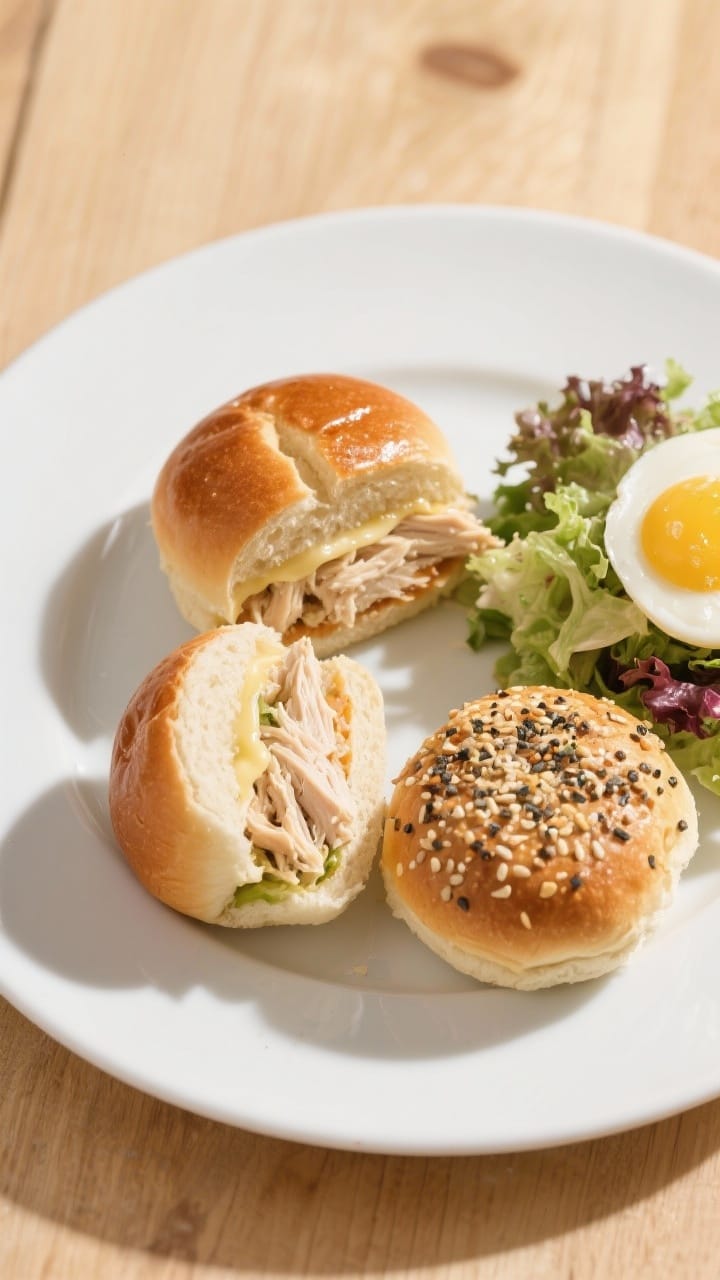
- Mini slider buns: Divide into 16 pieces for small, soft buns perfect for pulled chicken or veggie burgers.
FAQ
Can I use active dry yeast instead of instant?
Yes. Bloom active dry yeast in the warm water with sugar for 5–7 minutes until foamy, then proceed. The rise may take a minute longer, but it still works in a hurry.
What if I don’t have a baking pan?
Use a parchment-lined sheet pan.
Space the rolls a few inches apart. They’ll bake with more crust around the edges and won’t touch like pull-apart rolls.
How do I make them fluffier?
Keep the dough soft and don’t overwork it. A light hand during kneading and shaping traps more air.
Brushing with butter before and after baking helps with softness too.
Can I add milk instead of water?
Yes. Warm milk makes a richer roll with a bit more color. Keep the temperature similar to the water so the yeast stays happy.
Why didn’t my dough rise?
Common culprits are old yeast, water that’s too hot, or a cold kitchen.
Check your yeast’s expiration date, aim for warm water, and use the briefly warmed oven for a quick puff.
How many rolls does this make?
About 12 standard dinner rolls or 8 larger buns. You can also make 16 minis for sliders or snacks.
Can I make the dough ahead?
For true speed, it’s best fresh. But you can shape the rolls, cover, and refrigerate for up to 8 hours.
Let them warm on the counter for 15–20 minutes, then bake.
Do I need a stand mixer?
No. A bowl, spoon, and your hands are enough. The dough is quick to bring together and only needs a few minutes of kneading.
How do I get a shiny top without butter?
Brush with a light egg wash (1 egg beaten with a splash of water) before baking.
It gives a glossy, golden finish and helps seeds stick.
Can I make them vegan?
Yes. Use oil instead of butter and water or plant milk. The rolls will still be soft and flavorful with a nice tender crumb.
In Conclusion
These Easy Dough Rolls in under thirty minutes are a practical win for busy cooks.
The process is simple, the ingredients are basic, and the results taste like you fussed much longer than you did. Keep this recipe handy for weeknight dinners, last-minute guests, or when you just want warm bread with your soup. With a few smart steps and a warm oven, fresh rolls are always within reach.
Printable Recipe Card
Want just the essential recipe details without scrolling through the article? Get our printable recipe card with just the ingredients and instructions.