Dairy Free Garlic Bread – Crispy, Buttery Flavor Without the Dairy
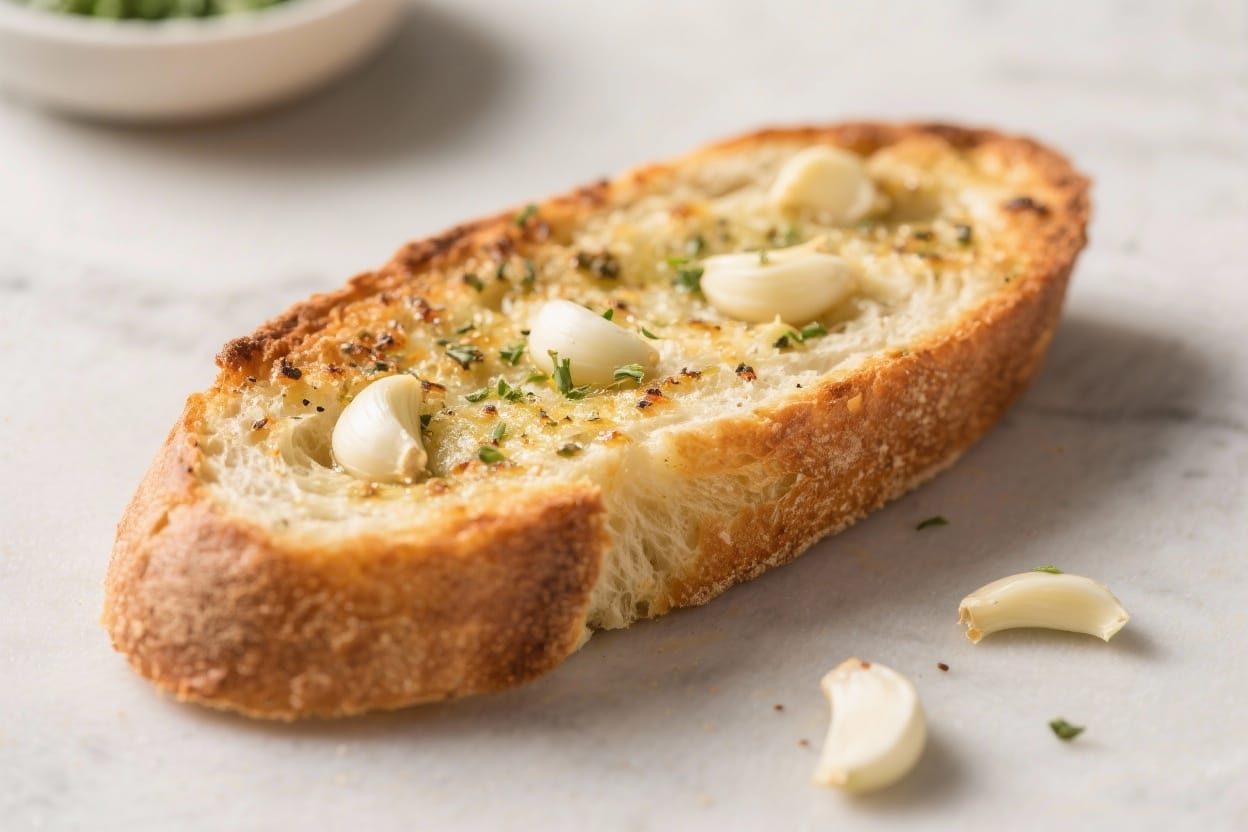
Garlic bread is one of those simple pleasures that makes any meal feel cozy and complete. If you’re dairy free, you don’t have to miss out on that rich, garlicky goodness. This version is crisp on the outside, soft inside, and loaded with flavor—no butter or cheese required. It’s quick to make, great for weeknights, and pairs with everything from pasta to soup. Once you try it, you might not go back to the traditional kind.
What Makes This Special
Dairy free garlic bread – Dairy Free Garlic Bread – Crispy, Buttery Flavor Without the Dairy Garlic bread is one of those simp
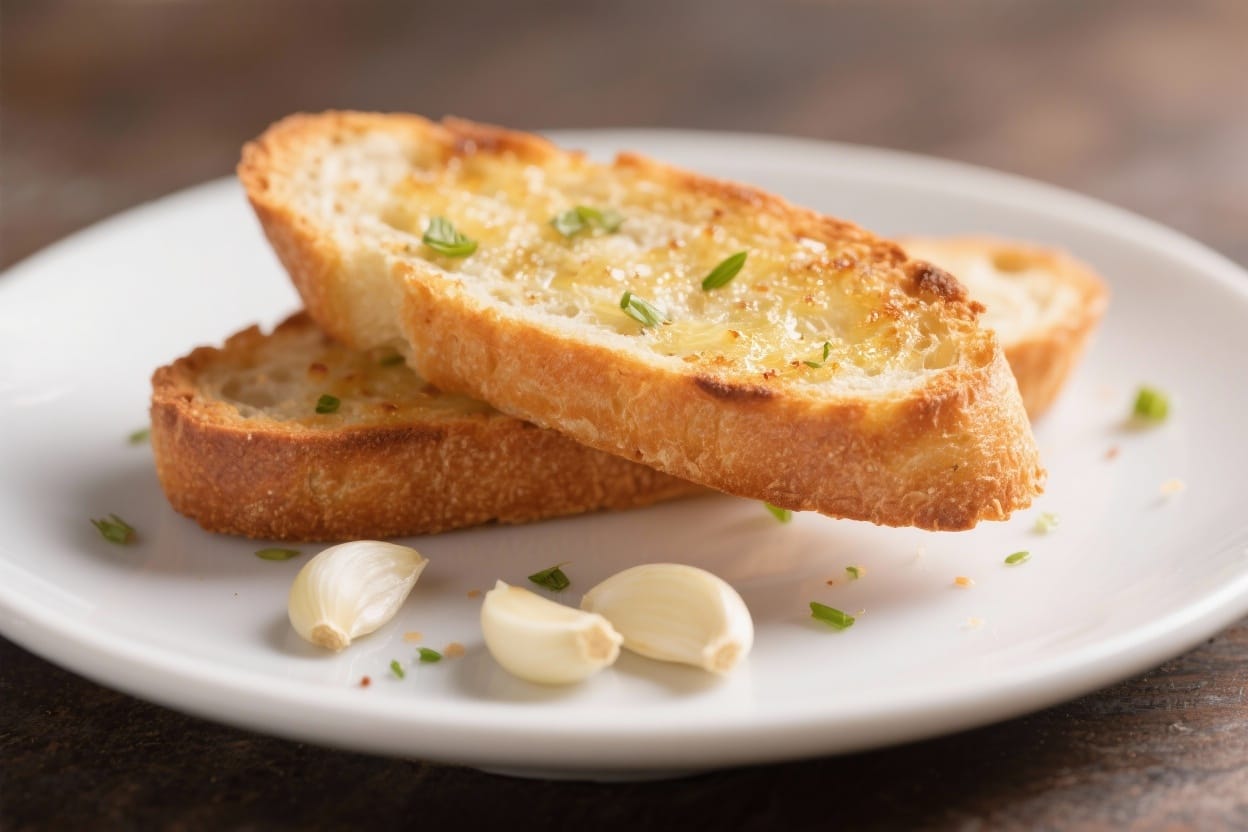
This dairy free garlic bread has the same buttery taste you love, thanks to a smart mix of quality olive oil and a little dairy free butter. Fresh garlic brings punch, while parsley and a hint of lemon brighten everything up. You’ll get a golden, toasty crust without greasiness, and a soft center that pulls apart easily.
It’s also flexible. You can make it gluten free, low-FODMAP, or even extra garlicky if that’s your style. Best of all, it uses basic ingredients and takes about 15 minutes from start to finish.
Ingredients
- 1 large baguette or Italian loaf (gluten free if needed)
- 4 tablespoons dairy free butter (softened; look for a plant-based stick with a neutral flavor)
- 3 tablespoons extra virgin olive oil
- 4–6 cloves fresh garlic, minced (or 1–1.5 teaspoons garlic powder for a milder option)
- 2 tablespoons fresh parsley, finely chopped (or 2 teaspoons dried parsley)
- 1/2 teaspoon sea salt (adjust to taste)
- 1/4 teaspoon black pepper
- 1/4 teaspoon red pepper flakes (optional, for a little heat)
- 1 teaspoon lemon zest (optional but brightens the flavors)
- 1–2 tablespoons nutritional yeast (optional, for a “parmesan-like” savory note)
Instructions
- Preheat the oven. Set it to 400°F (200°C). Line a baking sheet with parchment for easy cleanup.
- Prep the bread. Slice the baguette in half lengthwise. For thicker slices, you can also cut it into 1–2 inch pieces and slice each piece open.
- Make the garlic spread. In a bowl, mix dairy free butter, olive oil, minced garlic, parsley, salt, pepper, red pepper flakes, lemon zest, and nutritional yeast (if using). Stir until it becomes a smooth, spreadable mixture.
- Taste and adjust. Give the spread a quick taste. Add more salt for punch, more garlic for intensity, or a splash of olive oil if it feels too thick.
- Spread generously. Use a spatula or the back of a spoon to coat the cut sides of the bread evenly. Go all the way to the edges so every bite is flavorful.
- Bake. Place the bread cut-side up on the baking sheet and bake for 8–10 minutes until the edges look golden and the center is soft.
- Optional broil for crispiness. If you like a darker, crisp top, switch to broil for 1–2 minutes. Watch closely so it doesn’t burn.
- Finish and serve. Let it cool for a minute, then slice. Sprinkle with extra parsley or a pinch of flaky salt for a finishing touch.
How to Store
– Room temperature (same day): Keep leftovers in foil for up to 6 hours. Reheat in a 350°F (175°C) oven for 5–7 minutes to restore crisp edges.
– Refrigerator (1–2 days): Wrap tightly in foil or place in an airtight container. Reheat in the oven; avoid the microwave if you want it crispy.
– Freeze (up to 2 months): Freeze slices on a sheet pan, then transfer to a freezer bag. Reheat from frozen at 375°F (190°C) for 10–12 minutes.
– Make-ahead: Spread the garlic mixture on the bread, wrap tightly, and refrigerate up to 24 hours or freeze. Bake when ready.
Health Benefits
– Dairy free without sacrificing flavor: Using olive oil and plant-based butter keeps saturated fat in check while delivering a buttery taste.
– Garlic perks: Garlic contains compounds like allicin, which are linked to heart and immune support. Fresh garlic also adds depth without extra calories.
– Olive oil advantages: Extra virgin olive oil is rich in monounsaturated fats and antioxidants, a smart swap for heavy dairy-based spreads.
– Customizable: Choose whole grain or gluten free bread for extra fiber or to meet your dietary needs.
– Lower sodium control: Making it at home lets you manage salt levels and avoid hidden additives.
What Not to Do
– Don’t soak the bread. Too much oil will make the bread soggy. Spread generously, but not dripping.
– Don’t skip the salt. A small amount sharpens the garlic and balances the fat. Bland garlic bread is usually under-salted.
– Don’t burn the garlic. If broiling, watch closely. Burnt garlic tastes bitter and can ruin the batch.
– Don’t rely only on oil if you want a buttery vibe. A mix of olive oil and dairy free butter gives the best texture and flavor.
– Don’t use stale bread unless toasting extra. Slightly day-old is fine, but very stale bread won’t soften nicely without overbaking.
Alternatives
– Gluten free: Use a quality gluten free baguette or ciabatta. Toast times may be slightly shorter due to lighter structure.
– Low-FODMAP: Swap fresh garlic for garlic-infused olive oil. You’ll get the flavor without the FODMAPs.
– Herb twist: Add basil, chives, or oregano. Rosemary is strong—use sparingly and chop very fine.
– Lemony garlic bread: Increase lemon zest and add a squeeze of fresh juice after baking.
– Cheesy vibe without dairy: Sprinkle nutritional yeast or a dairy free parmesan before baking.
– Spicy version: Add Calabrian chili paste or extra red pepper flakes to the spread.
– Garlic confit: Mash a few garlic confit cloves into the spread for a mellow, rich flavor.
FAQ
Can I make this in an air fryer?
Yes. Preheat to 350°F (175°C), place slices cut-side up, and cook for 4–6 minutes. Check early, as air fryers brown fast.
What’s the best dairy free butter to use?
Choose a plant-based butter stick with a neutral flavor and at least some fat content from oils like coconut, avocado, or olive. Tub-style spreads can work, but they’re softer, so use a bit less oil if the mixture feels runny.
Can I use only olive oil?
You can, and it will still be delicious. For a more buttery mouthfeel, combine olive oil with dairy free butter. If using oil only, add a little extra nutritional yeast for richness.
Is garlic powder okay instead of fresh garlic?
Absolutely. Use 1/2 teaspoon per clove as a general guide. Garlic powder gives a smoother, less sharp flavor and won’t risk burning as easily.
How do I make it ahead for a party?
Assemble the bread with the spread, wrap tightly, and refrigerate up to 24 hours or freeze. Bake just before serving. You can also pre-slice for easy grabbing.
What if my bread is too soft after baking?
Broil briefly to crisp the top. Next time, use a hotter oven or slightly less spread. Also make sure the bread is cut-side up so steam can escape.
Can I add dairy free cheese?
Yes. Sprinkle a light layer of shredded dairy free mozzarella or parmesan-style cheese before baking. Choose one that melts well and doesn’t get rubbery.
What pairs well with dairy free garlic bread?
Tomato-based pastas, veggie soups, salads, roasted vegetables, and grilled proteins all work well. It’s also great with marinara for dipping.
Final Thoughts
Dairy free garlic bread doesn’t have to be a compromise. With a simple garlic-herb spread and the right balance of olive oil and plant-based butter, you’ll get golden edges, a soft center, and big flavor. Keep a loaf in the freezer and the spread ready to go, and you’ll have a quick side that upgrades any meal. Make it your own with herbs, spice, or a hint of lemon, and enjoy that classic comfort—minus the dairy.
Printable Recipe Card
Want just the essential recipe details without scrolling through the article? Get our printable recipe card with just the ingredients and instructions.