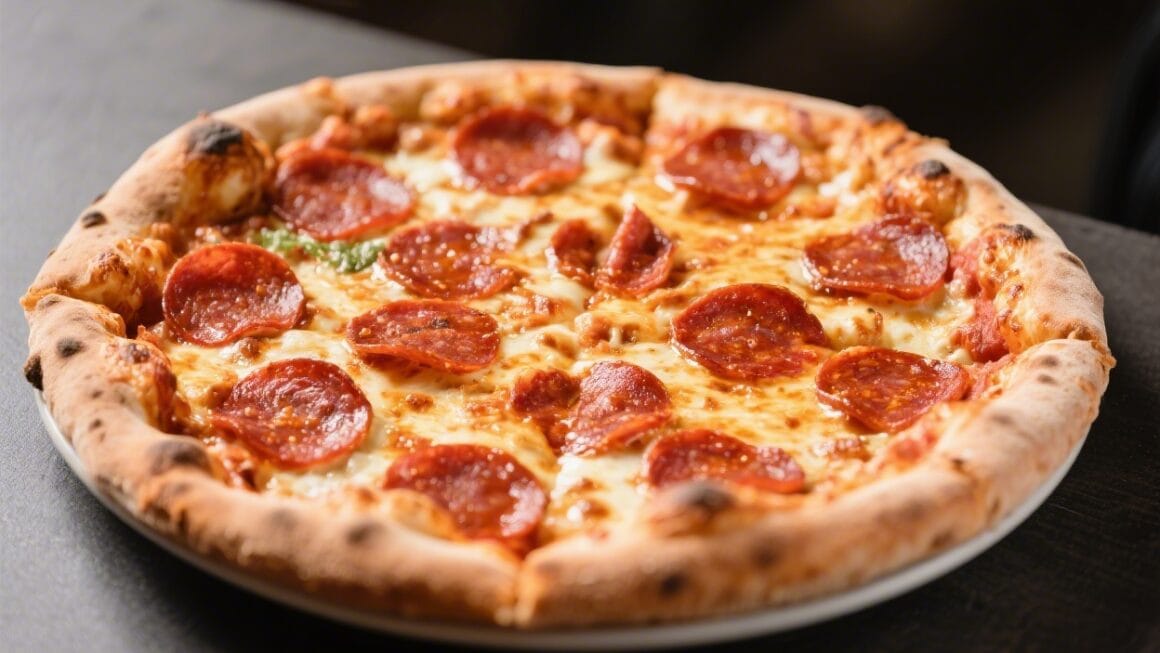
Classic Pepperoni Pizza Recipe – Crispy, Cheesy, and Comforting
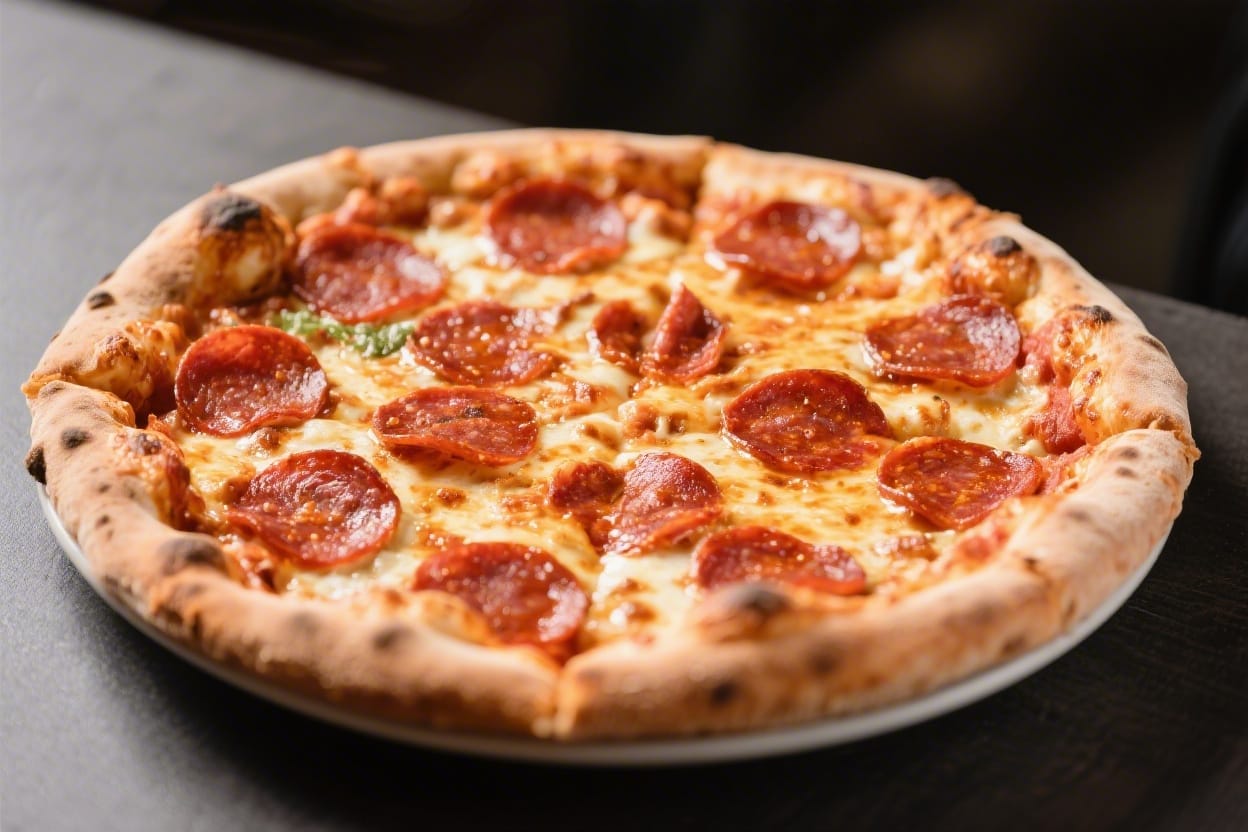
There’s a reason pepperoni pizza is a weeknight hero and a weekend treat. It’s simple, familiar, and always hits the spot with crispy edges, bubbling cheese, and that savory pepperoni kick. This version keeps things classic while focusing on great texture and big flavor. You’ll get a thin, crisp bottom, a chewy edge, and a balanced sauce that doesn’t overpower the toppings. Whether you’re a first-time pizza maker or a seasoned home cook, this recipe is easy to follow and consistently rewarding.
What Makes This Special
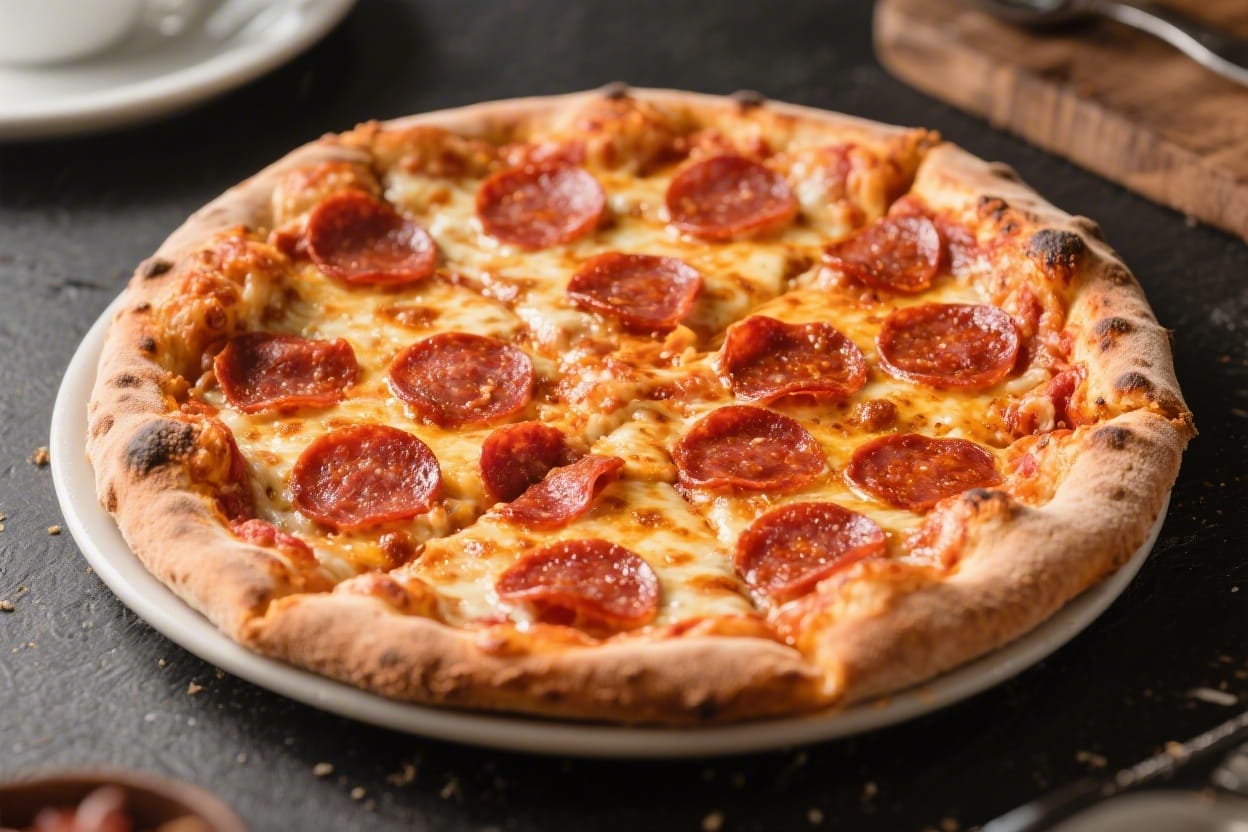
Classic pepperoni pizza recipe – Classic Pepperoni Pizza Recipe – Crispy, Cheesy, and Comforting There’s a reason pepperoni pizza is
- Balanced sauce: Bright, garlicky, and slightly sweet to complement salty pepperoni without stealing the show.
- Two-cheese blend: Low-moisture mozzarella for stretch and a touch of parmesan for sharpness.
- Crisp yet chewy crust: A simple dough that bakes up with a crisp base and light, airy rim.
- Spice done right: A pinch of crushed red pepper and oregano adds a pizzeria-style finish.
- Home-oven friendly: Works great on a pizza stone, steel, or a simple baking sheet.
Ingredients
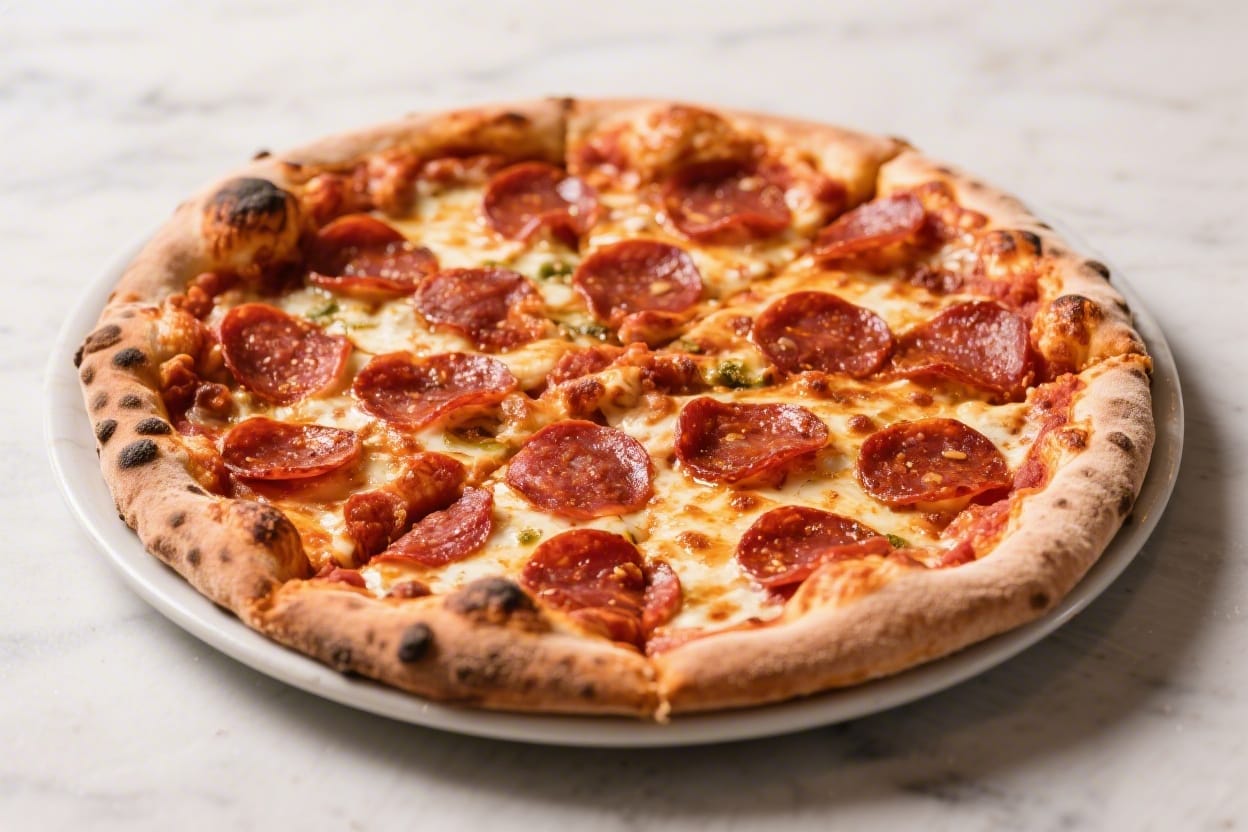
Classic pepperoni pizza recipe – This version keeps things classic while focusing on great texture and big flavor
For the Dough (Makes 2 Medium Pizzas)
- 2 1/2 cups (300 g) bread flour or all-purpose flour, plus extra for dusting
- 1 cup (240 ml) warm water, about 105–110°F (40–43°C)
- 2 1/4 tsp (7 g) instant yeast
- 1 1/2 tsp kosher salt
- 1 tsp sugar or honey
- 1 tbsp extra-virgin olive oil, plus more for the bowl
For the Sauce
- 1 can (14–15 oz / 400 g) crushed tomatoes or tomato purée
- 1 small garlic clove, finely grated or minced
- 1 tsp sugar (optional, to balance acidity)
- 3/4 tsp kosher salt, more to taste
- 1/2 tsp dried oregano
- 1/4 tsp black pepper
- 1–2 tbsp olive oil
For Topping
- 2 1/2–3 cups (250–300 g) low-moisture mozzarella, shredded
- 1/4 cup (20–25 g) freshly grated parmesan
- 20–30 slices pepperoni (classic or “cup and char” style)
- 1/2 tsp crushed red pepper flakes (optional)
- 1 tsp dried oregano or Italian seasoning
- Olive oil for brushing the crust
- Semolina or cornmeal for dusting the peel or pan (optional)
- Fresh basil for finishing (optional)
Instructions
- Make the dough: In a bowl, whisk warm water, yeast, and sugar. Let sit 5 minutes until lightly foamy. Add flour, salt, and olive oil. Mix until a shaggy dough forms, then knead on a lightly floured surface for 6–8 minutes until smooth and elastic. The dough should be soft and slightly tacky, not sticky.
- First rise: Lightly oil a bowl, place in the dough, and turn to coat. Cover and let rise at room temperature for 60–90 minutes, or until doubled. For deeper flavor, refrigerate the dough overnight after an initial 30-minute rest, then bring to room temperature before shaping.
- Make the sauce: Stir tomatoes, garlic, sugar, salt, oregano, pepper, and olive oil in a bowl. Taste and adjust salt or sugar. The sauce should be bright and savory. No need to cook it; it will simmer in the oven.
- Preheat the oven: Place a pizza stone or steel on the middle rack and preheat to 500–550°F (260–290°C) for at least 30 minutes. If you don’t have a stone, preheat a heavy baking sheet upside down.
- Divide and shape: Turn the dough onto a floured surface and divide into two equal balls. Rest 10–15 minutes. Dust with flour, then press each ball into a round, leaving a thicker rim. Gently stretch to 11–12 inches, letting gravity help. Avoid pressing out the edge.
- Prepare the peel or pan: Dust a pizza peel with semolina or cornmeal. If using a baking sheet, lightly oil it. Transfer the stretched dough; if it shrinks, let it rest a minute and stretch again.
- Sauce and cheese: Spread a thin layer of sauce—about 1/3–1/2 cup per pizza. Don’t overdo it. Sprinkle mozzarella evenly, then parmesan. Keep cheese slightly lighter in the center to prevent sogginess.
- Add pepperoni: Arrange pepperoni in overlapping circles so every bite gets some. Sprinkle a pinch of oregano and crushed red pepper if you like. Brush the outer crust lightly with olive oil for color.
- Bake: Slide onto the hot stone/steel and bake 7–10 minutes, until the crust is deeply golden, cheese is bubbling, and pepperoni edges are crisp. Rotate once for even browning if needed.
- Finish and rest: Transfer to a cutting board. Let rest 2 minutes so the cheese sets. Add torn basil if using. Slice and serve hot.
- Repeat: Build and bake the second pizza the same way.
How to Store
- Leftovers: Cool completely, then store slices in an airtight container in the fridge for up to 4 days.
- Reheating: Reheat in a skillet over medium heat with a lid for 3–5 minutes to re-crisp the bottom. Or bake at 400°F (205°C) for 6–8 minutes. Avoid the microwave if you want a crisp crust.
- Freezing: Freeze baked slices wrapped tightly for up to 2 months. Reheat straight from frozen at 425°F (220°C) for 12–15 minutes.
- Dough storage: Refrigerate dough up to 72 hours or freeze for 1 month. Thaw in the fridge overnight, then bring to room temp before shaping.
Health Benefits
- Protein and calcium: Cheese provides protein and calcium for bones and muscle recovery.
- Lycopene: Tomato sauce offers lycopene, an antioxidant linked to heart health.
- Portion control: A homemade pizza lets you manage cheese and pepperoni amounts and choose a thinner crust.
- Better ingredients: Using quality olive oil, whole tomatoes, and leaner pepperoni can reduce additives and excess sodium.
Common Mistakes to Avoid
- Too much sauce or cheese: Overloading leads to soggy pizza. Aim for a thin, even layer.
- Cold dough: Dough straight from the fridge is tight and tears easily. Let it warm up 45–60 minutes.
- Under-preheated oven: A blazing-hot surface is key to a crisp bottom. Preheat the stone or steel thoroughly.
- Heavy toppings in the center: Keep toppings lighter in the middle for even cooking.
- Skipping the rest after baking: A brief rest helps the cheese set and makes cleaner slices.
Alternatives
- Cheese blend: Mix mozzarella with provolone or a touch of fontina for extra melt and flavor.
- Dough options: Use store-bought dough for speed, or try a 50/50 blend of bread flour and 00 flour for a lighter crumb.
- Sauce twist: Add a spoon of tomato paste for richness or a splash of balsamic for sweetness.
- Spicy boost: Swap in hot honey drizzle after baking or use spicy “cup and char” pepperoni.
- Lighter version: Go easy on cheese, choose turkey pepperoni, and add sliced mushrooms or peppers.
- Pan pizza: Press dough into an oiled cast-iron skillet for a thicker, golden crust. Bake at 475°F (245°C) 12–15 minutes.
FAQ
Can I make the dough without a stand mixer?
Yes. Mix with a spoon until shaggy, then knead by hand for 6–8 minutes. Add flour as needed to keep it from sticking, but keep the dough soft.
What if I don’t have a pizza stone or steel?
Use a heavy baking sheet turned upside down. Preheat it with the oven so the dough hits a hot surface and crisps up nicely.
Why is my pizza soggy in the middle?
It’s usually too much sauce, cheese, or watery toppings. Use a light hand, preheat the oven well, and keep cheese slightly lighter in the center.
Should I pre-cook pepperoni?
No need. Pepperoni renders nicely in the oven and crisps at the edges. If it’s very oily, dab lightly with a paper towel after baking.
What’s the best cheese for classic flavor?
Low-moisture mozzarella is the standard. Add a sprinkle of parmesan for sharpness. Fresh mozzarella has more moisture and can make the center wetter, so use sparingly if you choose it.
Can I cold ferment the dough?
Absolutely. After mixing, let it rest 30 minutes, then refrigerate 24–72 hours. It develops deeper flavor and better browning. Bring to room temperature before shaping.
Final Thoughts
A classic pepperoni pizza is all about balance: a crisp, light crust, a clean tomato sauce, stretchy cheese, and plenty of pepperoni. With a hot oven and a few simple techniques, you can get pizzeria-level results at home without fuss. Keep the toppings modest, let the dough do its thing, and finish with a little oregano or basil. Once you nail this base recipe, you’ll have a reliable, go-to pie that everyone looks forward to.
Printable Recipe Card
Want just the essential recipe details without scrolling through the article? Get our printable recipe card with just the ingredients and instructions.