Classic French Baguette Recipe – Simple, Crisp, and Authentic
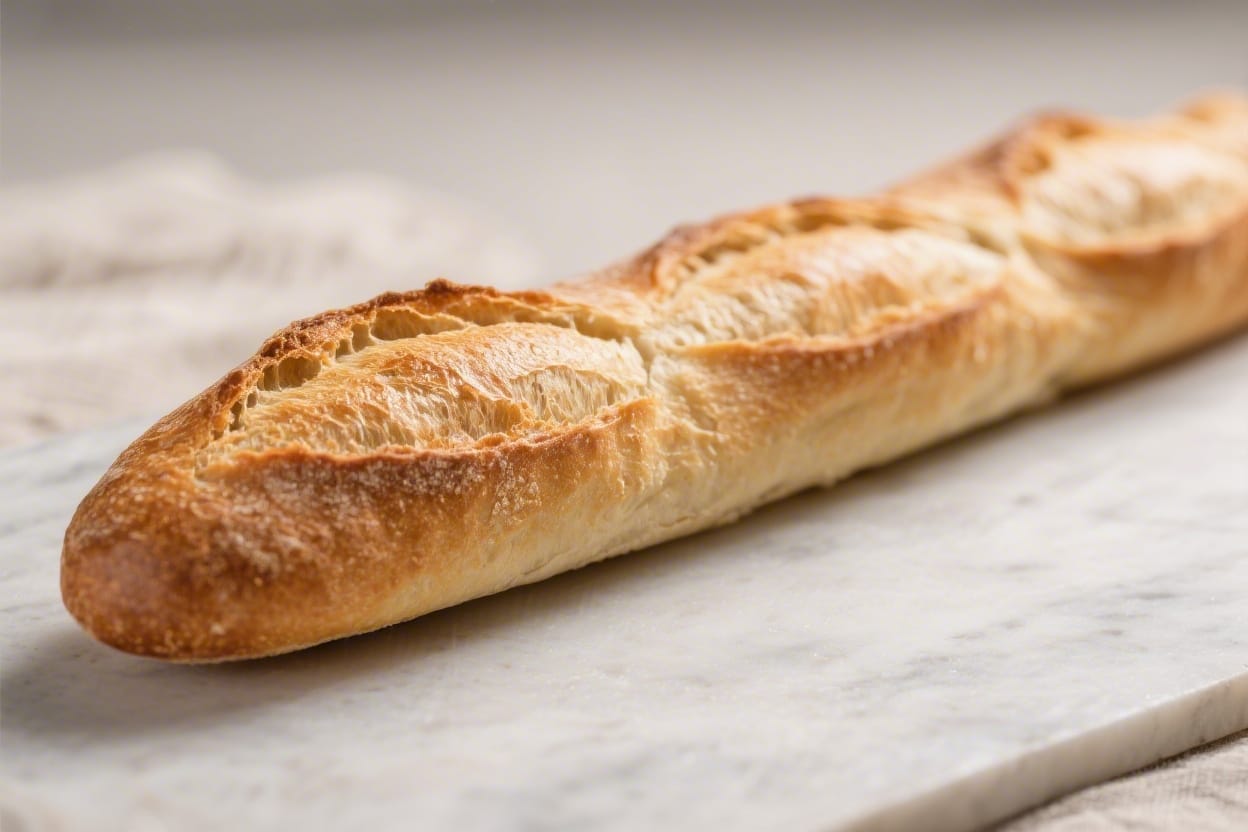
A great baguette doesn’t shout. It crackles. It has a thin, shattering crust, a tender, slightly chewy interior, and a clean, wheaty flavor that goes with everything from butter to soup. This classic French baguette recipe keeps things straightforward and relies on time and technique instead of fancy ingredients. If you’ve been nervous about baking bread at home, this is a friendly place to start. You only need flour, water, yeast, and salt—and a bit of patience.
What Makes This Special
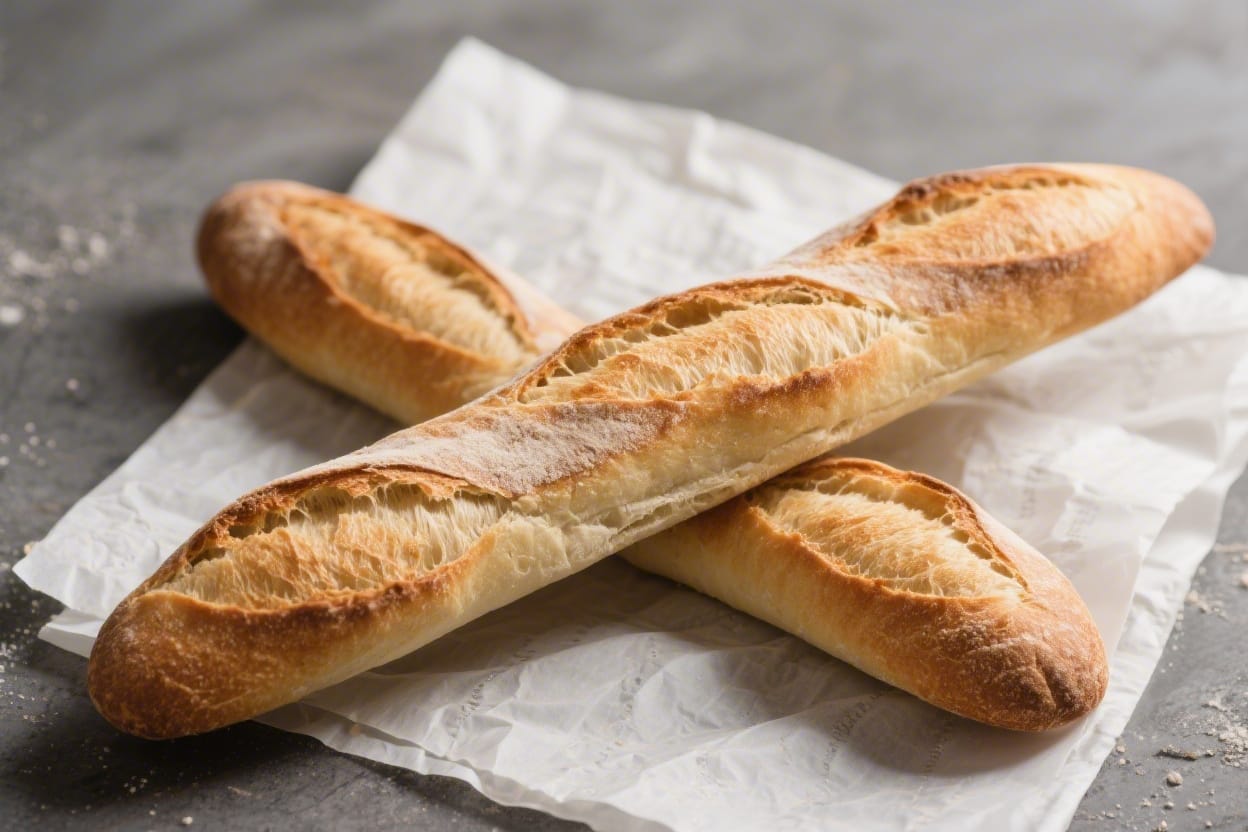
Classic french baguette recipe – Classic French Baguette Recipe – Simple, Crisp, and Authentic A great baguette doesn’t shout
This baguette recipe respects tradition while working in a home kitchen. The slow rise builds flavor and texture without complicated steps. You’ll use gentle handling to preserve air bubbles, giving that open crumb and light bite. Steam in the oven helps create a crisp, glossy crust. With a few simple cues—like dough feel and proofing time—you’ll get bakery-quality results without special equipment.
Ingredients
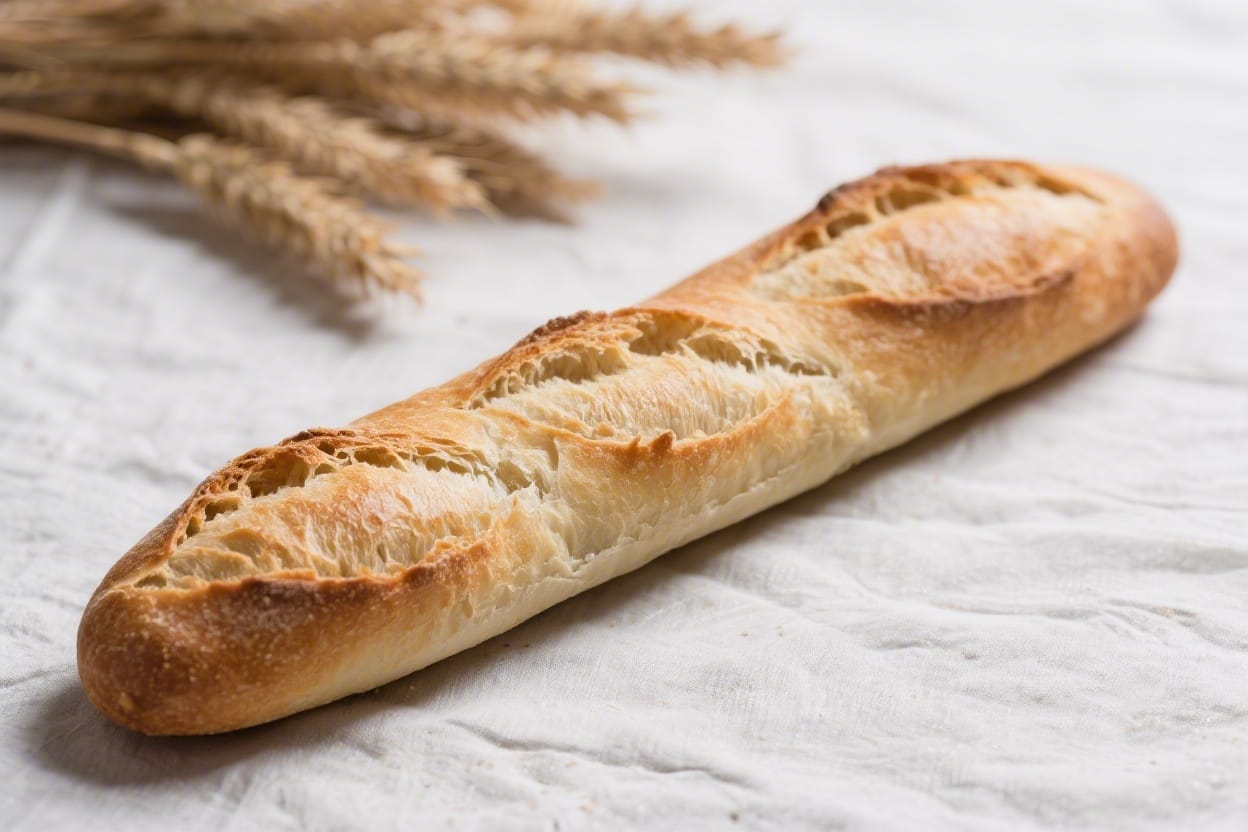
Classic french baguette recipe – It has a thin, shattering crust, a tender, slightly chewy interior, and a clean, wheaty flavor that
- 3 1/2 cups (440 g) bread flour (or strong white flour)
- 1 1/4 cups (300 g) water, at room temperature
- 2 tsp (8 g) fine sea salt
- 1 tsp (3 g) instant yeast (or 1 1/4 tsp active dry yeast)
- Optional: extra flour for dusting; a little oil for the bowl
Instructions
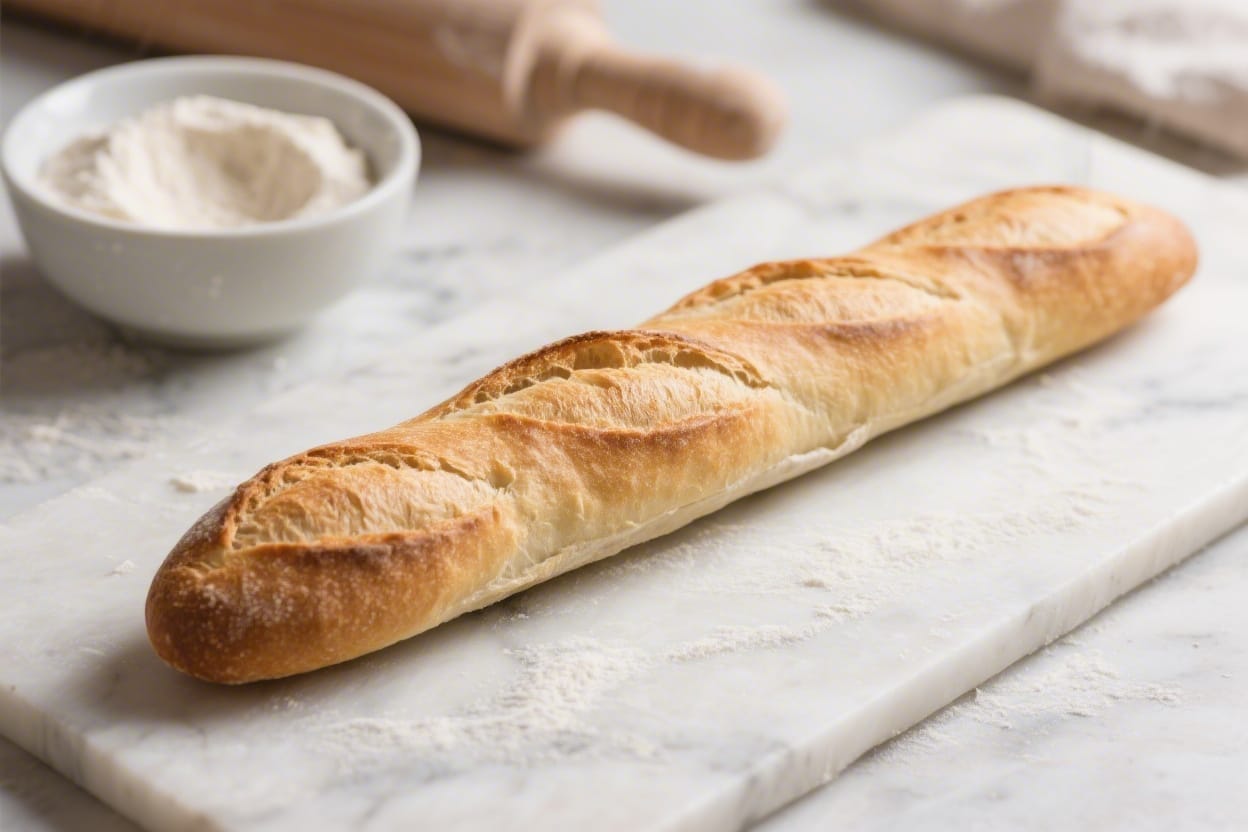
Classic french baguette recipe – This classic French baguette recipe keeps things straightforward and relies on time and technique in
- Mix the dough: In a large bowl, whisk the flour, salt, and yeast. Add the water and mix with a spoon or your hand until no dry spots remain. The dough will be shaggy and slightly sticky—this is right.
- Rest and hydrate (autolyse style): Cover the bowl and let the dough rest for 20–30 minutes. This helps the flour absorb water and makes the dough easier to handle.
- Develop gluten gently: Perform 3 sets of stretch-and-folds over 45–60 minutes. Every 15–20 minutes, with damp hands, grab one edge of the dough, stretch it up, and fold it over itself. Turn the bowl and repeat 4–6 times. You’ll feel the dough strengthen and smooth out.
- First rise: Cover and let the dough rise at room temperature until puffy and nearly doubled, about 60–90 minutes, depending on your kitchen. It should feel soft and airy.
- Chill for flavor (optional but recommended): For deeper flavor and easier shaping, place the covered dough in the fridge for 8–12 hours or up to 18 hours. If skipping, proceed to the next step.
- Divide and pre-shape: Turn the dough onto a lightly floured surface. Gently pat into a rectangle. Divide into 3 equal pieces (about 240–260 g each). Pre-shape each into a loose log by folding the long edges to the center and rolling lightly. Rest, covered, for 15–20 minutes.
- Final shape: Working with one piece at a time, flatten gently into a rough rectangle. Fold the top third down and press to seal with the heel of your hand. Fold the bottom third up and seal again. Fold in half lengthwise and seal the seam firmly. Roll the log with light pressure from the center outward to elongate to 12–14 inches, tapering the ends slightly.
- Proof: Place shaped baguettes seam-side down on a floured couche or a parchment-lined baking sheet. Use rolled kitchen towels or the folds of the parchment to support the sides so they keep their shape. Cover lightly and proof until puffy and springy, about 35–55 minutes. They should hold a gentle poke but not collapse.
- Preheat with steam setup: Place a baking stone or inverted sheet pan in the oven and preheat to 475°F (245°C) for at least 30 minutes. Put a cast-iron skillet or metal pan on the bottom rack to heat as well. This is for steam.
- Score: Transfer the baguettes to the hot stone or a hot sheet pan using parchment if needed. Using a sharp lame or razor, make 3–4 diagonal slashes along each baguette, about 1/4 inch deep, overlapping slightly. Confident, quick cuts help the bread expand properly.
- Steam and bake: Pour a cup of hot water or a handful of ice cubes into the hot skillet to create steam. Close the oven door quickly. Bake for 10 minutes with steam, then carefully remove the steam pan. Continue baking for another 10–14 minutes until the loaves are a deep golden brown.
- Cool: Transfer to a rack and let cool at least 30 minutes. This finishes the bake and sets the crumb. The crust should crackle as it cools.
Keeping It Fresh
Baguettes are best the day they’re baked. Their thin crust and low fat mean they stale fast. To store short-term, keep them at room temperature in a paper bag or wrapped in a clean towel. For longer storage, freeze: wrap tightly in foil, then a freezer bag, for up to a month. Reheat from frozen at 350°F (175°C) for 10–12 minutes to revive the crust.
Benefits of This Recipe
- Short ingredient list: Just flour, water, yeast, and salt—no additives or sweeteners.
- Flexible timing: The optional cold rise fits a busy schedule and boosts flavor.
- Reliable structure: Stretch-and-fold builds strength without kneading for ages.
- Bakery-style crust: Steam and proper scoring give that crisp, glossy exterior.
- Everyday friendly: Works with basic tools and a standard oven.
Common Mistakes to Avoid
- Too much flour: A slightly sticky dough is normal. Adding lots of flour leads to dense bread.
- Skipping steam: No steam means a dull, thick crust and limited oven spring.
- Underproofing or overproofing: Underproofed loaves burst irregularly; overproofed loaves spread and lose height. Aim for dough that springs back slowly when poked.
- Shallow or timid scoring: Cuts should be confident and slightly diagonal to guide expansion.
- Cutting too soon: Slicing hot bread compresses the crumb and makes it gummy. Let it rest.
Alternatives
- Flour swap: Use all-purpose flour if needed; reduce water by 1–2 tablespoons if the dough feels very loose. For a nuttier flavor, replace up to 10% of the flour with whole wheat.
- Poolish pre-ferment: For more complexity, mix 150 g flour, 150 g water, and a pinch of yeast the night before. Let it bubble, then add to your dough and adjust remaining flour/water accordingly.
- No stone, no problem: Preheat an inverted sheet pan and bake on parchment. It still gives good oven spring.
- Shape options: Try bâtards (shorter, thicker loaves) if your oven is small. Same dough, slightly longer bake.
- Yeast type: If using active dry yeast, bloom it in part of the water for 5–10 minutes before mixing.
FAQ
Can I make the dough the day before?
Yes. After the initial rise, cover and refrigerate for 8–12 hours. This improves flavor and makes shaping easier. Let it warm slightly before dividing and shaping if it’s very cold and stiff.
How do I get larger holes in the crumb?
Use slightly higher hydration, handle the dough gently, and avoid degassing during shaping. Strong steam and proper scoring also help the loaf expand, preserving open structure.
My crust is soft after cooling—what happened?
Insufficient bake time or lack of steam are common causes. Bake a few minutes longer until deeply golden, and let the loaves cool on a rack. If needed, return them to a 350°F (175°C) oven for 5–7 minutes to re-crisp.
Do I need a special baguette pan?
No. A baking stone or preheated sheet pan works well. A perforated baguette tray can help hold shape, but it’s optional. Support the sides during proofing with a floured cloth or parchment folds.
Why did my loaves spread out instead of rising up?
Likely overproofing or a weak gluten network. Shorten the final proof, make sure your stretch-and-folds are thorough, and shape with a tight seam. Preheating the oven and baking surface is also key.
Can I use sourdough starter instead of yeast?
Yes. Replace yeast with about 120 g active starter, reduce water by 60 g and flour by 60 g, and extend rise times significantly. The flavor will be tangier and the timing more variable.
Is tap water okay?
Usually yes. If your water is heavily chlorinated, let it sit uncovered for 30 minutes or use filtered water. Extreme hardness can slightly affect dough feel, but it still works.
Final Thoughts
A classic French baguette isn’t about perfection—it’s about simple ingredients treated with care. Pay attention to dough feel, give it time, and trust the process. With a hot oven, a little steam, and confident shaping, you’ll pull crisp, fragrant loaves from your own kitchen. Slice, share, and enjoy the kind of bread that makes even butter feel special.
Printable Recipe Card
Want just the essential recipe details without scrolling through the article? Get our printable recipe card with just the ingredients and instructions.