Buttery Dinner Rolls From Scratch – Soft, Fluffy, and Easy
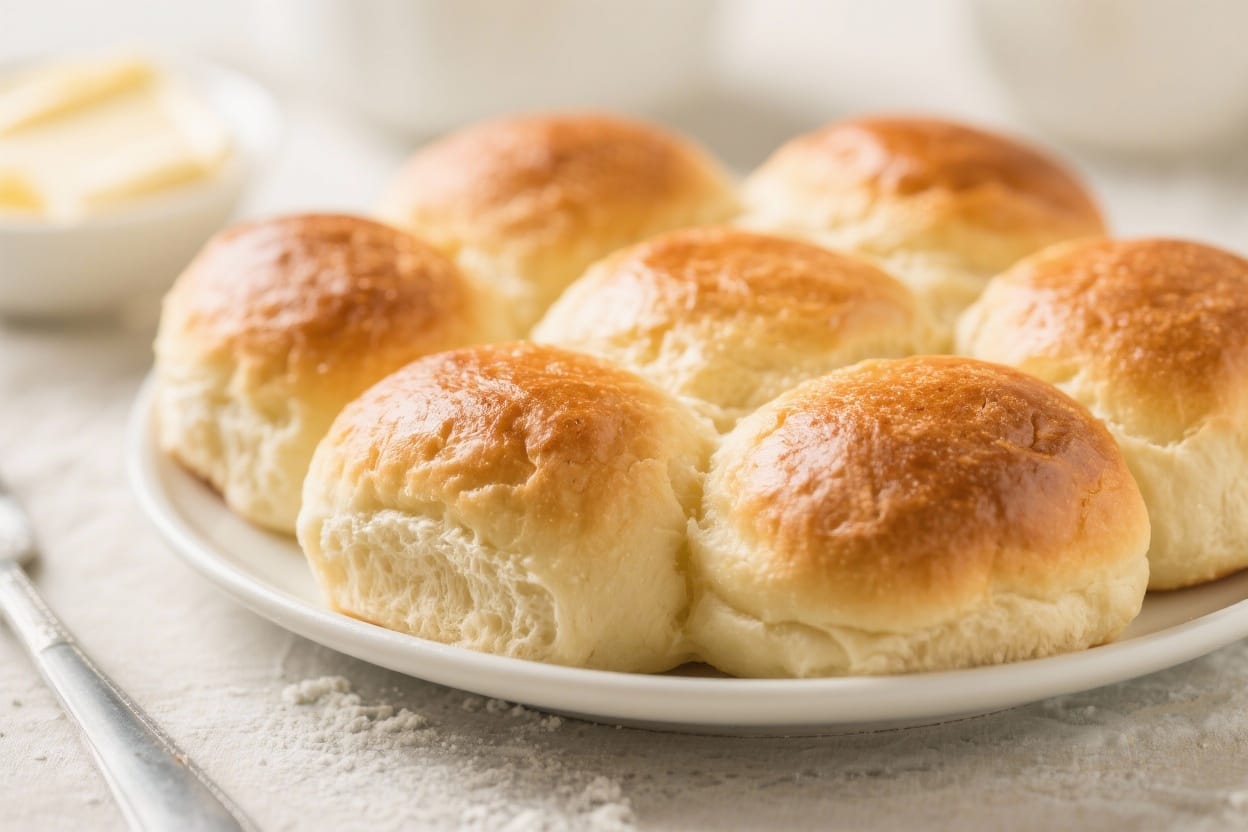
Warm, soft dinner rolls can turn any meal into something special. These buttery dinner rolls from scratch are tender, golden, and surprisingly simple to make at home. You don’t need fancy equipment—just a bowl, some patience, and a little butter. The dough is forgiving, the steps are straightforward, and the results are bakery-level. Whether you’re cooking for a holiday or a regular weeknight, these rolls will disappear fast.
What Makes This Recipe So Good
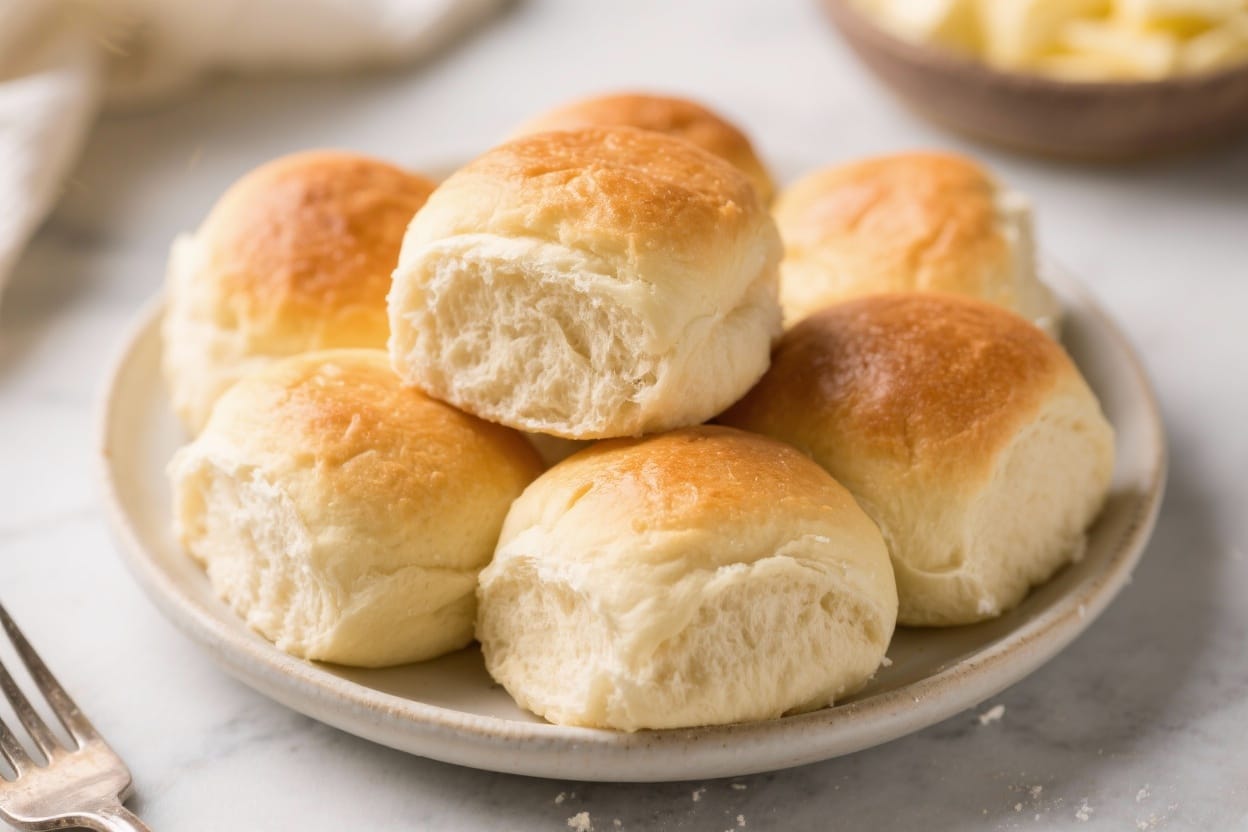
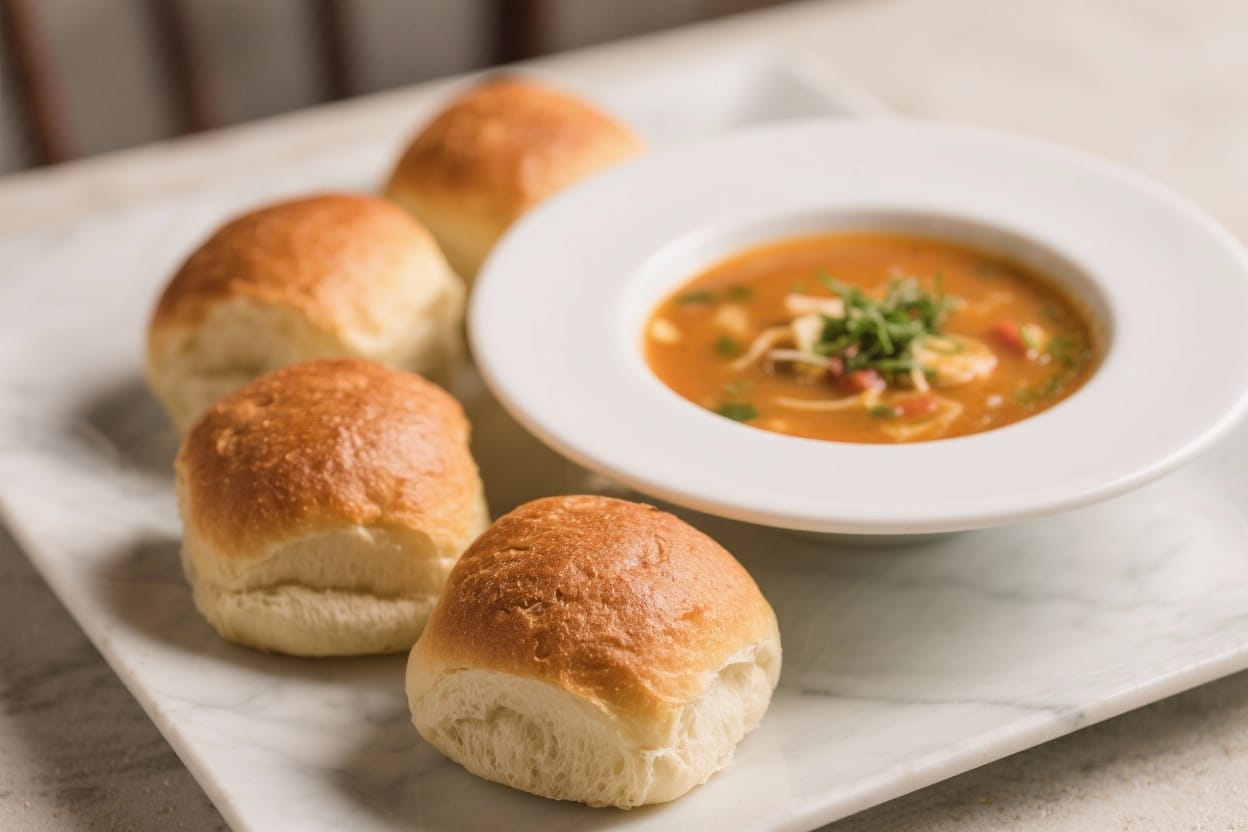
Buttery dinner rolls from scratch – Buttery Dinner Rolls From Scratch – Soft, Fluffy, and Easy Warm, soft dinner rolls can turn any meal
- Soft and fluffy texture: These rolls bake up pillowy with a light crumb and a buttery finish.
- Simple ingredients: Everything is easy to find—flour, yeast, milk, sugar, eggs, and butter.
- Great flavor: A touch of sugar balances the richness, while butter adds depth from dough to finish.
- Reliable method: Clear steps that work for beginners and seasoned bakers alike.
- Make-ahead friendly: Dough can be made ahead and chilled, or baked rolls can be frozen.
Ingredients
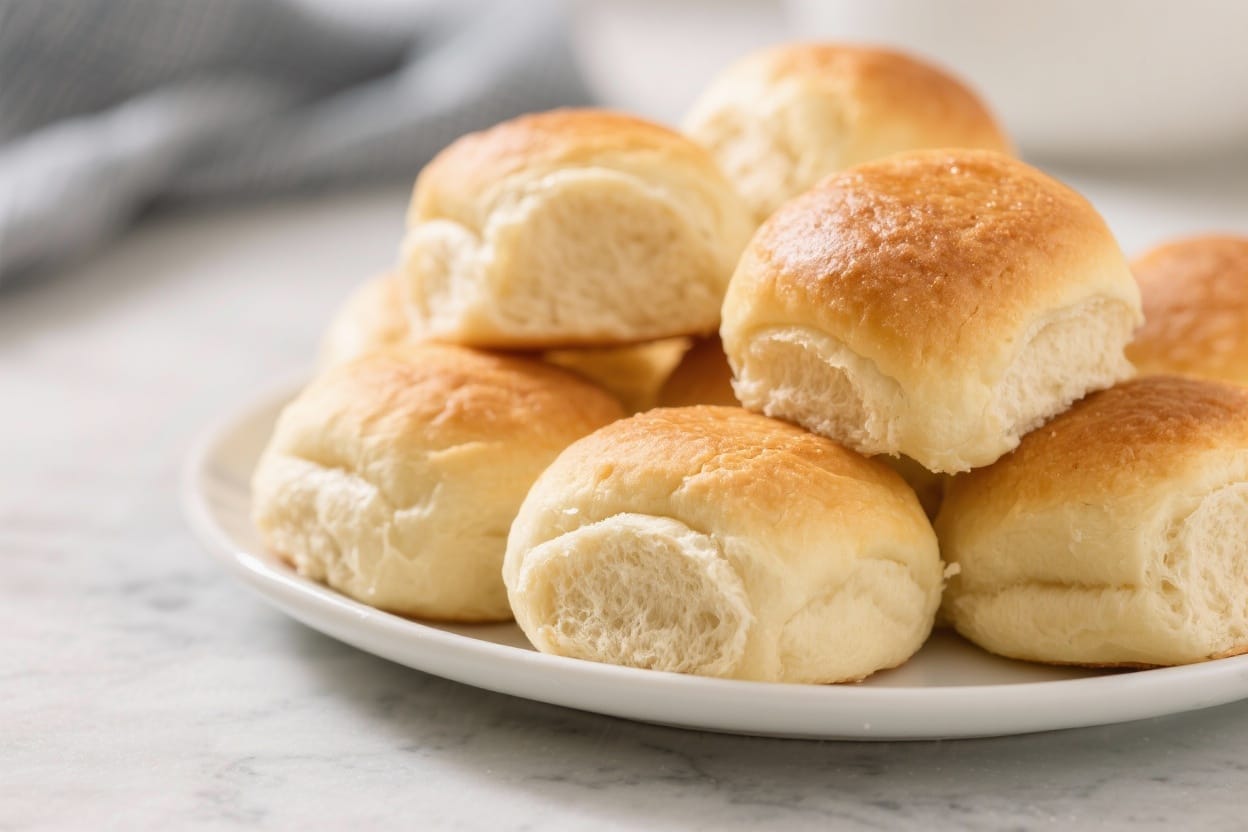
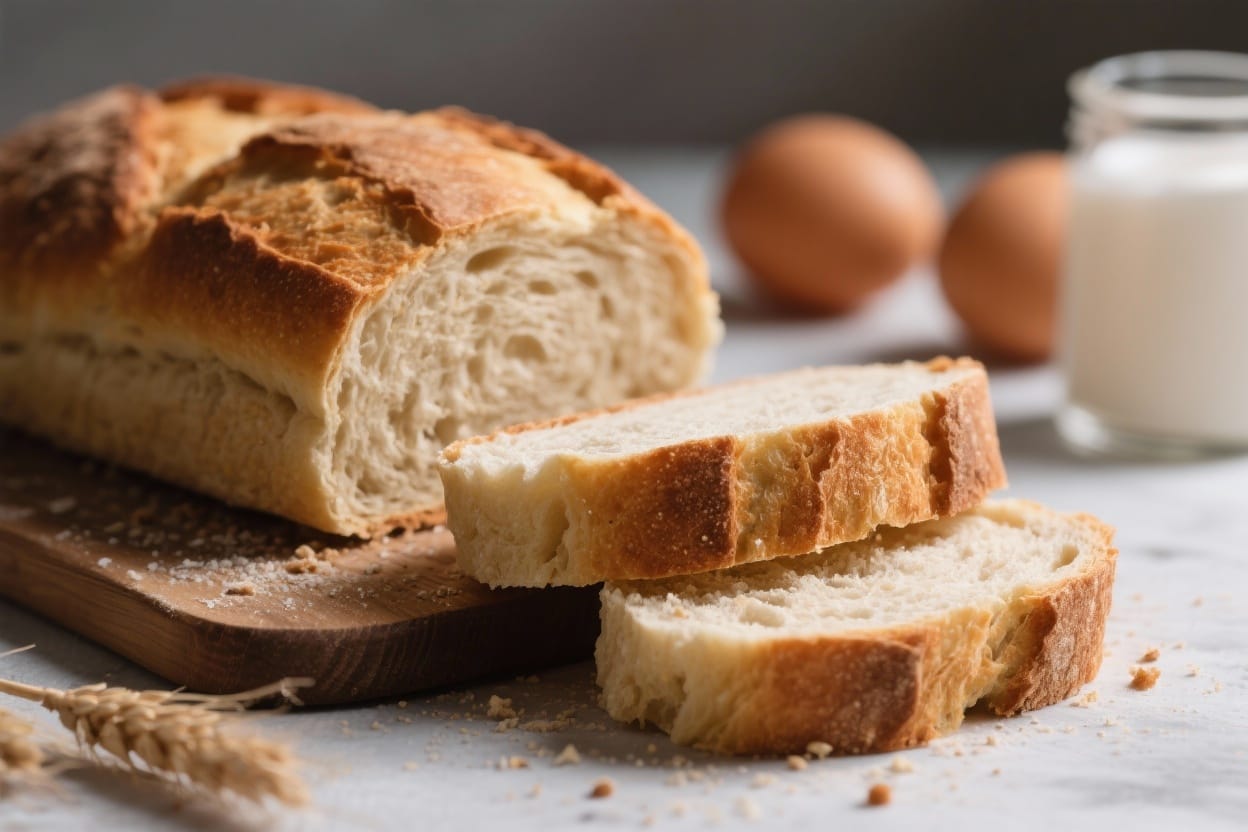
Buttery dinner rolls from scratch – These buttery dinner rolls from scratch are tender, golden, and surprisingly simple to make at home
- 1 cup whole milk, warmed to about 110°F (lukewarm)
- 2 1/4 teaspoons active dry yeast (one standard packet)
- 3 tablespoons granulated sugar
- 3 1/4 to 3 1/2 cups all-purpose flour, plus more for dusting
- 1 teaspoon fine sea salt
- 1 large egg, at room temperature
- 6 tablespoons unsalted butter, melted and cooled slightly (divided: 4 tbsp for dough, 2 tbsp for brushing)
- Optional: flaky sea salt for finishing
Instructions
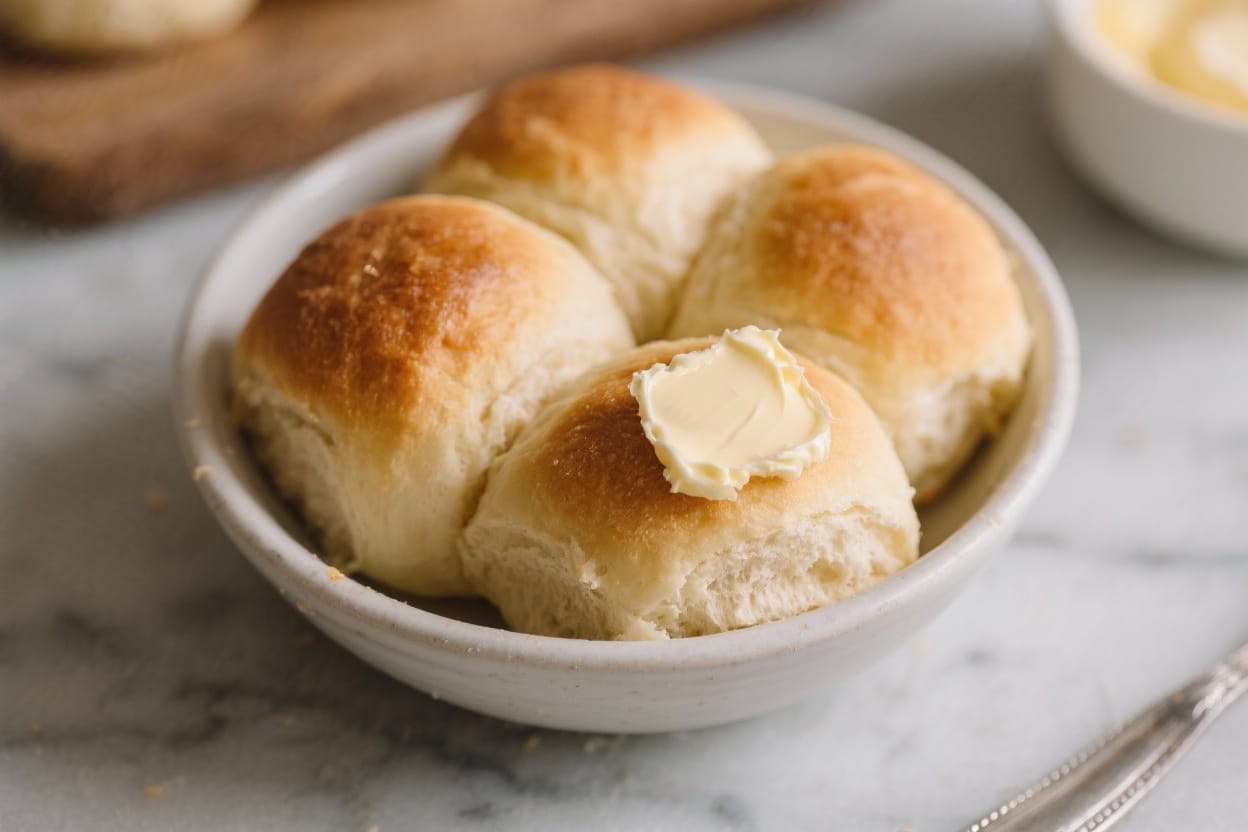
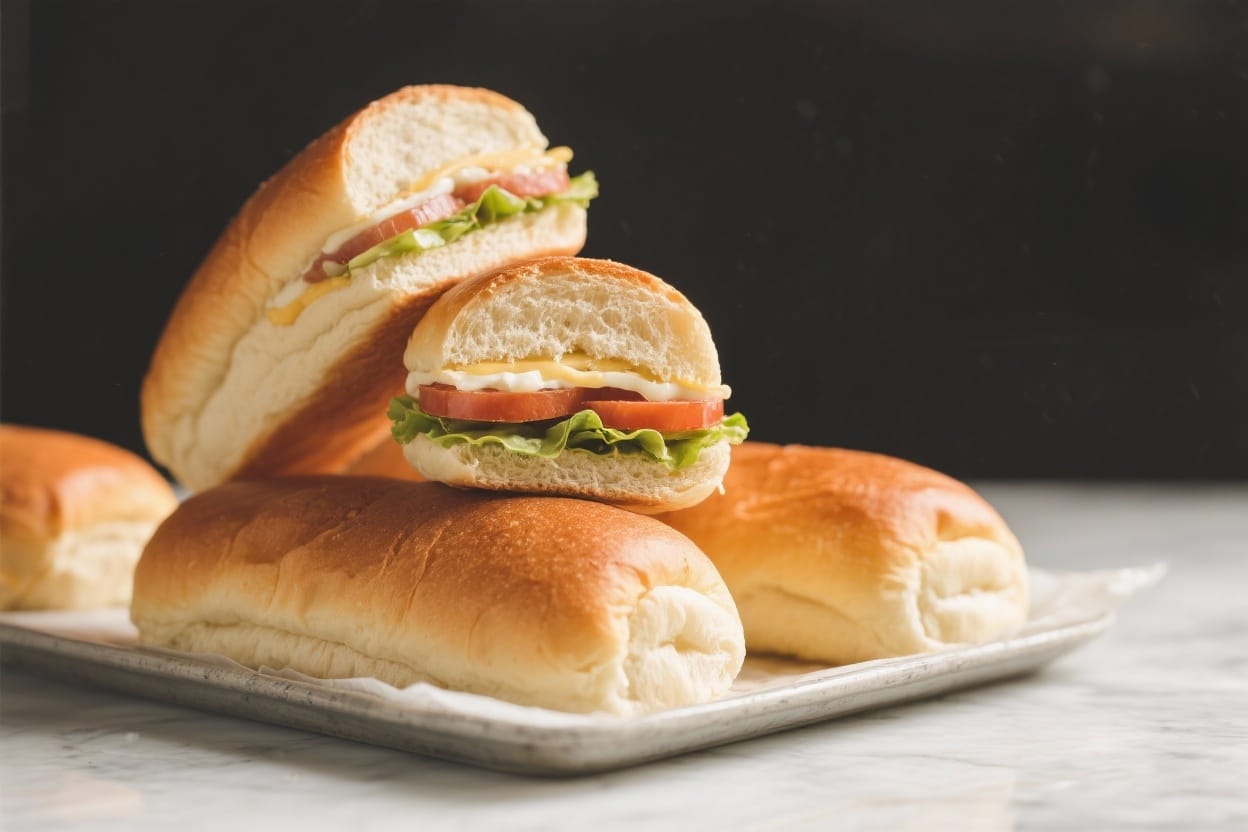
Buttery dinner rolls from scratch – You don’t need fancy equipment—just a bowl, some patience, and a little butter
- Proof the yeast: In a large bowl, whisk warm milk with sugar. Sprinkle the yeast over the top and let it sit for 5–10 minutes, until foamy. If it doesn’t foam, your yeast may be inactive; start over with fresh yeast.
- Mix the dough: Whisk in the egg and 4 tablespoons of melted butter. Add 3 1/4 cups flour and the salt. Stir with a wooden spoon or dough hook until a shaggy dough forms and pulls away from the sides. If it’s very sticky, add the remaining flour 1 tablespoon at a time.
- Knead: Knead by hand on a lightly floured surface for 8–10 minutes, or in a stand mixer on medium-low for 5–6 minutes. The dough should be smooth, elastic, and slightly tacky but not gluey. It should spring back when poked.
- First rise: Place the dough in a lightly greased bowl. Cover with plastic wrap or a clean towel and let rise in a warm spot until doubled in size, about 60–90 minutes. A gently warmed oven (turned off) or a sunny counter works well.
- Shape the rolls: Punch down the dough to release air. Turn it out and divide into 12 equal pieces for standard rolls (or 15 smaller rolls). Shape each piece into a tight ball by tucking the edges under and rolling under your palm.
- Pan and proof: Arrange the balls in a greased 9×13-inch pan, leaving a little space between them. Cover and let rise until puffy and nearly touching, about 30–45 minutes.
- Preheat the oven: Heat to 375°F (190°C) while the rolls proof. Place a rack in the center of the oven.
- Bake: Brush the tops with a little melted butter. Bake for 16–20 minutes, until golden brown and the internal temperature hits about 190°F. If browning too quickly, tent with foil for the last few minutes.
- Finish: Brush hot rolls with the remaining melted butter. Sprinkle with a pinch of flaky salt if you like. Cool in the pan for 10 minutes before serving warm.
How to Store
- Room temperature: Keep cooled rolls in an airtight bag or container for up to 2 days. Add a paper towel to absorb moisture.
- Reheating: Warm in a 300°F oven for 8–10 minutes, or wrap in a damp paper towel and microwave in short bursts.
- Freezing baked rolls: Freeze in a zip-top bag for up to 2 months. Thaw at room temp, then reheat to refresh.
- Freezing unbaked dough: Shape into balls, freeze on a tray, then bag. Thaw overnight in the fridge, proof in the pan until puffy, and bake as directed.
Benefits of This Recipe
- Budget-friendly: Basic pantry ingredients make a big batch.
- Customizable: Easy to flavor with herbs, garlic, or honey.
- Beginner-friendly: Clear cues on texture and rise help ensure success.
- Versatile: Perfect for holidays, sandwiches, sliders, or sopping up sauces.
- Comfort factor: Fresh, warm bread brings everyone to the table.
Pitfalls to Watch Out For
- Milk too hot: Milk above 115°F can kill yeast. Aim for pleasantly warm, not hot.
- Under-kneading: If the dough tears easily and won’t stretch, knead longer for proper gluten development.
- Too much flour: Over-flouring makes dense rolls. Keep the dough slightly tacky and use flour sparingly when kneading.
- Skipping the second rise: Shaped rolls need time to puff. Baking too soon leads to heavy rolls.
- Overbaking: Dry rolls are a sign they stayed in too long. Pull when golden and just set.
Variations You Can Try
- Garlic herb: Add 1 teaspoon garlic powder and 2 teaspoons mixed dried herbs to the flour. Brush baked rolls with garlic butter and chopped parsley.
- Honey butter rolls: Replace 1 tablespoon sugar with 1 tablespoon honey. Brush with honey butter after baking.
- Cheddar chive: Fold in 3/4 cup shredded sharp cheddar and 2 tablespoons chopped chives before shaping.
- Whole wheat blend: Use half all-purpose and half white whole wheat flour. Add 1 extra tablespoon milk if needed.
- Pull-apart cloverleaf: Divide each portion into 3 mini balls and place three per muffin cup for a cloverleaf look.
FAQ
Can I use instant yeast instead of active dry?
Yes. Use the same amount and skip the proofing step. Mix instant yeast directly with the flour and salt, then add warm milk, sugar, egg, and butter. Rise times may be slightly shorter, so watch the dough, not the clock.
What if my dough isn’t rising?
Check the temperature of your environment. Dough rises best around 75–85°F. Make sure your yeast is fresh and your milk wasn’t too hot. If the room is cool, place the covered bowl in a turned-off oven with a cup of hot water beside it.
How do I make these ahead for a holiday?
After the first rise and shaping, cover the pan and refrigerate overnight. Remove from the fridge, let rolls come to room temp and proof until puffy (45–75 minutes), then bake as directed.
Can I use bread flour?
Yes. Bread flour will give a slightly chewier roll with a bit more structure. Add liquid gradually, as bread flour absorbs more. The texture will still be soft and fluffy.
How do I get perfectly round rolls?
Use a scale to portion evenly. To shape, cup your hand over each piece on an unfloured surface and make small circular motions to create surface tension. Tuck any seams under.
Can I replace the egg?
You can omit the egg and add 2–3 tablespoons more milk. The rolls will be slightly less rich but still tender.
Why are my rolls pale?
They may need a few more minutes, or your oven runs cool. A light brush of butter before baking also helps browning. For deeper color, brush with a beaten egg wash instead of butter before baking.
Wrapping Up
Homemade buttery dinner rolls are simpler than they look, and the payoff is huge. With a little time and a few pantry staples, you’ll have soft, golden rolls that fit any meal. Keep the dough slightly tacky, let it rise until puffy, and don’t skimp on the butter. Once you taste these warm from the oven, they’ll earn a spot in your regular rotation. Enjoy them fresh, and stash a few in the freezer—you’ll be glad you did.
Printable Recipe Card
Want just the essential recipe details without scrolling through the article? Get our printable recipe card with just the ingredients and instructions.