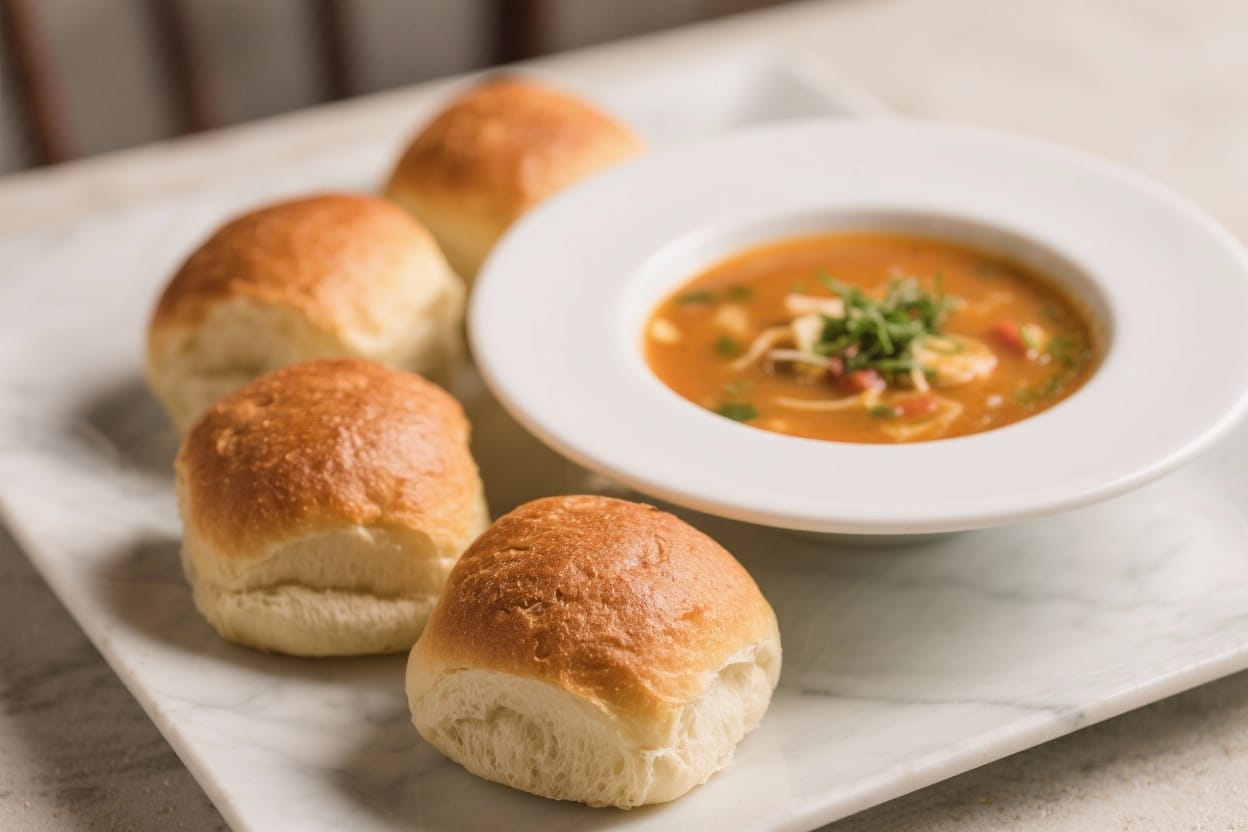
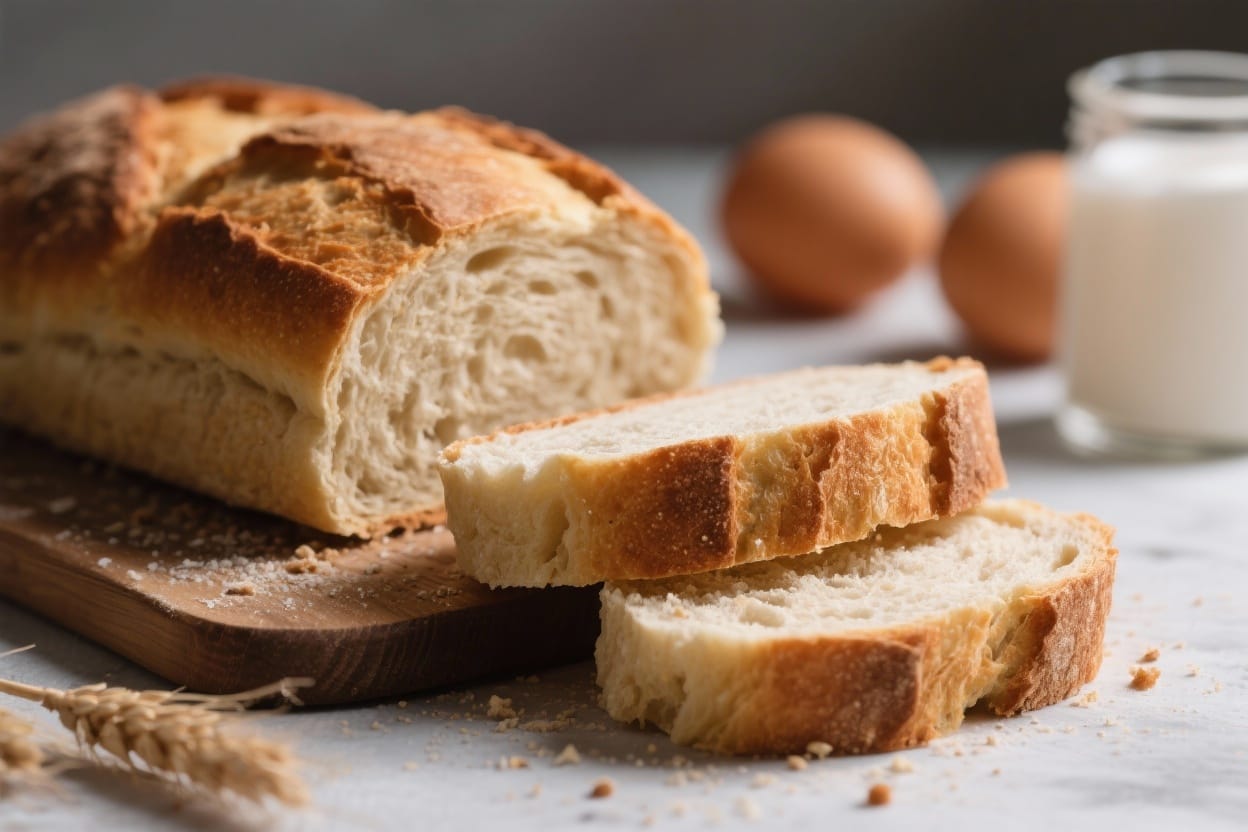
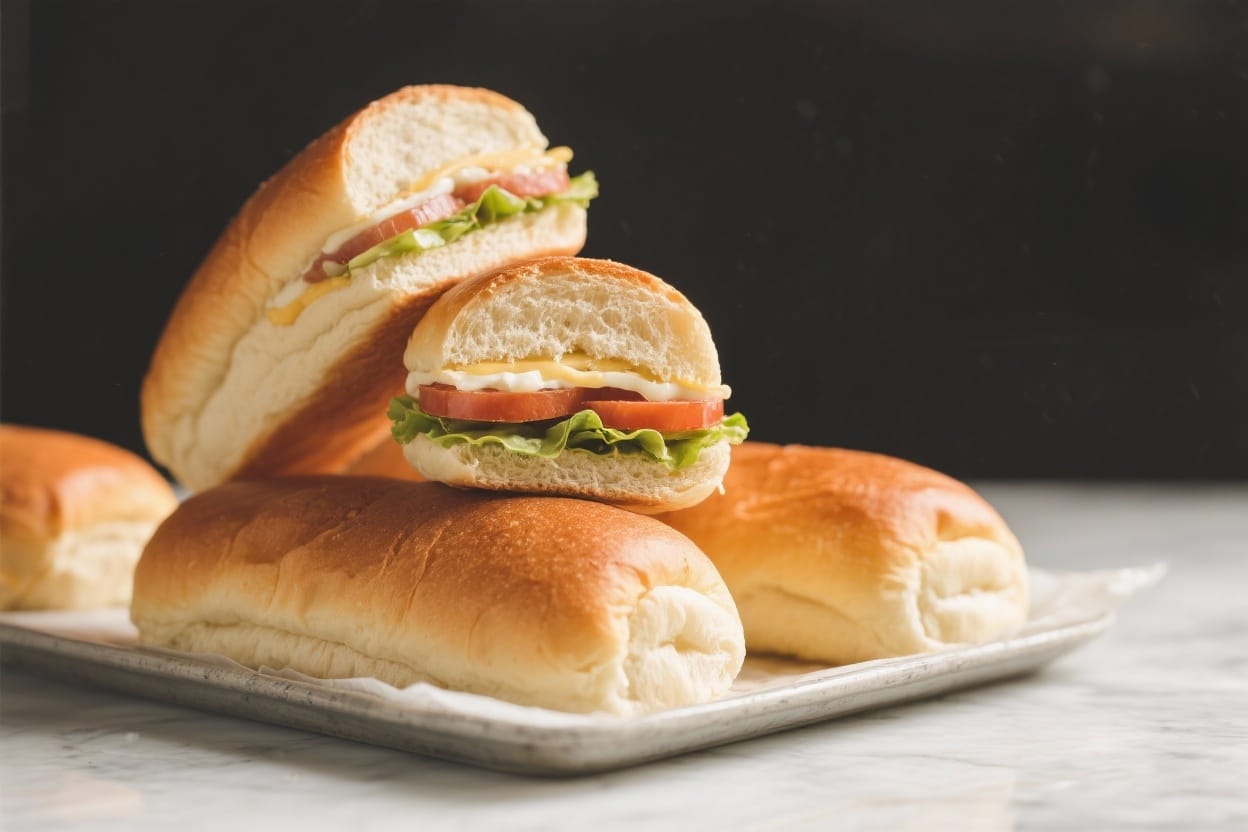
Burger Buns Homemade Recipe – Soft, Fluffy Buns That Elevate Any Burger
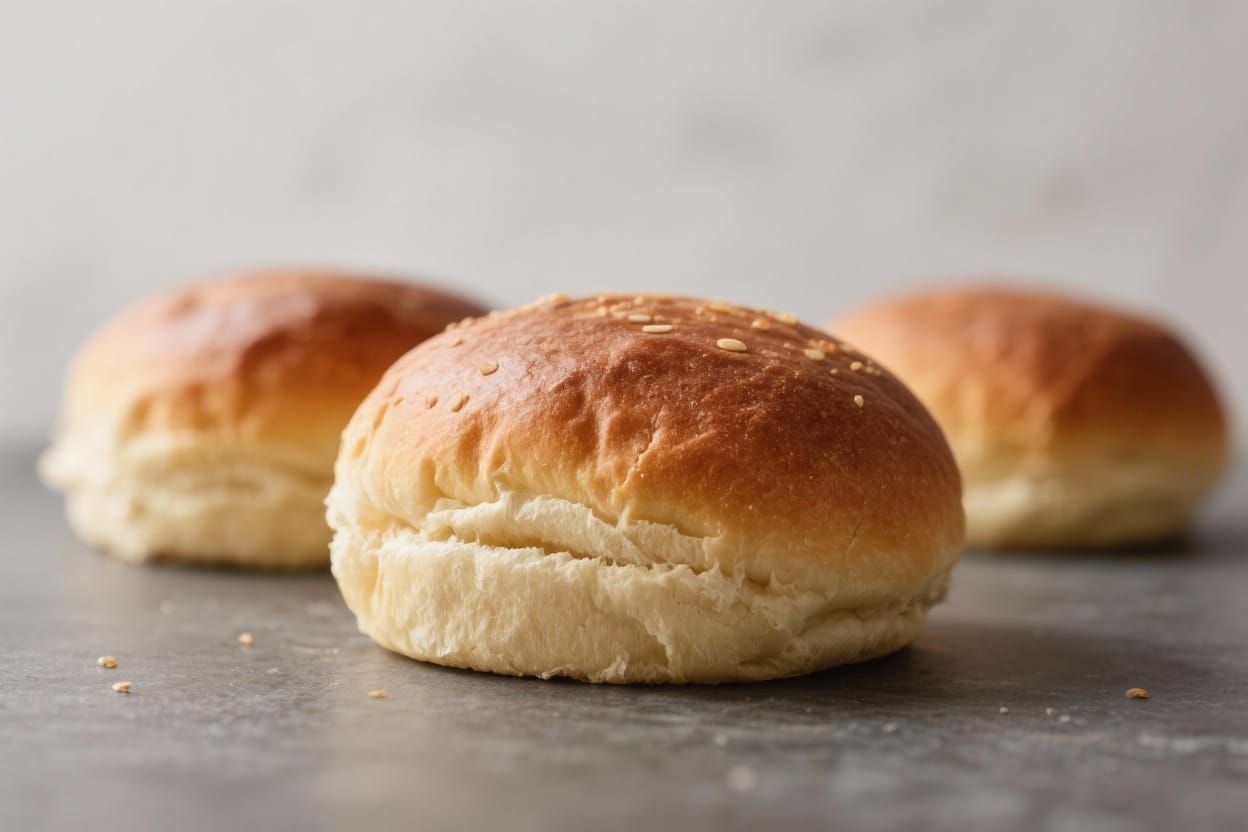
If you’ve never made burger buns at home, you’re in for a treat. Fresh buns are soft, a little sweet, and far more flavorful than most store-bought options. They make even a simple patty taste special. This recipe is beginner-friendly, forgiving, and perfect for weekend cooking. With a few pantry staples and a couple of hours, you’ll have golden, bakery-style buns ready to go.
What Makes This Special
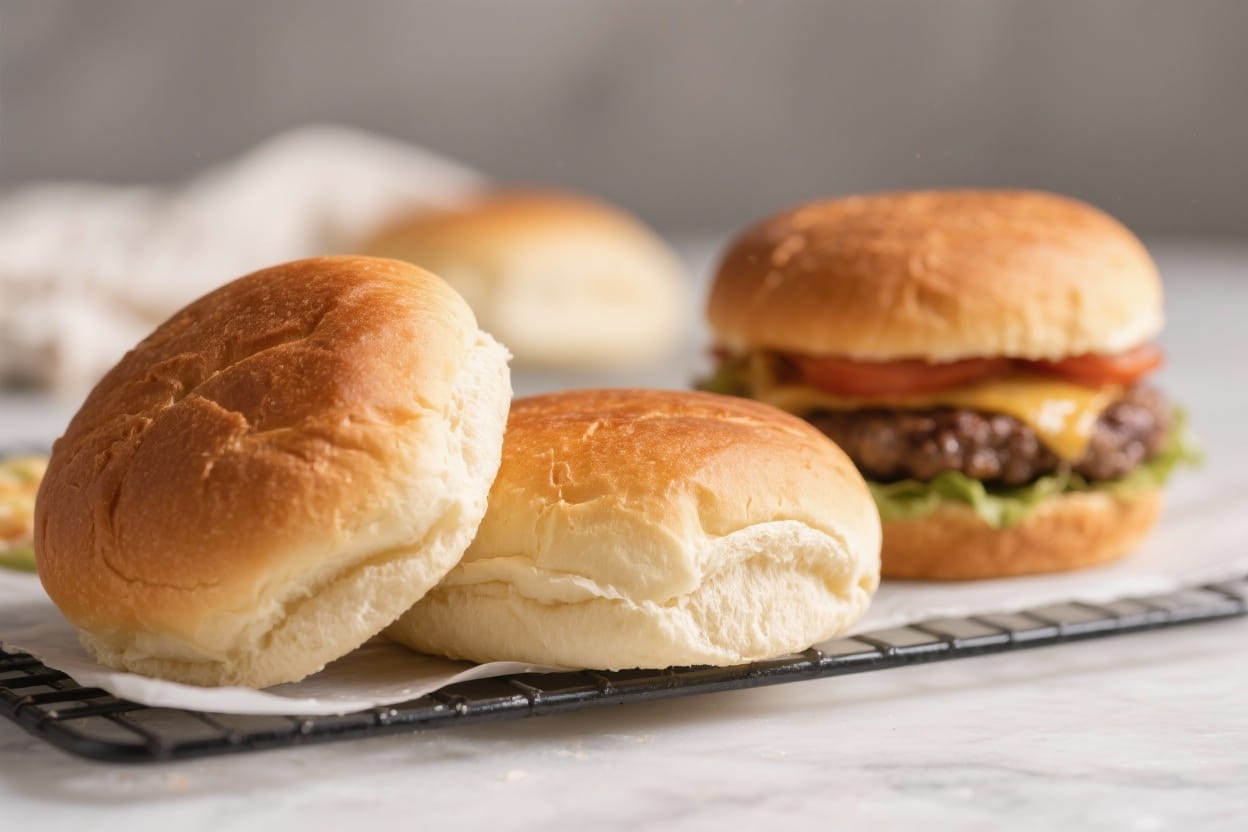
Burger buns homemade recipe – Burger Buns Homemade Recipe – Soft, Fluffy Buns That Elevate Any Burger If you’ve never made burger
These buns are soft yet sturdy enough to hold juicy patties and all the toppings. They don’t fall apart or turn soggy too fast. A touch of butter and milk creates a tender crumb, while a bit of sugar helps with browning and flavor. The result is a bun that tastes lightly rich, with a pillowy interior and a shiny top. You can finish them with sesame seeds or leave them plain—both are excellent.
Ingredients
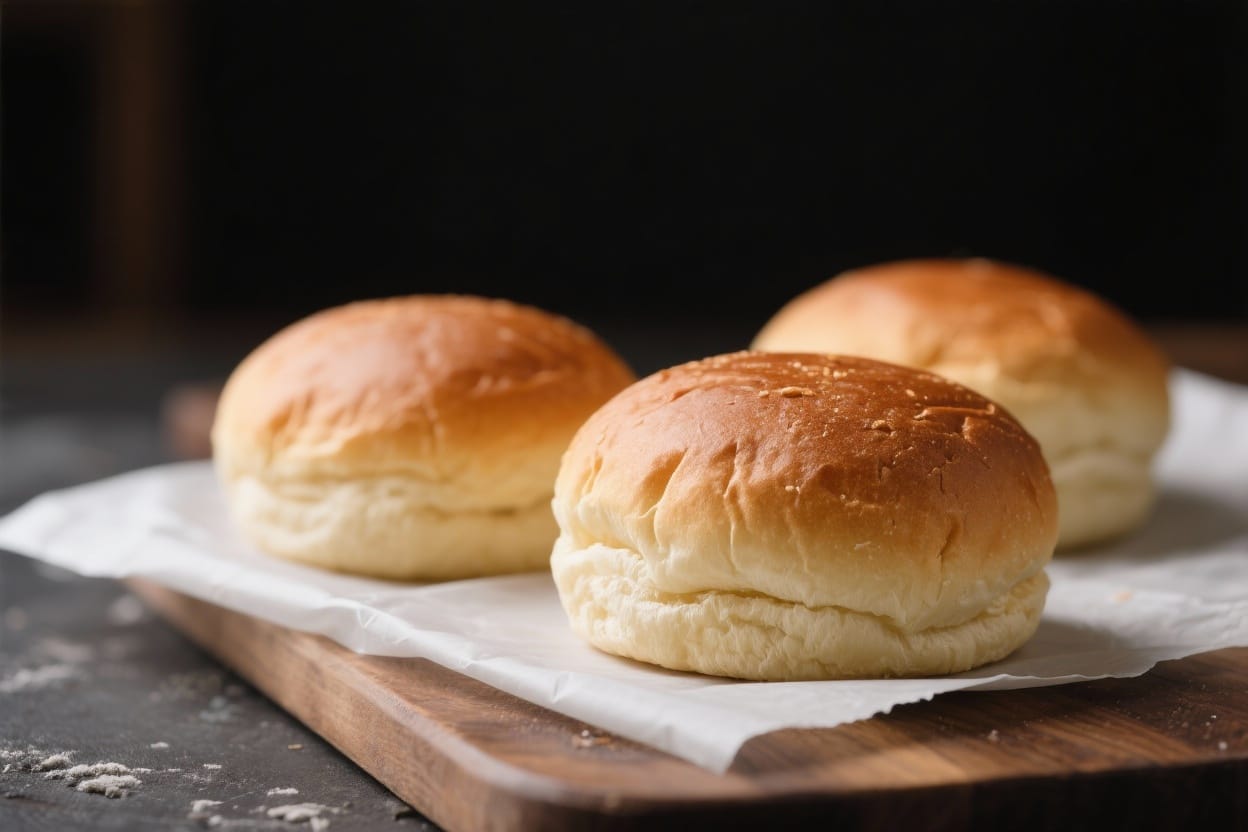
Burger buns homemade recipe – Fresh buns are soft, a little sweet, and far more flavorful than most store-bought options
- 3 1/2 cups (420 g) bread flour (you can substitute all-purpose flour, but bread flour gives better structure)
- 1 packet (2 1/4 tsp) instant yeast (or active dry yeast; see notes in Instructions)
- 1 cup (240 ml) warm milk (about 100–110°F/38–43°C)
- 2 tbsp (25 g) granulated sugar
- 1 tsp fine sea salt
- 1 large egg (room temperature)
- 3 tbsp (42 g) unsalted butter (softened)
- 1–3 tbsp (15–45 ml) warm water (as needed for dough consistency)
- 1 egg + 1 tbsp milk for egg wash
- Sesame seeds (optional)
Instructions
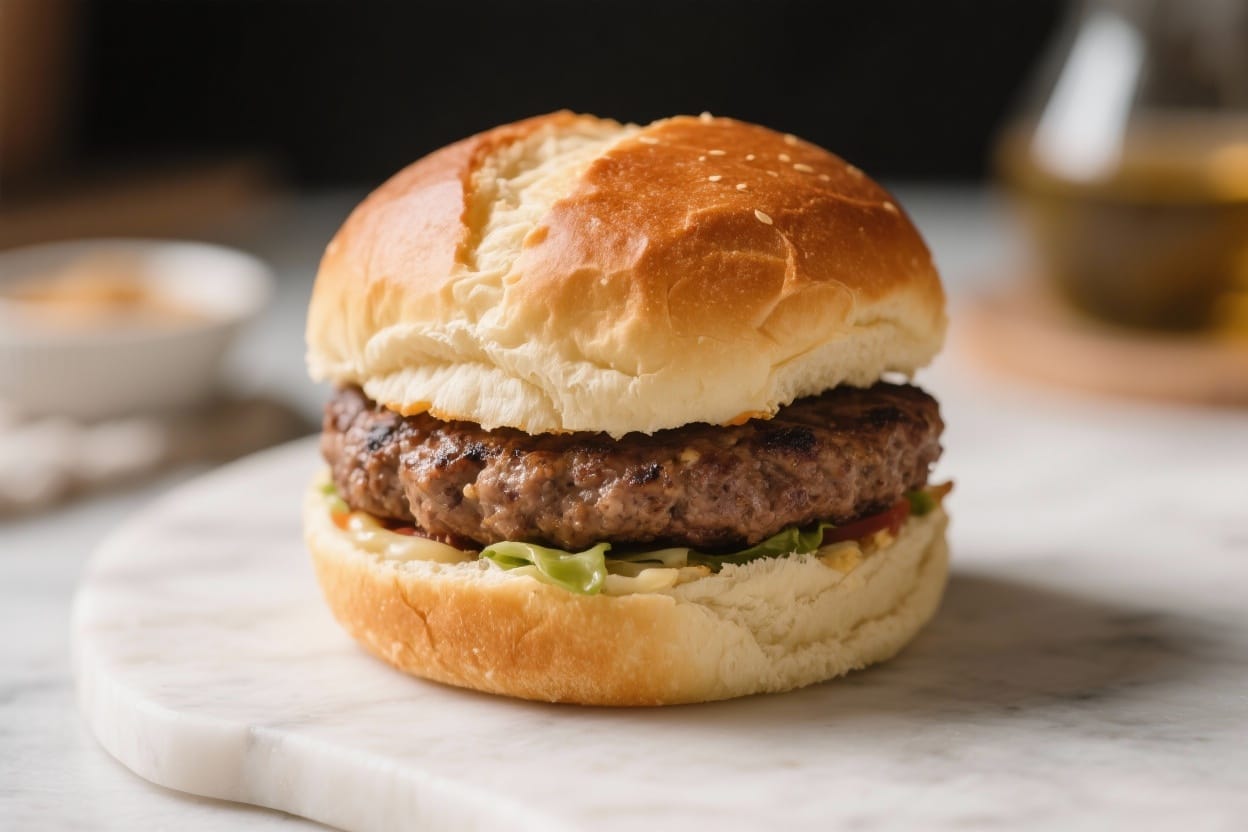
Burger buns homemade recipe – They make even a simple patty taste special
- Proof the yeast (if using active dry). In a small bowl, mix warm milk and sugar. Sprinkle active dry yeast on top and let it sit for 5–10 minutes until foamy. If using instant yeast, you can skip proofing and add it straight to the flour.
- Combine dry ingredients. In a large bowl or stand mixer bowl, whisk together flour, instant yeast (if using), and salt. Make a well in the center.
- Add wet ingredients. Pour in the warm milk mixture (or the warm milk if using instant yeast), egg, and softened butter. Stir with a spatula or mix on low until a shaggy dough forms. If the dough seems dry, add water 1 tablespoon at a time.
- Knead until smooth and elastic. Knead by hand on a lightly floured surface for 8–10 minutes, or in a stand mixer with a dough hook for 6–8 minutes. The dough should be soft, slightly tacky, and elastic. It should pull away from the bowl but still feel plush to the touch.
- First rise. Shape the dough into a ball and place it in a lightly greased bowl. Cover with a clean towel or plastic wrap. Let it rise in a warm, draft-free spot until doubled, about 60–90 minutes.
- Divide and shape. Turn the dough onto your counter and gently press out the air. Weigh and divide into 8 equal pieces for standard buns (about 100–110 g each) or 10 pieces for smaller buns. Shape each piece into a tight ball by tucking the edges under and rolling it under your palm.
- Flatten slightly. Place the balls on a parchment-lined baking sheet, spacing them a few inches apart. Press each ball gently to flatten into a disk about 3–3.5 inches wide. This encourages a flatter, burger-friendly shape.
- Second rise. Cover loosely and let the buns rise until puffy and nearly doubled, 40–60 minutes. They should look airy and spring back slowly when gently pressed.
- Preheat and glaze. Preheat your oven to 375°F (190°C). Whisk the egg with 1 tablespoon milk for a shiny finish. Brush the tops gently. Sprinkle sesame seeds if you like.
- Bake. Bake for 15–18 minutes until golden brown. Internal temperature should reach about 190–200°F (88–93°C). If browning too quickly, tent loosely with foil for the final minutes.
- Cool. Transfer to a wire rack and let cool at least 20–30 minutes before slicing. Cooling sets the crumb and keeps the buns from squishing.
How to Store
- Room temperature: Store cooled buns in an airtight bag or container for up to 3 days. Add a paper towel inside the bag to prevent moisture buildup.
- Freeze: Slice buns horizontally, then wrap tightly and freeze for up to 2 months. Toast straight from frozen or thaw at room temperature.
- Refresh: To revive day-old buns, warm in a 300°F (150°C) oven for 5–8 minutes or toast lightly. This brings back softness and aroma.
Health Benefits
- Fewer additives: Homemade buns skip preservatives and unnecessary sweeteners. You control the ingredients and the amount of sugar and salt.
- Better flour choices: You can use high-quality flour or a mix with whole wheat for more fiber and nutrients.
- Portion control: Making your own lets you choose size and thickness, which helps manage calories without sacrificing satisfaction.
- Healthier fats: Using butter in moderation or substituting part with olive oil can improve the overall fat profile.
What Not to Do
- Don’t rush the rise. Underproofed dough leads to dense, heavy buns. Let the dough double before shaping, and allow a proper second rise.
- Don’t add too much flour. A slightly tacky dough bakes into a soft bun. Add flour only as needed. Too much makes buns dry and tough.
- Don’t overbake. Overbaking dries the crumb. Check color at 15 minutes and use an instant-read thermometer if unsure.
- Don’t skip the rest after baking. Cutting too soon compresses the crumb. Let them cool to set structure.
- Don’t use overly hot liquid. Milk hotter than about 115°F (46°C) can kill yeast and prevent rising.
Alternatives
- Whole wheat buns: Swap 1 to 1 1/4 cups of the bread flour with whole wheat flour. Add 1–2 extra tablespoons of water if needed and expect slightly denser buns.
- Dairy-free: Use warm water or unsweetened plant milk, and replace butter with neutral oil. The texture stays soft, though flavor will be lighter.
- Egg-free: Skip the egg in the dough and add 1 extra tablespoon of oil. For the glaze, brush with milk or a cornstarch slurry for shine.
- Sweet brioche-style: Increase butter to 4–5 tbsp and sugar to 3–4 tbsp. Expect richer flavor and even softer crumb.
- Seeded crust: Mix sesame, poppy, or everything seasoning into the egg wash. Press gently so the seeds adhere.
- Slider buns: Divide dough into 12–14 pieces and bake on a 9×13-inch tray, touching slightly for pull-apart buns.
FAQ
Can I make the dough ahead of time?
Yes. After the first rise, shape the buns, cover, and refrigerate overnight. Let them sit at room temperature for 45–60 minutes before baking to finish proofing.
What if I only have all-purpose flour?
All-purpose flour works fine. The buns may be a touch softer and less chewy, but still delicious. If the dough feels loose, knead a bit longer to build gluten.
How do I get a super shiny top?
An egg wash gives the best shine. For an extra glossy finish, brush twice—once before baking and lightly again in the last 2 minutes of baking.
Why are my buns spreading too wide?
They may be slightly overproofed or the dough is too wet. Next time, reduce proofing time or add a tablespoon of flour during mixing. Also, don’t flatten the dough too aggressively before the second rise.
Can I use a bread machine or stand mixer?
Absolutely. A stand mixer with a dough hook makes kneading easy. A bread machine can handle mixing and the first rise; then remove, shape, rise again, and bake in the oven.
How do I make buns with a darker crust?
Brush with egg wash and bake at 400°F (205°C) for the first 5 minutes, then reduce to 375°F (190°C) until done. Keep an eye on color to avoid overbaking.
What toppings pair best with these buns?
Classic sesame is great, but try onion flakes, poppy seeds, or everything seasoning. For a sweet-savory twist, brush with honey-butter right after baking.
In Conclusion
Homemade burger buns are simple to make and transform any burger night. With basic ingredients and a little patience, you’ll get soft, golden buns that taste like they came from a bakery. Make them your way—classic, whole wheat, dairy-free, or slider-sized. Once you try them, you’ll wonder why you ever bought buns in a bag.
Printable Recipe Card
Want just the essential recipe details without scrolling through the article? Get our printable recipe card with just the ingredients and instructions.