Artisan Focaccia With Rosemary and Sea Salt – A Simple, Fragrant Bread You’ll Love

Warm, olive-oil rich focaccia is one of those simple pleasures that never gets old. It’s tender inside, crisp at the edges, and perfumed with rosemary in a way that makes your kitchen smell like a cozy bakery. This version is straightforward, forgiving, and perfect for both new and seasoned bakers. With a few pantry staples and a bit of time, you’ll get a golden, dimpled loaf that’s easy to serve with dinner, soups, or a cheese board. Once you make it, you’ll want to bake it again and again.
What Makes This Recipe So Good

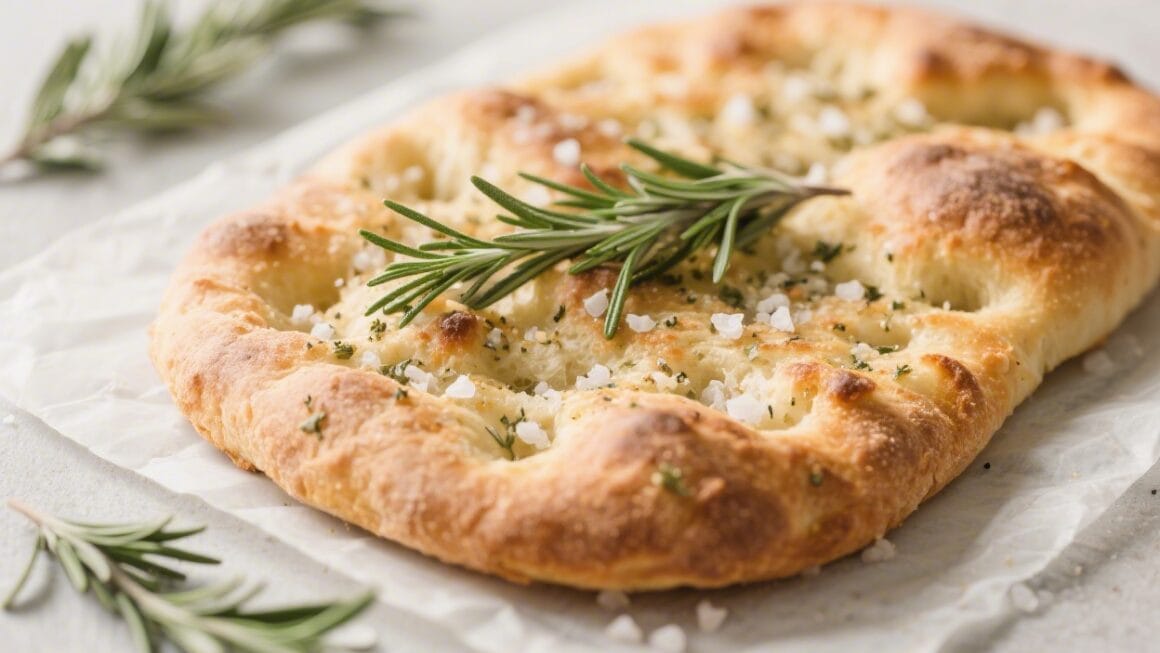
Artisan focaccia with rosemary and sea salt – Artisan Focaccia With Rosemary and Sea Salt – A Simple, Fragrant Bread You’ll Love Warm, olive-oil r
- Effortless, bakery-quality texture: A high-hydration dough and generous olive oil create a light, airy crumb and a golden, crunchy crust.
- Simple ingredients, big flavor: Flour, water, yeast, salt, olive oil, fresh rosemary, and flaky sea salt—nothing fancy, yet the results are special.
- Flexible timing: The dough can rise at room temperature or rest in the fridge overnight for even better flavor.
- Versatile to serve: Great warm with soups, sliced for sandwiches, or as a side with roasted vegetables and grilled meats.
- Beginner-friendly: No kneading required; mixing and folding is enough to build structure.
Ingredients

Artisan focaccia with rosemary and sea salt – It’s tender inside, crisp at the edges, and perfumed with rosemary in a way that makes your kitchen
- 4 cups (500 g) bread flour or all-purpose flour
- 1 3/4 cups (420 ml) warm water, about 100°F/38°C
- 2 1/4 tsp (7 g) instant or active dry yeast (one packet)
- 2 tsp (10 g) fine sea salt
- 1/4 cup (60 ml) extra-virgin olive oil, plus more for the pan and drizzling
- 2–3 tbsp fresh rosemary leaves, roughly chopped
- 1–2 tsp flaky sea salt (such as Maldon), for topping
- Optional: 1 tsp honey or sugar to help activate yeast (especially if using active dry)
Instructions

Artisan focaccia with rosemary and sea salt – This version is straightforward, forgiving, and perfect for both new and seasoned bakers
- Bloom the yeast (if using active dry): In a bowl, mix warm water with the honey or sugar and yeast. Let it sit 5–10 minutes until foamy. If using instant yeast, you can skip blooming and add it directly to the flour, then add the water.
- Make the dough: In a large bowl, whisk the flour and fine sea salt. Add the yeast mixture (or water if using instant yeast) and 2 tablespoons of olive oil. Stir with a spatula until a shaggy, sticky dough forms. It will be wet—this is good.
- First rise: Cover the bowl with a damp towel or plastic wrap. Let it rise at room temperature for about 1–1.5 hours, until doubled and bubbly. For more flavor, refrigerate the covered dough for 8–24 hours and proceed when you’re ready to bake.
- Prepare the pan: Generously grease a 9×13-inch pan or a large rimmed sheet pan with 2–3 tablespoons of olive oil. You want a visible slick of oil to crisp the crust.
- Shape the dough: Oil your hands and gently ease the dough into the pan. Fold the dough over on itself once or twice to strengthen it, then press it outward toward the corners. Don’t force it to stretch; if it resists, rest it for 10 minutes, then press again.
- Second rise: Drizzle 1–2 tablespoons olive oil on top. Cover the pan and let the dough rise 30–45 minutes, until puffy and slightly jiggly.
- Preheat the oven: Heat to 450°F (230°C). If you have a baking steel or stone, place the pan on it for extra bottom crispness.
- Dimple and season: With well-oiled fingers, press deep dimples all over the surface, going to the bottom without tearing. Sprinkle the chopped rosemary evenly. Finish with a good pinch of flaky sea salt and another light drizzle of olive oil.
- Bake: Bake 20–25 minutes, until the focaccia is deeply golden at the edges and slightly browned on top. If using a darker pan, start checking at 18 minutes.
- Cool slightly and serve: Let it rest in the pan 10 minutes. Transfer to a rack, then slice or tear into pieces. For extra flavor, brush with a little more olive oil while warm.
Storage Instructions
- Room temperature: Keep in an airtight container or wrapped in foil for up to 2 days. Rewarm at 350°F (175°C) for 8–10 minutes to revive the crust.
- Freezing: Cool completely, slice, and wrap tightly. Freeze up to 2 months. Reheat from frozen at 350°F (175°C) for 12–15 minutes.
- Avoid the fridge: Refrigeration can dry out bread. If you must store longer than 2 days, freeze instead.
Why This is Good for You
- Healthy fats: Extra-virgin olive oil provides monounsaturated fats and polyphenols that support heart health.
- Herbs for more than aroma: Rosemary brings antioxidants and a fresh, savory lift, reducing the need for heavy sauces or spreads.
- Simple, satisfying carbs: Paired with protein and vegetables, focaccia helps make a balanced, filling meal.
- Homemade control: You choose the quality of oil and salt, and avoid additives common in store-bought breads.
Pitfalls to Watch Out For
- Water too hot: Hot water kills yeast. Aim for warm, not hot—about 100°F/38°C.
- Under-oiling the pan: Skimping on oil leads to sticking and a pale crust. The pan should look generously slick.
- Rushing the rise: Dough that hasn’t doubled won’t be airy. Give it time to puff and get jiggly.
- Over-flouring during shaping: Avoid adding extra flour. Use oil on your hands and the pan to handle the sticky dough.
- Too much salt on top: Flaky salt is potent. Start with a light sprinkle, then add more after baking if needed.
Recipe Variations
- Garlic and rosemary: Add thinly sliced garlic or roasted garlic cloves on top before baking for a mellow, sweet bite.
- Tomato and olive: Press halved cherry tomatoes and pitted olives into the dough after dimpling. Add a touch of dried oregano.
- Caramelized onion: Scatter cooled, caramelized onions across the surface with rosemary for a deeper, savory flavor.
- Cheese finish: Sprinkle grated Parmesan or Pecorino in the last 5 minutes of baking for a salty, toasty crust.
- Whole-wheat boost: Swap 1 cup (125 g) of flour for whole-wheat. Add 1–2 tablespoons extra water if needed.
- Herb blend: Mix rosemary with thyme or sage, or finish with fresh basil after baking.
- Sheet-pan sandwiches: Split the cooled slab horizontally and fill with grilled vegetables, mozzarella, and pesto.
FAQ
Can I use all-purpose flour instead of bread flour?
Yes. Bread flour gives a slightly chewier texture, but all-purpose flour works great and produces a tender crumb. Keep the hydration the same and handle gently.
Do I have to refrigerate the dough overnight?
No. A room-temperature rise is enough. The overnight rest is optional and adds more flavor and better structure, but it’s not required.
How do I know when the focaccia is done?
Look for a deeply golden edge and light browning on top. The center should feel set, not squishy. If you lift a corner, the bottom should be well-colored, not pale.
Can I make this gluten-free?
Use a high-quality 1:1 gluten-free flour blend designed for yeast breads and add 1 teaspoon xanthan gum if your blend lacks it. Expect a slightly denser texture, but it will still be tasty.
What’s the best pan to use?
A metal pan, like a rimmed baking sheet or 9×13 cake pan, gives the best bottom crust. Glass works but browns more slowly, so you may need a few extra minutes.
Why dimple the dough?
Dimples create little olive-oil pools that crisp and flavor the top. They also help prevent large bubbles from forming unevenly during baking.
Can I use dried rosemary?
Yes, but use less since it’s more concentrated. Start with 1 to 1 1/2 teaspoons and rub it between your fingers to release its oils before sprinkling.
How can I keep the crust crisp after baking?
Cool the bread on a rack so steam escapes. Rewarm in a hot oven for a few minutes before serving to refresh the edges.
Final Thoughts
This artisan focaccia with rosemary and sea salt is simple, fragrant, and endlessly useful. With a little patience and plenty of olive oil, you’ll get a bread that feels special without being fussy. Serve it warm with dinner, make sandwiches the next day, or pair it with a bright salad. Once you know the rhythm—mix, rise, dimple, bake—you’ll have a reliable, go-to recipe for any occasion.
Printable Recipe Card
Want just the essential recipe details without scrolling through the article? Get our printable recipe card with just the ingredients and instructions.