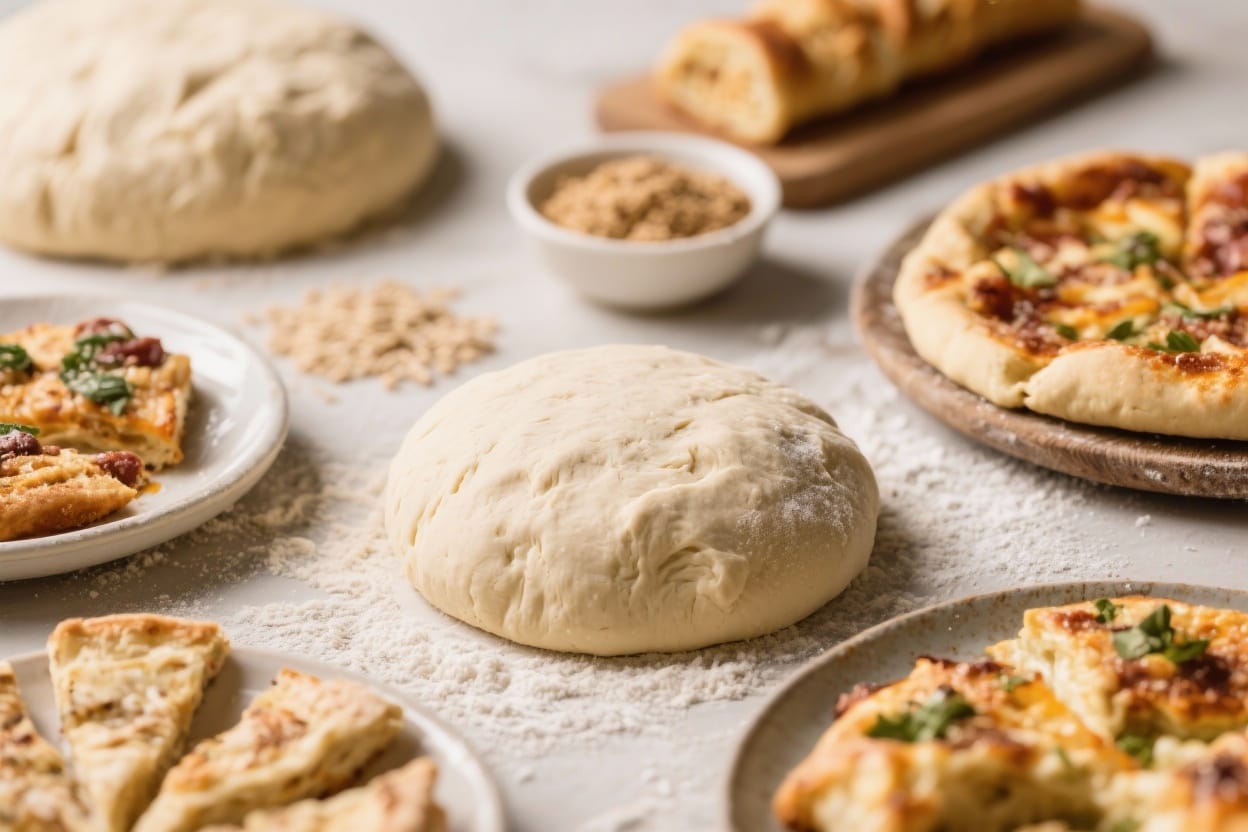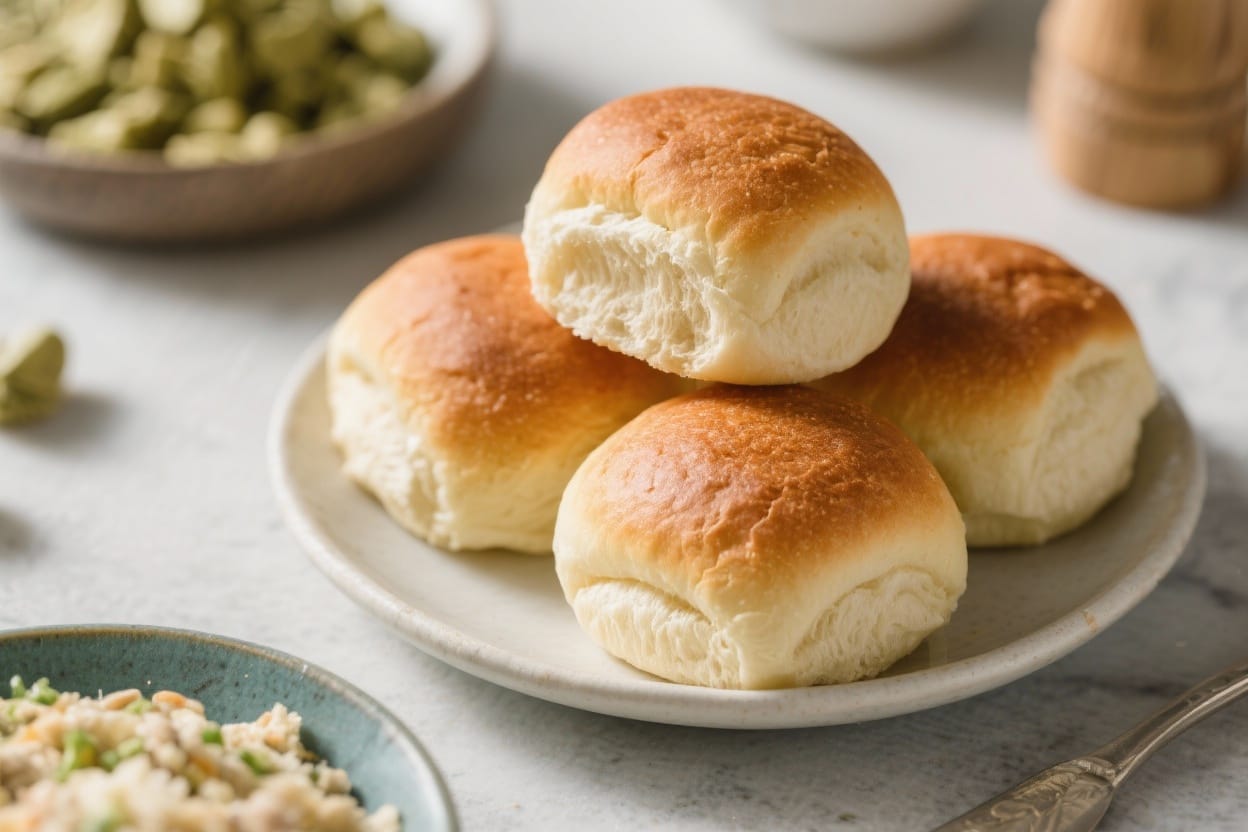
These vegan dinner rolls are soft, pillowy, and surprisingly simple to make. They’re perfect for weeknight dinners, holiday spreads, or anytime you want warm bread on the table. The dough is easy to work with, and you don’t need any special equipment—just a bowl, a spoon, and your hands.
Expect a tender crumb, golden tops, and that irresistible bakery-style aroma. If you’re new to bread baking, this is a great place to start.
What Makes This Special
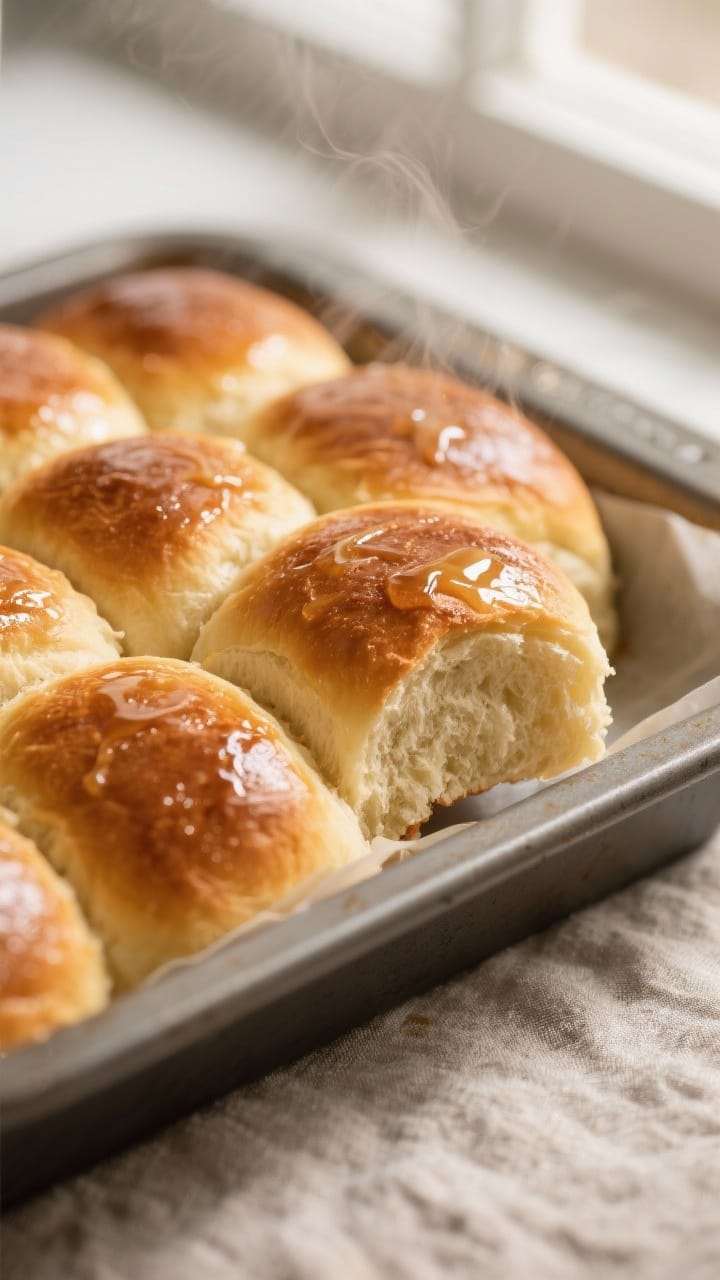
These rolls are made without dairy or eggs, but you won’t miss them. A mix of plant milk and olive oil keeps the crumb rich and soft.
A touch of sugar helps the yeast bloom and adds subtle sweetness, balancing the savory flavor. The technique is straightforward, with clear steps for proofing, shaping, and baking. The result?
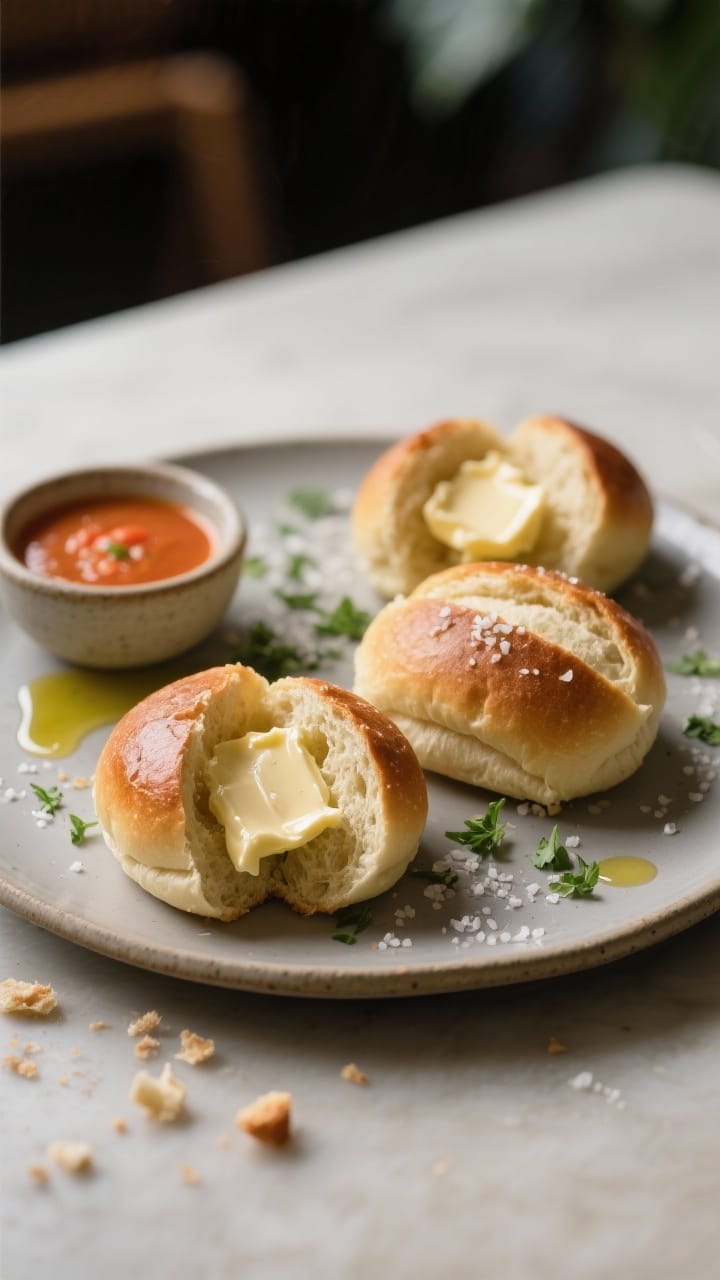
Rolls that are light, fluffy, and perfect for spreading with vegan butter or dipping into soup.
Ingredients
- 2 3/4 to 3 cups (330–360 g) all-purpose flour, plus more for dusting
- 1 cup (240 ml) warm unsweetened plant milk (almond, soy, or oat), about 105–110°F
- 2 1/4 teaspoons (1 packet) active dry yeast
- 3 tablespoons sugar (organic, to ensure it’s vegan)
- 1 teaspoon fine sea salt
- 3 tablespoons olive oil (or melted coconut oil)
- 2 tablespoons vegan butter, melted, for brushing (optional)
Instructions
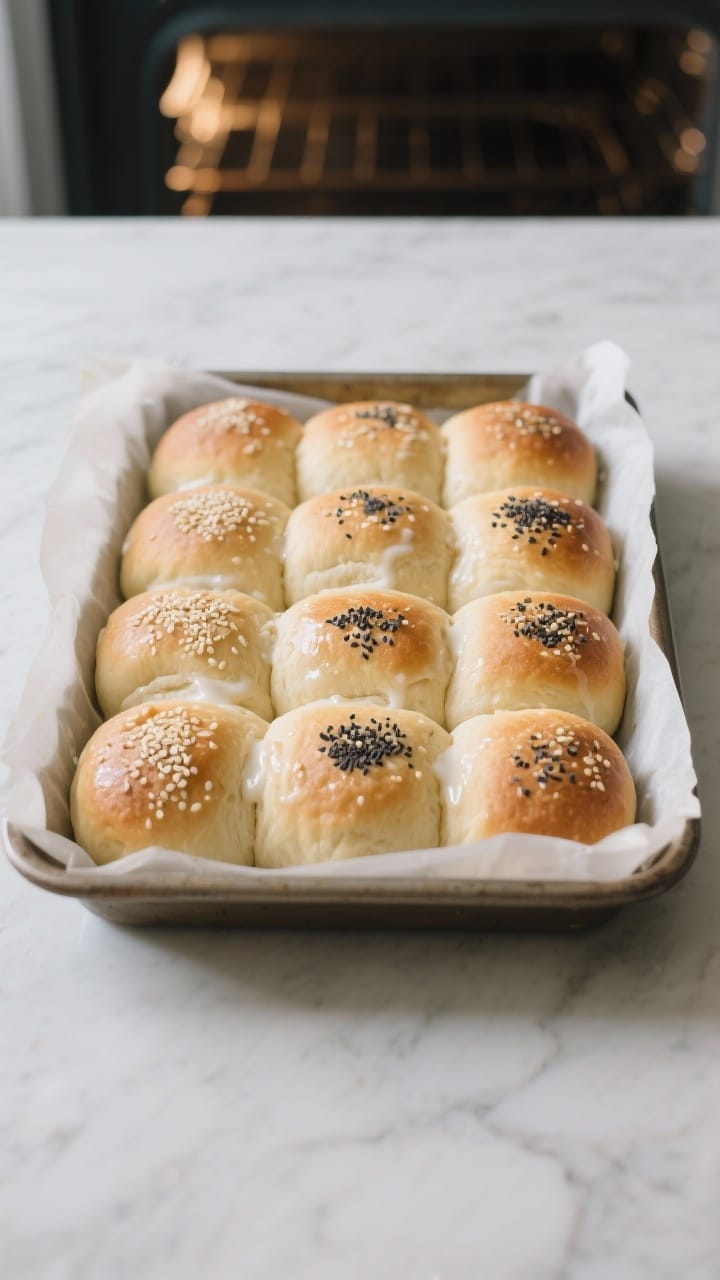
- Bloom the yeast. In a large bowl, whisk warm plant milk with sugar until dissolved. Sprinkle the yeast over the top and let it sit for 5–10 minutes, until foamy. If it doesn’t foam, your yeast may be inactive or the milk too hot or cold.
- Mix the dough. Add olive oil and salt to the yeast mixture.Stir in 2 3/4 cups of flour until a soft, sticky dough forms. If needed, add more flour 1 tablespoon at a time until the dough pulls away from the bowl.
- Knead until smooth. Turn the dough onto a lightly floured surface. Knead for 7–9 minutes, adding minimal flour as needed, until the dough is smooth, elastic, and slightly tacky but not sticky.
- First rise. Place the dough in a lightly oiled bowl, turning once to coat.Cover with a clean towel or plastic wrap and let it rise in a warm spot for 60–75 minutes, or until doubled in size.
- Prepare the pan. Grease a 9×13-inch baking dish or line it with parchment. You can also use two 8-inch pans for smaller batches.
- Divide and shape. Punch down the dough. Turn it out and divide into 12 equal pieces (about 60–65 g each).Shape each piece into a tight ball by tucking the edges under and rolling under your palm.
- Second rise. Arrange the balls in the pan with slight space between them. Cover and let rise for 30–45 minutes, until puffy and nearly touching.
- Preheat the oven. While the rolls rise, preheat to 375°F (190°C). For extra color, brush the tops with a little plant milk or melted vegan butter.
- Bake. Bake for 16–20 minutes, until the tops are golden and the internal temperature reaches about 195–200°F (90–93°C).If browning too fast, tent loosely with foil.
- Finish and serve. Brush with melted vegan butter while warm for a glossy, soft crust. Cool 10 minutes, then serve.
How to Store
- Room temperature: Keep cooled rolls in an airtight container or bag for up to 2 days. Add a small piece of parchment inside to prevent sticking.
- Freeze: Wrap individually in foil or plastic, then place in a freezer bag.Freeze for up to 2 months.
- Reheat: Warm in a 300°F (150°C) oven for 8–10 minutes, or microwave in 10–15 second bursts. Brush with a little vegan butter to refresh the crust.
Health Benefits
While dinner rolls are a comfort food, these are lighter than many traditional versions. Using olive oil instead of butter reduces saturated fat and adds heart-friendly monounsaturated fats.
Plant milk keeps the rolls dairy-free and easier to digest for many people. If you want extra fiber and nutrients, swap in part whole-wheat flour and pair with a veggie-packed meal for balance.
Common Mistakes to Avoid
- Milk too hot or cold: Yeast needs warm (not hot) liquid. Aim for 105–110°F.Too hot kills yeast; too cold slows it down.
- Adding too much flour: A slightly tacky dough bakes fluffier. Resist the urge to add flour until it’s dry and stiff.
- Under-kneading: Inadequate gluten development leads to dense rolls. Knead until smooth and elastic.
- Rushing the rise: Let the dough double.Under-proofed dough won’t be airy; over-proofed can collapse.
- Skipping the pan spacing: Placing rolls close helps them rise up and stay soft. Too much space can dry the sides.
- Overbaking: Dry rolls happen fast. Start checking at 16 minutes and look for golden tops.
Alternatives
- Flour swaps: Use bread flour for chewier rolls with more structure.For a heartier flavor, replace up to 1 cup with whole-wheat flour and add 1–2 teaspoons extra plant milk if needed.
- Oil options: Melted coconut oil works well and adds a hint of richness. Neutral oils like avocado oil are also great.
- Sweetness: Maple syrup or agave can replace sugar (use 2 tablespoons and reduce plant milk by 1 tablespoon).
- Garlic and herb: Add 1 teaspoon garlic powder and 1–2 teaspoons dried herbs to the dough. Brush baked rolls with garlic-herb vegan butter.
- Pull-apart style: Pack the rolls snugly and brush with vegan butter before baking for extra-soft sides.
- Gluten-free approach: Use a high-quality 1:1 gluten-free baking blend with xanthan gum, and add 1 teaspoon apple cider vinegar.Texture will be different but still delicious.
FAQ
Can I use instant yeast instead of active dry yeast?
Yes. Use the same amount and skip the blooming step. Mix instant yeast directly with the flour, then add warm plant milk, sugar, salt, and oil.
The rise time may be slightly shorter, so keep an eye on the dough.
Why are my rolls dense?
Common causes include too much flour, under-kneading, or under-proofing. Make sure the dough stays slightly tacky, knead to an elastic texture, and let it double on the first rise. Oven temperature that’s too low can also lead to poor oven spring.
What plant milk works best?
Soy and oat milk give the softest texture thanks to their protein and creaminess.
Almond milk also works well. Avoid flavored or sweetened varieties that can affect taste.
Can I make the dough ahead?
Yes. After the first rise, shape the rolls, place them in the pan, cover, and refrigerate overnight.
Let them sit at room temperature for 45–60 minutes before baking to finish proofing.
How do I make them extra golden on top?
Brush the rolls with plant milk or a mix of plant milk and a little maple syrup before baking. Finish with melted vegan butter while warm for shine and softness.
Do I need a stand mixer?
No. Hand-kneading works perfectly and gives you better feel for the dough.
If using a mixer, knead on low speed for 5–7 minutes with the dough hook.
Can I add seeds on top?
Absolutely. Brush the tops with plant milk and sprinkle sesame, poppy, or everything seasoning before baking. Press gently so they stick.
Final Thoughts
Vegan dinner rolls don’t have to be fussy or complicated.
With simple ingredients and a few key steps, you can bake soft, bakery-quality rolls at home. Keep the dough slightly tacky, give it time to rise, and don’t overbake. Serve them warm with vegan butter, alongside soup, or as sliders—and enjoy the kind of bread that disappears fast from the basket.
Printable Recipe Card
Want just the essential recipe details without scrolling through the article? Get our printable recipe card with just the ingredients and instructions.