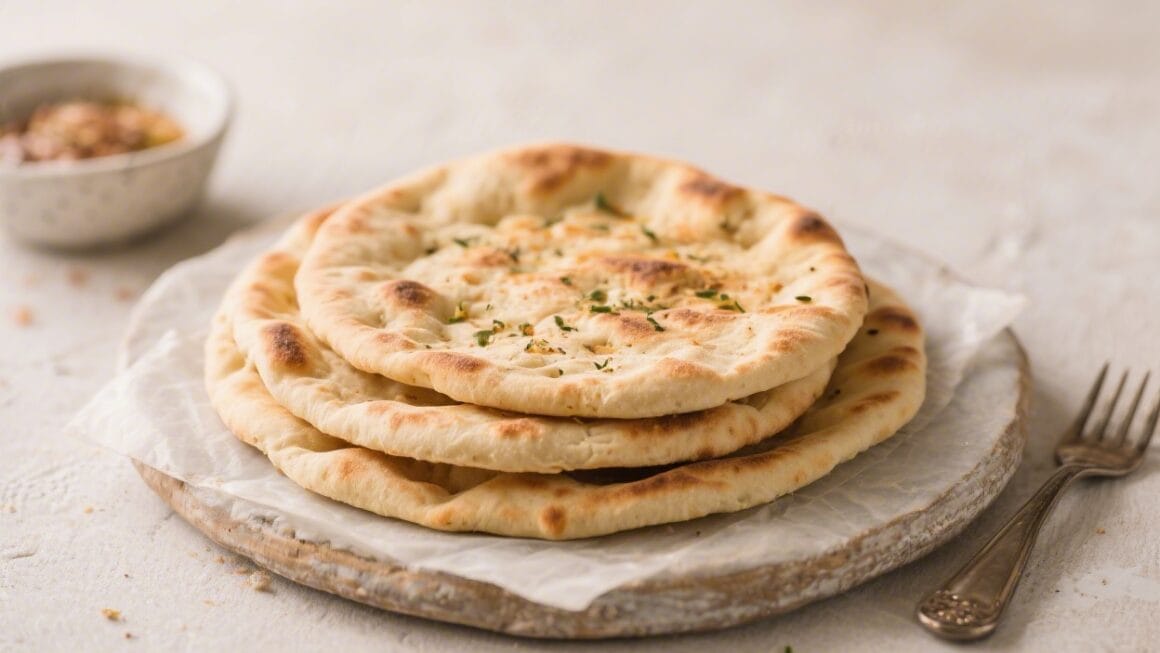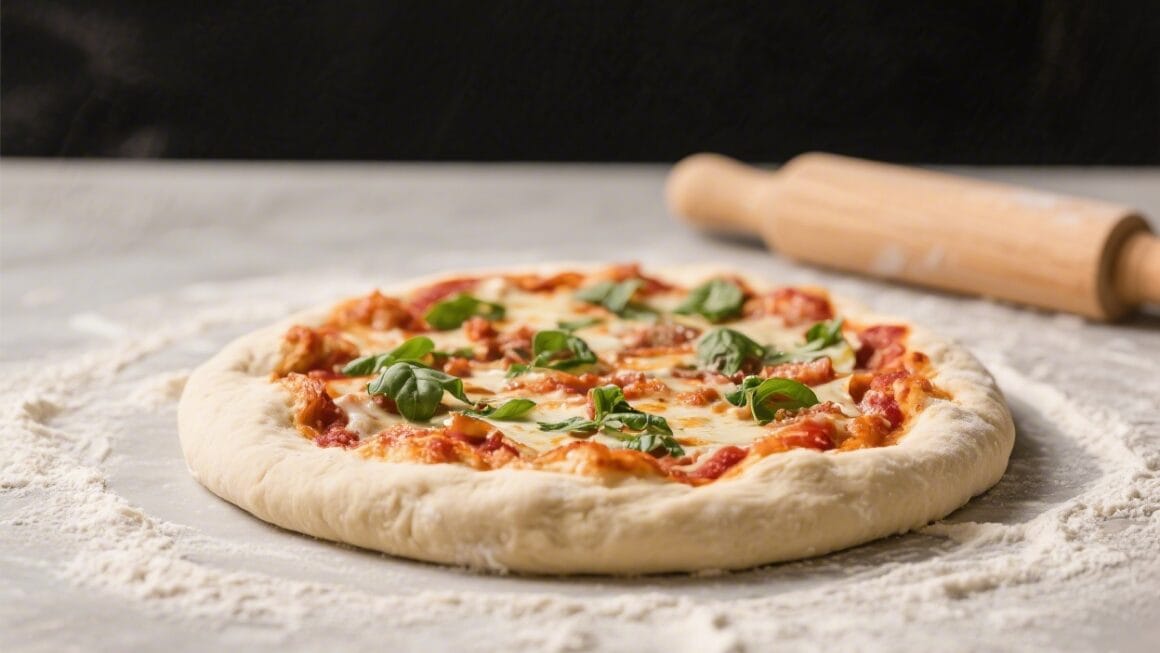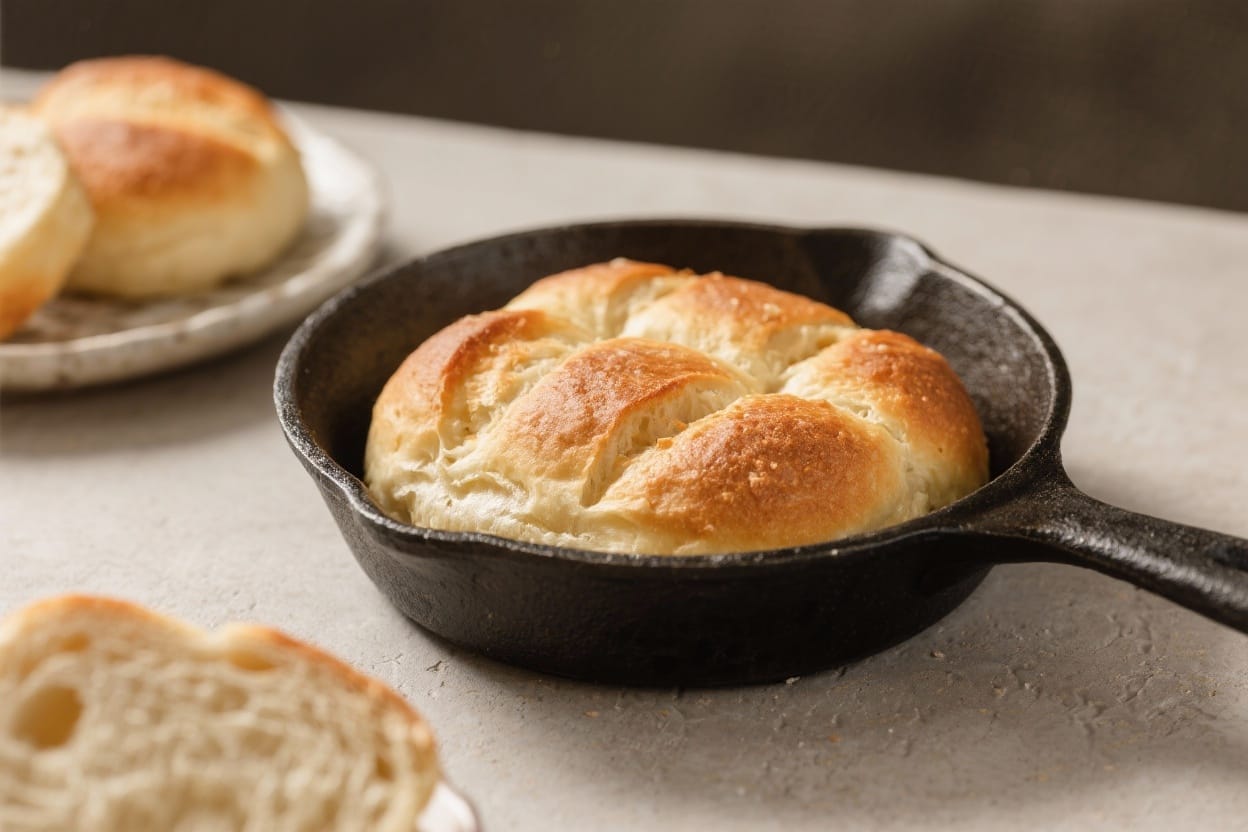
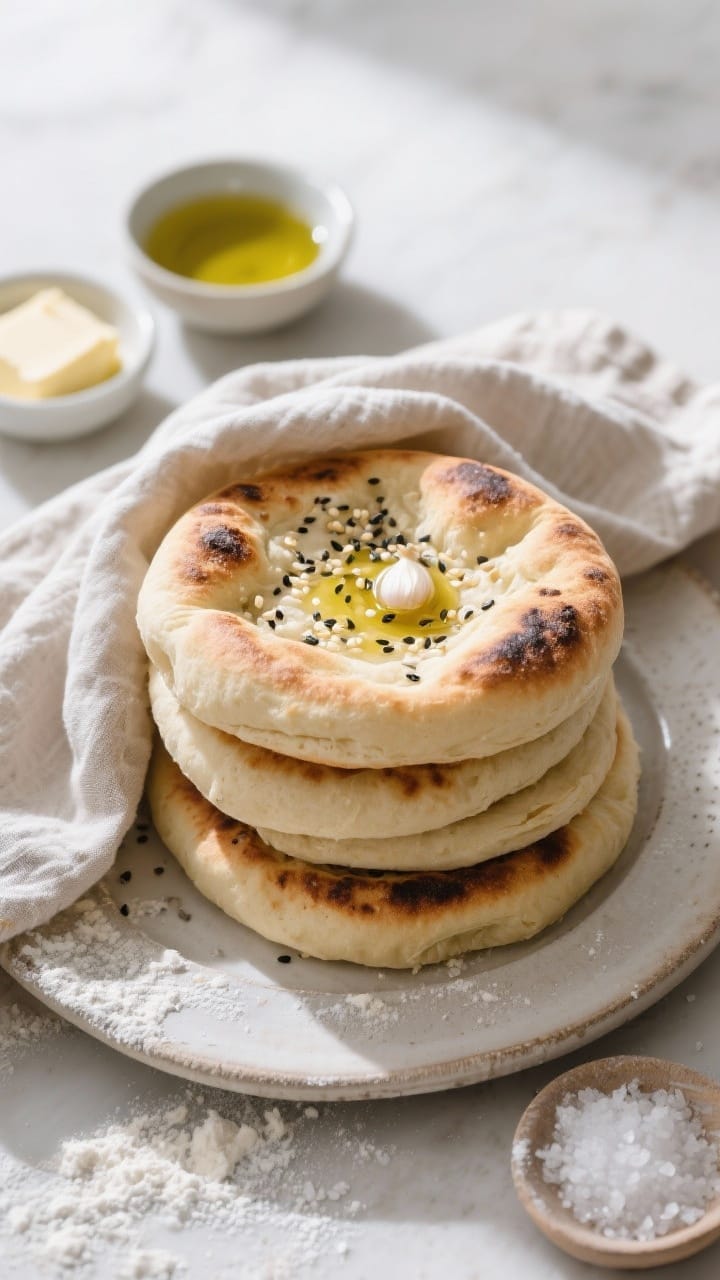
If you’re craving warm, fresh bread but don’t want to turn on the oven, this recipe has your back. Ten-minute pan bread is soft inside, slightly crisp outside, and made with simple pantry staples. It cooks on the stovetop, so it’s perfect for busy days, hot weather, or small kitchens.
You can enjoy it with soup, wrap it around fillings, or swipe it through olive oil. Once you make it, you’ll wonder why you ever waited for dough to rise.
What Makes This Special
This bread skips the oven and long proofing times, yet delivers that comforting fresh-bread feel. It’s essentially a quick flatbread with a tender crumb, made in one bowl and cooked in a skillet.
You can use yogurt for extra softness, or water if that’s what you have. It takes well to herbs, garlic, or cheese, and it reheats beautifully in a dry pan.
It’s also forgiving. The dough comes together in minutes, and it’s easy to adjust with a sprinkle of flour or a splash of liquid.
No mixer, no yeast resting, no complicated steps—just warm bread, fast.
Ingredients
- All-purpose flour (about 2 cups/250–280 g)
- Baking powder (2 teaspoons)
- Salt (3/4 teaspoon)
- Plain yogurt (1/2 cup) or milk (1/2 cup)
- Water (1/4–1/2 cup, as needed to bring the dough together)
- Olive oil or neutral oil (2 tablespoons for the dough + more for brushing)
- Optional add-ins: minced garlic, chopped herbs, grated cheese, sesame seeds, nigella seeds, or a pinch of sugar for a hint of sweetness
- To serve: butter, olive oil, honey, or a sprinkle of flaky salt
Instructions
- Whisk the dry ingredients. In a mixing bowl, combine flour, baking powder, and salt. Stir well so the leavening is evenly distributed. This step helps the bread puff nicely in the pan.
- Add the wet ingredients. Make a well in the center and add yogurt (or milk), 2 tablespoons of oil, and 1/4 cup water.Stir with a spoon until shaggy. If it’s too dry, add water a tablespoon at a time. You want a soft, slightly tacky dough that holds together.
- Fold in flavor. If using garlic, herbs, or cheese, mix them in now.Aim for about 1–2 tablespoons of add-ins total to keep the dough easy to handle.
- Brief knead. Lightly flour your hands and the surface. Knead the dough for 30–60 seconds, just until smooth. Don’t overwork it—minimal kneading keeps the bread tender.
- Divide and rest. Cut the dough into 4–6 equal pieces, depending on your pan size.Cover with a towel and let rest 5 minutes. This short rest relaxes the gluten and makes rolling easier.
- Preheat the pan. Set a heavy skillet (cast iron or nonstick) over medium heat. Let it warm for 2–3 minutes.A properly heated pan gives you that golden, slightly blistered surface.
- Roll it out. On a lightly floured surface, roll each piece into a circle or oval about 1/4 inch thick. Thinner breads cook faster and get a bit crisper; thicker ones stay extra soft.
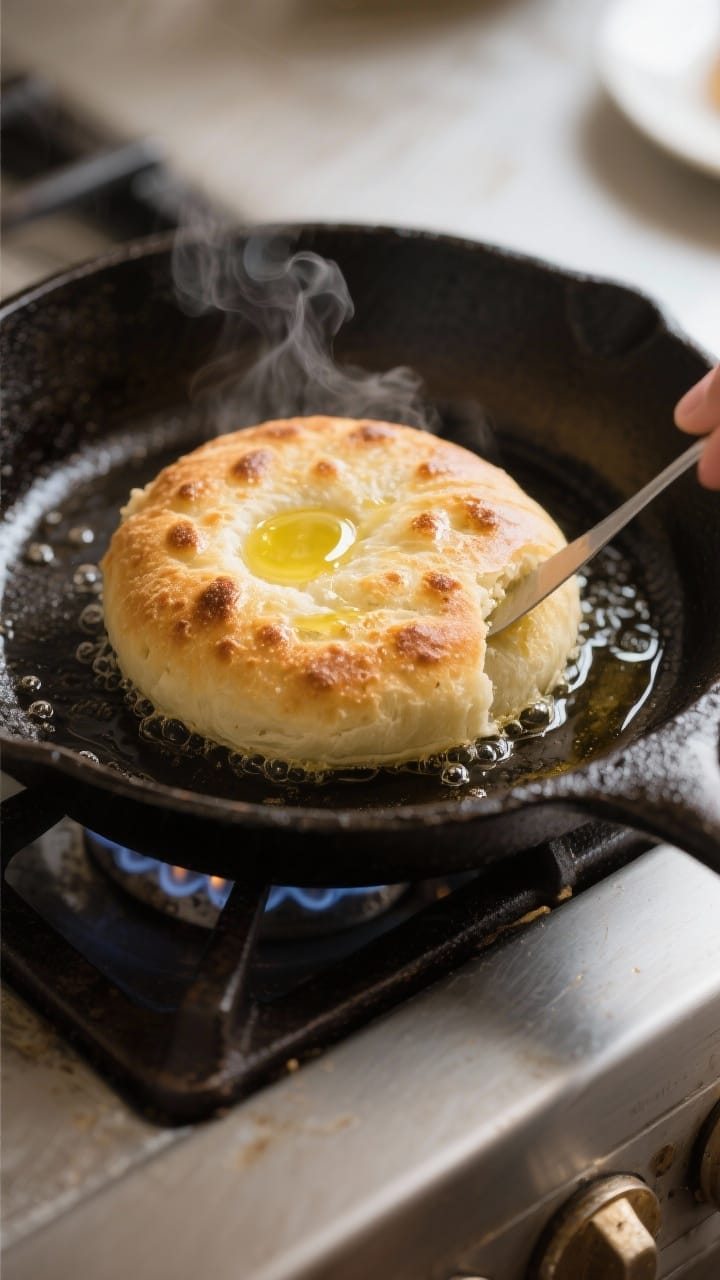
- Cook the first side. Lightly brush the bread with oil. Place it, oiled side down, in the hot pan.Cook 1–2 minutes until bubbles form and the underside has golden spots.
- Flip and finish. Brush the top with a little oil, flip, and cook another 1–2 minutes. Press gently with a spatula to encourage even contact and browning. Adjust heat if it’s browning too quickly.
- Repeat and keep warm. Move cooked breads to a plate and cover with a clean towel to keep them soft.Repeat with the remaining pieces. Serve warm with butter, olive oil, or your favorite dip.
How to Store
- Room temperature:Wrap cooled bread in a clean towel or store in a zip-top bag for up to 24 hours. Reheat in a dry skillet for 30–60 seconds per side.
- Refrigerator:Store up to 3 days in an airtight bag.Reheat in a pan or toaster on low to revive softness.
- Freezer:Cool completely, then freeze with parchment between pieces in a sealed bag for up to 2 months. Thaw at room temp and reheat in a skillet. For a weeknight friendly dinner bread, try this no-oven skillet method.
Health Benefits
- Portion control: Individual rounds make it easy to manage serving sizes, which can help with calorie awareness.
- Lower sodium control: You decide the salt level. Homemade versions often contain less sodium than store-bought flatbreads.
- Protein boost with yogurt: Using yogurt adds protein and calcium, and helps create a softer texture without extra fat.
- Healthy fats: Olive oil provides heart-friendly monounsaturated fats and keeps the bread moist.
- Add-ins with benefits: Herbs, garlic, and seeds add antioxidants, flavor, and a bit of fiber or minerals.
Pitfalls to Watch Out For
- Too dry or too wet dough: If it crumbles, add a splash of water; if it sticks badly, dust with flour.Aim for soft and pliable.
- Pan too hot:</-strong> Bread will char before it cooks through. Keep the heat at medium and adjust as you go.
- Over-kneading: This can make the bread tough. Stop as soon as the dough is smooth.
- Skipping the rest: Even 5 minutes helps the dough relax, making rolling and puffing easier.
- Rolling too thick: Thick rounds need lower heat and a bit longer time.If you want speed, roll a touch thinner.
Alternatives
- Dairy-free: Use water or a plant-based milk instead of yogurt. Add 1 teaspoon of oil extra for softness.
- Whole wheat: Swap up to 50% of the flour with whole wheat. Add a tablespoon more water if needed, and expect a slightly heartier texture.
- Gluten-free: Use a 1:1 gluten-free flour blend with xanthan gum.The dough may be more delicate; handle gently and keep it slightly thicker.
- Herb and garlic: Add 1 clove minced garlic and 1 tablespoon chopped parsley or cilantro. Brush finished bread with garlic oil for a naan-style vibe.
- Cheesy: Fold in 1/4 cup finely grated Parmesan or cheddar. Cook on slightly lower heat to prevent scorching.
- Seeded: Press sesame, nigella, or poppy seeds onto the surface before cooking for a bakery-style finish.
FAQ
Can I make the dough ahead?
Yes.
Mix the dough and refrigerate it for up to 24 hours, wrapped well. Let it sit at room temperature for 10–15 minutes before rolling so it’s easier to handle.
Why isn’t my bread puffing?
The pan might be too cool, or the baking powder may be old. Make sure your skillet is fully preheated and your leavening is fresh.
Rolling evenly to about 1/4 inch also helps.
Can I use self-rising flour?
Yes. Replace the flour, baking powder, and salt with self-rising flour in an equal amount. Taste the first batch and add a pinch of salt if needed.
What kind of pan works best?
A heavy skillet, preferably cast iron, gives the best browning and even heat.
A good nonstick pan also works well and needs less oil.
How do I keep the bread soft?
Cover cooked pieces with a towel to trap steam. Brushing lightly with oil or butter right off the pan also keeps the surface tender.
Can I turn this into wraps?
Yes. Roll the dough a bit thinner and cook quickly over medium heat.
Keep stacked and covered so they stay pliable for rolling.
Is baking powder the only leavening I can use?
For speed, yes. If you want a yeasted flavor, you can replace baking powder with 1 teaspoon instant yeast, add a pinch of sugar, and rest the dough 45–60 minutes. It won’t be ten minutes anymore, but the flavor is great.
How do I add sweetness safely?
Mix in 1–2 teaspoons of sugar or honey with the wet ingredients.
Keep heat moderate so the sugars don’t burn on the pan.
In Conclusion
Ten-minute pan bread is proof that fresh bread doesn’t have to be complicated. With a few pantry items and a hot skillet, you can pull off warm, soft rounds anytime. Customize the flavor, keep a batch on hand, and use it with everything from soups to sandwiches.
It’s quick, flexible, and reliably delicious—exactly what weeknight cooking needs.
Printable Recipe Card
Want just the essential recipe details without scrolling through the article? Get our printable recipe card with just the ingredients and instructions.