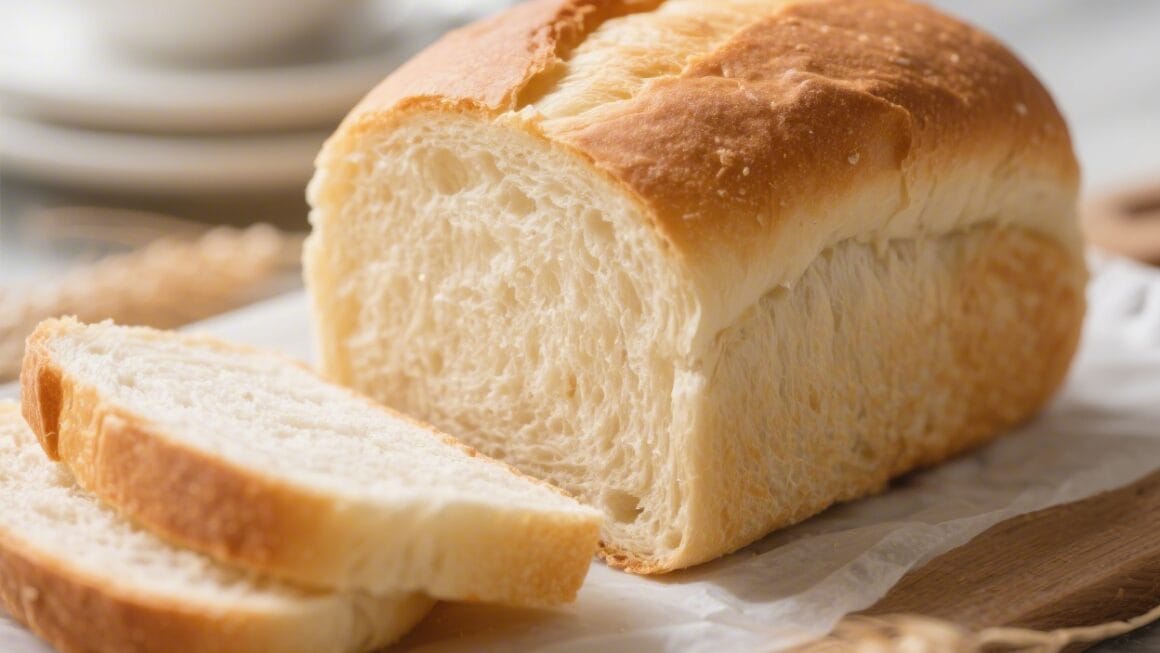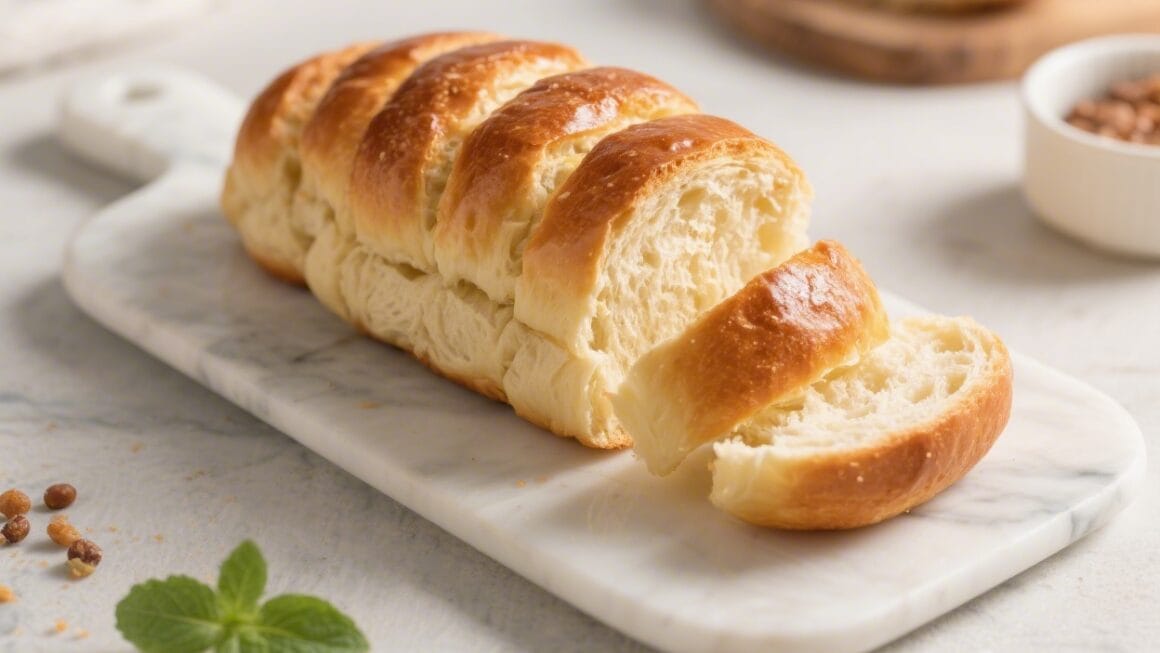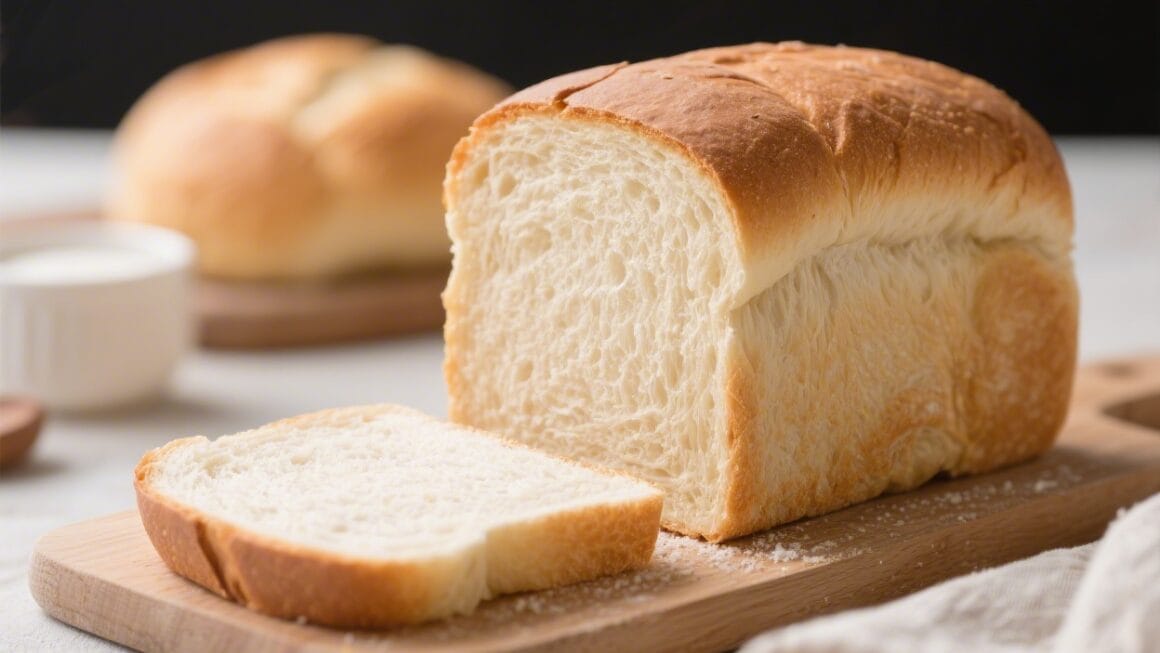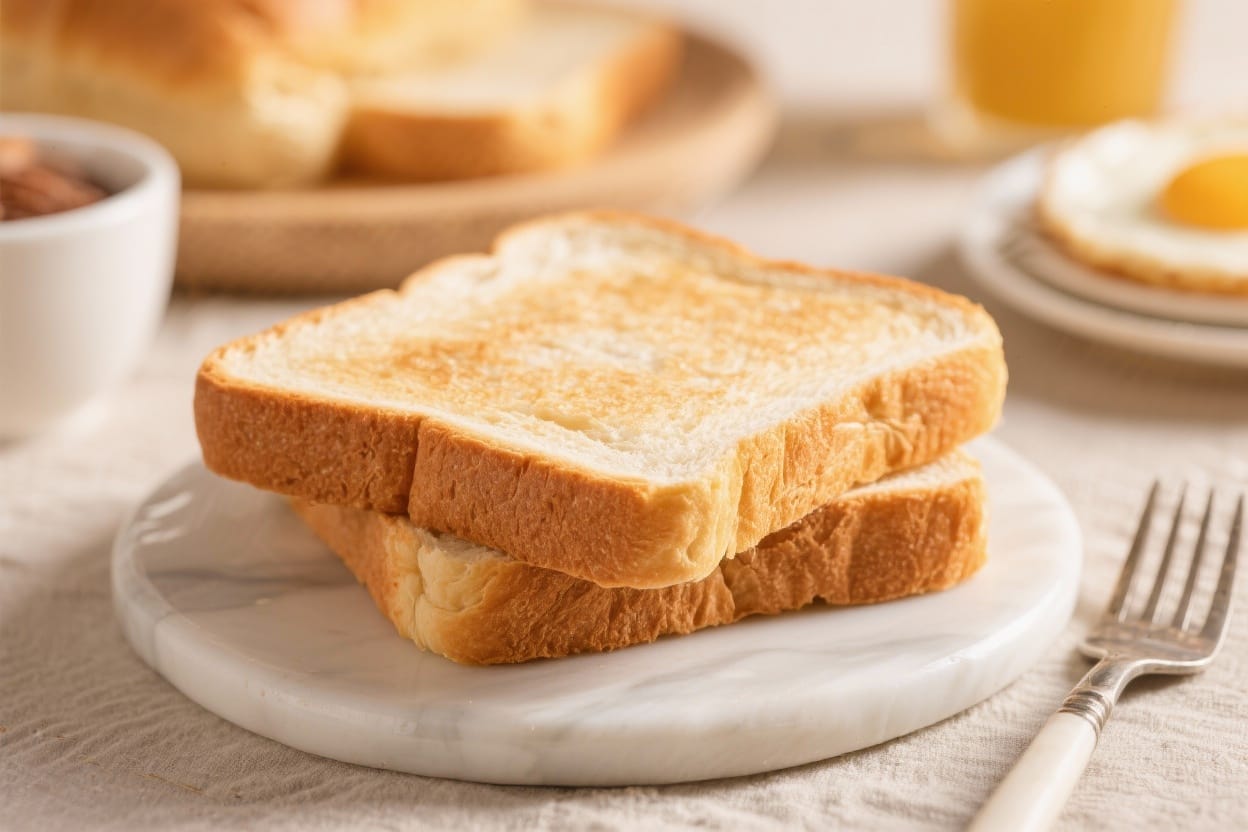
Nothing beats a warm slice of soft bread in the morning, especially when it toasts up golden and smells like butter. This loaf is easy to make, forgiving, and perfect for beginners. It’s soft enough for sandwiches, sturdy enough for toast, and flavorful without being sweet.
With a few pantry staples and simple steps, you’ll have a homemade loaf that makes breakfast feel special.
What Makes This Recipe So Good
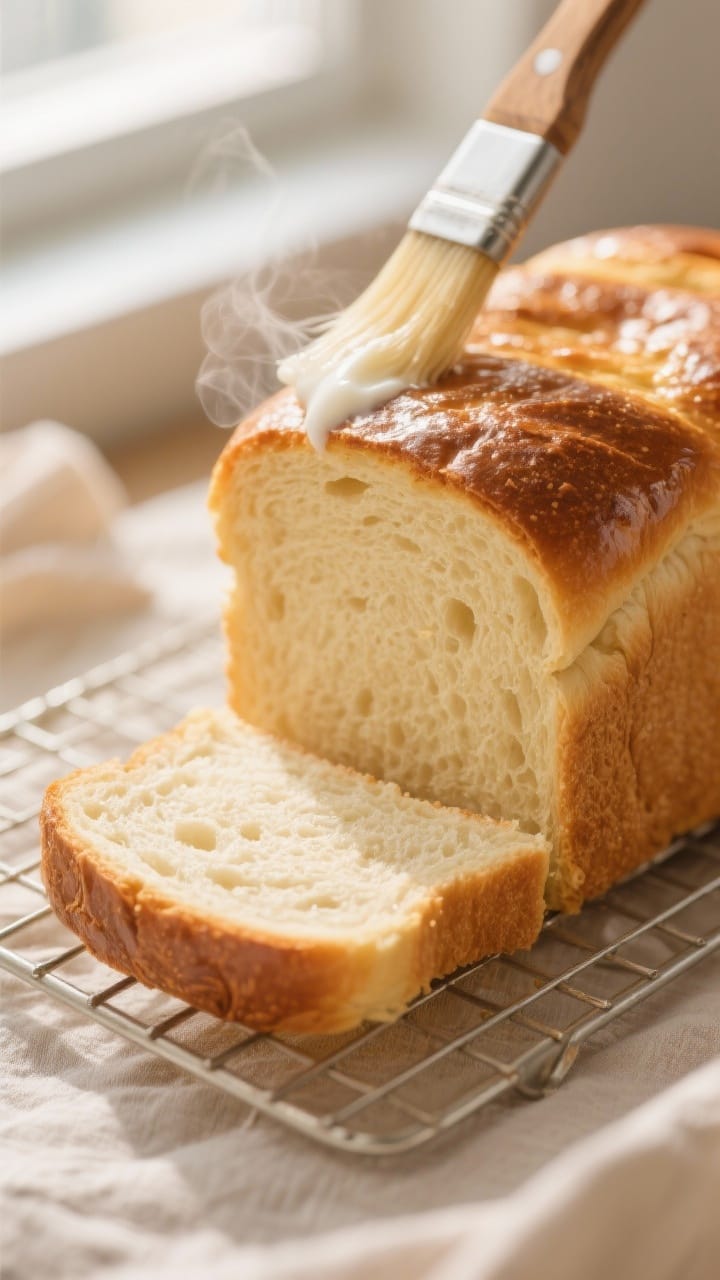
- Soft and pillowy texture: The dough is enriched with milk, butter, and a touch of sugar for a tender crumb.
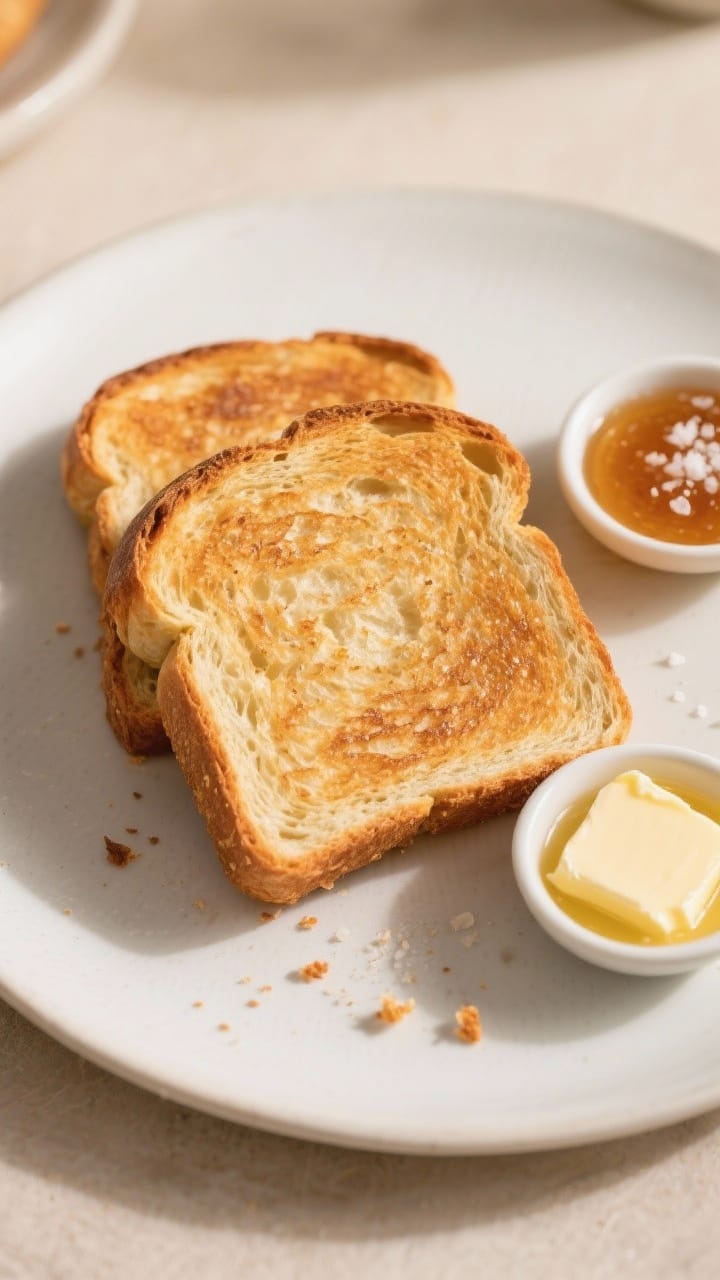
- Great for toasting: Slices brown evenly and develop a crisp edge without getting dry.
- Beginner-friendly: Simple ingredients and straightforward steps. No fancy equipment needed.
- Flexible proofing: Works with active dry or instant yeast and can be made the same day.
- Versatile flavor: Neutral enough for sweet jam or savory eggs, yet tasty on its own.
Ingredients
- All-purpose flour (or bread flour for extra chew)
- Whole milk (or 2% milk; can sub part with water)
- Unsalted butter
- Granulated sugar
- Salt
- Yeast: active dry or instant yeast
- Egg (optional, for richer crumb or for an egg wash)
- Neutral oil (for greasing the bowl and pan)
Instructions
- Warm the liquid: Gently heat 1 cup (240 ml) milk until warm to the touch, about 105–110°F (40–43°C). It should feel like a warm bath, not hot.
- Bloom the yeast (if using active dry): Stir in 2 teaspoons sugar and 2¼ teaspoons active dry yeast.Let it sit 5–10 minutes until foamy. If using instant yeast, add it later with the flour.
- Combine the base: In a large bowl, add 3 cups (360 g) flour, 1½ teaspoons salt, and the remaining sugar (if any). For instant yeast, add it now.
- Add wet ingredients: Pour in the warm milk mixture, 2 tablespoons melted butter (cooled), and 1 egg (optional).Stir with a wooden spoon until a shaggy dough forms.
- Knead: Turn the dough onto a lightly floured surface and knead 8–10 minutes until smooth and elastic. It should be soft and slightly tacky but not sticky. Add small sprinkles of flour only as needed.
- First rise: Shape into a ball and place in a lightly oiled bowl.Cover and let rise in a warm, draft-free spot until doubled, about 60–90 minutes.
- Shape the loaf: Punch down gently. Roll into a rectangle about 8×12 inches. Tightly roll from the short end into a log, pinching the seam.
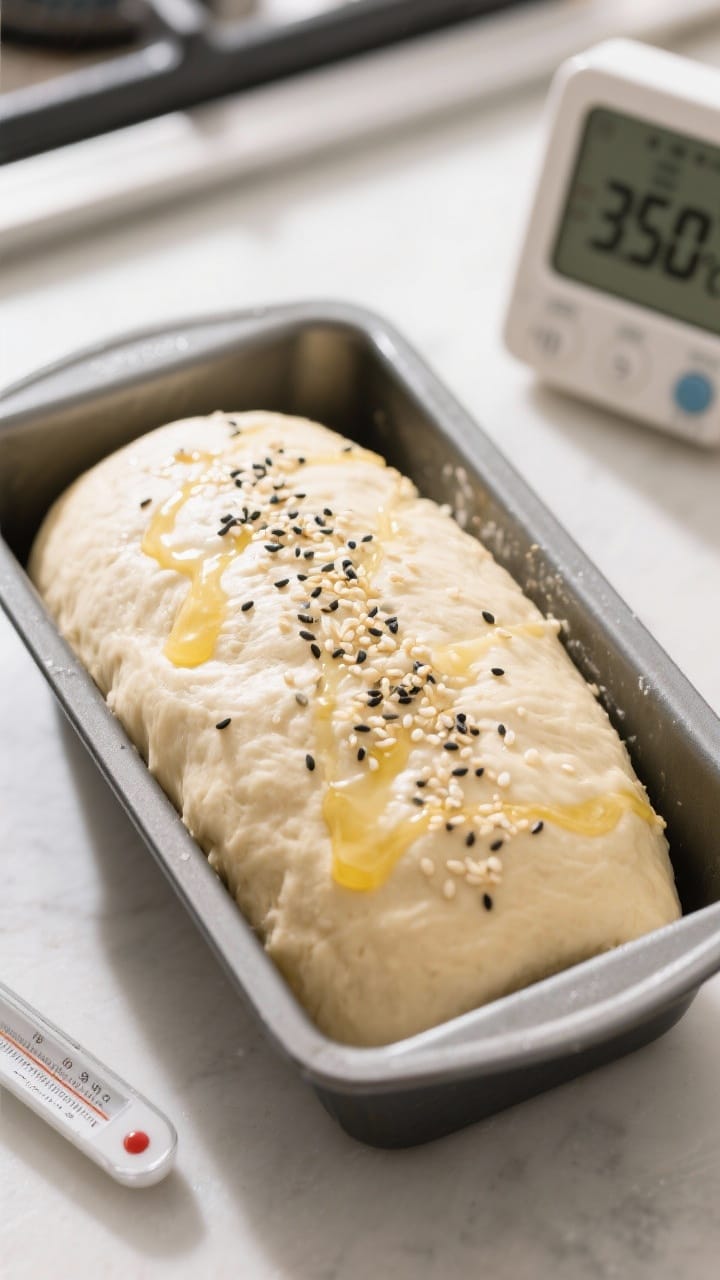
- Pan and proof: Place seam-side down in a greased 8½x4½- or 9×5-inch loaf pan.Cover and let rise again until the dough crowns about 1 inch above the rim, 30–60 minutes.
- Preheat and finish: Preheat oven to 350°F (175°C). For a softer crust, brush the top with milk or an egg wash. For a classic sandwich finish, just bake as is.
- Bake: Bake 28–35 minutes, until the top is golden and the loaf sounds hollow when tapped.Internal temp should reach about 190–195°F (88–90°C).
- Cool properly: Remove from the pan and cool on a rack at least 45–60 minutes before slicing. This sets the crumb and keeps it soft.
Keeping It Fresh
- Room temperature: Store in a bread bag or wrapped in a clean towel for up to 3 days. Avoid the fridge; it dries bread out.
- Freeze: Slice the loaf, wrap well, and freeze up to 2 months.Toast slices straight from the freezer.
- Revive softness: If the crust hardens, warm slices in the toaster or a low oven for a few minutes.
Benefits of This Recipe
- Budget-friendly: Costs far less than bakery loaves and uses simple pantry staples.
- No preservatives: Just recognizable, everyday ingredients.
- Customizable: Switch flours, add seeds, or change the sweetness to suit your taste.
- Perfect toast texture: Soft crumb with a light chew that crisps beautifully.
- Great for meal prep: Make one loaf for breakfast toast and another for sandwiches.
Common Mistakes to Avoid
- Overheating the milk: Hot liquid kills yeast. Keep it warm, not hot.
- Adding too much flour: A slightly tacky dough bakes softer. Resist over-flouring during kneading.
- Under-kneading: If the dough isn’t elastic, the loaf won’t rise well.Knead until it springs back.
- Over-proofing: If the dough rises too high or collapses, the crumb can be coarse. Bake when it’s just over the pan rim and springs back slowly when tapped.
- Slicing too soon: Cutting hot bread compresses the crumb and dries it out. Let it cool to set.
Recipe Variations
- Milk-and-water mix: Use half milk, half water for a lighter loaf.
- Honey wheat: Swap 1 cup flour for whole wheat and replace sugar with 1–2 tablespoons honey.Add 1–2 teaspoons extra milk if needed.
- Japanese-style soft loaf: Add a tangzhong: cook 3 tablespoons flour with ½ cup milk/water until thick, cool, and mix into the dough for extra pillowy softness.
- Seeded crust: Brush the loaf with milk and sprinkle sesame, poppy, or oats before baking.
- Garlic butter toast loaf: Add ½ teaspoon garlic powder and a bit more butter for savory toast.
- Egg-free: Skip the egg and add 1–2 tablespoons extra milk for moisture.
FAQ
Can I use bread flour instead of all-purpose?
Yes. Bread flour gives a slightly chewier texture and helps with structure. It’s great if you love a bit more bite while keeping the loaf soft.
What if my dough is too sticky?
Lightly dust with flour and keep kneading.
Add flour a teaspoon at a time until it’s tacky but manageable. Too much flour makes the bread dense.
How do I know I’ve kneaded enough?
The dough should feel smooth, stretchy, and slightly bouncy. If you gently stretch a small piece, it should thin without tearing right away (the windowpane test).
Why didn’t my loaf rise?
Your yeast may be old, the milk too hot, or the room too cold.
Check yeast freshness, mind the temperature, and give the dough extra time in cooler kitchens.
Can I make this without dairy?
Yes. Use a neutral plant milk (like soy or oat) and swap butter for a mild oil or vegan butter. Texture will stay soft, though flavor changes slightly.
How do I get a softer crust?
Brush the loaf with milk or melted butter right after baking.
Cooling under a clean towel also helps keep the crust tender.
Can I make rolls with this dough?
Absolutely. Divide into 10–12 pieces, shape into balls, proof until puffy, and bake at 350°F (175°C) for 18–22 minutes.
In Conclusion
This simple loaf checks every box for weekday breakfasts and weekend brunch. It’s soft, reliable, and easy to toast, with a flavor that pairs with anything on your plate.
Once you’ve made it once, it becomes a steady habit—one that makes mornings a little warmer and a lot tastier.
Printable Recipe Card
Want just the essential recipe details without scrolling through the article? Get our printable recipe card with just the ingredients and instructions.