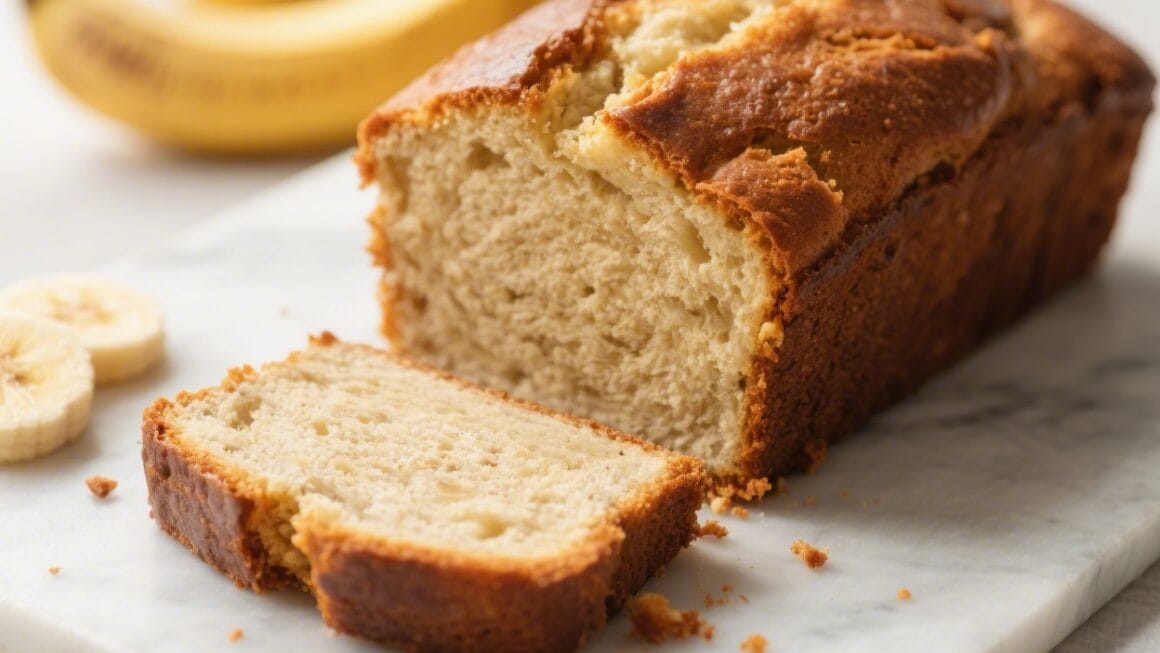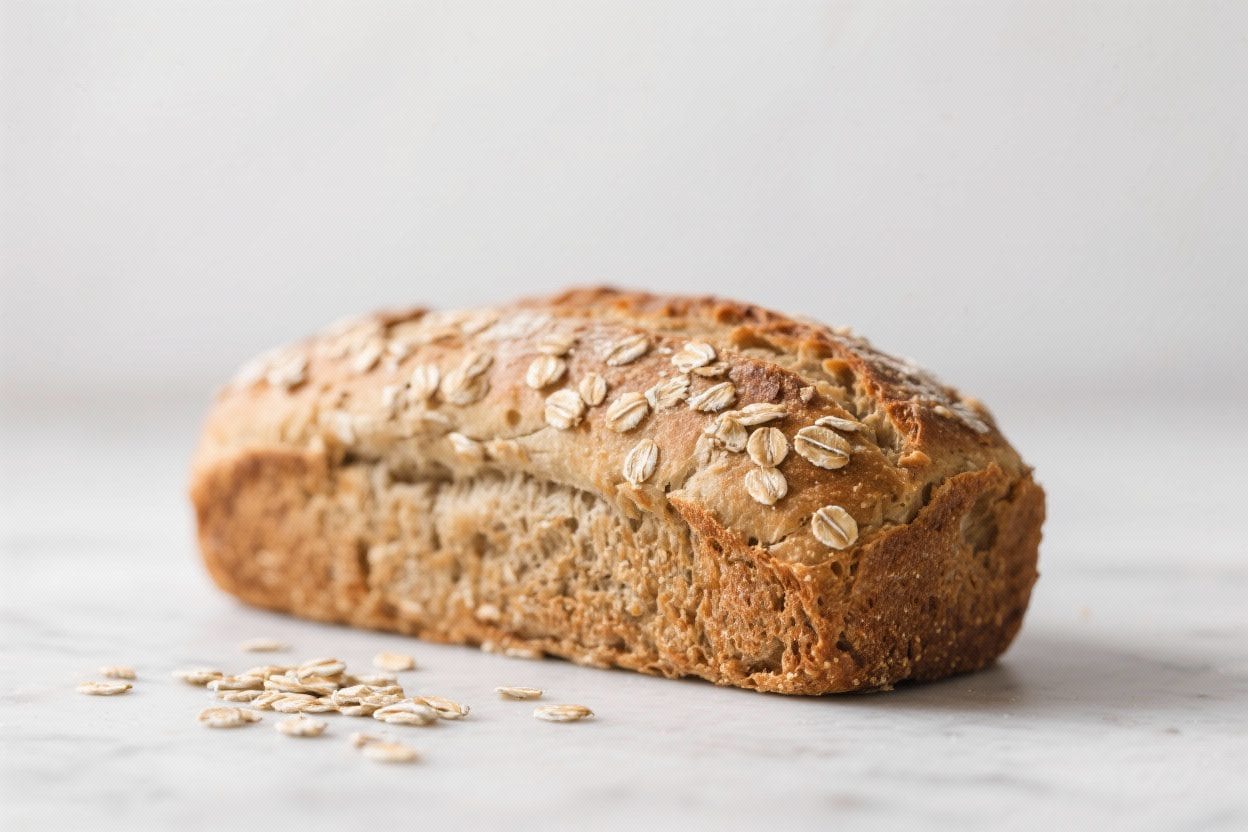
This Honey Oat Bread Loaf is the kind of bread that makes your kitchen smell like home. It’s soft, slightly sweet, and filled with the rustic goodness of oats. Whether you’re new to bread baking or already a regular, this loaf is incredibly approachable.
It slices beautifully, toasts like a dream, and makes simple sandwiches feel special. Plus, it’s made with everyday pantry ingredients you probably already have.
What Makes This Recipe So Good

- Balanced flavor: The honey brings gentle sweetness without making the bread taste like dessert. It’s cozy and comforting, not overly sugary.
- Great texture: Rolled oats add a tender chew and help keep the loaf moist for days.The crust has a light crunch, especially when topped with oats.
- Easy technique: No complicated steps. It’s a straightforward dough that responds well, even if you’re not a pro baker.
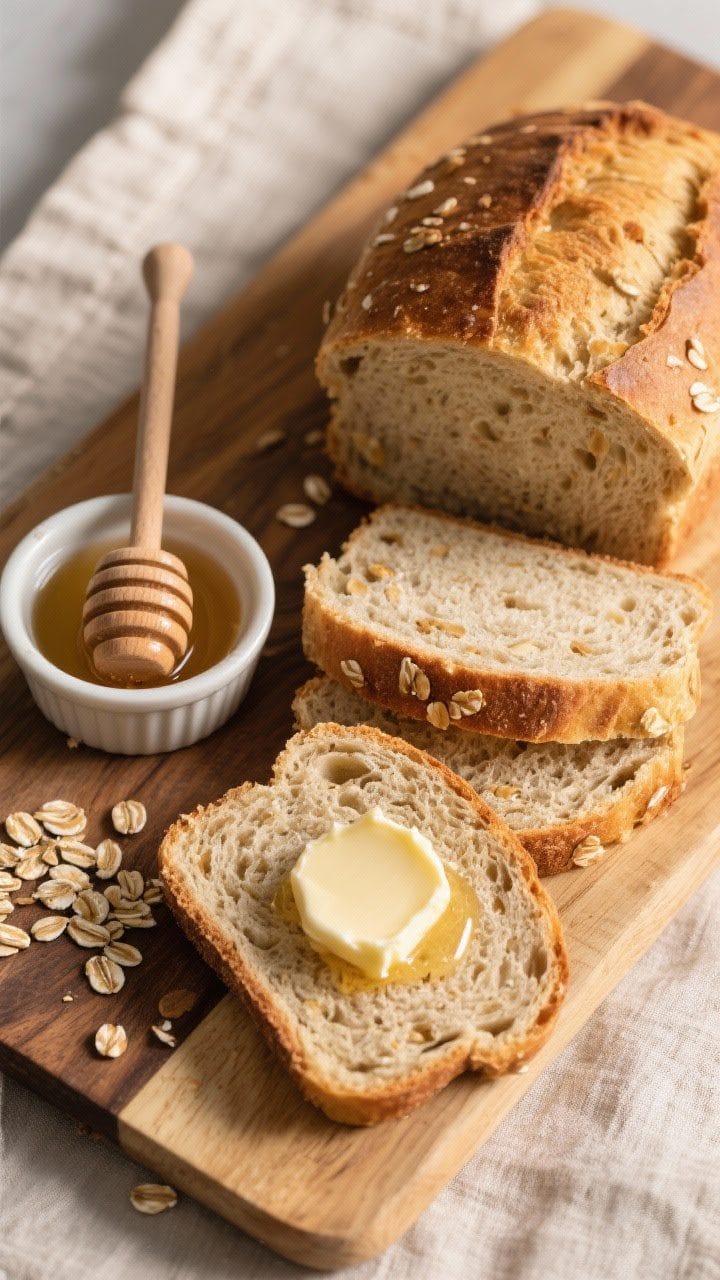
- Versatile use: Perfect for toast, PB&J, turkey sandwiches, or a pat of butter and a drizzle of honey.
- Freezer-friendly: Make one for now and one for later. It freezes and thaws beautifully.
Ingredients
- 3 cups (360 g) bread flour, plus more as needed
- 1 cup (90 g) old-fashioned rolled oats, plus 2 tablespoons for topping
- 1 to 2 tablespoons honey for brushing (optional, topping)
- 2 tablespoons (28 g) unsalted butter, softened
- 2 tablespoons (25 g) granulated sugar or additional honey
- 1 1/4 teaspoons fine sea salt
- 2 1/4 teaspoons (7 g) instant yeast or active dry yeast
- 1 cup (240 ml) warm milk (about 105–110°F / 40–43°C)
- 1/2 cup (120 ml) warm water (about 105–110°F / 40–43°C)
- Optional: 1 tablespoon neutral oil for greasing the bowl
Instructions
- Warm the liquids: In a measuring cup, combine warm milk and warm water.Aim for a temperature that’s warm to the touch but not hot. If using active dry yeast, sprinkle it over the liquid with a pinch of sugar and let it sit for 5–10 minutes until foamy.
- Mix the dry ingredients: In a large bowl, add bread flour, rolled oats, sugar, and salt. Stir to combine.If using instant yeast, whisk it into the dry ingredients now.
- Bring the dough together: Pour the warm liquid into the dry mixture. Add the softened butter and honey. Stir with a wooden spoon or dough whisk until a shaggy dough forms.
- Knead: Turn the dough onto a lightly floured surface and knead for 8–10 minutes, adding small sprinkles of flour as needed.The dough should become smooth and slightly tacky but not sticky. You can also knead in a stand mixer with a dough hook for 6–8 minutes on medium-low.
- First rise: Shape the dough into a ball and place it in a lightly oiled bowl. Cover with a damp towel or plastic wrap.Let it rise in a warm spot until doubled in size, about 60–90 minutes.
- Shape the loaf: Gently punch down the dough to release air. Turn it out onto the counter and pat it into a rectangle (about 8 x 12 inches). Roll it up tightly from the short side, pinch the seam closed, and tuck the ends under.
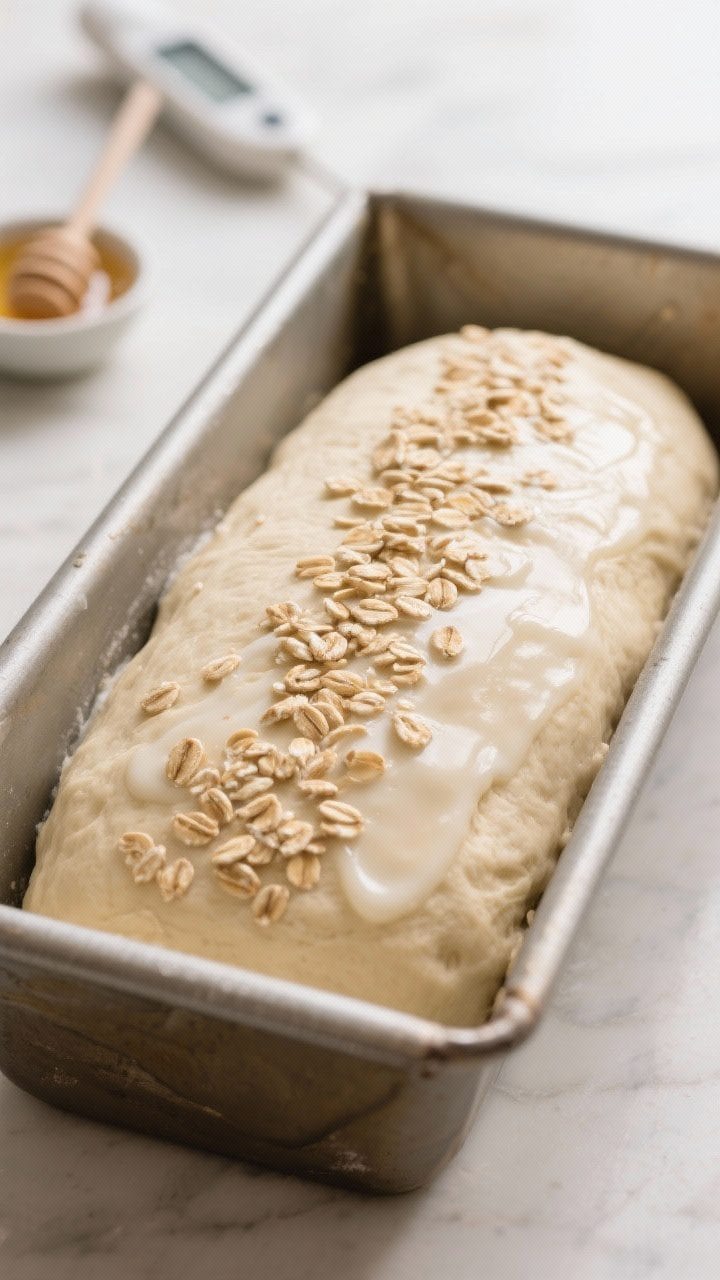
- Prepare the topping (optional but great): Brush the top of the loaf with a thin layer of honey or milk, then sprinkle 2 tablespoons of oats over the top.Press lightly so they stick.
- Second rise: Place the shaped loaf seam-side down in a greased 9×5-inch loaf pan. Cover and let rise until the dough crests about 1 inch over the rim of the pan, 35–60 minutes depending on room temperature.
- Preheat and bake: Preheat the oven to 350°F (175°C). Bake for 30–38 minutes, until the top is golden and the loaf sounds hollow when tapped.An instant-read thermometer should read about 190–195°F (88–90°C) at the center.
- Cool properly: Remove the loaf from the pan and cool on a wire rack for at least 1 hour before slicing. This sets the crumb and keeps it tender.
How to Store
- Room temperature: Store the cooled loaf in a bread box or a sealed bag at room temperature for 3–4 days. Avoid refrigeration, which dries bread out.
- Freezing: Slice the loaf, wrap tightly in plastic, then place in a freezer bag.Freeze for up to 3 months. Toast slices straight from frozen or thaw at room temperature.
- Reviving: If the crust softens in storage, re-crisp slices in the toaster or warm the whole loaf in a 300°F (150°C) oven for 8–10 minutes.
Health Benefits
- Whole-grain goodness: Rolled oats bring fiber, which supports digestion and helps keep you full longer.
- Steady energy: The combination of complex carbs from oats and proteins from milk creates a more balanced energy release.
- Nutrient boost: Oats contain beta-glucan, a soluble fiber linked to heart health. Honey adds trace antioxidants and a natural sweetness.
- Lower sugar option: You can reduce added sugar by swapping it for more honey or using less overall.The bread still rises well and tastes great.
What Not to Do
- Don’t overheat the liquids: If the milk and water are too hot, they’ll kill the yeast and the dough won’t rise.
- Don’t add too much flour: It’s tempting to keep dusting, but too much flour leads to a dense loaf. Aim for a slightly tacky dough.
- Don’t rush the rise: If you bake before the dough has properly proofed, the loaf won’t get the height or texture you want.
- Don’t slice while hot: Cutting too early compresses the crumb and makes the bread gummy. Let it cool to set.
Variations You Can Try
- Whole wheat blend: Replace 1 cup of bread flour with whole wheat flour.Add 1–2 tablespoons extra water if the dough feels stiff.
- Seeds and grains: Mix in 2–3 tablespoons sunflower seeds, flaxseed, or chopped nuts for texture and extra nutrition.
- Cinnamon-raisin twist: Add 1 teaspoon cinnamon and 3/4 cup raisins during the last minute of kneading. Skip the oat topping if you like.
- Dairy-free: Use warm water or oat milk instead of dairy milk and swap butter with olive oil or vegan butter.
- Molasses depth: Replace half the honey with molasses for a deeper, slightly malty flavor and a darker crumb.
FAQ
Can I use quick oats instead of rolled oats?
Yes. Quick oats work fine and will blend more into the dough, yielding a slightly softer texture.
Avoid steel-cut oats unless you pre-cook and cool them first.
What if I only have all-purpose flour?
You can use all-purpose flour in place of bread flour. The loaf may be a bit softer and less chewy, but it will still rise nicely and taste great.
How do I know my dough has risen enough?
Gently press a fingertip into the dough. If the indentation springs back slowly and doesn’t fully disappear, it’s ready.
If it bounces back fast, give it more time.
Can I make this by hand without a mixer?
Absolutely. A wooden spoon and a bit of elbow grease work perfectly. Just knead until the dough turns smooth and elastic.
Why did my loaf come out dense?
Common reasons include too much flour, weak yeast, or cutting the rise short.
Check your yeast freshness, measure flour accurately, and let the dough double during the first rise.
How can I get a shinier crust?
Brush the loaf with a little honey mixed with warm water right after baking. It gives a subtle shine and a hint of sweetness.
Is this bread sweet?
It’s lightly sweet. The honey adds warmth and balance, but the bread is still perfect for savory sandwiches.
In Conclusion
This Honey Oat Bread Loaf is everything homemade bread should be: simple to make, wonderfully soft, and full of comforting flavor.
It works for breakfast, lunch, and everything in between. Once you bake it a couple of times, you’ll know the feel of the dough and the timing in your kitchen. Keep a loaf on the counter, stash a second in the freezer, and enjoy the small joy of warm, fresh bread whenever you like.
Printable Recipe Card
Want just the essential recipe details without scrolling through the article? Get our printable recipe card with just the ingredients and instructions.