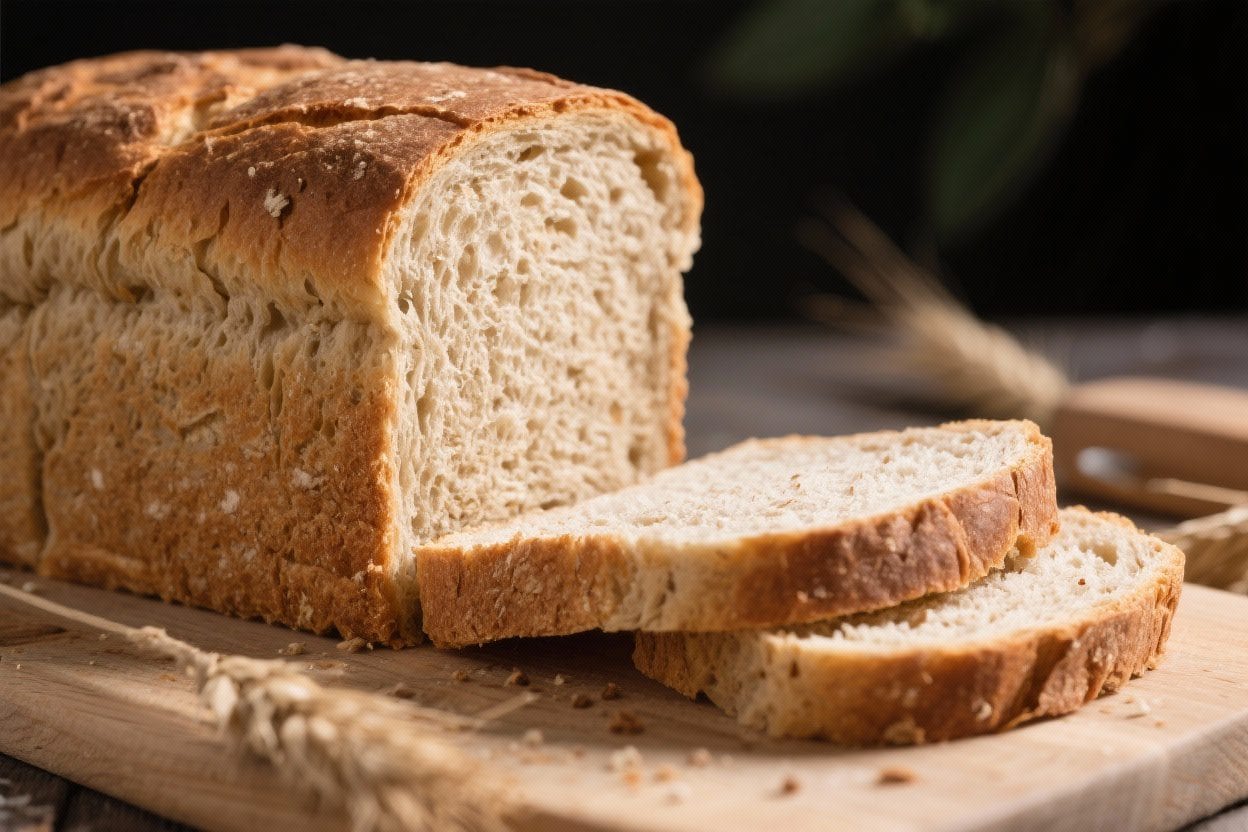
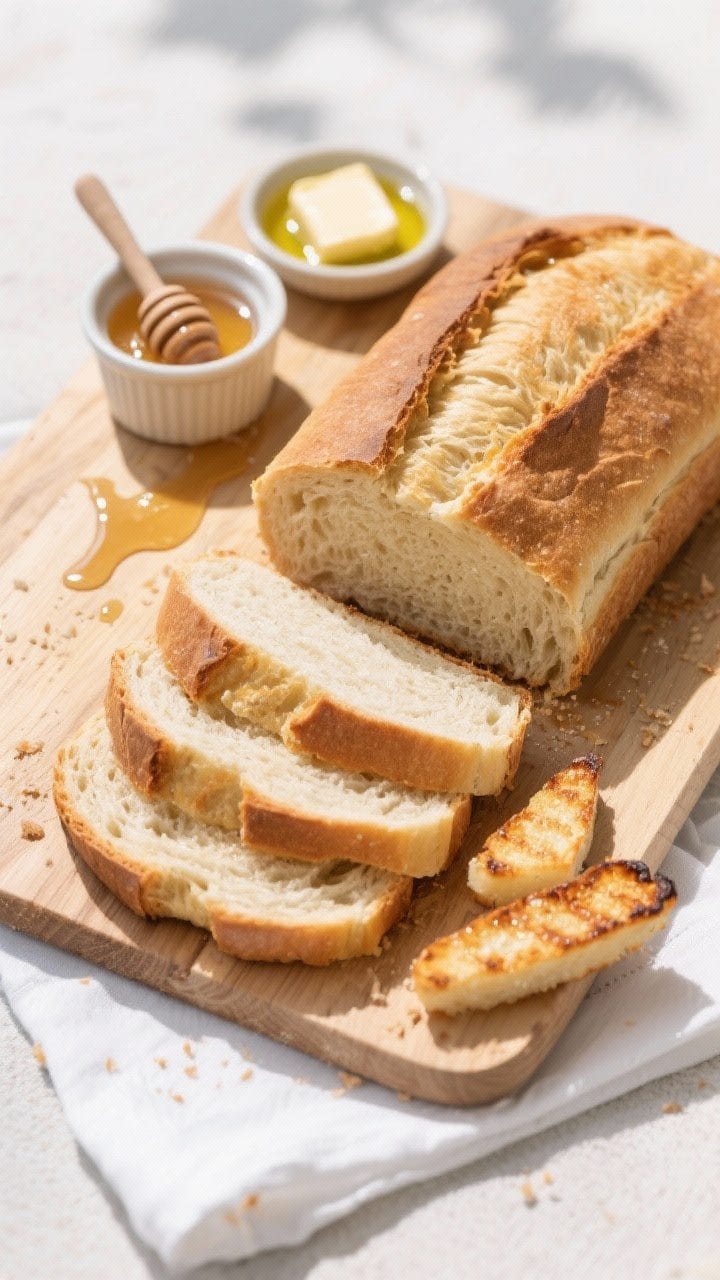
Whole wheat bread has a reputation for being dense, crumbly, and a little dry. This loaf breaks that stereotype. It’s soft, springy, and flavorful, with a tender crumb that makes amazing toast and sandwiches.
You don’t need special flour blends or a fancy mixer—just a few smart techniques that make all the difference. If you’ve ever given up on whole wheat bread at home, this is the one to try.
What Makes This Recipe So Good
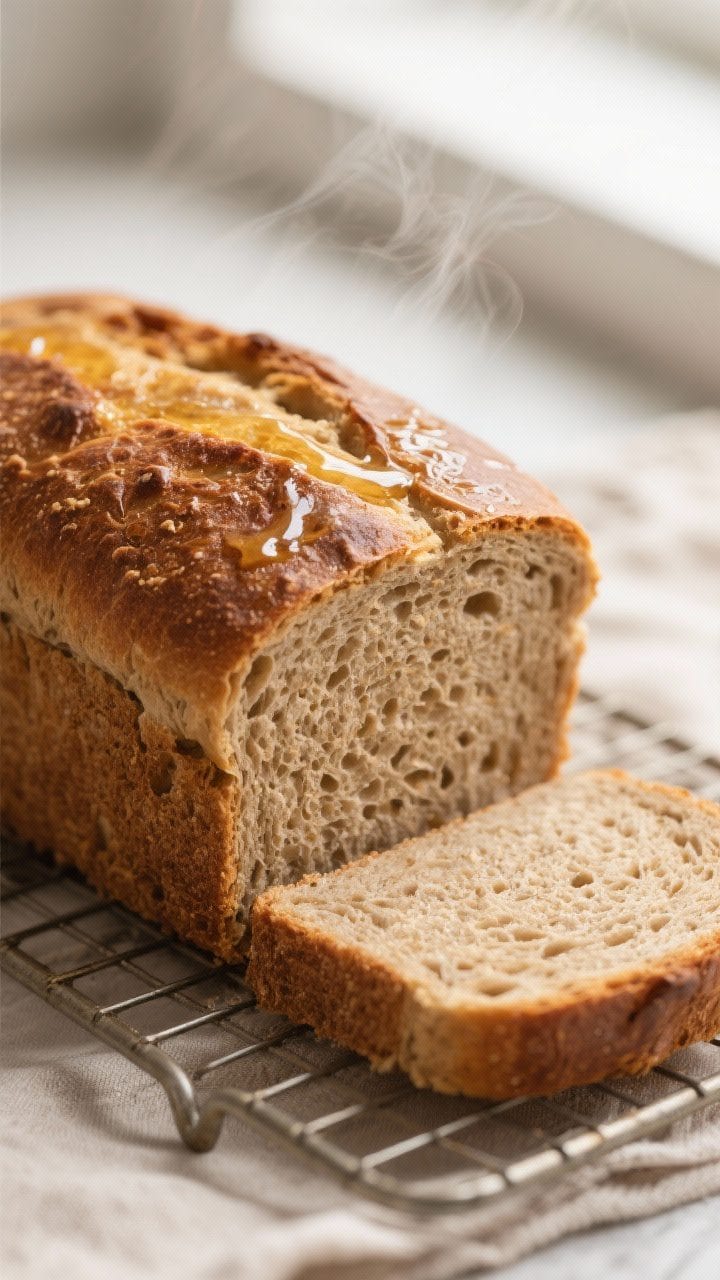
- Moist and fluffy texture: A quick soaker and a touch of milk make the crumb soft instead of heavy.
- 100% whole wheat (or close): You can use all whole wheat, or add a little bread flour for extra lift.
- Everyday ingredients: No vital wheat gluten required, though you can add it if you want an extra rise.
- Great flavor: Honey and olive oil round out the wheat’s nuttiness without making it sweet.
- Easy to slice: The loaf holds together well and stays soft for days.
Ingredients
- 3 cups (360 g) whole wheat flour, preferably white whole wheat
- 1–1 1/4 cups (240–300 ml) warm water, divided
- 1/2 cup (120 ml) warm milk (dairy or unsweetened plant milk)
- 2 tablespoons (25 g) honey or sugar
- 2 tablespoons (25 g) olive oil or melted butter
- 2 1/4 teaspoons (7 g) instant yeast (or active dry, see notes)
- 1 1/2 teaspoons (9 g) fine sea salt
- 1 tablespoon (8 g) vital wheat gluten (optional, boosts softness)
- 1 large egg, room temperature (optional, enriches the dough)
- Neutral oil or butter for greasing
Instructions
- Bloom the yeast: In a bowl, mix 1 cup warm water (about 105–110°F/40–43°C) with honey. Stir in the yeast and let it sit for 5–10 minutes until foamy.If using instant yeast, you can skip the foam step and add it directly, but blooming helps ensure a strong start.
- Make a quick soaker: In a separate bowl, combine the whole wheat flour, salt, and optional vital wheat gluten. Stir in the warm milk and olive oil. The flour will start absorbing liquid, which helps soften the bran.
- Bring it together: Add the foamy yeast mixture and the egg (if using) to the flour mixture.Stir with a sturdy spoon or dough hook until a shaggy dough forms. If it’s dry, add up to 1/4 cup more warm water, a tablespoon at a time. Aim for slightly tacky, not sticky.
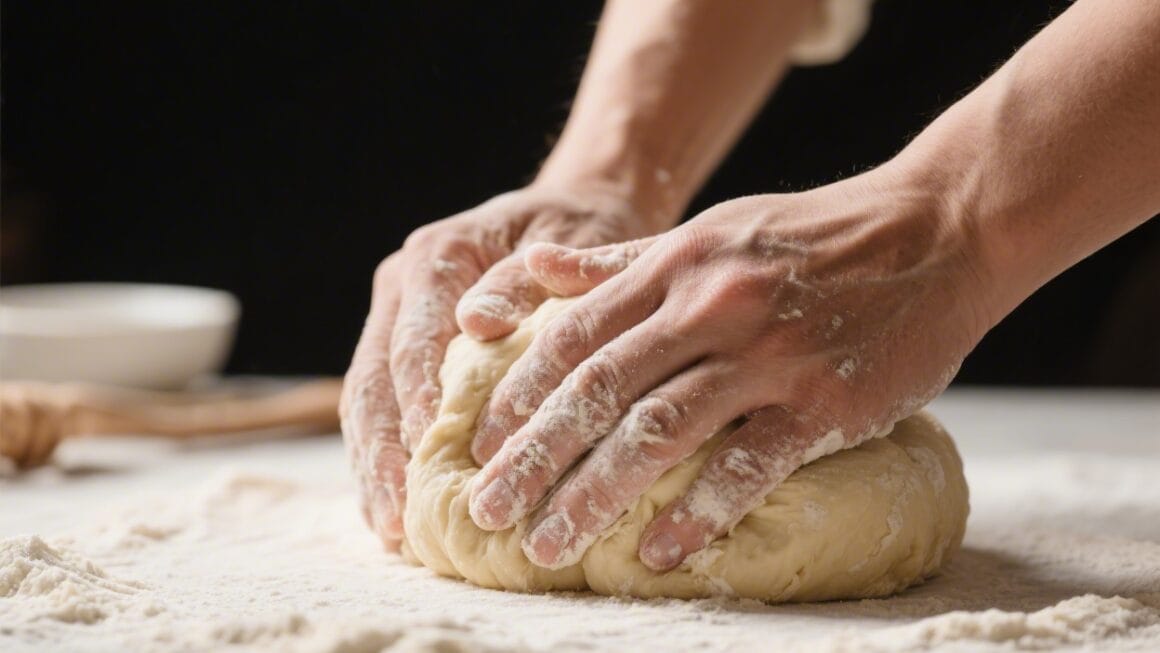
- Knead to windowpane: Knead by hand on a lightly oiled surface or with a mixer on low speed for 8–10 minutes.The dough should become smooth and elastic. Whole wheat won’t get as silky as white dough, but it should stretch without tearing. If it sticks, oil your hands instead of adding lots of flour.
- First rise: Place the dough in a lightly oiled bowl, cover, and let it rise in a warm spot until doubled, 60–90 minutes.A clear bowl helps you see the rise. If your kitchen is cool, it may take longer.
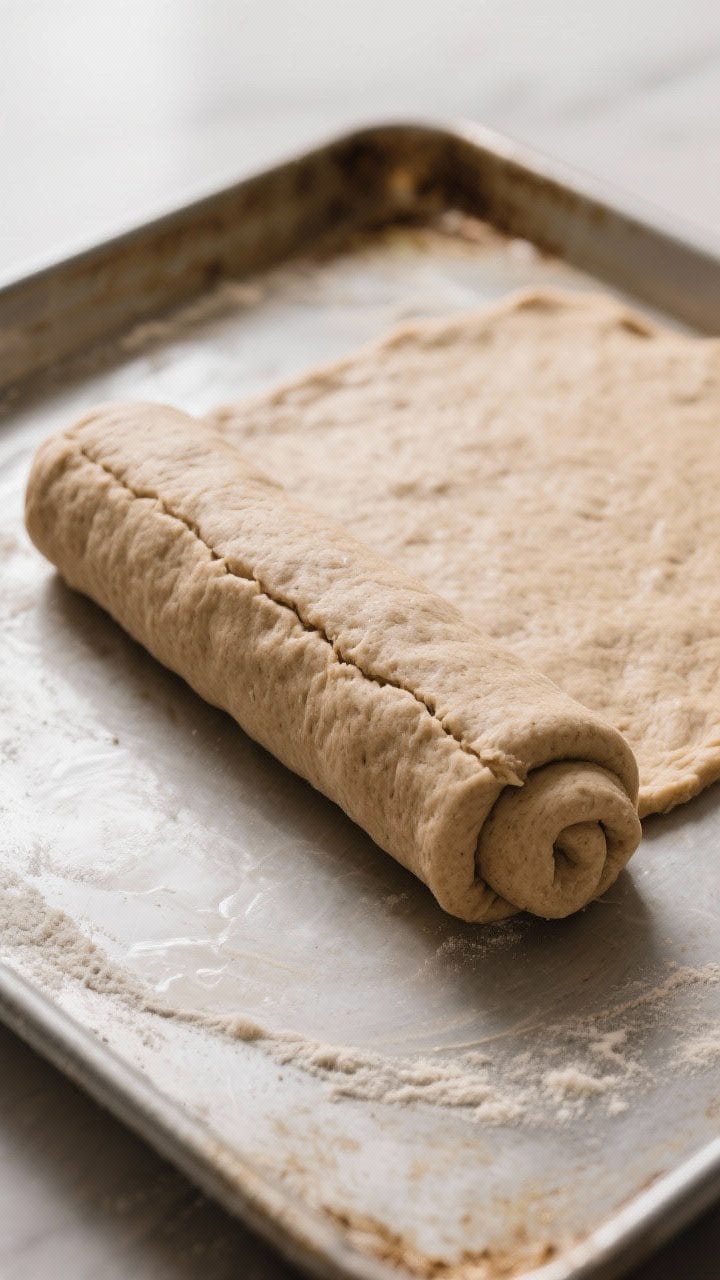
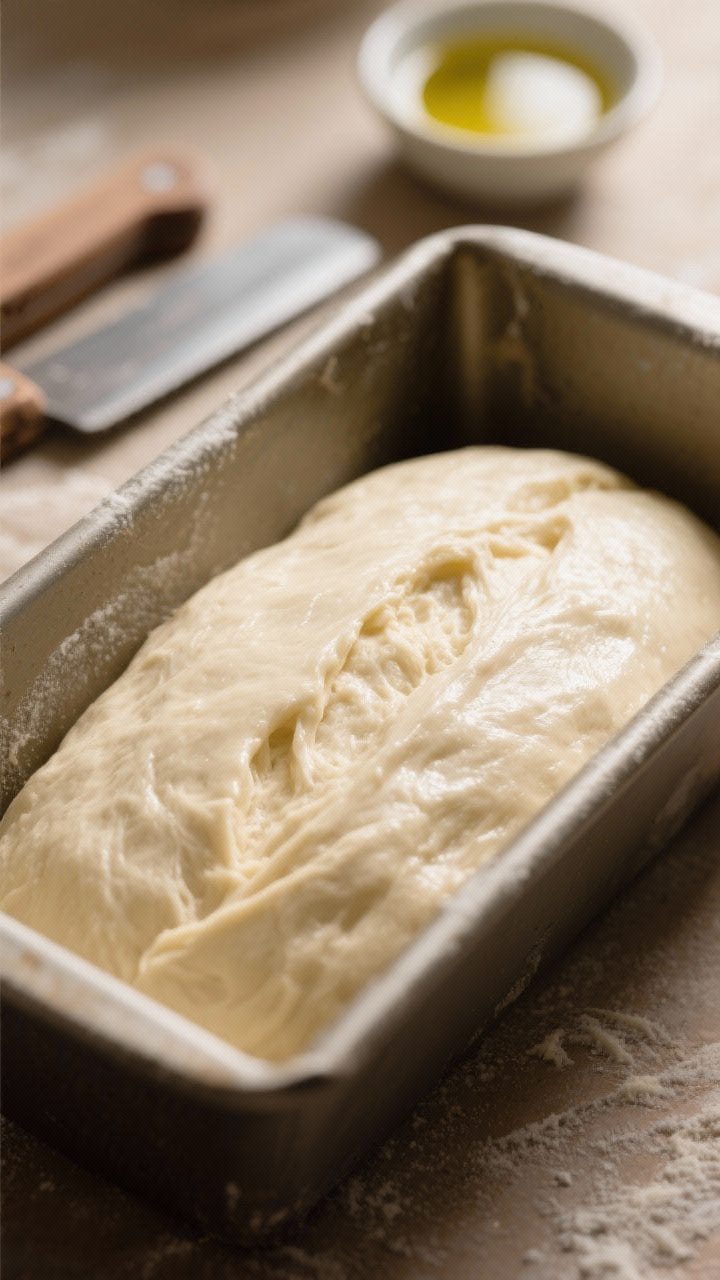
- Shape the loaf: Gently deflate the dough. Pat it into a rectangle about 8×12 inches.Tightly roll it from the short end into a log, pinching the seam. Tuck the ends under and place it seam-side down in a greased 8.5×4.5-inch or 9×5-inch loaf pan.
- Second rise: Cover the pan and let the dough rise until it domes about 1 inch above the rim, 35–60 minutes. It should spring back slowly when gently poked.If it deflates, it’s over-proofed; bake it right away next time.
- Bake: Preheat the oven to 350°F (175°C). Bake for 30–38 minutes, until the top is deep golden and the internal temperature hits 195–200°F (90–93°C). If it’s browning too fast, tent loosely with foil for the last 10 minutes.
- Finish and cool: Brush the hot crust with a little butter or oil for extra softness (optional).Remove from the pan after 5 minutes and cool completely on a rack before slicing. This sets the crumb and keeps it from squishing.
Keeping It Fresh
- Room temperature: Store in a paper bag inside a loose plastic bag for 2–3 days. The paper prevents sogginess; the plastic keeps it from drying out.
- Freeze: Slice the loaf, wrap tightly, and freeze up to 3 months.Toast straight from frozen or let slices thaw at room temp.
- Revive softness: If the loaf feels dry, a quick toast or 10 seconds in the microwave softens it up.

Why This is Good for You
- More fiber: Whole wheat includes the bran and germ, which support digestion and help you feel full longer.
- Steadier energy: The complex carbs and fiber help avoid blood sugar spikes compared to many white breads.
- Better nutrients: You get extra B vitamins, minerals, and healthy fats from the wheat germ.
- Cleaner ingredients: You control the sweetener, oil, and salt—no mystery additives.
Pitfalls to Watch Out For
- Too dry dough: Whole wheat absorbs more liquid over time. Keep the dough slightly tacky. Dry dough = dense loaf.
- Under-kneading: Whole wheat needs thorough kneading to build structure.Aim for stretch without tearing.
- Over-proofing: If the dough rises too high, it can collapse in the oven. Bake when it’s just crowned and springs back slowly.
- Cutting too soon: Slicing hot bread compresses the crumb. Cool completely for clean slices and a soft texture.
- Old yeast: Weak yeast means poor rise.Check dates and bloom to be sure it’s active.
Recipe Variations
- 50/50 blend: Use half whole wheat and half bread flour for an extra-light loaf.
- Milk-only dough: Replace the water with milk for a richer, softer crumb.
- Seeded wheat: Add 1/2 cup mixed seeds (sunflower, pumpkin, sesame). Toast them first for flavor.
- Oat wheat loaf: Add 1/2 cup rolled oats and an extra 2–3 tablespoons water. Softer and slightly sweeter.
- Molasses wheat: Swap honey for 1 tablespoon molasses for deeper color and flavor.
- No egg: Skip the egg and add 1–2 tablespoons extra oil for a vegan loaf.
FAQ
Can I make this without a stand mixer?
Yes.
Knead by hand on a lightly oiled surface for about 10 minutes. Use a bench scraper to keep things tidy and avoid adding too much flour.
What if my dough isn’t rising?
Check the yeast freshness and the temperature. Dough rises best around 75–80°F (24–27°C).
If your kitchen is cool, place the covered bowl in the oven with just the light on.
Is white whole wheat the same as regular whole wheat?
It’s still 100% whole grain, but milled from a lighter variety of wheat. It tastes milder and bakes softer, which is perfect for this loaf.
Can I use active dry yeast?
Yes. Bloom it in the warm water with honey for 10 minutes until foamy, then proceed.
You may need an extra 5–10 minutes on each rise.
How do I get a softer crust?
Brush the hot loaf with butter or oil and loosely cover it with a clean kitchen towel while it cools. Steam softens the crust.
Do I have to use vital wheat gluten?
No. It helps with structure and height, but the loaf is still soft without it if you knead well and proof properly.
Why is my bread crumbly?
It’s usually from too little liquid or slicing before it cools.
Next time, keep the dough tacky and wait until it’s fully cool before cutting.
In Conclusion
This whole wheat loaf proves you can have soft, fluffy bread without giving up the whole-grain goodness. With the right hydration, solid kneading, and careful proofing, it comes out tender every time. Keep a sliced loaf in the freezer, and you’ll always have a better-than-store-bought option ready for sandwiches and toast.
Once you bake it, you may not go back to the packaged stuff.
Printable Recipe Card
Want just the essential recipe details without scrolling through the article? Get our printable recipe card with just the ingredients and instructions.