Simple Baking Techniques for Beginners – Easy, Reliable Tips to Get You Started
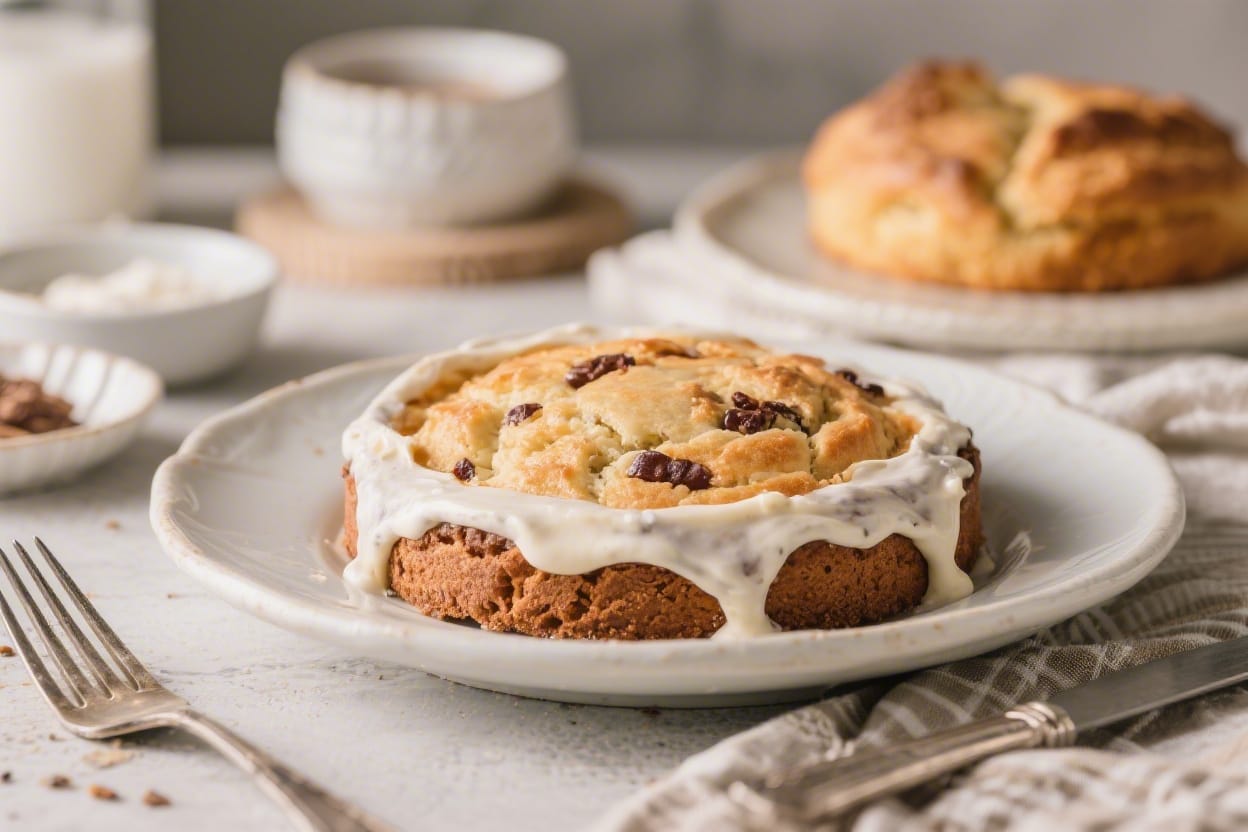
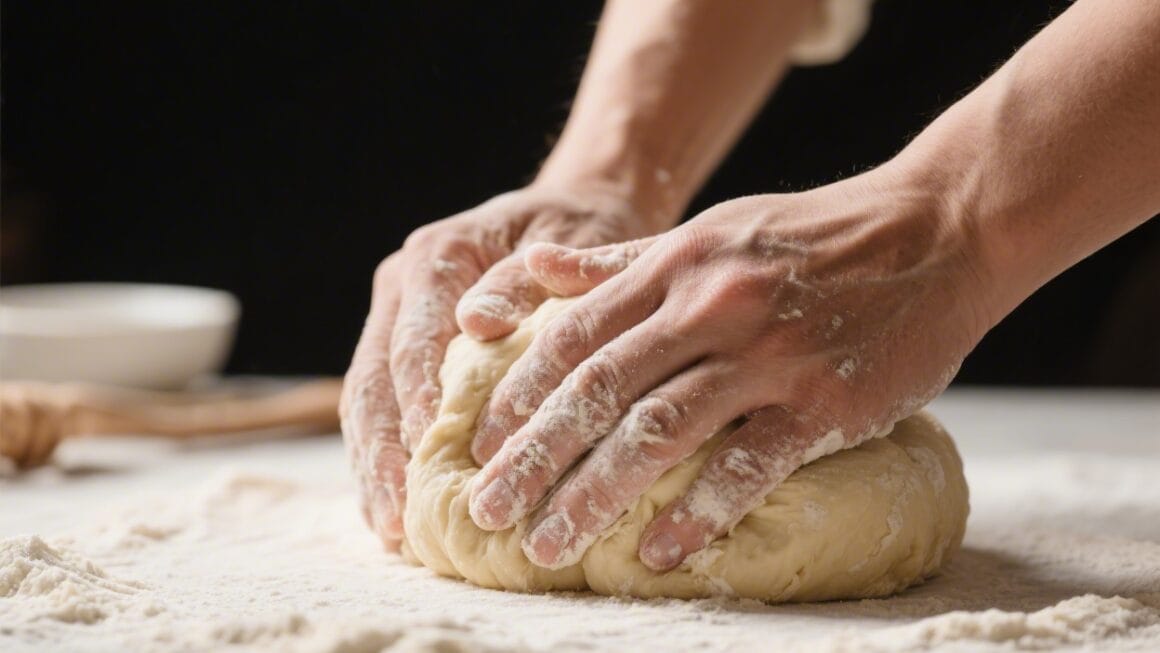
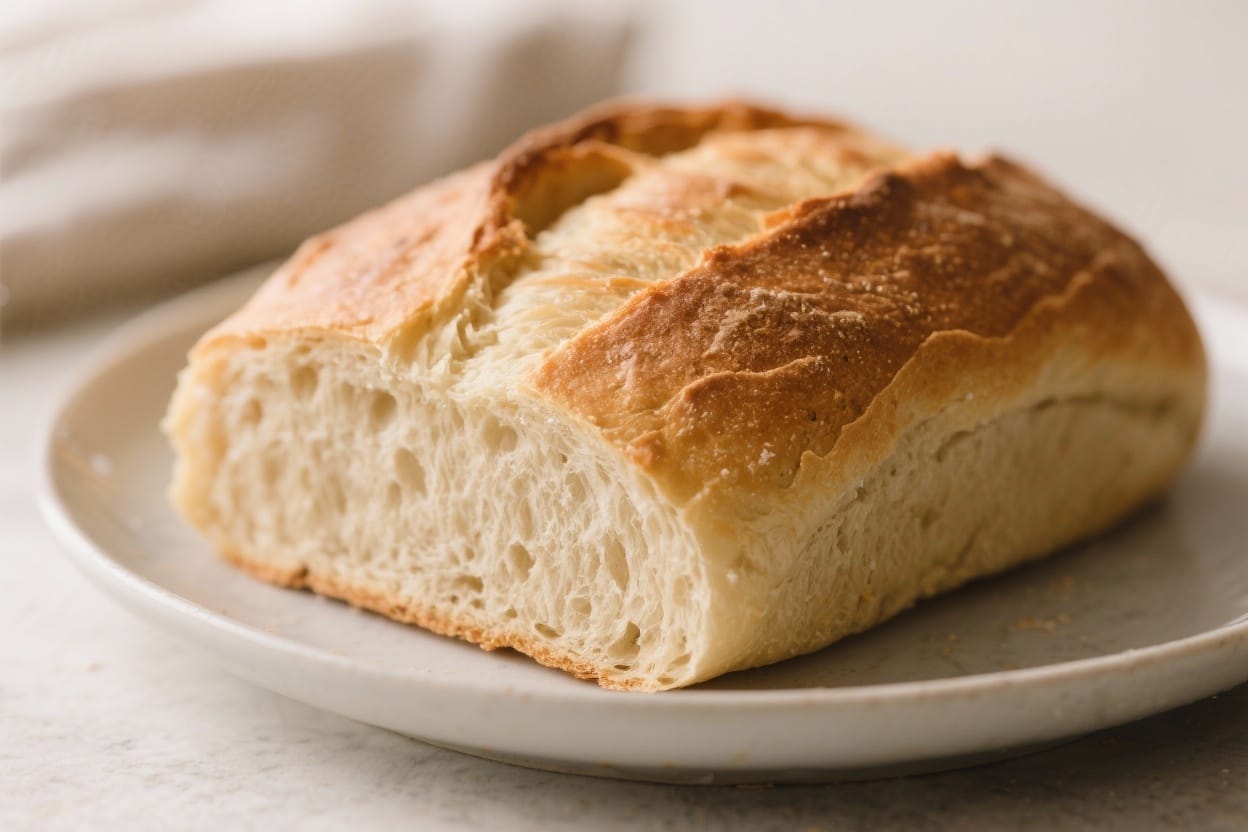
Baking doesn’t have to feel intimidating. With a few smart techniques and a little patience, you can turn out soft cookies, tender cakes, and golden bread right from your kitchen. Think of this as your friendly starter guide—no fancy tools, no confusing jargon. Just practical steps that help you learn the “why” behind good results. By the end, you’ll feel confident measuring, mixing, and baking with ease.
What Makes This Recipe So Good
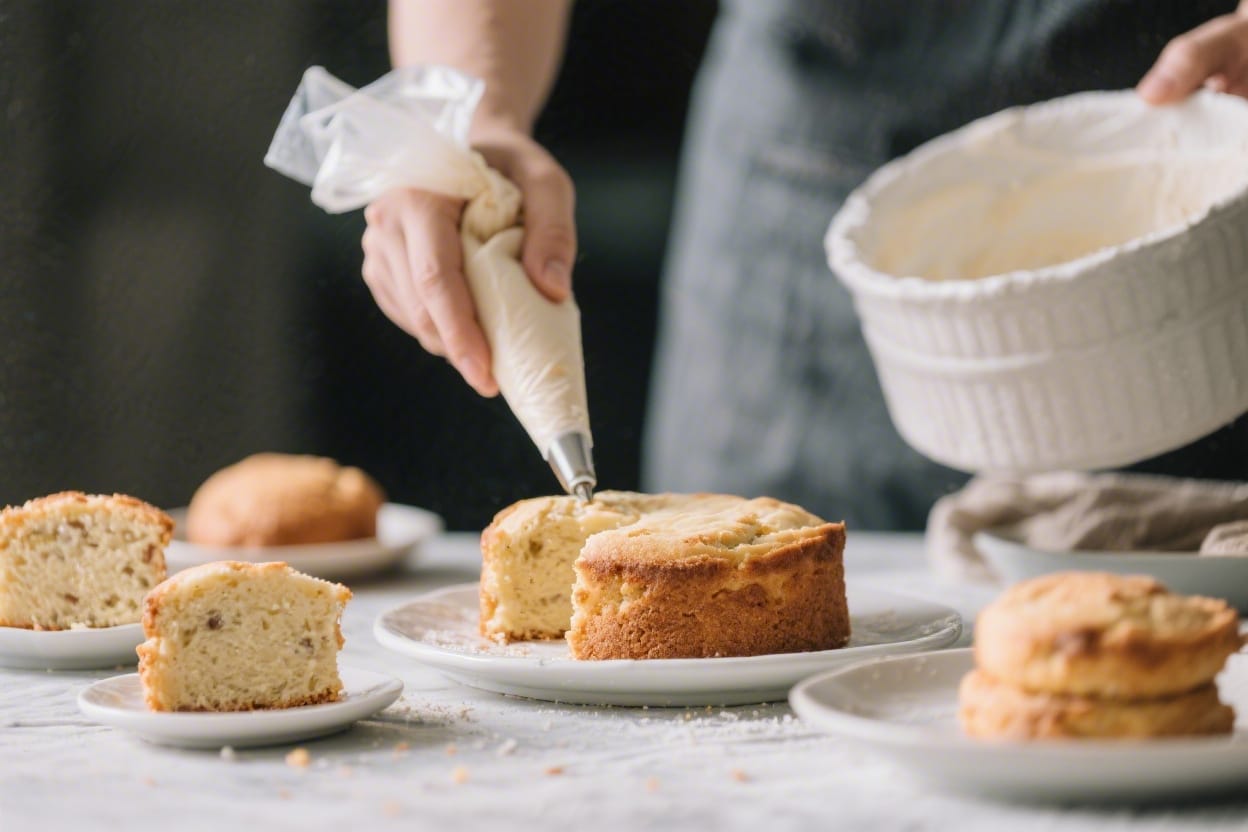
Simple baking techniques for beginners – Simple Baking Techniques for Beginners – Easy, Reliable Tips to Get You Started Baking doesn’t have
- Beginner-friendly steps: Clear techniques you can use for almost any baked good—cookies, cakes, quick breads, and muffins.
- Focus on fundamentals: Learn how to measure, mix, and bake properly so your treats turn out consistently great.
- Minimal equipment: You only need a few basic tools you likely already own.
- Flexible methods: These tips work even if you’re short on time or ingredients.
- Confidence-building: Understand what to do and what to avoid, so you can troubleshoot on the fly.
Ingredients
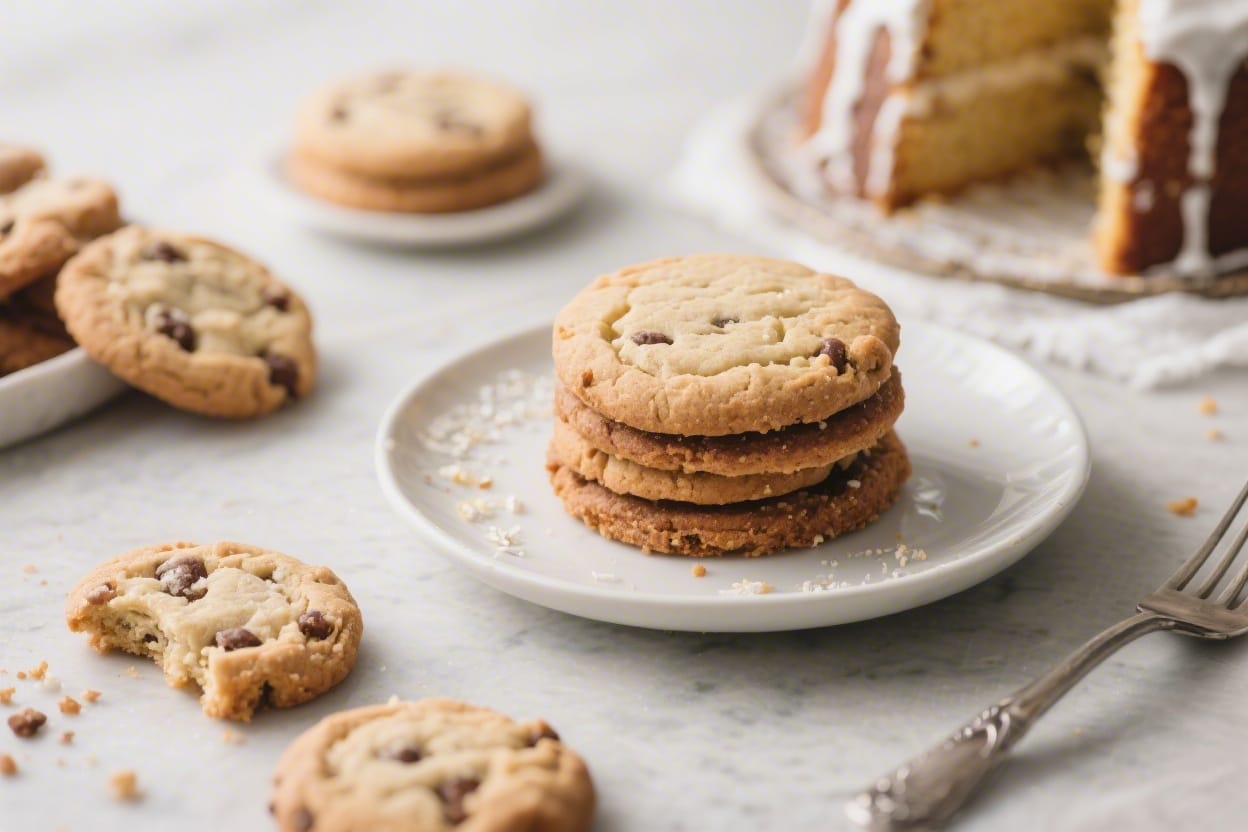
Simple baking techniques for beginners – With a few smart techniques and a little patience, you can turn out soft cookies, tender cakes, and
These are standard pantry items used in many simple baking projects like cookies, muffins, and basic cakes. You won’t use them all at once, but it’s helpful to keep them on hand.
- All-purpose flour (unbleached preferred)
- Granulated sugar and/or light brown sugar
- Baking powder and baking soda
- Kosher salt or fine sea salt
- Unsalted butter (room temperature for creaming)
- Neutral oil (like canola or vegetable) for quick breads and muffins
- Eggs (room temperature)
- Milk or buttermilk
- Vanilla extract
- Optional add-ins: chocolate chips, nuts, berries, spices (cinnamon, nutmeg), citrus zest
Instructions

Simple baking techniques for beginners – Think of this as your friendly starter guide—no fancy tools, no confusing jargon
- Read the full recipe first. Before you touch a bowl, scan every step. This prevents surprises and helps you set up your station.
- Preheat your oven. Give it at least 15 minutes to reach the right temperature. Use an oven thermometer for accuracy—many ovens run hot or cold.
- Prepare your pans. Line baking sheets with parchment, and grease or line cake and loaf pans. This avoids sticking and helps even browning.
- Measure accurately. Spoon flour into your measuring cup and level it with a straight edge—do not scoop directly from the bag. Use liquid measuring cups for liquids and teaspoons/tablespoons for small amounts.
- Bring key ingredients to room temperature. Butter, eggs, and milk mix more smoothly when not cold. This improves texture and rise.
- Cream butter and sugar properly (for cookies and cakes). Beat them together until light and fluffy, 2–4 minutes. This adds air and helps create a tender crumb.
- Mix dry ingredients separately. Whisk flour, leaveners (baking powder/soda), and salt together. This distributes them evenly so you don’t get clumps or uneven rise.
- Add eggs one at a time. Mix until each egg is fully combined before adding the next. Scrape down the bowl as needed.
- Alternate dry and wet (for cakes and muffins). Add dry ingredients in batches, alternating with milk or buttermilk. Start and end with dry. Mix on low until just combined.
- Do not overmix. Stop as soon as you no longer see streaks of flour. Overmixing develops gluten and makes baked goods tough.
- Fold in extras gently. Use a spatula to fold in chocolate chips, nuts, or fruit. This keeps the batter airy.
- Portion evenly. Use a cookie scoop or measuring cup to keep sizes uniform. Even portions bake at the same rate.
- Know when it’s done. Look for golden edges, a clean toothpick (a few moist crumbs are fine), or springy tops. Trust visual and touch cues, not just time.
- Cool correctly. Let items cool in the pan for 5–10 minutes, then transfer to a wire rack. This prevents soggy bottoms and keeps textures crisp.
- Rest flavors when needed. Some bakes, like banana bread, taste better after they’ve cooled completely. Patience pays off.
Storage Instructions
- Cookies:Store at room temperature in an airtight container for 3–5 days. Add a slice of bread to keep them soft.
- Cakes and quick breads:Wrap tightly in plastic or store in a lidded container for 2–3 days at room temperature. Refrigerate if frosted with dairy-based icing.
- Muffins:Best within 2 days at room temperature. Freeze extras in a zip-top bag up to 2 months; thaw at room temp or warm gently.
- Freezing tips:Cool completely, wrap well, and label with date. Most simple bakes like Brownie Mix Cookies 3 Ingredients freeze beautifully.
Why This is Good for You
- Builds core skills: Measuring, mixing, and temperature control are the foundation for every bake you’ll make later.
- Encourages mindful cooking: Slowing down and following steps can be calming and rewarding.
- Lets you control ingredients: You choose the sugar level, fats, flours, and add-ins.
- Home-baked is often fresher: Better texture, fewer preservatives, and more flavor.
Common Mistakes to Avoid
- Scooping flour directly from the bag:This packs in too much flour and leads to dry, dense results.
- Skipping room temperature ingredients:Cold butter won’t cream well, and cold eggs can curdle the batter.
- Overmixing the batter:Especially after adding flour. It toughens the crumb.
- Opening the oven too often:Heat drops quickly and can cause sinking centers.
- Guessing oven temperature:Use an oven thermometer. Small differences matter.
- Not preparing pans:Sticking or uneven browning is avoidable with parchment and proper greasing.
Recipe Variations
Use these techniques to make simple, reliable bakes with common ingredients.
- Basic Vanilla Muffins: Use oil for moisture, whisk dry and wet separately, then combine gently. Add berries or chocolate chips.
- Soft Chocolate Chip Cookies: Cream butter and sugars well, add egg and vanilla, then fold in flour and chips. Chill dough for thicker cookies.
- One-Bowl Banana Bread: Mash ripe bananas, whisk in oil, sugar, egg, and vanilla; fold in dry ingredients just until combined. Don’t overbake.
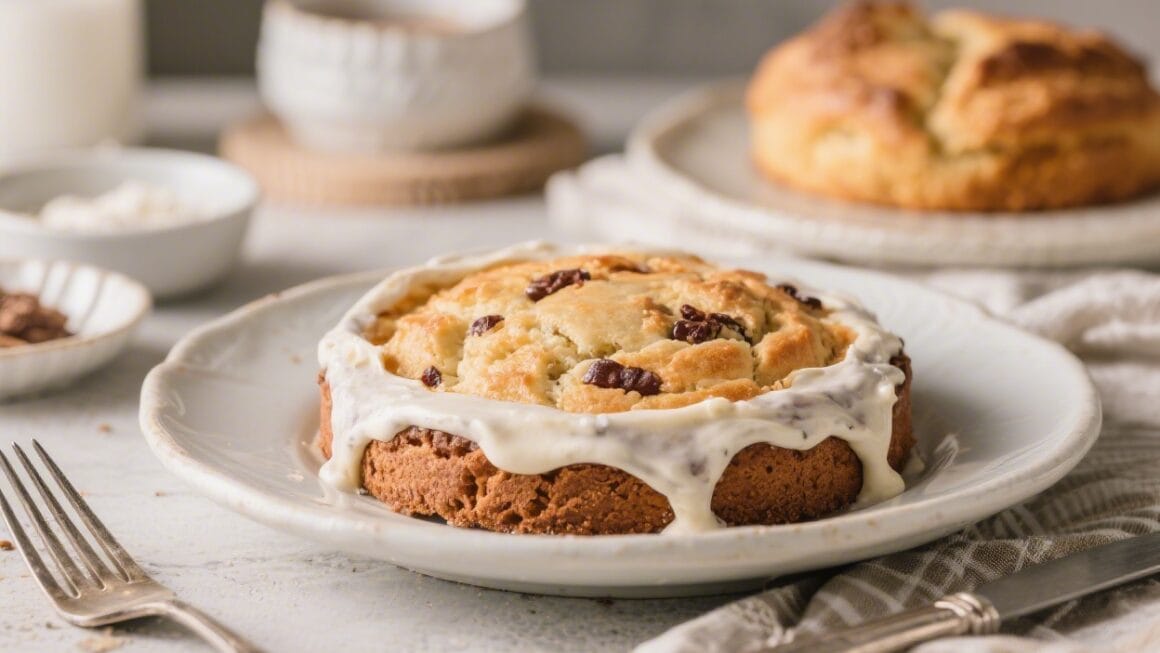
- Simple Butter Cake: Cream butter and sugar, add eggs one at a time, alternate dry with milk, bake until springy. Top with a quick glaze.
- Cinnamon Sugar Loaf: Layer a simple vanilla batter with a cinnamon-sugar swirl. Gentle mixing keeps it tender.
FAQ
How do I know if my butter is at room temperature?
Press it lightly with your finger. It should give slightly but not be greasy or melting. If it’s too firm to dent, it’s still cold. If it smears like lotion, it’s too warm.
What’s the difference between baking soda and baking powder?
Baking soda needs an acid (like buttermilk or yogurt) to activate. Baking powder already contains acid and just needs moisture and heat. Using the wrong one can affect rise and taste.
Why did my cake sink in the middle?
Common causes are underbaking, opening the oven door too early, too much leavening, or batter overmixing. Bake until the center springs back and a toothpick has a few moist crumbs, as described in our butter cake from scratch guide for a simple, soft loaf.
Can I substitute oil for butter?
Often, yes. Oil makes bakes moist and tender, while butter adds flavor and structure. For many quick breads and muffins, oil works well. For cookies and some cakes, butter is best for texture.
Do I need a stand mixer?
No. A hand mixer covers most tasks, and many recipes can be mixed by hand. Focus on proper technique—creaming, folding, and not overmixing—rather than equipment.
How do I prevent dry baked goods?
Measure flour correctly, don’t overbake, and use room temperature ingredients. Consider adding a splash of milk or buttermilk for moisture in cakes and muffins.
Should I chill cookie dough?
Chilling helps control spread, deepens flavor, and improves texture. If you have time, chill for at least 30 minutes; thicker, chewier cookies benefit the most.
What pan color should I use?
Light-colored metal pans bake more evenly. Dark pans brown faster, so reduce the oven temperature by about 25°F (15°C) or check for doneness early.
How do I convert from cups to grams?
Use a reliable chart or a digital scale. Weighing gives the most consistent results—especially for flour and sugar.
Can I bake with frozen fruit?
Yes. Use from frozen and toss with a little flour before folding into batter. This helps prevent color bleed and sinking.
Wrapping Up
Great baking starts with small, consistent habits: accurate measuring, gentle mixing, and proper baking temperatures. Keep your setup simple, follow the cues, and trust the process. With these techniques, you’ll get reliable, tasty results—and the confidence to try more. Happy baking!
Printable Recipe Card
Want just the essential recipe details without scrolling through the article? Get our printable recipe card with just the ingredients and instructions.