Moist Vanilla Sponge Cake Recipe – Light, Fluffy, and Full of Flavor
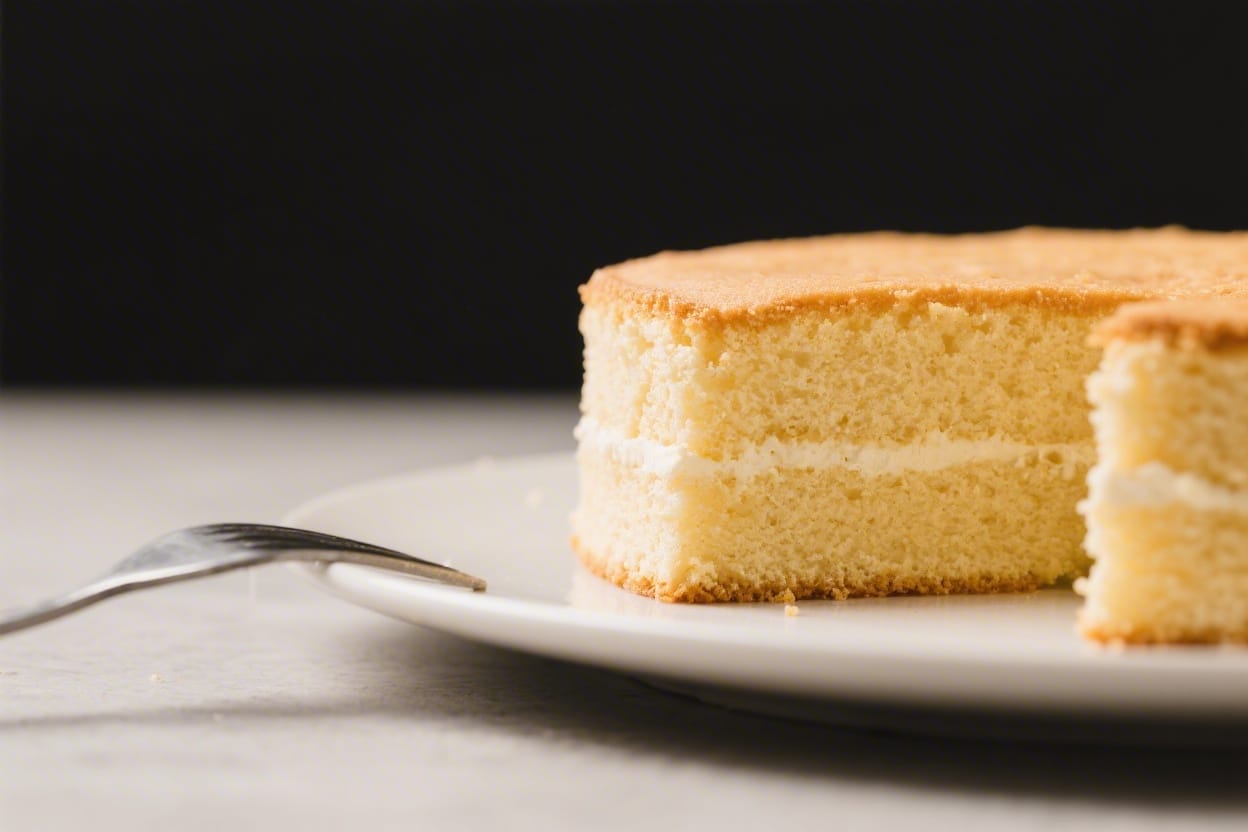
A classic vanilla sponge cake never goes out of style. It’s soft, airy, and tastes like a warm hug—perfect for birthdays, afternoon tea, or a simple treat at home. This version stays moist without being dense, with a delicate crumb that pairs beautifully with fresh fruit or a swipe of buttercream. If you’ve ever worried about dry or flat sponge, this recipe will change that. With simple steps and a few smart tricks, you’ll get bakery-level results right from your kitchen.
Why This Recipe Works
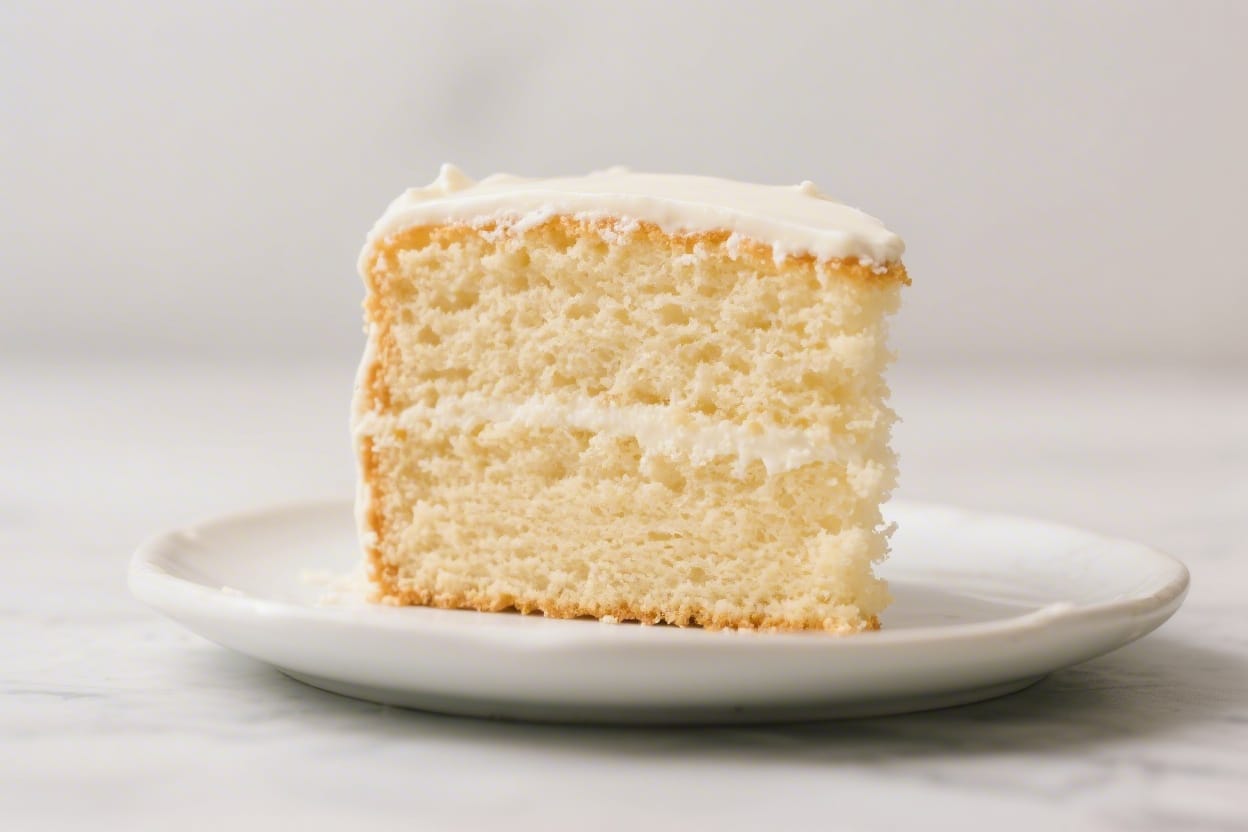
Moist vanilla sponge cake recipe – Moist Vanilla Sponge Cake Recipe – Light, Fluffy, and Full of Flavor A classic vanilla sponge cake n
This recipe balances moisture and structure for a reliable rise and tender bite. A mix of butter and oil brings both rich flavor and long-lasting softness. Whole eggs provide lift, and buttermilk keeps the crumb delicate. Creaming the butter and sugar properly traps air, while folding gently ensures you don’t deflate the batter.
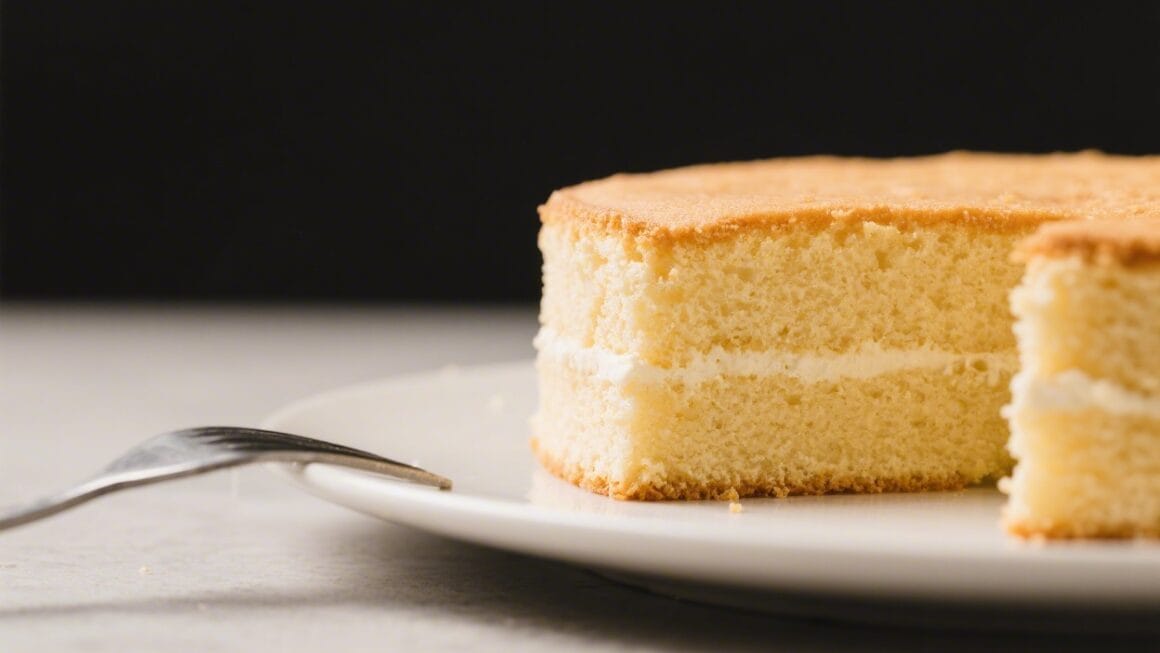
We also bake at a steady temperature to avoid doming or sinking. The result is a golden, even-top sponge with a tight but tender crumb. It slices cleanly and holds up well to fillings without drying out.
Ingredients
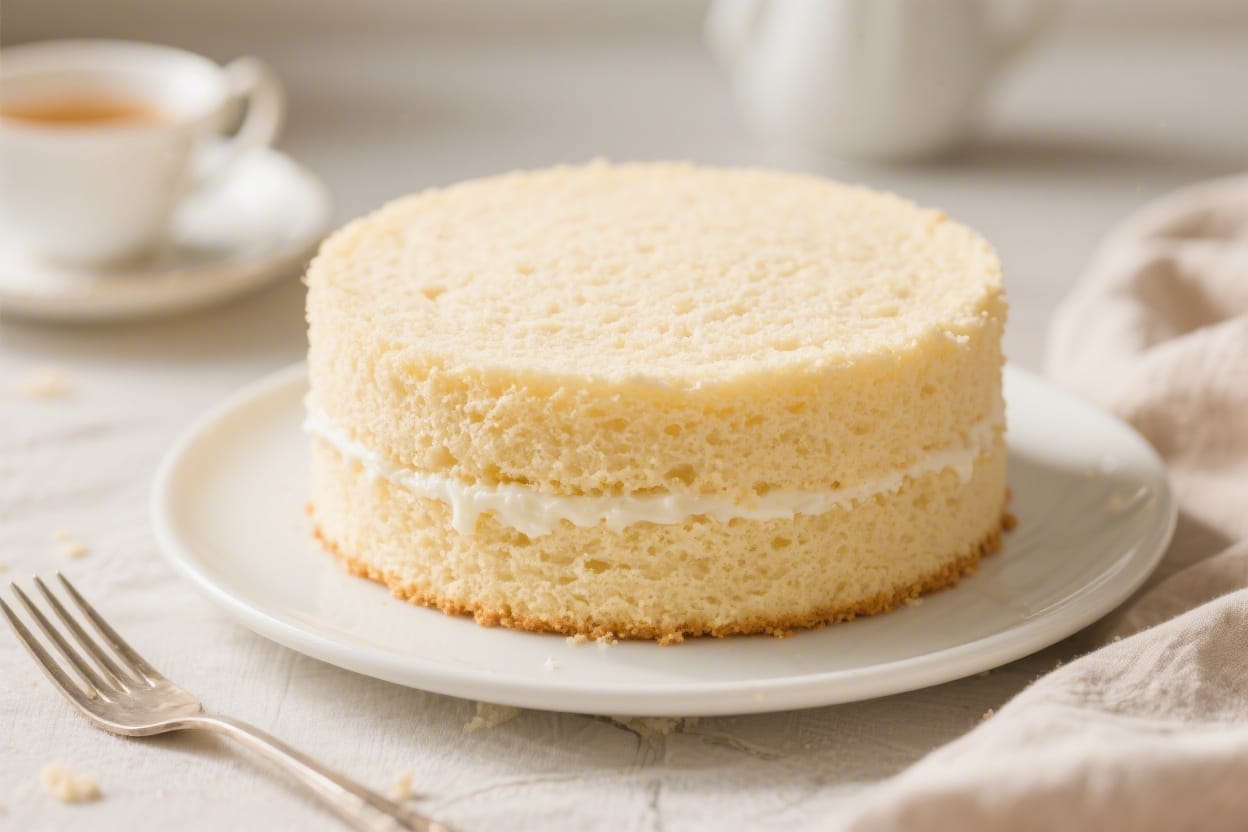
Moist vanilla sponge cake recipe – It’s soft, airy, and tastes like a warm hug—perfect for birthdays, afternoon tea, or a simple treat
- 1 3/4 cups (220 g) all-purpose flour
- 1/4 cup (30 g) cornstarch (for extra lightness)
- 2 teaspoons baking powder
- 1/2 teaspoon baking soda
- 1/2 teaspoon fine salt
- 1/2 cup (115 g) unsalted butter, softened
- 1/4 cup (60 ml) neutral oil (such as canola or vegetable)
- 1 cup (200 g) granulated sugar
- 3 large eggs, at room temperature
- 2 teaspoons pure vanilla extract (or 1 teaspoon vanilla bean paste for stronger flavor)
- 3/4 cup (180 ml) buttermilk, at room temperature
- 1 tablespoon lemon juice or white vinegar (optional, brightens flavor)
For the pan: Butter and flour (or nonstick baking spray with flour), plus parchment paper.
Instructions
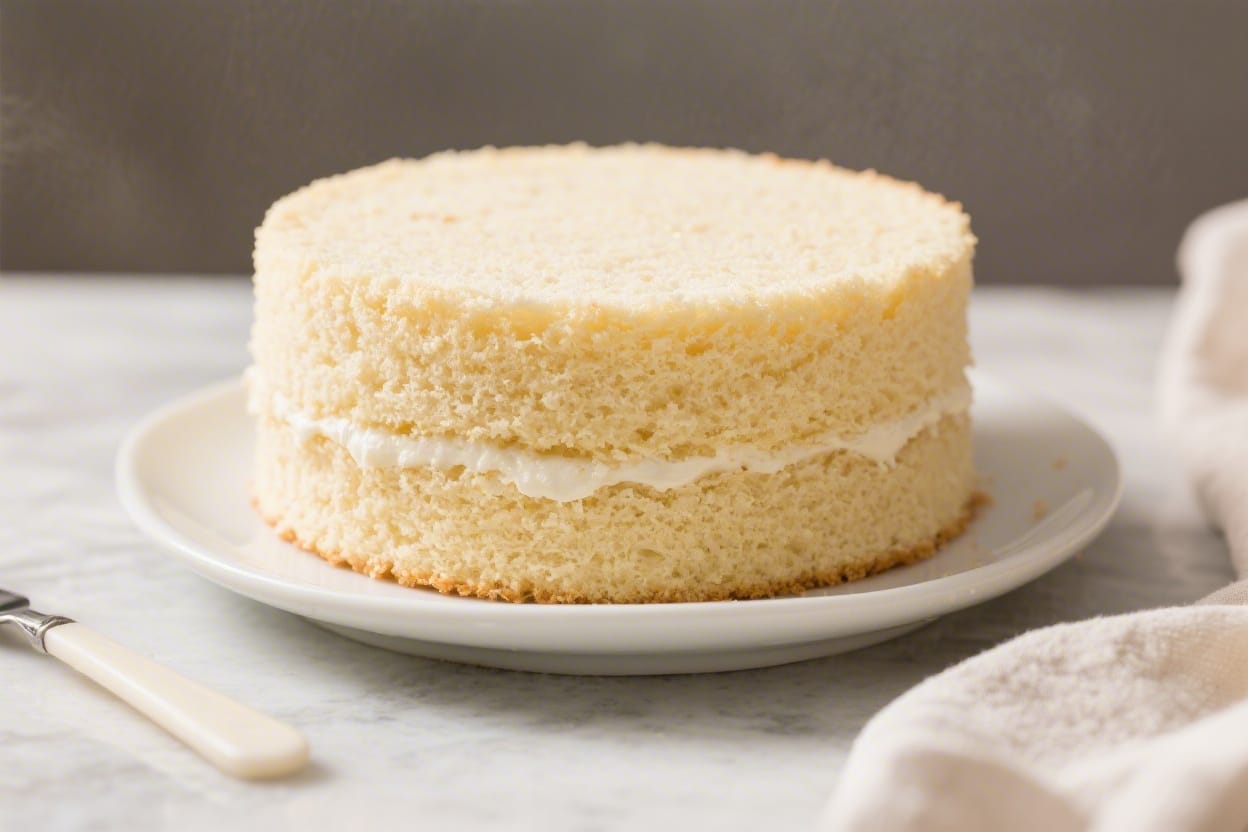
Moist vanilla sponge cake recipe – This version stays moist without being dense, with a delicate crumb that pairs beautifully with fres
- Prep the pans and oven.Heat the oven to 350°F (175°C). Grease two 8-inch round cake pans, line the bottoms with parchment, then grease and lightly flour the parchment and sides. This prevents sticking and helps even release.
- Whisk the dry ingredients.In a bowl, whisk together flour, cornstarch, baking powder, baking soda, and salt. Set aside. This avoids clumps and ensures even leavening.
- Cream butter, oil, and sugar.In a large mixing bowl, beat the softened butter, oil, and sugar on medium-high for 3–4 minutes until pale and fluffy. Proper creaming traps air, giving you lift and a lighter crumb.
- Add eggs and vanilla.Beat in the eggs one at a time, mixing well and scraping the bowl after each addition. Stir in the vanilla (and lemon juice if using). The batter should look smooth and slightly thick.
- Alternate dry and wet.With the mixer on low, add one-third of the dry ingredients, then half the buttermilk. Repeat, ending with the dry ingredients. Mix just until combined—do not overmix. A few small streaks of flour are okay.
- Finish by hand.Use a spatula to gently fold the batter, scraping the bottom and sides. This final fold ensures everything is evenly mixed without overworking the gluten.
- Portion and level.Divide the batter evenly between the pans. Tap each pan gently on the counter to pop large air bubbles, then smooth the tops.
- Bake.Bake for 22–28 minutes, rotating the pans once at the 15-minute mark. The cakes are done when the tops spring back, edges pull slightly from the sides, and a toothpick comes out with a few moist crumbs.
- Cool carefully.Let the cakes cool in the pans for 10 minutes, then turn out onto a wire rack. Peel off parchment and cool completely before frosting or slicing. Warm cake can tear, so give it time.
- Serve or decorate.Enjoy plain with powdered sugar, layer with whipped cream and berries, or frost with vanilla buttercream. This simple birthday cake recipe also pairs well with pastry cream or a light jam.
Storage Instructions
- Room temperature: Wrap cooled layers tightly in plastic or store in an airtight container for up to 2 days.
- Refrigerator: For frosted cakes or dairy fillings, refrigerate up to 4 days. Bring to room temperature before serving for best texture.
- Freezer: Wrap unfrosted layers in plastic wrap and foil. Freeze up to 2 months. Thaw in the fridge overnight, then unwrap and let sit at room temperature before decorating.
- Moisture tip: Brush cooled layers lightly with simple syrup (equal parts sugar and water, simmered and cooled) before filling if you plan to store longer.
Benefits of This Recipe
- Consistently moist. The butter-and-oil combo keeps the cake tender for days.
- Light crumb. Cornstarch and proper mixing create a soft, airy texture without dryness.
- Reliable rise. Baking powder and soda work with buttermilk for height and structure.
- Versatile base. Works as a layer cake, cupcakes, or a sheet cake, and pairs with any filling.
- Beginner-friendly. Straightforward steps with built-in safeguards against overmixing or dryness.
Common Mistakes to Avoid
- Cold ingredients. Cold eggs and buttermilk can cause curdling and a dense cake. Let them come to room temperature.
- Overmixing. Once the flour goes in, mix just until combined. Overmixing leads to a tough crumb.
- Skipping parchment. Sponge cakes are delicate. Lining pans prevents sticking and tearing.
- Overbaking. Even a few extra minutes can dry the cake. Start checking early and look for moist crumbs on a toothpick.
- Frosting while warm. Warm cake melts frosting and can collapse. Cool completely first.
Alternatives
- Cupcakes: Portion into a lined 12-cup muffin tin. Bake at 350°F (175°C) for 16–20 minutes.
- Sheet cake: Bake in a 9×13-inch pan for 28–35 minutes. Great for potlucks and easy slicing.
- Dairy-free: Use plant milk with 1 tablespoon vinegar or lemon juice to mimic buttermilk, and swap butter for a dairy-free baking butter.
- Gluten-free: Use a 1:1 gluten-free flour blend that contains xanthan gum, and skip the cornstarch if your blend already includes starches.
- Flavor twists: Add 1 teaspoon almond extract, fold in lemon zest, or split a vanilla bean for a deeper vanilla note.
- Sugar options: Replace up to 1/4 cup of sugar with light brown sugar for a hint of caramel warmth.
FAQ
Can I make this cake a day ahead?
Yes. Bake, cool, and wrap the layers tightly. Store at room temperature for up to 2 days or refrigerate if filled with dairy. Many bakers prefer day-old layers because they slice more cleanly.
What if I don’t have buttermilk?
Make a quick substitute: mix 3/4 cup milk with 2 teaspoons lemon juice or white vinegar. Let sit for 5 minutes, then use as directed. It won’t be as rich as real buttermilk but works well for a Strawberry Shortcake Cake.
Why add both butter and oil?
Butter gives flavor and structure, while oil keeps the crumb tender even after chilling. Together, they make a cake that tastes buttery and stays moist.
How do I prevent domed or sunken centers?
Use room-temperature ingredients, avoid overmixing, and bake on the middle rack. Check your oven temperature with an oven thermometer. Don’t open the door in the first 15 minutes of baking.
Can I bake this in one deep pan?
You can, but it may bake unevenly. If using a deep 8- or 9-inch pan, reduce the oven temperature to 335°F (170°C) and extend the bake time. Line the sides with a parchment collar to help it rise evenly.
What frosting pairs best?
Classic vanilla buttercream, whipped cream with fresh berries, or a light cream cheese frosting all work beautifully. For a less sweet option, try stabilized whipped cream.
How do I keep the cake extra moist for layering?
Brush cooled layers with a thin layer of simple syrup. You can flavor it with a splash of vanilla or a bit of lemon peel for a subtle twist.
Can I reduce the sugar?
You can reduce by up to 15% without major texture issues. Any more and the cake may become drier and less tender, as sugar helps retain moisture.
Final Thoughts
This moist vanilla sponge cake recipe gives you a dependable, crowd-pleasing base for any celebration. It’s light, flavorful, and easy to dress up or keep simple. With a few smart steps and everyday ingredients, you’ll bake a tender cake that stays soft for days. Keep this recipe in your back pocket—it’s the kind you’ll reach for again and again.
Printable Recipe Card
Want just the essential recipe details without scrolling through the article? Get our printable recipe card with just the ingredients and instructions.