How to Store Homemade Bread Properly – Simple Ways to Keep It Fresh
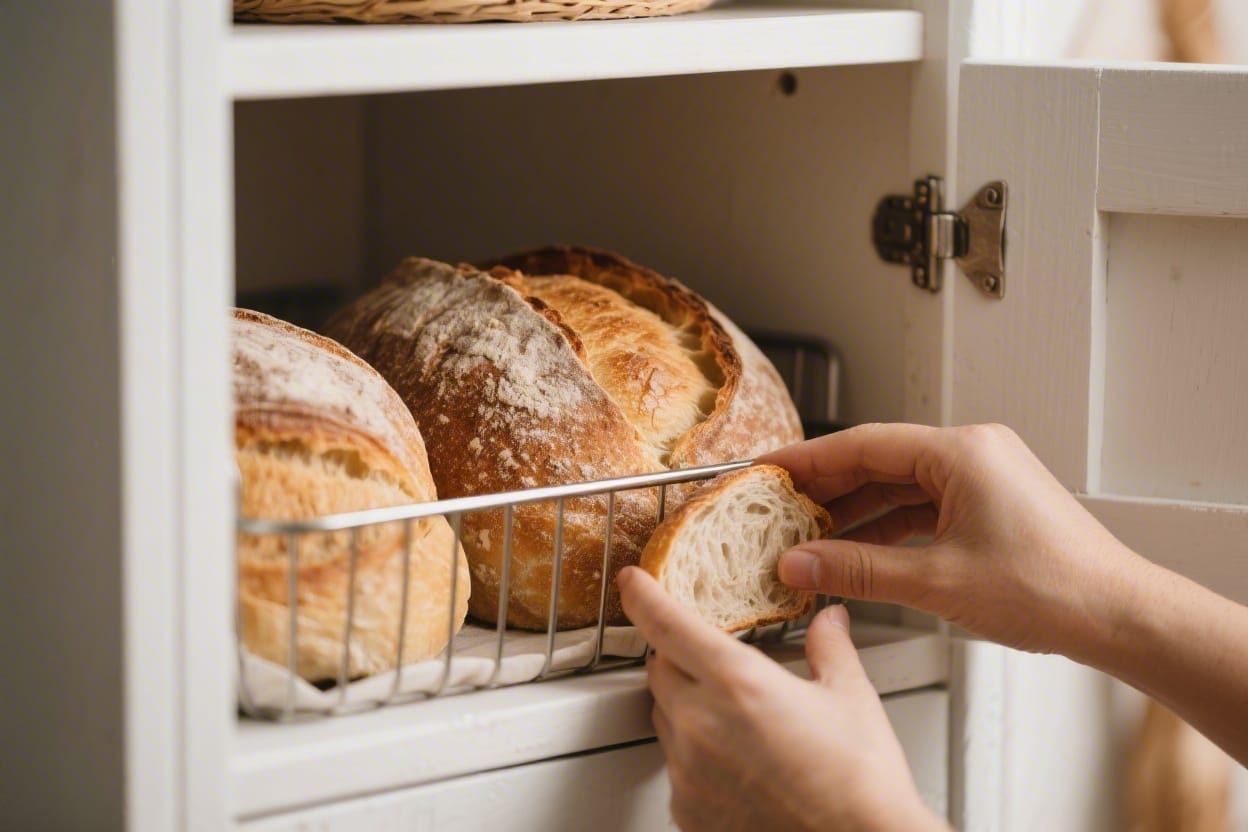
Freshly baked bread smells amazing and tastes even better, but it can go stale faster than you’d like if it’s not stored the right way. The good news is, with a few smart habits, you can keep that loaf soft, flavorful, and ready for sandwiches or toast all week. This guide breaks down what to use, what to avoid, and how to make the most of every slice. Whether you bake once a month or every weekend, these tips will help your bread stay fresh without extra fuss.
Why This Recipe Works
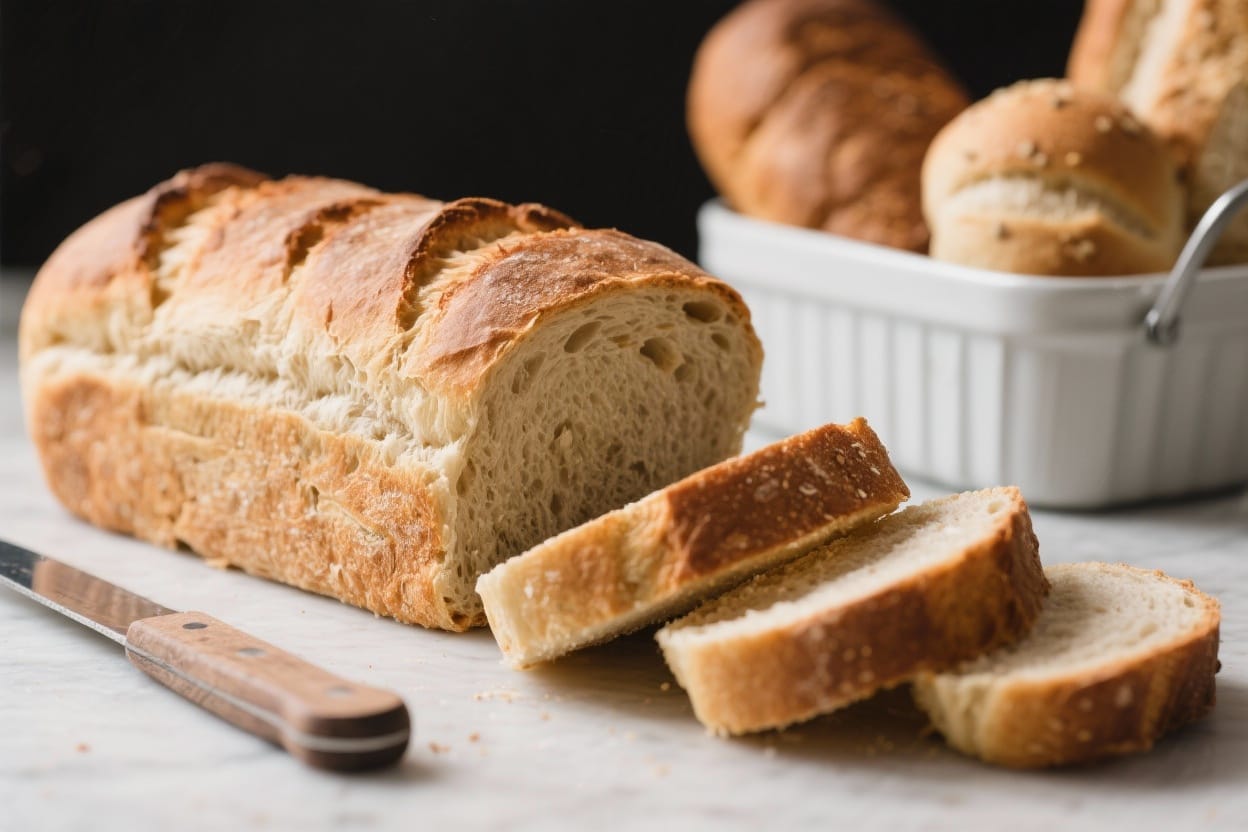
How to store homemade bread properly – How to Store Homemade Bread Properly – Simple Ways to Keep It Fresh Freshly baked bread smells amazi
This method isn’t about fancy gadgets—it’s about understanding how bread behaves. Bread loses moisture over time, and the wrong storage speeds that up. By letting the loaf cool fully, choosing the right wrap, and storing at room temperature (not the fridge), you slow staling and keep the crust and crumb in great shape. We also plan ahead with smart freezing so you can enjoy fresh-tasting slices days or even weeks later.
Ingredients

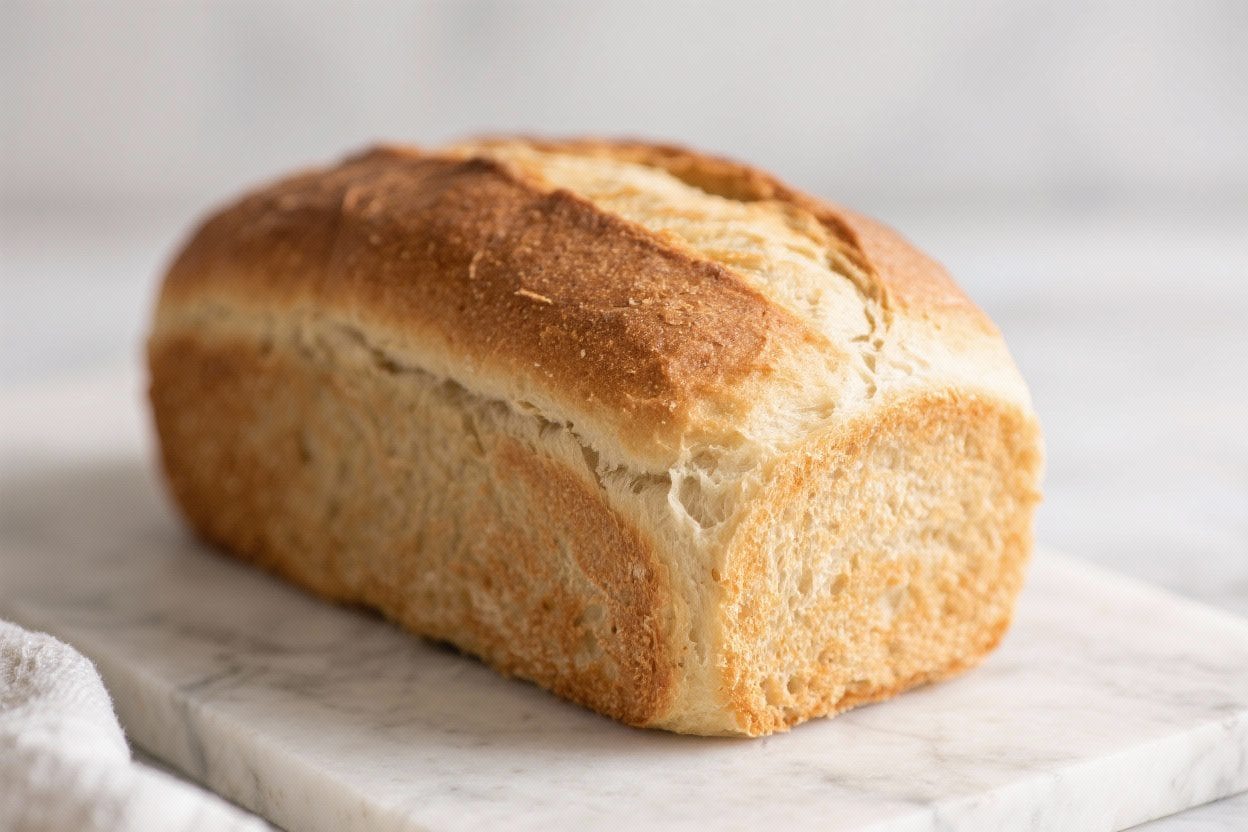
How to store homemade bread properly – The good news is, with a few smart habits, you can keep that loaf soft, flavorful, and ready for san
- 1 whole homemade loaf (any style: sourdough, sandwich, baguette, or enriched bread)
- Clean bread bag or reusable cloth bag
- Plastic wrap or beeswax wrap (optional)
- Paper bag (optional, best for crusty loaves)
- Freezer-safe zip-top bags or airtight containers (for freezing)
- Sheet of parchment paper (optional, for layering slices)
Instructions
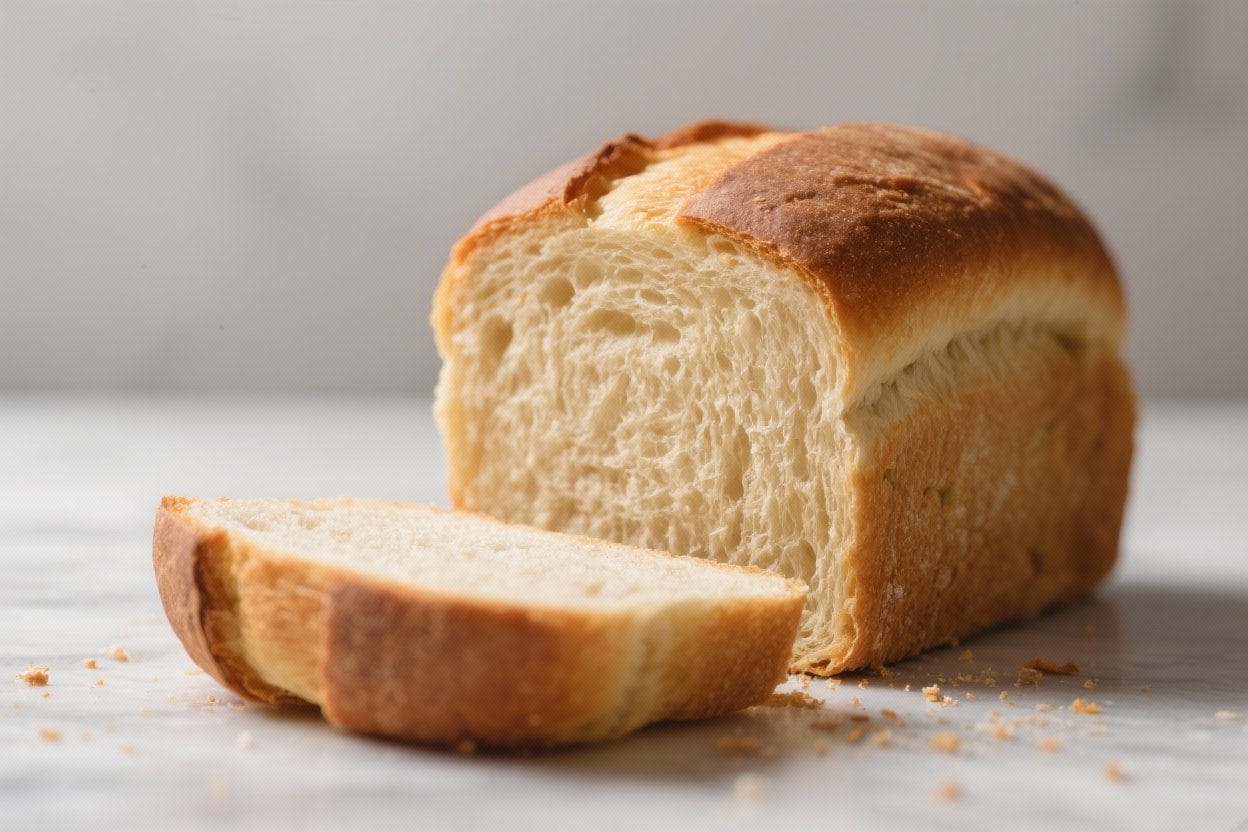
How to store homemade bread properly – This guide breaks down what to use, what to avoid, and how to make the most of every slice
- Cool the bread completely. Let the loaf sit on a wire rack until the interior is fully cool to the touch. Warm bread traps steam in the wrap and makes the crust soggy.
- Decide how soon you’ll eat it. If you’ll finish the loaf within 2–3 days, store at room temperature. If not, plan to freeze part now.
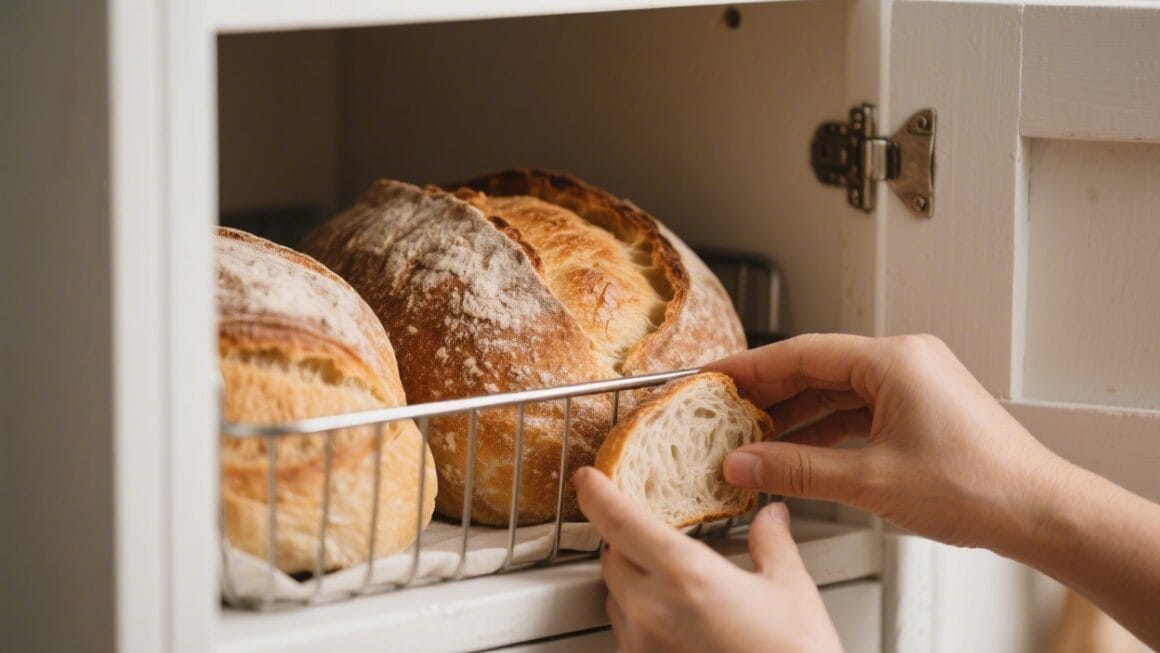
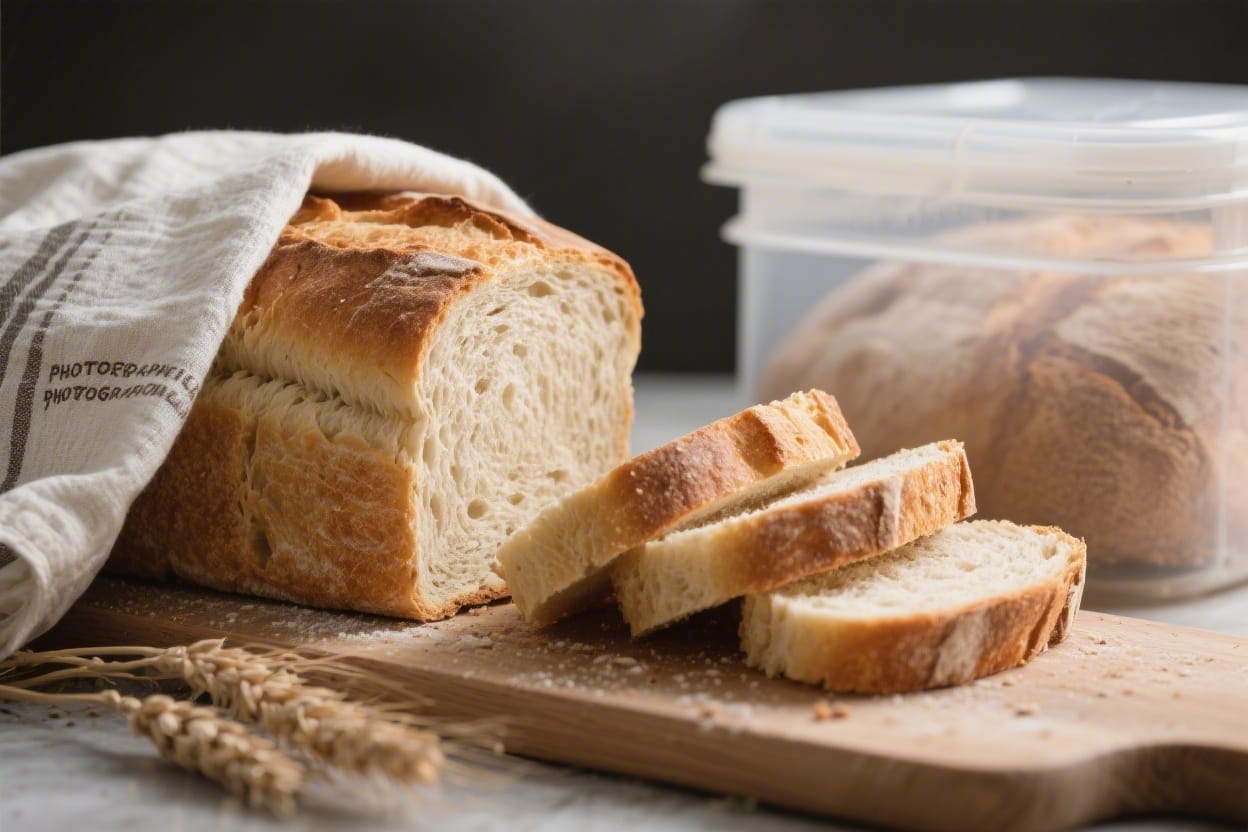
- For crusty loaves (like sourdough or baguette): Wrap loosely in a paper bag or a clean cloth bag. This keeps the crust crisp while slowing moisture loss. Avoid plastic unless you prefer a softer crust.
- For soft sandwich bread or enriched loaves: Store in a plastic or beeswax wrap, or a bread bag, squeezing out excess air. This helps the crumb stay tender.
- Keep it on the counter, not in the fridge. Place the wrapped loaf in a cool, dry spot away from sunlight and heat. Refrigeration speeds up staling.
- Slice as you go. Cut only what you need. Whole loaves hold moisture better than pre-sliced ones.
- Freeze what you won’t use within 2–3 days. Slice the rest, stack with small pieces of parchment if you like, then seal in a freezer bag. Press out the air. Label with the date.
- Reheat to refresh. For crusty bread, warm slices in a 350°F (175°C) oven for 5–10 minutes. For soft bread, a quick toast or a few seconds in the microwave (wrapped in a damp paper towel) works.
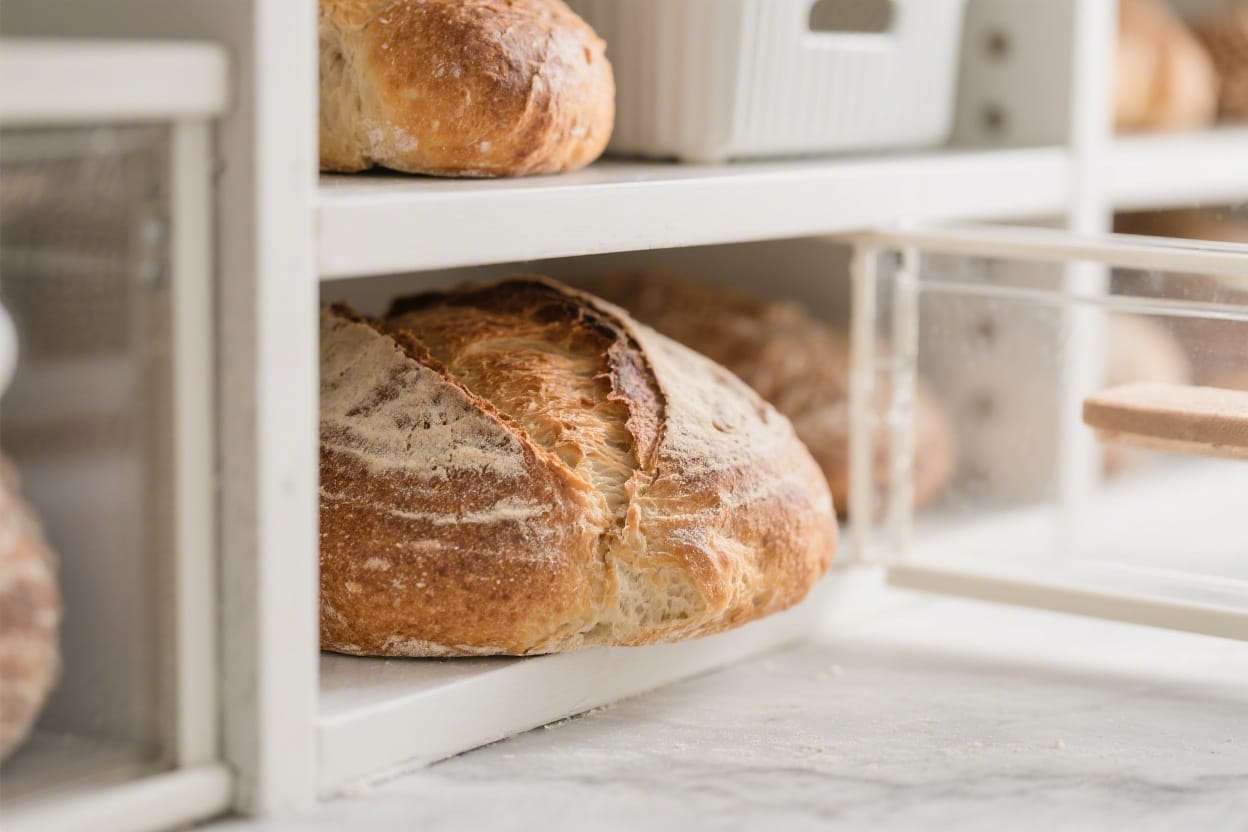
- Use a bread box (optional). A ventilated bread box balances airflow and humidity, keeping loaves fresh a bit longer than a counter alone.
- Check daily. If you notice the crust getting tough, switch to plastic. If the crust is getting too soft, move to paper or a bread box for more airflow.
Keeping It Fresh
Staling is mostly moisture migrating from the crumb to the crust and starches firming up. Room temperature is your friend because it slows these changes without drying the bread out like a fridge does. For longer storage, the freezer essentially “pauses” the process.
If you love a crisp crust, keep airflow with a paper bag or bread box. If you love a soft crumb and crust, go with plastic or beeswax wrap. You can switch methods during the week depending on how the bread feels. And remember: stale isn’t spoiled. A quick reheat can bring life back to a day-old loaf.
Benefits of This Recipe
- Better texture for days: Maintain that tender crumb and, if you want it, a crisp crust.
- Less waste: Smart freezing and portioning mean fewer forgotten heels and moldy ends.
- Flexible for any bread: Works for sourdough, sandwich loaves, enriched doughs, and rolls.
- Budget-friendly: No special equipment needed—just bags you already have.
- Convenient: Pre-sliced frozen bread gives you instant toast or sandwiches anytime.
Common Mistakes to Avoid
- Storing while warm: Traps steam and makes the crust rubbery, inviting mold.
- Refrigerating bread: Cold temperatures speed staling, even if it seems “fresher.”
- Leaving it uncovered: Air dries the loaf fast, especially sliced bread.
- Using airtight plastic for crusty loaves (if you want crispness): It softens the crust overnight.
- Freezing a whole unsliced loaf you plan to use slowly: It’s hard to portion. Slice first for easy grab-and-go.
- Not pressing out air in freezer bags: Air causes freezer burn and stale flavors.
Variations You Can Try
- Cloth plus paper combo: Wrap in a clean tea towel, then slide into a paper bag for balance between airflow and moisture.
- Bread box with a wooden board: Store cut-side down on a wooden cutting board inside the box to keep the crumb moist and the crust dry.
- Half-and-half approach: Keep half the loaf at room temperature and freeze the rest in slices for later in the week.
- Vacuum sealing for long freezes: Lightly freeze slices on a tray, then vacuum seal to avoid squishing. Great for up to 3 months.
- Refresh method: For very stale crusty bread, lightly mist with water and bake at 350°F (175°C) for 8–12 minutes to revive the crust.
FAQ
How long does homemade bread last at room temperature?
Most loaves stay good for 2–3 days at room temperature if stored properly. Crusty bread may start to firm up by day two, while soft sandwich bread can last closer to three days. If you won’t finish it in that window, freeze slices.
Is the fridge ever a good idea for bread?
Generally, no. Refrigeration speeds up staling and makes bread taste dry and dull. If your kitchen is extremely hot and humid and mold is a concern, freezing is still a better choice than the fridge.
What’s the best way to freeze homemade bread?
Let it cool completely, slice it, and place slices in a freezer bag with the air pressed out. Add parchment between slices if you want easy separation. Label and freeze for up to 2–3 months for best flavor.
How do I thaw frozen bread?
For slices, toast straight from the freezer or let them sit at room temperature for 10–15 minutes. For a partial loaf, thaw at room temperature in its bag to prevent moisture loss, then refresh in the oven if needed.
How can I prevent mold?
Start with a fully cooled loaf and clean storage materials. Store in a dry spot out of sunlight. If your kitchen is very humid, keep only what you’ll eat in 1–2 days at room temperature and freeze the rest. Avoid sealing warm bread.
Why did my crust get soft overnight?
It was likely wrapped too tightly in plastic or stored before it cooled. Use a paper bag or a bread box for crusty loaves, and let the loaf cool completely before wrapping.
What should I do with stale bread?
Turn it into croutons, breadcrumbs, French toast, bread pudding, panzanella, or grilled cheese. You can also refresh it in the oven for a few minutes to crisp the crust.
Wrapping Up
Storing homemade bread well comes down to a few simple choices: cool it fully, keep it at room temperature, match the wrap to the loaf, and freeze what you won’t eat soon. With these habits, your bread stays flavorful and ready when you are. A little planning gives you fresh slices today, tomorrow, and next week—no waste, no fuss.
Printable Recipe Card
Want just the essential recipe details without scrolling through the article? Get our printable recipe card with just the ingredients and instructions.