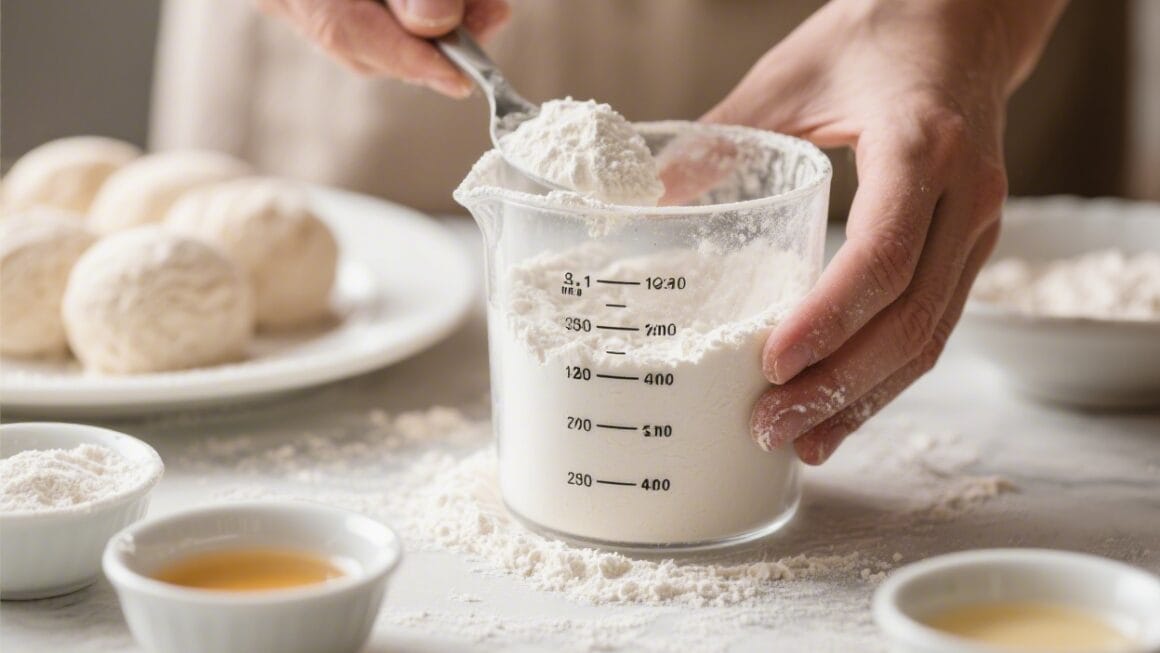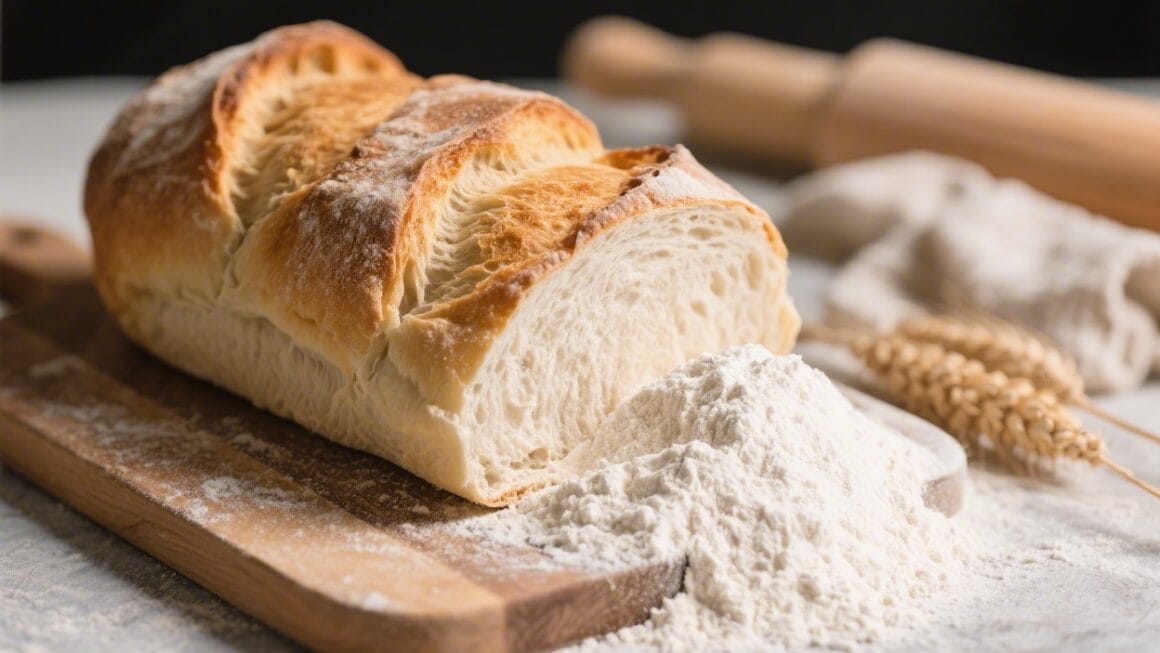
Best Flour for Bread Baking Guide – Simple Tips for Better Loaves
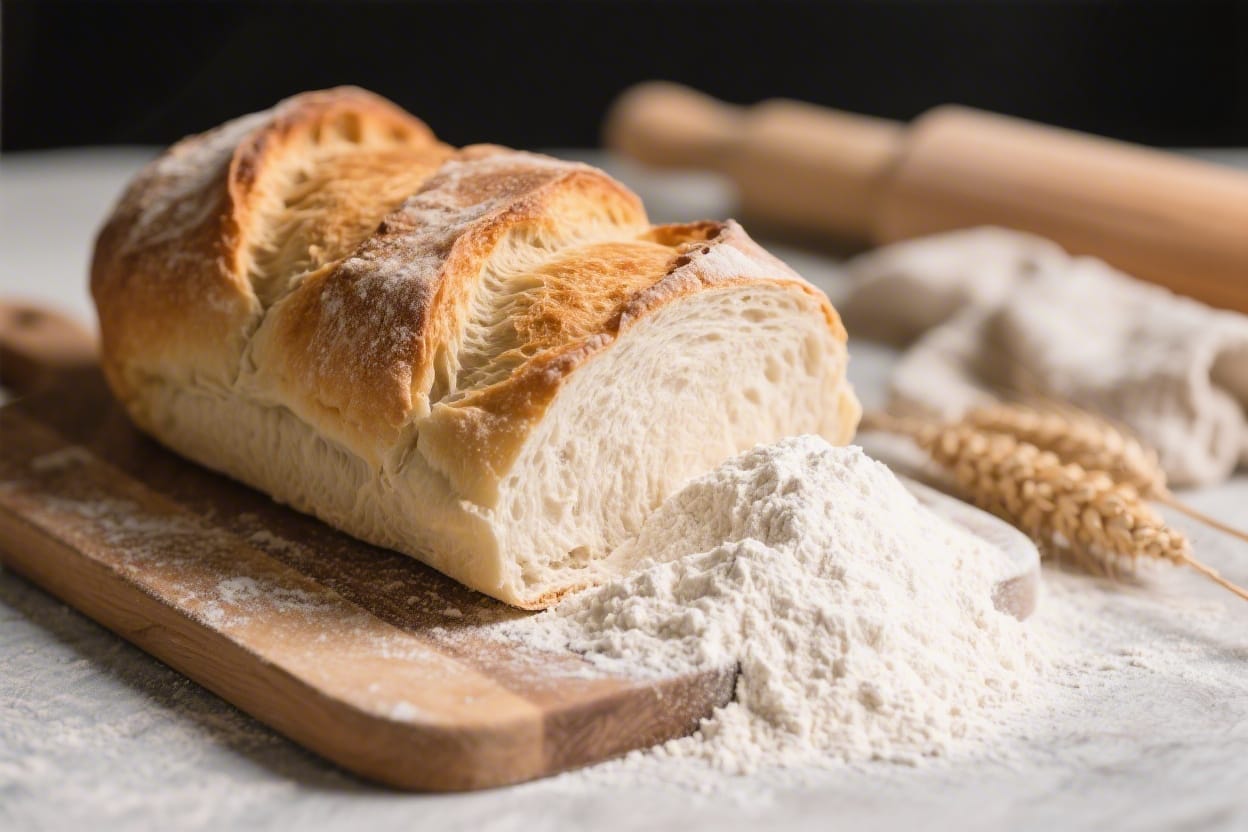
Bread gets a lot easier once you understand flour. Different flours bring different textures, flavors, and rise, and choosing the right one can make the difference between a flat, dense loaf and a tall, airy beauty. This guide breaks down the best flours for bread and how to use them, without the guesswork. Whether you’re aiming for chewy artisan sourdough, soft sandwich bread, or a rustic whole grain loaf, you’ll find what works—and why. Let’s make your next bake your best yet.
What Makes This Special
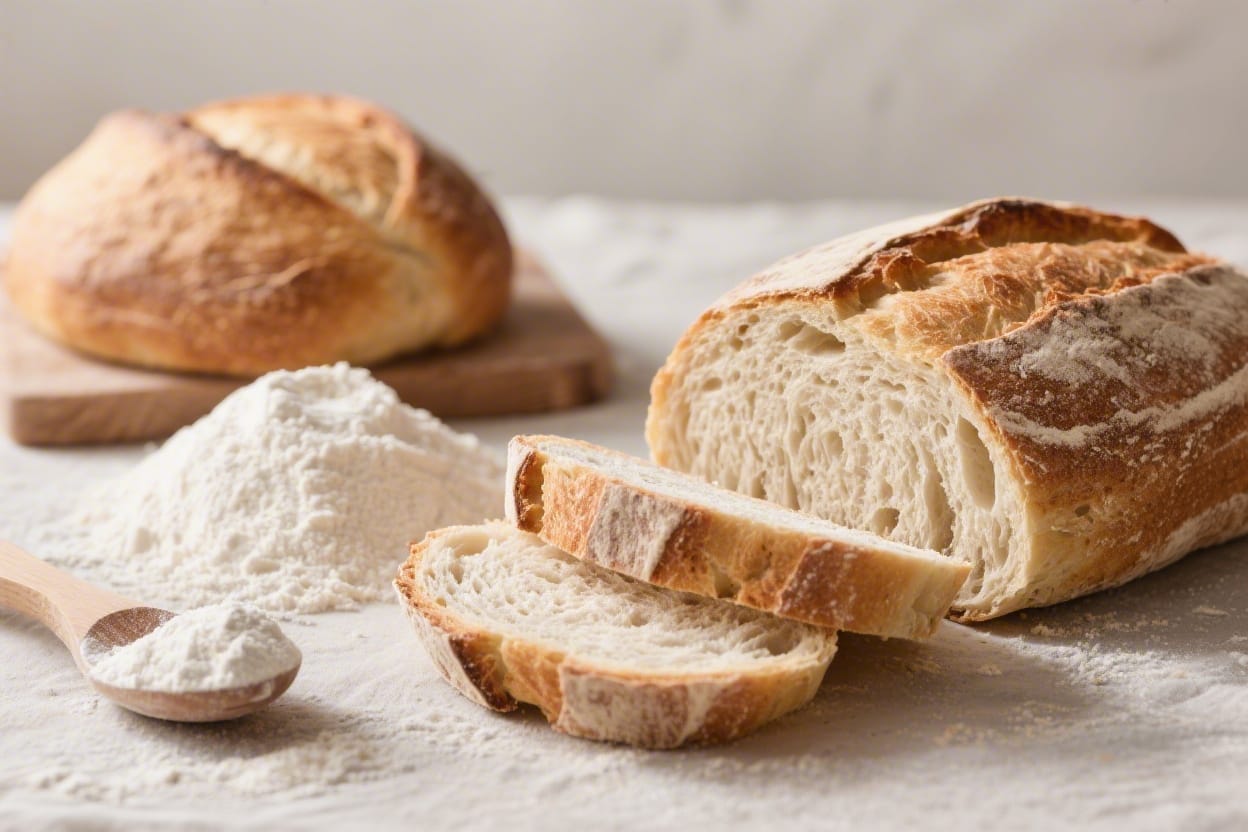
Best flour for bread baking guide – Best Flour for Bread Baking Guide – Simple Tips for Better Loaves Bread gets a lot easier once you u
This guide focuses on the flour itself, not just the recipe. It explains protein levels, gluten development, and how milling style affects flavor and crumb. You’ll learn which flour to pick for your goal—soft, fluffy, chewy, or hearty—and how to blend flours for the best of both worlds.
- Clear, practical advice: No jargon-heavy explanations. Just what to buy and how to use it.
- Side-by-side comparisons: Understand how bread flour, all-purpose, and whole grain flours behave differently.
- Real-world tips: Adjustments for hydration, kneading, and fermentation to match your flour choice.
Ingredients
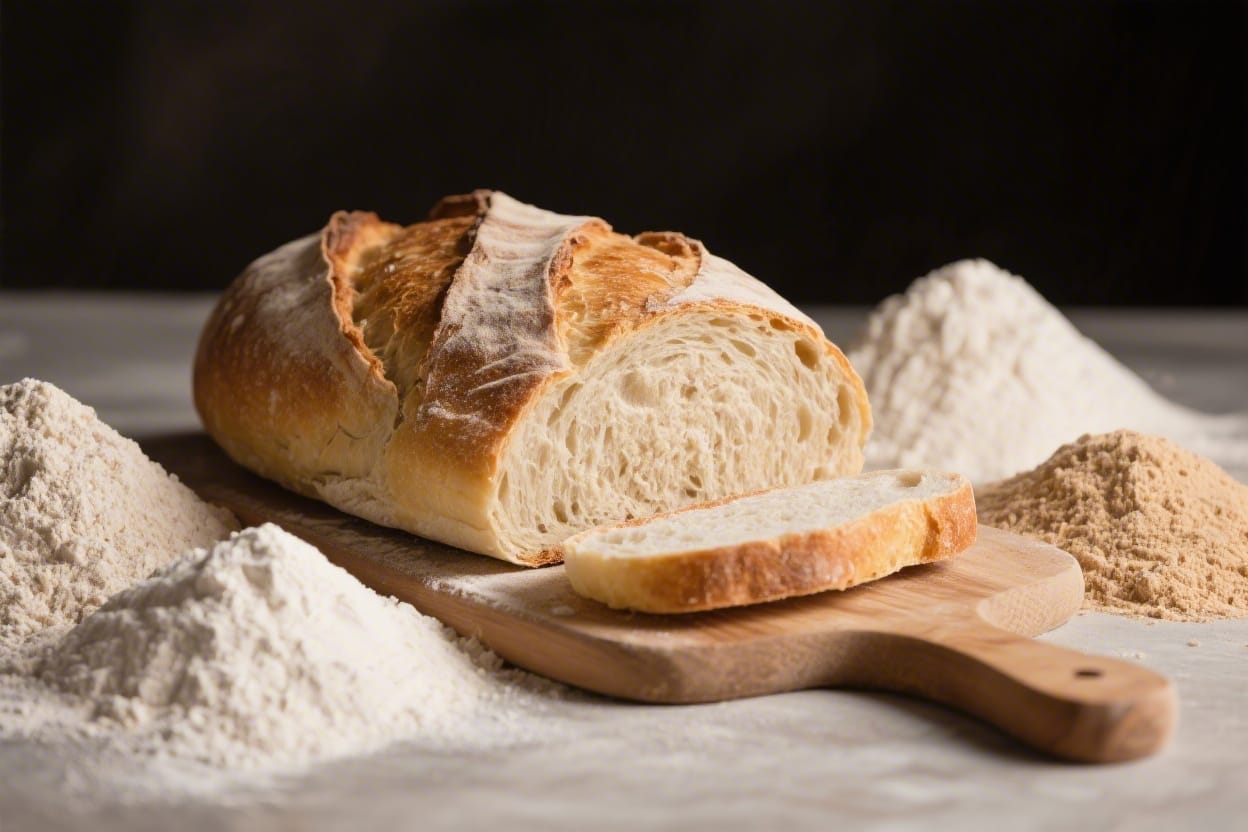
Best flour for bread baking guide – Different flours bring different textures, flavors, and rise, and choosing the right one can make th
To test and compare flours in simple bread bakes, keep a basic ingredient list on hand:
- Flour: Choose from bread flour, all-purpose flour, whole wheat flour, rye flour, spelt flour, 00 flour, or a blend.
- Water: Room temperature, filtered if your tap water is heavily chlorinated.
- Yeast: Active dry or instant yeast (or sourdough starter if preferred).
- Salt: Fine sea salt or kosher salt.
- Optional add-ins: Vital wheat gluten, diastatic malt powder, honey, oil, or seeds, depending on your target style.
Instructions
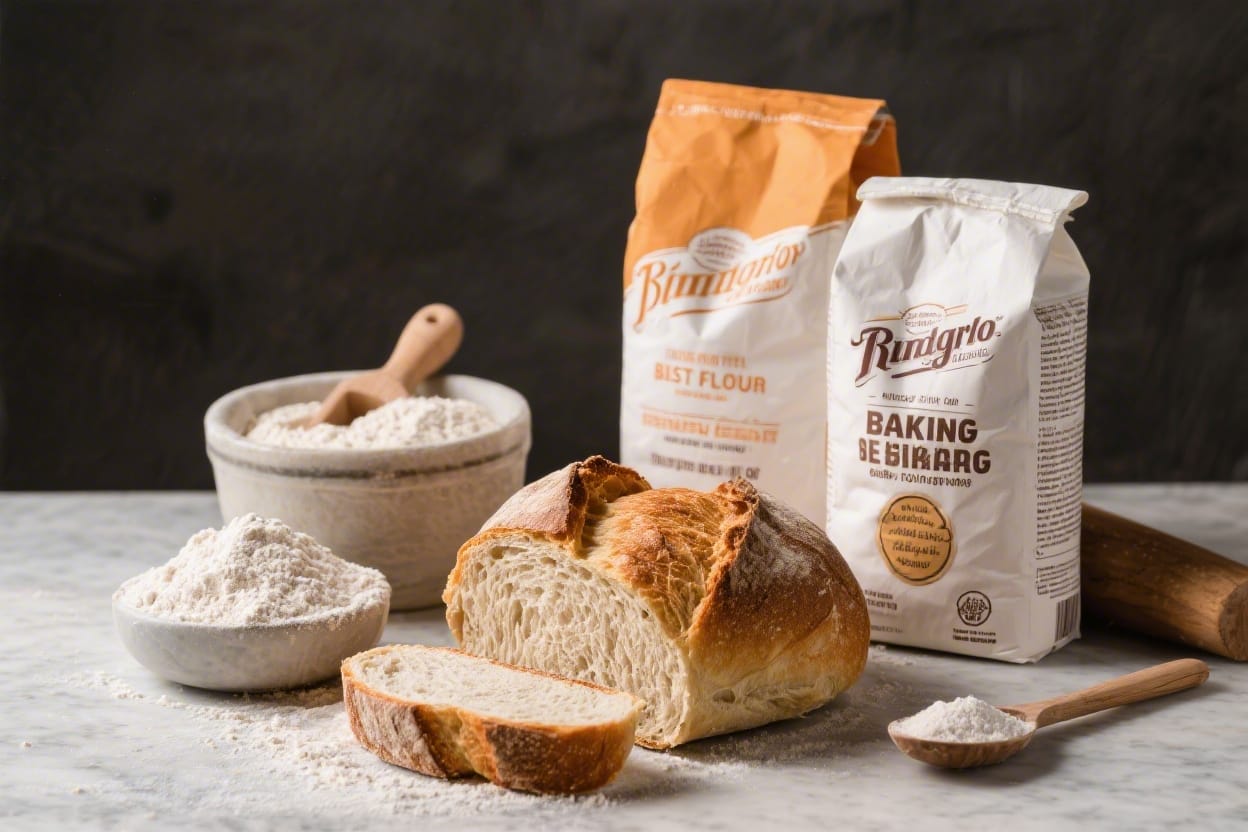
Best flour for bread baking guide – This guide breaks down the best flours for bread and how to use them, without the guesswork
- Pick your goal. Decide what you want: chewy and open crumb (choose bread flour or a bread/AP blend), soft sandwich loaf (AP or bread/AP with a bit of milk or oil), or hearty and flavorful (whole wheat or rye blends).
- Select the flour.
- Bread flour (12–13% protein): Best for strong gluten, good oven spring, and chew.
- All-purpose (10–11.5% protein): Versatile, softer crumb, great for everyday loaves and rolls.
- Whole wheat (13–15% protein): Nutty flavor, denser crumb; often blend 50/50 with bread or AP.
- Rye (6–9% protein, low gluten): Moist, dense; use 10–40% in blends for flavor.
- Spelt (lower, fragile gluten): Tender, mildly sweet; handle gently and hydrate less.
- 00 flour: Very fine; great for pizza and certain Italian breads; may need careful hydration.
- Adjust hydration. Higher-protein flours need more water. Whole grain flours absorb more due to bran. Start with the recipe’s water, then add 1–2 tablespoons at a time until the dough is tacky but not soupy.
- Mix and rest (autolyse). Combine flour and water first and let sit 20–30 minutes before adding salt and yeast. This boosts gluten development and makes dough easier to handle, especially with bread or whole wheat flour.
- Knead or fold for structure. Knead 6–10 minutes by hand or use stretch-and-folds during the first hour of bulk fermentation. With spelt or rye blends, be gentle—overworking can break fragile gluten and create a gummy crumb.
- Bulk ferment properly. Let the dough rise until roughly doubled, judging by look and feel rather than the clock. Warmer rooms speed this up; cooler rooms slow it down. Whole grains may ferment faster due to nutrients for yeast.
- Shape with purpose. Tension on the surface helps oven spring. Use a light dusting of flour, shape tightly, and place seam-side down in a pan or seam-side up in a floured banneton for free-form loaves.
- Proof to the sweet spot. Final proof until the dough slowly springs back when pressed. Underproofed dough bursts; overproofed collapses. Rye-heavy loaves need shorter final proofs.
- Bake hot with steam. Preheat thoroughly. Bake at 425–475°F (220–245°C) depending on style. Use a Dutch oven or add steam in the first 10–15 minutes for maximum rise and a shiny crust.
- Cool fully before slicing. Let the crumb set for at least 1–2 hours. Rye and high-hydration loaves improve significantly after cooling.
How to Store
- Flour: Keep in an airtight container in a cool, dark place for up to 6–12 months. Whole grain flours contain more oils and can go rancid faster; refrigerate or freeze them for longer storage.
- Bread: Store at room temperature in a bread box or paper bag for 2–3 days. Avoid the fridge (it stales bread faster). Freeze sliced bread in airtight bags for up to 3 months; toast straight from frozen.
- Sourdough starter flours: If feeding a starter, store rye or whole wheat flours chilled if you use them infrequently.
Why This is Good for You
- Control over ingredients: You choose the flour, salt, and add-ins—no unnecessary preservatives.
- Better nutrition: Whole grain flours bring fiber, B vitamins, minerals, and more satiety.
- Improved texture and flavor: Matching flour to bread style means better results with fewer attempts.
- Cost-effective: Buying a couple of core flours and blending at home saves money and expands options.
Pitfalls to Watch Out For
- Ignoring protein levels: Too low and your loaf may be flat; too high without enough water can make it tight and dry.
- Underhydrating whole grains: Bran absorbs water. If the dough feels stiff, add more water in small increments.
- Overmixing fragile flours: Spelt and rye don’t like aggressive kneading. Expect and accept a denser crumb.
- Skipping salt or adding it too early: Salt tightens gluten and slows yeast. Add after autolyse or mix it evenly if skipping the rest.
- Old flour: Rancid whole grain flour ruins flavor. Check smell—fresh flour smells sweet and nutty, not sour or musty.
- One-to-one swaps without adjustments: Changing flour often requires changes to water, timing, and handling.
Alternatives
- Blend your own: For an everyday loaf, try 70% bread flour + 30% whole wheat for flavor and structure.
- Gluten boost: If using lower-protein AP flour, add 1–2 teaspoons vital wheat gluten per cup of flour to improve rise and chew.
- Flavor lifts: Add 5–10% rye flour to white loaves for deeper flavor without heavy density.
- Softer crumb option: Use AP flour with a touch of milk, oil, or butter for plush sandwich bread.
- Artisan-style crust: Bread flour plus a long, cool ferment (or sourdough) creates open crumb and complex flavor.
FAQ
What’s the difference between bread flour and all-purpose flour?
Bread flour has more protein, which forms stronger gluten for better rise and chew. All-purpose flour is more versatile and yields a softer crumb but can still make great bread with minor adjustments.
Can I make good bread with only all-purpose flour?
Yes. Many bakers use AP with excellent results. You may need slightly less water and a bit more care in shaping to build enough tension for good oven spring.
Why is my whole wheat bread dense?
Whole wheat contains bran that cuts gluten strands and absorbs more water. Increase hydration, give the dough time to rest (autolyse), and consider blending with bread flour to lighten the crumb.
Is 00 flour good for bread?
It can be, but it’s milled for fineness, not necessarily high protein. Some 00 flours are great for pizza or ciabatta; check the protein content and adjust hydration accordingly.
How much rye can I use without making the loaf gummy?
Start with 10–30% rye in the total flour. Rye behaves differently due to pentosans and low gluten; it needs gentle handling and full baking to set the crumb.
Do I need vital wheat gluten?
Not always. It helps when working with low-protein flours or heavy whole grain blends. Use it sparingly to avoid a rubbery texture.
What hydration should I target?
For white loaves, 60–70% hydration is common. Whole wheat blends often prefer 70–80%. Watch the dough more than the numbers—aim for tacky, elastic, and cohesive.
How does fresh milled flour affect baking?
Fresh flour absorbs more water and ferments faster. Expect stronger flavor, more nutrients, and the need to tweak hydration and timing.
Why is my bread tearing at the sides?
Likely underproofing or weak shaping tension. Give the dough more final rise time and ensure a tight, even shape with sealed seams.
Does brand matter?
Yes, slightly. Different mills have different protein levels and ash content, which affect dough strength and flavor. Pick a reliable brand and learn how it behaves.
Wrapping Up
Great bread starts with choosing the right flour for the job. Use bread flour for structure and spring, all-purpose for softness and versatility, and whole grains for flavor and nutrition—then blend as needed. Adjust water, handle dough according to the flour’s character, and let fermentation do the heavy lifting. With these simple principles, your loaves will look and taste better every single time.
Printable Recipe Card
Want just the essential recipe details without scrolling through the article? Get our printable recipe card with just the ingredients and instructions.