Fluffy Brioche Bread Loaf Recipe – Soft, Buttery, and Simple
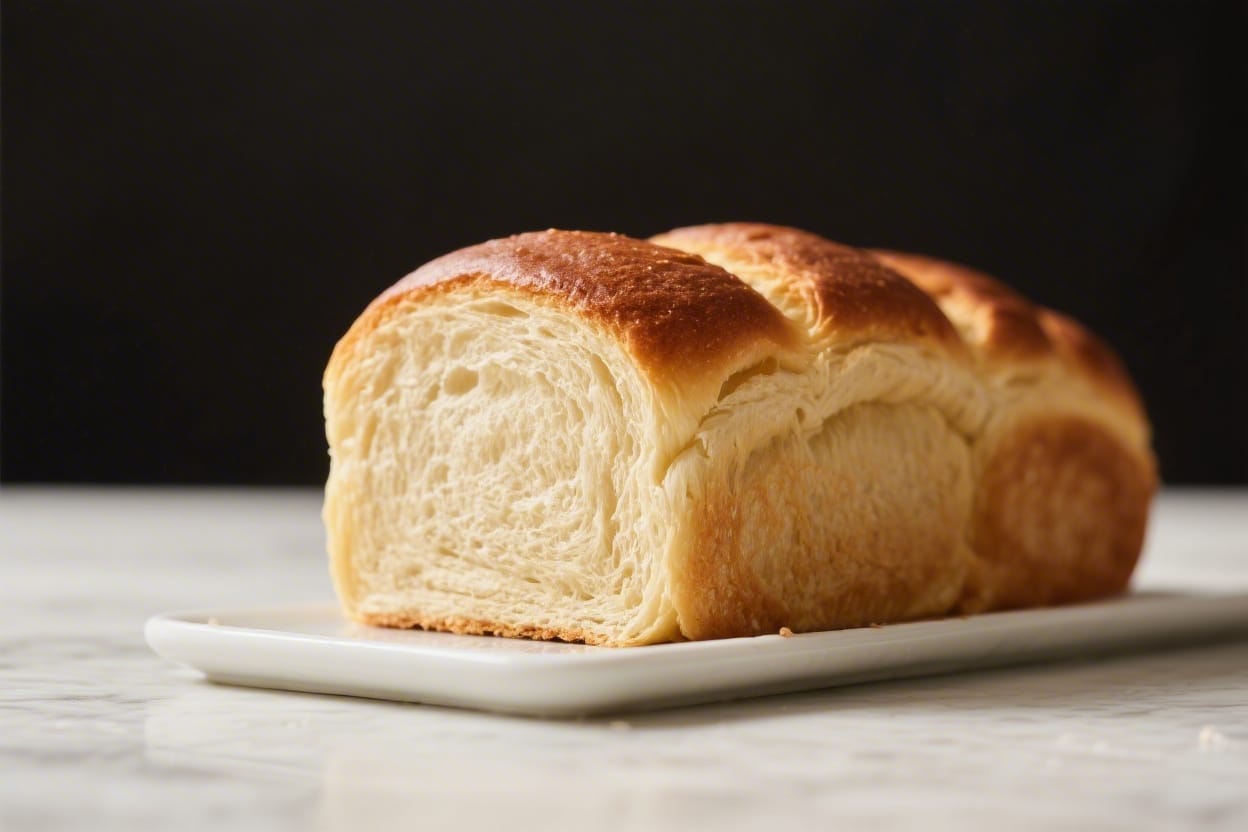
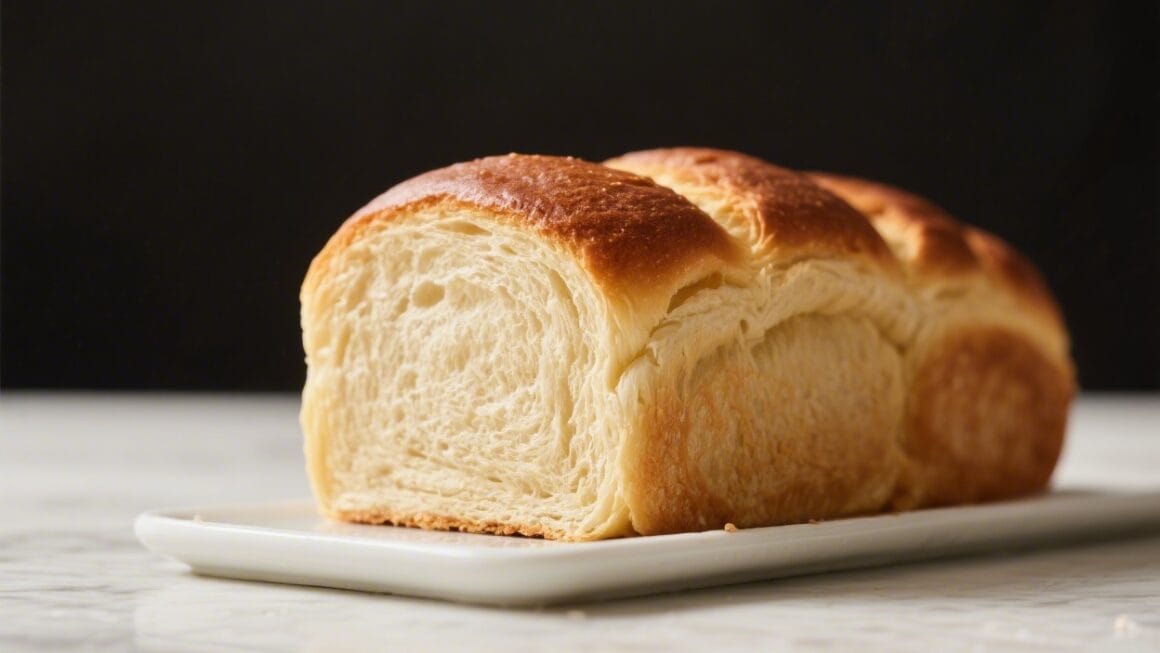
Brioche is the kind of bread that makes breakfast feel special. It’s soft, rich, and slightly sweet, with a golden crust that smells like a bakery on a Sunday morning. This version is straightforward and beginner-friendly, but it still delivers that classic brioche texture you expect. With a few smart techniques and a little patience, you’ll bake a loaf that slices beautifully and tastes amazing plain, toasted, or turned into French toast. If you’ve been nervous about enriched doughs, this recipe will change that.
Why This Recipe Works
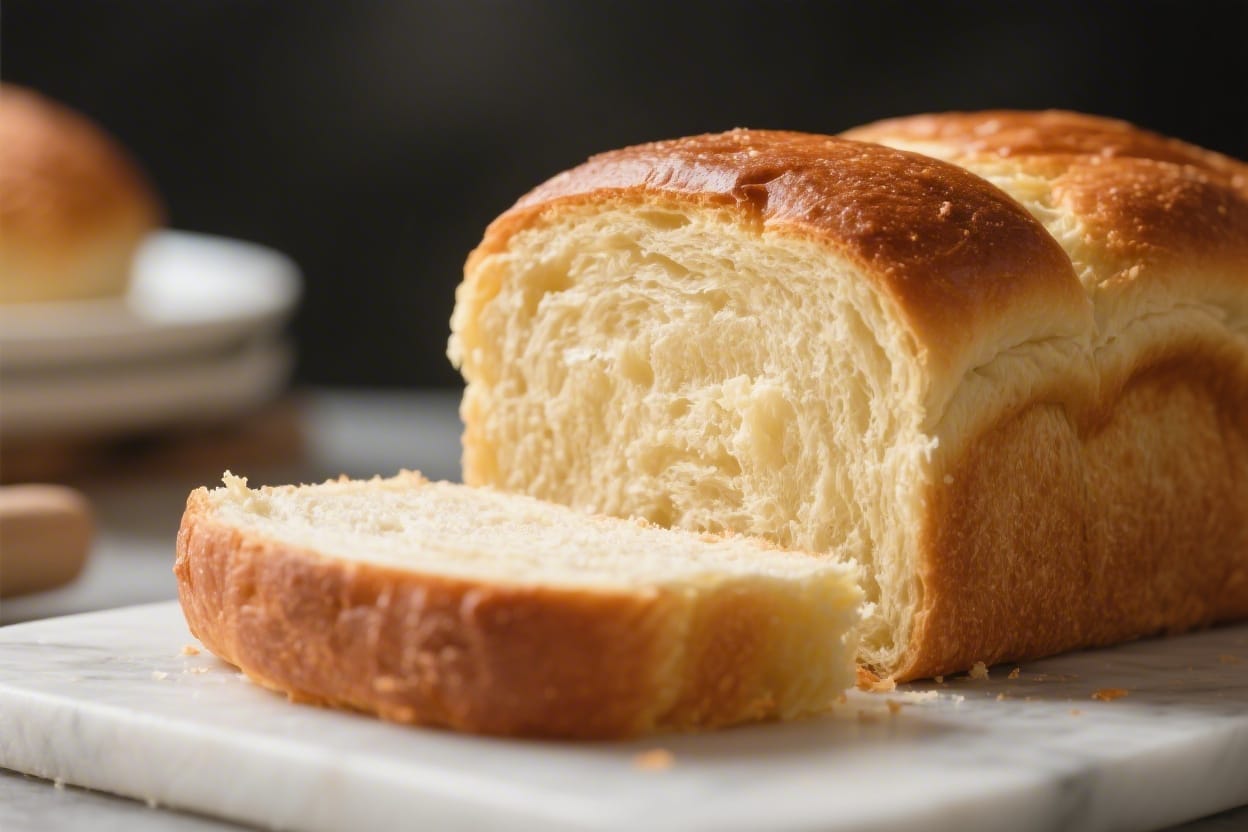
Fluffy brioche bread loaf recipe – Fluffy Brioche Bread Loaf Recipe – Soft, Buttery, and Simple Brioche is the kind of bread that makes
- Slow butter incorporation: Adding softened butter at the end helps build a strong gluten network first, so the dough stays elastic and rises tall.
- Overnight chill: A rest in the fridge develops flavor, makes the dough easier to handle, and creates a finer, more even crumb.
- High hydration with egg enrichment: Eggs and milk keep the loaf super soft without making it dense.
- Proper proofing: Gentle, well-timed rises give brioche its signature fluff and a light, feathery interior.
- Egg wash and steam: An egg wash creates sheen, while optional steam helps with oven spring and a tender crust.
Ingredients
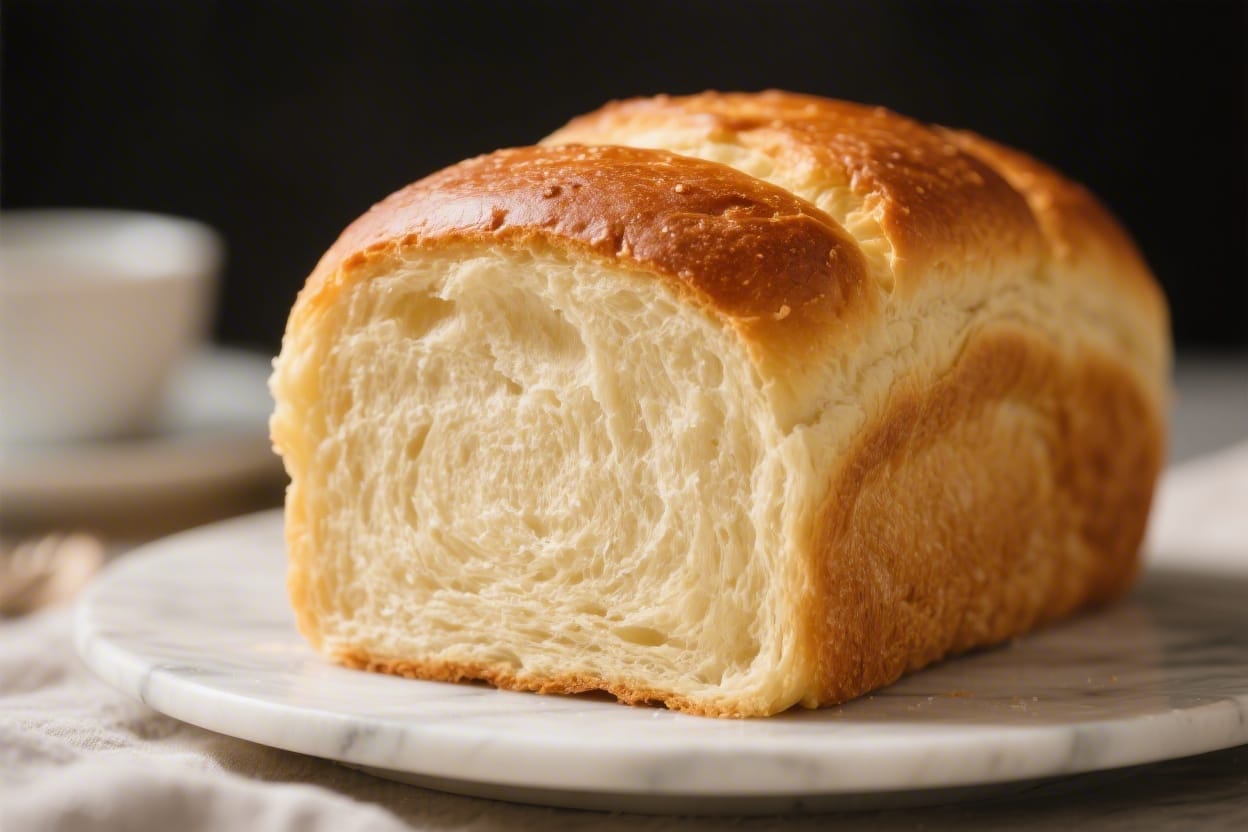
Fluffy brioche bread loaf recipe – It’s soft, rich, and slightly sweet, with a golden crust that smells like a bakery on a Sunday morni
- 3 1/4 cups (390 g) bread flour (or all-purpose in a pinch, but bread flour gives better structure)
- 1/3 cup (65 g) granulated sugar
- 2 1/4 tsp (7 g) instant yeast (or active dry; see note below)
- 1 tsp fine sea salt
- 4 large eggs, room temperature
- 1/2 cup (120 ml) whole milk, lukewarm (about 100–105°F / 38–41°C)
- 10 tbsp (140 g) unsalted butter, very soft but not melted
- 1 tsp vanilla extract (optional, but lovely)
- Egg wash: 1 egg beaten with 1 tbsp milk
Note on yeast: If using active dry yeast, dissolve it in the lukewarm milk with a pinch of sugar and let it sit for 5–10 minutes until foamy before mixing. Instant yeast can go straight into the flour.
Instructions
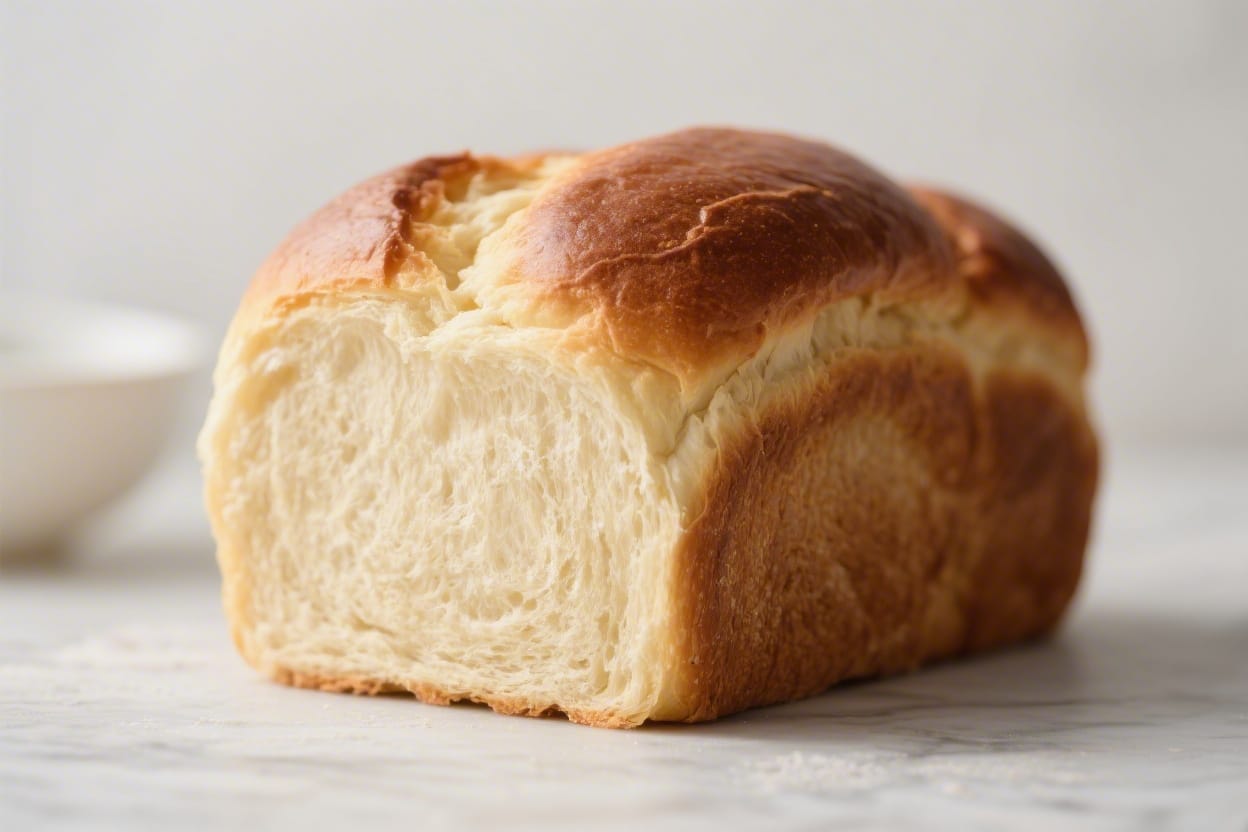
Fluffy brioche bread loaf recipe – This version is straightforward and beginner-friendly, but it still delivers that classic brioche te
- Mix the dry ingredients. In the bowl of a stand mixer fitted with a dough hook, combine flour, sugar, yeast, and salt. Keep the salt and yeast on opposite sides of the bowl at first so the salt doesn’t inhibit the yeast.
- Combine wet ingredients. In a separate bowl or measuring cup, whisk eggs, lukewarm milk, and vanilla.
- Form the dough. With the mixer on low, pour the egg mixture into the dry ingredients. Mix until a shaggy dough forms, scraping down the bowl as needed. Increase to medium speed and knead for 4–5 minutes until the dough looks smoother and starts to pull from the sides.
- Add the butter slowly. With the mixer on medium-low, add the softened butter 1 tablespoon at a time, letting each piece incorporate before adding the next. This can take 6–8 minutes. The dough will look greasy and messy at first, then come together into a shiny, elastic ball.
- Knead to windowpane. Continue mixing for 3–5 more minutes, or until the dough is very smooth and stretchy. It should pass a windowpane test—you can stretch a small piece thin enough to see light through without tearing.
- First rise. Shape the dough into a ball, place it in a lightly greased bowl, cover, and let it rise at warm room temperature until puffed and about doubled, 1–2 hours depending on your kitchen.
- Chill for flavor and handling. Gently deflate, cover tightly, and refrigerate for at least 4 hours or up to 16 hours. The dough will firm up and be easier to shape.
- Shape the loaf. Lightly flour your counter. Turn out the chilled dough and divide it into 3 or 4 equal pieces. Shape each into a tight ball or short log. Arrange them side by side in a greased 9×5-inch (23×13 cm) loaf pan. This creates a pretty domed top and helps even baking.
- Second rise. Cover loosely and let rise at warm room temperature until the dough crowns about 1 inch over the rim of the pan and looks very puffy, 60–90 minutes. If you gently press the dough, the indentation should spring back slowly but not completely.
- Preheat and egg wash. Preheat the oven to 350°F (175°C). Brush the top of the loaf with egg wash for shine. For extra tenderness, place a small oven-safe dish with hot water on the lower rack to create light steam.
- Bake. Bake for 30–35 minutes, tenting loosely with foil if the top browns too quickly. The loaf is done when the top is deep golden, it sounds hollow when tapped, and an instant-read thermometer reads 190–195°F (88–90°C) in the center.
- Cool. Let the brioche cool in the pan for 10 minutes, then remove and cool completely on a wire rack before slicing. This sets the crumb and keeps it from squishing.
Storage Instructions
- Room temperature: Wrap tightly or store in an airtight container for up to 3 days. Avoid the fridge—it dries bread out.
- Freezer: Slice, wrap well, and freeze for up to 2 months. Toast straight from frozen or let it thaw at room temp.
- Refresh: If the crust softens, warm slices in a 300°F (150°C) oven for 5–7 minutes to revive texture.
Why This is Good for You
- Comfort and satisfaction: A little goes a long way. Brioche is rich, which helps you feel satisfied with a modest slice.
- Protein from eggs: Eggs add protein and micronutrients like choline and B vitamins.
- Mindful ingredients: Making it at home lets you skip additives and control sugar and salt.
- Versatile base: Pairs well with nutrient-dense toppings like fruit, nut butter, or a savory egg.
Pitfalls to Watch Out For
- Butter too cold or too firm: It won’t incorporate smoothly. Use very soft butter for a silky dough.
- Under-kneading: If the dough doesn’t reach windowpane, the loaf may be dense and tear easily.
- Over-proofing: If it rises too far, it can collapse or mushroom. Aim for just over the rim and the slow spring-back test.
- Too much flour: The dough should be soft and slightly tacky. Resist adding lots of extra flour during mixing.
- Slicing too soon: Cutting while hot compresses the crumb. Let it cool for a clean slice.
Variations You Can Try
- Chocolate chip brioche: Gently knead in 3/4 cup mini chocolate chips after the chill.
- Cinnamon-sugar swirl: Roll the chilled dough into a rectangle, brush with softened butter, sprinkle with cinnamon sugar, roll up, and place seam-side down in the pan.
- Lemon or orange zest: Add 1–2 teaspoons of zest with the eggs for a bright aroma.
- Sesame or poppy seed top: Sprinkle seeds on the egg wash before baking for a nutty touch.
- Savory brioche: Reduce sugar to 2 tablespoons and add 1/2 cup grated cheese and a pinch of black pepper.
FAQ
Can I make brioche without a stand mixer?
Yes, but it’s a workout. Mix with a sturdy spatula, then knead by hand for 15–20 minutes, slapping the dough against the counter. Add the butter a little at a time and keep going until the dough is glossy and stretchy.
What if I only have active dry yeast?
Bloom it in the lukewarm milk with a pinch of sugar for 5–10 minutes until foamy, then proceed. You may need a few extra minutes on the first rise.
How do I know I added enough butter?
The dough will look greasy, then suddenly turn smooth and elastic. It should clean the sides of the bowl and stretch thin without tearing. If it stays oily and ragged, keep mixing—incorporation just takes time.
Why is my brioche dense?
Common reasons are under-kneading, adding too much flour, or cutting the proof short. Ensure you reach windowpane, keep the dough soft, and wait for a proper rise each time.
Can I bake this as rolls instead of a loaf?
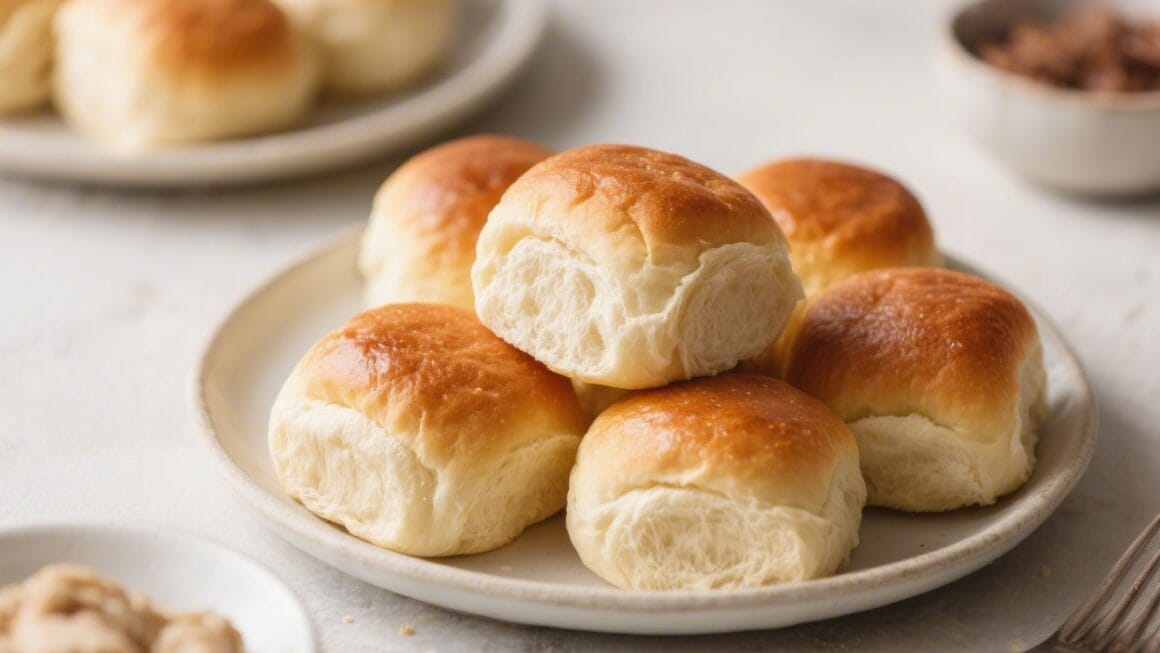
Absolutely. Divide into 12 equal pieces, shape into tight balls, place in a 9×13-inch pan, proof until puffy, then bake at 350°F (175°C) for 18–22 minutes.
How can I use leftover brioche?
It’s ideal for French toast, bread pudding, or savory strata. Slightly stale brioche soaks custard beautifully without falling apart.
Is there a dairy-free version?
Use a rich plant milk and a dairy-free butter with a similar fat content. Texture may be slightly different, but it still turns out soft and flavorful.
What size pan should I use?
A standard 9×5-inch loaf pan works best. An 8.5×4.5-inch pan also works, but the dome may be higher and baking time may vary by a few minutes.
In Conclusion
This fluffy brioche bread loaf is everything you want in an enriched bread: pillowy, buttery, and beautifully golden. With a steady mixing routine, a patient chill, and careful proofing, it’s surprisingly simple to master. Serve it warm with butter, toast it for breakfast, or turn it into the best French toast you’ve ever had. Once you bake it, you’ll keep this recipe close—and probably never buy brioche again.
Printable Recipe Card
Want just the essential recipe details without scrolling through the article? Get our printable recipe card with just the ingredients and instructions.