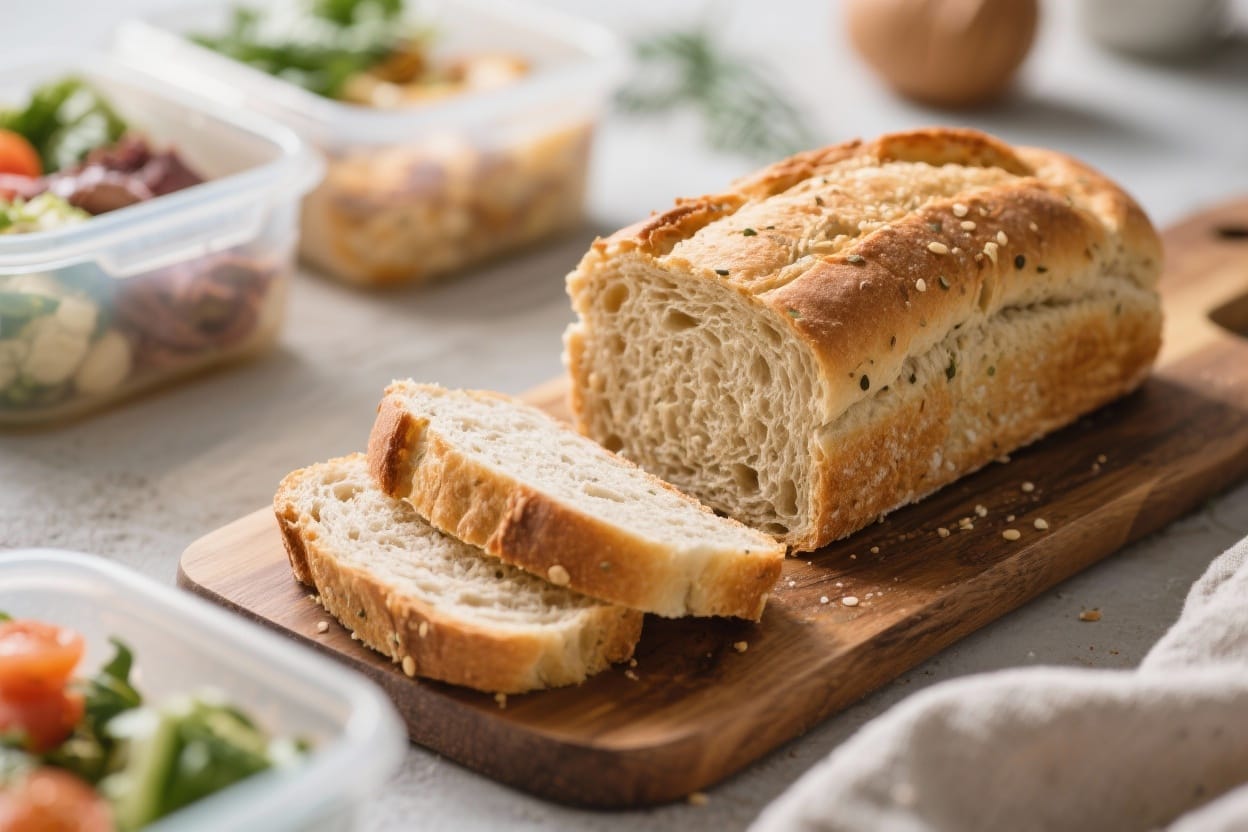
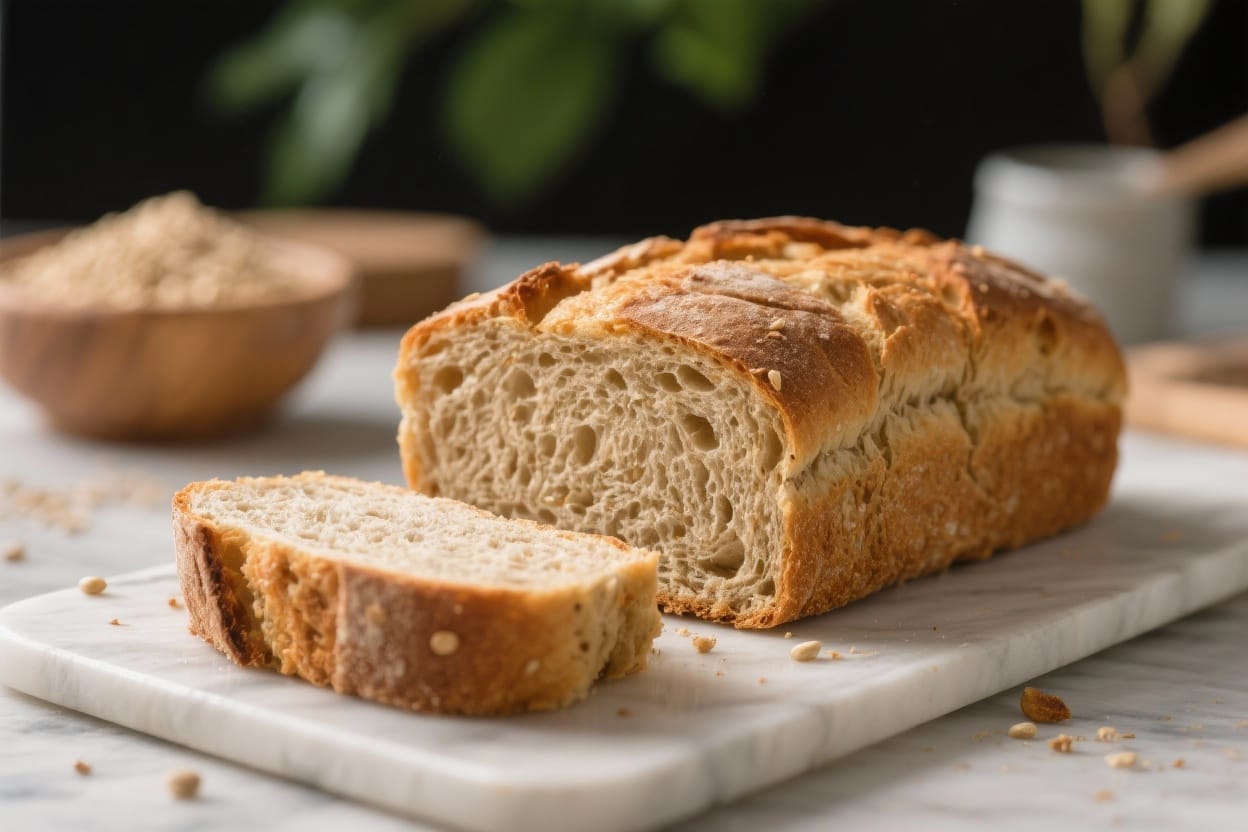
Gluten Free Dough Multiple Recipes – Easy, Flexible, and Delicious
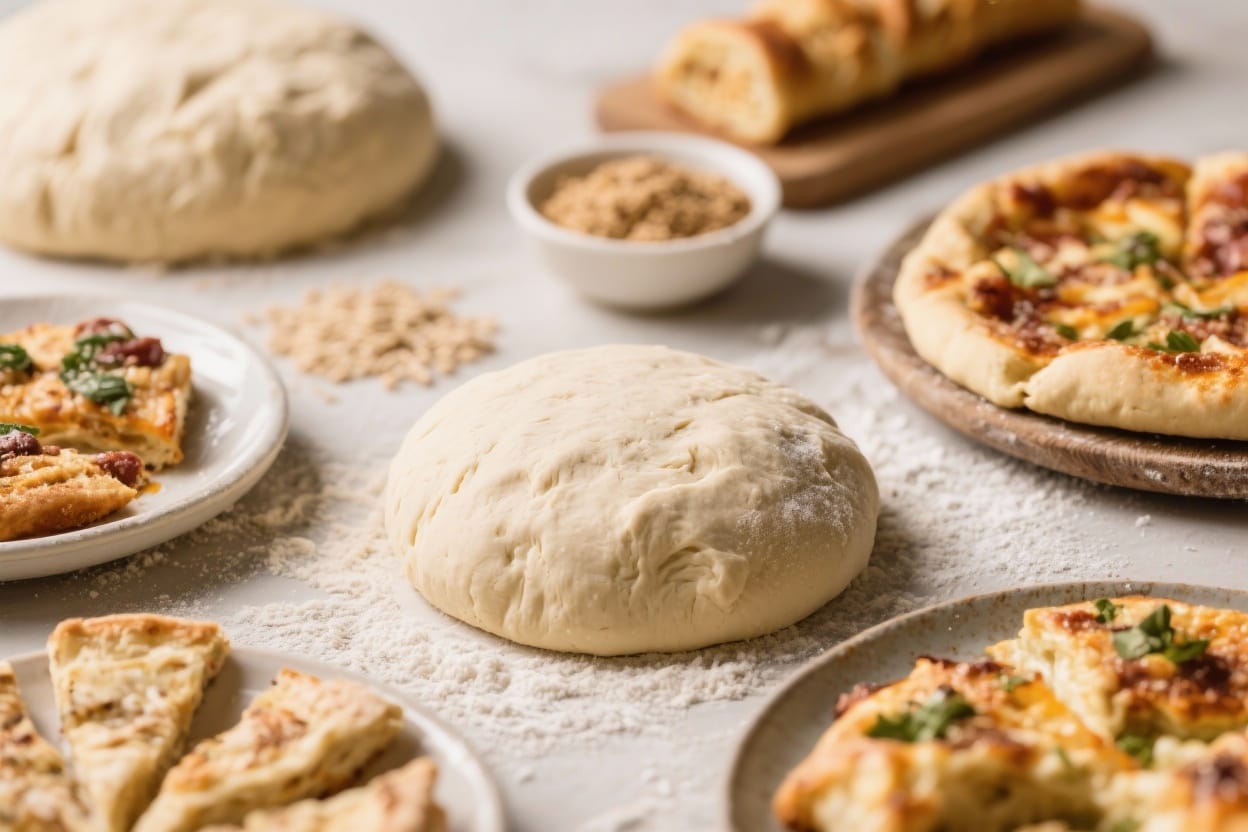
Gluten free baking doesn’t have to be fussy or frustrating. With the right blend of flours and a few smart tricks, you can make dough that’s soft, stretchy, and easy to shape. This guide gives you a base dough plus three simple variations: pizza, flatbread, and cinnamon rolls. You’ll also learn how to swap ingredients, store dough, and avoid common mistakes. If you’re new to gluten free baking, this is a friendly place to start.
Why This Recipe Works
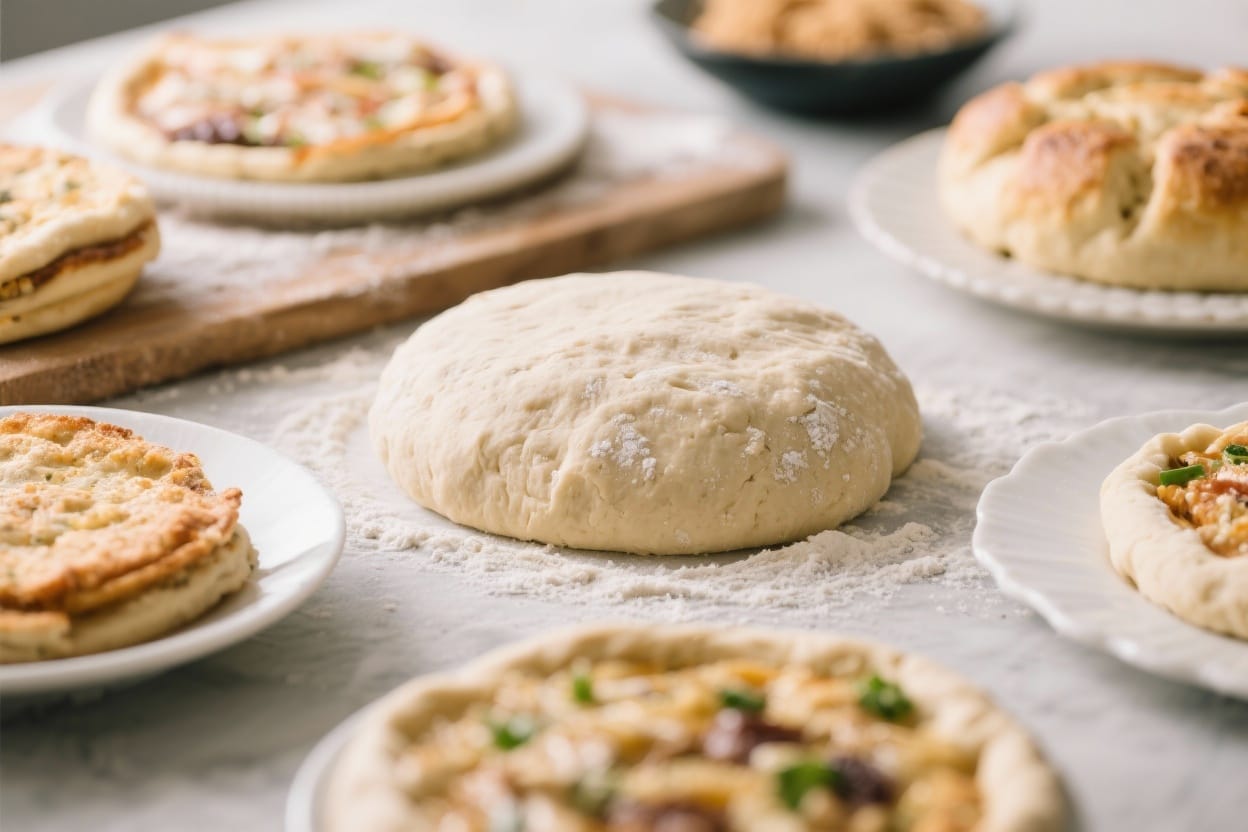
Gluten free dough multiple recipes – Gluten Free Dough Multiple Recipes – Easy, Flexible, and Delicious Gluten free baking doesn’t have t
- Balanced flour blend: A mix of rice flour, starches, and a little almond or oat flour mimics wheat’s tenderness and structure.
- Hydration matters: Gluten free doughs need more water. The higher hydration keeps the dough soft and prevents crumbly results.
- Binders for structure: Psyllium husk or xanthan gum gives stretch and keeps baked goods from falling apart.
- Rest time: A short rest lets the flours hydrate, making the dough easier to shape and improving texture.
- One base, many uses: The master dough adapts easily to savory and sweet recipes with small tweaks.
Ingredients
Master Gluten Free Dough (Makes 2 medium pizzas or 8 flatbreads)
- 2 cups gluten free all-purpose flour blend (with no added gum)
- 1/2 cup tapioca starch or potato starch
- 2 tablespoons finely ground psyllium husk (or 1 1/2 teaspoons xanthan gum)
- 2 teaspoons baking powder (aluminum-free)
- 1 teaspoon fine sea salt
- 1 tablespoon sugar or honey
- 1 packet (2 1/4 teaspoons) instant yeast (optional for rise and flavor)
- 1 1/4 to 1 1/2 cups warm water (about 105–115°F), as needed
- 2 tablespoons olive oil (or melted butter for richer dough)
- 1 large egg, room temperature (optional; for Beginner Gluten Free Bread, see notes below)
For Pizza Dough
- 1 additional tablespoon olive oil
- 1/2 teaspoon dried oregano or Italian seasoning (optional)
For Flatbread
- 1 additional tablespoon olive oil
- 1/4 cup plain yogurt or dairy-free yogurt
For Cinnamon Roll Dough
- 2 tablespoons sugar (added to the master dough)
- 1 teaspoon vanilla extract
- Filling: 1/2 cup brown sugar, 1 tablespoon cinnamon, 4 tablespoons softened butter (or dairy-free)
- Glaze: 1 cup powdered sugar, 2–3 tablespoons milk or dairy-free milk, 1/2 teaspoon vanilla
Vegan Option Notes
- Replace egg with 2 tablespoons ground flaxseed mixed with 5 tablespoons warm water (rest 10 minutes).
- Use olive oil and dairy-free yogurt/milk where noted.
Instructions
- Mix the dry ingredients: In a large bowl, whisk flour blend, starch, psyllium (or xanthan), baking powder, salt, sugar, and yeast (if using).
- Add wet ingredients: Stir in olive oil and egg (or flax egg). Add 1 1/4 cups warm water, mixing with a spatula until a soft, tacky dough forms. If dry, add more water 1 tablespoon at a time. The dough should be slightly sticky, not crumbly.
- Rest the dough: Cover and let sit for 10–15 minutes. This hydrates the flours and makes shaping easier. If using yeast, a 30–45 minute rise adds flavor.
- Choose your path: For pizza, proceed to step 5. For flatbread, go to step 6. For cinnamon rolls, go to step 7.
- Pizza: Heat oven to 475°F (245°C) with a pizza stone or inverted sheet inside. Mix in extra oil and herbs. Divide dough in two. On parchment, lightly oiled or dusted with starch, press dough into 10–11 inch rounds. Par-bake on the hot stone/sheet for 6–8 minutes. Add toppings and bake 8–10 minutes more until edges are golden.
- Flatbread: Mix yogurt and extra oil into the dough. Divide into 8 balls. Heat a cast-iron or nonstick pan over medium. Working with one piece at a time, roll or press into 1/4-inch ovals (dust with starch if needed). Cook 2–3 minutes per side until blistered and lightly charred. Brush with olive oil and a pinch of salt.
- Cinnamon rolls: Add sugar and vanilla to the dough. Turn onto a large sheet of parchment dusted with starch. Pat into a 10×14-inch rectangle. Spread softened butter, then sprinkle brown sugar and cinnamon. Use the parchment to help roll into a log from the long side. Slice into 9–10 pieces with a sharp knife or floss. Arrange in a greased 8- or 9-inch pan, leaving slight gaps. Cover and proof 30–45 minutes (warm spot). Bake at 350°F (175°C) for 22–28 minutes until lightly golden. Whisk glaze ingredients and drizzle over warm rolls.
- Taste and adjust: Gluten free dough benefits from seasoning. Finish pizza with a pinch of salt and olive oil. Flatbreads love garlic butter or za’atar. Cinnamon rolls shine with a little extra vanilla in the glaze.
Storage Instructions
- Refrigerator: Wrap unused dough tightly and chill up to 48 hours. Let it warm 20–30 minutes before shaping.
- Freezer (dough): Portion and wrap dough balls. Freeze up to 2 months. Thaw overnight in the fridge, then bring to room temp before using.
- Freezer (baked): Par-baked pizza crusts and cooked flatbreads freeze well for 2 months. Reheat at 425°F (220°C) until warmed and crisp.
- Cinnamon rolls: Bake, cool, then freeze unfrosted. Reheat, then glaze.
Why This is Good for You
- Gluten free without compromise: Enjoy bread-like textures while supporting gluten sensitivity or celiac needs.
- Customizable ingredients: You control the oils, sugars, and toppings. It’s easy to make lighter or richer versions.
- Better digestion for many: Psyllium adds fiber, which can support gut health and steady energy.
- Whole-food options: You can blend in sorghum, oat, or almond flour for extra nutrients and flavor.
What Not to Do
- Don’t under-hydrate: A dry gluten free dough bakes up dense and crumbly. Aim for slightly sticky.
- Don’t skip the rest: Hydration time is crucial for smooth shaping and a better crumb.
- Don’t overbake: Gluten free dough dries out faster. Watch for light golden edges and set centers.
- Don’t swap binders 1:1 blindly: Psyllium and xanthan behave differently. Psyllium gives chew; xanthan gives more snap. Adjust slowly.
- Don’t expect a wheat-like knead: There’s no gluten to develop. Gentle mixing is enough.
Variations You Can Try
- Herb and garlic flatbread: Add 1 teaspoon garlic powder and 1 tablespoon chopped herbs to the dough. Finish with olive oil and flaky salt.
- Cheesy pizza crust: Mix 1/3 cup grated Parmesan into the dough for extra flavor and crispness.
- Whole-grain boost: Swap 1/2 cup of the flour blend with sorghum or oat flour for nuttier taste.
- Dairy-free cinnamon rolls: Use coconut oil or vegan butter and a plant milk glaze. Add orange zest for brightness.
- Stuffed flatbreads: Fill with mashed spiced potatoes, sautéed spinach, or cheese. Seal and cook as directed.
- Focaccia style: Spread dough on an oiled pan, dimple with fingers, drizzle olive oil, and top with rosemary and salt. Bake at 425°F (220°C) until golden.
FAQ
Can I use a store-bought gluten free flour blend?
Yes. Choose a blend without added gums if you’re using psyllium or xanthan here. If your blend already has xanthan gum, reduce or omit the binder in the recipe to avoid a gummy texture.
Do I need yeast?
No. Yeast adds flavor and lift, especially for pizza and rolls, but flatbreads do well without it. If skipping yeast, keep the baking powder and follow the rest times for hydration.
Why is my dough so sticky?
Gluten free dough should be tacky. If it’s too wet to handle, lightly oil your hands or use a dusting of starch. Add only small amounts of extra flour—too much will make it dry and dense.
Can I make this dough without eggs?
Yes. Use the flax egg option. The texture will be slightly softer but still holds together well thanks to psyllium or xanthan.
How do I get a crisper pizza crust?
Preheat a stone or heavy sheet pan, par-bake the crust, and use a higher oven temperature. A light brush of olive oil around the edges also helps browning.
Why use psyllium husk instead of xanthan gum?
Psyllium adds elasticity and moisture, giving a more bread-like chew. Xanthan works too, but can be a bit more brittle. Many bakers prefer psyllium for rolls and pizza.
Can I make the dough ahead?
Yes. Refrigerate up to 48 hours. The flavor improves with time, especially if using yeast. Let it warm slightly before shaping.
What if I don’t have tapioca starch?
Use potato starch or cornstarch. Tapioca gives the best stretch, but the others still make a good dough. Avoid swapping with potato flour (it’s different from potato starch).
Wrapping Up
This gluten free dough is flexible, forgiving, and easy to adapt. With one base, you get great pizza, soft flatbreads, and tender cinnamon rolls. Keep the dough hydrated, let it rest, and don’t stress about perfection. Once you get a feel for the texture, you’ll make bakery-quality gluten free bakes at home any night of the week.
Printable Recipe Card
Want just the essential recipe details without scrolling through the article? Get our printable recipe card with just the ingredients and instructions.