Gluten Free Pizza Recipe – Crispy, Chewy, and Easy to Make at Home
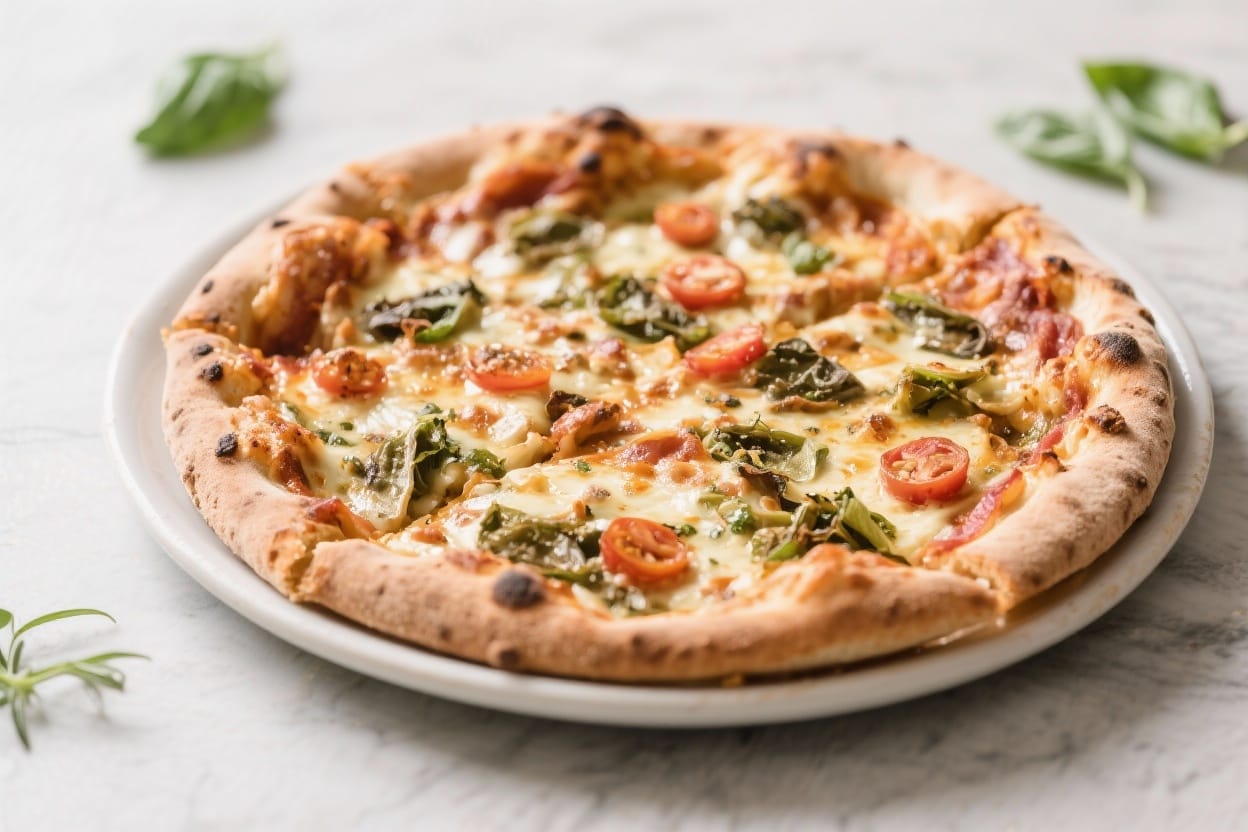
If you’ve been missing pizza night because of gluten, this recipe brings it back in the best way. The crust is crisp on the outside, soft and chewy inside, and sturdy enough to hold your favorite toppings. You don’t need fancy equipment or rare ingredients—just a bowl, a pan, and a few pantry staples. This version is beginner-friendly and works with dairy or without. Whether you’re feeding a crowd or baking for one, this gluten free pizza hits the spot.
Why This Recipe Works
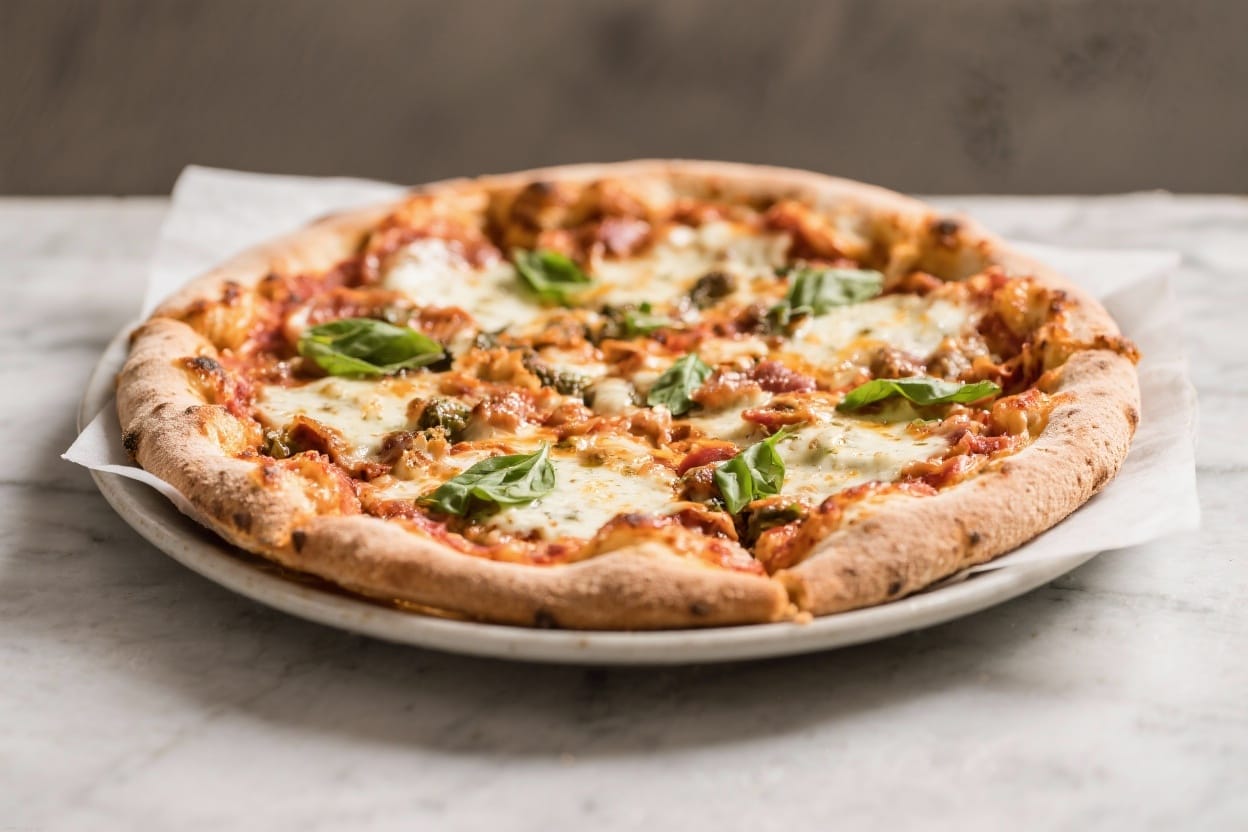
Gluten free pizza recipe – Gluten Free Pizza Recipe – Crispy, Chewy, and Easy to Make at Home If you’ve been missing pizza nigh
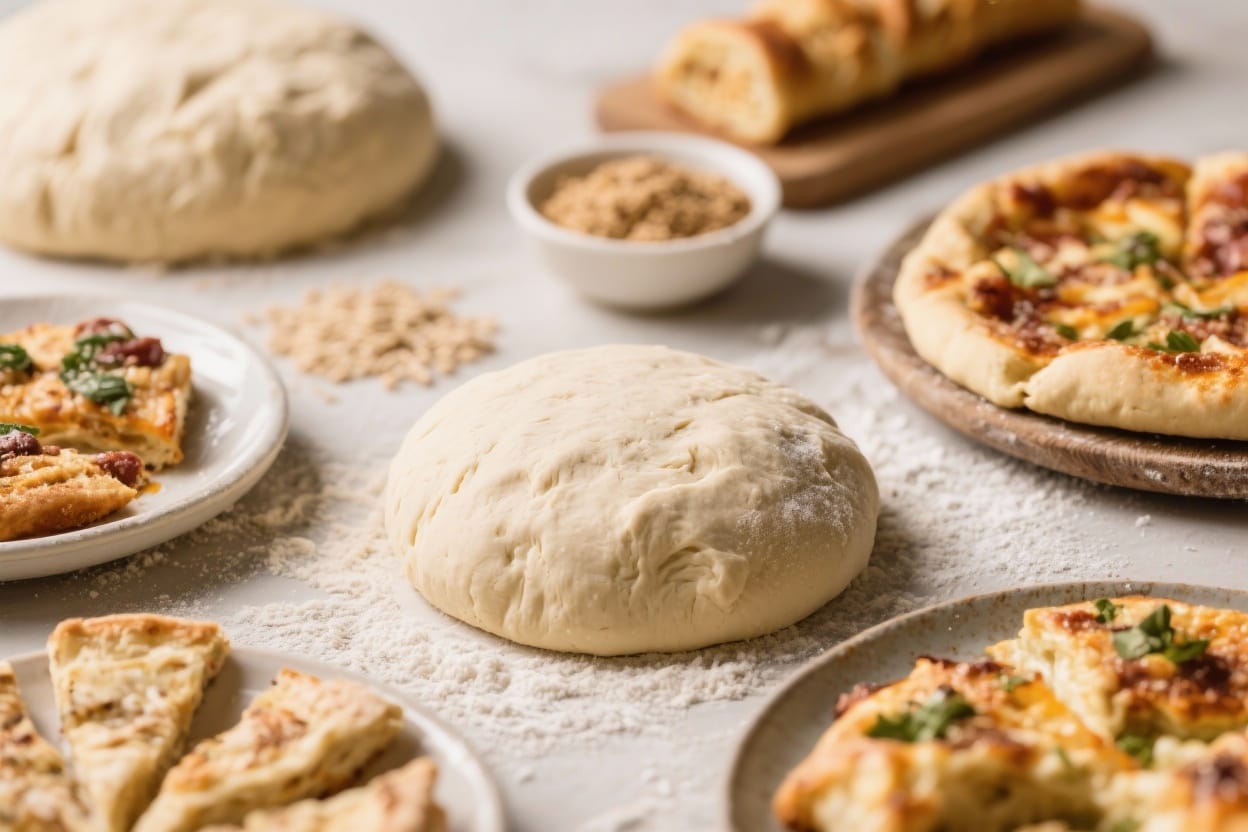
This dough balances moisture and structure, which is key for gluten free baking. A blend of flours gives body and chew, while a touch of starch makes the crust crisp. Yeast adds lift and flavor you can’t get from baking powder alone. A short rest lets the dough hydrate, so it spreads easily and bakes evenly. Finally, a hot pan and a preheated oven deliver that classic pizzeria texture.
Ingredients
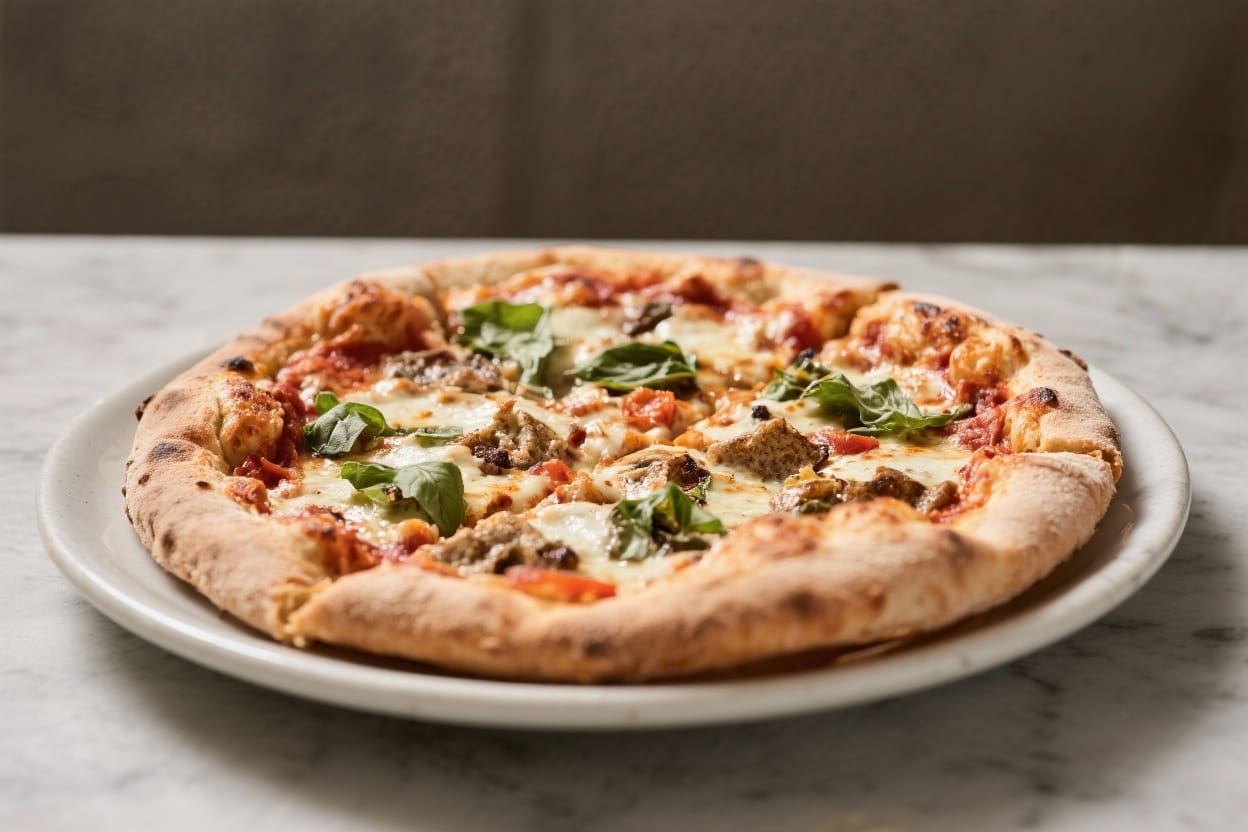
Gluten free pizza recipe – The crust is crisp on the outside, soft and chewy inside, and sturdy enough to hold your favorite to
- 1 1/2 cups (210 g) gluten free all-purpose flour blend (with xanthan gum; if your blend doesn’t include it, add 3/4 teaspoon xanthan gum)
- 1/2 cup (70 g) fine white rice flour (for better chew and structure)
- 1/3 cup (40 g) tapioca starch (or arrowroot)
- 2 teaspoons instant yeast (or 2 1/4 teaspoons active dry)
- 1 teaspoon sugar (or honey, to feed the yeast)
- 1 teaspoon fine sea salt
- 1 teaspoon baking powder (helps early rise and browning)
- 1 cup (240 ml) warm water (about 105–115°F; warm, not hot)
- 2 tablespoons olive oil (plus more for pan and brushing)
- 1 teaspoon apple cider vinegar (adds tenderness)
- 1/2 cup pizza sauce (or crushed tomatoes seasoned to taste)
- 1 1/2 cups shredded mozzarella (or dairy-free cheese)
- Your favorite toppings: pepperoni, mushrooms, peppers, onions, olives, basil, etc.
Note: If you prefer a simpler flour setup, use 2 cups of a high-quality gluten free all-purpose blend with xanthan gum and skip the rice flour and starch. The texture will be slightly less chewy but still excellent.
Instructions
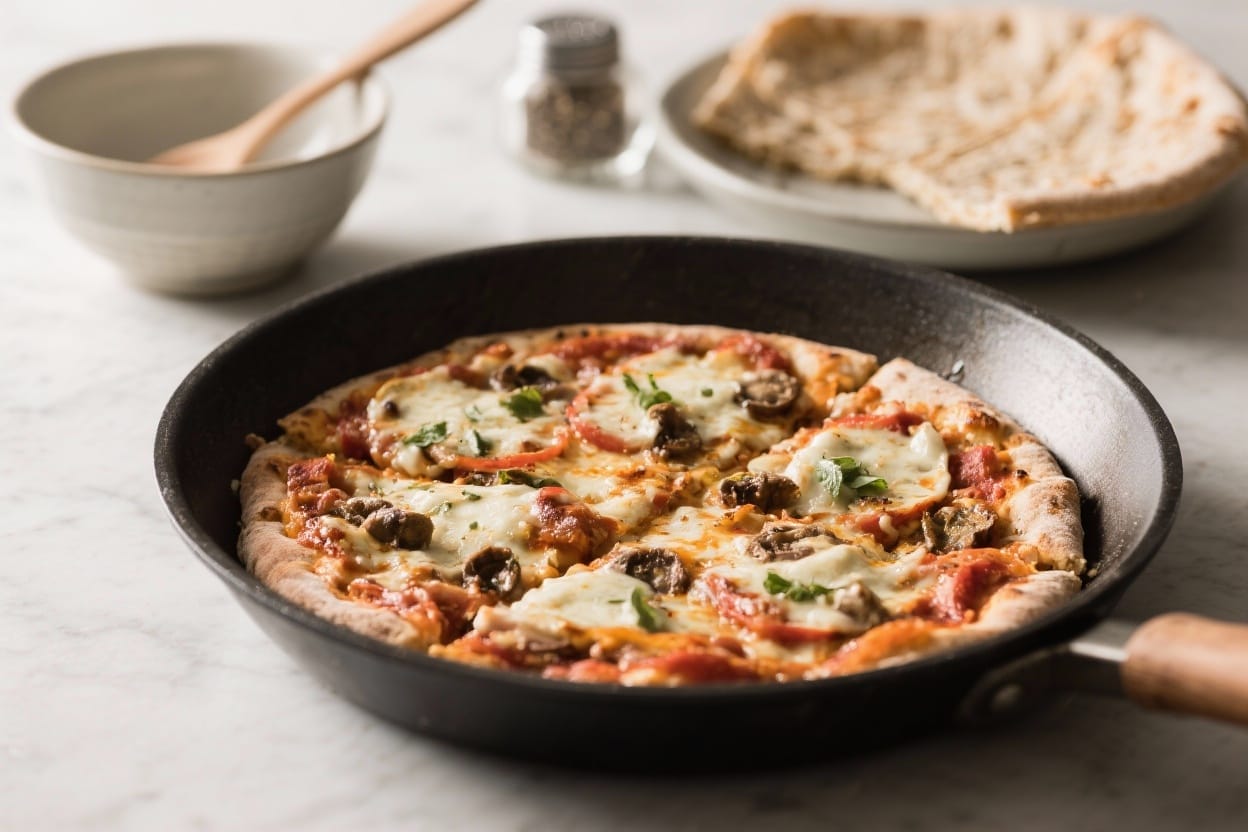
Gluten free pizza recipe – You don’t need fancy equipment or rare ingredients—just a bowl, a pan, and a few pantry staples
- Preheat the oven and pan. Place a pizza stone or an upside-down baking sheet on the middle rack. Heat to 475°F (245°C) for at least 25 minutes. A hot surface gives you a crisp bottom.
- Mix dry ingredients. In a large bowl, whisk the all-purpose blend, rice flour, tapioca starch, yeast, sugar, salt, and baking powder until combined. Breaking up clumps now prevents a gritty crust.
- Add wet ingredients. Pour in warm water, olive oil, and vinegar. Mix with a spatula or wooden spoon until a thick, sticky dough forms. It should resemble soft cookie dough, not a kneadable ball.
- Rest the dough. Cover the bowl and let it sit for 20–30 minutes at room temperature. This hydrates the flours and lets the yeast start working. The dough will puff slightly.
- Prepare the pan. Tear off a sheet of parchment paper. Lightly oil it, then dust with a little rice flour or cornmeal. This prevents sticking and helps with transfer.
- Shape the crust. Scrape the dough onto the parchment. With oiled hands or a silicone spatula, press it into a round 11–12 inches wide, about 1/4 inch thick. Build a slightly thicker edge for a classic crust.
- Par-bake. Slide the parchment and dough onto the preheated stone or sheet. Bake for 8–10 minutes, until the top looks dry and the edges are just turning golden. This keeps the crust sturdy under toppings.
- Add toppings. Remove the crust. Brush the edge with olive oil. Spread sauce lightly—don’t overdo it—then add cheese and toppings in a thin, even layer.
- Finish baking. Return the pizza to the oven and bake 8–12 minutes more, until the cheese is melted and the crust is deep golden underneath. For extra color, broil for 1–2 minutes at the end, watching closely.
- Cool and slice. Let the pizza rest for 3–5 minutes before slicing. This helps the cheese set and keeps the crust crispy.
How to Store
- Leftovers: Cool completely, then refrigerate slices in an airtight container for up to 3 days.
- Reheat: Use a skillet over medium heat with a lid for 3–5 minutes, or bake at 400°F (205°C) for 8–10 minutes. Avoid the microwave if you want crispness.
- Freeze: Par-bake crusts for 8–10 minutes, cool, then wrap well and freeze for up to 2 months. Top and bake straight from frozen, adding 3–5 minutes to the time.
Why This is Good for You
This recipe is naturally gluten free, so it’s a safe option for people with celiac disease or gluten sensitivity. Compared to many store-bought gluten free pizzas, it has fewer additives and no mystery gums beyond what’s in your flour blend. You control the toppings, so you can load up on vegetables, lean proteins, and lighter cheese if you prefer. The homemade crust uses olive oil, which adds healthy fats and great flavor.
What Not to Do
- Don’t skip the rest. Hydration time transforms gritty dough into a smooth, workable base.
- Don’t over-sauce. Too much moisture leads to a soggy crust. Use a thin, even layer.
- Don’t shape too thick. Gluten free dough needs heat to penetrate. A thinner crust bakes crisp and chewy.
- Don’t bake on a cold pan. You’ll miss the char and end up with a pale, soft bottom.
- Don’t expect a kneadable dough. It should be sticky. Oil your hands and press it into shape.
Alternatives
- Yeast-free: Skip the yeast and vinegar. Increase baking powder to 2 teaspoons and add 1 extra tablespoon olive oil. The crust won’t have the same flavor but will be tender and quick.
- Dairy-free: Use olive oil as directed and top with dairy-free mozzarella or a sprinkle of nutritional yeast. Check that your flour blend is dairy-free.
- Whole grain twist: Swap 1/4 cup of the rice flour for sorghum or buckwheat flour for deeper flavor and more fiber.
- Cauliflower base: If you want lower carbs, use a riced cauliflower crust recipe instead of this dough. Bake thoroughly to remove moisture.
- Herbed crust: Mix 1 teaspoon dried Italian herbs and 1/2 teaspoon garlic powder into the dry ingredients for extra flavor.
- Cast-iron method: Press the dough into a well-oiled 10-inch cast-iron skillet. Par-bake 6–8 minutes on the stovetop over medium heat, then finish in the oven.
FAQ
Can I use only a store-bought gluten free flour blend?
Yes. Use 2 cups of a quality all-purpose gluten free blend that includes xanthan gum. If it doesn’t, add 3/4 teaspoon xanthan gum. The crust will be slightly less chewy but still tasty.
What if I don’t have a pizza stone?
Use an upside-down baking sheet preheated with the oven. It holds heat well and gives similar results. A cast-iron skillet also works and makes the bottom extra crisp.
Why is my crust gummy?
It’s usually from too much moisture or not enough bake time. Make sure you par-bake the crust, use a light hand with sauce, and bake until the bottom is deep golden. Let it rest a few minutes before slicing.
Can I make the dough ahead?
Yes. Mix the dough and refrigerate for up to 24 hours. Let it sit at room temperature for 20–30 minutes before shaping. The flavor improves with a slow rest.
Is xanthan gum necessary?
It helps mimic gluten’s stretch and structure. If your blend doesn’t include it and you skip it, the crust may be crumbly. You can substitute 1 teaspoon psyllium husk powder instead, which adds flexibility.
How do I prevent sticking?
Use parchment paper and a light coating of oil. Dusting with a little rice flour or cornmeal also helps. Avoid aluminum foil—it tends to fuse to the crust.
What toppings work best?
Keep toppings thin and moisture-light: pepperoni, sautéed mushrooms, bell peppers, onions, olives, spinach, or fresh basil. If using watery vegetables like zucchini, slice thin and pat dry first.
Can I make mini pizzas?
Absolutely. Divide the dough into two or four portions and shape smaller rounds. Reduce bake time by 2–3 minutes for each stage and watch for golden edges.
Final Thoughts
Good gluten free pizza is all about technique and balance, not complicated ingredients. With a short rest, a hot pan, and a quick par-bake, you’ll get a crust that’s crisp, chewy, and ready for your favorite toppings. Make it your weekly ritual or freeze a few crusts for busy nights. Once you try this method, gluten free pizza night won’t feel like a compromise—it’ll be something you look forward to.
Printable Recipe Card
Want just the essential recipe details without scrolling through the article? Get our printable recipe card with just the ingredients and instructions.