Herb Flatbread Recipe – Simple, Soft, and Full of Flavor
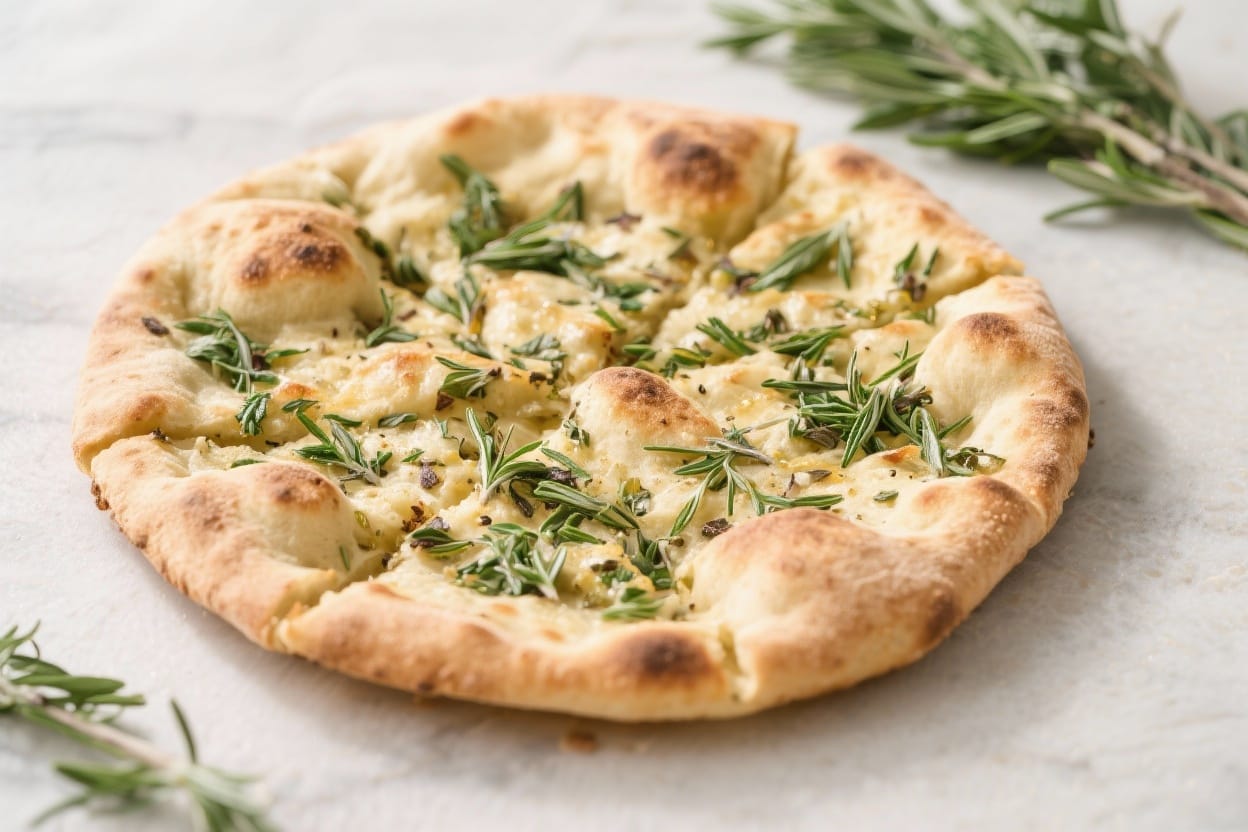
Soft, warm flatbread with a fragrant mix of herbs is one of those small kitchen wins that makes any meal feel special. This herb flatbread recipe is quick, flexible, and easy enough for a weeknight. You don’t need a mixer, a pizza stone, or a long rise. Just a bowl, a pan, and a few fresh or dried herbs. Serve it with soup, salad, grilled meats, or as a base for quick pizzas. Once you try it, you’ll want to keep the dough in your regular rotation.
Why This Recipe Works
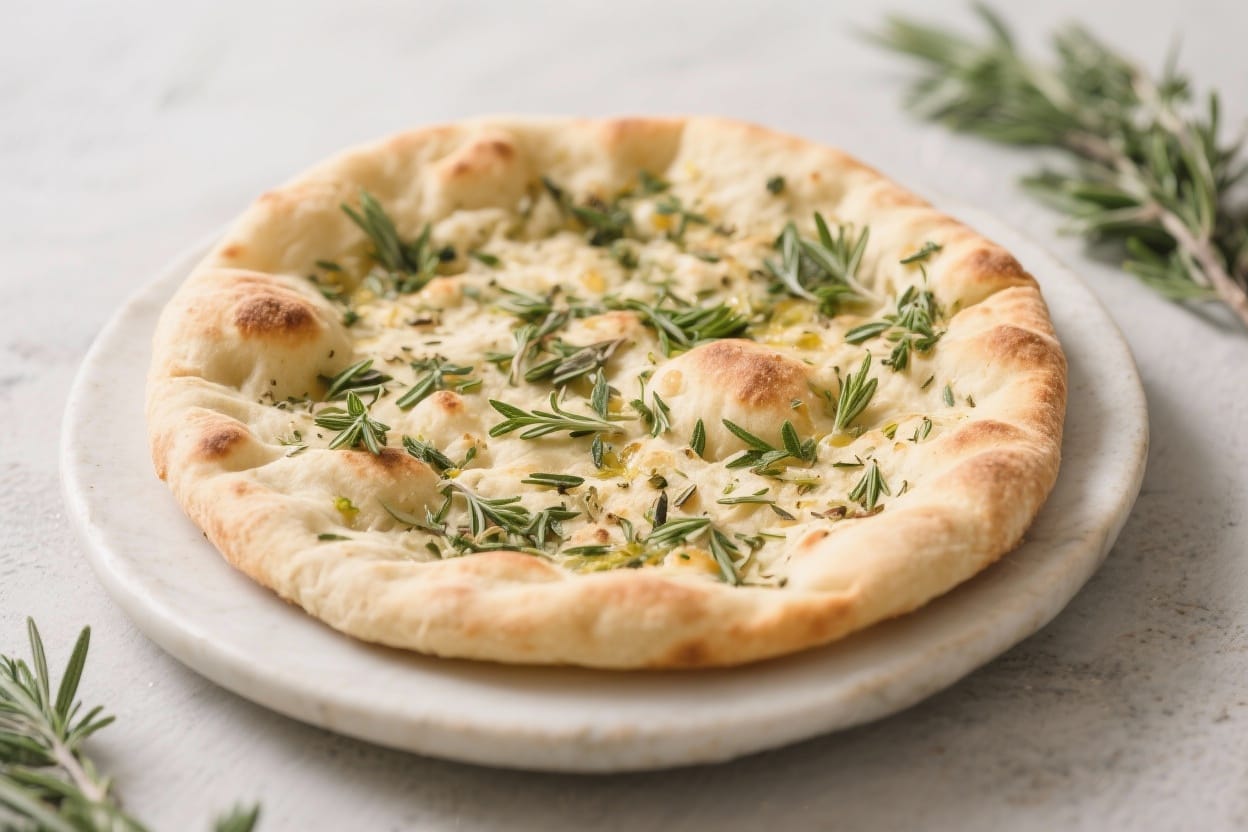
Herb flatbread recipe – Herb Flatbread Recipe – Simple, Soft, and Full of Flavor Soft, warm flatbread with a fragrant mix of
This dough uses a blend of all-purpose flour, yogurt, and olive oil for a soft, tender texture. Yogurt brings a slight tang and moisture, so the bread stays pliable and flavorful. The herbs are mixed right into the dough and added on top, which gives you layered flavor without extra fuss. Cooking the flatbreads on a hot skillet creates lovely blistering and char, the kind you usually get from restaurant ovens. It’s fast, forgiving, and easy to customize.
Ingredients
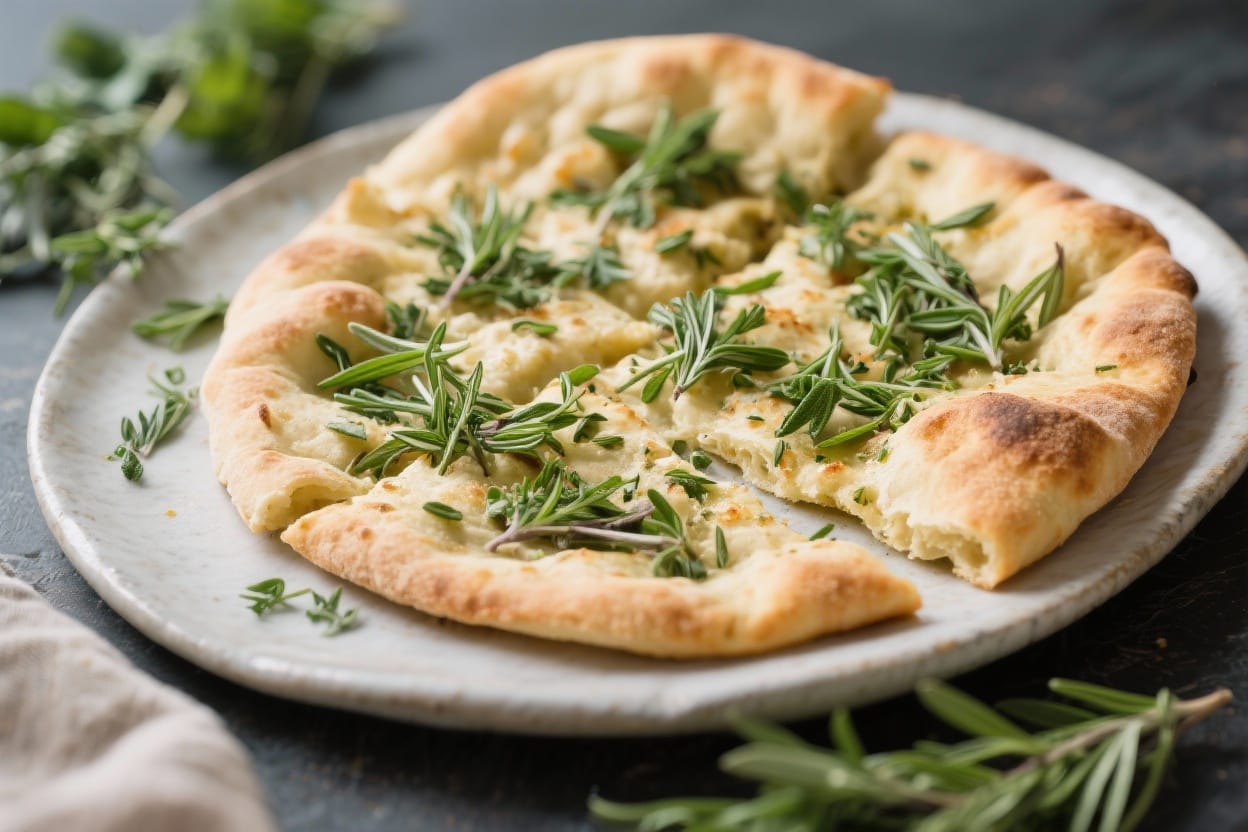
Herb flatbread recipe – This herb flatbread recipe is quick, flexible, and easy enough for a weeknight
- 2 cups (260 g) all-purpose flour, plus extra for dusting
- 1 1/2 teaspoons baking powder
- 1 teaspoon fine sea salt
- 1 tablespoon sugar(optional, helps browning)
- 2 tablespoons olive oil, plus more for brushing
- 3/4 cup (180 g) plain yogurt(Greek or regular)
- 1/3 cup warm water(plus 1–2 tablespoons more if needed)
- 2 tablespoons chopped fresh herbs(such as parsley, chives, dill, cilantro, or basil), or 2 teaspoons dried mixed herbs
- 1 garlic clove, grated or minced(optional)
- Flaky salt, for finishing
- Extra herbs or scallions, finely chopped, for topping (optional)
- Easy Flatbread No Yeast
Instructions
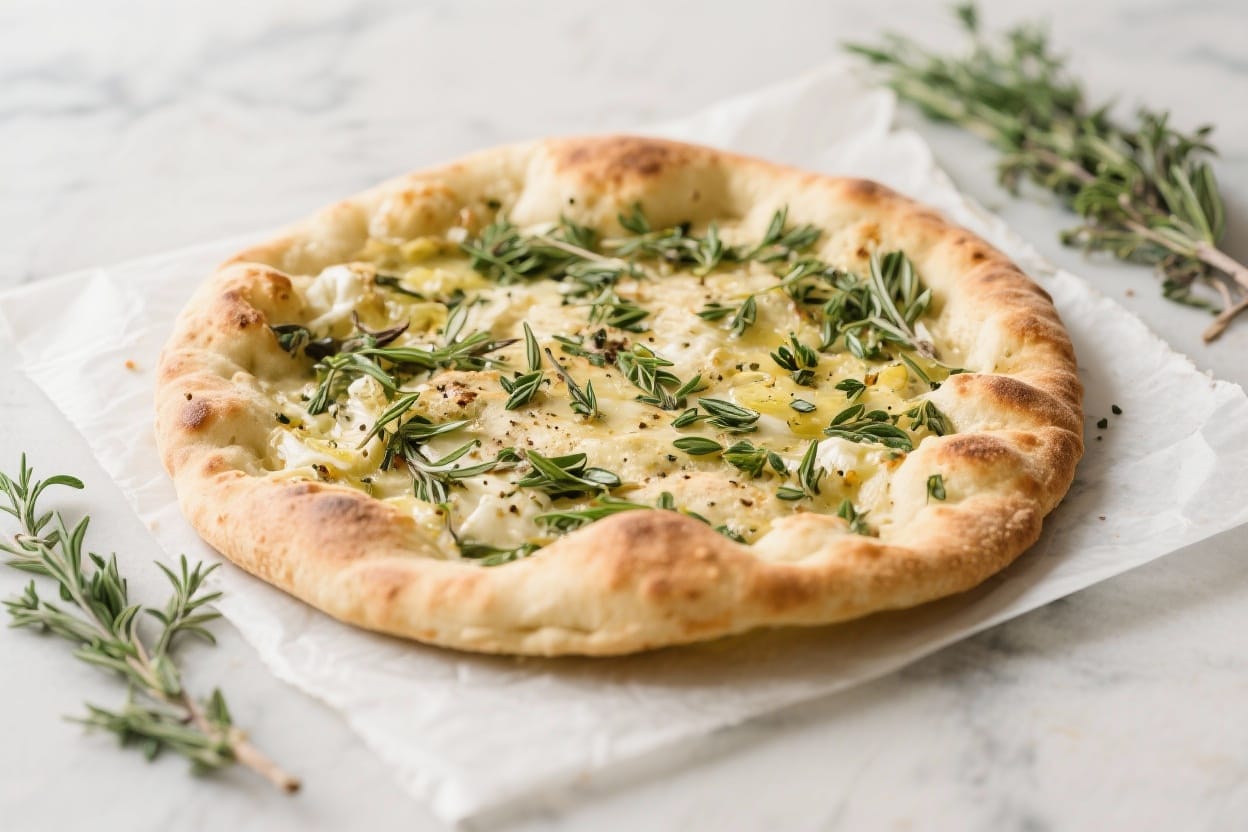
Herb flatbread recipe – You don’t need a mixer, a pizza stone, or a long rise
- Mix dry ingredients. In a large bowl, whisk together flour, baking powder, salt, and sugar. Stir in the chopped herbs to distribute evenly.
- Add wet ingredients. Make a well in the center. Add yogurt, olive oil, garlic (if using), and most of the warm water. Stir with a spoon until shaggy. If the dough seems dry, add the remaining water a tablespoon at a time.
- Knead briefly. Turn the dough onto a lightly floured surface. Knead for about 2 minutes until smooth and elastic. It should be soft but not sticky. If it sticks to your hands, dust with a little flour.
- Rest the dough. Return dough to the bowl, cover with a towel, and let it rest for 15–20 minutes. This relaxes the gluten, making it easier to roll out and helping it puff slightly when cooked.
- Divide and shape. Cut the dough into 6 equal pieces for small flatbreads or 4 for larger ones. Roll each piece into a ball. Keep them covered so they don’t dry out.
- Roll out. On a lightly floured surface, roll each ball into an oval or circle about 1/8 inch thick. Don’t worry about perfect shapes. Irregular edges add charm.
- Heat the pan. Place a heavy skillet or griddle over medium-high heat. Let it get hot—about 2 minutes. You want the surface to be properly heated so the bread blisters.
- Cook the flatbread. Lay one rolled piece onto the dry hot pan. Cook for 1–2 minutes until bubbles form and the underside has golden spots. Flip and cook another 1–2 minutes. Adjust heat if it’s browning too fast.
- Brush and finish. Remove to a plate. Brush lightly with olive oil while warm and sprinkle with flaky salt and extra herbs if you like. Repeat with remaining pieces.
- Serve warm. Stack the flatbreads in a clean towel to keep them soft and warm until serving.
How to Store
- Room temperature: Keep cooked flatbreads in an airtight bag or container for up to 24 hours. Reheat in a dry skillet for 30–60 seconds per side.
- Refrigerator: Store for up to 4 days. Wrap well to prevent drying. Reheat in a skillet or toaster oven until warm and pliable.
- Freezer: Cool completely, then stack with parchment between each piece. Freeze in a zip-top bag for up to 2 months. Reheat straight from frozen in a skillet or oven at 350°F (175°C) until hot.
- Dough storage: The dough can be wrapped and chilled for 24 hours. Bring to room temperature for 20–30 minutes before rolling out.
Why This is Good for You
Homemade flatbread lets you control the ingredients. There’s no hidden additives or excess sodium. Fresh herbs bring antioxidants and micronutrients, plus big flavor without heavy sauces. Olive oil adds heart-friendly fats, and yogurt contributes protein and calcium. Pair the bread with vegetables, lean proteins, or legumes to build a balanced meal.
Pitfalls to Watch Out For
- Dough too dry: If it cracks when you roll it, you need a touch more water. Add a teaspoon at a time and knead briefly.
- Pan not hot enough: Without enough heat, you won’t get those nice blisters. Preheat the skillet thoroughly and keep the heat at medium-high, adjusting as needed.
- Over-flouring the surface: Too much bench flour makes the bread dusty and tough. Use just enough to prevent sticking.
- Rolling too thick or too thin: Too thick and it can stay doughy inside; too thin and it dries out. Aim for about 1/8 inch.
- Skipping the rest: Resting relaxes the dough. If you skip it, rolling will be harder and texture less tender.
Alternatives
- Herb swaps: Use what you have. Try rosemary and thyme for a woodsy vibe, dill and chives for a fresh bite, or cilantro and basil for a brighter flavor. Dried Italian seasoning works in a pinch.
- Gluten-free: Use a 1:1 gluten-free flour blend that includes xanthan gum. Add an extra tablespoon of yogurt if the dough feels crumbly.
- Dairy-free: Replace yogurt with a thick dairy-free yogurt or use 3/4 cup warm water total. The texture will be slightly less tender but still tasty.
- Yeasted version: Swap baking powder for 1 teaspoon instant yeast. Add an extra 1–2 tablespoons water, knead, then rise for 45–60 minutes before shaping. You’ll get more chew and lift.
- Garlic butter finish: Melt butter with minced garlic and brush over the hot bread for a naan-like finish.
- Seeded crust: Sprinkle sesame, nigella, or poppy seeds on one side before cooking and press lightly so they stick.
- Stuffed flatbread: Enclose a thin layer of feta and herbs between two rounds, seal edges, and cook as directed.
FAQ
Can I make the dough ahead of time?
Yes. Wrap the dough tightly and refrigerate for up to 24 hours. Let it sit at room temperature for about 20–30 minutes before rolling so it’s easier to handle.
What if I don’t have yogurt?
Use more warm water and a splash of olive oil to replace the yogurt. Start with 3/4 cup water total and adjust until the dough is soft. The flavor will be a bit different, but it still works well.
Can I bake these instead of using a skillet?
Yes. Preheat the oven to 475°F (245°C) with a sheet pan inside. Place rolled dough on the hot pan and bake 3–5 minutes, flipping once. They won’t char like a skillet, but they’ll puff and cook through.
How do I keep the flatbreads soft?
Stack them and cover with a clean towel as they come off the pan. The trapped steam keeps them pliable. Avoid overcooking, which dries them out.
Which herbs are best?
Parsley, chives, dill, cilantro, and basil are all great. For sturdier herbs like rosemary or thyme, chop very finely so they blend into the dough and don’t overpower the flavor.
Can I use whole wheat flour?
Yes, replace up to half the all-purpose flour with whole wheat. Add a tablespoon or two more water if needed, since whole wheat absorbs more liquid. The bread will be slightly denser and nuttier.
Is a resting step really necessary?
It helps a lot. Even a short 15-minute rest makes the dough relax, roll out more easily, and cook more evenly. If you can spare the time, don’t skip it.
Why is my flatbread tough?
Common causes are too much flour, over-kneading, or overcooking. Keep the dough soft, knead just until smooth, and cook quickly on high heat instead of drying it out on low heat.
In Conclusion
This herb flatbread recipe is simple, fast, and endlessly adaptable. With basic pantry ingredients and a handful of herbs, you can turn any meal into something a little more special. Make it once, and you’ll have a reliable method you can tweak for your taste. Keep the dough soft, the pan hot, and finish with a brush of olive oil. Warm, fragrant bread is minutes away.
Printable Recipe Card
Want just the essential recipe details without scrolling through the article? Get our printable recipe card with just the ingredients and instructions.