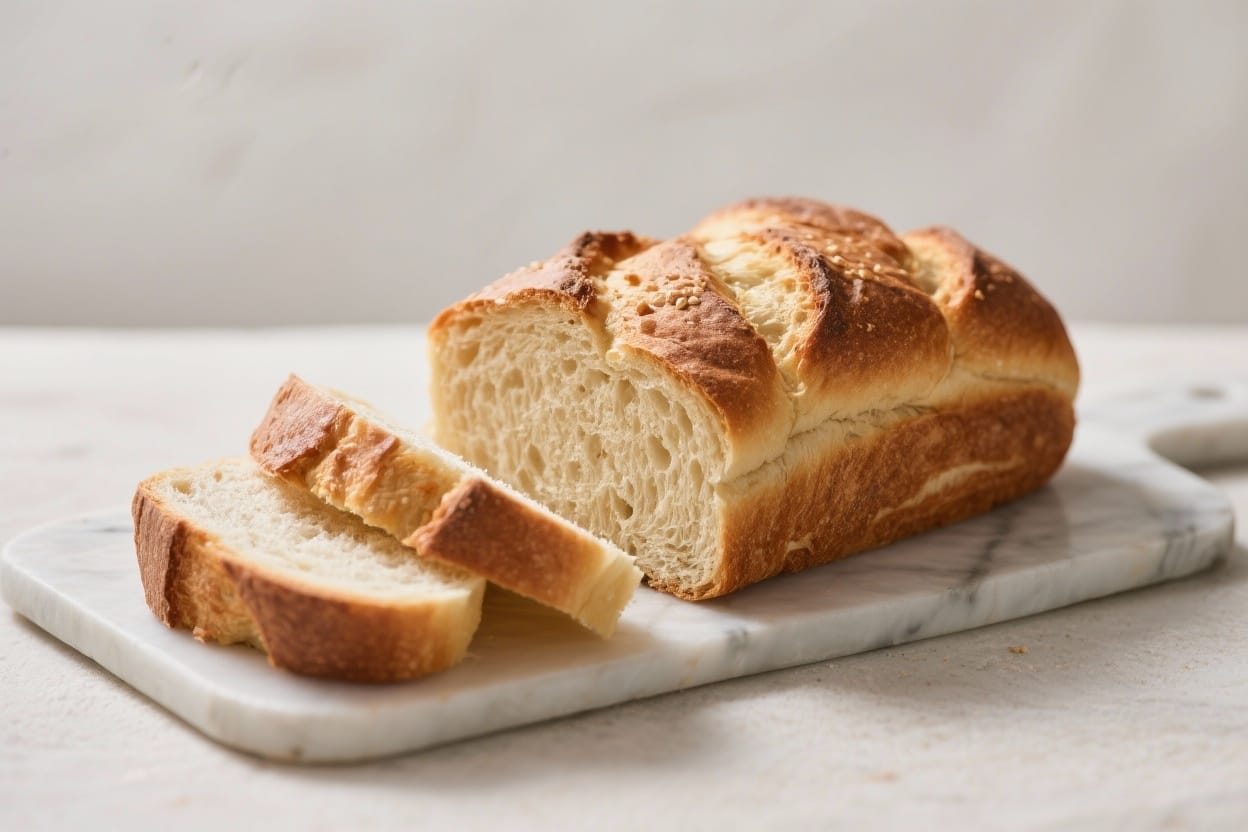
Fast Bread For Busy Days – Simple, Fresh, and Ready in Under an Hour
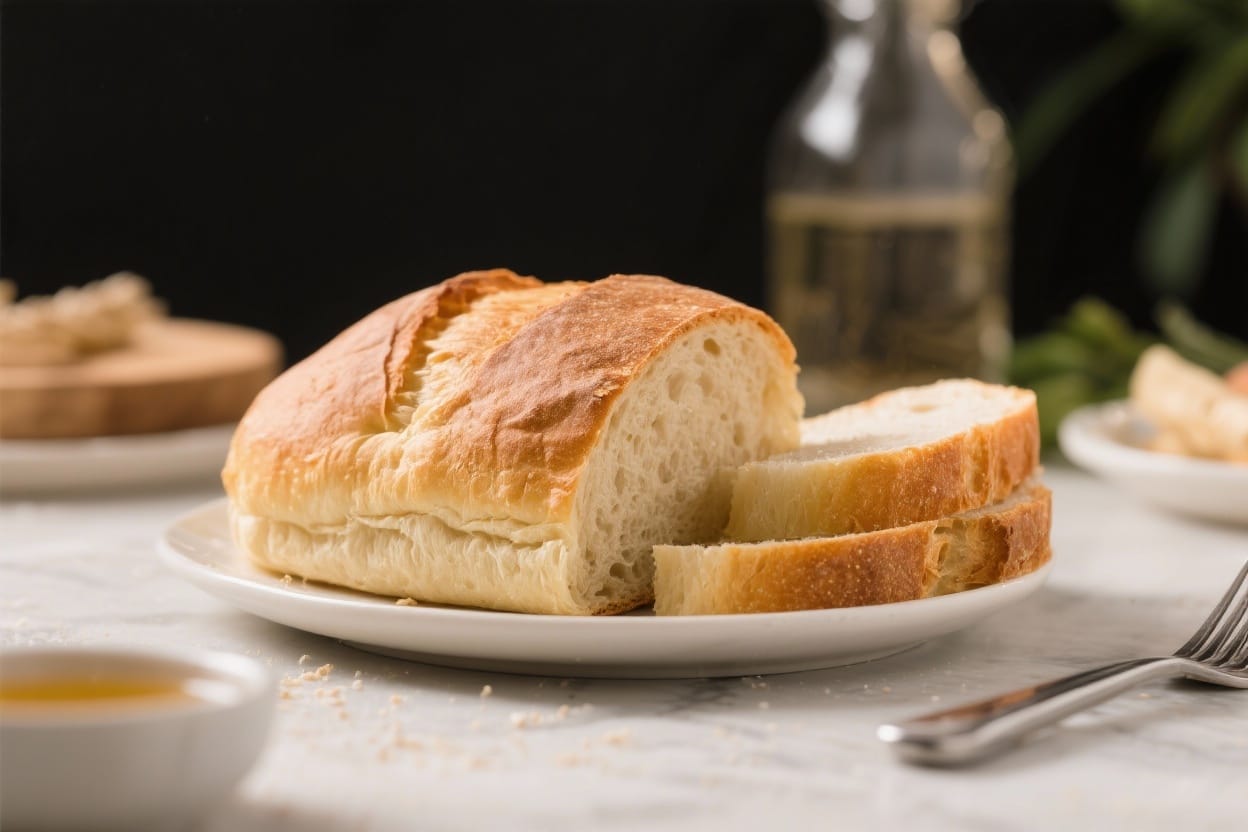
If you love warm, homemade bread but can’t spend all day in the kitchen, this fast bread is your new go-to. It’s quick, forgiving, and doesn’t require fancy equipment or advanced baking skills. You’ll get a golden crust and soft interior in about an hour, start to finish. It’s perfect for weeknight dinners, breakfast toast, or last-minute guests. Once you try it, you’ll wonder why you ever bought a loaf on the way home.
What Makes This Recipe So Good
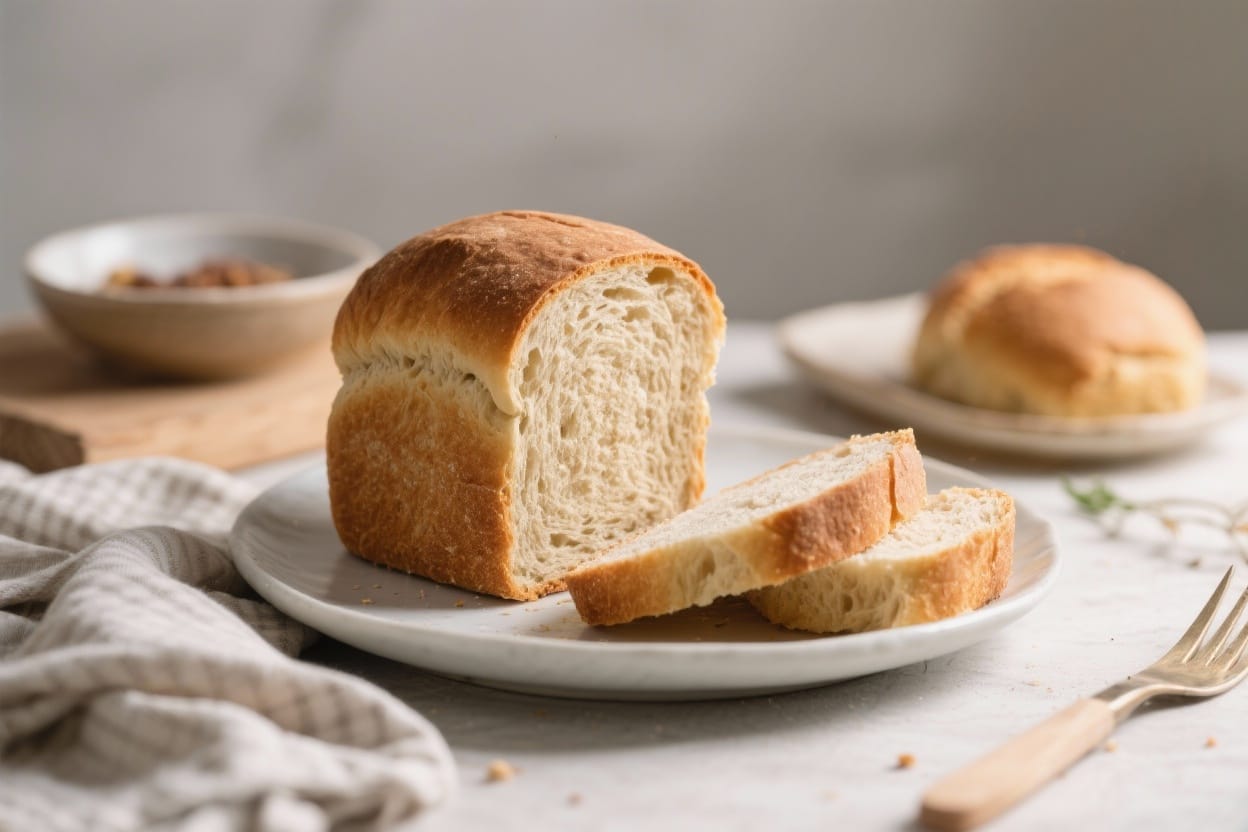
Fast bread for busy days – Fast Bread For Busy Days – Simple, Fresh, and Ready in Under an Hour If you love warm, homemade brea
- Speed without compromise: This bread uses a quick-rising method to get a satisfying loaf in less than an hour.
- Simple ingredients: You likely have everything on hand—flour, yeast, salt, sugar, water, and oil.
- Beginner-friendly: No kneading marathon, no heavy equipment, and no long fermentation.
- Versatile: Add herbs, seeds, cheese, or swap in some whole wheat for a heartier flavor.
- Great texture: Soft and tender inside with a lightly crisp crust that holds up well for sandwiches or toast.
Ingredients
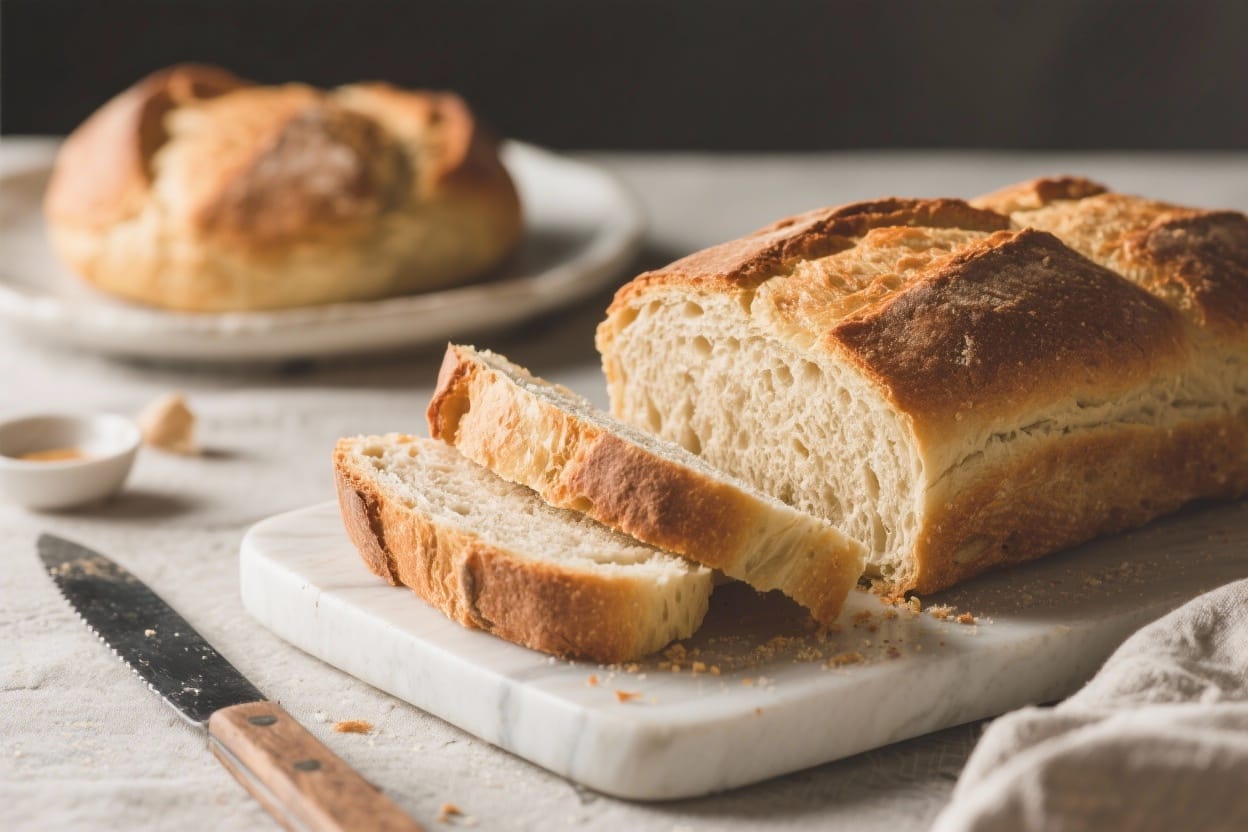
Fast bread for busy days – It’s quick, forgiving, and doesn’t require fancy equipment or advanced baking skills
- 3 cups all-purpose flour (plus a little extra for dusting)
- 1 packet (2 1/4 teaspoons) instant yeast
- 1 teaspoon fine sea salt
- 1 tablespoon sugar or honey
- 1 cup warm water (about 110°F/43°C)
- 1/2 cup warm milk (or use water to keep it dairy-free)
- 2 tablespoons olive oil (plus more for brushing)
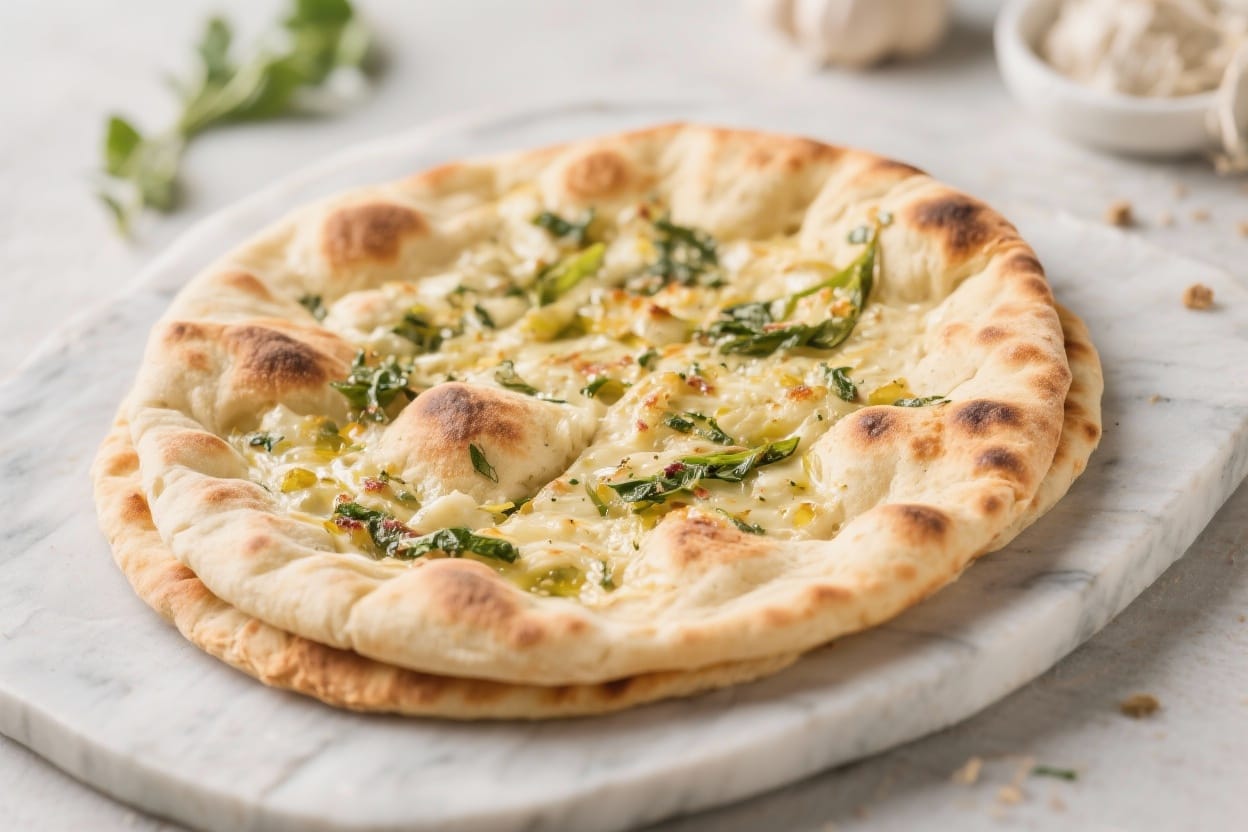
- Optional: 1 teaspoon dried herbs (rosemary, oregano, or thyme), or 2 tablespoons seeds (sesame, poppy, or sunflower) — for a warm, quick bite try our Easy Dough Snack Bread
Instructions
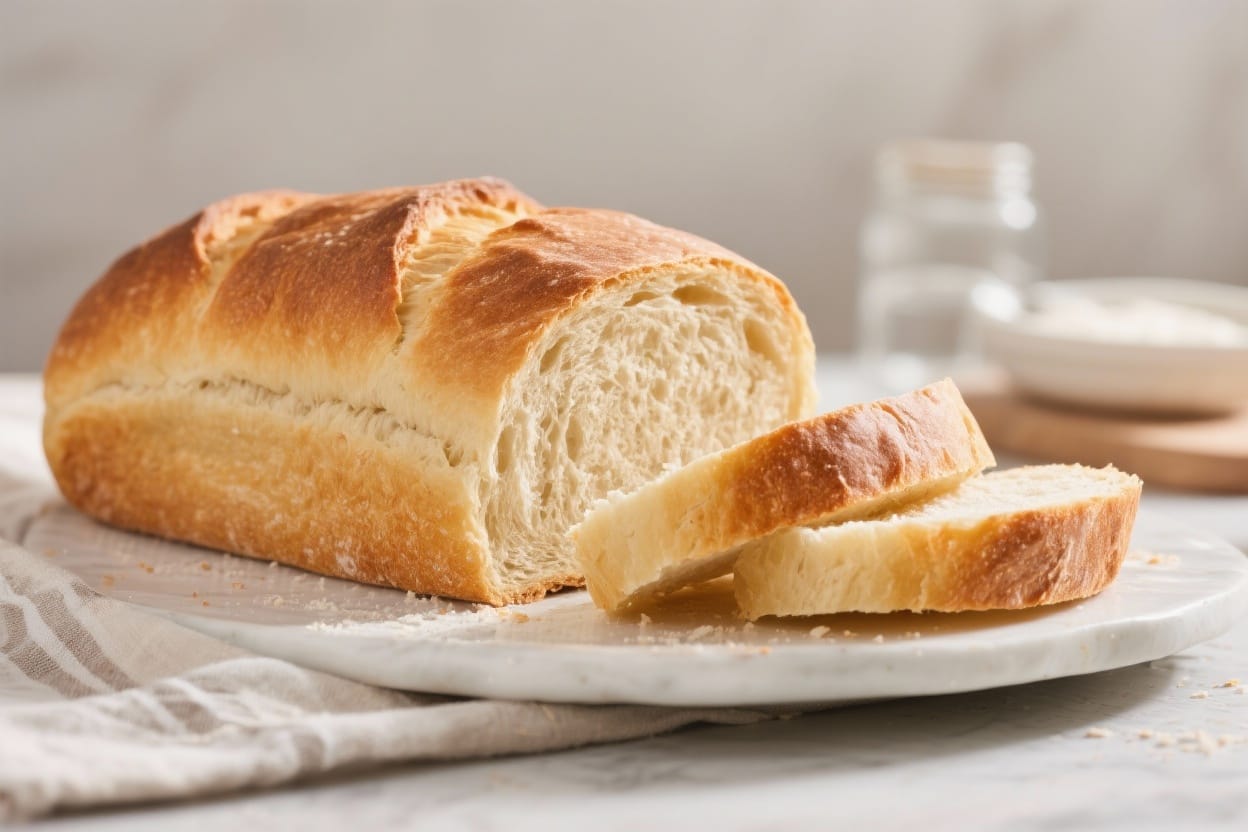
Fast bread for busy days – You’ll get a golden crust and soft interior in about an hour, start to finish
- Prep the liquid: In a measuring cup, combine warm water, warm milk, and sugar or honey. Stir to dissolve.
- Mix the dry ingredients: In a large bowl, whisk together the flour, instant yeast, and salt. If using dried herbs, add them now.
- Bring it together: Pour the warm liquid and olive oil into the flour mixture. Stir with a wooden spoon or spatula until a shaggy dough forms.
- Quick knead: Lightly flour your hands and counter. Knead the dough for 2–3 minutes, just until smooth and elastic. It should feel soft but not sticky. Add a teaspoon of flour at a time if needed.
- First rise (speedy): Shape the dough into a ball and place it back in the bowl. Cover with a towel and let it rest in a warm spot for 10–15 minutes. It will puff slightly.
- Shape the loaf: Gently deflate the dough. Shape into a tight log for a loaf pan or a round for a free-form boule. If using seeds, roll the surface in seeds or sprinkle them on top.
- Second rise: Place the dough in a greased loaf pan or on a parchment-lined baking sheet. Cover and let rise for 15–20 minutes, until it looks noticeably fuller.
- Preheat the oven: While the dough rises, preheat to 425°F (220°C). Place a small oven-safe pan of water on a lower rack to create steam for a better crust.
- Score and bake: Uncover the dough. Brush lightly with olive oil. Use a sharp knife to score a shallow slash on top. Bake for 22–28 minutes, until the top is golden and the loaf sounds hollow when tapped.
- Cool briefly: Remove from the pan and let it cool on a rack for at least 15 minutes before slicing. This helps set the crumb and prevents gumminess.
Storage Instructions
- Room temperature:Store in a paper bag or wrapped in a clean kitchen towel for up to 2 days. This keeps the crust from getting soggy.
- Longer storage:For 3–4 days, keep it in an airtight container or bread box. The crust may soften but the bread stays moist.
- Freezing:Slice the bread, wrap tightly in plastic or foil, then place in a freezer bag. Freeze for up to 2 months. Toast slices straight from frozen.
- Revive the crust:To crisp up day-old artisan bread with crispy crust, warm in a 350°F (175°C) oven for 5–8 minutes.
Health Benefits
- Fewer additives: Homemade bread skips the preservatives and fillers you often find in store-bought loaves.
- Control the ingredients: Adjust the salt, use olive oil, and add seeds or whole grains to suit your goals.
- Energy-friendly carbs: Fresh bread offers quick energy for busy days and pairs well with proteins and healthy fats.
- Customizable fiber: Swap in up to 1 cup of whole wheat flour to boost fiber without losing the quick rise.
Common Mistakes to Avoid
- Overheating the liquid: If the water or milk is too hot, it can kill the yeast. Aim for warm, not hot.
- Adding too much flour: A sticky dough is tempting to fix with more flour, but too much makes the bread dense. Add it slowly, a teaspoon at a time.
- Skipping the rest time: Even quick bread needs short rises. They build structure and improve flavor.
- Underbaking: If the crust looks pale, give it a few more minutes. A finished loaf is golden and sounds hollow when tapped.
- Slicing too soon: Cutting a hot loaf makes the crumb gummy. Let it rest to finish setting.
Variations You Can Try
- Herb and garlic: Add 1 teaspoon dried Italian herbs and 1 teaspoon garlic powder to the dough.
- Seeded crust: Brush with water and press sesame, poppy, or sunflower seeds onto the top before baking.
- Cheddar and chive: Fold in 3/4 cup shredded sharp cheddar and 2 tablespoons chopped chives.
- Olive and rosemary: Mix in 1/2 cup chopped olives and 1 teaspoon dried rosemary for Mediterranean flavor.
- Whole wheat blend: Use 2 cups all-purpose flour and 1 cup whole wheat flour. Add 1–2 extra tablespoons of warm water if needed.
- Sweet breakfast loaf: Add 2 tablespoons sugar, 1 teaspoon cinnamon, and a handful of raisins for a lightly sweet twist.
FAQ
Can I use active dry yeast instead of instant yeast?
Yes. Use the same amount, but proof it first by mixing with the warm water, milk, and sugar. Let it sit for 5–10 minutes until foamy, then proceed.
Do I need a stand mixer?
No. A bowl, spoon, and your hands are enough. The kneading is brief and manageable.
How do I know when the bread is done?
The crust should be golden, and the loaf should sound hollow when tapped on the bottom. If you have a thermometer, the internal temp should be around 195–200°F (90–93°C).
Can I make this dairy-free?
Absolutely. Replace the milk with warm water. The loaf will still be soft and flavorful.
Why is my bread dense?
Common causes include too much flour, liquid that was too hot and harmed the yeast, or not allowing the dough to rise long enough. Make sure your yeast is fresh and your dough stays slightly soft.
Can I bake this as rolls?
Yes. Divide the dough into 8–10 pieces, shape into balls, let rise for 15 minutes, and bake at 400°F (205°C) for 12–16 minutes.
How can I make the crust crispier?
Use the pan of water for steam, avoid greasing the top heavily, and let the bread cool on a rack so moisture doesn’t collect underneath.
Is this bread good for sandwiches?
It’s great. The crumb is soft but sturdy. For cleaner slices, let the loaf cool completely before cutting.
In Conclusion
Fast bread for busy days is the kind of recipe that makes homemade baking feel doable, even on a packed schedule. With a short rise and simple steps, you get a warm, flavorful loaf that works with any meal. Keep the base recipe as your foundation, then customize it with herbs, seeds, or whole grains. Once you’ve made it a couple of times, you’ll have fresh bread on the table in under an hour—no stress, no fuss.
Printable Recipe Card
Want just the essential recipe details without scrolling through the article? Get our printable recipe card with just the ingredients and instructions.