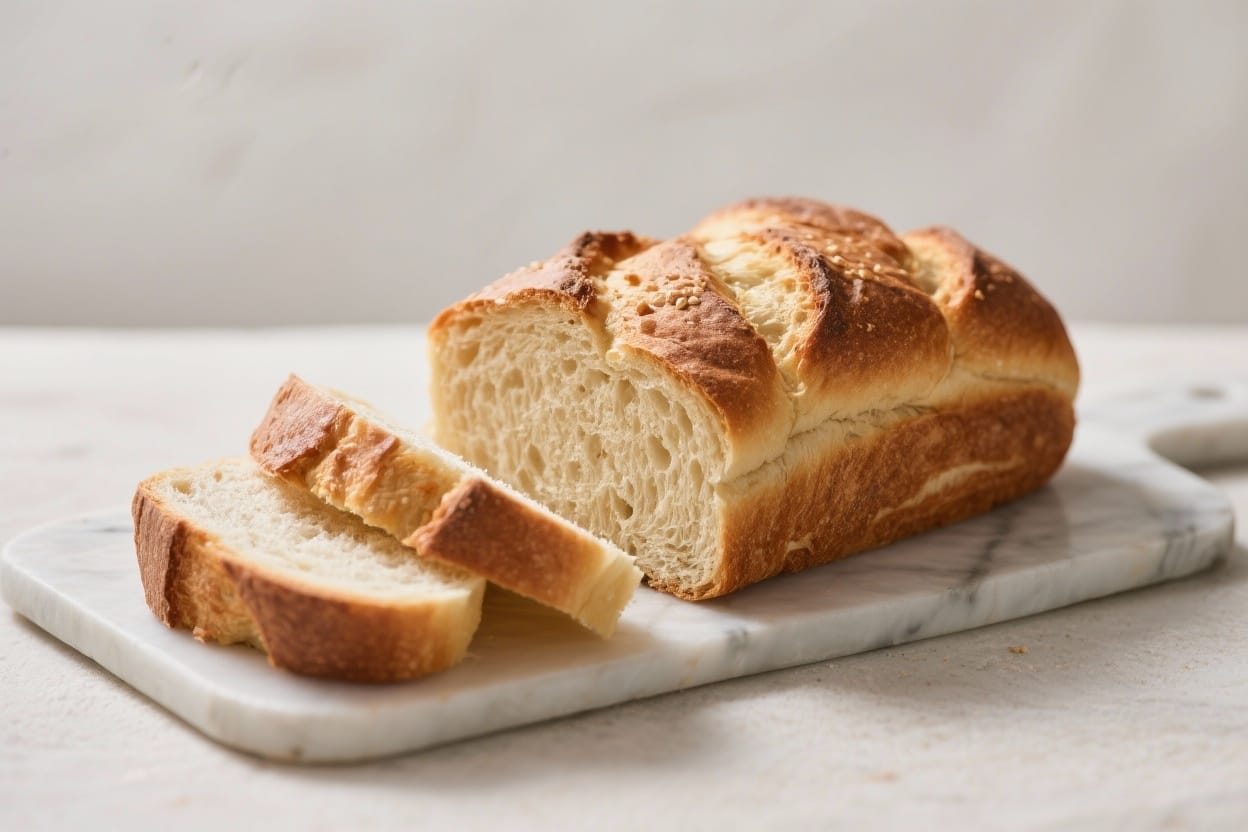
Beginner Bread No Proofing – A Quick Loaf for Busy Days
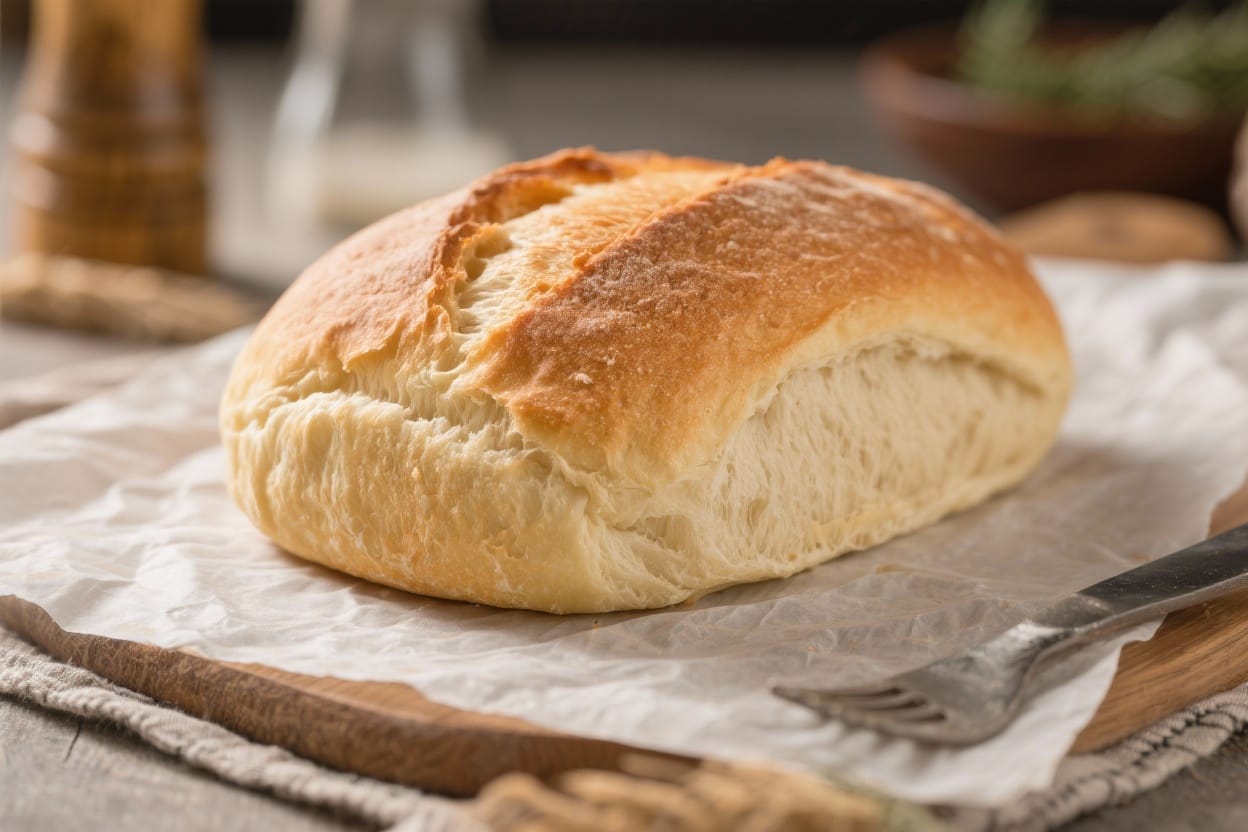
If you want fresh bread without waiting hours, this no-proofing recipe is a game changer. You get a warm, crusty loaf with a soft interior in about an hour, start to finish. No special tools, no kneading marathons, and no rise time. It’s perfect for beginners, weeknights, or anyone craving bread on the spot. The flavor is mild and comforting, and it pairs beautifully with soup, eggs, or butter and jam.
What Makes This Special
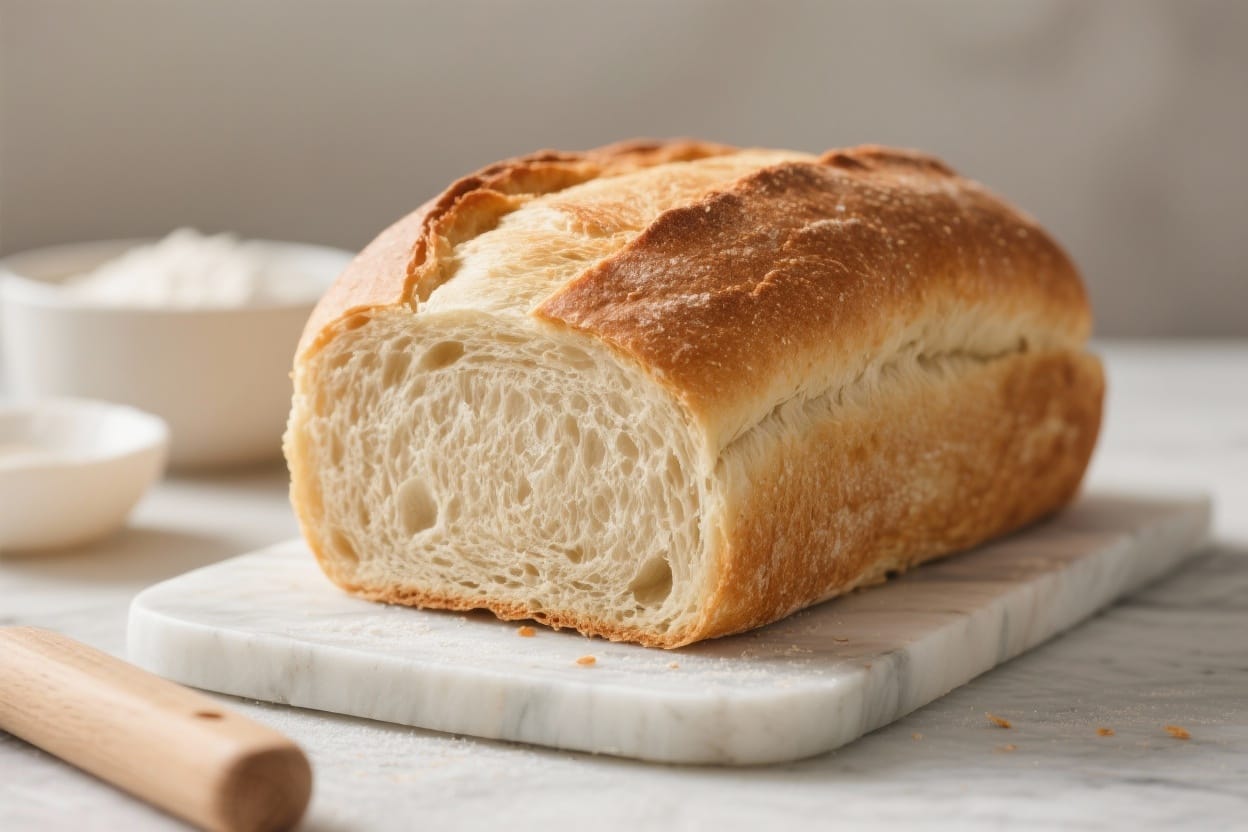
Beginner bread no proofing – Beginner Bread No Proofing – A Quick Loaf for Busy Days If you want fresh bread without waiting hour
This bread skips the usual proofing step and heads straight to the oven. That means you rely on slightly higher hydration, a quick mix, and heat to create lift. It won’t be as airy as a long-fermented artisanal loaf, but it’s surprisingly tender and satisfying.
- Fast: On the table in about 60 minutes.
- Beginner-friendly: Simple ingredients and basic technique.
- Flexible: Works for a round loaf, mini loaves, or rolls.
- Forgiving: The dough can be a bit sticky and still bake up nicely.
Ingredients
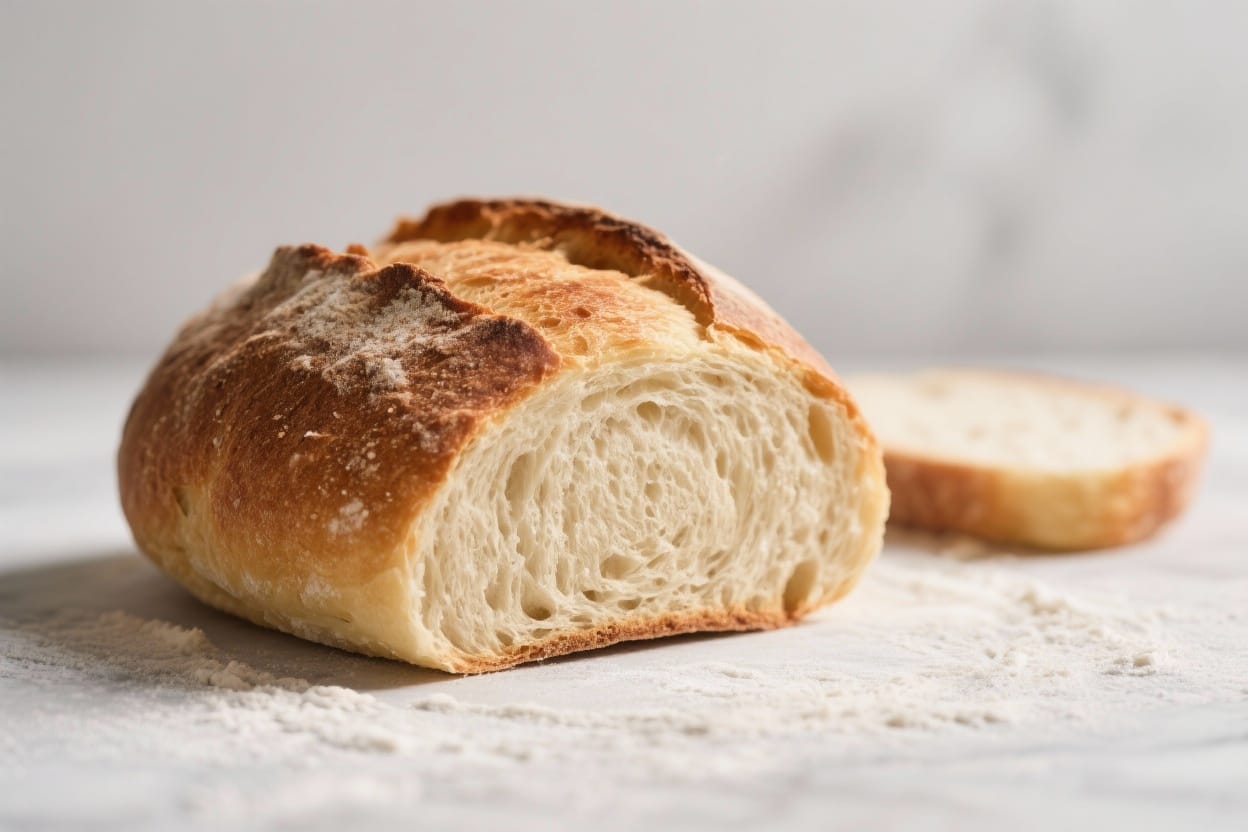
Beginner bread no proofing – You get a warm, crusty loaf with a soft interior in about an hour, start to finish
- 3 cups (390 g) all-purpose flour (or bread flour for more chew)
- 1 tablespoon granulated sugar (helps with quick browning and flavor)
- 2 teaspoons baking powder
- 1 teaspoon instant yeast (for flavor and extra lift, even without proofing)
- 1 teaspoon fine salt
- 1 1/4 cups (295 ml) warm water (about 110°F/43°C)
- 2 tablespoons olive oil or melted butter (optional, for moisture and flavor)
- Optional toppings: flaky salt, seeds, or a dusting of flour
Instructions
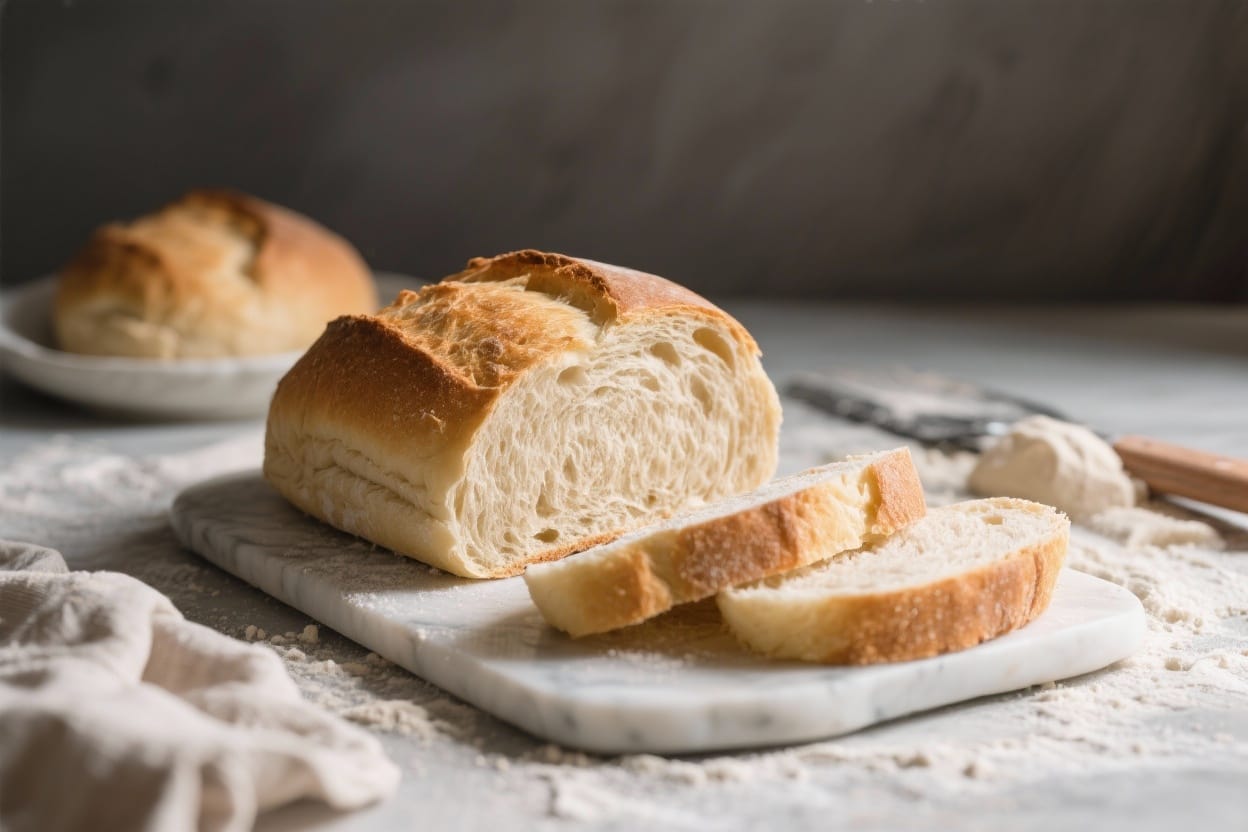
Beginner bread no proofing – No special tools, no kneading marathons, and no rise time
- Preheat the oven: Set your oven to 425°F (220°C). Place a baking sheet or pizza stone in the oven to preheat. If you have a Dutch oven, preheat it too.
- Mix the dry ingredients: In a large bowl, whisk the flour, sugar, baking powder, instant yeast, and salt until evenly combined.
- Add the wet ingredients: Pour in the warm water and olive oil. Stir with a wooden spoon or spatula until a shaggy dough forms. It should be slightly sticky but hold together.
- Lightly knead: Turn the dough onto a lightly floured surface. Knead gently for about 1–2 minutes to smooth it out. Don’t overwork it; just bring it together.
- Shape: Form a round loaf or an oval. If the dough is very sticky, dust your hands and the surface with flour. Place the loaf on a piece of parchment for easy transfer.
- Score the top: Use a sharp knife to cut a shallow X or a few slashes on top. This helps the bread expand and prevents tearing.
- Bake on preheated surface: Slide the parchment and loaf onto the hot baking sheet or stone. Bake for 28–35 minutes, until the top is golden and the loaf sounds hollow when tapped.
- Check internal temp: For best results, use a thermometer. The center should read about 200–205°F (93–96°C).
- Cool before slicing: Let the bread rest on a rack for at least 15–20 minutes. This sets the crumb and keeps it from getting gummy.
Storage Instructions
- Room temperature: Wrap the loaf in a clean kitchen towel or keep in a paper bag for up to 2 days. This maintains the crust better than plastic.
- For softness: Use an airtight container or plastic wrap. The crust will soften, but the bread stays moist.
- Freezer: Slice, then freeze in a freezer bag for up to 2 months. Toast straight from frozen or rewarm in a low oven.
- Reheating: Pop in a 300°F (150°C) oven for 8–10 minutes to refresh.
Health Benefits
- Simple ingredient list: Flour, water, salt, and small leavening. No additives or preservatives when you bake at home.
- Portion control: Slicing your own loaf helps you choose serving sizes that fit your needs.
- Energy source: Carbohydrates provide quick fuel for busy days and workouts.
- Customizable: Swap part of the flour for whole wheat, add seeds, or use olive oil for heart-healthy fats.
Common Mistakes to Avoid
- Water too hot: If the water is scorching, it can harm the yeast’s performance. Aim for warm, not hot.
- Skipping the preheat: A cold baking surface leads to a dense loaf. Preheating gives better oven spring.
- Over-kneading: This quick bread doesn’t need intense kneading. Gentle handling keeps the crumb tender.
- Cutting too soon: Slicing while hot releases steam and makes the interior gummy. Rest the loaf first.
- Using only baking soda: Baking soda alone won’t work here. Baking powder plus a bit of instant yeast is the right combo for lift and flavor.
Recipe Variations
- Herb and Garlic: Add 1 teaspoon dried rosemary or Italian seasoning and 1–2 minced garlic cloves to the dry mix.
- Cheddar and Pepper: Fold in 1/2 cup shredded sharp cheddar and 1/2 teaspoon cracked black pepper.
- Seeded Crust: Brush the top with water and sprinkle sesame, poppy, or sunflower seeds before baking.
- Whole Wheat Blend: Use 2 cups all-purpose and 1 cup whole wheat. Add an extra tablespoon of water if the dough feels stiff.
- Olive Loaf: Mix in 1/3 cup chopped, well-drained olives and a tablespoon of chopped fresh herbs.
- Mini Rolls: Divide dough into 8 pieces, shape into balls, and bake 15–18 minutes.
FAQ
Does no-proofing bread taste good?
Yes, it tastes fresh and comforting, with a mild flavor and soft crumb. It won’t have the deep tang or airy holes of long-fermented loaves, but it’s great for sandwiches, toast, or serving with soup.
Can I make it gluten-free?
You can try a 1:1 gluten-free baking flour blend that includes xanthan gum. Expect a denser texture and check the dough hydration, adding a tablespoon or two of water if it seems dry.
Is the yeast necessary if there’s baking powder?
Technically, you can make a loaf with only baking powder, but it will be more like a quick bread with less depth. A small amount of instant yeast adds flavor and better structure, even without proofing.
Can I bake it in a Dutch oven?
Yes. Preheat the Dutch oven, place the shaped loaf on parchment, score it, and bake covered for 20 minutes, then uncovered for 10–15 minutes to brown. The steam helps the crust.
Why is my loaf dense?
Common causes include a cold oven, old leavening, overworking the dough, or too much flour. Measure accurately, preheat fully, and keep the kneading light.
How do I get a crispier crust?
Use a preheated stone or Dutch oven, and add steam by placing a small tray of hot water on the lower rack during the first 10 minutes. Let the loaf cool uncovered.
Can I add honey instead of sugar?
Yes. Use 1 tablespoon honey and reduce the water by about 1 teaspoon to balance the moisture. Honey gives a softer crumb and gentle sweetness.
What if I only have active dry yeast?
Use the same amount, but dissolve it in the warm water with the sugar for 5 minutes before mixing. This wakes it up and helps with quick lift.
In Conclusion
Beginner bread no proofing is a fast, reliable way to get a homemade loaf without fuss. With simple ingredients and a straightforward method, you can bake warm, crusty bread any day of the week. Keep the oven hot, handle the dough gently, and let it rest before slicing. Once you’ve got the basics down, try a few variations and make it your own.
Printable Recipe Card
Want just the essential recipe details without scrolling through the article? Get our printable recipe card with just the ingredients and instructions.