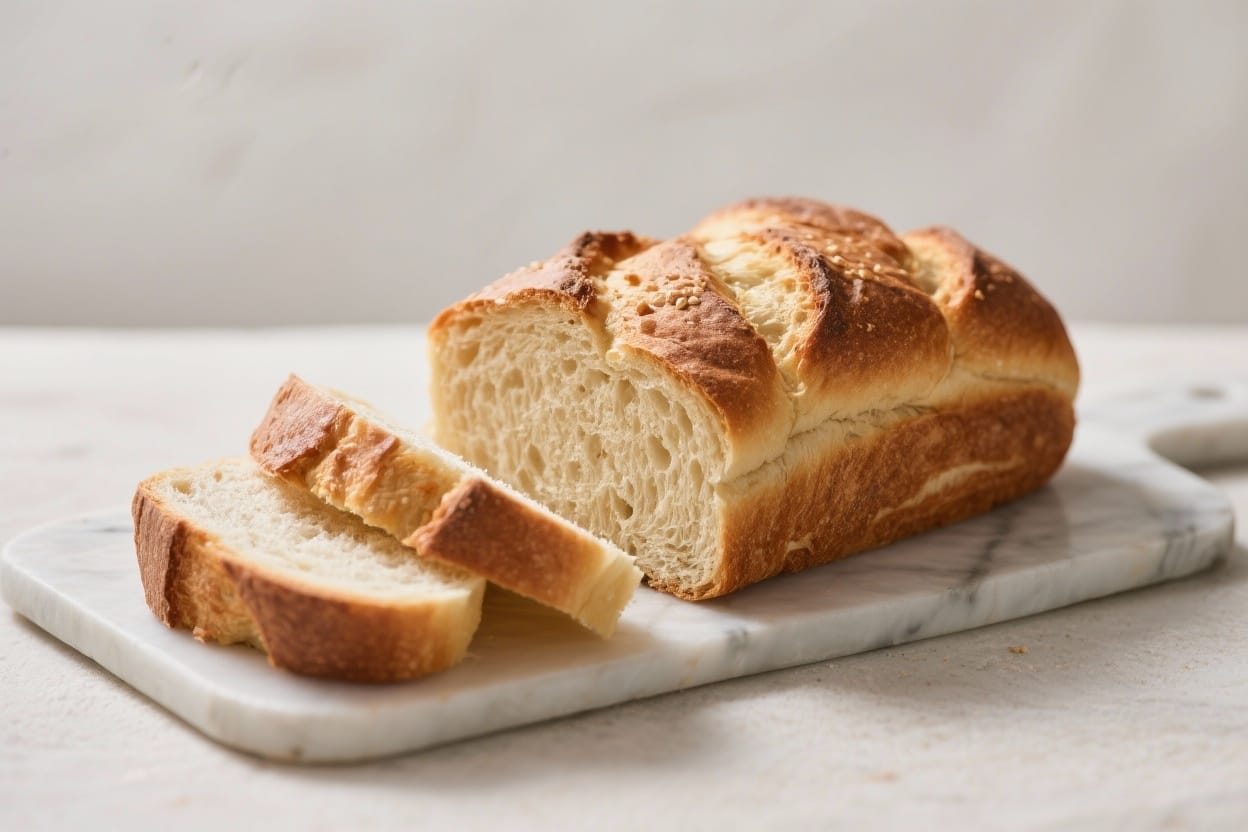
Lazy Day Homemade Bread – Soft, Simple, and Satisfying
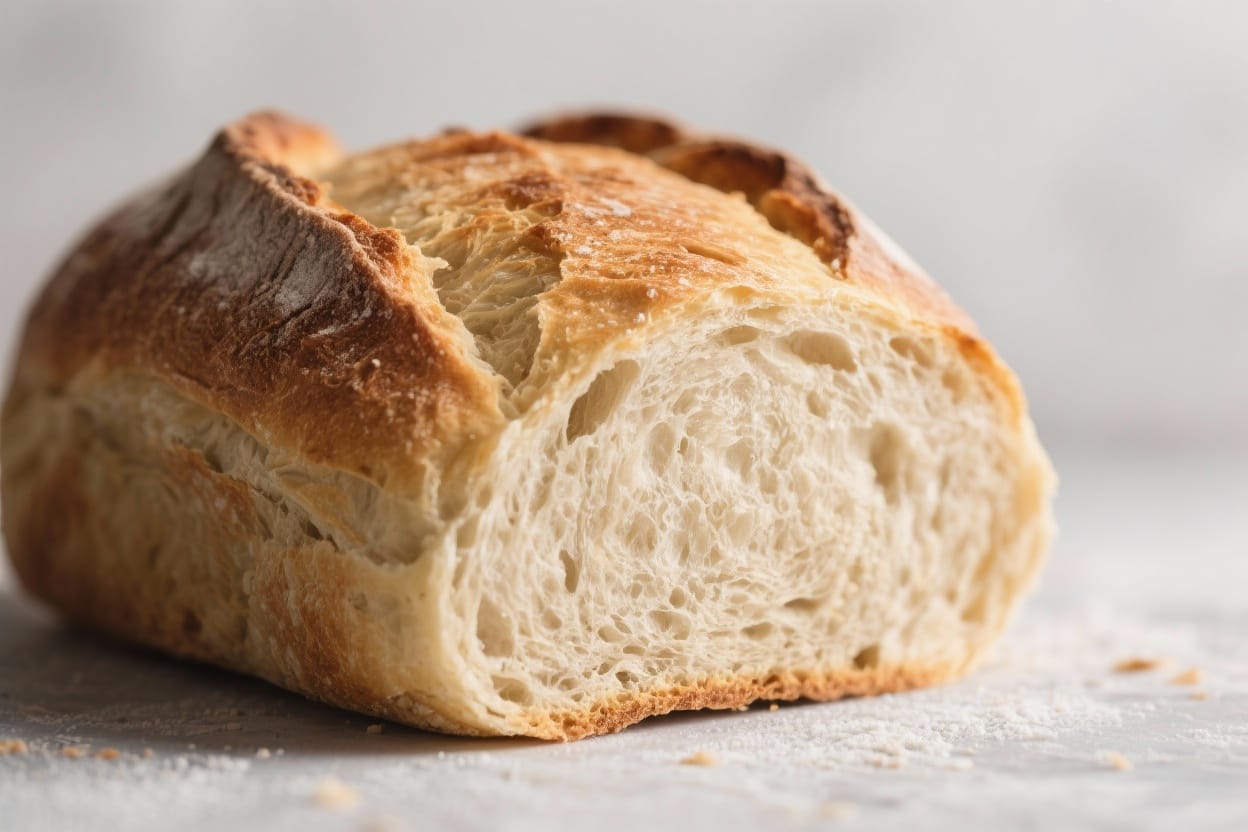
There are days when you want fresh bread without fuss, and that’s exactly where this recipe shines. It’s straightforward, forgiving, and doesn’t require fancy tools or hours of kneading. You’ll mix, rest, shape, and bake—most of the time is hands-off. The result is a loaf with a tender crumb, a golden crust, and a cozy aroma that fills your kitchen. If you’re new to bread baking, this is a great place to start. If you’re experienced, you’ll appreciate how quickly it comes together.
What Makes This Recipe So Good
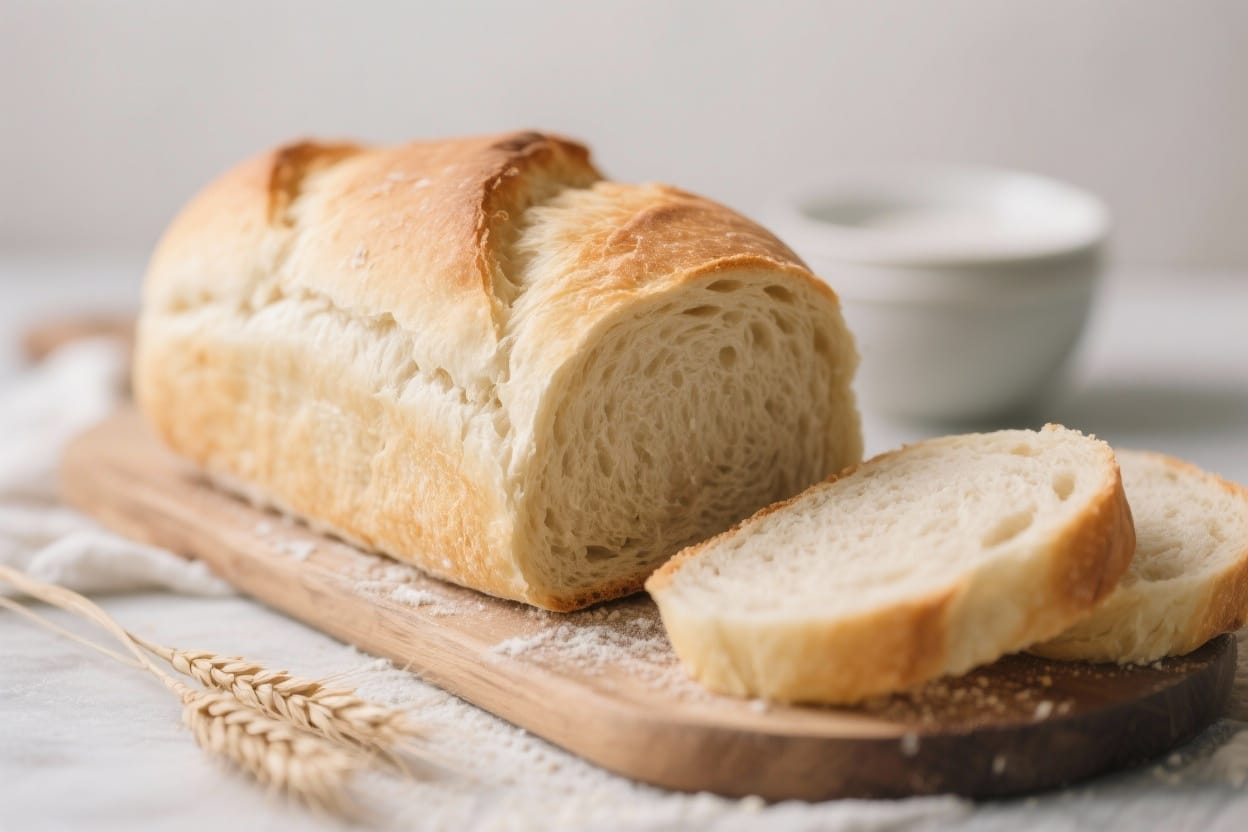
Lazy day homemade bread – Lazy Day Homemade Bread – Soft, Simple, and Satisfying There are days when you want fresh bread with
- Minimal effort: No long kneading sessions or complicated steps. A few minutes of mixing is all it takes.
- Pillowy soft interior: A light, tender crumb that’s perfect for toast, sandwiches, or just butter and jam.
- Flexible timing: The dough is relaxed. If it rests a little longer, it won’t punish you.
- Pantry staples: Flour, water, yeast, sugar, and salt—that’s it, plus a bit of oil or butter.
- Beginner-friendly: Clear steps and visual cues help you get it right the first time.
Ingredients
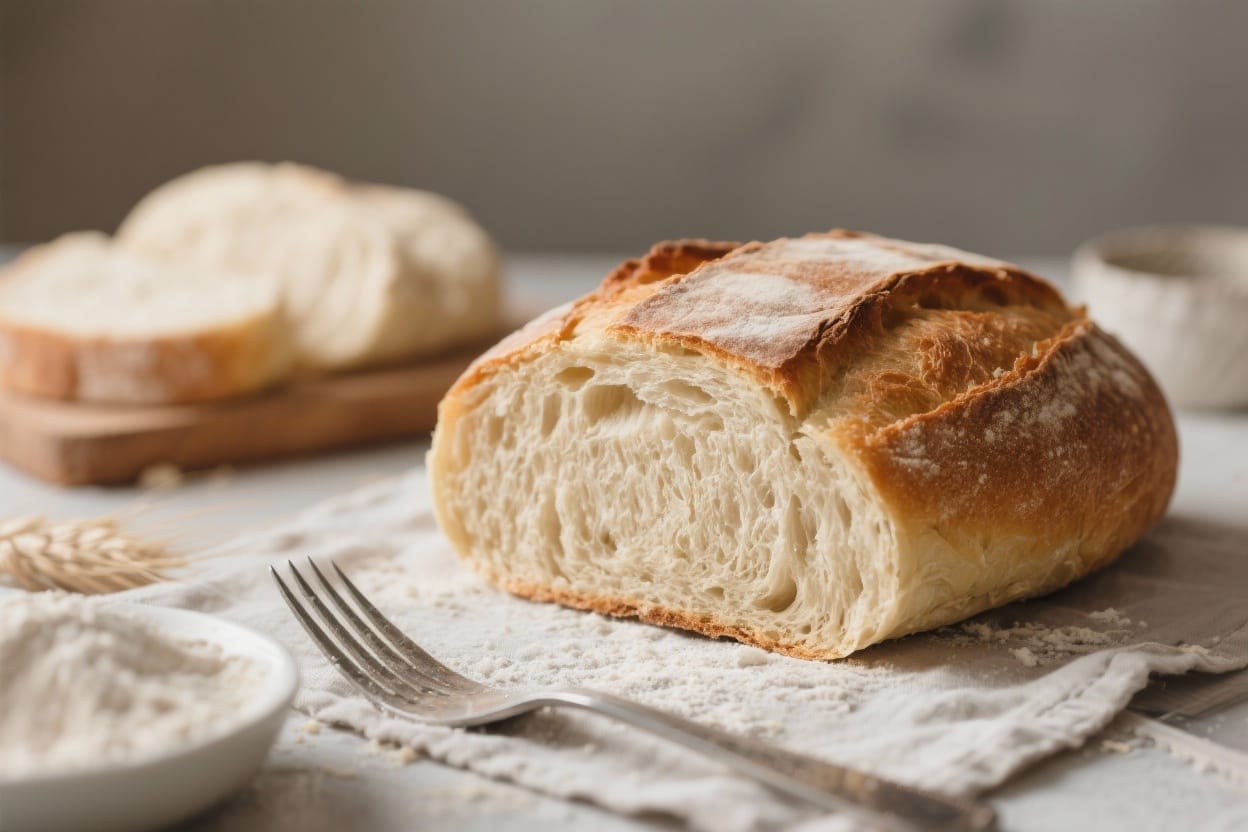
Lazy day homemade bread – It’s straightforward, forgiving, and doesn’t require fancy tools or hours of kneading
- 3 cups (360g) all-purpose flour, plus extra for dusting
- 1 cup (240ml) warm water (about 105–110°F / 40–43°C)
- 2 teaspoons instant yeast (or 2 1/4 teaspoons active dry yeast)
- 1 tablespoon sugar or honey
- 1 1/4 teaspoons fine sea salt
- 2 tablespoons olive oil or melted butter, plus a little extra for the pan
- Optional: 2–3 tablespoons milk for brushing the top, or 1 egg beaten with 1 teaspoon water for a shinier crust
Instructions
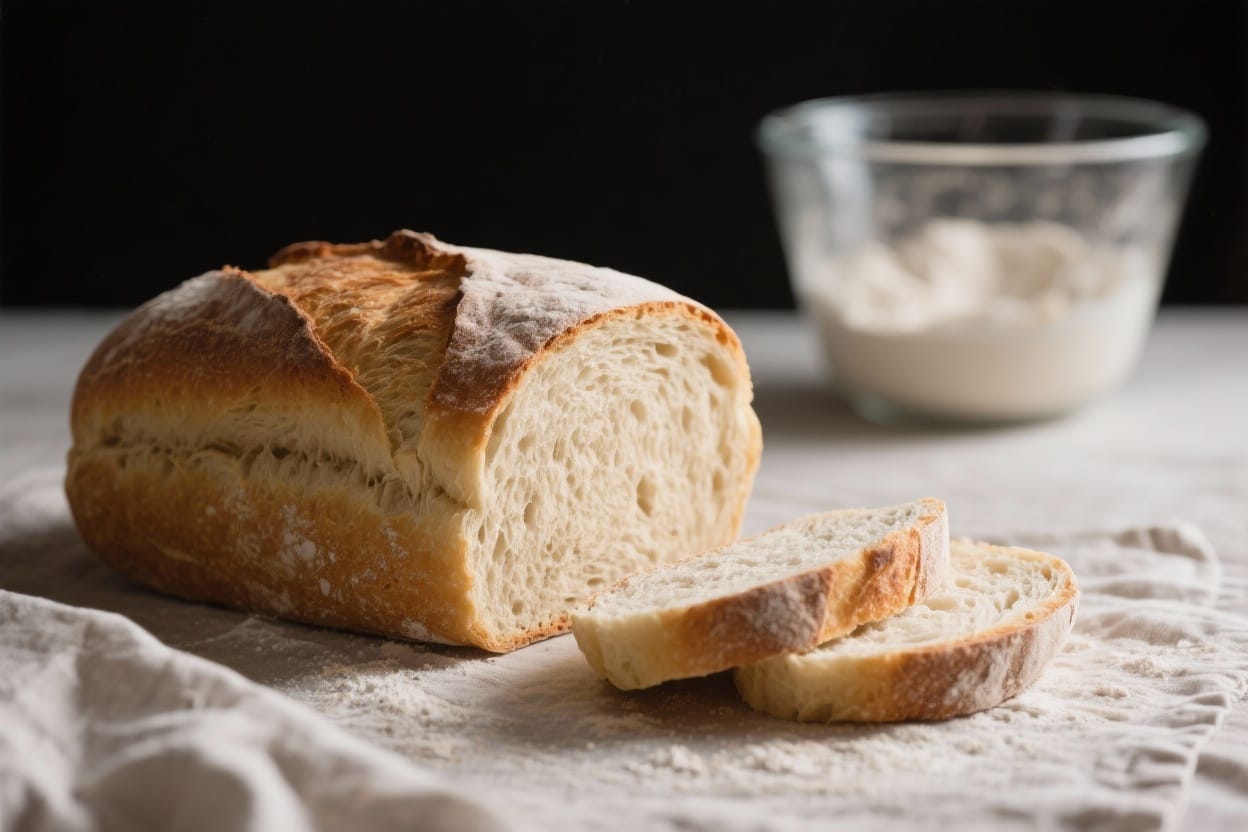
Lazy day homemade bread – You’ll mix, rest, shape, and bake—most of the time is hands-off
- Proof the yeast (if using active dry): In a bowl, stir warm water with sugar or honey. Sprinkle in the active dry yeast and let it sit for 5–10 minutes until foamy. If using instant yeast, skip proofing and mix it directly with the flour.
- Mix the dough: In a large bowl, combine flour, salt, and instant yeast (if using). Add the water mixture and the oil or melted butter. Stir with a spoon until a shaggy, sticky dough forms.
- Quick knead: Lightly flour a clean surface. Knead the dough for 2–3 minutes, just until it feels smoother and springs back slightly. It should still be a bit tacky. If very sticky, dust with a teaspoon of flour at a time, but avoid over-flouring.
- First rise: Place the dough in a lightly oiled bowl, turning it to coat. Cover with a clean towel or plastic wrap. Let it rise in a warm spot until doubled, about 60–90 minutes. A slightly longer rise is fine.
- Shape the loaf: Gently deflate the dough and turn it out onto a lightly floured surface. Pat it into a rectangle, then roll it up snugly from the short end. Pinch the seam closed and tuck the ends under.
- Prepare the pan: Grease a 9×5-inch loaf pan. Place the dough seam-side down into the pan.
- Second rise: Cover the pan loosely and let the dough rise until it crowns about 1 inch over the rim, 30–45 minutes. It should look puffy and airy when gently poked.
- Preheat the oven: While the dough rises, heat your oven to 375°F (190°C). Place a rack in the center.
- Optional wash: For a soft, lightly golden top, brush the loaf with milk. For a shinier crust, use the egg wash. Or leave it plain for a rustic look.
- Bake: Bake for 28–35 minutes, until the top is deep golden and the loaf sounds hollow when tapped. Internal temperature should read about 195–200°F (90–93°C).
- Cool: Let the bread rest in the pan for 10 minutes, then turn it out onto a rack. Cool at least 45 minutes before slicing to keep the crumb soft and even.
How to Store
- Room temperature: Wrap the cooled loaf in a clean towel or store in a bread box for up to 3 days. Avoid the fridge—it dries bread out.
- Freezing: Slice the loaf, then freeze in a zip-top bag with the air pressed out. Toast slices straight from the freezer.
- Reviving: If the crust softens, pop slices in the toaster or warm the whole loaf in a 300°F (150°C) oven for 8–10 minutes.
Why This is Good for You
- Simple ingredient list: You know exactly what’s in your bread—no additives or hard-to-pronounce extras.
- Balanced energy: Carbs give steady fuel, especially when paired with protein and healthy fats.
- Customizable nutrition: Swap in part whole wheat flour, add seeds, or stir in oats to boost fiber and minerals.
- Mindful eating: Baking at home encourages slower meals and more intentional choices.
Pitfalls to Watch Out For
- Water too hot: Anything much above 115°F (46°C) can kill yeast. Aim for pleasantly warm, not hot.
- Over-flouring: Adding lots of flour to stop stickiness makes a dense loaf. Slightly tacky dough bakes lighter.
- Underproofing or overproofing: If the dough hasn’t risen enough, it will split. If it’s too inflated, it may sink. Look for dough that’s puffed and springs back slowly when poked.
- Slicing too soon: Cutting hot bread compresses the crumb. Let it cool for a clean, soft slice.
- Skipping salt: Salt controls yeast activity and adds flavor. Without it, the dough can overproof and taste flat.
Alternatives
- Part whole wheat: Use 2 cups all-purpose and 1 cup whole wheat. Add 1–2 extra tablespoons water if the dough feels stiff.
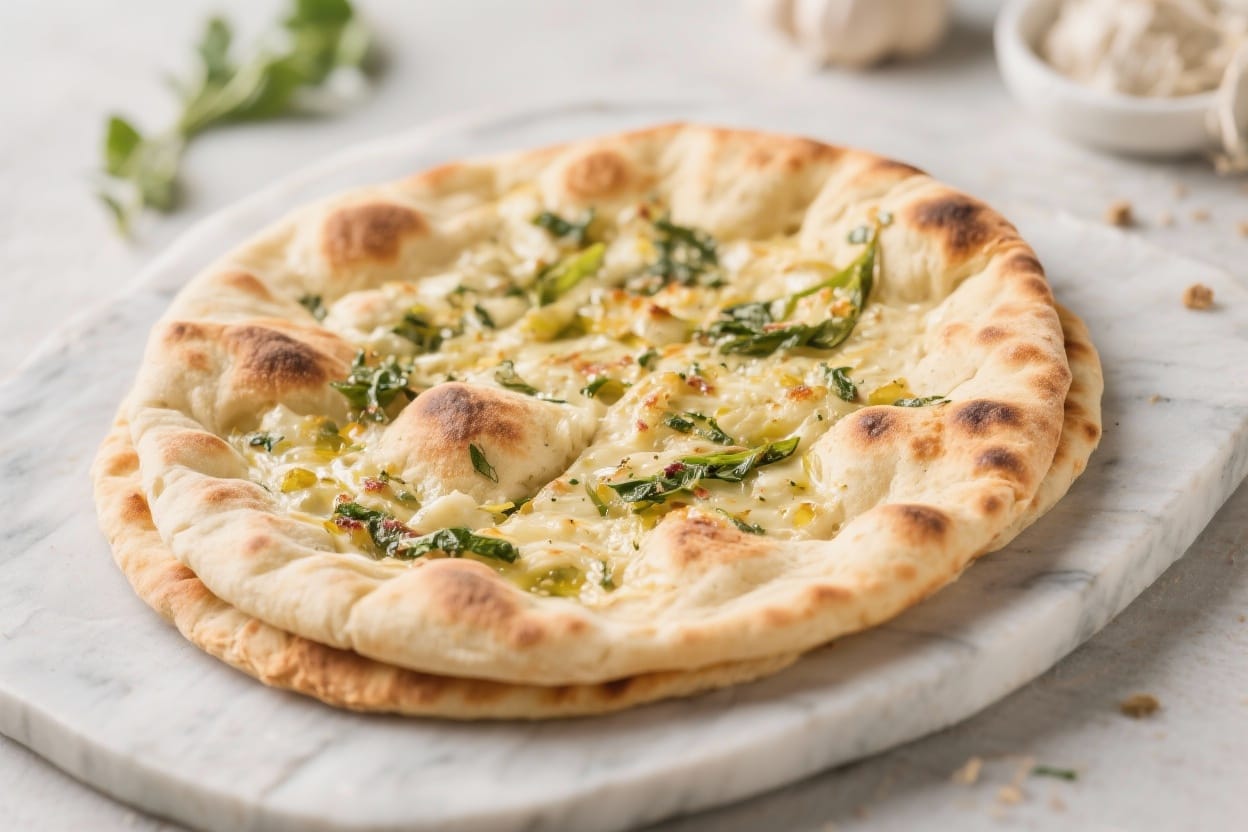
- Herb and garlic: Mix in 1 teaspoon dried Italian herbs and 1–2 minced garlic cloves with the flour.
- Seeded loaf: Fold in 2–3 tablespoons of sesame, sunflower, or pumpkin seeds after the first rise. Sprinkle some on top before baking.
- Dairy-soft loaf: Replace 1/2 cup water with warm milk for a richer, softer crumb.
- No loaf pan: Shape into a round, place on a parchment-lined sheet, and bake at 400°F (200°C) for 25–30 minutes.
- Overnight version: Use 1 teaspoon yeast, mix the dough, and refrigerate overnight. Shape and bake the next day for deeper flavor.
FAQ
Can I use bread flour instead of all-purpose?
Yes. Bread flour will give a chewier texture and a bit more rise. You may need 1–2 teaspoons extra water because bread flour absorbs more.
What if I only have active dry yeast?
That works. Proof it in the warm water with sugar first until foamy, then proceed. Instant yeast can be mixed directly with the flour.
Why is my dough so sticky?
Sticky dough is normal, especially in humid weather. Lightly oil your hands or add tiny sprinkles of flour while kneading. Resist adding a lot of flour or the bread will turn dense.
How do I know it’s fully baked?
The crust should be deep golden and the loaf should sound hollow when tapped on the bottom. A thermometer inserted in the center should read about 195–200°F (90–93°C).
Can I make this gluten-free?
Use a 1:1 gluten-free all-purpose blend designed for yeast breads and follow the same steps. The texture will differ, and you may need to add an extra tablespoon of water to get a soft, slightly sticky dough.
How can I get a crisper crust?
Bake on a preheated baking stone or place a small pan of hot water on the oven floor for steam during the first 10 minutes. Skip the milk or egg wash.
Can I double the recipe?
Yes. Mix as directed, then divide the dough into two loaf pans. Rising time may be slightly longer due to volume.
What’s the best way to slice the bread?
Use a sharp serrated knife and a gentle sawing motion once the loaf is fully cooled. For thin sandwich slices, chill the loaf briefly before slicing.
Wrapping Up
Lazy day homemade bread is the kind of recipe you’ll keep coming back to. It’s simple, flexible, and delivers a warm, soft loaf with minimal effort. With a few pantry staples and a little patience, you can have fresh bread on the table any day of the week. Make it plain, add herbs, or try a seeded top—either way, it’s comfort in every slice.
Printable Recipe Card
Want just the essential recipe details without scrolling through the article? Get our printable recipe card with just the ingredients and instructions.