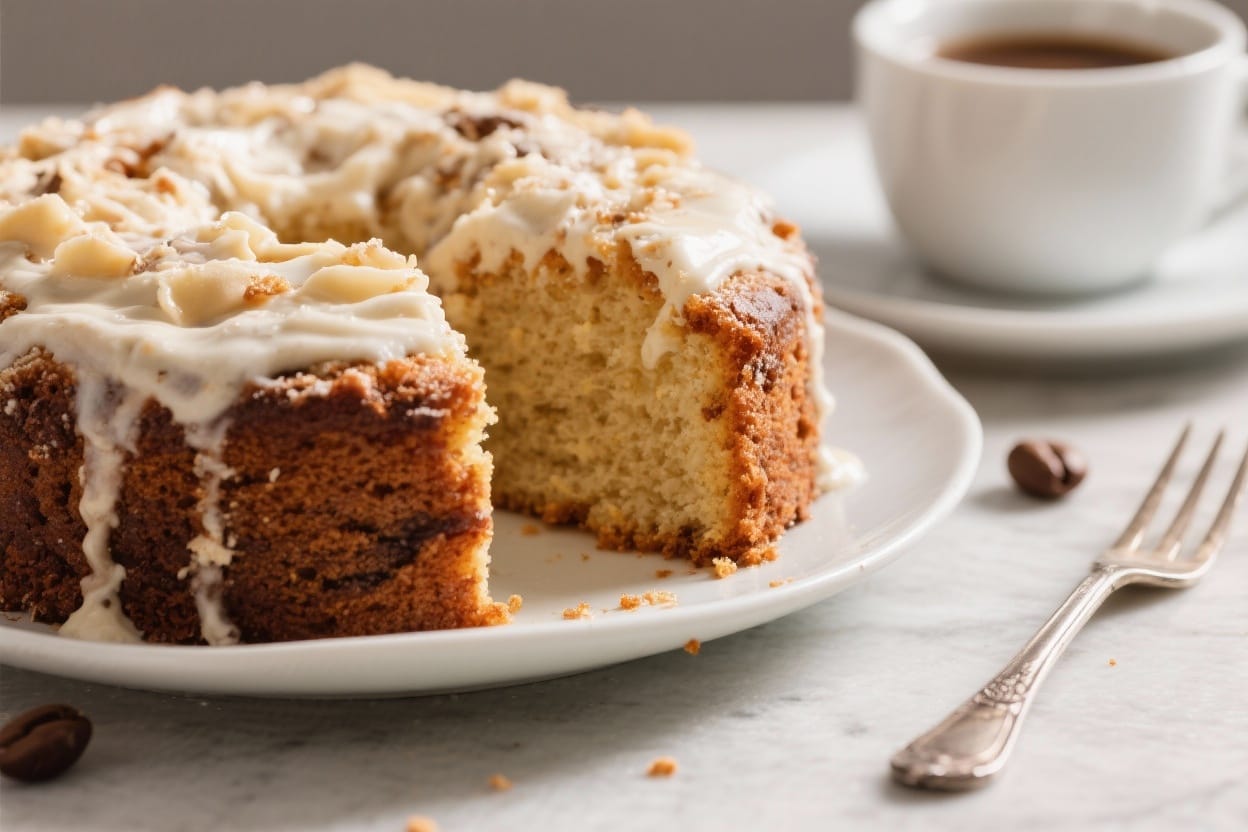
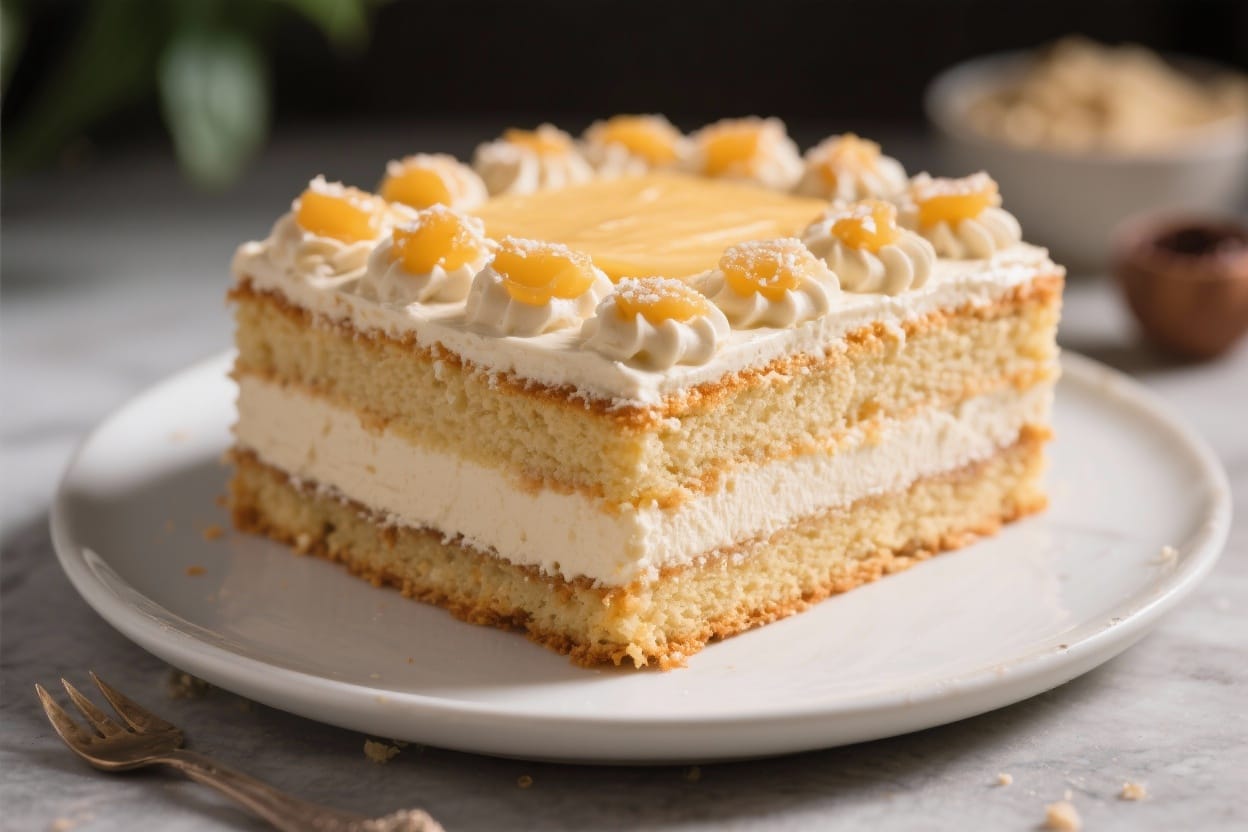
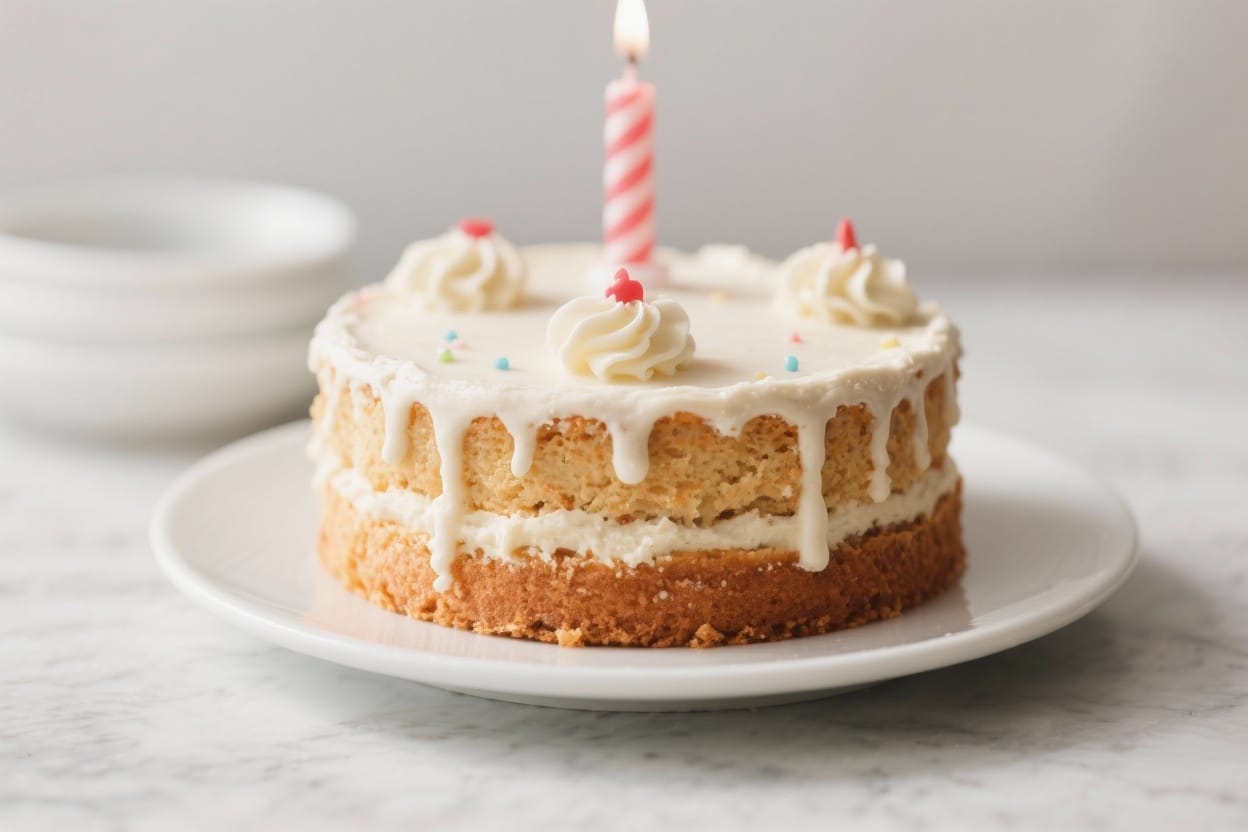
Butter Cake From Scratch – Simple, Classic, and Tender
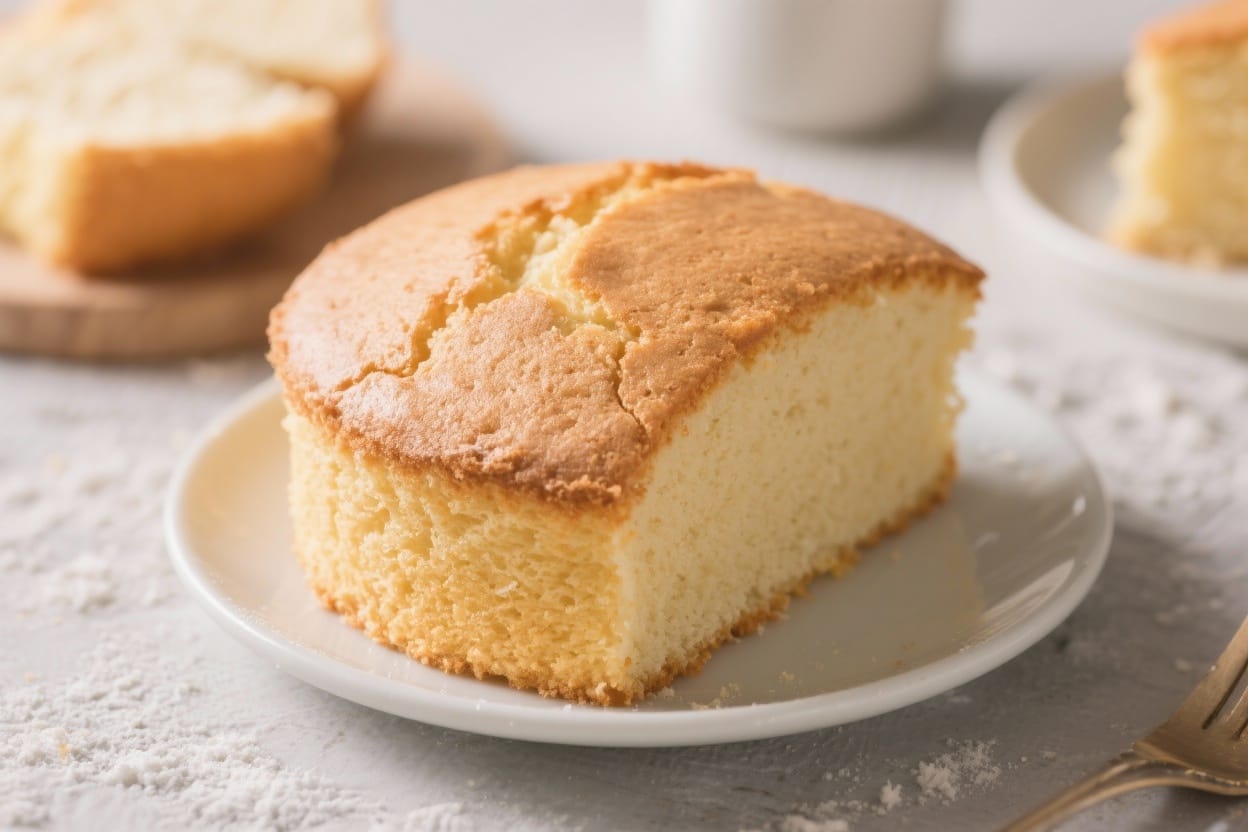
A good butter cake doesn’t need decorations or tricks. It’s soft, golden, and rich with real butter flavor. This version is the kind you slice while it’s still a little warm and eat standing at the counter. It’s friendly with berries, whipped cream, or a dusting of powdered sugar, but it’s also great on its own. If you want a dependable, classic cake that feels homemade in the best way, this is it.
What Makes This Special

Butter cake from scratch – Butter Cake From Scratch – Simple, Classic, and Tender A good butter cake doesn’t need decorations o
This cake is all about balance. It’s buttery without being heavy, sweet without being cloying, and tender without falling apart. A tight, fine crumb makes it slice neatly, and a gentle vanilla aroma keeps it familiar. You don’t need special equipment beyond a mixer and a basic pan. It’s a reliable base for birthdays, afternoon coffee, or a simple dessert any night of the week.
Ingredients

Butter cake from scratch – It’s soft, golden, and rich with real butter flavor
- 2 1/2 cups (300 g) all-purpose flour
- 2 1/2 tsp baking powder
- 1/2 tsp fine sea salt
- 1 cup (226 g) unsalted butter, room temperature
- 1 1/2 cups (300 g) granulated sugar
- 4 large eggs, room temperature
- 2 tsp pure vanilla extract
- 1 cup (240 ml) whole milk, room temperature
- Optional: 1–2 tbsp sour cream or plain yogurt for extra tenderness
- Optional for finishing: powdered sugar, a quick vanilla cake glaze, or fresh berries
Instructions
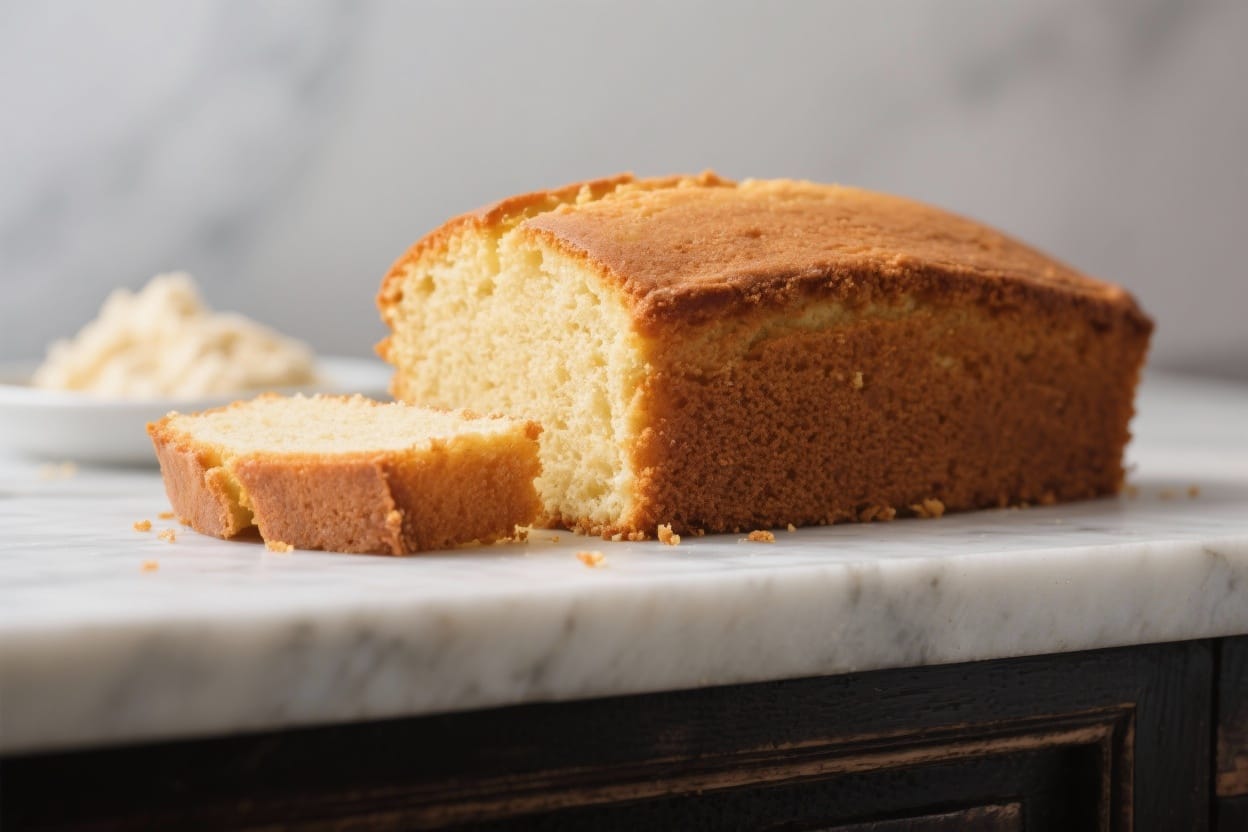
Butter cake from scratch – This version is the kind you slice while it’s still a little warm and eat standing at the counter
- Prep the pan and oven. Heat the oven to 350°F (175°C). Grease a 9×13-inch pan, two 8-inch round pans, or a 10-cup bundt pan. Line flat-bottom pans with parchment and lightly flour for easy release.
- Whisk the dry ingredients. In a medium bowl, whisk flour, baking powder, and salt. This keeps the leavening even and prevents clumps later.
- Cream the butter and sugar. In a large bowl, beat butter and sugar on medium-high for 3–4 minutes until pale and fluffy. The mixture should look light and billowy. This step builds structure and gives the cake its tender crumb.
- Add the eggs and vanilla. Beat in the eggs one at a time, mixing well after each addition. Scrape down the bowl. Mix in the vanilla until smooth. The batter may look slightly silky and emulsified.
- Alternate dry ingredients and milk. On low speed, add one-third of the dry mixture, then half the milk. Repeat, ending with the dry mixture. Mix just until combined. If using sour cream or yogurt, stir it in with the milk. Do not overmix.
- Fill the pan. Spread the batter evenly into your prepared pan(s). Smooth the top with a spatula so it bakes level. For round layers, weigh the batter to divide evenly if you can.
- Bake. Bake until the top is golden and a toothpick comes out clean or with a few moist crumbs. Timing: about 28–34 minutes for 8-inch rounds, 30–35 minutes for a 9×13, and 45–55 minutes for a bundt. Start checking a few minutes early.
- Cool. Let the cake cool in the pan for 10–15 minutes, then turn out onto a rack to cool fully. For a 9×13, you can leave it in the pan. Cool completely before frosting or glazing.
- Finish as you like. Dust with powdered sugar, drizzle a simple glaze (powdered sugar, vanilla, and milk), or serve with whipped cream and fruit. The cake is also lovely plain.
How to Store
- Room temperature: Keep the cake tightly covered for up to 3 days. A cake keeper or well-wrapped pan works best.
- Refrigerator: If your topping is perishable, refrigerate for up to 5 days. Bring slices to room temperature for the best texture and flavor.
- Freezer: Wrap whole layers or slices in plastic, then foil. Freeze up to 2 months. Thaw wrapped at room temperature, then unwrap to prevent condensation.
Why This is Good for You
This isn’t a “health” cake, but it’s a good, honest dessert you can feel fine about serving. You know exactly what goes in—real butter, eggs, flour, and milk, not mystery ingredients. A small slice satisfies because the flavor is rich and full. Enjoying treats like this in balance encourages a healthier relationship with food. And baking from scratch can be calming, which is good for the mind as much as the appetite.
What Not to Do
- Don’t skip room temperature ingredients. Cold butter and eggs won’t cream properly and can cause a heavy, dense cake.
- Don’t overmix after adding flour. Overmixing develops gluten, which toughens the crumb.
- Don’t guess on measurements. Too much flour makes the cake dry. Spoon and level flour or weigh it for accuracy.
- Don’t underbake or overbake. Pull the cake when a toothpick has a few moist crumbs. Overbaked cake turns dry fast.
- Don’t frost a warm cake. Heat melts icing and makes the crumb tear. Let it cool completely first.
- Don’t rely on dark pans without adjusting. Dark pans brown faster; check earlier to avoid overbaking.
Alternatives
- Lemon Butter Cake: Add 1–2 tsp lemon zest to the sugar before creaming, and swap 2 tbsp milk for fresh lemon juice.
- Almond Twist: Replace 1 tsp vanilla with 1 tsp almond extract. Top with toasted sliced almonds.
- Buttermilk Version: Swap whole milk for buttermilk and reduce baking powder to 2 tsp; add 1/4 tsp baking soda for extra lift.
- Gluten-Free: Use a 1:1 gluten-free baking blend with xanthan gum. Mix gently and don’t overbake.
- Brown Butter Upgrade: Brown the butter, cool to room temp, then cream. Expect a deeper, nutty flavor and slightly darker color.
- Sheet Cake to Layer Cake: Bake two 8-inch rounds and fill with jam, lemon curd, or chocolate ganache for a classic celebration cake.
FAQ
Can I make this without a stand mixer?
Yes. A hand mixer works well. If mixing by hand, cream the butter and sugar longer—5 to 6 minutes—to get it light and fluffy.
Why does my cake sink in the middle?
Common causes are underbaking, opening the oven door too soon, or too much leavening. Check your baking powder’s freshness and bake until the center is set.
How do I keep the cake extra moist?
Measure flour accurately, don’t overbake, and consider adding a tablespoon or two of sour cream. You can also brush cooled layers with a light simple syrup if needed.
Can I halve or double the recipe?
Halving works well in an 8×8-inch pan. Doubling is fine for two 9×13 pans or a large celebration cake. Watch the bake time, as larger volumes can take longer.
What frosting pairs well with butter cake?
Vanilla buttercream, chocolate ganache, or a simple cream cheese frosting are all great. For something lighter, use whipped cream and fresh berries.
Is it okay to use salted butter?
Yes. Reduce the added salt to a pinch. Flavor will be slightly different but still delicious.
Can I bake this as cupcakes?
Yes. Fill liners about two-thirds full and bake at 350°F (175°C) for 18–22 minutes, or until a toothpick comes out clean.
What if I only have 2% milk?
It works. Whole milk gives a richer crumb, but 2% still bakes up tender. Avoid non-dairy milks that are very thin unless you add a spoon of sour cream.
Wrapping Up
Butter cake from scratch is the kind of recipe you keep and use often. It’s simple, sturdy, and tastes like home. Make it for a birthday, for company, or just because you want something warm and sweet on the counter. With a few basic steps and good butter, you’ll have a cake that never goes out of style.
Printable Recipe Card
Want just the essential recipe details without scrolling through the article? Get our printable recipe card with just the ingredients and instructions.