Soft Donuts Made From Scratch – Fluffy, Fresh, and Comforting
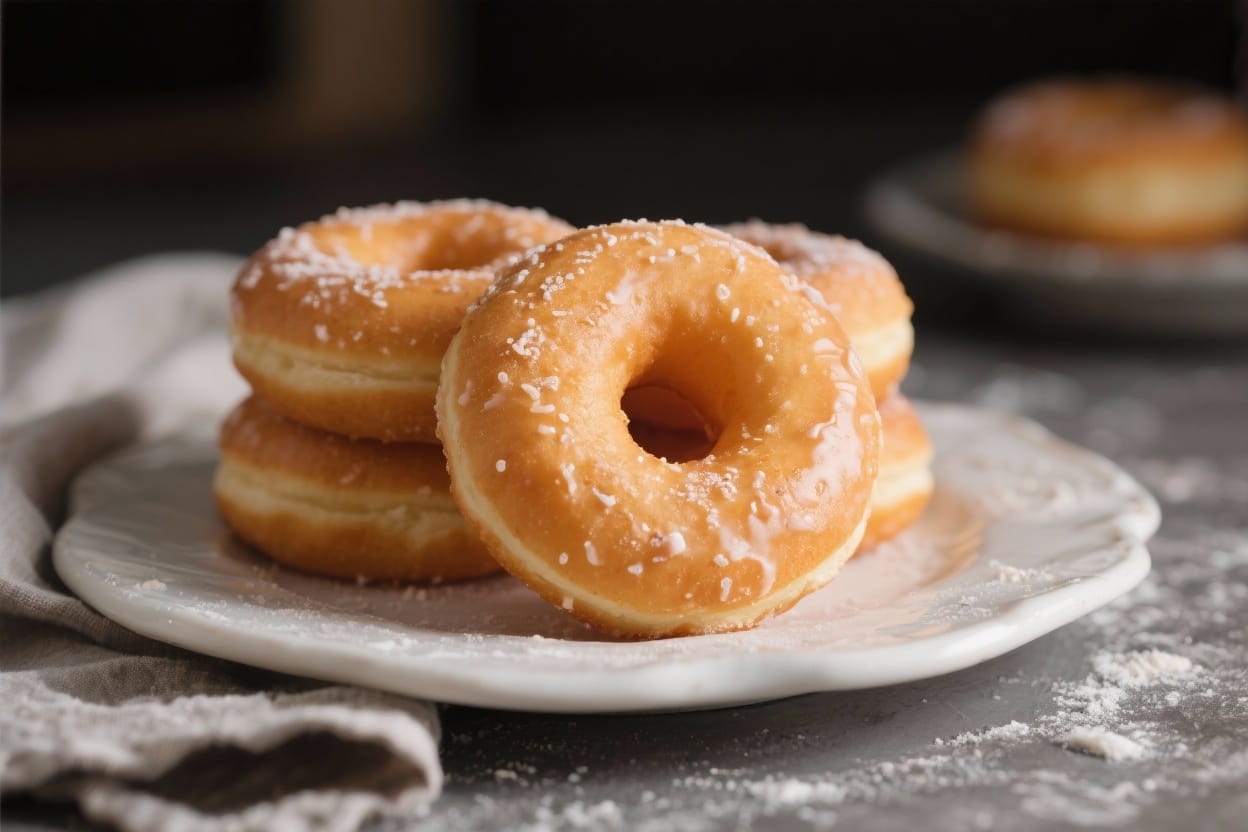
Fresh, soft donuts made from scratch feel like a little celebration in your kitchen. They’re tender, airy, and warm enough to make the whole house smell welcoming. If you’ve only had store-bought donuts, you’re in for a treat—homemade ones are lighter, fresher, and easy to customize. This recipe walks you through each step with simple, practical tips so you get that melt-in-your-mouth texture every time. No fancy equipment, just patience and a good dough.
What Makes This Special
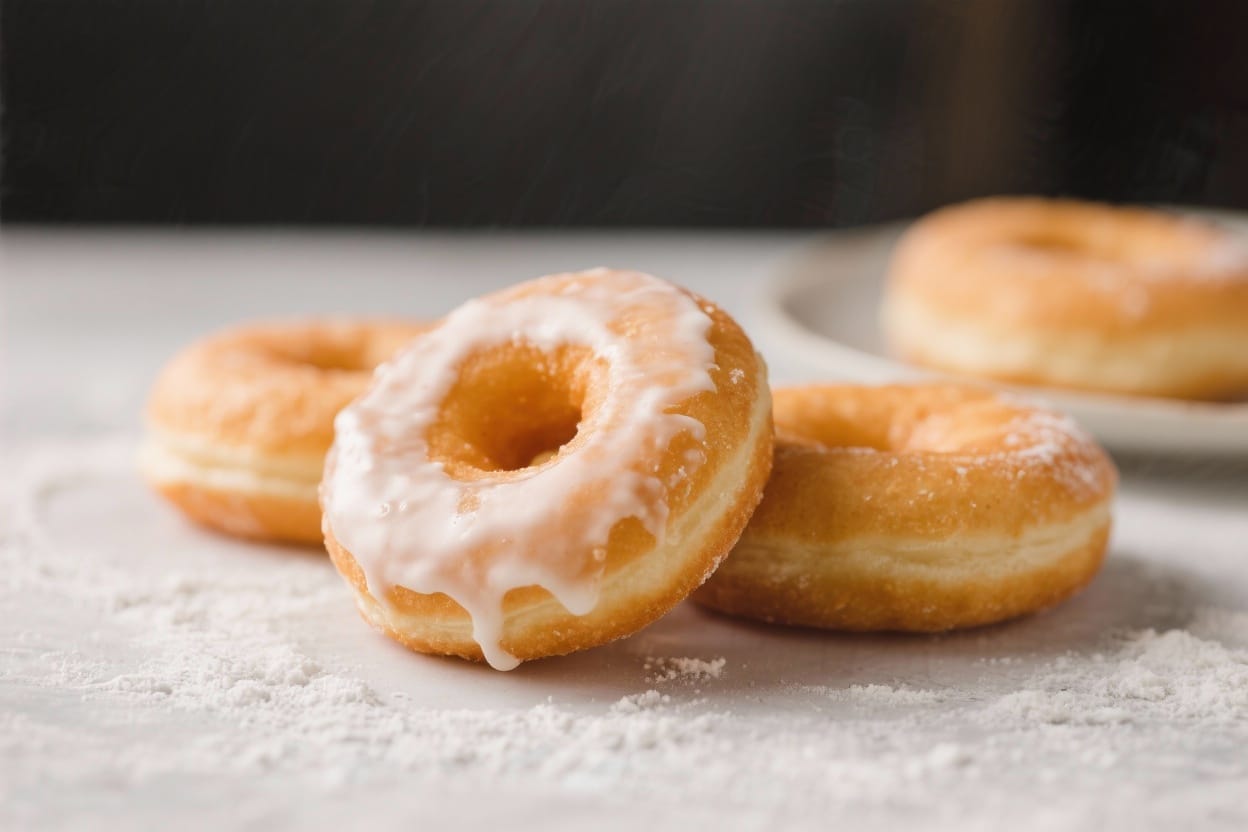
Soft donuts made from scratch – Soft Donuts Made From Scratch – Fluffy, Fresh, and Comforting Fresh, soft donuts made from scratch f
These donuts are all about softness—pillowy centers with a delicate, golden crust. The dough is enriched with milk, butter, and egg for extra tenderness and flavor. A gentle rise and a careful fry keep them light, not greasy. You can glaze them, toss them in cinnamon sugar, or fill them with jam or custard. It’s a reliable base recipe you’ll use again and again.
Ingredients
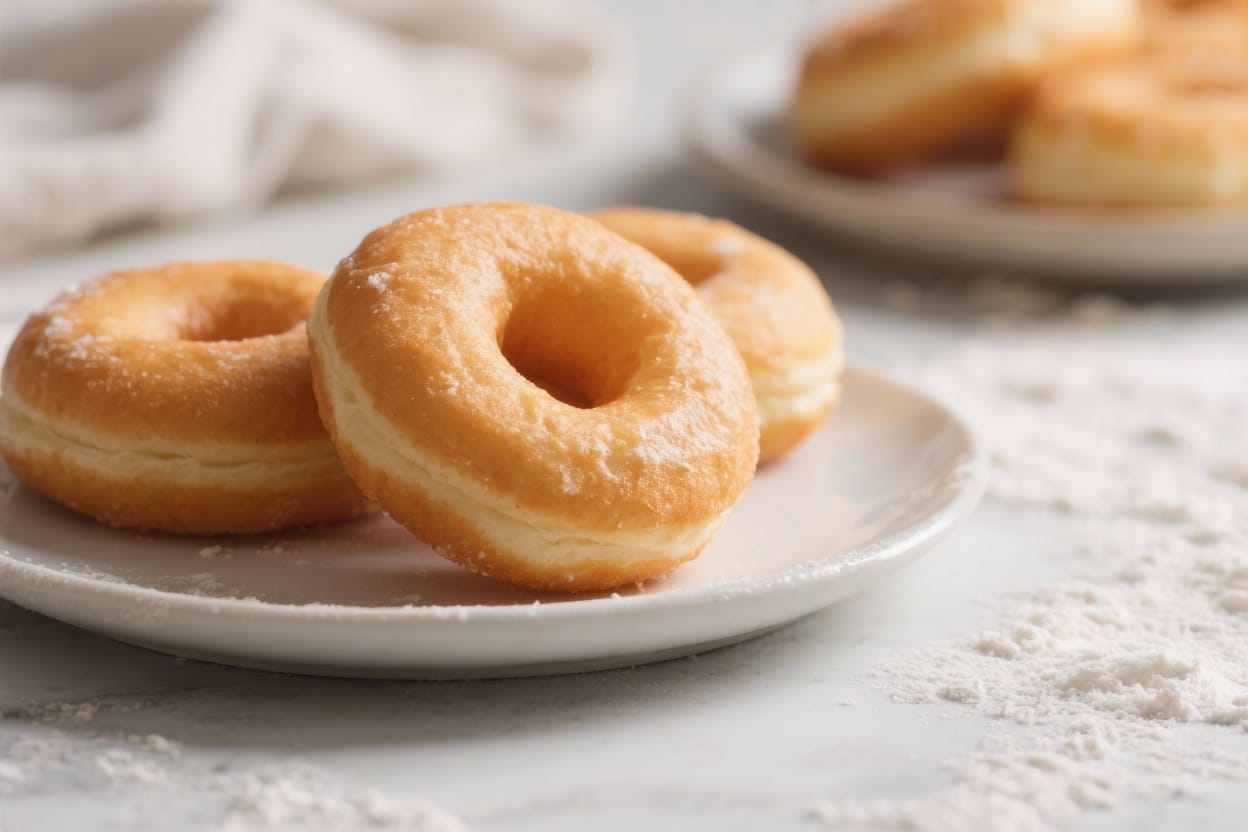
Soft donuts made from scratch – They’re tender, airy, and warm enough to make the whole house smell welcoming
- 2 3/4 cups (330 g) all-purpose flour, plus extra for dusting
- 1/3 cup (65 g) granulated sugar
- 2 1/4 tsp (1 packet) active dry yeast
- 1/2 tsp fine salt
- 3/4 cup (180 ml) whole milk, warmed to about 105–110°F (40–43°C)
- 1 large egg, at room temperature
- 4 tbsp (56 g) unsalted butter, softened
- 1 tsp vanilla extract
- Neutral oil for frying (such as canola, vegetable, or peanut) — perfect for making cream filled pastry buns
Optional Glazes and Toppings
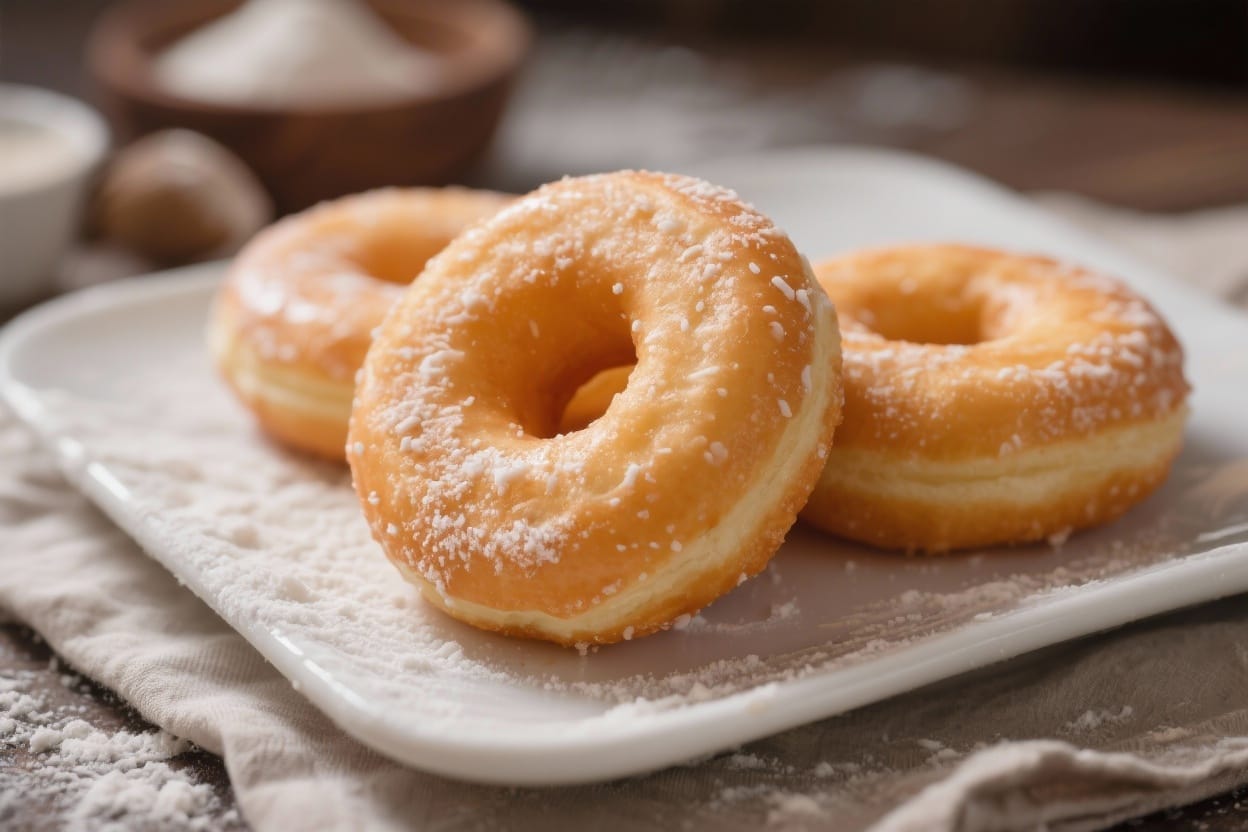
Soft donuts made from scratch – If you’ve only had store-bought donuts, you’re in for a treat—homemade ones are lighter, fresher, an
- Vanilla glaze: 1 cup (120 g) powdered sugar, 2–3 tbsp milk, 1/2 tsp vanilla
- Chocolate glaze: 1 cup (120 g) powdered sugar, 2 tbsp cocoa powder, 2–3 tbsp milk, pinch of salt
- Cinnamon sugar: 1/2 cup (100 g) sugar mixed with 1–2 tsp ground cinnamon
- Jam or custard for filling
Instructions
- Proof the yeast:In a small bowl, mix warm milk and 1 teaspoon of the sugar. Sprinkle yeast over the top. Let it sit for 5–10 minutes until foamy. If it doesn’t foam, start over with fresh yeast.
- Make the dough:In a large bowl, whisk flour, remaining sugar, and salt. Add the egg, vanilla, and the foamy yeast mixture. Mix with a spoon or dough hook until shaggy.
- Incorporate the butter:Add softened butter a tablespoon at a time, mixing after each addition. Knead by hand on a lightly floured surface or with a mixer on medium-low for 8–10 minutes. The dough should be smooth, slightly tacky, and elastic.
- First rise:Place dough in a lightly oiled bowl, cover, and let rise in a warm spot until doubled, about 1–1.5 hours. A slow, steady rise builds better flavor and texture.
- Shape the donuts:Turn dough onto a floured surface. Gently press into a 1/2-inch (1.25 cm) thick sheet. Cut rounds with a 3-inch cutter and cut centers with a 1-inch cutter (or use a bottle cap). Reroll scraps once if needed.
- Second rise:Place cut donuts on parchment squares or a floured tray. Cover lightly and let rise until puffy, about 30–45 minutes. They should look airy but hold their shape.
- Heat the oil:Pour 2–3 inches of oil into a heavy pot. Heat to350°F (175°C). Keep a thermometer handy and adjust heat as needed to maintain temperature.
- Fry the donuts:Carefully add 2–3 donuts at a time. Fry 1–2 minutes per side, until golden and puffed. Use a slotted spoon to flip and remove. Drain on a wire rack over a sheet pan. Fry the holes too—about 1 minute total.
- Glaze or sugar:While still warm, dip donuts in homemade glazed donuts glaze or toss in cinnamon sugar. For glaze, whisk ingredients until smooth and slightly thick. Let excess drip off on the rack.
- Serve:Donuts are best enjoyed warm within a few hours. Expect a soft, airy bite with a delicate crust.
How to Store
- Short-term: Keep at room temperature in an airtight container for up to 1 day. Refresh by warming in a 300°F (150°C) oven for 5–7 minutes.
- Freeze: Freeze unglazed donuts in a single layer, then transfer to a freezer bag for up to 2 months. Thaw at room temperature and reheat briefly before glazing.
- Avoid the fridge: Refrigeration dries donuts out quickly. Room temp or freezer is best.
Benefits of This Recipe
- Consistently soft texture: The enriched dough and two rises create a fluffy interior.
- Flexible finishing: Glaze, sugar, chocolate, or fillings—this base works with everything.
- Beginner-friendly steps: Clear cues (like oil temperature and dough feel) make it approachable.
- Simple ingredients: Everything is pantry-friendly and easy to find.
- Great for sharing: A batch makes enough for family, friends, or a weekend brunch.
Common Mistakes to Avoid
- Overheating milk: Milk hotter than 115°F can kill yeast. Aim for warm, not hot.
- Under-kneading: If the dough isn’t elastic, the crumb won’t be airy. Knead until smooth and stretchy.
- Skipping the second rise: This step adds lightness. Don’t rush it.
- Oil too hot or cold: Too hot burns the outside; too cold makes greasy donuts. Keep it near 350°F.
- Overcrowding the pot: This drops the temperature. Fry in small batches for even browning.
- Cutting too thin: If the dough is rolled thinner than 1/2 inch, your donuts won’t puff properly.
Alternatives
- Baked donuts: Shape into rounds and bake at 375°F (190°C) for 8–10 minutes. They won’t be quite the same, but they’re still soft and tasty.
- Air fryer: Brush shaped donuts lightly with oil and air fry at 350°F (175°C) for 5–7 minutes, flipping once. Glaze while warm.
- Flavor additions: Add a pinch of nutmeg or cardamom to the dough for a classic bakery note.
- Dairy-free: Use plant milk and dairy-free butter. Texture remains soft with minor flavor changes.
- Filled donuts: Skip the center hole, fry as rounds, then pipe in jam, custard, or chocolate cream once cooled slightly.
- Gluten-free attempt: Use a 1:1 gluten-free flour with xanthan gum. Expect a denser texture, but still enjoyable.
FAQ
Can I use instant yeast instead of active dry yeast?
Yes. Use the same amount and mix it directly with the dry ingredients. Warm the milk as directed and proceed. You can skip the proofing step, though it’s a helpful freshness check.
How do I know when the dough is kneaded enough?
The dough should feel smooth and elastic, and it should stretch thin without tearing easily. It will still be slightly tacky, but not sticky. If it tears quickly, knead a couple of minutes more.
Why are my donuts greasy?
Greasy donuts usually mean the oil was too cool or the dough was underproofed. Keep the oil at 350°F and let the shaped donuts rise until puffy. Avoid crowding the pot, which drops the temperature.
Can I make the dough ahead?
Yes. After the first rise, cover and refrigerate the dough overnight. Bring it to room temperature, roll, cut, and do the second rise before frying. The flavor actually improves slightly.
What oil is best for frying?
Use a neutral, high-smoke-point oil like canola, vegetable, or peanut oil. They keep the flavor clean and handle the heat well. Avoid olive oil for frying donuts.
How thick should I roll the dough?
Around 1/2 inch is ideal. Thicker dough may fry up doughy inside; thinner dough won’t puff as nicely. Consistent thickness helps them cook evenly.
How long do they stay soft?
They’re best the day you make them, ideally within a few hours. You can refresh day-old donuts in a low oven for a few minutes. Glazing right after frying helps lock in moisture.
In Conclusion
Soft donuts made from scratch are worth the small effort. With simple ingredients and a few reliable steps, you’ll get a tender crumb, a gentle rise, and that classic golden finish. Keep an eye on your oil, give the dough time, and choose your favorite glaze. Once you taste a warm, fresh donut from your own kitchen, it’s hard to go back. Happy frying and enjoy every soft, sweet bite.
Printable Recipe Card
Want just the essential recipe details without scrolling through the article? Get our printable recipe card with just the ingredients and instructions.